Connect with us

California

California lawmaker announces ballot initiative campaign after voter ID bill fails

Published

on

California lawmaker announces ballot initiative campaign after voter ID bill fails


A bill to require voter ID and proof of citizenship to register to vote was rejected by California lawmakers Wednesday, though the Republican sponsor of the legislation vowed not to give up.

Assemblymember Carl DeMaio (R-San Diego) announced that he plans to launch a campaign to qualify his proposal as a statewide ballot initiative for the 2026 election.

DeMaio described his proposal as a nonpartisan issue when it came before the Assembly Committee on Elections Wednesday morning. The bill failed on a party line vote of 3-2 over concerns from opponents that more requirements would disenfranchise eligible voters and embolden false claims that California’s elections are not secure.

“We have the lowest level of public trust and confidence in our elections that we have ever seen. All the polling shows that, and that is something that Democrats and Republicans should see as a democracy issue, not a partisan issue,” DeMaio said during the hearing.

Advertisement

Most Americans approve of requiring voters to provide identification and proof of citizenship, polls show. According to a Gallup poll last October, 84% of Americans support photo ID and 83% support providing proof of citizenship when registering to vote for the first time.

DeMaio believes the initiative will have widespread support in California, too, calling it “shameful” for his colleagues to kill the bill.

“Democrat, Republican and everyone in between, [voters] care about the health of our democracy. They demand more integrity from our elections,” he said afterward.

The bill, AB 25, would have required people to provide some kind of documentation of citizenship when registering to vote, and for registered voters to present a photo ID before voting in person. The legislation was co-sponsored by Assemblymember Bill Essayli (R-Corona), who last week was appointed as U.S. attorney for Los Angeles and surrounding areas.

According to a legislative analysis of the bill, it was unclear what kind of documents could be used to prove citizenship. A California Real ID can be obtained by permanent and temporary residents that are not citizens, and some people born in American territories, like in American Samoa, can obtain a U.S. passport as U.S. nationals but are not considered citizens.

Advertisement

Currently in California, people registering to vote sign a declaration under perjury that they are U.S. citizens and eligible to vote, but do not have to provide proof of citizenship — a stipulation that DeMaio called a “pinky swear.”

DeMaio’s bill would have required Californians voting by mail to provide the last four digits of a government-issued identification number, like a Social Security number or driver’s license. If the numbers didn’t match, the ballot would be disqualified.

According to the National Conference of State Legislatures, 36 states request or require voters to show some kind of identification at polling stations, although laws vary regarding photo ID.

California is one of 14 states, along with Washington, D.C., that uses other verification methods, such as matching signatures from a ballot to information on the voter’s registration file.

Forcing otherwise eligible voters to obtain government documents “amounts to what we consider to be an unconstitutional poll tax,” said Dora Rose, deputy director of the League of Women Voters of California, who testified in opposition of the bill. It would disenfranchise vulnerable groups of people, she said — women, people with disabilities, communities of color and the elderly.

Advertisement

Changing the law could also bring credence to claims of widespread voter fraud — which has repeatedly been debunked, Rose told committee members.

Chair Gail Pellerin (D-Santa Cruz), who voted against the bill, agreed.

“I hope that my colleagues on the committee will join me in rejecting baseless attempts to erode public trust in California’s elections,” she said. Pellerin suggesting that if elected state representatives didn’t believe state elections were valid, they should resign.

DeMaio’s Republican allies on the committee pushed back. David J. Tangipa (R-Fresno) said the argument that minorities were too poor or not intelligent enough to secure a government-issued ID was offensive.

Last week, California and a coalition of other states sued the Trump administration to block the president’s recent executive order seeking to radically reshape voting rules nationwide, including requiring voters to provide proof of citizenship, at the penalty of states losing access to federal funds.

Advertisement

California Atty. Gen. Rob Bonta said Trump’s order was an illegal attempt by the White House to strip states of their authority to govern elections.

Trump — who has falsely asserted that the 2020 presidential election was stolen from him — has said the U.S. voting system is wildly outdated and alleged that fraud and voting by noncitizen immigrants is a major problem.

Trump’s order, if upheld by the courts, would require all voters in the U.S. to show proof of citizenship — such as a passport or Real ID — before they could register to vote in any federal election. Bonta said the president’s order is clearly unconstitutional and that it’s up to states to regulate and administer elections, and that California has decided that requiring voter ID is not necessary.

“There is no evidence of any widespread voter fraud, there is no evidence that proof of citizenship is needed to secure the integrity of our elections,” Bonta said during a news conference last week.

DeMaio’s bill in California also would have overhauled other election laws — in a state where some counties take a month to count ballots, even those postmarked on election day, the bill would have required all ballots to be counted within 72 hours.

Advertisement


Source link

California

California Central Valley city’s first-ever Pride event moves indoors after pushback

Published

on

California Central Valley city’s first-ever Pride event moves indoors after pushback


Oakdale’s first Pride event is moving forward this weekend after organizers changed venues following pushback over its original location and a planned drag performance.

Some residents pushed back over the event’s original location at Dorada Park and a planned drag performance.

“I also understand staff has issued a permit for a so-called Pride event,” one speaker said during the latest City Council meeting.

Another speaker raised concerns about the event being advertised as open to all ages, including children, and having a drag queen host.

Advertisement

After the public pushback, organizers moved the event indoors to the Bianchi Center.

“It was a huge upgrade to be able to provide a more accessible space in the heart of Oakdale,” said Ryan Hall, president of CalPride.

Hall said the idea to bring Pride to the city did not come from outside Oakdale, it came from people living there.

“That’s my place as a mom of rainbow kids, absolutely,” said Elizabeth May, owner of Sisters Coffee.

May’s coffee shop hosts a monthly LGBTQ+ social.

Advertisement

“I had a young man walk in here and say, ‘We don’t have anywhere to have a social here for LGBTQ.’ I said, ‘Heck yes,’” May said.

Still, the backlash has left parents like May concerned.

“How does it feel? Scary. I’m excited, but as a mom of a kid in the community, I’m nervous for them,” May said.

May said the venue change helped ease some of the tension.

“The different venue made a win-win situation for everyone. I was very proud of the kids for making that hard decision,” May said.

Advertisement

For organizers, the drag performance is part of the celebration.

“Enjoy some line dancing, enjoy some live music, enjoy the drag show, and then also enjoy community members and our local businesses, our local artists and partner organizations,” Hall said.

Oakdale Pride is scheduled for Sunday from 10 a.m. to 2 p.m. Entry is free.


Source link

Continue Reading

California

Newsom urges a national ‘billionaires’ tax’ while fighting one in California

Published

on

Newsom urges a national ‘billionaires’ tax’ while fighting one in California


California Gov. Gavin Newsom, a Democrat who is considering a run for president as he approaches the end of his term, called for a national “billionaires’ tax” on Friday even as he fights another proposal targeting the wealthy in his home state.

Newsom also said the U.S. government should own a stake in artificial intelligence companies. His proposals, outlined in a Substack post, aligns him with the Democratic Party’s populist left, and he argued that urgent changes are needed to prevent the elite concentration of wealth and power from undermining democracy.

“It’s time for an economic reset for America,” Newsom wrote.

The governor announced his agenda a day after an influential health care union in California pledged to go forward with a ballot measure that would impose a one-time 5% tax on the assets of billionaires living in the state as of Jan. 1, 2026.

Advertisement

Newsom opposes that measure, as do many of the liberal interest groups that typically favor higher taxes. They fear it would drive billionaires out of California, eroding the state’s tax base over the long term for a one-time influx of cash. A technology mecca, California has more billionaires than any other state — a few hundred, by some estimates.

“You may not be able to pick up and move to Texas or Florida to shelter your income from taxation, but I promise you that billionaires can, and do,” Newsom wrote. “Wealth is movable, and it shops for the state with the lowest taxes. The fight belongs at the federal level, where this broken system was created in the first place.”

A minimum tax on large net worths

Newsom said the solution is a new national tax policy, rather than a state-by-state system. He proposed a minimum tax on anyone with a net worth above $100 million. He also wants to make it illegal for the wealthy to borrow against their stock portfolios to fund their luxury lifestyles tax free.

Newsom said there should be new rules for inheritance taxes, warning that “the transfer of wealth among the ultra-wealthy will lock in a permanent American aristocracy of inherited wealth.” And he wants to raise corporate tax rates to where they were before President Donald Trump’s first-term tax cut.

READ MORE: Sanders and Newsom clash over proposed tax on California’s billionaires

Advertisement

The need is especially urgent as artificial intelligence threatens to displace workers and further concentrate wealth, he wrote.

“We need to ensure every American owns a stake in the future being built by AI through a national public equity fund that takes a major stake in the new economy,” he wrote. “Simply, as artificial intelligence reshapes the country, every American should own a piece of the future it builds.”

Revenue generated by his proposals could be used to retrain workers, fund universal child care, make college free and increase funding for health care.

‘Money buys influence’

Newsom, who has drawn attention as one of Trump’s most high-profile political antagonists, is getting an early start on laying out a policy framework for his potential White House bid months before the midterm elections, which have typically marked the informal start of overt presidential campaigning.

WATCH: News Wrap: Newsom says Trump ordering DOJ to investigate him and wife

Advertisement

The embrace of a wealth tax by Newsom, a moderate on tax policy despite his liberal reputation, signals a notable shift in the political landscape since Massachusetts Sen. Elizabeth Warren struggled to get traction in her 2020 campaign, which she largely centered around a 2% levy wealth tax.

Newsom portrayed the nation’s tax code as a corrupt system built to help an elite few.

“Money buys influence, and influence rewrites the rules,” he wrote. “Those rewritten rules funnel even more wealth to the few. Under this weight, democracy itself starts to buckle.”

A free press is a cornerstone of a healthy democracy.

Support trusted journalism and civil dialogue.

Advertisement


Source link

Advertisement
Continue Reading

California

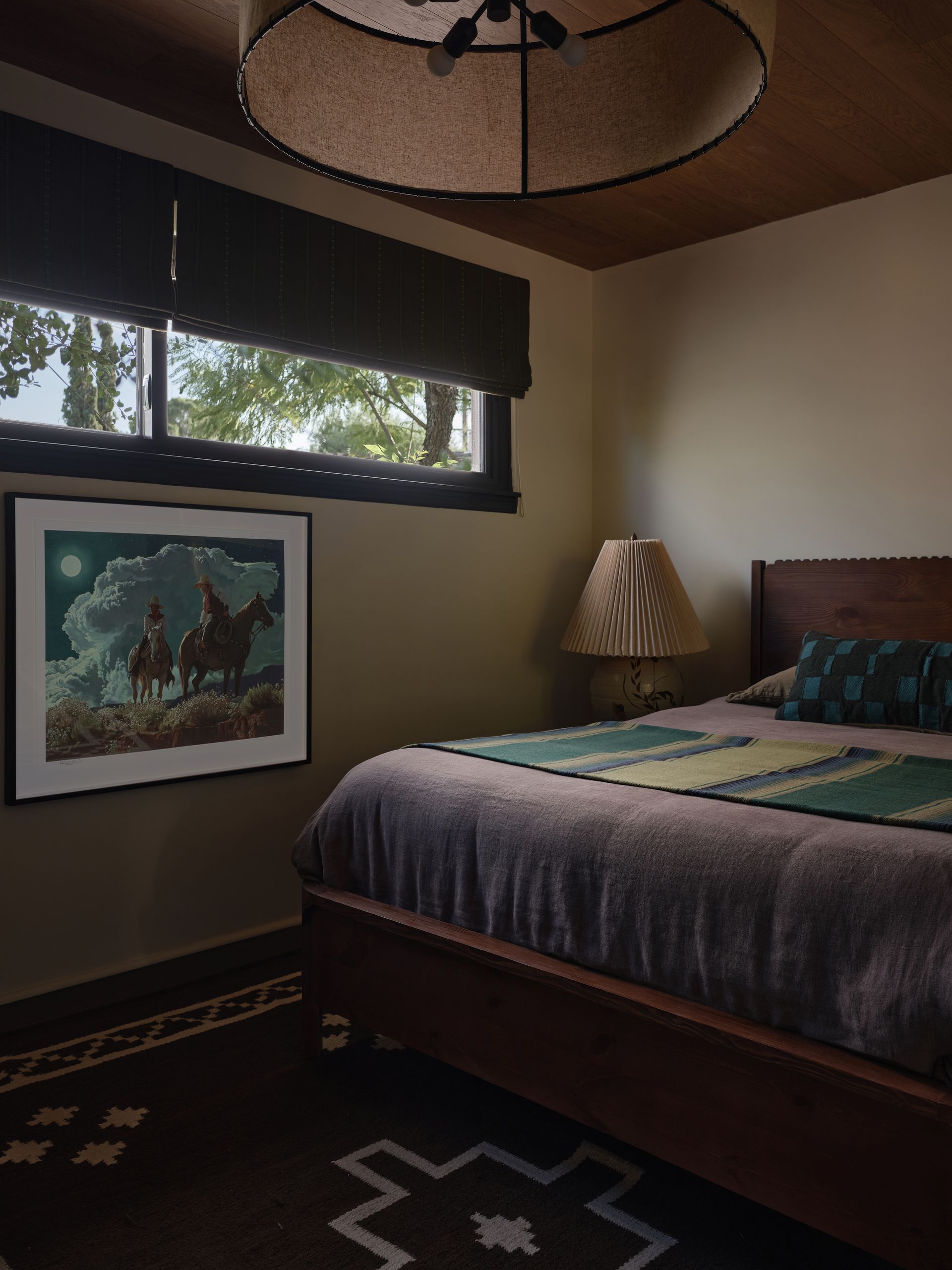
This 1947 adobe home has found a new life as a ‘modern California hacienda’

Published

on

This 1947 adobe home has found a new life as a ‘modern California hacienda’


This is the latest instalment of The Inside Story, Wallpaper’s series spotlighting intriguing, innovative and industry-leading interior design.

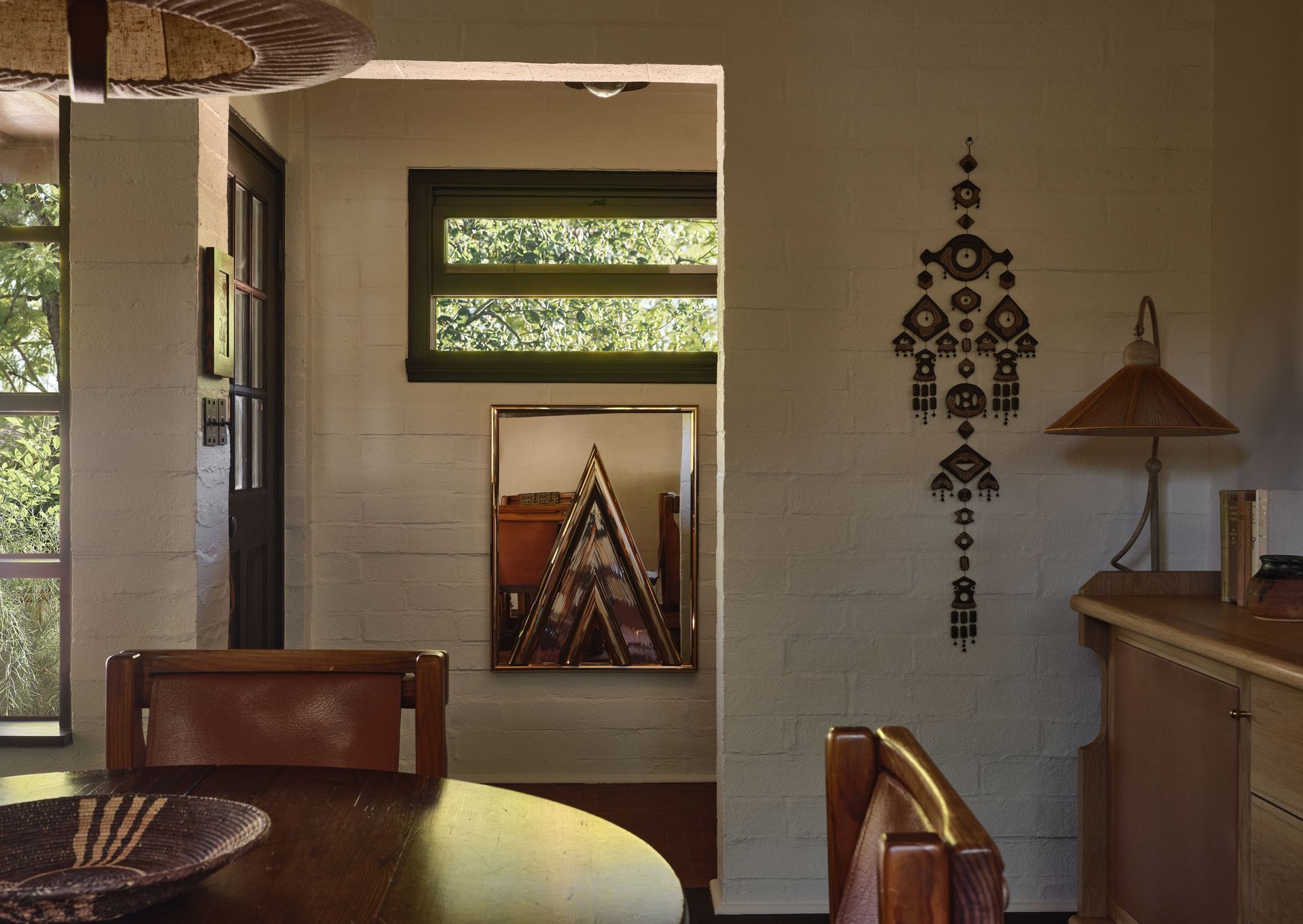
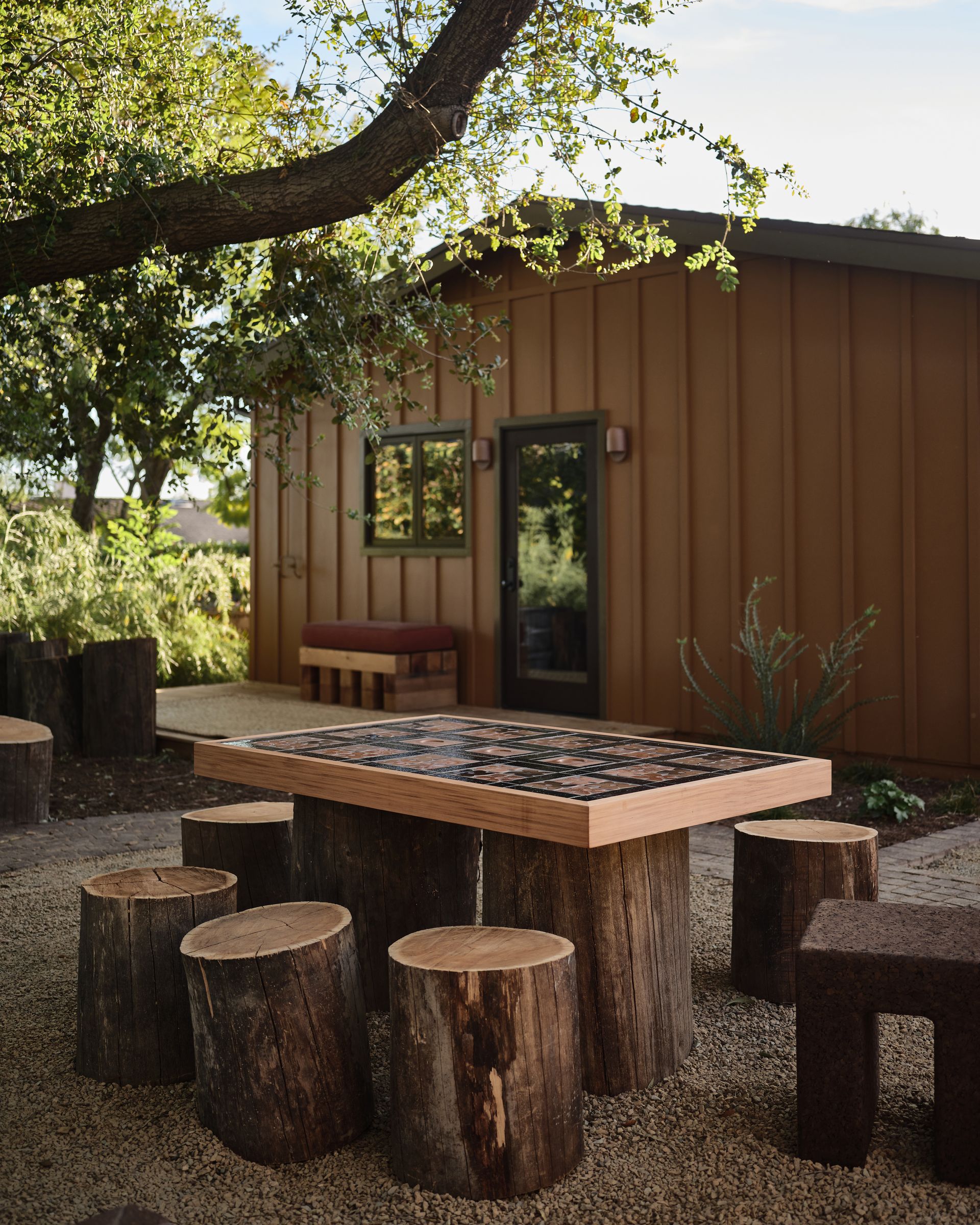
Nestled at the base of the San Gabriel Mountains in Sierra Madre, a 1947 adobe home – a traditional building method using sun-dried bricks of organic materials – has been reimagined. Removed from the noise and polish of Los Angeles, this neighbourhood is shaded by California oaks, eucalyptus and pine, and shares its hillside with bears. It’s an unusual setting for a design story.

(Image credit: Michael P.H. Clifford)
Advertisement

mid-century california home redesigned by Kirsten Blazek

(Image credit: Michael P.H. Clifford)
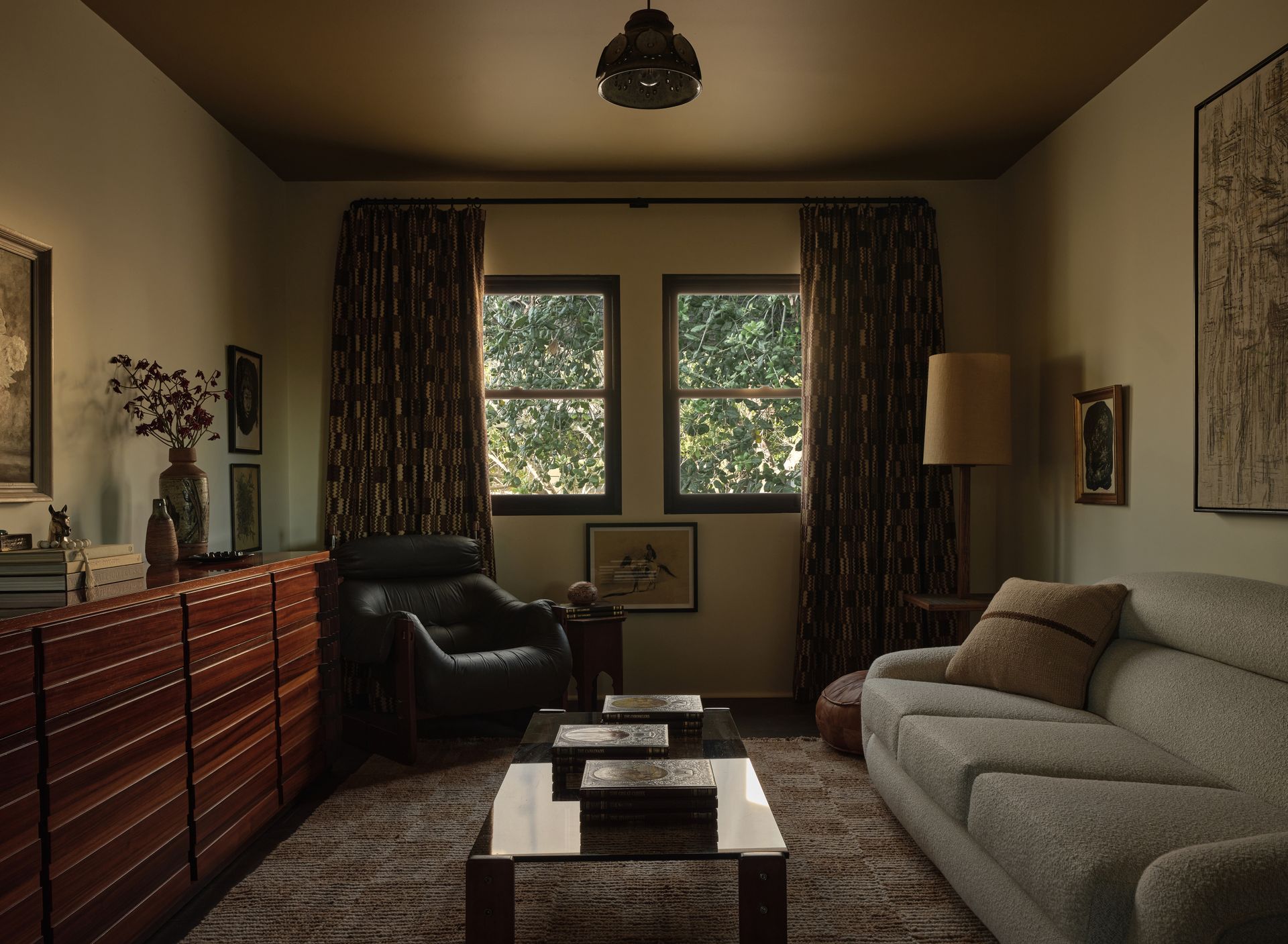
The home’s transformation began with a fire that destroyed much of the structure, leaving only the original adobe brick wall standing. Rather than rebuild from scratch, designer Kirsten Blazek of A1000XBetter chose to work with what remained.

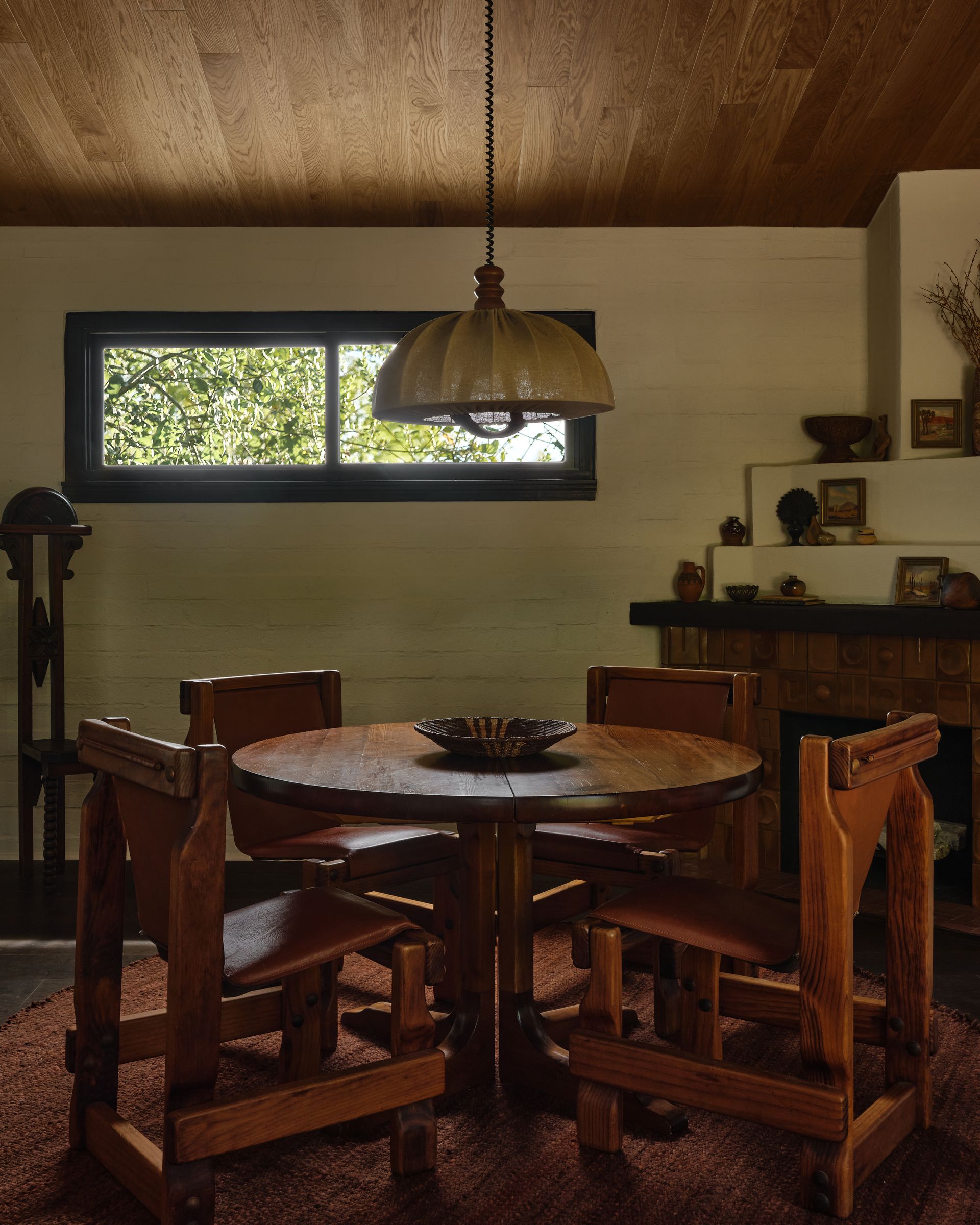
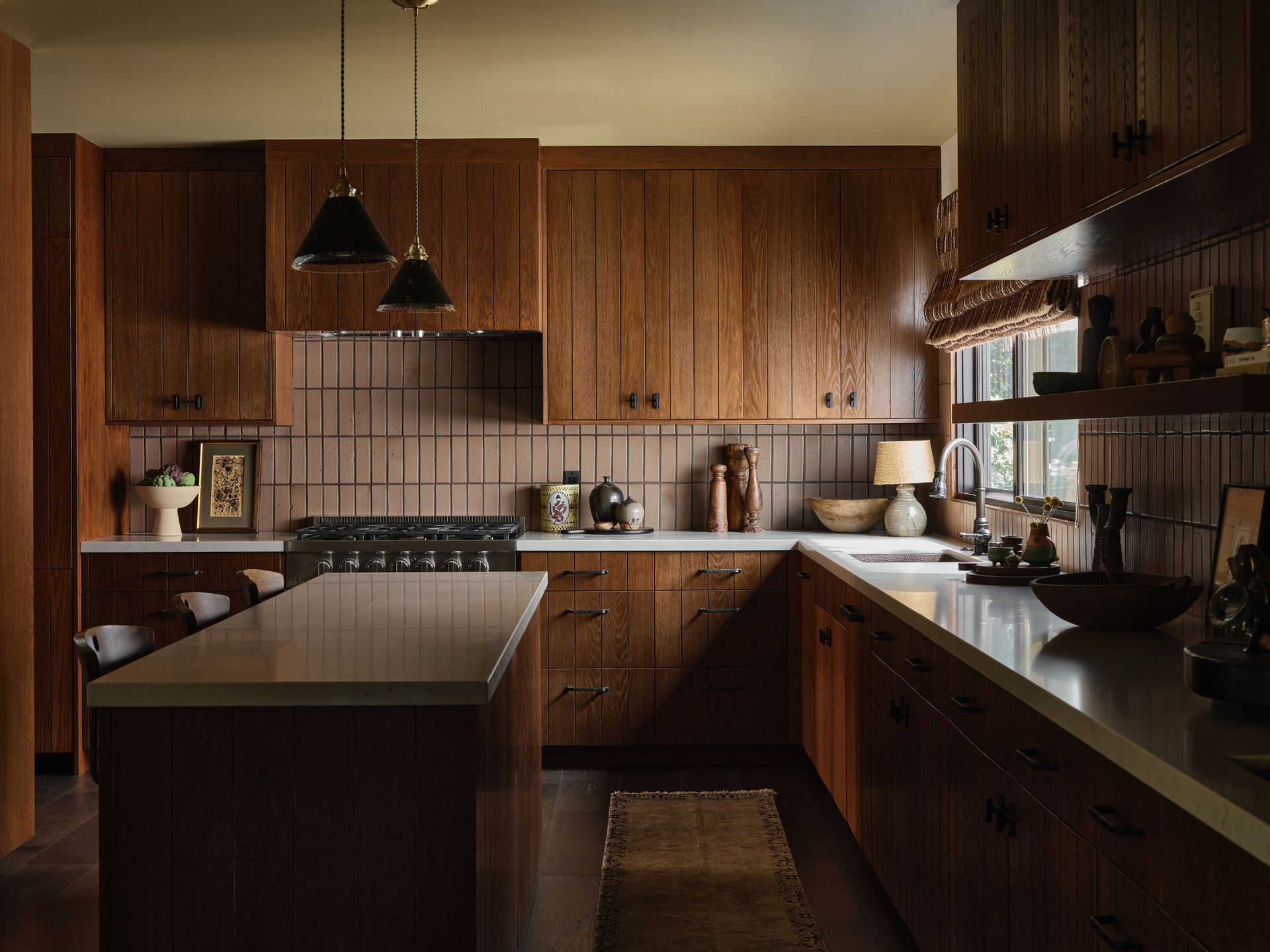
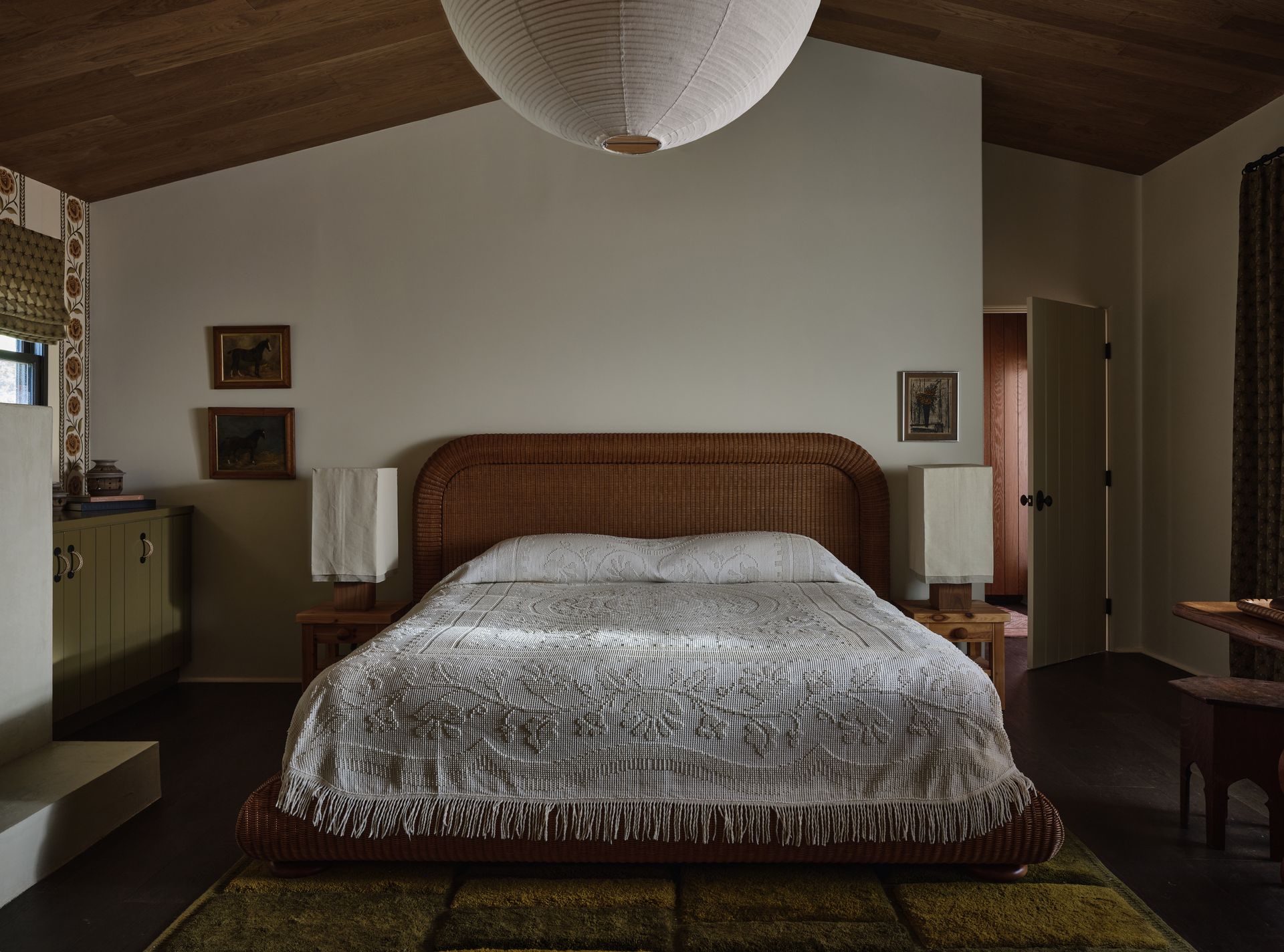
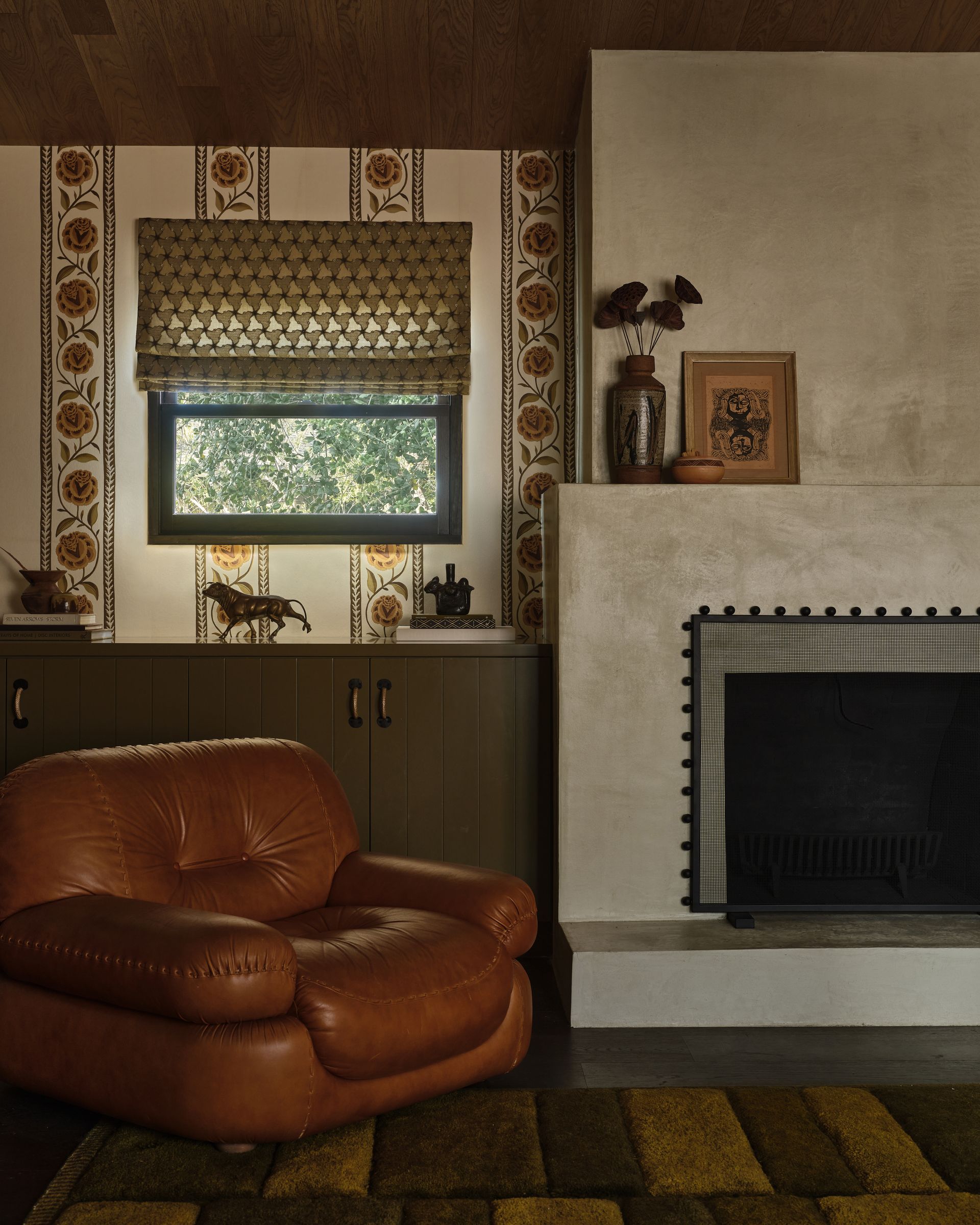
‘The overall vision was to maintain as much of the original character and style of the home as possible, while making it more functional for modern living,’ she explains. New rooms were added – a kitchen, a primary suite, a family room – though the expansion was restrained. ‘We worked mainly within the original footprint,’ the designer notes, ‘only adding a small amount of square footage for the primary closet.’

mid-century california home redesigned by Kirsten Blazek

(Image credit: Michael P.H. Clifford)
mid-century california home redesigned by Kirsten Blazek

(Image credit: Michael P.H. Clifford)
Advertisement

mid-century california home redesigned by Kirsten Blazek

(Image credit: Michael P.H. Clifford)

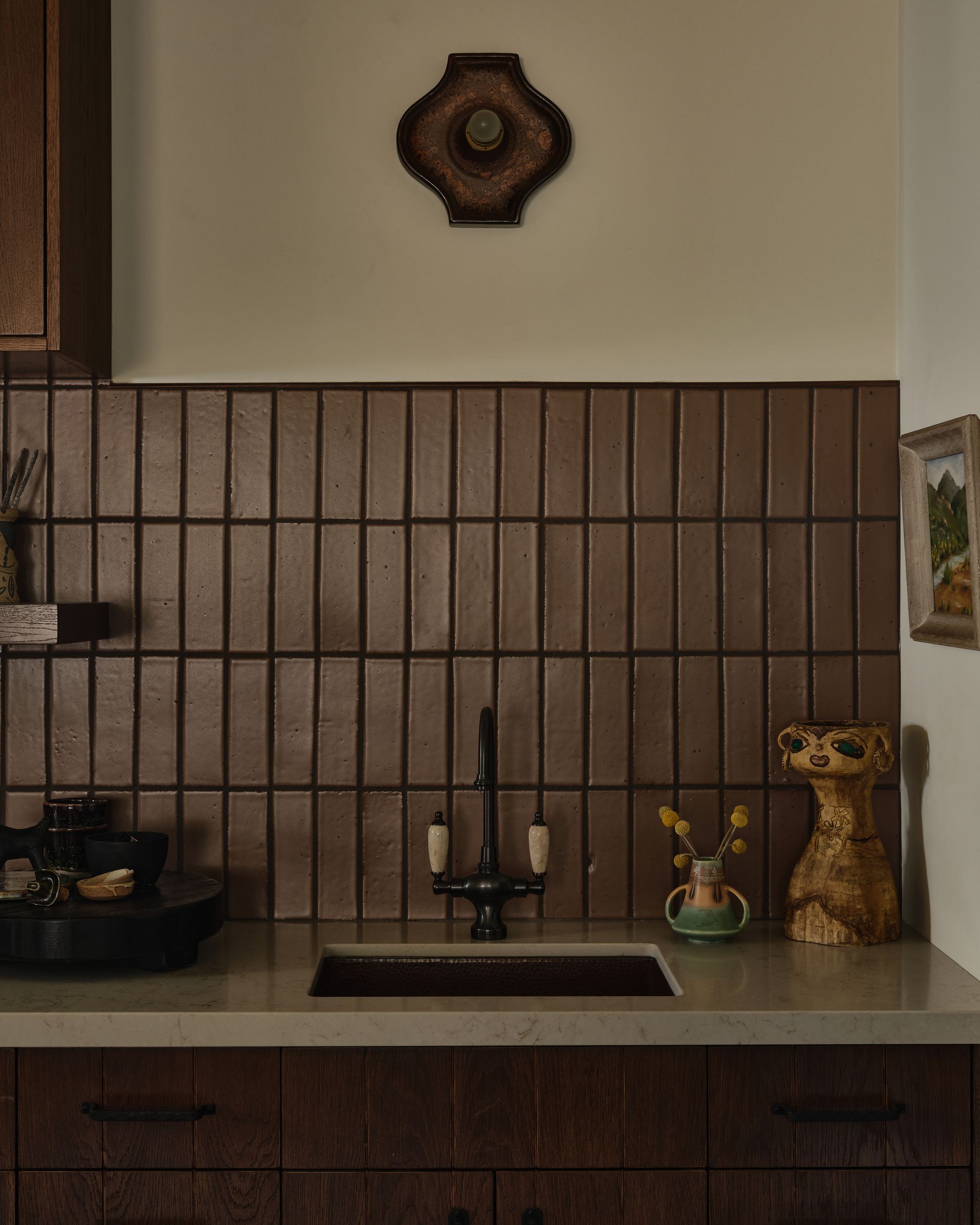
On the original adobe side, the layout was left untouched. The hallway windows, original to the 1947 build and ‘one of [Blazek’s] favourite features’, were preserved. ‘I wanted the house to feel like a modern California hacienda,’ she says of her guiding aesthetic, ‘and embraced that through every colour choice and finish.’


Source link

Continue Reading
Advertisement

Trending