


Lindsay Arnold using The Everything Band.
Ambit Creative


Walking is the starting point for someone who wants to strengthen their heart and lungs. Quinn advises against high intensity. “If anyone’s going to suffer a cardiovascular episode, an arrhythmia or atrial fibrillation, it will be someone in that older age bracket – the heart is ageing as well. I prefer duration and frequency rather than intensity.”
Walking is underrated, adds Mallace. “It helps strength in your legs and your balance. Walk fairly briskly. Get a stopwatch, go out for a walk and time how long you walk before you want to stop. Note the time. If it’s 10 minutes that’s your baseline, increase really slowly and do 11 minutes the next time and build until you can walk half an hour at a reasonable speed.” She recommends walking every other day until you’re able to keep going for 25 minutes then you can do it every day.”
A study carried out by an Oklahoma-based team said that “walking briskly for 30 minutes per day for five days can reduce the risk of several age-associated diseases. Additionally, low-intensity physical exercise, including walking, exerts anti-ageing effects and helps prevent age-related diseases”.
The array of fashionable superfoods that catch our eye every now again is not the answer, according to Prof Mary Hickson of the dietetics department of Plymouth University. She says that appetite can diminish in our 70s and 80s partly because our sense of taste and smell is less sensitive. This means every meal needs to be nutrition-packed as it could well be smaller than those we enjoyed in the past. “An ideal plate would be half vegetables, a quarter protein and a quarter carbohydrate.”
How much protein older people need is not entirely clear currently. “There is some debate about protein and older people and there seems to be a consensus slowly emerging that older people do need more.” A study by the University of Sheffield found that many older adults do not eat sufficient protein. “More than half of older adults aren’t consuming enough protein to reach national recommendations.”
Prof Hickson says: “The recommendation for younger adults is 0.8 grams of protein per kilogram of body weight per day, and for older people it may go up as high as 1.2 grams per kg of body weight, as we age.” A 90-gram chicken breast contains 24 grams of protein but Prof Hickson reminds us lots of foods contain small amounts of protein adding to your total score – a slice of toast will have 2.5 grams, for example.
The carbohydrate element is important especially if you are active. “Complex carbohydrates are the best because they are broken down more slowly rather than sugar which gives you a spike of glucose,” Prof Hickson adds. “Whole-grain bread, cereals and pasta are all good choices, and you should have some at every meal.”
If life with brown rice and chicken breasts feels a little spartan, Prof Hickson says coffee within the two-to-three cups a day limit is fine, some sweet treats are permitted if they are appropriately infrequent. She is also comfortable with alcohol within the 14 units a week but warns about dehydration. “The proportion of water in the body is less for older people so it’s easy to become dehydrated, so alcohol will have more of an effect.” Have milk in your coffee or cheese with your wine. Bone health calcium is important, and guidelines from the British Dietetic Association recommend three portions of milk-based products per day.

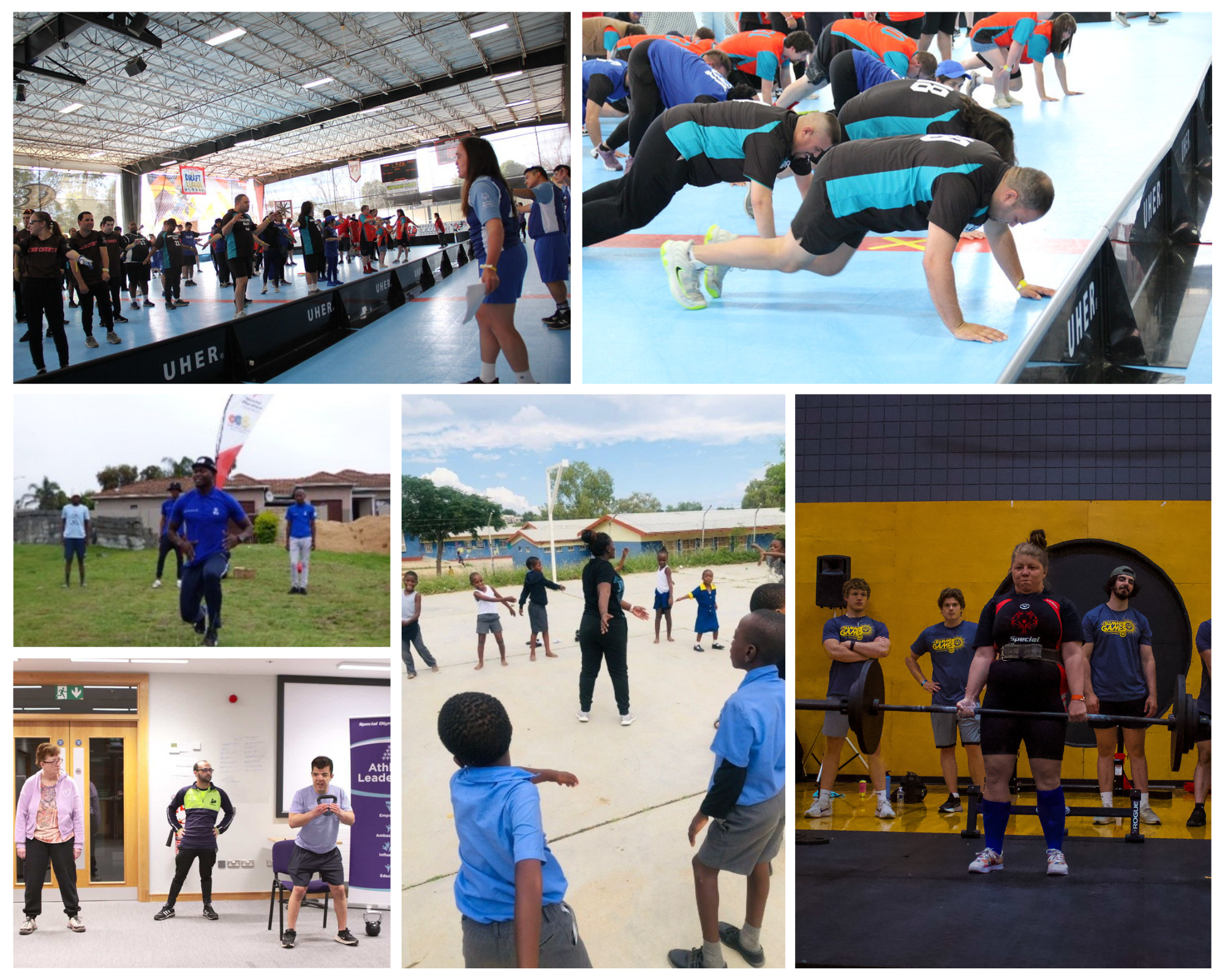
Fitness is a key aspect of Special Olympics’ mission. Special Olympics Fitness comprises three components that focus on healthy lifestyle behaviors: physical activity, nutrition, and hydration. When Special Olympics athletes practice regular physical activity, eat healthy, and stay hydrated, they improve their health, confidence, and quality of life.
According to Special Olympics Fitness 2024 Annual Report, 74% of athletes report improved confidence in doing physical activity after participating in Special Olympics fitness programming. This focus on fitness extends beyond individual athletes and into entire communities. Across the globe, Special Olympics Athlete Leaders and coaches are inspiring others to be more active daily. They are dedicated to making fitness more inclusive, leading education and fitness activities, and empowering their fellow athletes, family members, and other supporters of the Special Olympics movement to live healthy lifestyles.
This emphasis on movement is celebrated globally on World Day for Physical Activity, observed annually on 6 April, which promotes physical activity and encourages people of all abilities to move more every day. This World Day for Physical Activity, we’re highlighting Athlete Leaders and a coach who have taken on a variety of leadership roles to empower athletes to stay active year-round. Get to know them below!
Ayoub Deboub – Special Olympics Ireland

Ayoub Deboub is an athlete, football and Special Olympics Young Athletes coach, Certified Personal Trainer, Special Olympics International Fitness Advisory Committee member, and advocate for people with intellectual and developmental disabilities (IDD). He is passionate about making fitness inclusive for everyone.
Having grown up with a disability and gone through multiple surgeries, Ayoub understands first-hand the challenges and barriers people with IDD face when it comes to physical activity. These experiences have shaped his belief that sport isn’t just about winning; it’s about building skills, confidence, and empowering every athlete to reach their full potential.
Reflecting on these experiences, Ayoub said, “Throughout the years, I’ve worked in schools and centres to create opportunities for people of all abilities. I hosted a fitness workshop for the Eastern Region in Special Olympics Ireland, focusing on breaking barriers for physical activity by introducing simple, adapted, and enjoyable exercises. There were team-building exercises and stations with different workouts for the athletes. The energy and engagement throughout the session were incredible, with many stepping outside their comfort zones.
By the end, participants felt more empowered and motivated to stay active in their daily lives. I believe the workshop made a real impact by showing that disability should never be a limitation to leading an active and healthy lifestyle.”
To Ayoub, fitness means empowerment, inclusion, and personal growth.
Krystal Johnson – Special Olympics Southern California

Krystal Johnson has been an athlete with Special Olympics Southern California for 25 years. She is a multi-sport athlete competing in tennis, floorball, bowling, and athletics. As a Fitness Captain, Krystal supports her teammates in maintaining their health on and off the field. Fitness Captains are athletes on a sports team who lead the team in activities related to fitness and a healthy lifestyle. Krystal uses her leadership and communication skills to empower athletes to be healthy and fit.
When asked about why she wanted to become a Fitness Captain, Krystal shared, “I enjoy being a Fitness Captain leading warmups and cooldowns with my fellow teammates. I want to help us all get ready for a good day at practice. I want to help promote fitness to my teammates by being an example. They see me working with the coaches and this is something that they can learn to become part of.”
Banele Makhonco – Special Olympics South Africa

Banele Makhonco is a Special Olympics South Africa athlete, coach, and Athlete Input Council member based in the Eastern Cape Province. He has become a true champion in health and fitness.
For Banele, fitness goes beyond staying healthy; it’s become a way for him to connect with others in his community. In addition to leading boot camp fitness activities in his community, Banele also runs inclusive training sessions for people of all abilities, helping each person reach their true potential.
Banele explained, “I help others with routines, training strategies, and training plans. I also assist other colleagues and the local gym. Most importantly, I support my former school with fitness sessions and assist selected athletes when they go to Provincial or National Games.”
Banele is also passionate about teaching others about the importance of nutrition, and that to be a great athlete, you must be a healthy athlete. His hope this World Day for Physical Activity is that everyone can “understand that health and fitness is a way of life. It is important to keep fit and live healthy because you can live a longer life without suffering from petty illnesses.”
Susan David – Special Olympics Namibia (Coach)

Susan David has been a Special Olympics Namibia coach for 27 years. Her journey into fitness and health was shaped not only by her passion, but by the athletes she coached.
When Susan first started fitness training, she shared that she “was simply a coach who gave instructions to athletes. I guided them on what to do, but I was not fully practicing what I was teaching. Over time, the athletes began to influence me in a powerful way. Their dedication and energy rubbed off on me, and I became more interested in fitness myself.”
Susan found herself inspired by the dedication and energy of the athletes, which led her to follow what she loved.
“I started doing what I preached,” Susan shared. “One athlete who lives close to my house, a [Special Olympics] Health Messenger, played a big role in my journey. He would remind me about my running schedule and encourage me to stay consistent.Today, I love running and continuously work towards improving my fitness.”
Today, Susan continues to lead fitness sessions with the support of Fitness Captains and Health Messengers in schools and communities.
Kayla Cornell – Special Olympics Michigan

Kayla Cornell is a Health Messenger, athlete, and serves on the Special Olympics Fitness Team’s Athlete App Advisory Committee. One way Kayla motivates her fellow athletes and herself to stay active is by using the Special Olympics Fitness App.
The Special Olympics Fitness App is a free, inclusive fitness tool designed to help athletes with IDD stay active, build healthy habits, and feel empowered in their wellness journey. The app features fun challenges and helps you track your workouts, nutrition, sleep, and mental wellness.
When asked about her favorite features of the app, Kayla mentioned: “What really sets the experience apart for me is the resource section. I use a ton of the resources available there to stay informed and keep my routine fresh. Whether it’s looking up new exercise techniques or following health tips, having all that information in one place makes staying healthy feel much more manageable.”
The app also provides healthy tips to stay motivated and lets users share their progress with friends. “We talk a lot about how the app makes fitness fun and less stressful, and by working together from different places, we can show others that you don’t have to be in the same room to stay active,” Kayla added.
These stories remind us of the importance of being active year-round, and how this can promote well-being among athletes, families, and community members.
Interested in learning more? Download the free Special Olympics Fitness App on the Apple or Google Play stores. The app features health behavior tracking, goal setting, fitness challenges, and resources, including being able to do Fit 5 exercise videos right from your phone!

The article below is an excerpt from my newsletter: Well Enough with Harry Bullmore. To get my latest thoughts on fitness and wellbeing pop your email address into the box above to get the newsletter direct to your inbox.
Exercise is frequently seen as a battle of willpower. Gym bunnies are synonymous with extreme discipline and motivation, while those who don’t exercise are often labelled lazy or apathetic.
But we are products of our environment. The “super-motivated” 21-year-old bodybuilder might have a pretty breezy schedule and plenty of time to train, whereas the “lazy” parent is juggling childcare, work stresses, and all manner of other commitments.
Now, though my goal is to help people move more and feel better, I can’t force your boss to take work off your plate. Nor can I make your children immaculately well-behaved or your schedule less hectic. But I can give you a few tips from experts to manipulate your environment for better health.
That is the theme of this week’s newsletter.
Dan John is one of my favourite coaches because, for more than four decades, his advice has always been tried, tested and grounded in common sense. But when we last spoke, he gave me a fitness tip I wasn’t expecting: exercise outside.
“When you train outdoors, people start to gravitate towards you,” he told me. “If you go to a park every Saturday at 9 o’clock and invite friends, and your friends invite friends, then pretty soon you’re going to build an intentional community.”
Seeing friends and socialising might provide a bigger pull than exercise. On the flip side, you might simply want to avoid a “Where on earth are you?!” text from an acquaintance on a Saturday morning. Either way, you are held accountable, and a more consistent (read: effective) exercise routine invariably follows.
This doesn’t have to involve a gruelling bootcamp class in the park, either. You could just schedule regular slots for a brisk walk and talk with a friend, or do a quick kettlebell workout with a partner wherever is practical.
John’s bonus tip for making these habits stick is to occasionally go for a (relatively nutritious) bite to eat afterwards.
“By the time everyone has food in their bellies, talk turns to next week and how you can make things better,” he says. “It becomes more normal for people to give a damn about the workouts.”
Another way you can manipulate your environment is by keeping exercise equipment accessible around the house – unroll a yoga mat next to your WFH set-up, or keep resistance bands in the kitchen and work through a few exercises while the kettle, microwave, or oven does its thing.
Even putting the kitchen bin on the other side of the room, or placing a few work essentials away from your desk, will add a surprising amount of movement to your day.
These environmental changes extend to diet too. I recently had a fascinating chat with Dr Thomas Sambrook of the University of East Anglia, who led a study into why we can’t stop snacking.
I will share the full interview with you when it is published. But here’s a taster while you wait. His team found that, even when people felt full, seeing food still stimulated electrical impulses in the part of the brain “that kicks off not only when you see pictures of tasty food, but also when you eat tasty food, win money, or look at racy photographs”.
“The short story is that you can eat a food until you are completely sated on it, but your brain still says ‘yum’ when you see pictures of it,” Dr Sambrook explains.
A subconscious habit is created in which seeing tasty food makes us want to eat. This might have served our ancient ancestors fairly well, but in the modern world, where food (and adverts for it) are everywhere, it can override our body’s natural appetite controls and lead to overeating.
Dr Sambrook uses the example cue of sitting with friends around an open packet of crisps or biscuits – the food is in your hand and then your mouth before you’re even aware of your actions. He provides some interesting solutions.
“It’s all about stimulus control,” he says. “It may seem daft, but if there’s a food advert coming on the television, get up and stretch your legs or put the kettle on.”
Dr Sambrook also suggests swapping your usual packet of crisps or biscuits for rice cakes. You still fulfil the cue-response relationship by eating something from a rustling packet, but what you’re eating is less calorie-dense, and because it doesn’t taste all that great, it can weaken the habit over time.
Fat Loss Habits author and long-time personal trainer Ben Carpenter agrees; engineering your immediate food environment is one of his 13 aforementioned habits.
This could mean keeping pre-cut vegetables at the front of the fridge for snacking, then keeping less nutritious snacks such as crisps, chocolates and biscuits out of sight at the back of the cupboard. Or you might avoid having these snacks in the house – the added friction of needing to leave home to buy a bar of chocolate is a surprisingly strong deterrent.
Now, none of this is to say you need to be puritanical in your fitness efforts. Realistically, regular exercise is hard (given the many benefits, everyone would probably do it if it weren’t), and tasty food offers immense social and cultural value. Almost all things can be enjoyed in moderation.
These tips are simply meant to help you nudge the needle of your health in the right direction rather than overhauling your entire life – moving a little more, eating a few extra nutritious foods, and treating treats as their name suggests: as treats.

To receive Well Enough with Harry Bullmore, simply enter your email address in the box at the top of this page.
You can also head to our newsletter preference centre to sign up for the email.
Once there, all you need to do is press the ‘+’ button and enter your email address to sign up.

“Dancing With the Stars” alum Lindsay Arnold is expanding her digital fitness universe with the launch of a home exercise tool, The Everything Band.
Out now, the all-in-one, multiloop resistance band is a first-of-its-kind product designed to replace clunky gym equipment such as reformers, leg machines, rowers, kettlebells and more. With 11 loops (five “levels” on each side of the center loop), the portable tool, $35, can assist more than 100 movements, all of which are modeled in Arnold’s four-week, low-impact Tone Program, available on The Movement Club app.
Lindsay Arnold using The Everything Band.
Ambit Creative
Speaking with WWD, Arnold described the band as a physical manifestation of her need to multitask. “I like to get things done. I like to be efficient with my time. And anything I create is going to be kind of a physical version of that,” she said. “The Movement Club is our digital version of that. It’s accessible movement that people can truly do anywhere. So when we decided to go into the physical product space, I knew I wanted something that’s multifunctional, that is versatile, that is innovative.”
Arnold founded the membership platform in 2020, after her 10-year run as a coach on “Dancing With the Stars.” The idea was born out of a sudden change in her own fitness regimen that occurred when she was pregnant with her first baby. “My body was my tool to perform, but when I stepped away from that career and became a mom, life looked a lot busier. I didn’t have as much time to get back to myself,” she recalled.
“I started looking at fitness in a different way,” she continued. “I felt like there was a missing space in the fitness industry for a program that’s for everyone, not a program that’s only for pregnant women or only for people in the best shape of their life, but truly a program that meets people exactly where they are at in their fitness journey.”

The Everything Band in the four-week Tone Program.
Ambit Creative
In 2025, The Movement Club saw a 190 percent increase in revenue, a 226 percent increase in new subscribers and 151 percent growth spike in returning subscribers.
With 12 programs including Full Body, Bridal, Postpartum, Pilates Strength and Self Care, the membership-based platform is, indeed, suitable for beginners, experts and every exercise level in between. Most workouts range from 18 to 30 minutes, with elements of dance woven throughout. “A lot a lot of my classes incorporate ballet, bar movements and also the stretching that I do feel like is a lot more targeted for dancers, which is really, really cool, because it’s all about lengthening and strengthening your muscles while also stretching and keeping your body safe,” Arnold explained.
The Tone Program, which is five days on and two days off, targets arms, glutes, legs and core, with short, high-intensity intervals and three-to-four reps of each exercise. The format, Arnold said, allows members to familiarize themselves with the band, and hopefully, inspire them to use it in their own regimen. “I will continue to add new videos with the band, like I always do, but first, I really wanted to launch with a good program for people to follow along with and track their progress,” she said.






South Carolina vs TCU predictions for Elite Eight game in March Madness


1 teenage girl killed, another injured in shooting at Piedmont Park, police say


Skier dies after fall at Sugarbush Resort


Vaazha 2 first half review: Hashir anchors a lively, chaos-filled teen tale


Trump’s Ballroom Design Has Barely Been Scrutinized


Fetishist ‘No Kings’ protester in mask drags ‘Trump’ and ‘JD Vance’ behind her wheelchair

Inside Ye’s first comeback show at SoFi Stadium


JD Vance says he was ‘obsessed’ with UFOs, believes aliens are actually ‘demons’