West
Ex-criminology professor jailed for 5 years for 'arson spree' during Dixie Fires

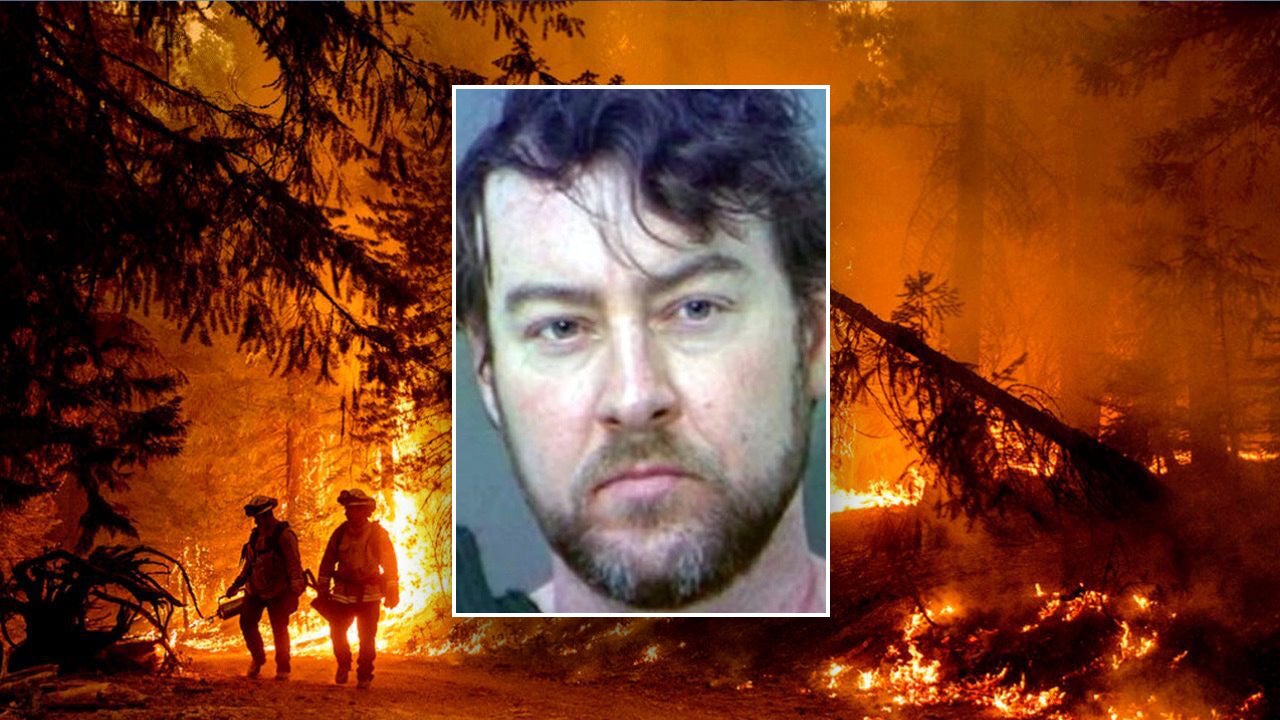
A former college professor who specialized in social deviancy was sentenced on Thursday to more than five years in prison for starting four fires in 2021, some of which threatened to trap firefighters as they responded to one of the largest wildfires in California history, the U.S. Attorney’s Office for the Eastern District of California said.
Gary Stephen Maynard, 49, pleaded guilty in February to three counts of arson on federal property after he set fires behind crews battling the Dixie Fire, which became the second-biggest wildfire in California history, scorching more than 1,500 square miles and destroying more than 1,000 structures.
Maynard, of San Jose, admitted to starting four fires: the Cascade and Everitt fires on July 20 and 21, and the Ranch and Conard Fires on Aug. 7. He pleaded guilty to three as part of a plea deal and was jailed for 63 months in total. The fires were extinguished before they could destroy any buildings, according to prosecutors.
DIXIE FIRE BECOMES LARGEST SINGLE WILDFIRE IN CALIFORNIA HISTORY
Gary Stephen Maynard was sentenced on Thursday to five years and three months in prison for starting four California wildfires in 2021, (Gary Stephen Maynard )
“Maynard went on an arson spree on federal land while California faced one of the worst fire seasons in history,” U.S. Attorney Phillip Talbert announced.
“He intentionally made a dangerous situation more perilous by setting some of his fires behind the men and women fighting the Dixie fire, potentially cutting off any chance of escape. It is only because of the quick response by the U.S. Forest Service — and the actions of civilian witnesses — that those fires were extinguished as quickly as they were.”
Forest Service agents started investigating Maynard on July 20 after the Cascade Fire was reported on the western slopes of Mount Shasta.
An investigator found Maynard underneath his black Kia Soul that had its front wheels stuck in a ditch and its undercarriage centered on a boulder, court papers said. He was living out of his vehicle at the time.
EX-PROFESSOR CHARGED WITH STARTING FOUR CALIFORNIA WILDFIRES
A firefighter sprays water along Highway 89 near South Lake Tahoe, in California on Sept. 2, 2021. (AP Photo/Jae C. Hong)
A second fire erupted the next day on Mount Shasta, and investigators later found tire tracks similar to those made by the Kia.
They eventually placed a tracking device under Maynard’s car which confirmed he had traveled to the area where the Ranch and Conard Fires erupted in the Lassen National Forest.
Assistant U.S. Attorney Michael Anderson wrote in a detention memo that Maynard had entered the evacuation zone and “began setting fires behind the first responders fighting the Dixie Fire.”
In sentencing memorandums, Maynard’s attorney said her client was suffering from untreated and significant mental health issues when he set the fires and has sought treatment since then.
Maynard was an adjunct faculty member at Santa Clara University from September 2019 to December 2020 and he had also taught criminology and sociology at Chapman and Sonoma State Universities, the New York Times reports, citing prosecutors. He specialized in criminal justice, cults and deviant behavior.
A Santa Clara University colleague of Maynard’s told the police in October 2020 that Maynard was struggling with anxiety, depression, split personality and wanted to kill himself, the complaint said, per the New York Times.
Scorched cars and trees after a wildfire in Plumas County, California, in 2021. (AP Photo/Noah Berger)
Maynard was also sentenced to three years of supervised release and ordered to pay $13,081 in restitution as part of the plea agreement.
The Dixie Fire began on July 13, 2021, with fire eventually scorching the Plumas National Forest, Lassen National Forest and Butte, Lassen, Plumas and Tehama counties.
The fire cost more than $610 million over three months to bring it under control, the most expensive in California history, according to the head of Cal Fire.
The Associated Press contributed to this report.
Read the full article from Here


June 27, 1776, was a momentous day for the Bay Area, California, and the world as 240 men, women, and children arrived mostly by foot from Mexico to what is now called San Francisco to set up camp and lay the groundwork for the future.
The “traveling village” is known as the Anza Expedition.
On Saturday, the 250th anniversary of the event was commemorated on Pershing Square at the Presidio of San Francisco in a two-hour ceremony.
The celebration opened with piercing fifes and thundering drums from the Young Patriots Fife & Drum Corps from Pleasanton, as a nod to America’s quincentennial.
But it was then followed up by a Spanish hymn, sung by musicians, dressed in 18th-century Spanish Colonial attire, including the garb of soldado, vaquero, pioneers, military, and indigenous peoples. The song is known as “Alabado” and it was sung by the ancestors as they made their long journey to the Bay.
A proclamation on a scroll was then read with gusto by local actor Dane Andrew, who was portraying the Spanish trailblazer Lt. Colonel Juan Bautista de Anza.
The message was loud and clear: When it comes to history in the Bay Area, Spain swings a big sword.
“People don’t realize in California our early Spanish history. While on the East Coast was becoming a brand-new U.S.A. was a small part. Actually, Spain owned a large part of the West Coast,” remarked Andrew.
The Anza Expedition established the first reliable overland route from Mexico to what was then known as Alta California, claiming San Francisco Bay for the Spanish Crown.
In 1776, the expedition’s leaders established both the Presidio as well as Mission San Francisco de Asis, which is known today as Mission Dolores.
In the crowd, the direct descendants of those who traveled the long, arduous route, including 98-year-old Eddie Grijalva of Vallejo. He was accompanied by his wife Lydia and her son Jeff.
“What an honor to be here and to remember my ancestor,” exclaimed Grijalva.
The event was coordinated by the nonprofit Los Californianos. The nonprofit represents the direct descendants of those who were part of the Anza Expedition. Its documented purpose includes efforts “to preserve the heritage of early Hispanic Californians in Alta California, to conduct research on genealogy, and to provide an accurate and authentic interpretation of Alta California’s history”
Carol Eber represents the group and is the co-chair of the event. She told us the group is thrilled to celebrate its heritage along with the quincentennial of the United States.
“We have a celebration on the East Coast. We wanted to have the 250th celebration on the West Coast as well as recognizing history was made on both coasts,” noted Eber.
During the ceremony, the crowd recited the Pledge of Allegiance and heard from Superintendent David A. Smith, who is with the Golden Gate National Recreation Area.
There were also presentations from the Daughters of the American Revolution and a group called “Our American Patriots”. The keynote speech was delivered by Professor Damian Bacich. He focused on San Francisco’s Spanish-American Legacy.
Also on hand for the festivities, the Consul General of Mexico Marco Mena. Mena told CBS News Bay Area that this was his first visit to Presidio and found it beautiful. He was pleased to be invited.
“The Anza expedition is very related to Mexico, especially to the states of Sonora and Sinaloa,” Mena explained.
As the Presidio ceremony was underway, a mass was said at Mission Dolores. The event concluded with a Roll Call, which was the reading of the names who those who walked on the route in 1776.
Descendants, including Grijalva, placed a flower in a memorial wreath as children were asked to blow bubbles for expedition members named without descendants.
Afterwards, participants went on docent-led tours of the Presidio’s Heritage Gallery and also were invited to tour the site of the Spanish Presidio Chapel.

The Denver Broncos have undergone a uniform overhaul, beginning in 2024. The Broncos rolled out the Mile High Collection ahead of the 2024 season, which included three different uniform combinations, plus the ’77 Throwbacks.
In 2024, Broncos fans were also treated to a Midnight Navy jersey/pants combination with the white ‘D’ helmet on Monday Night Football against the Cleveland Browns. On top of that, the Broncos rocked their White Out look, which included the Summit White jersey/pants combination and their standard Bronco logo on a white helmet, against the Kansas City Chiefs on Christmas Day last season.
The Broncos are keeping things fresh, and it’s going to be fun to see the different jersey combinations the team rolls out each week this coming season. Fans are obviously partial to the designs, but where do the Broncos’ uniform combinations rank among their NFL peers?
Sports Illustrated‘s Mike Kadlick ranked all 32 NFL teams’ uniform combinations, with the Broncos checking in at No. 10.
“Known as the ‘Mile High’ collection, the Broncos’ new uniforms debuted ahead of the 2024 season, and they remain awesome. Jam-packed with nods to Denver and the surrounding area, their jerseys feature a sleeve cap with a mountain peak and subtle triangles along the sides to represent Colorado’s summit markers. Their helmets, meanwhile, don a bumper that reads “5280”—a reference to Denver’s elevation above sea level. Rounded out with an all-blue alternate kit and a classic throwback look that incorporates the team’s D helmet logo, the Broncos nailed their recent redesign,” Kadlick wrote.
Attention to Detail
It’s not No. 1, but at least the Broncos are in the top 10. As Kadlick noted, Denver’s attention to detail in the new uniform designs is second to none.
Kadlick had the Los Angeles Chargers ranked No. 1, which, I’ve got to admit, kind of surprised me. I’ve never been that impressed by the Chargers’ designs, but to each their own, I suppose.
The Chiefs ranked No. 11, with the Las Vegas Raiders at No. 14, for whatever it’s worth. Beauty is always in the eye of the beholder, but Kadlick had a few questionable uniform designs ranked ahead of the Broncos, I must say.
Besides the Chargers at the top, Kadlick had the Cincinnati Bengals (No. 5), Tampa Bay Buccaneers (No. 6), Washington Commanders (No. 8), and Miami Dolphins (No. 9) ranked above the Broncos. I’ll hear you out on the classic look of the Dallas Cowboys and San Francisco 49ers (with slight modern twists), as well as the cool options the Baltimore Ravens and Houston Texans are rolling out nowadays, but the Chargers are meh, the Bengals and Bucs are downright ugly, and the Commanders are just plain.
No big deal, though. Posts like this make for timely offseason fodder as we await the return of football. The Broncos just finished up their offseason training program, and we’re now firmly in the NFL summer.
The cleats will hit the grass again at Broncos Park Powered by CommonSpirit on July 28, when the veterans report for training camp. From there, the whirlwind of the 2026 season will begin in earnest.
Let’s hope the product on the field looks as good as the Broncos’ Mile High Collection uniforms. The Broncos have produced two double-digit-win seasons since the Walton-Penner ownership group rolled out the new uniform designs, so there is a precedent in place.
Sign up for our free Denver Broncos On SI newsletter, and get breaking Broncos news delivered to your inbox daily!
 Add us as a preferred source on Google
Follow

PHOTOS BY OLIVER HAMLIN FOR WEST SEATTLE BLOG
Hundreds of people spent Sunday admiring and photographing the 12 gardens spotlighted on this year’s West Seattle Garden Tour. Among them was WSB contributing photojournalist Oliver Hamlin, who presents a scene from each garden (including some of the gardeners. First, at Garden A, “A Show of Northwest Natives“:
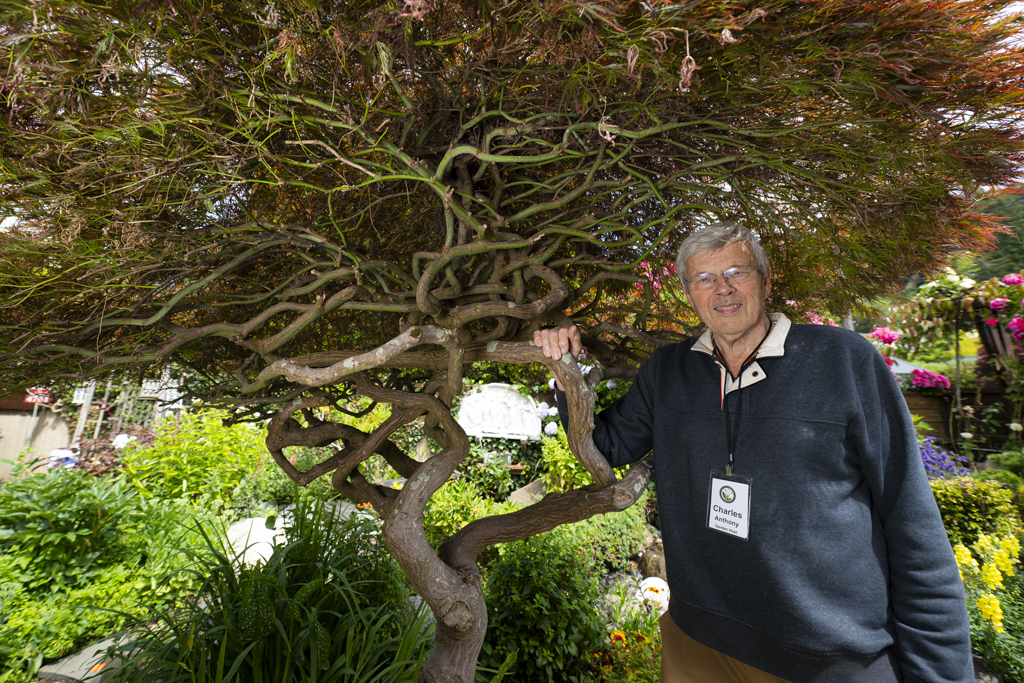
Charles Anthony, who created Garden B, “Salish Sea Sanctuary,” posed with his Japanese Maple:
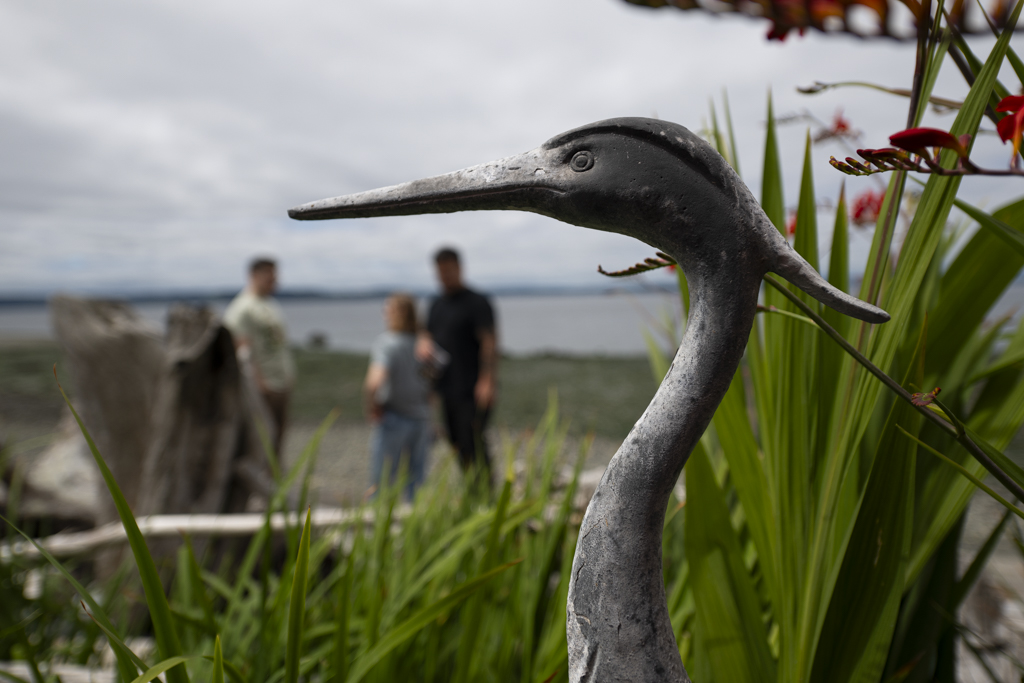
Garden C, “Heron Cove,” has its namesake standing sentinel:
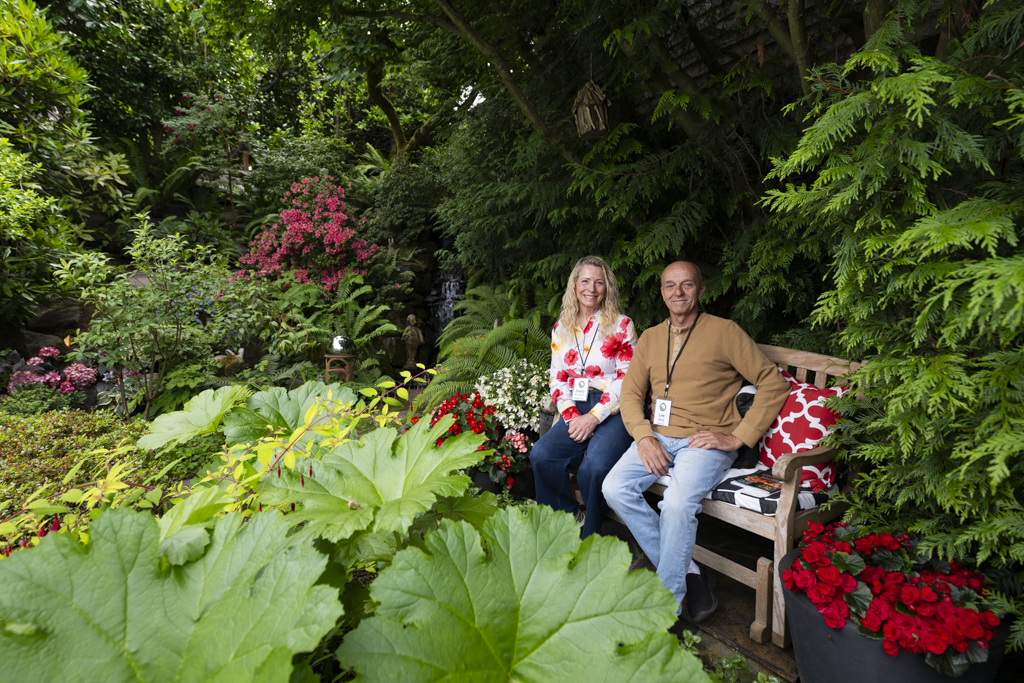
Below are Debra Montgomery and Lee Kelly; she bought the “Heron Cove” house 7 years ago and inherited Lee, who has been the gardener for 40 years. She said the previous homeowners sought out a buyer who wouldn’t tear down the house and would keep caring for the garden, which she and Lee both now do.
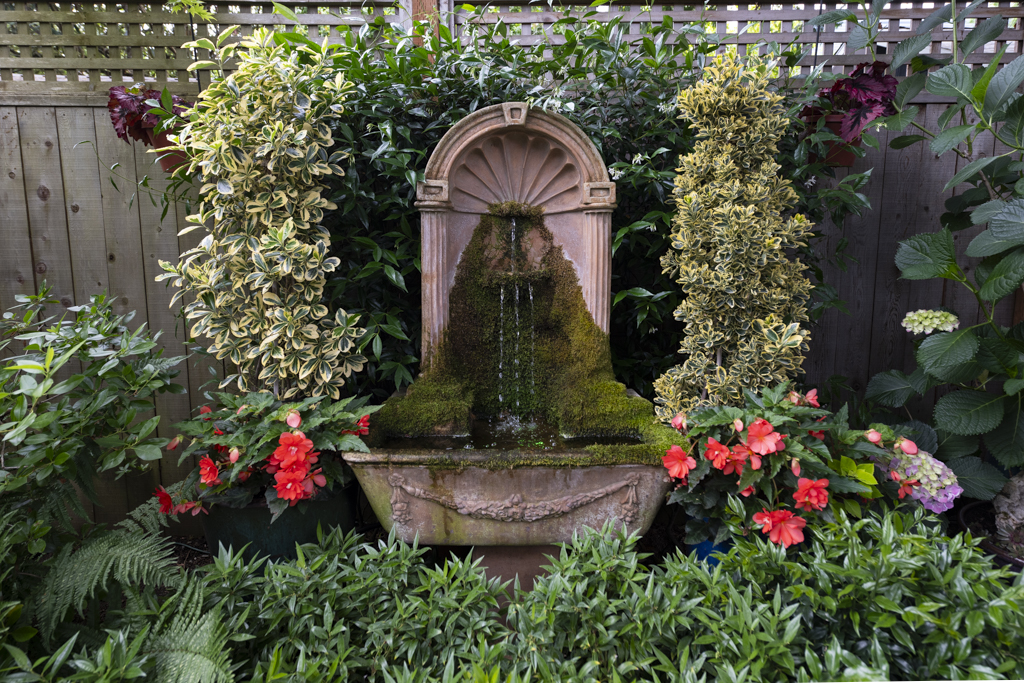
Garden D was described as “Small Spaces, Big Moments”:
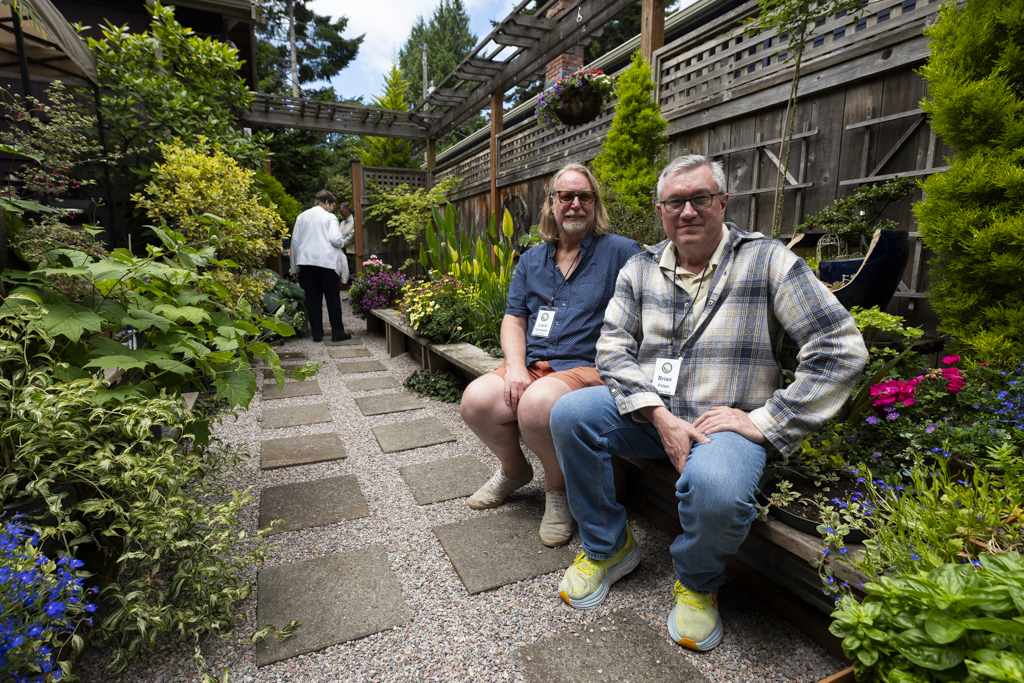
Below (L-R) are the gardeners behind Garden D, Laird Applegate and Brian Pelzel:
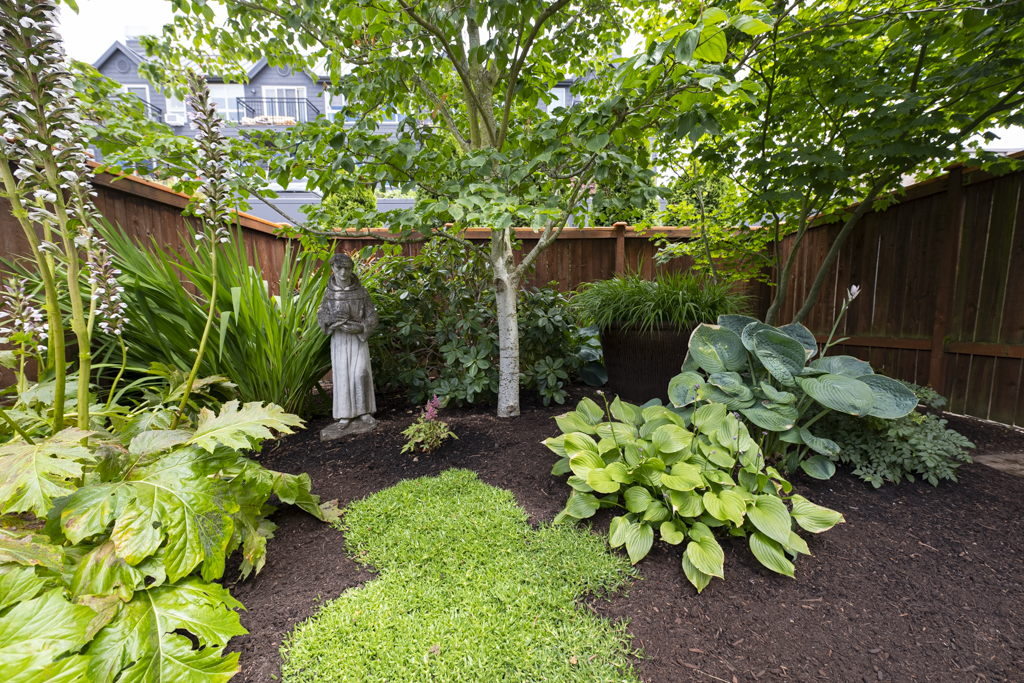
Garden E was “From a Sprawling Lawn and One Tree to …”
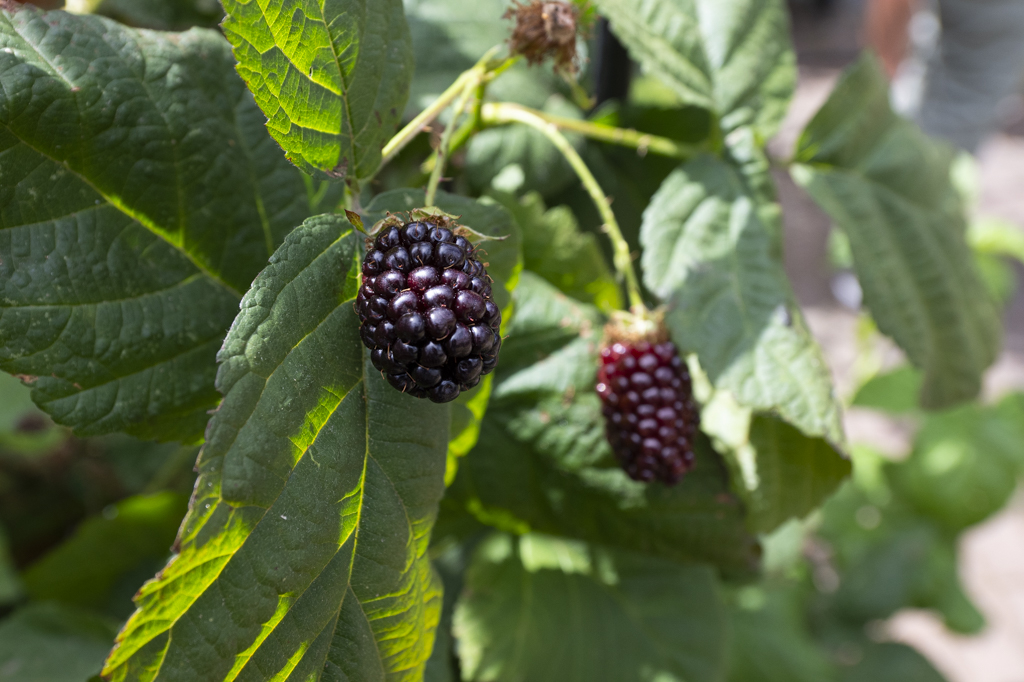
Blackberries are often the bane of a gardener’s existence, but in Garden F, “Transformation,” they were beautiful:
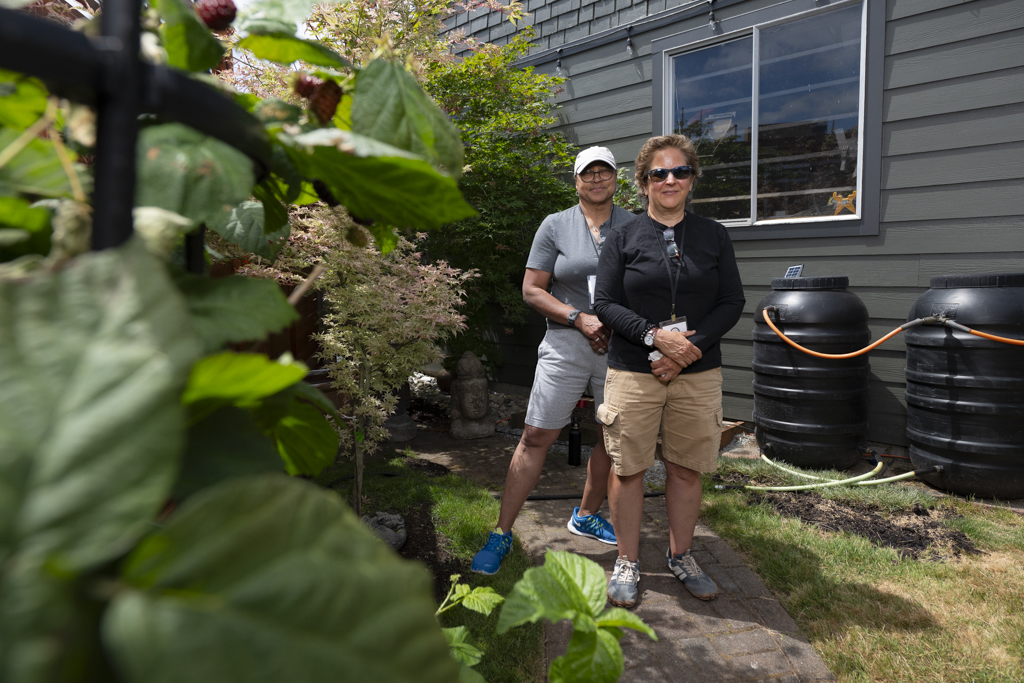
Garden F’s (L-R) Diane Elie and Raquel Gonzalez store water in 60-gallon rainbarrels and told Oliver that it fills most of their irrigation needs:
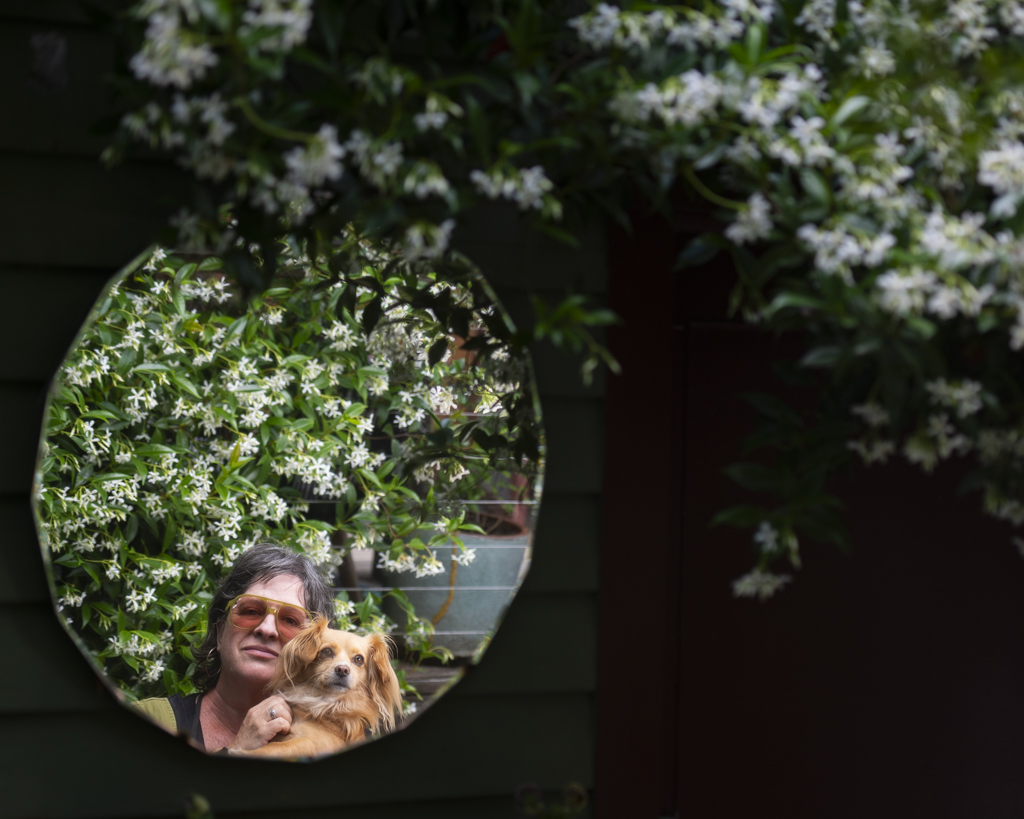
At Garden G, “Hidden Gem,” Julie Robinson-Jasper and Maple the dog are seen through a mirror surrounded by star jasmine at Garden G, “Hidden Gem”:
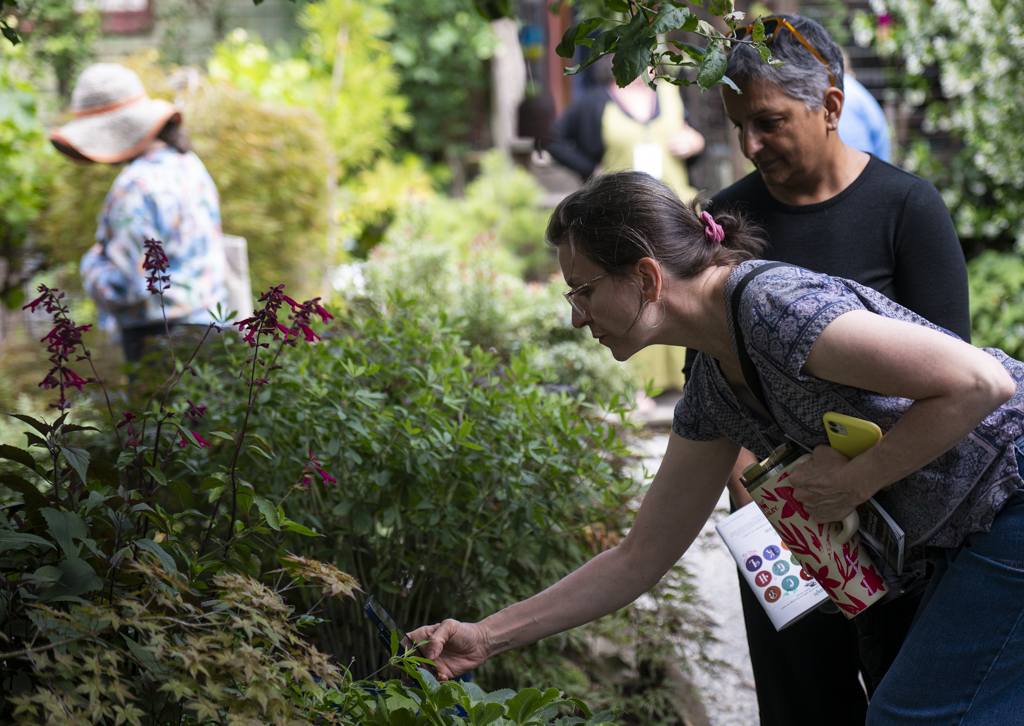
Another scene from Garden G:
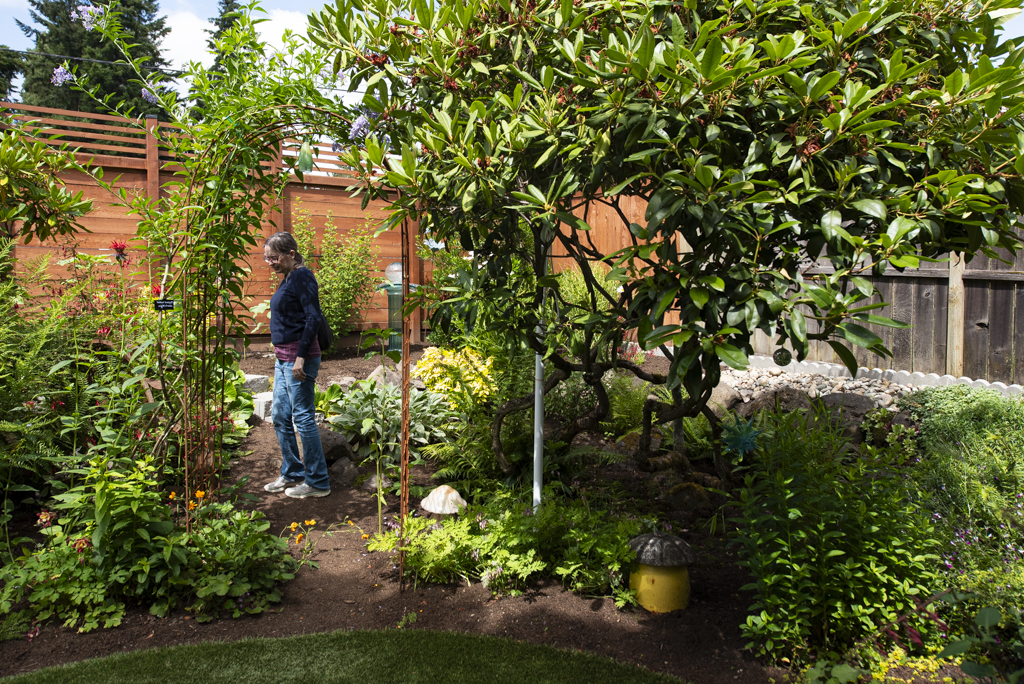
Garden H, “Behind the Fences,” sported an arch of bittersweet nightshade:
A clawfoot bathtub graced Garden I, “A Fresh Look for A Once-Beloved Garden“:

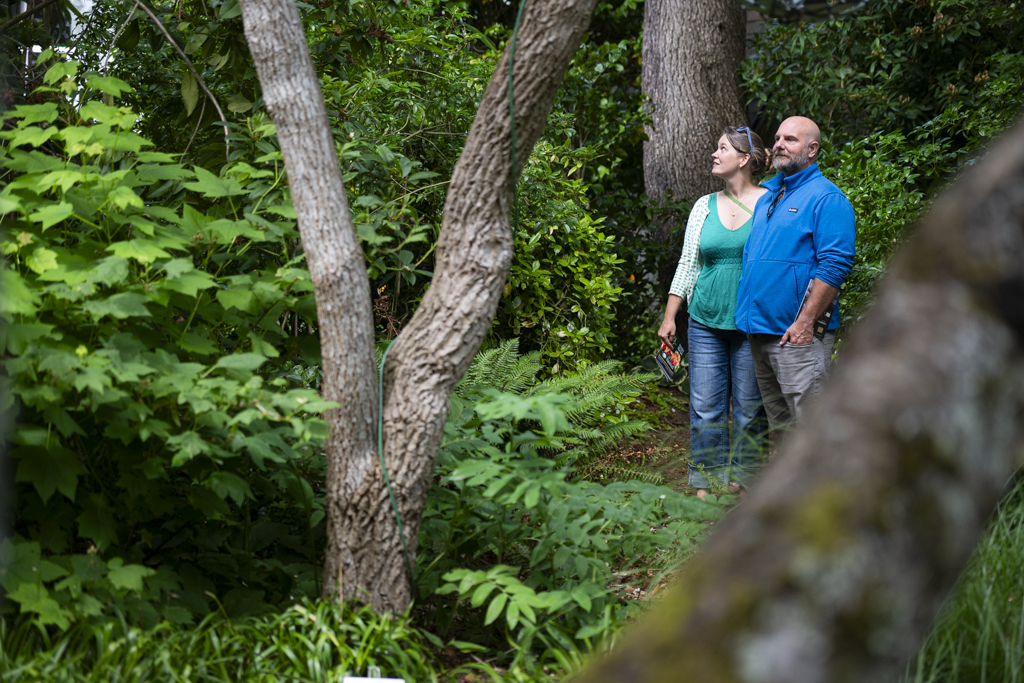
Garden J, “Garden of Many Rooms,” was conducive to wandering:
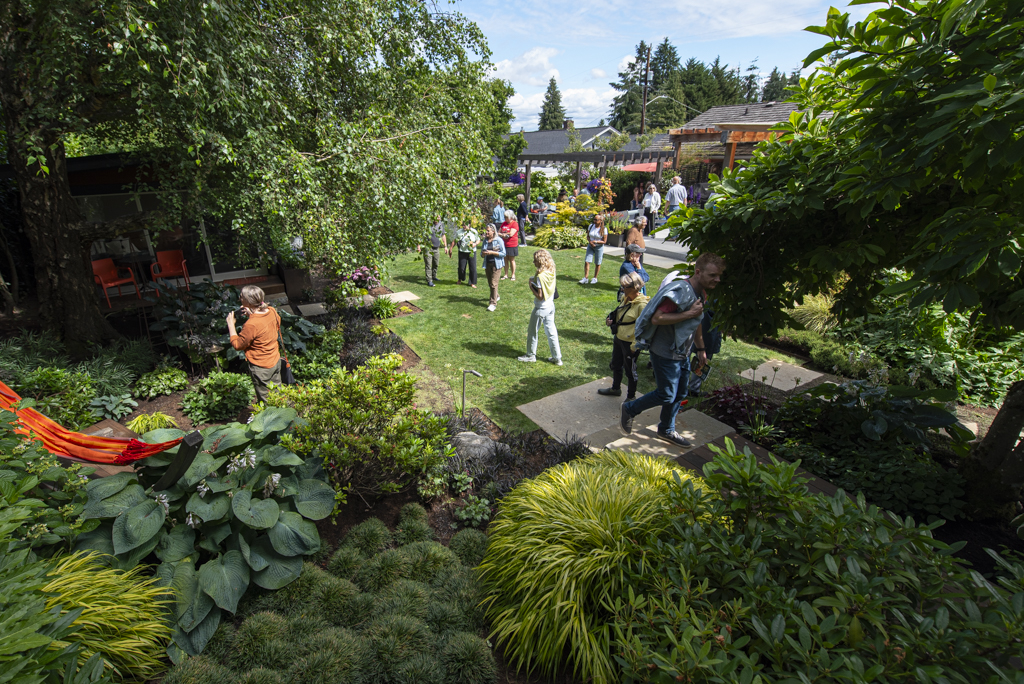
Garden K offered onlookers “Plants from Around the World“:
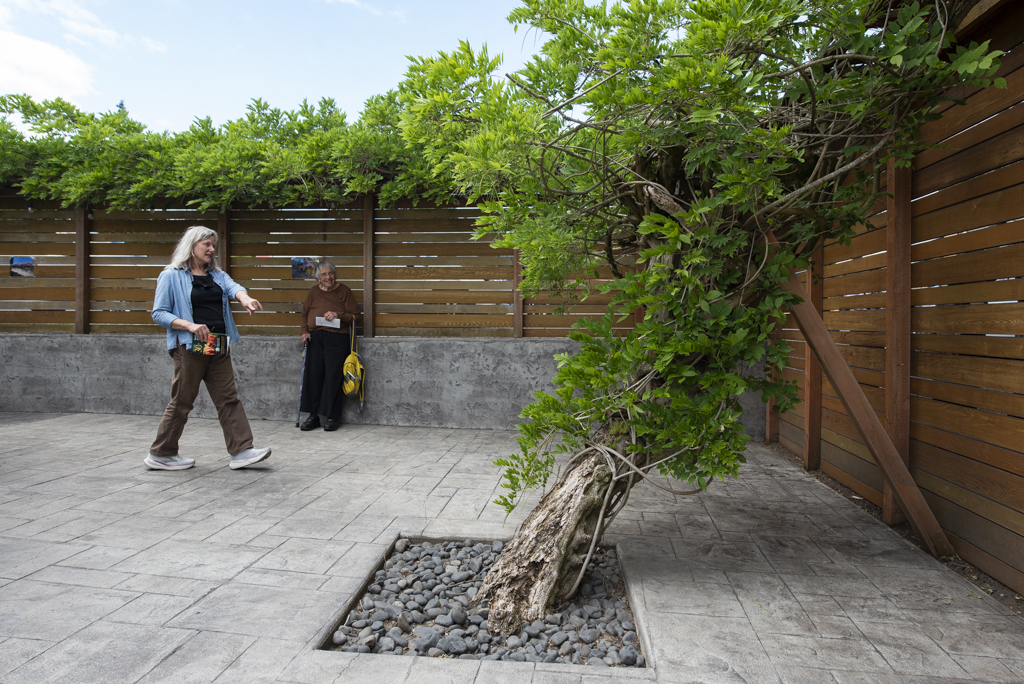
And Garden L, “Conifer Corner,” featured a 75-year-old wisteria:
(Read details of each garden here.) The West Seattle Garden Tour is organized by a nonprofit that uses the proceeds to support other nonprofits – here are this year’s grant recipients; see how to apply for one of next year’s grants by going here (July 15 is the deadline).
-

 Crypto2 minutes ago
Japanese Yen Sinks to 162.27, Its Weakest Since 1986, Reviving Intervention Bets
-

 Finance5 minutes ago
World Bank drops climate finance target amid US pressure
-

 Fitness10 minutes ago
Fitness Point: The Small Weekly Investment That Could Transform Your Health – KT PRESS
-

 Movie Reviews20 minutes ago
Movie Review – Minions & Monsters (2026)
-
World32 minutes ago
Pope issues last-ditch appeal, begs breakaway traditionalist group to back off bishop consecrations
-
 Lifestyle1 hour ago
How should we behave online? : It’s Been a Minute
-

 Technology1 hour ago
After a great start, DC’s new cinematic universe is already slowing down
-

 World1 hour ago
UK asylum seekers could have to pay government $13K before applying for settlement


