


Hello and welcome to Regulator, a newsletter for Verge subscribers about the love-hate (but mostly hate) relationship between Silicon Valley and Washington. I hope everyone got to celebrate George Washington’s birthday in their preferred manner: skiing, staycationing, subscribing to The Verge if you haven’t already, etc.
Technology
How to protect your data from IRS scammers this tax season


Scammers try to impersonate everything and everyone. They email you pretending to be your boss and ask for money, call you claiming your Microsoft account has been hacked or send phishing links for fake package deliveries.
However, the most common type of impersonation scam occurs when bad actors pose as government agencies, especially the IRS.
The Treasury Inspector General for Tax Administration (TIGTA) is aware of this and has issued a new warning for 2025 about text messages impersonating the Internal Revenue Service. I will discuss everything you need to know to avoid this new tax scam and protect your personal information.
STAY PROTECTED & INFORMED! GET SECURITY ALERTS & EXPERT TECH TIPS – SIGN UP FOR KURT’S THE CYBERGUY REPORT NOW
A person working on their taxes (Kurt “CyberGuy” Knutsson)
The new IRS scam alert
To understand the new IRS scam, let’s first examine what it’s based on. The IRS has been sending out COVID-19 stimulus payments worth up to $1,400 to around 1 million tax filers who missed them. Initially, these payments were self-claimed, but now the IRS is automatically issuing them to ensure eligible taxpayers get what they’re owed.
This provision, known as the Recovery Rebate Credit, allows people to claim missed stimulus payments from 2021. If you were eligible but didn’t receive the funds, you can still claim them by filing a tax return by April 15, 2025. Payments will be deposited directly using the banking information listed on the taxpayer’s 2023 return or sent as a paper check.
However, TIGTA is warning that scammers are targeting taxpayers with fraudulent text messages, as reported by TaxAct. These fake texts claim that recipients will receive an Economic Impact Payment from the IRS and often ask for sensitive personal information, like bank account details or your Social Security number. Scammers use this information to steal your identity or financial data.
The IRS has made it clear that eligible taxpayers who didn’t claim the Recovery Rebate Credit on their 2021 tax return will receive their payments automatically; no action is required.
A woman working on her taxes (Kurt “CyberGuy” Knutsson)
BEST ANTIVIRUS FOR MAC, PC, IPHONES AND ANDROIDS – CYBERGUY PICKS
Spotting phishing scams is more important than ever
Most phones and PCs today have enough protections to keep bad actors at bay, so in almost every case, the only way anyone can access your device and data is if you give it to them. Hackers often send phishing links that impersonate a government agency, someone you know or a trusted brand, tricking you into clicking. Once you do, malware is installed on your device to quietly collect useful data and send it to the hackers. That’s why the most important part of staying safe online is knowing how to distinguish between legitimate and scam messages emails or calls. For example, you can easily tell if a communication is from the IRS or a scam by focusing on the following key factors.
- Type of communication: The IRS will never contact you via text for things like economic impact payments or financial information requests; they will send a letter or notice through mail or fax.
- Suspicious links: Government websites always end in “.gov,” while scam texts may contain links ending in “.com” or “.net.”
- Demands or threats: Be cautious of messages that create urgency or threats and look for any oddities or misspellings in the link as well.
WHAT IS ARTIFICIAL INTELLIGENCE (AI)?
Illustration of items used to prepare taxes (Kurt “CyberGuy” Knutsson)
THE HIDDEN COSTS OF FREE APPS: YOUR PERSONAL INFORMATION
10 ways to stay safe from scammers impersonating government agencies
1. Install strong antivirus software: As scammers increasingly impersonate government agencies like the IRS through phishing links and fake messages, installing strong antivirus software is crucial to protect yourself from these threats. This protection can also alert you to phishing emails and ransomware scams, keeping your personal information and digital assets safe. Antivirus software can detect and block suspicious links, warn you about potentially harmful websites and prevent malware from being installed on your device. Get my picks for the best 2025 antivirus protection winners for your Windows, Mac, Android and iOS devices.
2. Always verify the authenticity of unsolicited communications: If you receive an unexpected email, text or phone call claiming to be from a government agency, it’s essential to confirm its authenticity. Scammers often create a sense of urgency to trick you into taking immediate action. To verify, always use official contact details from government websites. Avoid clicking any links in the message and reach out to the agency directly to confirm whether the communication is legitimate.
3. Reach out directly if you’re unsure: When you’re unsure about the legitimacy of a message or request, contact the government agency directly using verified contact details. Never respond to the message or click on any links within it. By calling or visiting the agency’s official website, you can ensure you’re communicating with authorized representatives and avoid scammers impersonating government officials.
4. Use strong, unique passwords to protect your accounts: One of the best ways to protect your sensitive information from scammers is by using strong, unique passwords for each of your accounts. Avoid using easily guessable passwords like “password123” or “qwerty.” Instead, create complex passwords that include a mix of uppercase and lowercase letters, numbers and special characters.
Also, consider using a password manager to keep track of your credentials and ensure you’re using different passwords for each account. Get more details about my best expert-reviewed password managers of 2025 here.
5. Monitor your tax account: Regularly check your IRS account at www.irs.gov to confirm the status of your tax return, verify that no unauthorized tax filings have occurred and update personal and contact information as needed.
6. Report suspicious tax-related activities immediately: If you suspect a scam or fraudulent activity, it’s crucial to report it to the relevant authorities right away. Whether you’ve received a suspicious message or believe your information has been compromised, reporting it helps prevent further harm. The IRS and other agencies have dedicated channels for reporting fraud, so take action as soon as you can to protect yourself and others from these schemes.
7. Invest in personal data removal services: Use a personal data removal service to remove your personal information from data broker and people-finder sites, which scammers often use to find phone numbers and email addresses. While no service promises to remove all your data from the internet, having a removal service is great if you want to constantly monitor and automate the process of removing your information from hundreds of sites continuously over a longer period of time. Check out my top picks for data removal services here.
8. Use direct deposit for refunds: This is the safest way to receive your tax refund, reducing the risk of mail theft, forgery or fraudulent check cashing.
9. Be wary of spoofed websites: Type the address of your actual tax prep site rather than clicking on a link from an email or advertisement. Investigate the domain before entering any confidential information.
10. Use an identity theft protection service: An identity theft protection service provides personal and financial monitoring and will try to help you if your identity is ever compromised. Identity theft companies can monitor personal information like your Social Security number, phone number and email address and alert you if it is being sold on the dark web or being used to open an account. They can also assist you in freezing your bank and credit card accounts to prevent further unauthorized use by criminals. See my tips and best picks on how to protect yourself from identity theft.
THE TAXING TRUTH: A STATE-BY-STATE ANALYSIS OF TAX TIME TRICKERY
Kurt’s key takeaway
Tax season is here, and with it comes an increase in scams impersonating the IRS and targeting taxpayers. The good news is these scams are often easy to spot. If you receive a text message from the IRS asking you to provide personal information, it’s a red flag; it’s not from them. Be especially cautious of any links included in the message. A legitimate URL will always end in “.gov.” However, scammers may try to trick you by altering the link slightly, so look closely for any misspellings or strange characters. If in doubt, always verify through official channels.
Do you think AI is making it easier for scammers to impersonate legitimate organizations like the IRS? Let us know by writing us at Cyberguy.com/Contact.
For more of my tech tips and security alerts, subscribe to my free CyberGuy Report Newsletter by heading to Cyberguy.com/Newsletter.
Alert: Malware steals bank cards and passwords from millions of devices.
Ask Kurt a question or let us know what stories you’d like us to cover.
Follow Kurt on his social channels:
Answers to the most-asked CyberGuy questions:
New from Kurt:
Copyright 2025 CyberGuy.com. All rights reserved.


Prediction: this is going to be a mess
Political alliances are rarely permanent, so it’s somewhat predictable that the MAGA-tech bro alliance seems to have fallen apart in the span of a single year. Which side the administration would actually choose, though, was more difficult to foresee.
Last winter, it appeared that two groups were in a tenuous relationship, held together by Elon Musk’s shameless execution of the DOGE agenda and Big Tech signing massive checks to settle Donald Trump’s lawsuits against them. But last night, the Trump administration made a choice: the money. The Commodity Futures Trading Commission (CFTC) announced that they would sue any state who tried to regulate prediction markets like Kalshi — even the Republican states.
On Tuesday, the CFTC filed an amicus brief to the Ninth Circuit Court of Appeals, officially opposing an onslaught of lawsuits filed by the states against betting markets like Kalshi, Polymarket, Coinbase, and Crypto.com. (The latter two, known primarily as cryptocurrency exchanges, have partnered with Kalshi and created a standalone prediction market called OG, respectively.) But unusually, the brief was accompanied by a threat — posted on X, of all places. In a video directly facing the camera posted on Tuesday night, sole CFTC chairman Michael Selig asserted his commission’s authority to regulate prediction markets and stated that the federal government was prepared to sue: “To those who seek to challenge our authority in this space, let me be clear: we will see you in court.”
Had Selig simply written a staid Wall Street Journal op-ed asserting the CFTC’s authority (which he also did), that would have barely raised an eyebrow. But in 2026, a video threat, especially one posted on X, is basically grounds to instigate a political firestorm — one that Spencer Cox, the Republican Governor of Utah, gladly kindled. “Mike, I appreciate you attempting this with a straight face, but I don’t remember the CFTC having authority over the ‘derivative market’ of LeBron James rebounds,” he posted in response (also on X). “These prediction markets you are breathlessly defending are gambling—pure and simple. They are destroying the lives of families and countless Americans, especially young men. They have no place in Utah.” He promised that Utah would continue to pursue litigation and beat the federal government in court if need be.
This wouldn’t be the first time that Utah and Cox have voiced their opposition to federal overreach regarding emerging technology. Last year, they publicly opposed an executive order that would have given the Justice Department the power to sue states passing and enforcing AI regulatory laws. The prediction markets issue hits a particular nerve in Utah: nearly half of the state is Mormon, and the Church of Jesus Christ of Latter-day Saints officially opposes all government-sanctioned forms of gambling, even state lotteries. But Cox’s declaration is what’s known in political circles as a “weathervane”: if one deeply Republican state is pushing back against the Trump administration on a new front, who else on the right might follow suit — and what sorts of new broligarch technologies would they fight against?
Is it a coincidence that Anthropic CEO Dario Amodei’s big visit to Washington happened just as the Pentagon was reconsidering its relationship with the AI company? Over the past two weeks, Amodei published a 38-page letter to Congress warning of the rising existential risks of artificial intelligence, conducted an interview with Axios’s Mike Allen (and sponsored their newsletter), and met with Sens. Elizabeth Warren (D-MA) and Jim Banks (R-IN) on Capitol Hill to support their bill banning the sale of advanced AI chips to China.
But Amodei barely finished his capitol blitz when Axios broke the news over the weekend that the Pentagon wasn’t just impatient with Anthropic’s reticence to use Claude for unrestricted purposes, but that it would actively punish Anthropic for refusing to cooperate by designating them a “supply-chain risk.” If it goes through, any company that wants to work with the military would have to cut ties with Anthropic. As one Pentagon official described it, “It will be an enormous pain in the ass to disentangle, and we are going to make sure they pay a price for forcing our hand like this.”
The Pentagon’s move makes no sense for anyone who sees Claude as a superior AI enterprise product to its competitors at the Pentagon (Gemini, ChatGPT, and Grok). If viewed through the lens of every former interaction that Trump’s had with companies that voiced ideological opposition to his agenda however, their treatment of Anthropic is par for the course. Years ago, for instance, Trump threatened to cut off Amazon’s access to their sweetheart deal with the US Postal Service, in retaliation for Jeff Bezos’ ownership of the then highly critical Washington Post.
But for me, the question is: exactly what caused the ideological break, and how much of it was even about national security? In the past few months, there’s been a bizarre spurt of online messaging from right-wing influencers trying to claim that Anthropic, of all the AI companies, was too woke — the kind of woke that could convince kids to become trans, or DEI-pill them, or whatever lib-coded nightmares a MAGA personality could dream up. There wasn’t much proof that they could point to, other than its employees expressing opinions that could be lib-coded, if you’re not fully reading the entire tweet:
Screenshot va @KatieMiller/X.
Speaking of influencers eating their own:
- Steve Bannon is under MAGA siege for his 2018 texts with Jeffrey Epstein, newly unearthed from the Justice Department’s Epstein Files, wherein he suggested that Trump should be removed from office using the 25th Amendment. Influencers calling for him to be questioned include Rep. Marjorie Taylor Greene, who broke from Trump and the GOP for trying to bury the Epstein Files, and retired Gen. Mike Flynn. Notably, both of them rose to prominence in 2020 by backing QAnon, the online conspiracy theory that claimed that an elite ring of Satan-worshipping pedophiles were in control of the government. (It may not help Bannon that he called Epstein “God” in one of the texts).
- Mike Davis, an anti-Big Tech lawyer who previously represented Trump in his lawsuits against Meta, took credit for the ouster of former friend and ally Gail Slater from the Department of Justice’s antitrust division, according to texts obtained by The Free Press. Though the two were once allies due to their shared interest in holding Big Tech accountable, their relationship started fracturing over disagreements about when to enforce antitrust laws and when to go for settlements.
- And we’re back to Bannon: per The Bulwark, he and fellow MAGA political operative Boris Epshteyn are being sued for their own shady cryptocurrency operation.
The White House is convening a third meeting between the crypto industry and the banking industry this week, continuing to hash out which major financial entity gets to reap the interests from yield-bearing stablecoin accounts (or if they get to bear interest at all). They have until March 1st to deliver draft language for the Senate. Good luck, y’all!
And finally, looksmaxxing Recess.
Can we all agree that HHS Secretary Robert F. Kennedy is framemogging Kid Rock in this video?
See you next week, and send all tips to every way that we list here.
Follow topics and authors from this story to see more like this in your personalized homepage feed and to receive email updates.

NEWYou can now listen to Fox News articles!
Tax season no longer begins in April. For scammers, it starts the moment the calendar flips to January.
While you’re waiting for your W-2 or 1099 to arrive, cybercriminals are already sending out waves of fake IRS messages, “refund problem” alerts and account verification scams. These messages feel alarmingly real, and that’s not an accident.
The truth is, today’s tax scams don’t rely on random guessing. They rely on your personal data, pulled from online data brokers, public records and previous breaches. And once your information is in circulation, you become part of a high-value target list.
Let’s break down what’s really happening – and how you can protect yourself before the first fake message lands in your inbox.
Sign up for my FREE CyberGuy Report
Get my best tech tips, urgent security alerts and exclusive deals delivered straight to your inbox. Plus, you’ll get instant access to my Ultimate Scam Survival Guide – free when you join my CYBERGUY.COM newsletter.
ROBINHOOD TEXT SCAM WARNING: DO NOT CALL THIS NUMBER
Tax scammers are targeting Americans as soon as January with fake IRS emails and refund alerts designed to steal personal data. (Photo illustration by Michael Bocchieri/Getty Images)
The new wave of tax scams
Every year, scammers refine their tactics. And every year, they get better at making their messages look legitimate. Here are the most common scams hitting Americans before tax season even peaks:
1) Fake IRS emails and texts
These messages look official. They use real IRS language, government-style formatting and even fake case numbers. You might see something like:
“Your tax account is under review. Immediate action is required to avoid penalties.”
The email may include:
- IRS logos and official-looking headers
- Threatening language about audits or fines
- A link that appears to go to a government website.
But when you click, you’re taken to a fake IRS portal designed to steal:
- Your Social Security number
- Your date of birth
- Your bank account details
- Your IRS login credentials.
Once scammers have that, they can file fake returns, redirect your refund or impersonate you for years.
2) ‘Refund Issue’ alerts
This is one of the most effective tax scams because it preys on something people are already waiting for: their money. The message usually says:
“Your tax refund has been delayed due to a verification issue. Please confirm your information.”
It feels believable. You just filed. You are expecting a refund. And the message arrives right when you’re checking your bank account.
The link leads to a perfect copy of:
- A government site
- A tax filing service
- Or a bank login page.
Every keystroke you enter is captured. Scammers now have your identity, your financial access and your tax data – all from one click.
3) Benefit and identity verification scams
These scams impersonate the:
- IRS
- Social Security Administration
- State tax offices.
Often, they use what seem to be legitimate titles like “tax resolution officer” and state that you have unresolved tax activity. They claim your benefits, tax records or identity are “on hold” and must be verified immediately.
Typical messages say: “Your benefits account has been temporarily suspended. Verify your identity to restore access.” Or: “We detected unusual activity on your tax profile. Confirm your information now.”
The goal is simple: panic. When people panic, they don’t slow down. They don’t double-check. They click. And once they do, scammers collect everything they need to fully impersonate the victim.
HOW TO SAFELY VIEW YOUR BANK AND RETIREMENT ACCOUNTS ONLINE
Cybercriminals use data broker profiles and breach records to personalize tax scams and make them appear legitimate. (Andrew Harrer/Bloomberg via Getty Images)
Why these messages feel so real
You may wonder: How do they know my name? My address? My tax service?
They don’t guess. They buy it. Data brokers collect and sell personal profiles that can include your:
- Full name and address history
- Phone numbers and email addresses
- Family members and marital status
- Estimated income and property records
- Age, retirement status and employer history.
Scammers use this data to personalize their messages. That’s why the email doesn’t feel random. It feels meant for you. And once your profile is sold or leaked, it can be reused again and again.
The real target isn’t your refund. It’s your identity
Once scammers steal your Social Security number, tax ID or bank details, the damage doesn’t stop with one scam.
They can:
- File fake tax returns
- Open credit lines in your name
- Redirect benefits
- Sell your identity on criminal marketplaces.
Tax scams are often the entry point to long-term identity theft.
The ‘pre-tax season cleanup’ most people skip
Most people think clearing browser cookies or changing passwords is enough. It’s not. Your information still lives in data broker databases, where scammers shop for victims.
That’s why I recommend a data removal service that automates data removal and goes directly to the source. Instead of chasing scams one by one, these services help remove the reason you’re targeted in the first place.
While no service can guarantee the complete removal of your data from the internet, a data removal service is really a smart choice. They aren’t cheap, and neither is your privacy. These services do all the work for you by actively monitoring and systematically erasing your personal information from hundreds of websites. It’s what gives me peace of mind and has proven to be the most effective way to erase your personal data from the internet. By limiting the information available, you reduce the risk of scammers cross-referencing data from breaches with information they might find on the dark web, making it harder for them to target you.
Check out my top picks for data removal services and get a free scan to find out if your personal information is already out on the web by visiting Cyberguy.com.
Get a free scan to find out if your personal information is already out on the web: Cyberguy.com.
Practical steps to protect yourself this tax season
Here’s what I recommend before filing:
- Never click tax links from emails or texts. Go directly to official websites. Strong antivirus software can help block malicious links before they install malware or steal personal information. Get my picks for the best 2026 antivirus protection winners for your Windows, Mac, Android and iOS devices at Cyberguy.com.
- Use strong, unique passwords for tax services and email. A password manager helps create and store strong, unique passwords and alerts you if your email appears in known data breaches. Next, see if your email has been exposed in past breaches. Our No. 1 password manager pick includes a built-in breach scanner that checks whether your email address or passwords have appeared in known leaks. If you discover a match, immediately change any reused passwords and secure those accounts with new, unique credentials. Check out the best expert-reviewed password managers of 2026 at Cyberguy.com.
- Enable two-factor authentication (2FA) wherever possible.
- Freeze your credit if you’re not applying for loans. To learn more about how to do this, go to Cyberguy.com and search “How to freeze your credit.”
- Remove your data from brokers before scammers find it, as discussed above.
2026 VALENTINE’S ROMANCE SCAMS AND HOW TO AVOID THEM
Fake “refund issue” messages trick taxpayers into entering Social Security numbers and bank details on fraudulent sites. (Photo illustration by Michael Bocchieri/Getty Images)
Kurt’s key takeaways
Tax scams don’t start in April; they start when your data is sold. The more complete your profile becomes, the easier it is for scammers to impersonate government agencies and steal your identity. By removing your personal data now, you’re not just protecting your refund; you’re protecting your future. This tax season, don’t wait for the alert. Remove the risk.
Have you received a suspicious IRS text or email this tax season, and what made you question whether it was real? Let us know by writing to us at Cyberguy.com.
CLICK HERE TO DOWNLOAD THE FOX NEWS APP
Sign up for my FREE CyberGuy Report
Get my best tech tips, urgent security alerts and exclusive deals delivered straight to your inbox. Plus, you’ll get instant access to my Ultimate Scam Survival Guide – free when you join my CYBERGUY.COM newsletter.
Copyright 2026 CyberGuy.com. All rights reserved.

Phison is one of the leading makers of controller chips for SSDs and other flash memory devices — and CEO Pua Khein-Seng has now become a leading voice for just how bad the RAM shortage might get.
Companies may need to cut back their product lines in the second half of 2026, and some companies will even die if they can’t get the components they need, he agreed, in a televised interview with Ningguan Chen of Taiwanese broadcaster Next TV.
While the interview’s entirely in Chinese, friends of The Verge stepped forward to confirm parts of a machine-translated summary that’s been making headlines. They also note, importantly, that it’s the interviewer asking whether companies might shut down or product lines might discontinue. Khein-Seng largely just agreed and clarified that it’ll happen if these companies cannot secure enough RAM.
He also adds that he expects people will start fixing products more often when they break, instead of throwing them in the trash, over the next couple years.
It’s genuinely possible that some companies won’t be able to secure enough RAM. AI data centers are gobbling up the vast majority of the world’s memory supply as part of a global buildout, creating an unprecedented imbalance in supply and demand that’s seen RAM prices triple, quadruple, or even sextuple over the past handful of months. Even Nvidia might skip shipping a gaming GPU for the first time in 30 years. Even Apple may have trouble securing enough RAM now, not to mention memory chips for SSDs, and other vital components.
The RAM shortage may affect everything that computing touches over the next several years, as only three companies control 93 percent of the entire DRAM market, and while those three companies are building more facilities, they don’t want to build too fast. All three have decided to prioritize profits instead of risking overproduction that could lose them money later.
Tomorrow, February 19th, I’ll have a report on The Verge about how “RAMageddon” will affect you, even if you’d never think to buy a stick of memory yourself.

Mississippi4 minutes ago
UMMC confirms cyberattack, closing clinics and canceling surgeries

Missouri10 minutes ago
Issue resolved roads back open after police activity forced closure of several roads around downtown
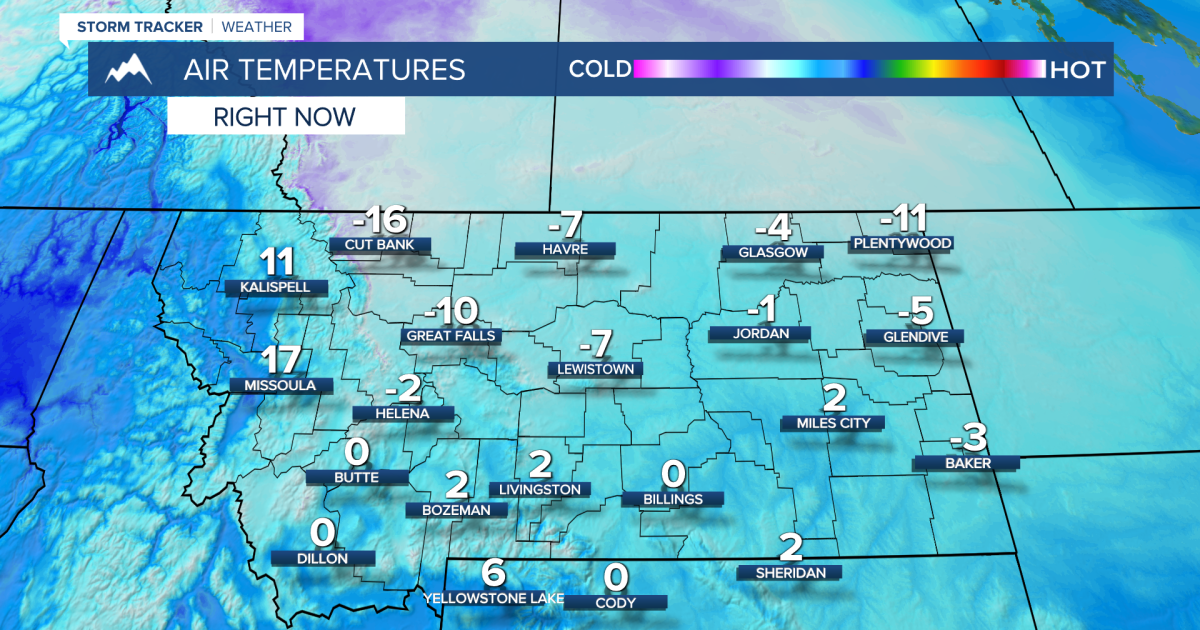
Montana16 minutes ago
Some of the coldest air in the country is right here in Montana

Nebraska22 minutes ago
Kearney Area Animal Shelter announces 2026 Gala featuring ‘The Voice’ finalist Bryan Olesen

Nevada28 minutes ago
State offices on two hour delay due to weather conditions

Florida1 year ago
Florida High School Football Rankings: Top 25 teams – Oct. 21

Connecticut2 years ago
Cleary's 21 help Le Moyne down Central Connecticut State 69-64 in OT

Oregon2 years ago
How old is Bo Nix? What to know about Oregon quarterback ahead of 2024 NFL Draft

Virginia2 years ago
99th annual Pony Swim held in Virginia

Indiana1 year ago
Indiana Members Credit Union announced as new anchor tenant at Bottleworks District

Politics4 hours ago
DC Mayor Bowser declares emergency over Potomac sewage spill, asks for federal help

World6 hours ago
Israel installed security at Epstein’s Manhattan apartment for ex-PM Barak

News6 hours ago
Iran and the US lean into gunboat diplomacy as nuclear talks hang in balance

Politics17 hours ago
Democrats risk FEMA disaster funding collapse as DHS shutdown hits Day 5

World18 hours ago
Fact check: Will Spain’s regularised migrants be allowed to vote?
-

 Culture1 week ago
Try This Quiz on Passionate Lines From Popular Literature
-

 Oklahoma2 days ago
Wildfires rage in Oklahoma as thousands urged to evacuate a small city
-

 Health1 week ago
James Van Der Beek shared colorectal cancer warning sign months before his death
-
![“Redux Redux”: A Mind-Blowing Multiverse Movie That Will Make You Believe in Cinema Again [Review]](https://i1.wp.com/www.thathashtagshow.com/wp-content/uploads/2026/02/Redux-Redux-Review.png?w=400&resize=400,240&ssl=1 "“Redux Redux”: A Mind-Blowing Multiverse Movie That Will Make You Believe in Cinema Again [Review]")
![“Redux Redux”: A Mind-Blowing Multiverse Movie That Will Make You Believe in Cinema Again [Review]](https://i1.wp.com/www.thathashtagshow.com/wp-content/uploads/2026/02/Redux-Redux-Review.png?w=80&resize=80,80&ssl=1 "“Redux Redux”: A Mind-Blowing Multiverse Movie That Will Make You Believe in Cinema Again [Review]") Movie Reviews1 week ago
Movie Reviews1 week ago“Redux Redux”: A Mind-Blowing Multiverse Movie That Will Make You Believe in Cinema Again [Review]
-

 Technology1 week ago
HP ZBook Ultra G1a review: a business-class workstation that’s got game
-
 Science1 week ago
A SoCal beetle that poses as an ant may have answered a key question about evolution
-
 Politics7 days ago
Culver City, a crime haven? Bondi’s jab falls flat with locals
-

 Politics7 days ago
Tim Walz demands federal government ‘pay for what they broke’ after Homan announces Minnesota drawdown