Pennsylvania
Update: Weather alert for snow squall in North Central Pa. until 2 a.m. Thursday


The National Weather Service issued an updated weather alert at 1:28 a.m. on Thursday for a snow squall until 2 a.m. for Northern Centre and Southern Centre as well as Clearfield, Cambria and Blair counties.
“At 1:25 a.m., a snow squall was along a line extending from Philpsburg to Ebensburg and moving east at 35 MPH,” according to the weather service.
The weather service states, “Use extra caution if you must travel into or through this squall. Rapid changes in visibility and potentially slick roads may lead to accidents a rapid drop in temperature may cause black ice to form on roadways. Black ice is nearly impossible to see and roadways may appear only wet. Please use extreme caution, especially on bridges, overpasses and around curves. Allow plenty of stopping distance and avoid braking suddenly. This squall mey intensify as it moves across the area.”
The snow squall guide: Preparation and caution on winter roads
What are snow squalls?
Snow squalls are intense winter weather events often associated with strong cold fronts. They can quickly blanket roads with snow and ice, even without a major winter storm in the forecast. Typically lasting less than an hour and resulting in minor snow accumulation, these squalls can still be dangerous due to reduced visibility, gusty winds, and rapidly dropping temperatures. Unfortunately, these conditions have historically contributed to serious and sometimes fatal traffic accidents.
Understanding snow squalls vs. Snowstorms
The main distinction between a snow squall and a snowstorm lies in their duration and intensity. Snow squalls are typically brief but intense, lasting around 30-60 minutes. In contrast, a snowstorm can stretch over several hours or even days
Snow squall warnings
Snow squall warnings are rapidly issued for specific areas, much like tornado or severe thunderstorm warnings. They offer crucial, localized information aimed at saving lives. If an alert for a snow squall is issued in your area, it’s best to postpone or avoid driving until the squall moves on.
Actions to take
In response to a snow squall warning, individuals should follow the guidelines provided by the weather service, which encompass the following key actions:
Avoid or delay travel: If a snow squall warning is issued for your area, avoid or delay motor travel until the squall passes through your location. There truly is no safe place on the highway during a snow squall.
Reduce speed and increase visibility: If you find yourself already on the road during a snow squall, prioritize safety by reducing your speed. Turn on both your headlights and hazard lights to enhance visibility for yourself and other drivers.
Maintain safe distance: Ensure there is ample distance between your vehicle and the one ahead of you. This precaution is essential to account for reduced visibility and the potential unpredictability of road conditions during a squall.
Avoid abrupt braking: It’s also best not to slam on your brakes. With slick/icy roads, this could contribute to the loss of vehicle control and also increase the risk of a chain reaction crash.
Winter weather safety tips: For tips on how to stay safe before, during and after a winter weather, visit the weather service Winter Weather Safety page.
Prepare your vehicle: Prior to traveling, take steps to prepare your vehicle for winter conditions by inspecting tires, brakes, and lights, and confirming all fluids are at appropriate levels. A properly cared-for vehicle is more prepared to tackle the obstacles of winter driving.
Emergency kit essentials: Always have a well-prepared emergency kit in your vehicle containing crucial supplies like blankets, non-perishable food, water, a flashlight, and a first-aid kit. Additionally, include jumper cables, flares or a reflective triangle, an ice scraper, a car cell phone charger, a map, and cat litter or sand for improved tire traction. These items can be invaluable should you encounter an unexpected breakdown or emergency while on the road.
In conclusion, when faced with a snow squall warning, prioritizing personal safety and adhering to the weather service recommendations can significantly mitigate risks. By understanding, preparing, and staying vigilant, individuals can navigate these winter hazards with greater confidence and security.
Advance Local Weather Alerts is a service provided by United Robots, which uses machine learning to compile the latest data from the National Weather Service.



(WHTM) — Pennsylvania is one of four states facing a lawsuit from the federal government over SNAP applicant data.
The U.S. Department of Justice filed suit against Pennsylvania, Kentucky, Michigan, and Minnesota. They are seeking the last five years of SNAP applicant data in the respective states.
The DOJ alleges that the four states refused to turn over data to the U.S. Department of Agriculture “so that USDA could ensure that states are properly administering and enforcing their determinations of residents’ eligibility.”
“The American people deserve a government that is transparent about how it spends their hard-earned tax dollars,” said Acting Attorney General Todd Blanche. “These four states are thwarting USDA’s efforts to ensure that the billions of dollars in SNAP benefits they distribute every year are not lost to fraud.”
“Stopping the rampant theft of taxpayer money demands a whole-of-government response, including strong participation at the state level,” said Assistant Attorney General Colin M. McDonald of the Justice Department’s National Fraud Enforcement Division. “These states are happy to take hundreds of millions of federal tax dollars—much of which is exploited by fraudsters—but want zero transparency over how those tax dollars are spent.”
The Department of Justice said 28 states promptly provided data and such indicated “there are billions of dollars per year in SNAP funds going to overpayments and fraud.”
The USDA has been seeking data for the past year or so, leading to a legal battle over concerns about how the data would be used.
Pennsylvania
House Republicans stall activity, Pennsylvania Rep. Meuser calls tactics ‘foolish’ | Fox Business Video

Maria Bartiromo reports on House Speaker Mike Johnson sending representatives home early as Republican hardliners stall floor activities, refusing votes without action on the SAVE America Act.
House Speaker Mike Johnson sent representatives home early as hardline Republicans stalled floor activities, demanding action on the SAVE America Act. President Donald Trump posted on Truth Social, urging House Republicans to unify and avoid giving power to Democrats. Rep. Dan Meuser (R-PA) labels the stalling tactics ‘foolish,’ emphasizing the need for legislative progress and appropriations.
Pennsylvania
Measles detected in two more counties in Pennsylvania as health department recommends early vaccination

Pennsylvania health officials have now detected measles cases in York and Northumberland Counties as cases in Lancaster County, the center of an ongoing outbreak, continued to rise.
And the state health department is now recommending early measles vaccinations for infants beginning at 6 months in affected areas in an effort to protect them against the spread of the highly contagious disease, which is particularly risky for young children. The same precautions should be taken by families with infants traveling to these areas.
Six Pennsylvania counties have now seen measles cases since an outbreak was first confirmed in Lebanon County in April. In all, the state has reported 81 measles cases across eight counties in 2026, more than five times the cases reported in 2025.
State health officials said it was too early to tell how the latest cases in York and Northumberland Counties are connected to others in the region, but that contact tracing investigations are continuing. All cases were among people who had not received at least two doses of the measles, mumps, and rubella (MMR) or whose vaccination status was unclear.
As of Wednesday, six cases had been confirmed in Northumberland County, to the north of Dauphin County, and one case had been detected in York County, along Lancaster’s western border.
Lebanon County has reported 20 cases and Dauphin and Berks Counties have reported two cases each.
Lancaster County has seen 38 cases of measles since late April, with health officials confirming seven cases in the last two weeks. The area was at the center of a prior measles outbreak in January, when state health officials confirmed eight cases in Lancaster County and an additional four between Chester and Montgomery Counties.
Vaccination rates among kindergarteners have decreased across Pennsylvania in recent years, and some counties affected in the current outbreak have particularly low rates, including Lancaster, where about 88.5% of kindergarten students are vaccinated. Health experts say that 95% of a community must be vaccinated to prevent the spread of the disease.
Health officials have been conducting contact tracing to detect as many cases as possible. In the current outbreak, they have twice warned Lancaster residents that they could have been exposed to measles.
Shoppers and employees at a local Kohl’s were potentially exposed to the virus over four days after a staffer tested positive in late May, LancasterOnline reported. And a person with measles visited the Lancaster County Courthouse on June 3.
But doctors in Lancaster County say they fear some measles cases are going unreported, either because patients don’t understand the importance of tracking measles cases or because they fear repercussions.
No cases have been confirmed in the Philadelphia region during this outbreak. But Delaware County health officials said last week that they had detected measles in two wastewater samples, indicating that someone with measles had used a bathroom connected to the county’s public water supply. It was unclear if that person lived in the county or was passing through.
Early vaccination recommended
On Wednesday, a statewide health alert urged physicians to accelerate vaccination schedules to protect children against measles. Officials had said they were considering the measure earlier this month as cases continued to rise.
Measles can infect nine in 10 unvaccinated people who are exposed to it, and can linger in the air for up to two hours and incubate in patients for three weeks. The disease typically presents with a fever and a rash but can cause brain inflammation and pneumonia in serious cases.
Typically, children receive the first of two MMR vaccines at 1 year old, then a second between 4 and 6 years old.
But children as young as 6 months can receive an additional “dose zero” to protect them from the disease amid an outbreak. In its alert, the state health department said parents should vaccinate infants between 6 and 11 months with the “dose zero” if they live in affected areas or if they’re planning to travel there.
Those children should then receive additional MMR doses at 12 to 15 months and 4 to 6 years.
This “dose zero” is less effective than doses given at 1 year old, officials cautioned. But it’s 58% effective against measles when given at 6 to 8 months, and 83% effective when administered at 9 to 11 months.
“Early MMR vaccination is safe and provides modest protection when measles is spreading,” officials wrote in the alert.
Children older than 12 months who haven’t been vaccinated should get an MMR dose immediately, and a second 28 days later, health officials said. Unvaccinated adults, or those without evidence of immunity, should also get two MMR doses.
And anyone who has received one dose of the MMR vaccine in the past should get a second at least 28 days after their first, officials said.
Usually, children who received a first dose at around 12 months wait to get their second dose until they’re 4 to 6 years old. But in an outbreak situation, those children should get their second doses early — at least 28 days after their first shot.
Adults born before 1957 are typically considered immune, but healthcare workers in that age group who don’t have lab evidence of immunity or prior infection should consider getting vaccinated, state officials said.
Adults who received an inactivated measles vaccine between 1963 and 1967 are considered unvaccinated during an outbreak, and should also get two doses of the current MMR vaccine.
Pregnant people, people with severely weakened immune systems, and people who have a history of experiencing severe allergic reactions, like anaphylaxis, to a vaccine ingredient or to a previous dose of MMR cannot receive the vaccine.
-

 Crypto6 minutes ago
4 arrested in Poland for SIM-swapping and cryptocurrency theft
-

 Finance9 minutes ago
Your Savings Account Is Failing: 3 Shifts to Reclaim Your Wealth
-

 Fitness14 minutes ago
Steffie Bryant, Alistair Brownlee to Share AI, Performance Insights at European Congress – Health & Fitness Association
-

 Movie Reviews24 minutes ago
Movie Review: SUPERGIRL – Assignment X
-
World36 minutes ago
Cape Verde’s dream run continues, becoming smallest country into World Cup knockout round
-
 Lifestyle1 hour ago
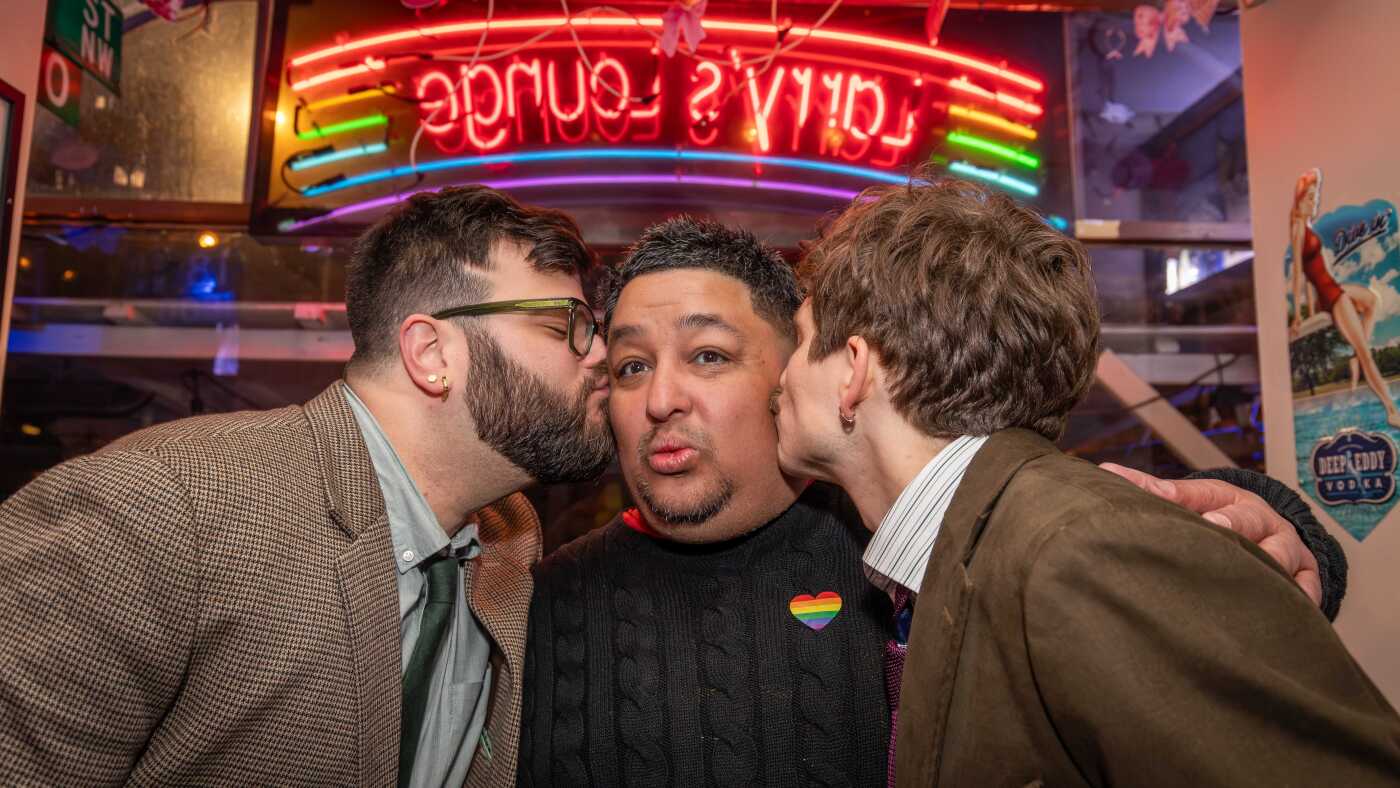
Amateurs now conduct most weddings. Here is some basic advice
-

 Technology1 hour ago
It’s the last day of Prime Day — here are over 140 great deals to choose from
-

 World1 hour ago
Rubio announces framework deal between Israel and Lebanon as experts warn Iran will fight to sabotage it

