South Dakota
Zimmer: South Dakota State's Summit League winning streak is reaching ridiculous levels


BROOKINGS — Saturday’s win over the Omaha Mavericks was the 14th in a row for the South Dakota State women’s basketball team. It was also their 20th of the season, a benchmark they’ve reached in 21 of the last 23 seasons (they won 19 in the other two).
When they visit Denver on Thursday the Jackrabbits will be looking to improve to 13-0 in Summit League play with what would be their 15th straight win.
Impressive, right? Well it’s not even the most impressive streak the Jacks have going right now.
No, that would be the Jackrabbits’ winning streak against conference opponents, which now stands at an embarrassing-for-the-rest-of-the-league 43 straight. SDSU’s last loss in a league game came in January of 2022 when they were routed by the rival Coyotes. The streak does not, it should be noted, include the Jacks’ second loss to USD that year, in the conference tournament championship game. USD went on to the Sweet 16 after that win, while the Jacks settled for a WNIT title.
Then the Jacks went 18-0 in the Summit League last year, reaching the second round of the NCAA touranment. And now they’re 12-0 this year, despite a freak barrage of injuries that should, it would seem, leave them as vulnerable as they’ve ever been. So far, no team in their conference has shown any inclination to take them down.
The Jacks are 61-1 in Summit League action over the last four seasons.
That’s 12-0 this year, 18-0 last year, 17-1 the year before that, and 14-0 the year before that.
Matt Zimmer/Sioux Falls Live
Players and coaches both insist records and streaks aren’t a motivator for them, but there’s something to be said for the incredible consistency this program continues to exhibit, and even moreso in a season where nobody would be holding it against them if they faltered under the weight of injuries and weren’t able to contend in their conference.
“When you reflect on it in a broader sense, just like 20 wins a year, it’s still significant,” coach Aaron Johnston said. “It still says we’re on the right track and we’re doing really good things. And when you hvae a streak that long, that’s a lot of different players, too. It’s not just one player carrying us along. It’s several different classes — senior classes, freshman classes. It’s a good benchmark that we’re on the right track.”
Johnston said that pride in the achievement comes regardless of this year’s circumstances. Twenty wins in a year is a big deal any year. But for the players who have seen teammate after teammate go down with a season-ending injury, only to stare down that adversity and plow right through it, there’s certainly some extra satisfaction.
“With all the adversity and all the people who’ve got hurt, and seeing those people on the sidelines cheering us on, still doing the best they can in practice — that helps us not take anything for granted,” said sophomore post Brooklyn Meyer, whose emergence as a top-flight center has keyed the Jacks success. “That’s what this team focuses on — taking it one step at a time and doing it for each other.”
If we’re being honest, though, the Jacks’ continued dominance isn’t a great reflection on the rest of the conference.
Do their opponents even allow themselves to fantasize about winning when they come to Frost Arena? The Jacks haven’t lost a home conference game since 2020. When teams (particularly ones other than USD) have managed to knock off the Rabbits, it’s pretty much been a fluke, not an indication that said team has closed the gap between themselves and SDSU.
Just go down the list of how long it’s been since the Jacks’ conference opponents beat them:
USD: Jan. of 2022
Denver: Feb. of 2020
Omaha: Jan. of 2017
UND: March of 2004
NDSU: Jan. of 2015
UMKC: Jan. of 2010
ORU: Jan. of 2012
Former members IUPUI and Western Illinois both won their last game over SDSU in 2017. IPFW beat the Jacks once in 37 tries. Newest member St. Thomas is winless against the Jacks so far in just a handful of tries.

Matt Zimmer/Sioux Falls Live
“It’s a testament to all of our personalities,” said junior post Mesa Byom. “We all want the best for each other and we play that way. So it’s not looking at it like ‘Oh, we’re better than them’, we’re just doing it for each other.”
But they are better than ‘them’. Every night, it seems.
USD became the Jacks’ primary threat in women’s basketball pretty much the second they moved up to Division I, and for a moment appeared to have equalled their standing. But they’re rebuilding now.
NDSU is enjoying one of its best seasons in years, currently 10-2 in league play. But they already lost to SDSU in Fargo. They come to Frost next week.
Perhaps the Bison are ready to snap the streak. And the Jacks are, unfortunately for them, probably just one more injury away from having a much tougher time sustaining the level of play they’ve impressively maintained this season.
That said, 43 wins in a row can imbue a team with an awful lot of confidence. And inspire a significant level of intimidation in their opponents, especially in front of raucous blue-and-yellow clad crowd in Sioux Falls.
Whether the Jacks’ conference winning streak is still intact by Summit League tournament time or not, they’ll be the heavy favorites. The business-as-usual approach tends to work well for them.
“(The winning streak) is another achievement but it’s not something we talk about,” Johnston said. “I don’t want it to be something that becomes a burden for our team to carry. We’re gonna try to play well on Thursday because that’s our next game and it’s an important one. If that continues a streak, great. If it ends a streak we pick up and move on.”

Matt Zimmer is a Sioux Falls native and longtime sports writer. He graduated from Washington High School where he played football, legion baseball and developed his lifelong love of the Minnesota Twins and Vikings. After graduating from St. Cloud State University, he returned to Sioux Falls, and began a long career in amateur baseball and sports reporting. Email Matt at mzimmer@siouxfallslive.com.



The South Dakota Lottery offers multiple draw games for those aiming to win big.
Here’s a look at July 8, 2026, results for each game:
Winning Powerball numbers from July 8 drawing
12-29-37-43-55, Powerball: 18, Power Play: 4
Check Powerball payouts and previous drawings here.
Winning Lotto America numbers from July 8 drawing
17-26-31-32-37, Star Ball: 01, ASB: 02
Check Lotto America payouts and previous drawings here.
Winning Dakota Cash numbers from July 8 drawing
07-11-18-31-33
Check Dakota Cash payouts and previous drawings here.
Winning Millionaire for Life numbers from July 8 drawing
16-18-43-48-50, Bonus: 01
Check Millionaire for Life payouts and previous drawings here.
Feeling lucky? Explore the latest lottery news & results
Are you a winner? Here’s how to claim your prize
- Prizes of $100 or less: Can be claimed at any South Dakota Lottery retailer.
- Prizes of $101 or more: Must be claimed from the Lottery. By mail, send a claim form and a signed winning ticket to the Lottery at 711 E. Wells Avenue, Pierre, SD 57501.
- Any jackpot-winning ticket for Dakota Cash or Lotto America, top prize-winning ticket for Lucky for Life, or for the second prizes for Powerball and Mega Millions must be presented in person at a Lottery office. A jackpot-winning Powerball or Mega Millions ticket must be presented in person at the Lottery office in Pierre.
When are the South Dakota Lottery drawings held?
- Powerball: 9:59 p.m. CT on Monday, Wednesday, and Saturday.
- Mega Millions: 10 p.m. CT on Tuesday and Friday.
- Lucky for Life: 9:38 p.m. CT daily.
- Lotto America: 9:15 p.m. CT on Monday, Wednesday and Saturday.
- Dakota Cash: 9 p.m. CT on Wednesday and Saturday.
- Millionaire for Life: 10:15 p.m. CT daily.
This results page was generated automatically using information from TinBu and a template written and reviewed by a South Dakota editor. You can send feedback using this form.

LARCHWOOD, Iowa (KIWA) – A Tea, South Dakota man has been arrested on a felony domestic abuse charge after an incident near Larchwood.
According to a criminal complaint filed with the Lyon County Clerk of Court’s Office by the Iowa State Patrol, 45-year-old Beau Christensen of Tea is accused of assaulting his girlfriend in their hotel room at Grand Falls Casino & Golf Resort near Larchwood. He was arrested on Wednesday, July 8.
In his statement, the state trooper who filed the report says Christensen put his hands around the victim’s neck. The victim stated she could not breathe while this was happening.
Christensen was charged with domestic abuse assault – impeding air or blood flow, a class D felony. If convicted, he could face up to five years in prison. He also faces a misdemeanor charge of possession of marijuana.
He faces a preliminary hearing on Friday, July 10.
At last report, Christensen remained in the Lyon County Jail in Rock Rapids in lieu of a $6000 bond.
Want to get the latest news and weather from Siouxland’s News Source? Follow these links to download our KTIV News app and our First Alert Weather app.
Copyright 2026 KTIV. All rights reserved.

BROOKINGS, S.D. – Instead of boarding airplanes or planning weeklong vacations, many South Dakota families are spending summer weekends closer to home, filling festivals, community events and family attractions that offer affordable ways to make memories together.
That trend is showing up across the state, according to South Dakota tourism officials. And organizers of many local events say they’ve watched it evolve over decades.
“We did re-coin that term ‘staycation’ again this year,” said Shari Budahl Avery, publicity chair for the 55-year-old Brookings Summer Arts Festival. “If things are a little tight but you want to get away for a day, we can provide that experience.”
Families are redefining summer travel
Travel South Dakota has reported that many travelers are choosing more affordable destinations, taking shorter trips and staying closer to home because of continued economic uncertainty. The department said South Dakota is well positioned because many visitors already travel by car from nearby states.
According to the department, 58% of visitors travel within 150 miles of home, and affordability, scenic beauty and family experiences remain among the state’s strongest attractions.
Travel South Dakota reports that visitors rate the state highly for affordability and family experiences, with 87% saying they would recommend South Dakota to others and 90% planning to return.

Shawn Steward, public affairs manager for AAA South Dakota, said travelers look for ways to make summer vacations fit their finances rather than canceling them altogether.
“People still want to travel,” Steward said in an interview with South Dakota News Watch. “They’re just making different choices.”
Steward said many families are adjusting by taking shorter trips, traveling by car instead of flying or choosing destinations closer to home, trends that align with what tourism officials and local event organizers are seeing across South Dakota.
Local events become summer destinations
Budahl Avery said those statewide trends match what festival organizers have observed for years.

“We’re kind of dead center in a pretty good population center,” she said. “People can come on what one friend from Texas called a ‘tank trip’ – somewhere you can drive on one tank of gas and get home.”
The two-day festival features about 178 juried artists, live entertainment, children’s activities, food vendors and historical demonstrations. Budahl Avery said the goal is to create an experience where multiple generations can spend time together without needing an expensive vacation.
Affordable, convenient entertainment
During a recent stop in Brookings, the Cardin International Circus drew families from across the region. Ringmaster and comedian Rulito Videla said attendance varies from city to city, but he believes many families are looking for affordable experiences closer to home.

“If they are staying home, support your local events,” Videla said. “The circus is family-oriented entertainment. You create memories.”
Visitors interviewed in Brookings described making similar choices.
Erica Quam said her family often prefers several smaller outings over one major vacation.
“We live right near Brookings,” Quam said. “It’s close, there were some coupons that made it more affordable, and it’s just a fun, easy activity.”
Sienna Vanmeveren also chose to stay closer to home this summer to save money.

“It’s easier than traveling somewhere,” she said, adding that she would likely travel more if finances allowed.
Not every family is changing its travel habits.
Sviatlana Senchanka said her family recently completed a road trip from South Dakota to California and continues to spend time outdoors at local lakes. She said work schedules determine when her family travels more than travel costs.
For Budahl Avery, however, the value of community events extends beyond economics.
“What keeps families coming back?” she said. “Tradition. Joy. Making memories.”
Whether families travel across the country or simply across town, organizers and visitors alike say a memorable summer doesn’t always require going far from home.
South Dakota News Watch is an independent nonprofit. Read, subscribe for free and donate at sdnewswatch.org. Amina Aidarkhanova received the 2026 Jeffrey B. Nelson Investigative Journalism Endowed Internship and the Chuck Raasch and Sandy Johnson Scholarship from the SDSU Foundation. Contact: amina.aidarkhanova@sdnewswatch.org.
-
World3 minutes ago
AI notetakers promise easy meeting recaps, but some professionals question their use
-
Culture45 minutes ago
Which Version of the ‘Odyssey’ Should You Read?
-
 Lifestyle48 minutes ago
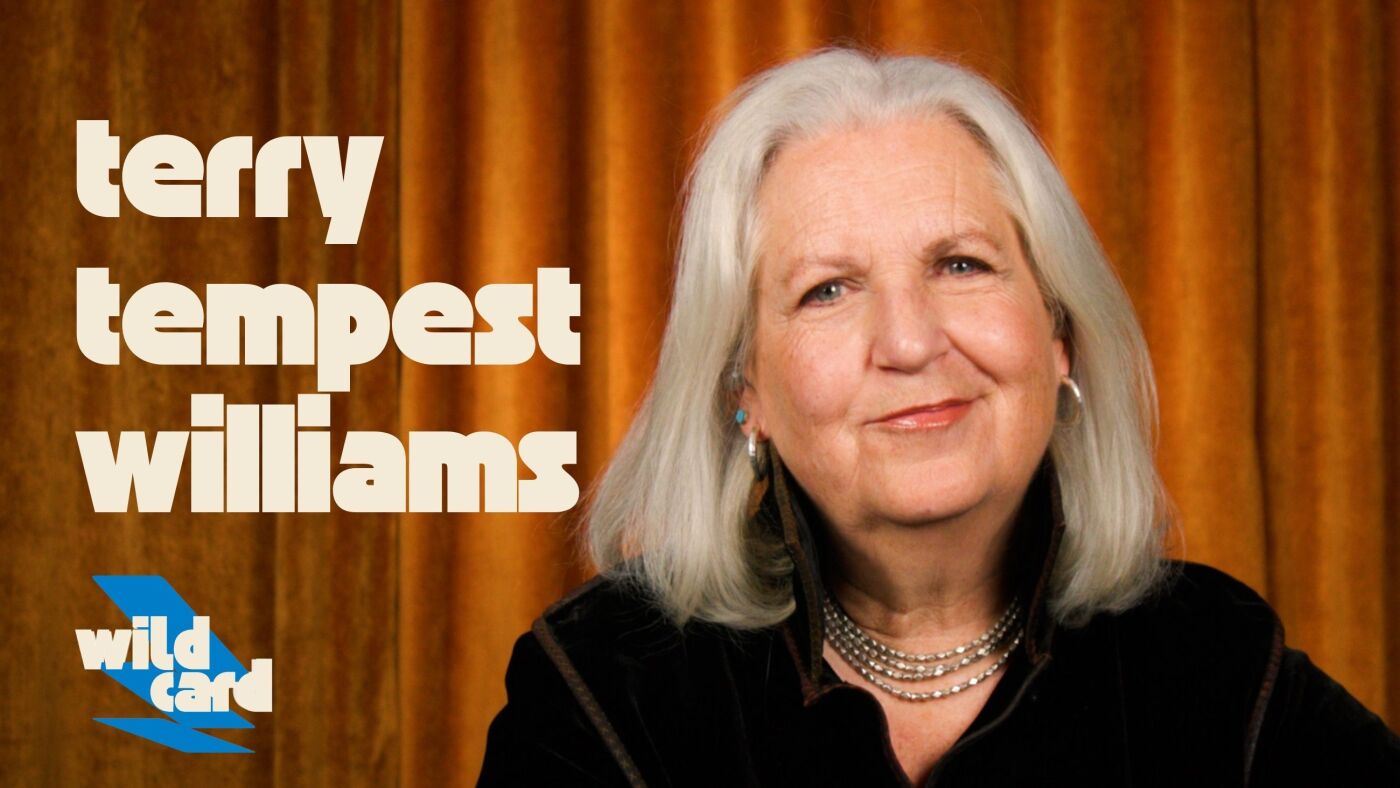
Terry Tempest Williams on why women with big ideas get labeled ‘crazy’ : Wild Card with Rachel Martin
-

 Technology60 minutes ago
Google’s Nest Thermostat has hit its best price of the year
-

 World1 hour ago
Argentinian flight instructor jumps to death from plane, 22-year-old student forced to land alone
-

 Politics1 hour ago
Omar’s disclosures erased millions, leaving her with potential negative net worth. She won’t explain why.
-

 Health1 hour ago
Dr Oz links obesity to chronic disease surge, says GLP-1s can ‘jumpstart’ better health
-

 Sports1 hour ago
Pirates star pitcher makes unfortunate history after being taken out in middle of perfect game bid


