Health
IV therapy and supplements under scrutiny as experts warn of potential side effects


Medical expert analyzes trending IV therapy, concerns about peptides
Dr. Mike Varshavski joins ‘Fox & Friends’ for Wellness Week, examining trending self-care treatments. He evaluates IV vitamin therapy, highlighting its hospital-critical role versus unproven benefits for general wellness, citing potential risks like vitamin imbalance. Dr. Mike also differentiates creatine, a research-backed supplement, from unregulated peptides marketed with unverified anti-aging and muscle growth promises, urging caution for patients.
NEWYou can now listen to Fox News articles!
As “Fox & Friends” continues its Wellness Week, the conversation has turned toward IV drips, peptides and creatine, with a focus on whether they are helpful health hacks or overblown hype.
The segment featured Lawrence Jones undergoing IV therapy. According to the clinic staff, the treatment is designed to help with stress and overall wellness, making patients “less likely to get sick.”
Jones was treated with a cocktail of B vitamins, high-dose vitamin C, magnesium and amino acids.
DO RED LIGHT THERAPY AND COLD PLUNGES REALLY WORK? A DOCTOR REVEALS THE TRUTH
The staff also touted the benefits of NAD, claiming it “is going to clear up any brain fog” and is “amazing for physical injury.”
When asked about potential downsides, the clinician told Jones, “Honestly, there are no negative side effects,” and suggested that “you should sleep really well, wake up really well-rested to your first alarm.”
Peptides have gained popularity for outcomes like building muscle, healing injuries or appearing younger. (iStock)
However, family medicine physician Dr. Mike Varshavski expressed concern over the lack of informed consent and the nature of the claims.
SUPPLEMENT HEALTH RISKS TO KNOW ABOUT, PLUS A CELEBRITY’S ‘BRUTAL’ INFECTION
“It’s tough to say what actually happened in that visit because there were a lot of promises being made,” said the New Jersey-based doctor.
CLICK HERE TO SIGN UP FOR OUR HEALTH NEWSLETTER
He compared the human body to a car’s fuel tank, warning that “putting more and having it spill all over the place just creates added side effects.”
The doctor warned that fat-soluble vitamins “can actually build up in your fat stores and create toxicities.” (iStock)
Varshavski noted that over-supplementing is not a harmless endeavor.
CLICK HERE FOR MORE HEALTH STORIES
Fat-soluble vitamins “can actually build up in your fat stores and create toxicities,” he said, adding that high levels of vitamin B have been associated with a higher cancer risk.
The conversation then shifted to creatine and peptides.
TEST YOURSELF WITH OUR LATEST LIFESTYLE QUIZ
Varshavski was supportive of creatine, stating that it “actually has great evidence behind it” for explosive movements, though he clarified that it accounts for only about 5% of total fitness enhancements.
The doctor described the use of unregulated injectable peptides as “incredibly frightening.” (iStock)
In contrast, he described the use of unregulated injectable peptides as “incredibly frightening.”
CLICK HERE TO DOWNLOAD THE FOX NEWS APP
The FDA does not regulate many of these products, leaving patients vulnerable to “black-market” substances sold for “research use only,” Varshavski cautioned.
When it comes to vitamins and miracle cures, he concluded, “it’s not as simple as more equals better.”



NEWYou can now listen to Fox News articles!
Summer fun in the sun is being taken to a new extreme.
“Tanmaxxing” is a social media trend that involves maximizing sun exposure and tanning the skin more intensely.
Popular among Gen Z, the practice combines time spent in direct sunlight with a variety of tanning products like oils, bronzers and gels.
POPULAR FRUIT MAY HELP PROTECT YOUR SKIN FROM THE SUN, NEW STUDY SUGGESTS
Creators on social media are showing off their dramatic tan lines and outdoor set-ups — some even forgoing sun protection or adding tanning bed sessions.
“Tanmaxxing” is trending on social media as a way of maximizing sun exposure. (iStock)
While spending time outdoors can help boost mood, support the body’s production of vitamin D and reduce screen time, dermatologists warn that excessive sun exposure — especially as promoted by the tanmaxxing trend — can be dangerous.
New York-based board-certified dermatologist Dr. Michael Tassavor, MD, emphasized that there is “no such thing as a safe, natural tan.”
CLICK HERE FOR MORE HEALTH STORIES
“Tanning is damage,” he said in an interview with Fox News Digital. “Tanfluencers sell a deep tan as a ‘wellness upgrade,’ but a tan isn’t a glow-up — it’s your skin’s visible distress signal that DNA damage has already happened.”
“As a skin cancer specialist, I’ve taken care of thousands of skin cancers on patients who ‘tanmaxxed’ before it had a name. Most regret it.”
Using a tanning bed before 35 years old can raise melanoma risk by about 75%, an expert warned. (iStock)
The World Health Organization classifies UV radiation and tanning beds as Group 1 carcinogens, which is the same category as tobacco and asbestos.
Using a tanning bed before age 35 can raise melanoma risk by about 75%, Tassavor noted.
TEST YOURSELF WITH OUR LATEST LIFESTYLE QUIZ
“The damage compounds silently and shows up years later, once the easy window to intervene has closed,” he said.
According to Tassavor, two common beliefs behind tanmaxxing are false: Skipping sunscreen does not produce a “better” tan, and a base tan does not protect the skin from future sunburns.
“Most of your vitamin D can come from diet and supplements, and your skin is efficient enough to top up what it needs from ordinary incidental exposure,” a dermatologist said. (iStock)
Sunlight “isn’t the enemy,” the dermatologist noted, but there’s no need to chase it.
“Most of your vitamin D can come from diet and supplements, and your skin is efficient enough to [get] what it needs from ordinary incidental exposure,” he said.
CLICK HERE TO DOWNLOAD THE FOX NEWS APP
“Vitamin D matters for bone density, and sun does give some people a genuine mood lift, but there’s no evidence that anyone has to go out of their way to sunbathe for it, and no evidence that diligent sunscreen use harms bone health.”
CLICK HERE TO SIGN UP FOR OUR HEALTH NEWSLETTER
To safely expose yourself to the sun, Tassavor recommends using SPF 30 sunscreen and reapplying every two hours. Tanning beds should be avoided “entirely,” he cautioned, because there is “no safe dose” of UV exposure and using them accelerates skin aging.

NEWYou can now listen to Fox News articles!
The Great American State Fair was postponed Saturday after multiple people reportedly fainted the day before, forcing thousands of visitors to pivot during celebrations for America’s 250th anniversary.
Friday’s medical emergencies required onsite attention as crowds flocked to the nation’s capital for Independence Day.
The fair reopened later Friday evening but was postponed again Saturday.
HEART ATTACKS AND STROKES RISING WITH EXTREME WEATHER EVENTS, RESEARCH SUGGESTS
Fox News Digital asked attendees what it took to get to the capital and what they made of the closure.
“We are so blessed to live in the best country in the world,” Whitney Thomas, a mother from North Carolina who traveled with her family for the Great American State Fair, told Fox News Digital Friday.
An arch across the street from a 110-foot “Freedom 250” Ferris wheel during final preparations for the Great American State Fair on the National Mall June 22, 2026 in Washington, D.C. (Al Drago for The Washington Post via Getty Images)
Despite the weather closure, she said her family was able to enjoy the State Fair Thursday evening and planned to wait out the heat in nearby museums until the fair reopened.
“I wanted my kids, who are 9 and 10, to be able to experience this with us,” she said.
“You cannot tell me that America was won by shutting things down when it gets hot.”
Brad Shultis, a retired Marine who traveled from Stafford, Virginia, expressed frustration over the decision to halt festivities.
“You cannot tell me that America was won by shutting things down when it gets hot,” he told Fox News Digital.
FAMOUS LANDMARKS SLASH VISITING HOURS AS DEADLY HEAT WAVE THREATENS TOURISTS
“It gets hot, and we shut it down because it’s hot? Who cares? If it’s too hot, stay home.”
Shultis noted that he drove to Springfield and took the Metro just to be turned away right after buying lunch. He questioned the decision to shut down the celebration of America’s 250th anniversary, arguing that if people find the weather too hot, they should simply stay home or seek medical help rather than forcing a mass evacuation for those who spent time and money to get there.
Whitney Thomas brought her children with her from North Carolina to Washington to experience the historic event as a family. (Fox News Digital)
Wendy Lamb, who traveled eight hours from Connecticut with her family to support the state’s booth, noted that organizers were likely worried about the intense conditions and simply did not want visitors to suffer.
WHAT KILLED AMERICANS IN 1776? THE ANSWER IS DRAMATICALLY DIFFERENT FROM TODAY
While disappointed that her home state did not send official representation due to budget issues, Lamb and her fellow travelers refused to let the heat ruin their first trip to Washington, D.C.
“We’ve had a really, really fun time so far,” added John, another member of the group.
CLICK HERE FOR MORE HEALTH STORIES
He said they plan to navigate the heat by moving from museum to museum and using the Metro system to stay cool until the gates reopen.
For these visitors, the setback was minor compared to the emotional weight of seeing the U.S. Capitol and the Rotunda.
Judy drove with her family from Connecticut to support the state after officials withdrew support prior to the fair opening. (Fox News Digital)
“I mean, we are so fortunate we are free, and yet we have people out there that hate our country. … it’s very emotional,” said Pat Lamb, who fanned her face to stop tears welling in her eyes as she described the pride she felt for the nation.
The decision to close the fairgrounds aligns with severe weather protocols designed to prevent mass casualty medical events.
CLICK HERE TO SIGN UP FOR OUR HEALTH NEWSLETTER
According to the Centers for Disease Control and Prevention, extreme heat can quickly impair the body’s ability to cool itself, causing internal temperatures to rise faster than they can dissipate.
TEST YOURSELF WITH OUR LATEST LIFESTYLE QUIZ
When exposure to extreme conditions triggers a heat-related illness, symptoms can escalate rapidly from heat exhaustion — marked by heavy sweating, dizziness, nausea and fainting — to a life-threatening medical emergency, according to the CDC.
Brad Shultis, a veteran, was turned away just after lunch due to extreme heat at The Great American State Fair. (Fox News Digital)
The most severe risk is heat stroke, which occurs when the body’s cooling mechanism fails entirely, potentially driving core body temperatures to 103 degrees Fahrenheit or higher within minutes.
CLICK HERE TO DOWNLOAD THE FOX NEWS APP
To prevent severe complications like permanent organ damage or death, the CDC advises that anyone exhibiting warning signs such as confusion, slurred speech or a loss of consciousness should receive immediate medical treatment.
Public health officials urge individuals in high-heat environments to seek shade, stay heavily hydrated and identify air-conditioned cooling centers.

NEWYou can now listen to Fox News articles!
Many of the American colonists’ eating habits have made a comeback in recent years. They ate minimally processed, locally sourced whole foods and regularly incorporated organ meats into their meals.
Livestock and many Old World crops had already been introduced to North America by European explorers and settlers during the centuries before the nation’s founding.
Early settlers adapted European cooking traditions using ingredients available in North America, the Center for the Study of the Presidency and Congress (CSPC) reported.
Indigenous peoples introduced corn to the colonists, and it became a core ingredient in many of their recipes. Beans, squash, and potatoes were among the other crops that became incorporated into colonial cooking, according to the CSPC.
“Cornmeal appeared in dishes such as hasty pudding — a thick porridge similar to polenta — and johnnycakes, simple griddle cakes that were popular from New England to the South,” History Facts reported.
Cornmeal Johnnycakes, roast pork and cream cheese are distinctly early-American foods the CSPC has recipes for on its website.
Corn became a staple of early colonists’ diets after Indigenous peoples introduced the crop to the settlers and taught them how to cultivate it. (iStock)
Regional customs and crops greatly influenced what the colonists ate. Rice and okra grew well and were plentiful in the South, where French and African influences also shaped eating habits.
Dutch, English and German immigrants largely settled in the north and established the region’s culinary traditions.
Seafood such as rockfish and crab dominated the diets of early Maryland settlers, NPR reported.
Meat was a status symbol, local food historian Joyce White told the publication. Beef was prized, and chicken was often saved for egg production.
“If it’s your pig or cow coming from your plantation, you don’t want to waste it,” White said.
TEST YOURSELF WITH OUR LATEST LIFESTYLE QUIZ
Thomas Jefferson was known for his decadent tastes and a fondness for French wine and macaroni and cheese. Records show that black-eyed peas, turnip greens and ham were also part of the Founding Father’s diet.
Salted and preserved fish and meats, including bacon, sausage, liver pudding and offal, were staples of working-class people’s diets, while the upper classes indulged in such luxuries as white flour and sugar.
Interest in these traditional foods has resurfaced in recent years as some Americans seek diets centered on whole, minimally processed ingredients.
Founding Father Thomas Jefferson was known for his continental tastes and enjoyed French wine and macaroni and cheese. (iStock)
Advocates of the Make America Healthy Again movement, for instance, have promoted organ meats, or offal, as some of the cheapest and most nutrient-dense foods people can eat.
Stews that evolved as ingredients became available were also common an America’s early days.
The amount of alcohol the colonists consumed was “staggering,” Adrian Miller, author of “The President’s Kitchen Cabinet,” told NPR.
“They were very open about how much they were drinking,” he said.
CLICK HERE FOR MORE LIFESTYLE NEWS
George Washington wrote a recipe for “small beer” in a journal he kept as a young colonel in charge of the Virginia militia during the Seven Years’ War, Fox News Digital previously reported. The New York Public Library houses the journal.
“Small beer,” according to the library, derives its name from the small amount of alcohol it contains. It was quick to make, safer to drink because the brewing process helped eliminate bacteria in the water — and it was an “everyday, mainstay beverage,” the library reported.
“While the 1776 Diet has some positives — such as emphasizing whole foods, home cooking and fewer ultra-processed foods — it’s not one I’d recommend following too literally,” registered dietician Lisa R. Young, adjunct professor of nutrition at New York University, told Fox News Digital.
Working-class colonists would often save chickens for their eggs, rather than consuming their meat. (iStock)
“Colonial Americans often ate foods like salted ham, organ meats and other preserved meats out of necessity,” she said. “Today, we know it’s best to limit processed and cured meats because they’re high in sodium and saturated fat, and organ meats, while nutrient-dense, are best eaten in moderation due to their high cholesterol content.”
Focus on the healthiest aspects of the 1776 diet, Young recommended. That includes plenty of fruits and vegetables, beans, whole grains, fish and lean proteins.
“Of course, you can emulate the Founding Fathers’ diet for the week of the 250th anniversary,” she said. “What you eat for a day or a week won’t matter much in the scheme of things.”
CLICK HERE TO DOWNLOAD THE FOX NEWS APP
Some of the Founding Fathers drank a lot of ale, often in the morning, Young noted.
“We shouldn’t emulate that,” she said.
-
 News16 minutes ago
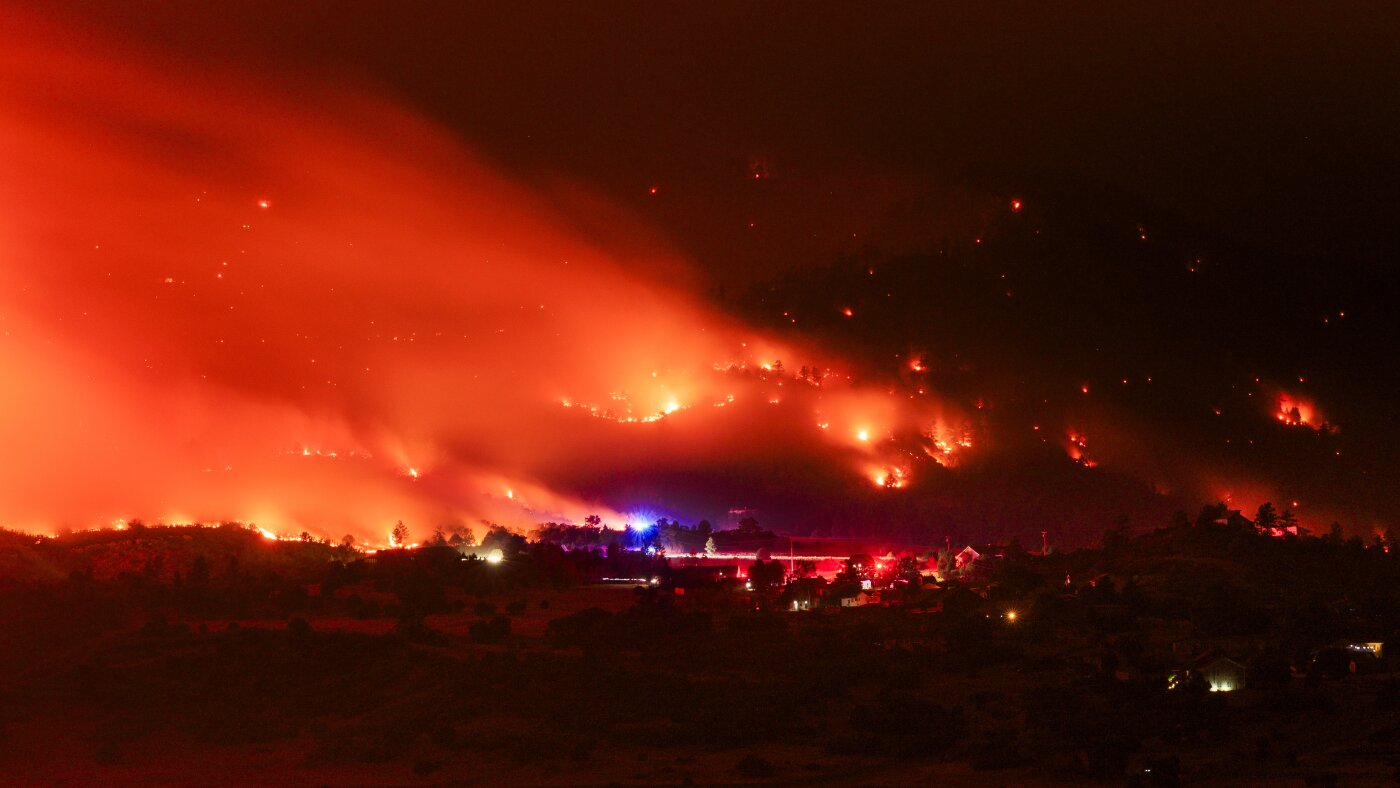
Thunderstorms, heat and wind will hamper efforts to contain Colorado wildfires
-

 New York2 hours ago
10-Minute Challenge: The Ceiling at Grand Central
-

 Los Angeles, Ca2 hours ago
1 killed, multiple people injured in Tarzana 4-car crash
-

 Detroit, MI2 hours ago
Power outage forces flaring at Marathon’s Detroit refinery; portion of Schaefer Road closed
-

 San Francisco, CA2 hours ago
San Francisco’s fireworks show ends in hours of gridlock involving Waymo cars
-

 Dallas, TX2 hours ago
FIFA Fan Fest in Dallas paused due to lighting in the area Sunday evening
-

 Miami, FL2 hours ago
Venezuelan Independence Day: Aid efforts continue after devastating earthquake
-

 Boston, MA2 hours ago
Timeline: Looking back on Jaylen Brown’s Celtics career – The Boston Globe

