KSHB 41 reporter Megan Abundis covers Kansas City, Missouri, including neighborhoods in the southern part of the city. Share your story idea with Megan.
—
Households in Missouri and Kansas could see a 15% increase in utility costs as tax credits for renewable energy are eliminated.
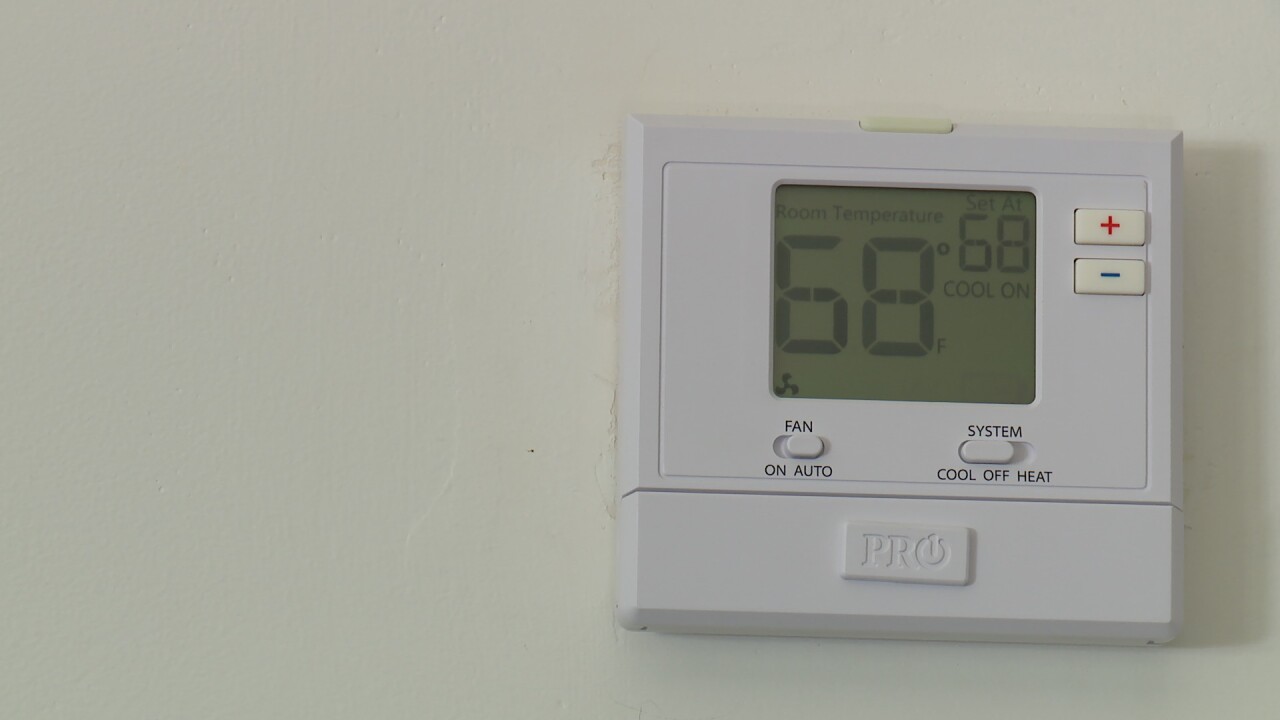
As summer temperatures rise and air conditioners run constantly, utility bills are already a concern for many households.
Advertisement
Federal policy shifts could drive up utility costs for Missouri, Kansas families
According to an analysis from Energy Innovation, a nonpartisan group, your electric bill is expected to increase because of changes made in President Trump’s “big beautiful bill.” Those changes include eliminating tax credits on renewable energy.
“We’ve already heard from a lot of utility companies around the country that they will have to raise prices, and the basic reason is because the United States is going to produce less energy than it was expected to,” said Michael Linden, senior policy fellow at the Washington Center for Equitable Growth.
Advertisement
KSHB 41
Michael Linden
Rebates for solar panels and electric vehicle credits will phase out, too.
Linden, who previously worked in the Biden administration and the U.S. Senate, says the move will create supply and demand issues.
“The average household in Missouri and Kansas will likely see a 15% increase in their utility bills,” Linden said.
KSHB 41
Advertisement
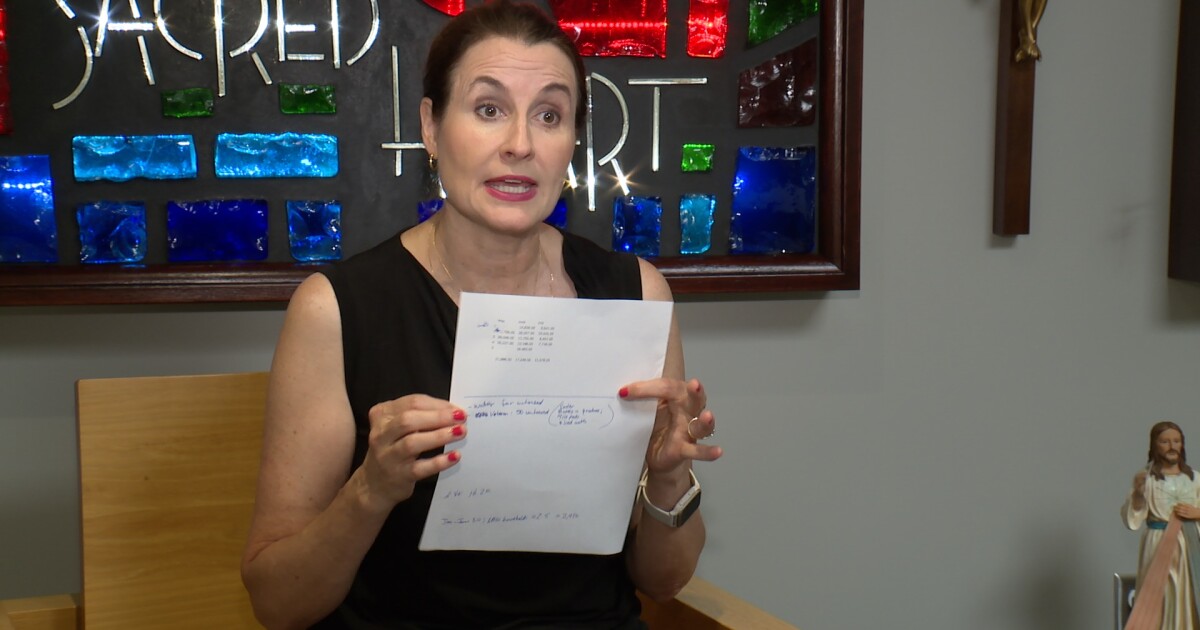
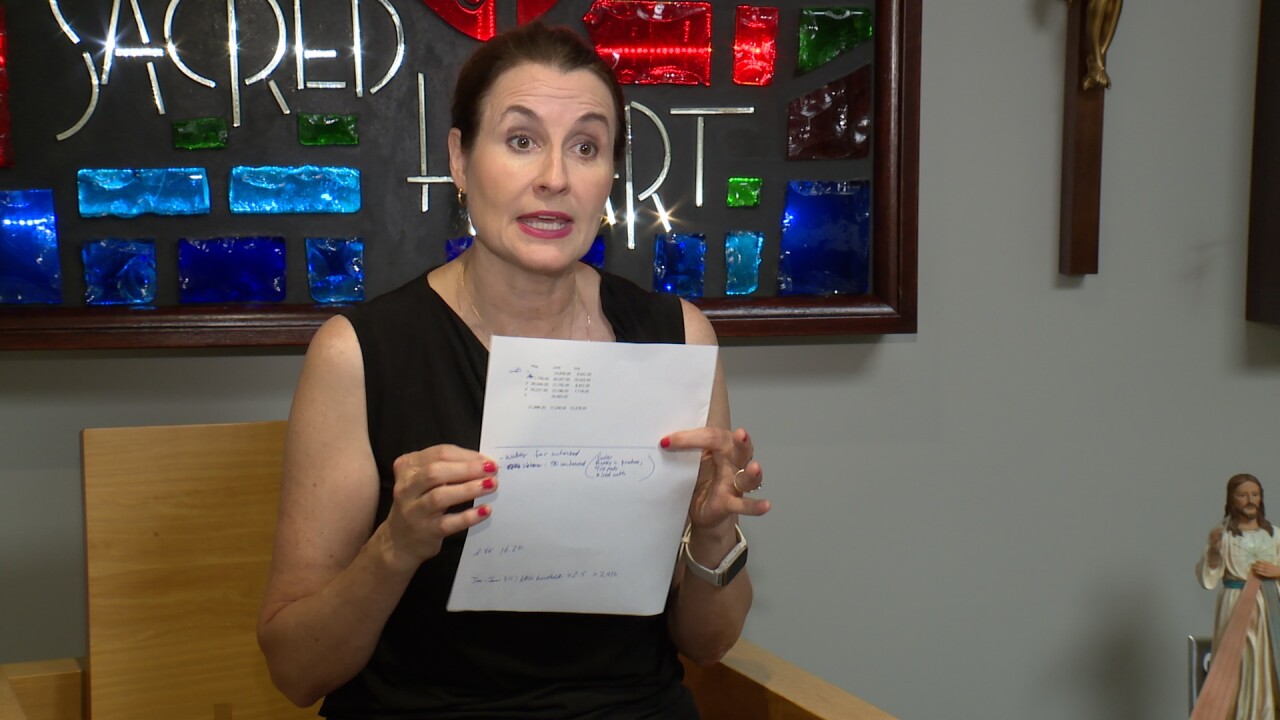
Karen Noel, CEO of Catholic Charities Kansas City, says her organization receives requests for utility bill assistance every day. In a week, these requests can amount to more than $10,000.
“Fifteen percent is not surprising,” Noel said. “The problem is it’s not just those in crisis that have been in crisis, it’s our working-class poor that are really pressured.”
Requests always spike during the heat of the summer, per Noel.
KSHB 41
She recommends avoiding peak usage times to keep costs down.
Advertisement
“We just coach people: do your loads of laundry in the morning, do your heavy loads of power in the morning,” Noel said.
Despite the group’s efforts, Catholic Charities can currently only cover about 7% of requested monthly utility bills.
KSHB 41
“These are asks, not what we’ve been able to fulfill,” Noel said. “It’s not surprising we are seeing inflationary pressures. It starts at the low end and keeps building across the entire economy.”
KSHB 41 wanted to take a moment to explain which part of your bill could increase because of these changes.
Advertisement
If energy prices rise and your bill increases, that does not mean Evergy or another utility is raising rates. Instead, it means the cost of electricity you consume is increasing.
Your utility rate is the cost of Evergy or another utility to deliver you the electricity.
KSHB 41
If a utility wanted to raise those rates, it would have to get approval from various state commissions, in addition to public comment and hearings.
“We are currently reviewing the bill and still looking to understand its full impact,” said Evergy spokeswoman Courtney Lewis.
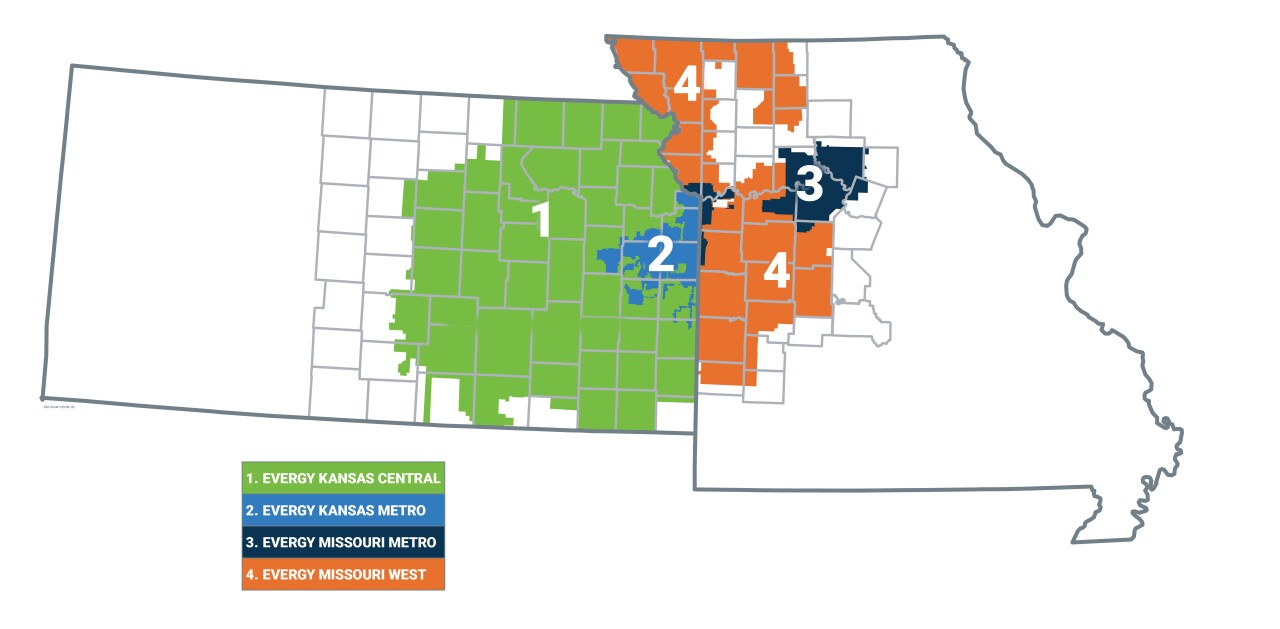
Separately, Evergy Kansas Central is undergoing a rate review unrelated to federal policies. Under the settlement, base rates would increase 9.6%, and residential customers would see a bill increase of about 6.97%, or $9 per month.
Advertisement
Evergy
Small to medium general service customers would see a 5.4% to 5.9% bill increase.
This would go into effect in late September if approved by the Kansas Corporation Commission.
—
This story was reported on-air by a journalist and has been converted to this platform with the assistance of AI. Our editorial team verifies all reporting on all platforms for fairness and accuracy.
The vibrant visual celebration of Washington University’s academic legacy and innovative spirit reflects the institution’s resilience in the face of evolving challenges.St. Louis Today
In a wide-ranging interview, Washington University Chancellor Andrew D. Martin discussed the university’s engagement with the Trump administration, financial challenges, the acquisition of the University of Health Sciences and Pharmacy, the implementation of Workday, the decline in international graduate student enrollment, the use of artificial intelligence, and emergency preparedness following a recent armed person alert on campus.
Why it matters
As a leading research institution, WashU’s relationship with federal policymakers and its ability to navigate financial uncertainties have significant implications for the university’s future. The chancellor’s comments provide insight into how the school is adapting to evolving challenges in higher education.
The details
Chancellor Martin detailed WashU’s efforts to advocate for issues like research funding and protecting endowments through engagement with Congress and the Trump administration. He also explained the university’s steps to improve its financial position, including pausing capital projects, cutting central administration expenses, and the strategic acquisition of the University of Health Sciences and Pharmacy. Additionally, Martin discussed the university’s transition to the Workday system and the decline in international graduate student enrollment, which has put financial pressure on some master’s programs.
Advertisement
The chancellor met with the Trump administration in the fall to discuss issues important to WashU.
In his State of the University address, Martin said the university is in a stronger financial position than a year ago.
The players
Andrew D. Martin
The chancellor of Washington University in St. Louis, leading the university through a period of financial and policy challenges.
Mark West
The provost of Washington University, leading the university’s efforts to integrate artificial intelligence into the curriculum.
University of Health Sciences and Pharmacy
A pharmacy school that WashU recently acquired, a “once-in-a-century opportunity” according to the chancellor.
Got photos? Submit your photos here. ›
What they’re saying
“To be clear, the conversations with the administration weren’t explicitly about the compact. They were about the importance of American higher education, the importance of academic freedom, the importance of research funding, the importance of protecting our endowments so we can fund professorships and student scholarships and the like.”
— Andrew D. Martin, Chancellor
“I was scared and completely freaked out. The safety and security of this campus is our most important responsibility.”
Advertisement
— Andrew D. Martin, Chancellor
What’s next
The judge in the case will decide on Tuesday whether or not to allow Walker Reed Quinn out on bail.
The takeaway
This interview highlights the complex challenges facing a major research university like WashU, from navigating federal policy changes and financial constraints to ensuring campus safety and preparing students for the rise of artificial intelligence. The chancellor’s comments suggest the university is taking a thoughtful, strategic approach to addressing these issues while upholding its core academic mission.
Columbia police responded to reports of shots fired in the area of Redwood Road and West Ash Street early Saturday morning, Columbia Police Department spokesperson Brian McNeil confirmed to KOMU 8 News.
McNeil said officers found evidence of shots fired, but there were no apparent injuries.
At about 3 a.m. Saturday, officers were dispatched to the scene on West Ash Street after multiple calls regarding shots fired, McNeil said.
Advertisement
KOMU 8 News will continue to provide updates as more information is provided.
SALINA, Kan. (KWCH) – A Missouri man was arrested after allegedly making a bomb threat at a Salina car wash, prompting an evacuation and police response.
According to the Salina Police Department, officers responded around 4 p.m. on Thursday to a report of a bomb threat at Blue Beacon Truck Wash, located at 2303 N. 9th Street.
Police said Brandon Skaggs, 33 of DeSoto, Missouri, entered the business and made a comment referencing terrorism, raising concern among employees. Authorities said Skaggs later went into the pump room and turned off multiple breakers before leaving the scene.
The business was evacuated as precaution while officers investigated the threat. After searching the property, police said no explosive devices were found.
Advertisement
The Kansas Highway Patrol later located Skaggs’ vehicle traveling on I-70 near milepost 287 and took him into custody.
Skaggs was transported back to Salina and booked into the Salina County Jail on charges including criminal threat and trespassing.
Copyright 2026 KWCH. All rights reserved. To report a correction or typo, please email news@kwch.com