Culture
Michael Jordan confident in outcome of lawsuit against NASCAR: ‘We want a fair deal’


TALLADEGA, Ala. — Michael Jordan expressed confidence Sunday in the outcome of the antitrust lawsuit his 23XI Racing team recently filed against NASCAR in federal court, telling The Athletic, “I wouldn’t have filed it if I didn’t think I could win.”
Jordan made his comments before Sunday’s race at Talladega Superspeedway, sitting atop the pit box for 23XI driver Bubba Wallace. The team jointly filed its lawsuit with another NASCAR organization, Front Row Motorsports, alleging NASCAR operates as a monopoly and uses “anticompetitive and exclusionary practices” to “enrich themselves at the expense of the premier stock car racing teams.”
The issue between the parties centers around NASCAR’s so-called “charter system” and a final “take-it-or-leave-it” offer NASCAR offered teams last month to extend the deal. Thirteen of 15 team owners signed the deal, with 23XI and Front Row as the holdouts.
“We want a fair deal, but this wasn’t fair. I didn’t just file it for me. It’s for everyone,” Jordan said as he extended both arms and gestured toward the cars stationed on the grid.
GO DEEPER
Gluck: For Michael Jordan, it got personal, and now he could forever change NASCAR
NASCAR, meanwhile, continued to decline comment. The sanctioning body has not reacted or responded publicly since the lawsuit was filed, nor did NASCAR comment when 23XI and Front Row refused to sign the charter agreement in September.
NASCAR chairman and CEO Jim France, who is named as a defendant in the suit, thanked reporters for the opportunity to comment but said he had nothing to say about the lawsuit when approached Sunday in the garage area.
“Excited about our championship battles and looking forward to a fantastic race today,” France said.
Court records indicate 23XI and Front Row will file for a preliminary injunction in federal court on or around Oct. 8.
Charters are NASCAR’s version of a franchise, which guarantees entry into each race (along with access to more of the race winnings and money from the season-long points fund than non-chartered teams).
Required reading
(Photo: Logan Riely / Getty Images)



Homer’s “Odyssey” has been translated into English countless times, with versions ranging from contemporary and accessible to highly poetic. A.O. Scott, critic at large for The New York Times Book Review, breaks down three translations and explains which one might be right for you.

Among the many complaints made about the modern American novelist, the loudest, if not the most intelligent, has been the charge that he is not speaking for his country. A few seasons back an editorial in Life magazine asked grandly, “Who speaks for America today?” and was not able to conclude that our novelists, or at least our most gifted ones, did.
This opening paragraph is from an essay titled “The Fiction Writer and His Country” by a writer whose work was influenced by Catholicism, the rural South and peacocks. Who was it?

Welcome to Lit Trivia, the Book Review’s regular quiz about books, authors and literary culture. This week’s challenge is all about an influential group of writers, editors and other creative types known as the Algonquin Round Table. In the five multiple-choice questions below, tap or click on the answer you think is correct. After the last question, you’ll find links to related books and other information about the era if you’d like to do further reading.
-
 Business2 minutes ago
A ‘next generation studio’ for YouTube creators
-
 Entertainment8 minutes ago
Finn Wolfhard is taking ‘control of the narrative’
-
 Lifestyle14 minutes ago
What are your most cherished memories of the 2026 World Cup in L.A.?
-
 Politics20 minutes ago
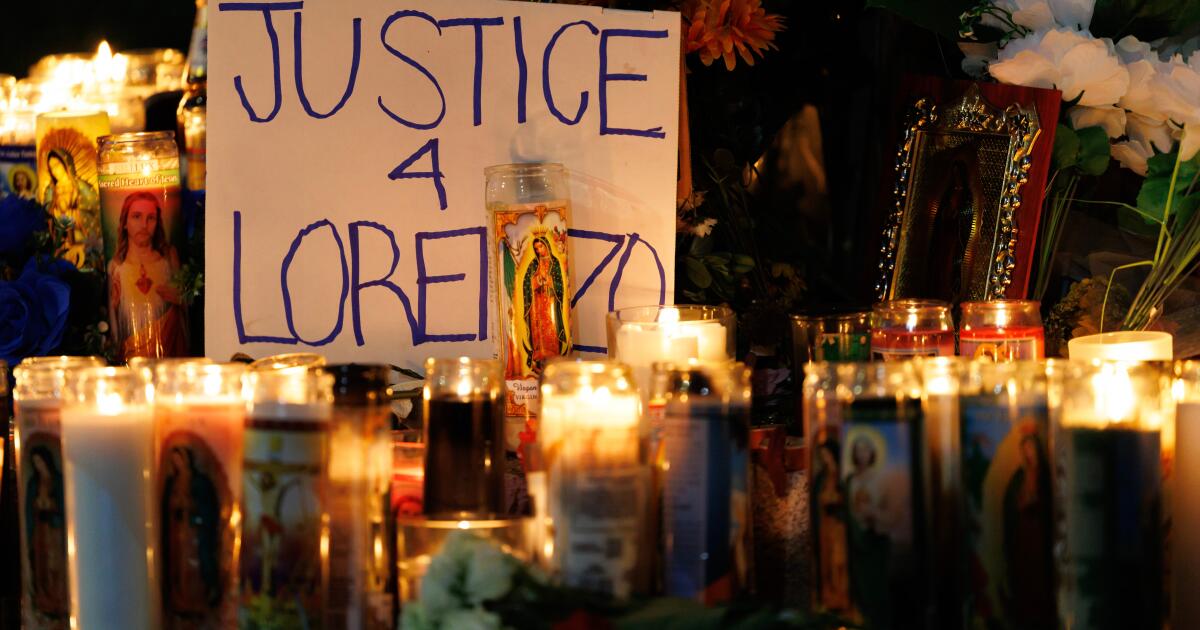
Commentary: Two Lorenzos from Mexico. One fulfilled his American dream. ICE killed the other
-
 Sports32 minutes ago
What will the Sparks do next? The franchise is at a crossroads after firing its GM
-
World44 minutes ago
Euronews explains: can Hungary's PM Magyar really remove president Sulyok from office?
-

 News1 hour ago
Mexico files criminal complaints in US over migrant deaths in custody
-

 Videos3 hours ago
New explosions near Iranian port cities, says state media | BBC News

