Connect with us

California

Trump’s Department of Energy targets California and other blue states for budget cuts, according to internal documents

Published

on

Trump’s Department of Energy targets California and other blue states for budget cuts, according to internal documents


The Trump administration’s efforts to dismantle environmental protections and roll back nationwide progress toward clean energy disproportionately target California and other blue states, internal documents show.

As early as this week, the Department of Energy may pull funding from hundreds of projects — many of which were bolstered by President Biden’s bipartisan infrastructure law and are geared toward climate-friendly initiatives such as solar power, heat pumps, battery storage and renewable fuels, according to a leaked list reviewed by The Times.

The cuts could include as many as 262 projects in the DOE’s Office of Energy Efficiency and Renewable Energy, of which roughly 80% are based in states that did not go for Trump in the 2024 presidential election.

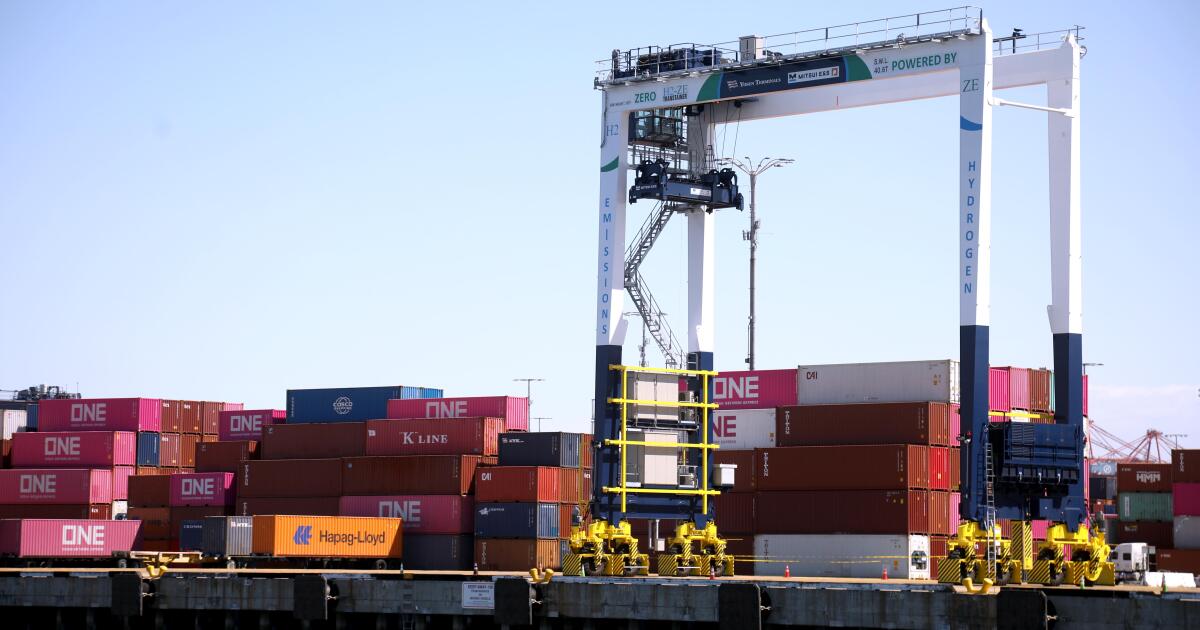
Also on the chopping block are nearly two dozen projects in the Office of Clean Energy Demonstrations, including a major national effort known as the Regional Clean Hydrogen Hubs (H2Hubs) Program, which aims to accelerate the development of hydrogen projects that can replace planet-warming fossil fuels.

Advertisement

Those cuts, too, are not applied equally: Of the seven states and regions selected to participate in the $7-billion federal hydrogen project, the four set to be gutted are in primarily Democratic areas.

The hydrogen incubators on the cut list include a hub in California; a Mid-Atlantic hub in Pennsylvania, Delaware and New Jersey; a Pacific Northwest hub in Oregon, Washington and Montana; and a Midwest hub in Illinois, Indiana and Michigan.

Meanwhile, the hydrogen hubs in red states and regions are safe, the list shows, including a large hub in Texas; a “heartland” hub in Minnesota, North Dakota and South Dakota; and an Appalachia hub in Ohio, West Virginia and Pennsylvania.

Officials with the Department of Energy did not immediately respond to a request for comment.

California was among 33 applicants for the competitive initiative, which launched in 2021 and ultimately selected seven “hubs” to develop and test various sources of hydrogen.

Advertisement

The California hub — known as ARCHES, or the Alliance for Renewable Clean Hydrogen Energy Systems — was awarded $1.2 billion in federal funds, with plans to bring in an additional $11.2 billion from private investors.

But it now faces cuts from Trump’s DOE despite the fact that the hub was the highest-scoring applicant among those considered for the federal award, according to sources familiar with the matter.

Democratic staff members with the House Science Committee who agreed to speak on background said the findings indicate that the cuts are partisan and ideological in nature — a trend in keeping with other actions from the Trump administration, which has repeatedly targeted environmental programs in California and other Democratic areas in recent weeks.

Indeed, cost alone does not appear to be a factor, given that Texas’s hydrogen hub received the same amount of federal funding — $1.2 billion — as California’s, yet the former was not on the cut list. The two states’ projects were the costliest of the hubs, which range from roughly $750 million to $1.2 billion.

The total cuts from the DOE’s Office of Energy Efficiency and Renewable Energy amount to more than $905 million, with about $735 million coming from blue states and $169 million from red states, according to a Times analysis.

Advertisement

Insiders said the proportions do not reflect overall clean energy investments by red and blue states, with Republican states such as Texas — a clean energy juggernaut — facing far fewer cuts from that office. According to documents reviewed by The Times, only eight Texas projects are on the chopping block compared with 53 in California.

House Science Committee staffers cautioned that the leaked lists represent a snapshot in time and that the administration could change its plans before making any official announcements.

Already, they said, some Republican representatives and private industry leaders have been successful in stopping certain projects from being canceled. So far, none of their Democratic counterparts have been able to do the same, they said.

The cuts could have considerable implications for the nation’s energy future.

The seven hydrogen hubs were collectively expected to produce 3 million metric tons of hydrogen each year — reducing 25 million metric tons of carbon dioxide emissions, or roughly the amount of 5.5 million gas-powered cars.

Advertisement

Each of the seven hubs was experimenting with different sources of hydrogen, with California focused on producing hydrogen exclusively from renewable energy and biomass while other hubs worked with natural gas, nuclear power and renewable sources such as wind and solar.

Officials with ARCHES said it could be weeks before they have more clarity on the situation.

“ARCHES remains committed to working with our partners to establish a secure, reliable and competitive hydrogen ecosystem, creating hundreds of thousands of good-paying jobs and delivering substantial health and economic benefits for Californians,” Chief Executive Angelina Galiteva said in a statement. “We have nothing more to share at this time.”

Hydrogen is also not without controversy. Critics have expressed concern that producing hydrogen is water- and energy-intensive, potentially dangerous to transport and expensive.

Supporters say it fills in a key gap that electrification alone cannot cover, particularly for heavy industries such as manufacturing and transportation.

Advertisement

ARCHES planned to fund at least 37 smaller projects in and around California, including efforts to decarbonize the Port of Los Angeles, as well as plans to install more than 60 hydrogen fueling stations around the state.

The status of those projects remains unclear.

The president — who received record donations from fossil fuel companies during his campaign — has taken aim at what he describes as “environmental extremists, lunatics, radicals and thugs” in recent weeks, vowing instead to ramp up the production of coal, increase oil drilling and block California’s efforts to transition to electric vehicles, among other actions.


Source link

Advertisement

California

California Central Valley city’s first-ever Pride event moves indoors after pushback

Published

on

California Central Valley city’s first-ever Pride event moves indoors after pushback


Oakdale’s first Pride event is moving forward this weekend after organizers changed venues following pushback over its original location and a planned drag performance.

Some residents pushed back over the event’s original location at Dorada Park and a planned drag performance.

“I also understand staff has issued a permit for a so-called Pride event,” one speaker said during the latest City Council meeting.

Another speaker raised concerns about the event being advertised as open to all ages, including children, and having a drag queen host.

Advertisement

After the public pushback, organizers moved the event indoors to the Bianchi Center.

“It was a huge upgrade to be able to provide a more accessible space in the heart of Oakdale,” said Ryan Hall, president of CalPride.

Hall said the idea to bring Pride to the city did not come from outside Oakdale, it came from people living there.

“That’s my place as a mom of rainbow kids, absolutely,” said Elizabeth May, owner of Sisters Coffee.

May’s coffee shop hosts a monthly LGBTQ+ social.

Advertisement

“I had a young man walk in here and say, ‘We don’t have anywhere to have a social here for LGBTQ.’ I said, ‘Heck yes,’” May said.

Still, the backlash has left parents like May concerned.

“How does it feel? Scary. I’m excited, but as a mom of a kid in the community, I’m nervous for them,” May said.

May said the venue change helped ease some of the tension.

“The different venue made a win-win situation for everyone. I was very proud of the kids for making that hard decision,” May said.

Advertisement

For organizers, the drag performance is part of the celebration.

“Enjoy some line dancing, enjoy some live music, enjoy the drag show, and then also enjoy community members and our local businesses, our local artists and partner organizations,” Hall said.

Oakdale Pride is scheduled for Sunday from 10 a.m. to 2 p.m. Entry is free.


Source link

Continue Reading

California

Newsom urges a national ‘billionaires’ tax’ while fighting one in California

Published

on

Newsom urges a national ‘billionaires’ tax’ while fighting one in California


California Gov. Gavin Newsom, a Democrat who is considering a run for president as he approaches the end of his term, called for a national “billionaires’ tax” on Friday even as he fights another proposal targeting the wealthy in his home state.

Newsom also said the U.S. government should own a stake in artificial intelligence companies. His proposals, outlined in a Substack post, aligns him with the Democratic Party’s populist left, and he argued that urgent changes are needed to prevent the elite concentration of wealth and power from undermining democracy.

“It’s time for an economic reset for America,” Newsom wrote.

The governor announced his agenda a day after an influential health care union in California pledged to go forward with a ballot measure that would impose a one-time 5% tax on the assets of billionaires living in the state as of Jan. 1, 2026.

Advertisement

Newsom opposes that measure, as do many of the liberal interest groups that typically favor higher taxes. They fear it would drive billionaires out of California, eroding the state’s tax base over the long term for a one-time influx of cash. A technology mecca, California has more billionaires than any other state — a few hundred, by some estimates.

“You may not be able to pick up and move to Texas or Florida to shelter your income from taxation, but I promise you that billionaires can, and do,” Newsom wrote. “Wealth is movable, and it shops for the state with the lowest taxes. The fight belongs at the federal level, where this broken system was created in the first place.”

A minimum tax on large net worths

Newsom said the solution is a new national tax policy, rather than a state-by-state system. He proposed a minimum tax on anyone with a net worth above $100 million. He also wants to make it illegal for the wealthy to borrow against their stock portfolios to fund their luxury lifestyles tax free.

Newsom said there should be new rules for inheritance taxes, warning that “the transfer of wealth among the ultra-wealthy will lock in a permanent American aristocracy of inherited wealth.” And he wants to raise corporate tax rates to where they were before President Donald Trump’s first-term tax cut.

READ MORE: Sanders and Newsom clash over proposed tax on California’s billionaires

Advertisement

The need is especially urgent as artificial intelligence threatens to displace workers and further concentrate wealth, he wrote.

“We need to ensure every American owns a stake in the future being built by AI through a national public equity fund that takes a major stake in the new economy,” he wrote. “Simply, as artificial intelligence reshapes the country, every American should own a piece of the future it builds.”

Revenue generated by his proposals could be used to retrain workers, fund universal child care, make college free and increase funding for health care.

‘Money buys influence’

Newsom, who has drawn attention as one of Trump’s most high-profile political antagonists, is getting an early start on laying out a policy framework for his potential White House bid months before the midterm elections, which have typically marked the informal start of overt presidential campaigning.

WATCH: News Wrap: Newsom says Trump ordering DOJ to investigate him and wife

Advertisement

The embrace of a wealth tax by Newsom, a moderate on tax policy despite his liberal reputation, signals a notable shift in the political landscape since Massachusetts Sen. Elizabeth Warren struggled to get traction in her 2020 campaign, which she largely centered around a 2% levy wealth tax.

Newsom portrayed the nation’s tax code as a corrupt system built to help an elite few.

“Money buys influence, and influence rewrites the rules,” he wrote. “Those rewritten rules funnel even more wealth to the few. Under this weight, democracy itself starts to buckle.”

A free press is a cornerstone of a healthy democracy.

Support trusted journalism and civil dialogue.

Advertisement


Source link

Advertisement
Continue Reading

California

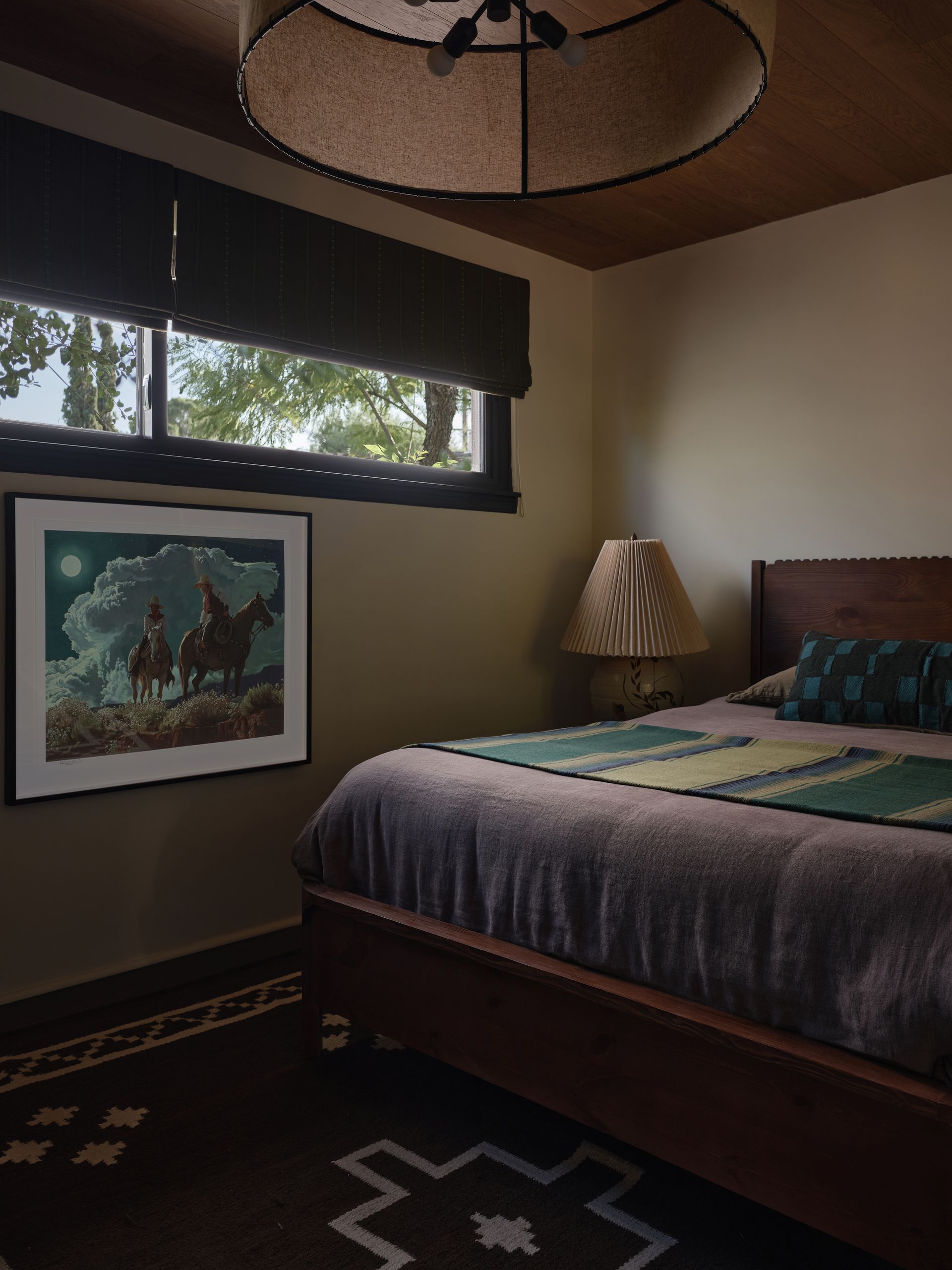
This 1947 adobe home has found a new life as a ‘modern California hacienda’

Published

on

This 1947 adobe home has found a new life as a ‘modern California hacienda’


This is the latest instalment of The Inside Story, Wallpaper’s series spotlighting intriguing, innovative and industry-leading interior design.

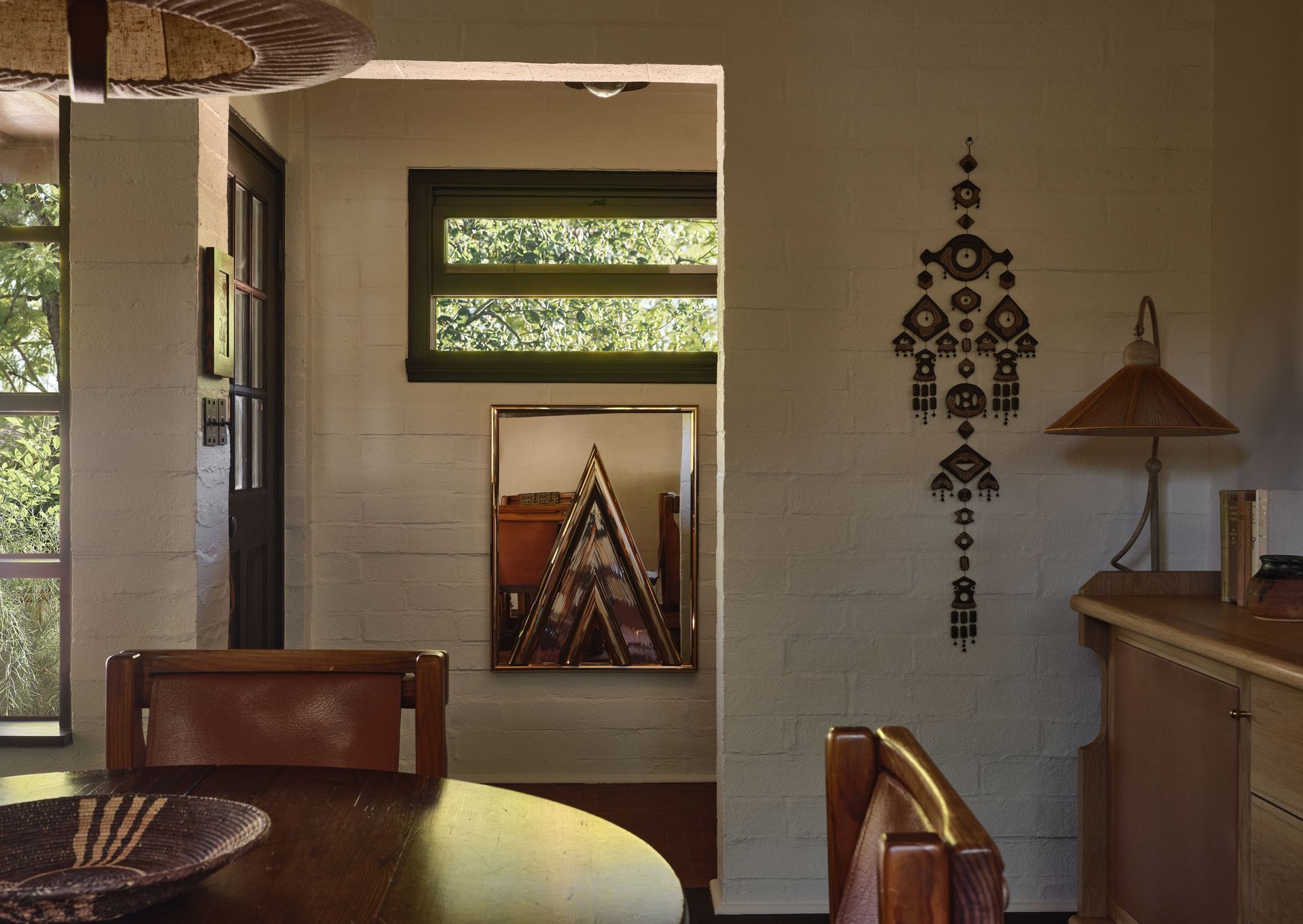
Nestled at the base of the San Gabriel Mountains in Sierra Madre, a 1947 adobe home – a traditional building method using sun-dried bricks of organic materials – has been reimagined. Removed from the noise and polish of Los Angeles, this neighbourhood is shaded by California oaks, eucalyptus and pine, and shares its hillside with bears. It’s an unusual setting for a design story.

(Image credit: Michael P.H. Clifford)
Advertisement

mid-century california home redesigned by Kirsten Blazek

(Image credit: Michael P.H. Clifford)

The home’s transformation began with a fire that destroyed much of the structure, leaving only the original adobe brick wall standing. Rather than rebuild from scratch, designer Kirsten Blazek of A1000XBetter chose to work with what remained.

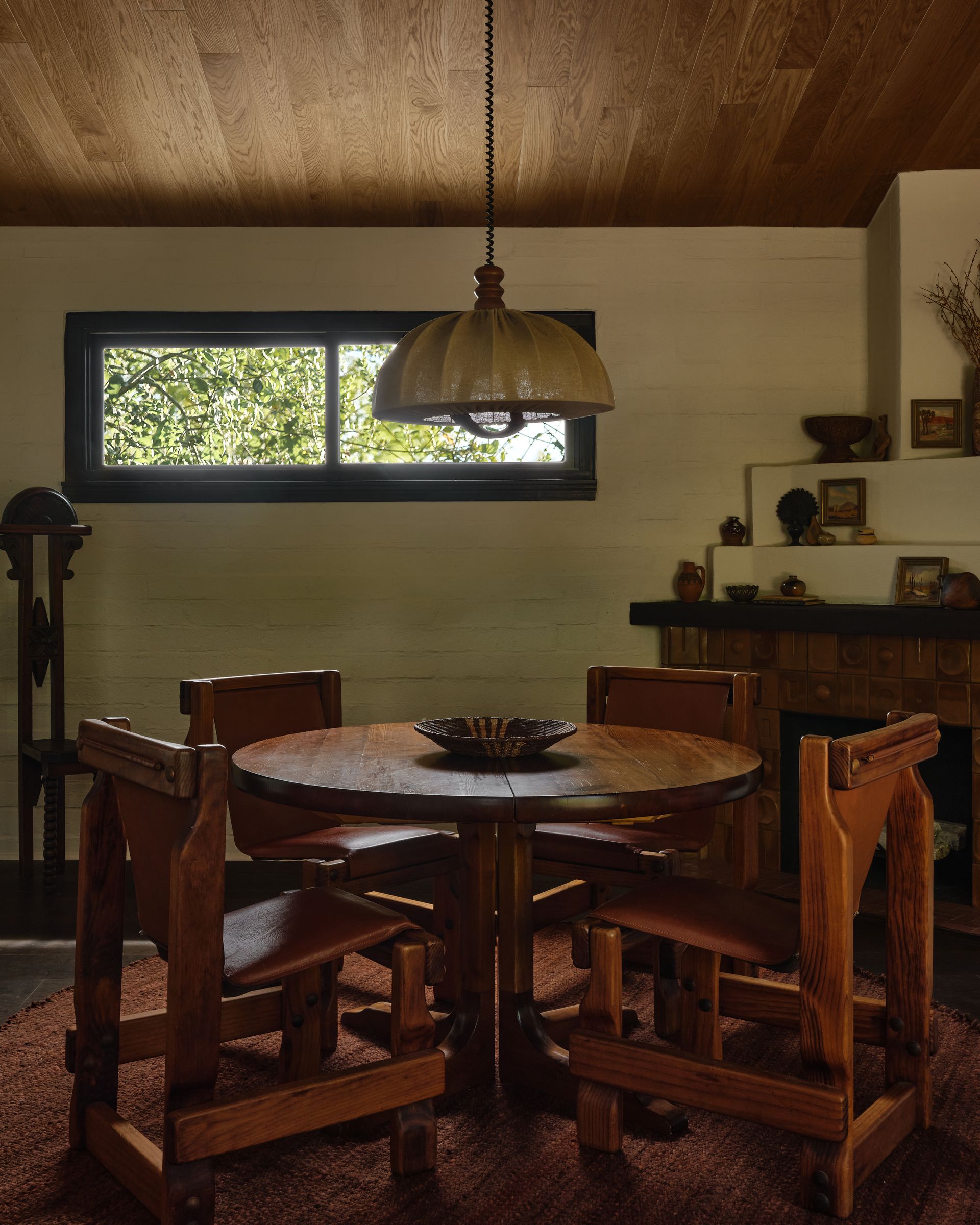
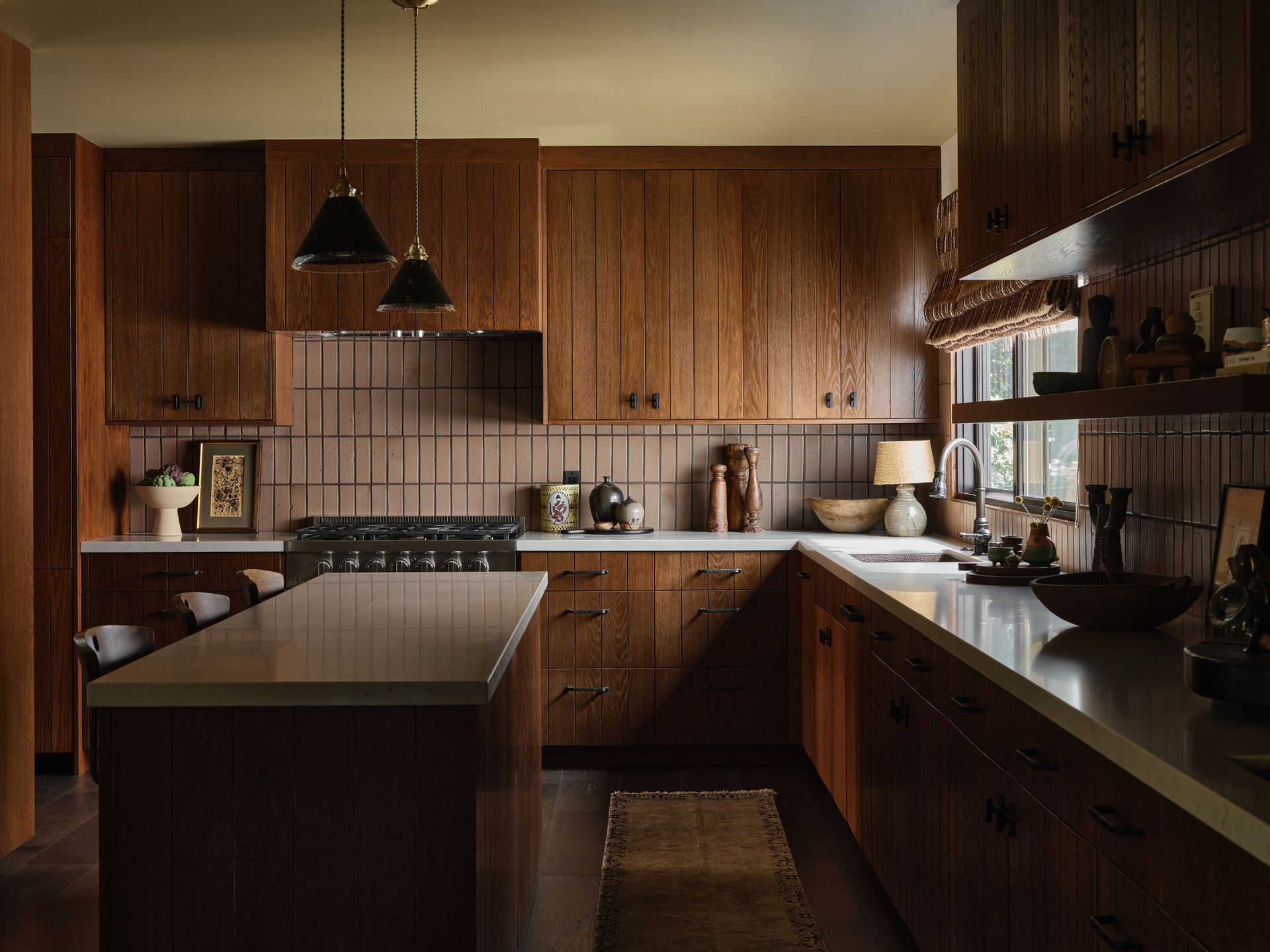
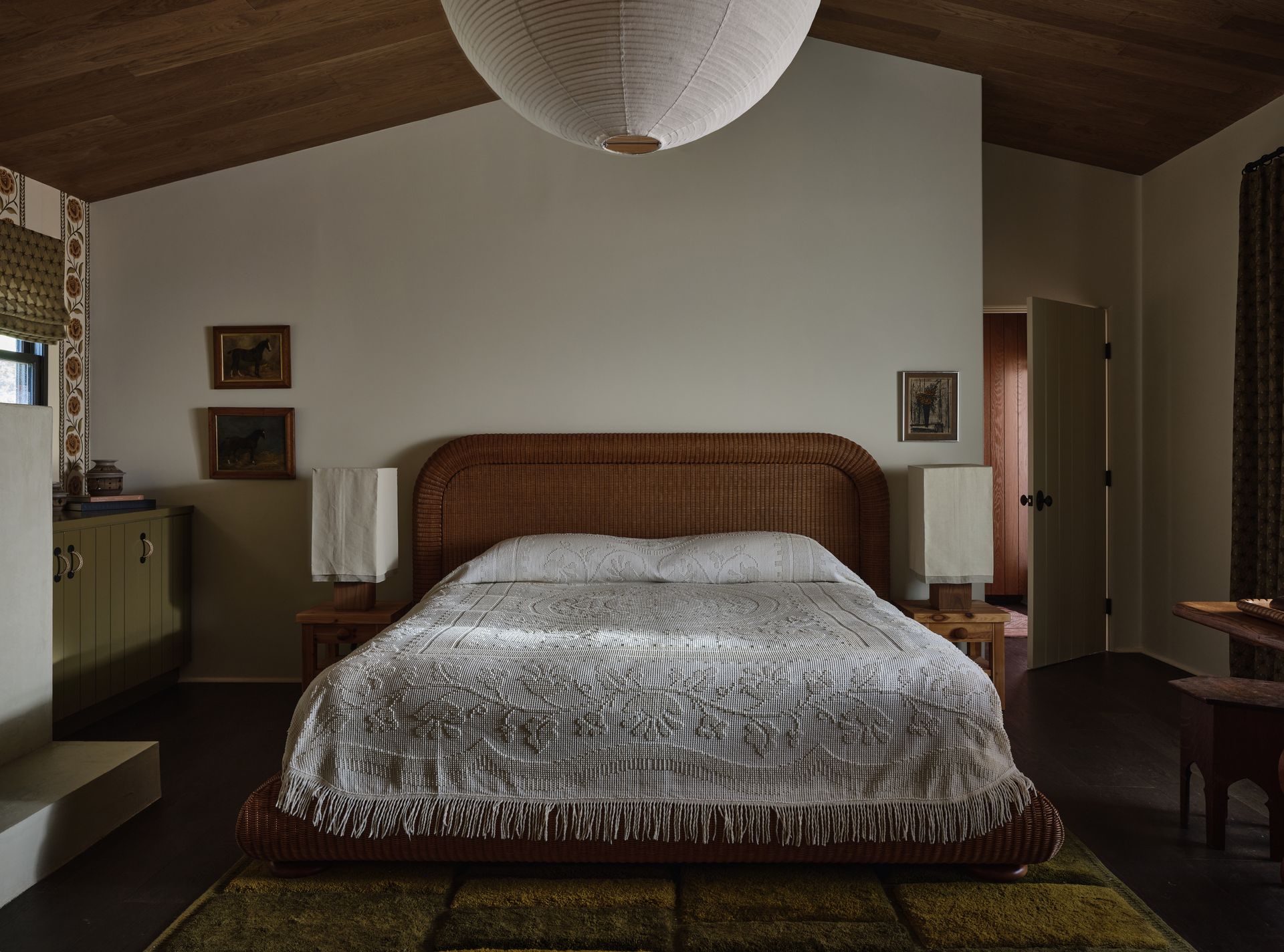
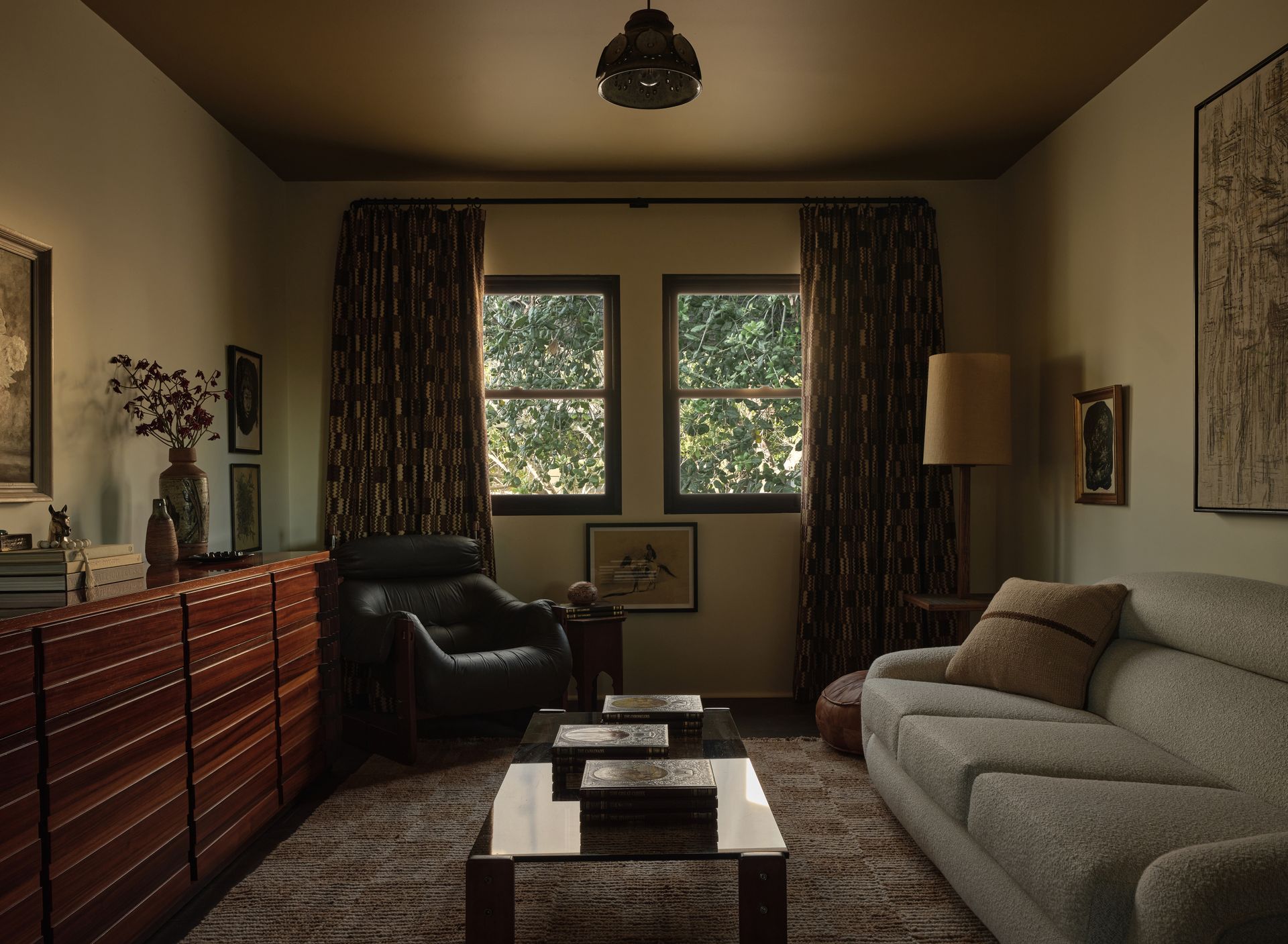
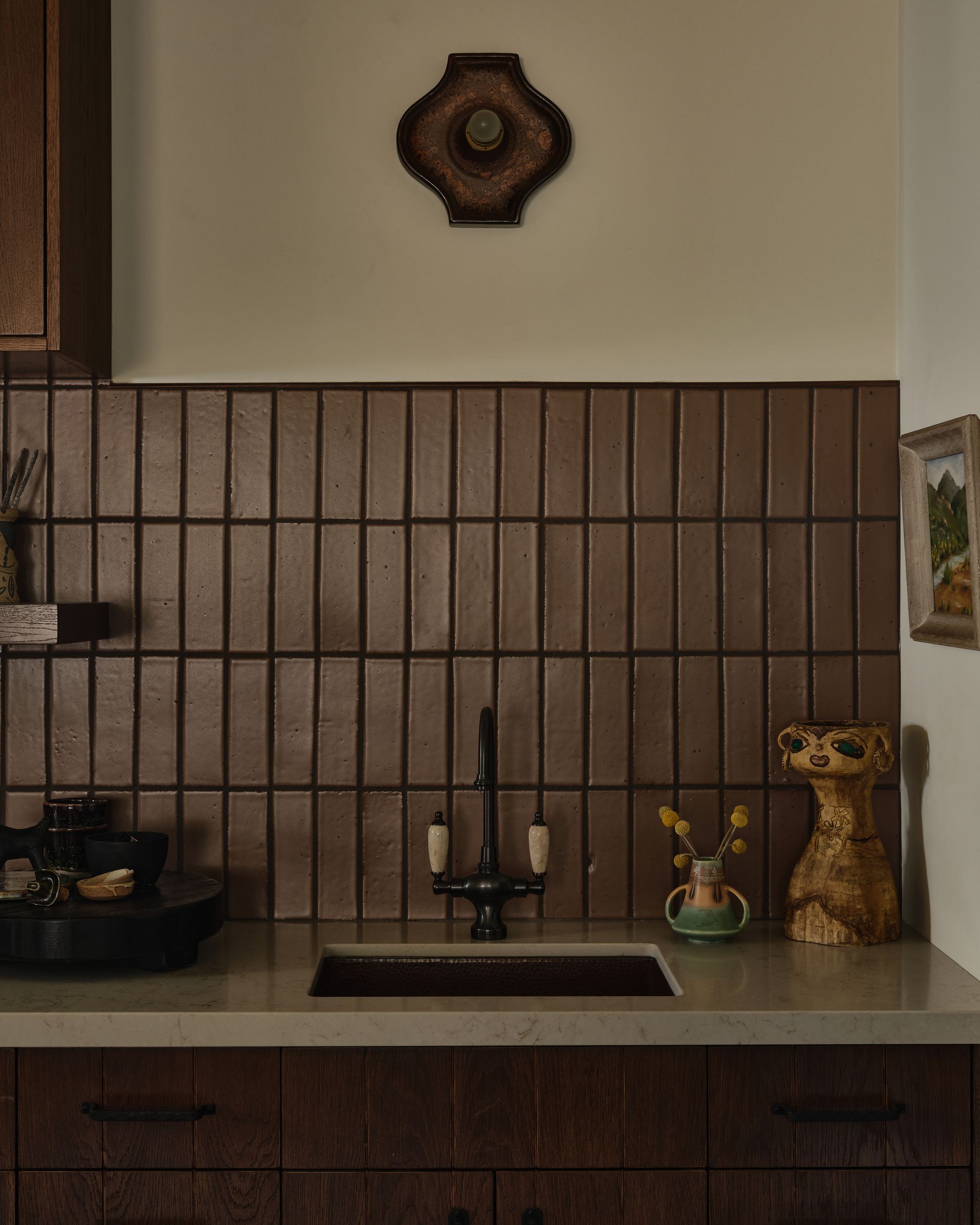
‘The overall vision was to maintain as much of the original character and style of the home as possible, while making it more functional for modern living,’ she explains. New rooms were added – a kitchen, a primary suite, a family room – though the expansion was restrained. ‘We worked mainly within the original footprint,’ the designer notes, ‘only adding a small amount of square footage for the primary closet.’

mid-century california home redesigned by Kirsten Blazek

(Image credit: Michael P.H. Clifford)
mid-century california home redesigned by Kirsten Blazek

(Image credit: Michael P.H. Clifford)
Advertisement

mid-century california home redesigned by Kirsten Blazek

(Image credit: Michael P.H. Clifford)

On the original adobe side, the layout was left untouched. The hallway windows, original to the 1947 build and ‘one of [Blazek’s] favourite features’, were preserved. ‘I wanted the house to feel like a modern California hacienda,’ she says of her guiding aesthetic, ‘and embraced that through every colour choice and finish.’


Source link

Continue Reading
Advertisement

Trending