Seattle, WA
SDOT Sprints Toward the End of the Move Seattle Era – The Urbanist


With a $1.45 billion transportation levy proposal in front of the Seattle City Council, attention has turned toward future investments and what they mean for the city’s collective mobility priorities. But behind the scenes, the Seattle Department of Transportation (SDOT) is quietly getting projects out the door in what is on track to be the busiest year for transportation projects in Seattle, ever. The goal is to finish strong on the current Move Seattle Levy, approved in 2015, and make a compelling case for the next transportation levy, which makes up around a third of SDOT’s entire budget. But in so doing, SDOT is also showing how the department has evolved in the past nine years.
So far this year, SDOT has solicited bids from contractors on a huge array of projects, including nearly 10 seismic upgrades on bridges around the city, sidewalk projects, crossing improvements, and a number of big projects that have been in the pipeline for a long time — including the RapidRide J corridor project, the critical first phase of the Beacon Hill bike route, the next phase of Rainier Avenue transit lanes, and upgrades for King County Metro’s Route 40.
All of these projects are on different construction timelines, and different levels of visibility for everyday city residents, but they’re all part of the push at the end of the levy to get things out the door.
“The average number of construction starts we’ve had over the last few years, for contracted projects, is one a month,” SDOT Director Greg Spotts, who has been heading the department since fall of 2022, told The Urbanist. “January, February, March and April, we’ve had eight, so we’ve doubled it to two a month. That’s a step change. That’s not a incremental change. And I’m very proud of the team for doing that. And I think the pace is going to increase even further, in terms of the number of construction starts a month, most of which are levy funded projects, all the way through the end of this year.”
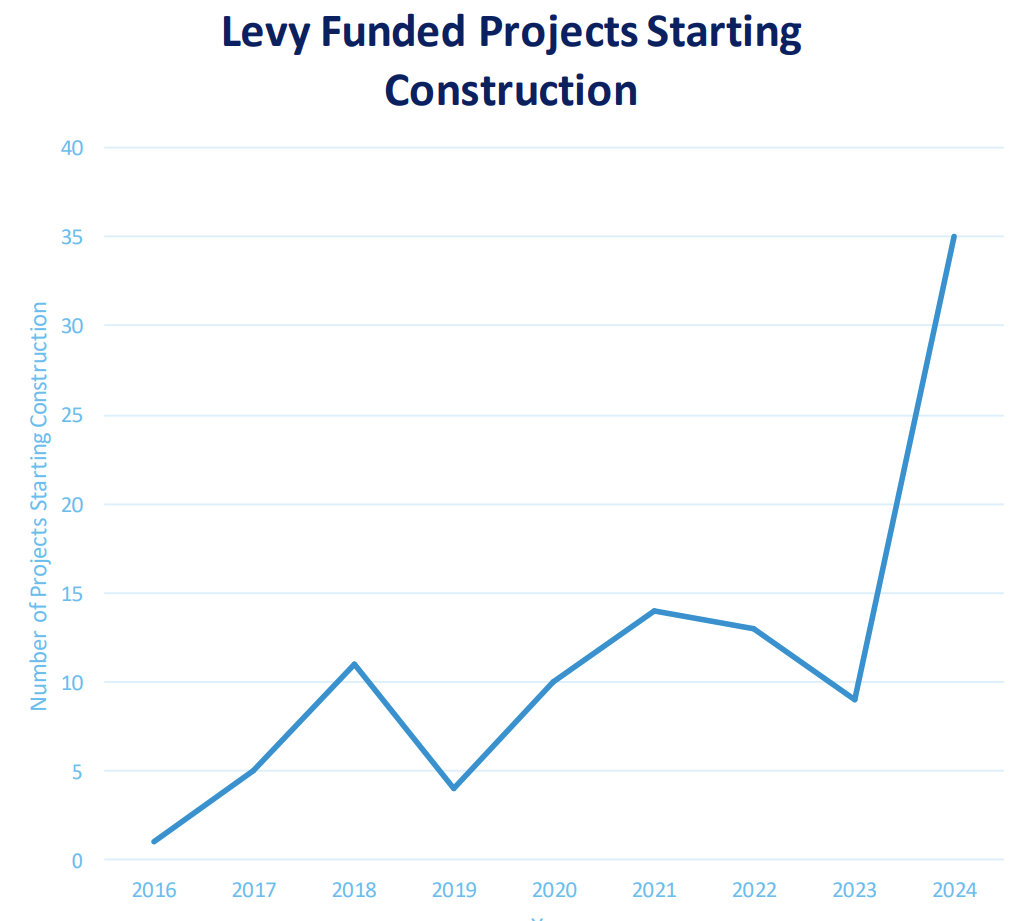
Spotts touts the project delivery machine that the department has been able to create in recent years as producing the results that Seattle residents are seeing in their neighborhoods, something that also extends to smaller projects, delivered by SDOT’s own crews: things like new crosswalks and all-way stops installed near many of Seattle’s elementary schools in the past year, and the pilot bike lane barriers being rolled out in existing protected bike lanes around the city.
“I have made a very significant effort to increase the tempo of how we get these projects through design, how we conduct community outreach in a way that’s efficient for us and the community members, and how we make decisions and confidently carry on and make the next round of decisions to get things into construction,” Spotts said.
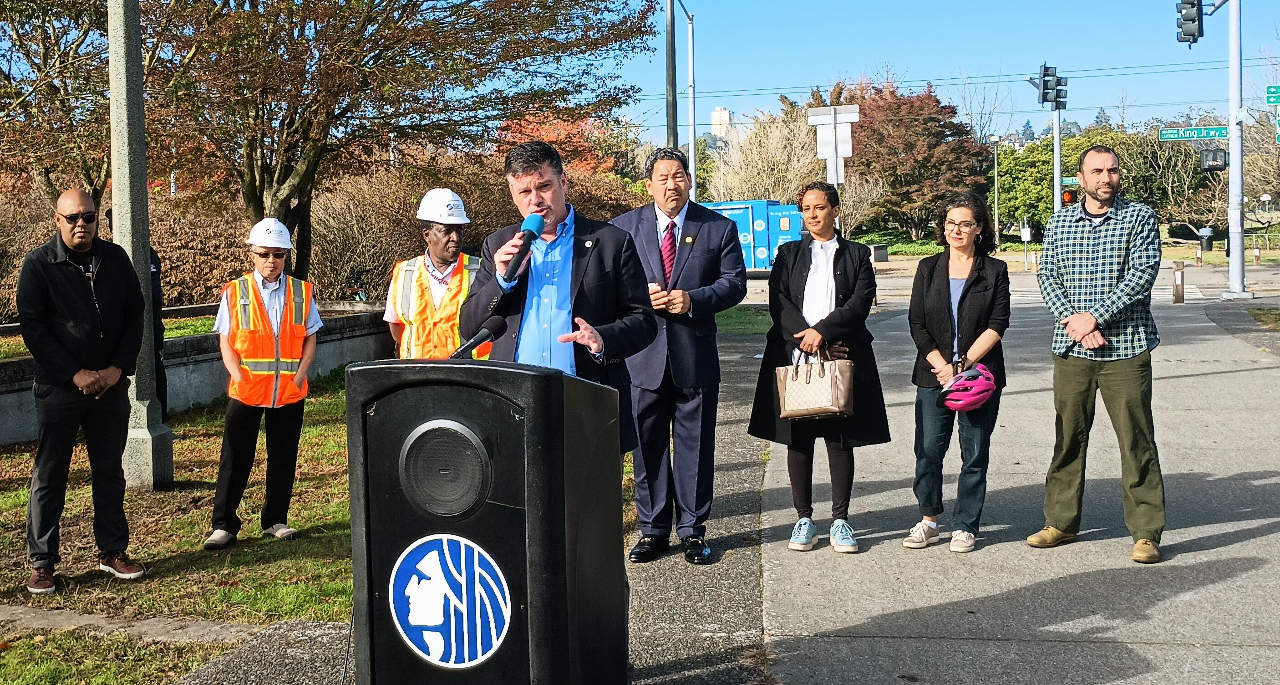
But a big part of the 2024 push is attributable to the 2015 levy’s ambitious goals, which pushed the department to continually look for new resources to get closer. Even if Seattle wasn’t able to deliver seven full transit corridor projects, due in part to a lack of federal matching dollars, having that goal ensured that upgrades to the Route 40, 44, and 48 all moved forward in some capacity. Even though the city won’t hit its goal of implementing 110 miles of bike infrastructure, projects like the Georgetown-to-Downtown bike route likely wouldn’t have happened on their current timelines without that goal.
“There’s a pretty broad consensus within SDOT that we got off to a slow start on the Levy to Move Seattle, and perhaps one of the reasons why was there was kind of a assumption that existing staff could do the job. And if you just almost tripled the size of the levy, it would have made more common sense that you need to staff up,” Spotts said.
In many ways, in the area of project delivery, today’s Seattle Department of Transportation is the one that voters were promised in 2015… it just took several more years than initially expected to get there.
“SDOT’s quite a bit larger in headcount than we were in 2015-2016. And we have a very sophisticated capital projects division and project development division, who are, not just larger, but we’ve actually developed talent during this period,” Spotts continued. “We have people who are much more experienced, who are experienced working with each other; we’ve refined internal systems for collaboration and coordination. So I really believe that we have a capital projects delivery machine that didn’t exist at nearly this throughput capacity back when the Levy to Move Seattle was started.”

But Mayor Bruce Harrell’s levy renewal proposal, getting its first public hearing today at the Seattle City Council, is less ambitious in its goals and includes fewer guardrails around what specifically the city is expected to spend money on. When Move Seattle included baseline funding requirements in the city’s budget for its three main categories — safe routes, congestion relief, and maintenance and repair — this levy only specifies anticipated spending levels, no minimum requirements. Project lists are currently fairly vague, though there are some specific commitments, including one to construct 250 blocks of new sidewalks by the midpoint of the levy in 2029.
“One of the lessons we learned from the Levy to Move Seattle was to be more cautious about making early commitments that rely on optimistic assumptions about how much grant funding we will receive,” SDOT spokesperson Ethan Bergerson told The Urbanist. Making fewer concrete commitments is a way to ensure the department doesn’t go over its skis, but it also paints a less compelling vision for the city’s transportation vision, and is one factor behind a large push by transportation advocates to make the next levy much bigger and more ambitious.
And then there’s the issue of what happens later this year, with all of these projects out the door and the fate of the next levy very much up-in-the-air. Will a lack of projects in the pipeline lead to a similar lag in project delivery like the city saw at the start of Move Seattle? Spotts says no, adding that they’re thinking differently about this than they have in the past.
“We’re exploring whether there’s some projects that the current levy can’t afford to construct, but could afford to complete design on,” Spotts said. “We want to have basket of projects that could be shovel ready for the next levy.” The department has already received grant funding for two corridor repaving projects, one on E Marginal Way S north of the South Park Bridge, and another on Roosevelt Way NE from NE 92 St to Pinehurst Way NE. Those projects, expected to have multimodal components, are set to be the first to move forward under the new levy.
Spotts also touts the planned goal of protecting 30% of the existing bike lanes in the city with more substantive barriers. “We think we could take that Better Bike Barrier program, and scale it with funds from the new levy. We could be dropping Toronto [style] barriers into existing bike lanes that currently have the paint and post, and that’s something we can do with city forces.”
What SDOT seems to be showing the city in 2024 is that the department is prepared to hit the ground running if voters approve the next levy. But what’s missing is how that levy will actually push the City towards achieving a collective vision that can endure no matter who’s in the Mayor’s Office or at the top of SDOT.
The Seattle City Council is holding the first of two public hearings on Mayor Bruce Harrell’s transportation levy proposal today at 4:30pm. You can sign up to testify virtually starting at 3:30pm, or submit written comments anytime, here.
For more information, The Urbanist has analyzed the mayor’s levy proposal in a series of articles:
Ryan Packer lives in the Summit Slope neighborhood of Capitol Hill and has been writing for the The Urbanist since 2015. They report on multimodal transportation issues, #VisionZero, preservation, and local politics. They believe in using Seattle’s history to help attain the vibrant, diverse city that we all wish to inhabit. Ryan’s writing has appeared in Capitol Hill Seattle Blog, Bike Portland, and Seattle Bike Blog, where they also did a four-month stint as temporary editor.


The Seattle Seahawks are the defending champions, but that doesn’t mean their rookie class isn’t important.
If anything, it means the rookie class is more important because these first-year players will have to play at a very high level right from the jump in their careers. The Seahawks’ rookie class is going to be expected to help the team win a Super Bowl by replacing some key players on the roster.
“The world champion Seahawks, as I saw it, had three clear areas that became needs this offseason: running back, safety and corner, with the departures of Kenneth Walker III, Coby Bryant and Tariq Woolen,” Sports Illustrated reporter Albert Breer wrote.
“Accordingly, running back Jadarian Price, safety Bud Clark and corner Julian Neal were their first three draft picks, and all three will be guys to watch in late July and August. And another storyline, one that’ll tie back to Price, will be Zach Charbonnet’s return from a torn ACL.”
Jadarian Price
With Zach Charbonnet tearing his ACL during the divisional round game against the San Francisco 49ers back in January, first-round pick Jadarian Price will be thrown into the limelight in Week 1, assuming he gets through training camp in full health.
This will be an excellent opportunity for Price to get early reps, especially considering he was a backup in college to Jeremiyah Love, the No. 3 overall pick in the draft. He’ll compete with George Holani in training camp for the starting job against the New England Patriots on Sep. 9.
Bud Clark
Clark shouldn’t be expected to start over Julian Love and Ty Okada, but he should still have a handsome role in the secondary. Last year, the secondary proved how important depth is, and everyone in Seattle’s back line can play at a high level.
Clark is taking over for Coby Bryant, who signed with the Chicago Bears back in March. Those are tough shoes to fill, but Clark will be given an opportunity to show why he was a second-round pick.
Julian Neal
The Seahawks won’t have Riq Woolen this season after he signed with the Philadelphia Eagles. Josh Jobe and Nick Emmanwori will also need to fill in for Woolen’s absence, but third-round pick Julian Neal will have to shoulder some of the responsibility as well.
Woolen played in 78 percent of the team’s defensive snaps last season, which means Neal could hear his number early and often if he has a strong showing in training camp.
— Enjoy free coverage of the Super Bowl champions from Seattle Seahawks On SI —
Sign Up For the Seahawks Daily Digest – OnSI’s Free Seattle Seahawks Newsletter
 Add us as a preferred source on Google
Follow

PHOTOS BY OLIVER HAMLIN FOR WEST SEATTLE BLOG
Hundreds of people spent Sunday admiring and photographing the 12 gardens spotlighted on this year’s West Seattle Garden Tour. Among them was WSB contributing photojournalist Oliver Hamlin, who presents a scene from each garden (including some of the gardeners. First, at Garden A, “A Show of Northwest Natives“:
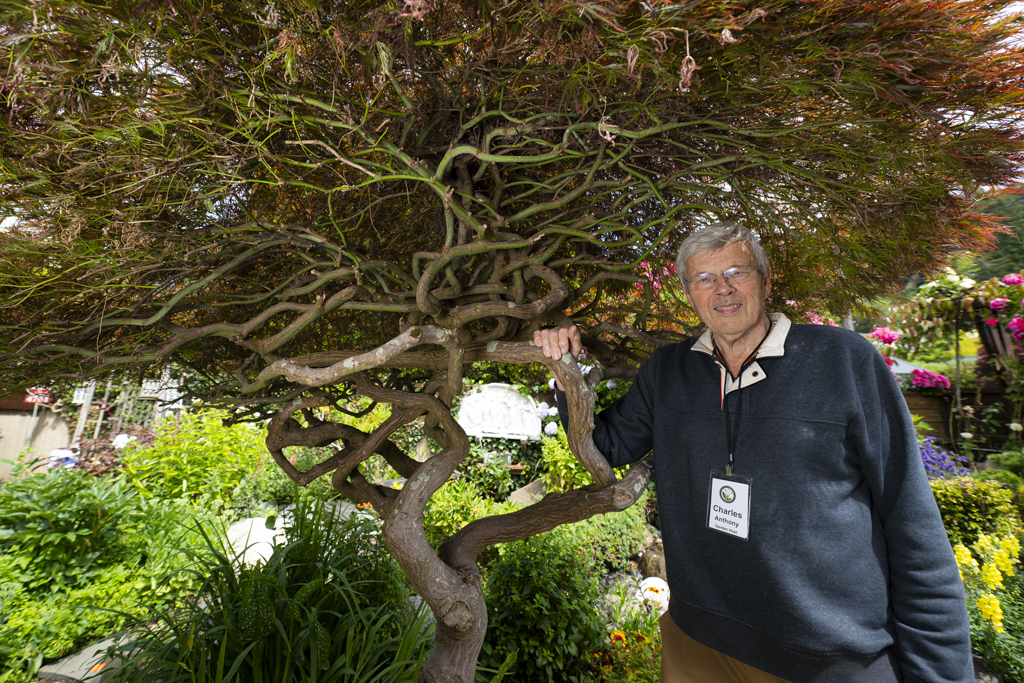
Charles Anthony, who created Garden B, “Salish Sea Sanctuary,” posed with his Japanese Maple:
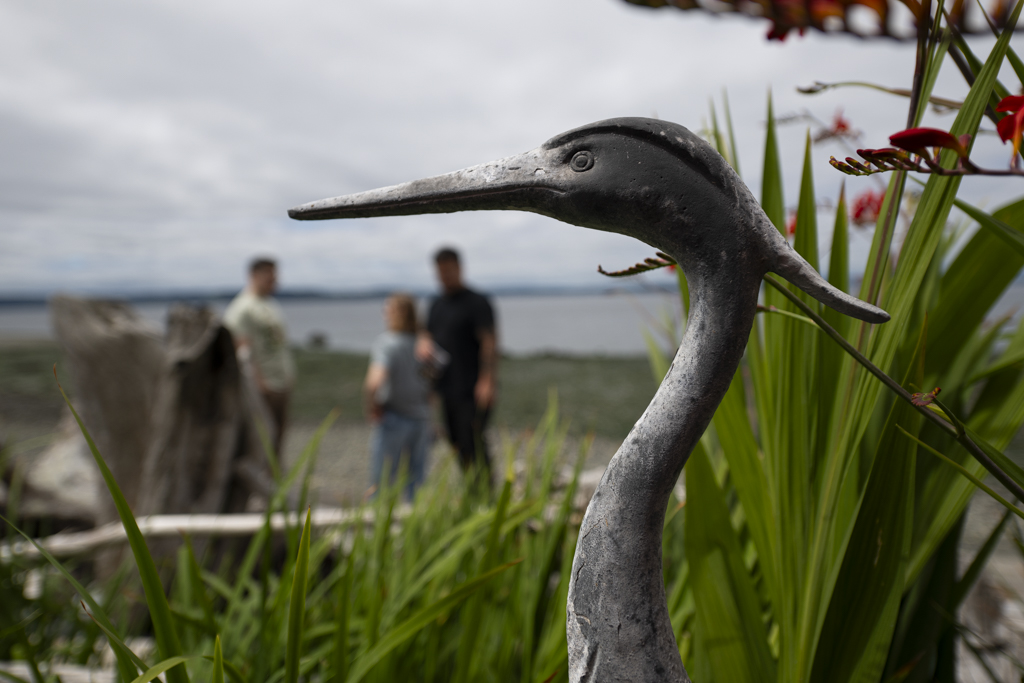
Garden C, “Heron Cove,” has its namesake standing sentinel:
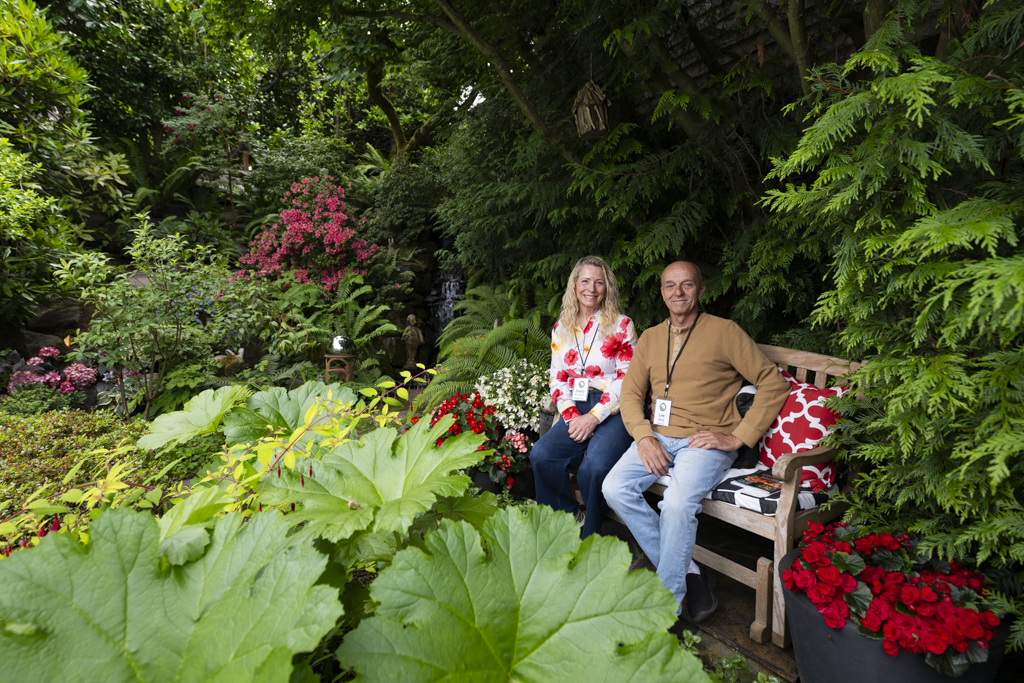
Below are Debra Montgomery and Lee Kelly; she bought the “Heron Cove” house 7 years ago and inherited Lee, who has been the gardener for 40 years. She said the previous homeowners sought out a buyer who wouldn’t tear down the house and would keep caring for the garden, which she and Lee both now do.
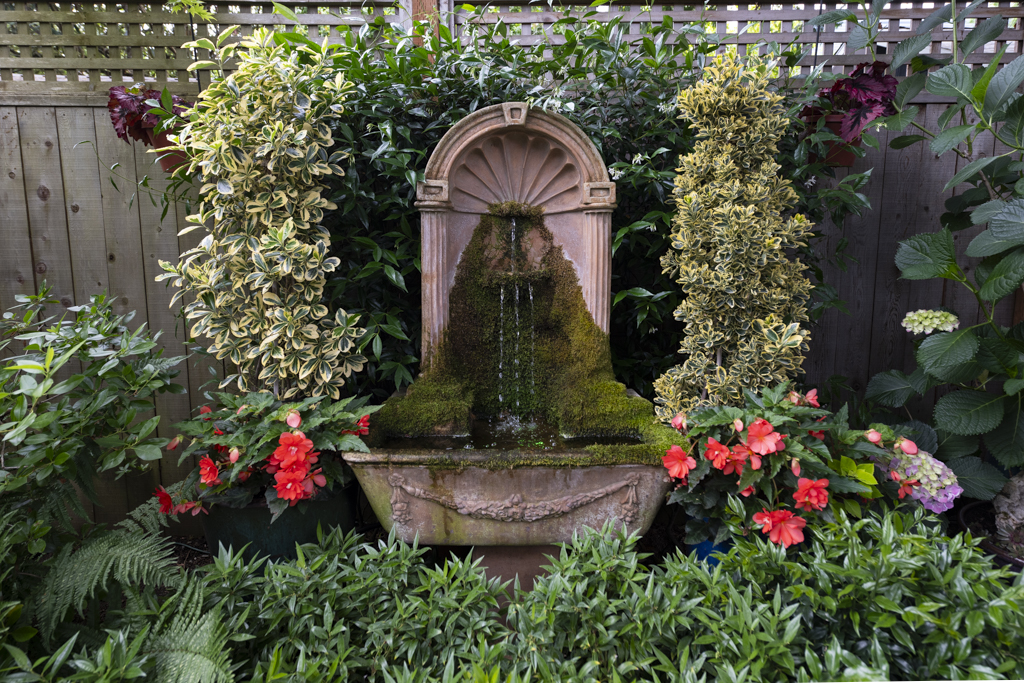
Garden D was described as “Small Spaces, Big Moments”:
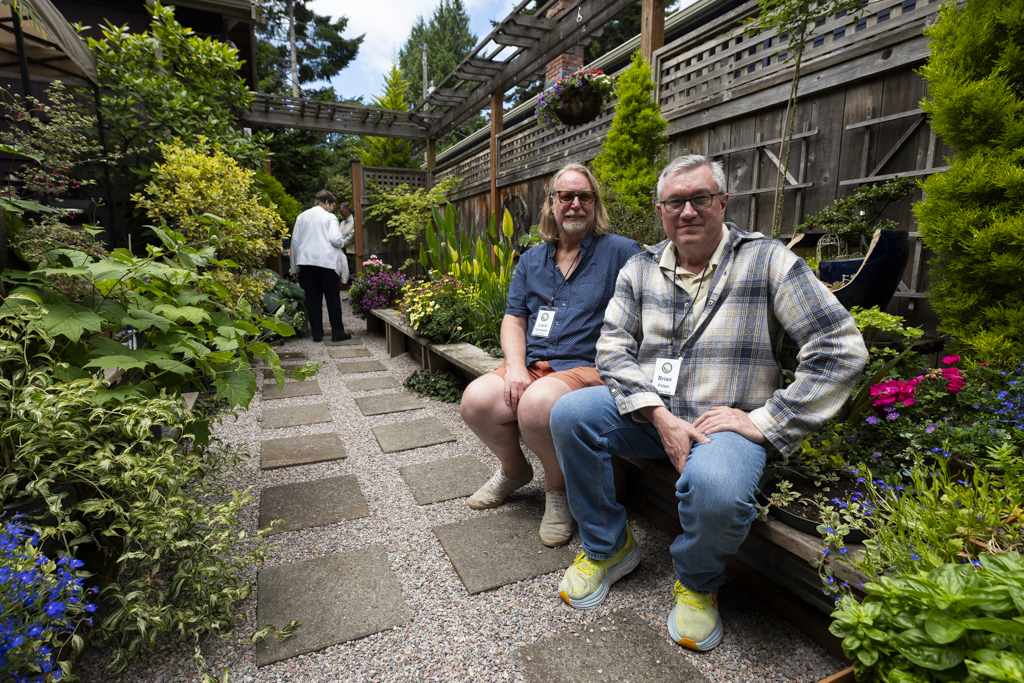
Below (L-R) are the gardeners behind Garden D, Laird Applegate and Brian Pelzel:
Garden E was “From a Sprawling Lawn and One Tree to …”
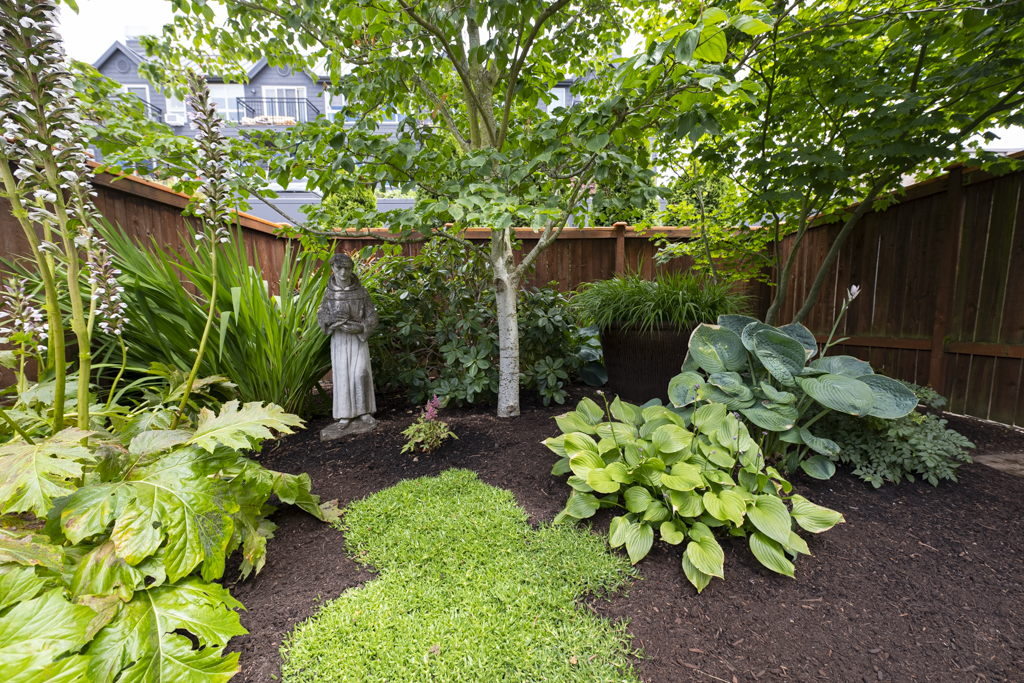
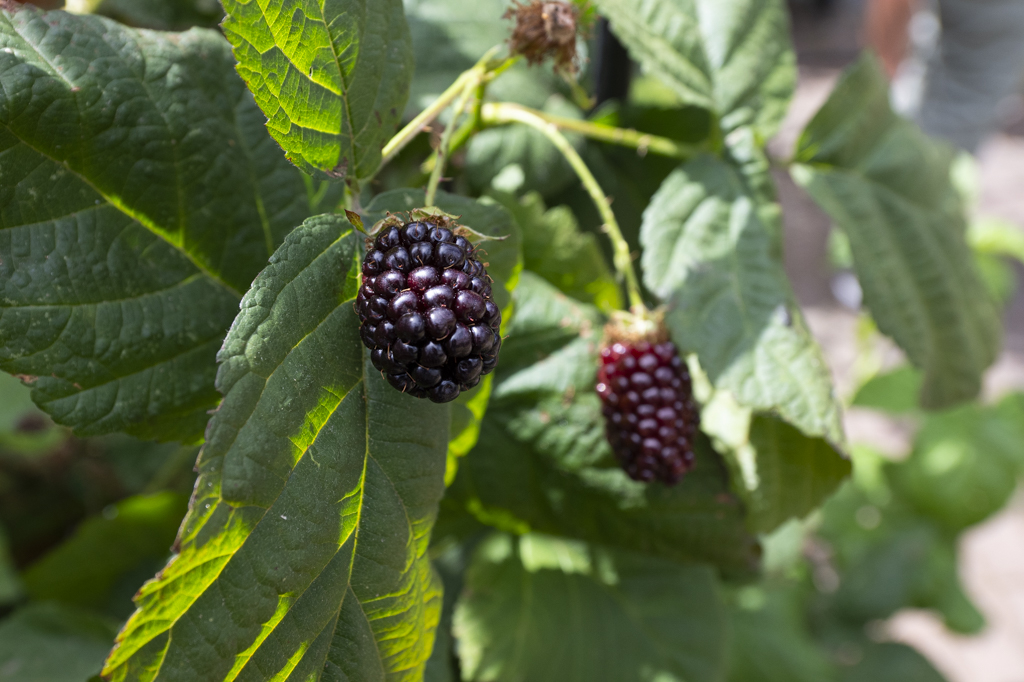
Blackberries are often the bane of a gardener’s existence, but in Garden F, “Transformation,” they were beautiful:
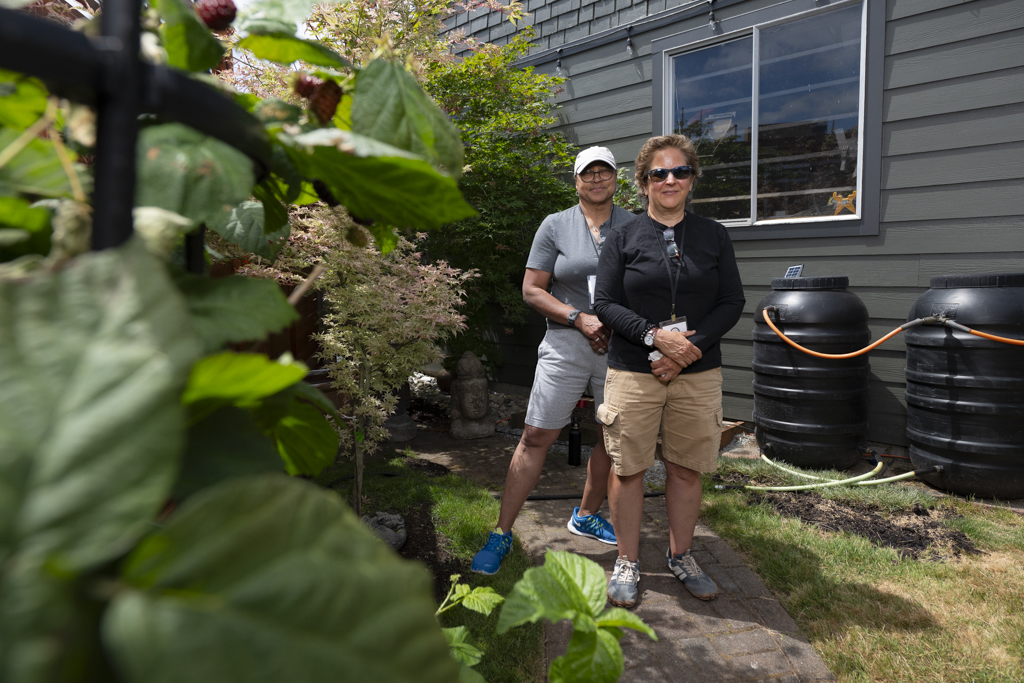
Garden F’s (L-R) Diane Elie and Raquel Gonzalez store water in 60-gallon rainbarrels and told Oliver that it fills most of their irrigation needs:
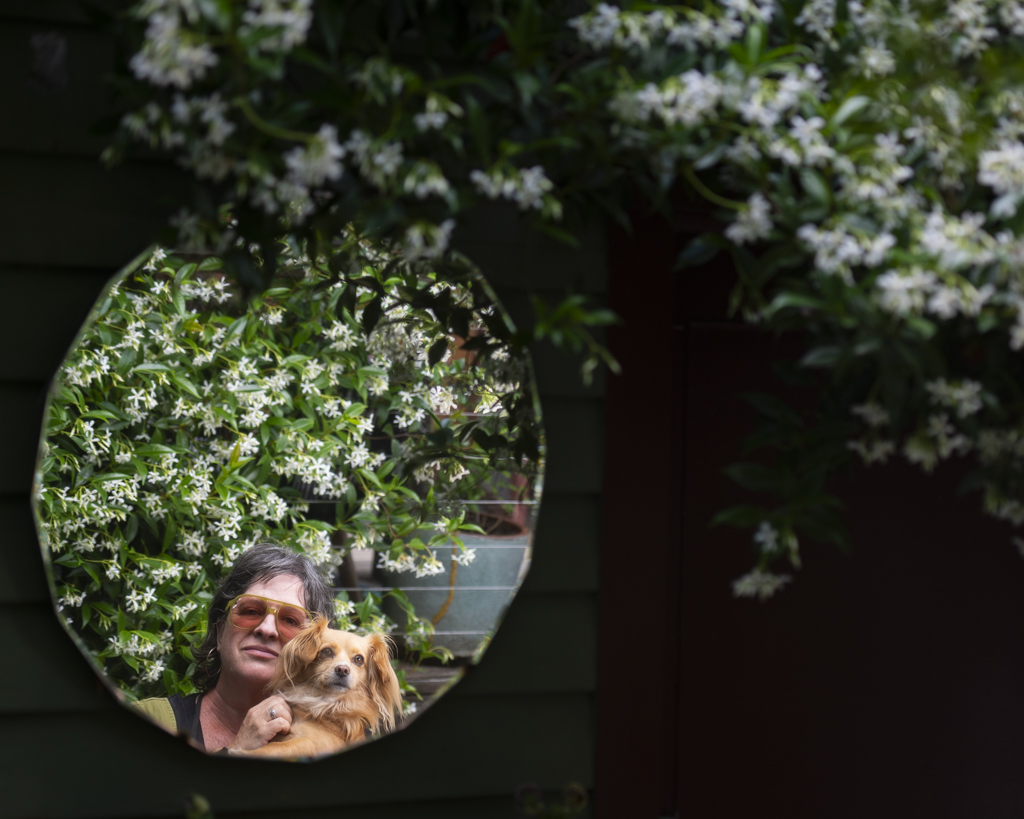
At Garden G, “Hidden Gem,” Julie Robinson-Jasper and Maple the dog are seen through a mirror surrounded by star jasmine at Garden G, “Hidden Gem”:
Another scene from Garden G:
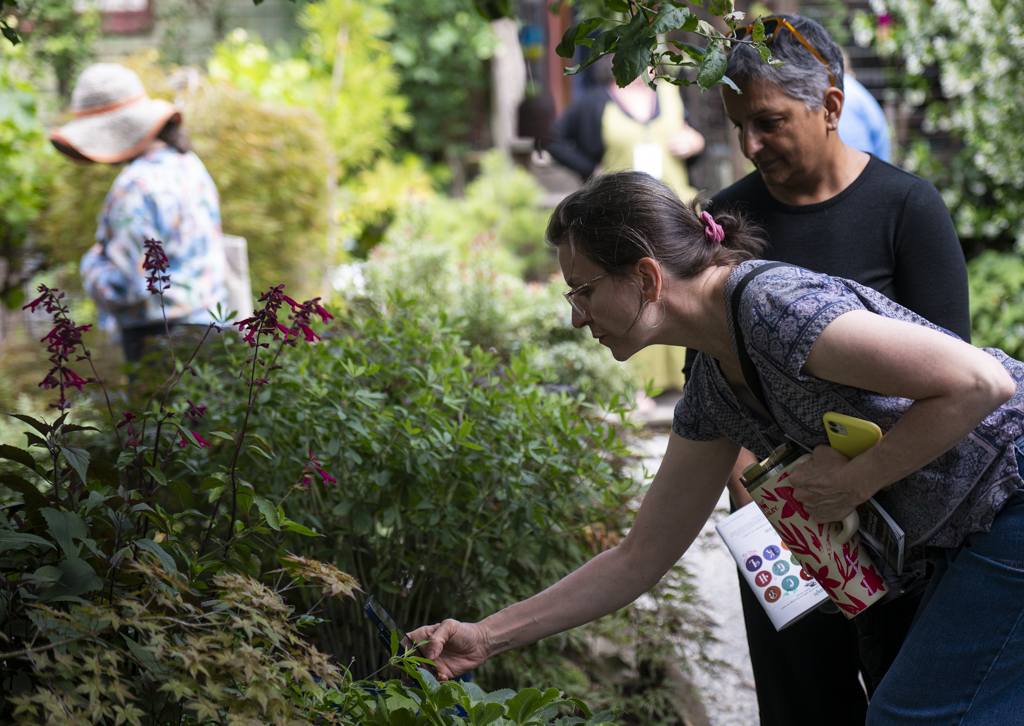
Garden H, “Behind the Fences,” sported an arch of bittersweet nightshade:
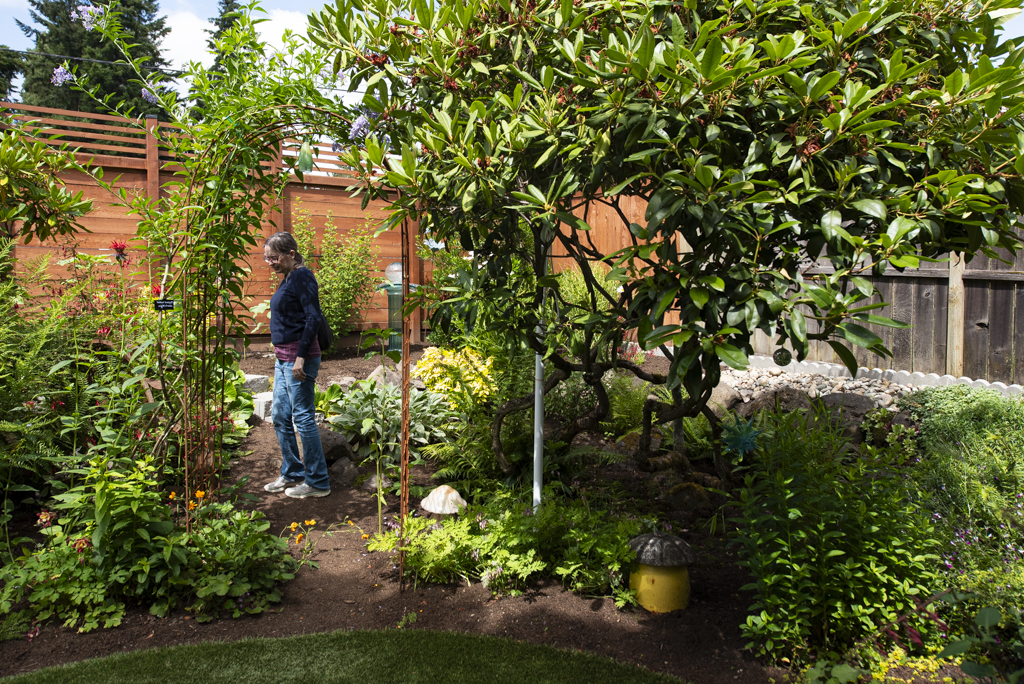
A clawfoot bathtub graced Garden I, “A Fresh Look for A Once-Beloved Garden“:

Garden J, “Garden of Many Rooms,” was conducive to wandering:
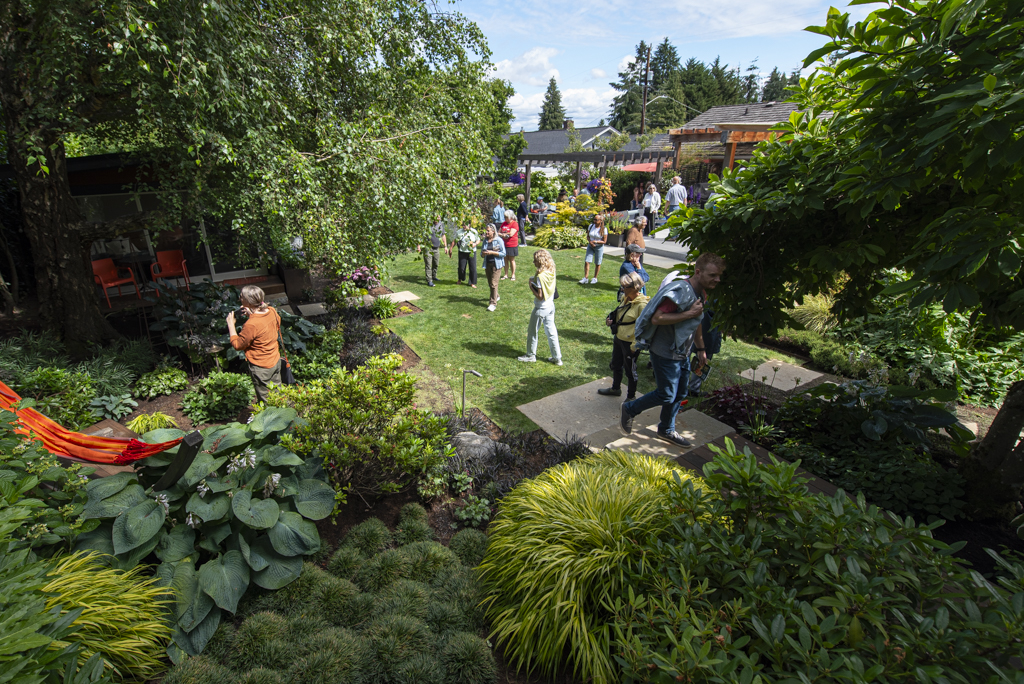
Garden K offered onlookers “Plants from Around the World“:
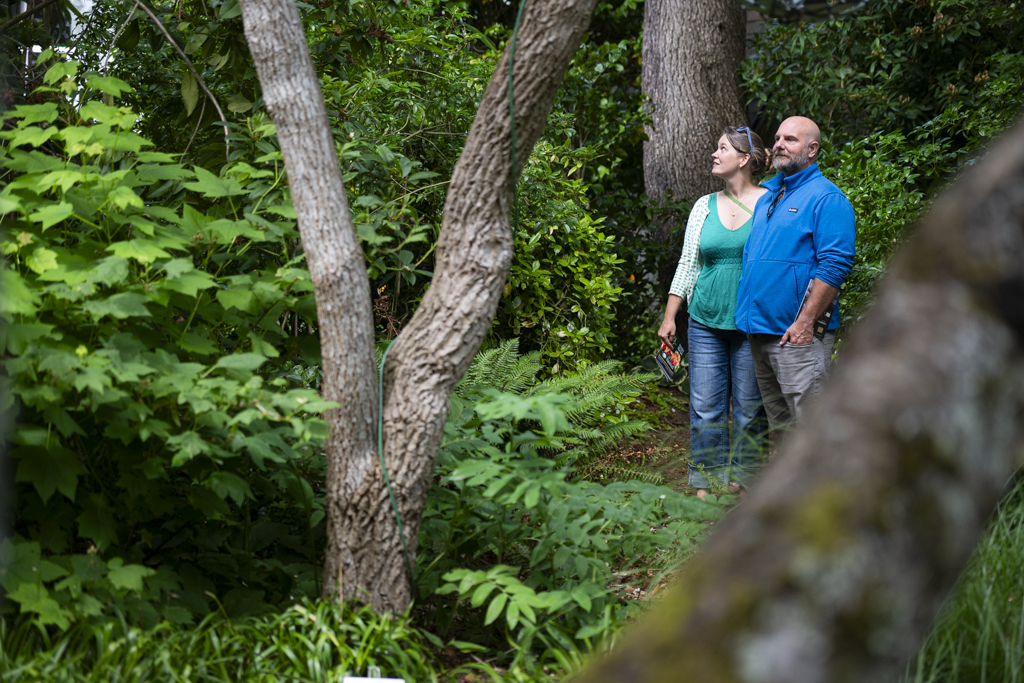
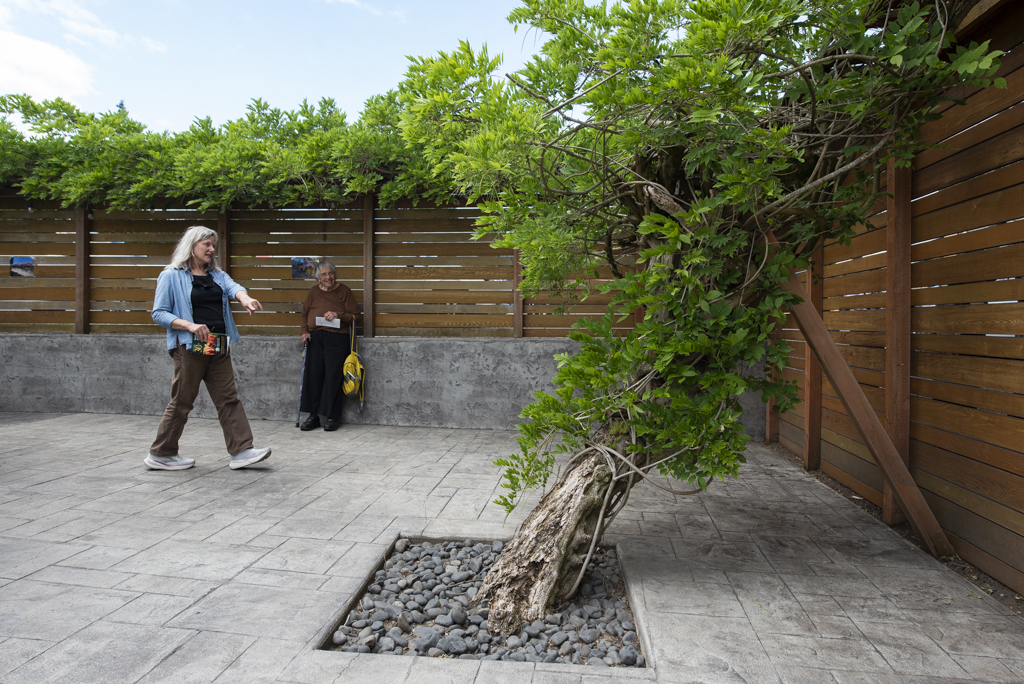
And Garden L, “Conifer Corner,” featured a 75-year-old wisteria:
(Read details of each garden here.) The West Seattle Garden Tour is organized by a nonprofit that uses the proceeds to support other nonprofits – here are this year’s grant recipients; see how to apply for one of next year’s grants by going here (July 15 is the deadline).

Three robberies occurred within 30 minutes of each other on Friday in Seattle, with law enforcement believing they were connected due to the timing, proximity, and similar descriptions of the suspects.
The first of three robberies began at 4:30 a.m. in the 200 block of Highland Drive near Kerry Park, when the Seattle Police Department (SPD) received reports of two men pointing guns at a man, SPD told KIRO Newsradio.
As officers arrived on scene, they located a 32-year-old man. The victim was sitting in his car when two suspects parked their car beside his and approached him with guns. The suspects ordered the victim to exit his vehicle and give them his necklace.
The victim claimed he had nothing of value, and the suspects ultimately fled in a dark sedan, possibly west on W. Highland Drive. The suspects were described as Black males, possibly in their late teens to 20s. Each suspect wore a mask and gloves, but the victim could not accurately recall what the suspects were wearing.
Second Seattle robbery came minutes after the first, this time at a store
Two minutes later, at 4:32 a.m., dispatch received a report of a robbery at a convenience store in the 1600 block of Queen Anne Avenue N. At the scene, officers made contact with a 25-year-old man.
The victims stated that two suspects entered the store, threatened them, and took money from two of the cash register drawers.
Soon after, the suspects fled the scene in a dark colored sedan. One suspect was described as a Black male in his 20s, roughly 6 feet, 2 inches tall with a medium build, wearing a mask, gloves, and dark-colored clothing. The second suspect was described as a Black male, 6 feet tall, with a medium build, wearing a mask, gloves, and dark-colored clothing.
Final robbery targeted a Beacon Hill convenience store with two victims
At 4:51 a.m., dispatch received a third report of a robbery, this time at a convenience store in the 4800 block of Beacon Avenue S.
Officers arrived and made contact with two victims, a 55-year-old man and a 24-year-old man. The SPD investigation revealed that one of the victims was in the cooler and the other was behind the counter when the two suspects first entered the store.
The victim in the cooler exited to see what was happening, then shut the door to the employee area and stayed there until it was safe to come out.
The 24-year-old victim was behind the counter when the suspect pointed a firearm at him. The suspect forced the victim to open the cash register and took the cash while the other suspect stood by the main entry door with a handgun.
Both suspects exited the store and fled the scene in an unknown direction. The first suspect was described as a Hispanic or Black male in his 20s, with a medium build, wearing a mask, gloves, and dark clothing. The second suspect was described as a Hispanic or Black male in his 20s, wearing a mask and gloves, with light colored pants and dark shoes.
No victims reported injuries as a result of each of the three robberies, and no suspects have been apprehended as of this reporting.
SPD’s Robbery Unit has been assigned to each case.
Anyone with information is urged to contact SPD’s Violent Crimes Tip Line at (206) 233-5000.
Follow Jason Sutich on X. Send news tips here.
-

 Detroit, MI3 minutes ago
5 realistic cornerback trade targets for the Detroit Lions after Terrion Arnold’s release
-

 San Francisco, CA15 minutes ago
Headlines, June 30 – Streetsblog San Francisco
-

 Dallas, TX18 minutes ago
LIVE | Ivory Coast, Norway meet for World Cup knockout match at Dallas Stadium
-

 Miami, FL23 minutes ago
Every Dolphins head coach’s start in Miami from worst to best
-

 Boston, MA30 minutes ago
Historian clears up one of the biggest myths about the Boston Tea Party
-
Denver, CO32 minutes ago
Nemanja Jokic, the older brother of\u00a0Denver …
-

 Seattle, WA38 minutes ago
3 Seahawks Rookies Who Must Step Up Right Away
-

 San Diego, CA45 minutes ago
Adobe Falls: The elusive waterfall that briefly returns after San Diego rains

