San Francisco, CA
So far, Mayor Lurie's fentanyl plan is missing just one thing: A plan


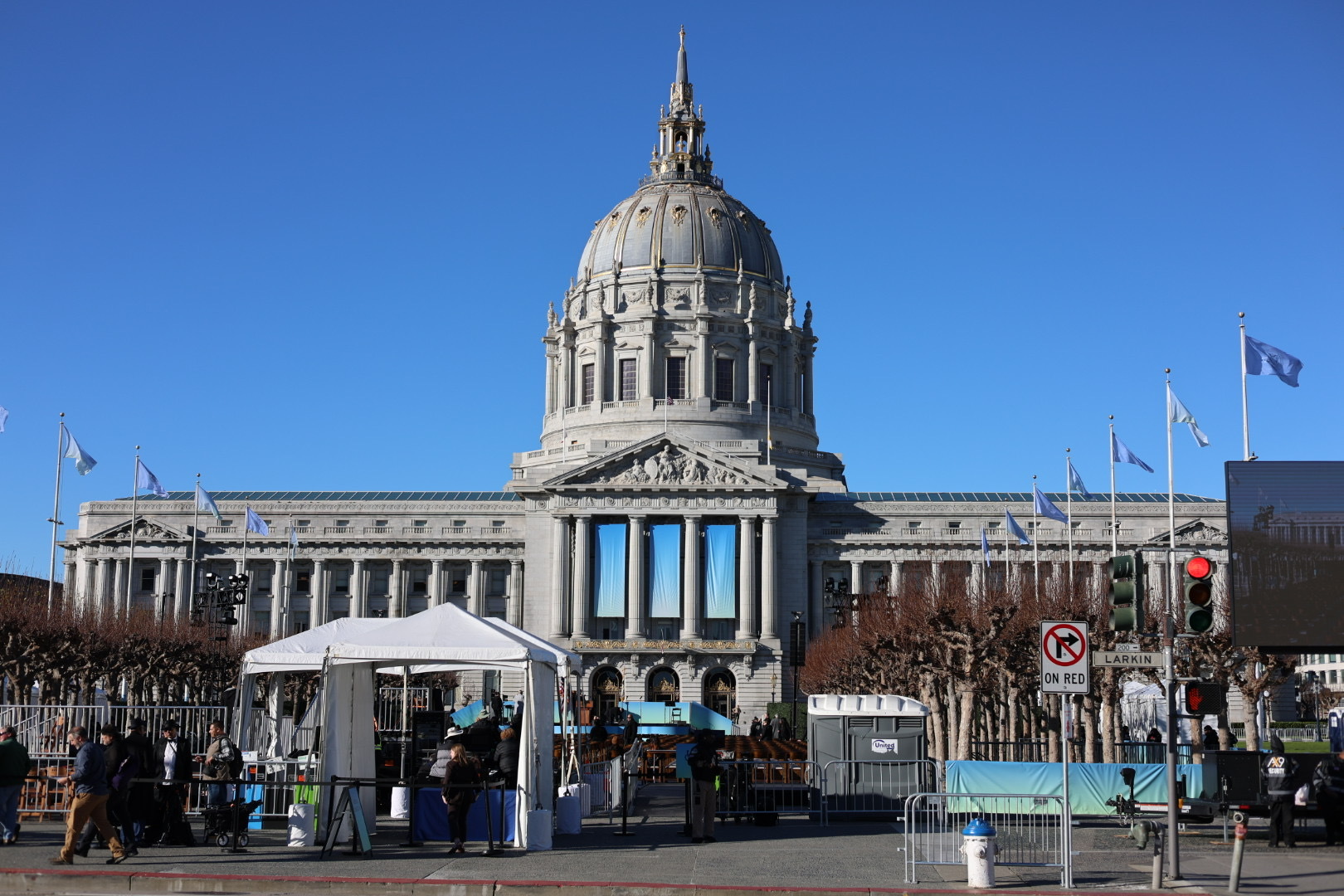
In the days leading up to Daniel Lurie’s swearing-in, political types about town said that, in order to be a successful mayor, he’d have to lead differently than he campaigned. As Mayor Lurie, rather than Candidate Lurie, it would no longer be enough to present broad and vague messaging. A mayor, at some point, has to say not just what they’re going to do but how they’re going to do it.
Last week saw the introduction of Lurie’s first piece of legislation, which ostensibly aims to combat fentanyl and mental illness on the streets, boost law-enforcement hiring and other laudable goals by speeding up contracting. But, beyond speeding up contracting, there are no specifics about how this plan would actually accomplish its underlying goals. As such, all this plan is missing — is a plan.
But there’s plenty of stuff in here about stripping away oversights of whatever it is the city chooses to spend money on. It was not until Board President Rafael Mandelman asked for it that the Board of Supervisors was given any say — at all — in the rapid-fire assignment of contracts worth scores of millions of dollars.
What’s that mean? It means that Lurie, who has never before worked in government and, prior to his swearing-in, had never held conventional employment, was calling for no oversight whatsoever for his department heads to enter into an unlimited number of no-bid contracts. You could call Lurie’s ask “audacious” — if you were generously inclined.
Of note, Mohammed Nuru, Tom Hui, Barbara Garcia and Sheryl Davis were all department heads in San Francisco. And now they aren’t. Nuru, of course, is in prison. It’s a bit mind-boggling that he’s the only one.
So, it’s all a bit on the nose, really: It’s exactly like Lurie’s campaign. Not only is it broad and vague, it’s expensive. The contracts he proposed to be ratified sans oversight could be for up to 10 years and up to $50 million; with this kind of money the city could re-sign Klay Thompson.
As a means of shedding oversight and allowing department heads to expediently enter into good-sized pacts or leases, this legislation is a great plan. It’s ingenious if I understand it correctly. It’s a Swiss watch. But you’d expect it to be: This is what you get when you have an experienced government savant like Ben Rosenfield on your mayoral transition team.
Rosenfield is great at what he does, but — and this is important — it wasn’t his job to specify where the money should go or, more fundamentally, where it’s going to come from. Yes, there are waivers in here that would allow Lurie et al. to privately fundraise, but that’s not likely to cover more than a sliver of the money needed to rapidly expand shelter beds, treat street drug-users or any of the other goals herein. San Francisco’s deficit is hovering a shade under $1 billion and, guess what? Donald Trump is getting sworn in today and could stiff San Francisco or claw back some $415 million in reimbursements for FEMA money that we’ve already spent.
Government-watchers with long institutional memories have told us that they can’t think of a precedent for a mayor to ask for significant new powers, as Lurie has done, without offering any specifics on what they will be used for.
But here’s the thing: They’ll be granted. It’s likely that Lurie will essentially get what he wants.
We’ll have to wait and see if the board, or anyone else, asks about the scant details that we do know. Thus far, they’ve brought about more questions than answers.
Bolstering law-enforcement hiring is a goal of the mayor’s legislation, but it’s not immediately clear what private fund-raising or no-bid contracting could do about that. It’s not as if the beaver fur top hat will be passed among the city’s wealthy elites to supplement cops’ salaries. The more intuitive steps would be outsourcing background checks or the hiring of recruiters — but the city already does this. In recent years, in fact, the city has done an awful lot and put significant resources into recruitment and retention. And yet, here we are: San Francisco has not quite 1,600 sworn officers and the most recent academy class graduated 11 officers of an initial 45 recruits — an alarming 75 percent attrition rate
(It warrants mentioning that the city’s crime rates are at near-historic lows. Also, accidental overdose death numbers are at a five-year low. But it seems nobody’s in the mood to hear about this.).
Lurie also wandered off the map when he last week told reporters that San Francisco could “add beds” to General Hospital — which left actual medical professionals at General Hospital gobsmacked. In fact, the Department of Public Health has already submitted half a dozen applications to get up to $140 million in state money for behavioral health beds. But adding these 180-odd beds — at half a dozen or more sites citywide, not just at the General — would require mounting significant procedural, logistical and political hurdles. And, also, it would require that money, from the state. That’s coming on the state’s dime and on the state’s time — that is, not fast.
These are all major challenges, which is why Lurie’s job is majorly challenging. Yet, barring unforeseen lunacy, his initial legislation will pass. And now all that remains is saying what he wants to do. And how he intends to do it.
Following pushback, there is now a provision in here that the board has 45 days to review a potential contract and vote it up or down. Without that, the board had zero input. So the supes hve that going for them. Which is nice.
Truth be told, the board, which must approve city contracts of $10 million or more, does not spike all that many of them — or, for that matter, reject all that many mayoral appointments. But the oversight provision, in and of itself, can serve as a deterrent for corruption or ineptitude. Put another way: Does anyone think it’s a grand idea for the city to begin rapidly spending lots and lots of money while specifically telling all parties ahead of time that nobody is going to be doing any front-end oversight? Hopefully nobody who reads the news would say that.
So that’s kind of a big deal — and to cast that obligation to the wind would’ve been a wholesale abdication of the board’s responsibilities. Expect more pushback, starting at the Budget Committee. Expect board members to call for reductions in the 10 years and $50 million limits for the no-bid contracts.
But nobody is going to try to derail this. Nobody wants to open up the board to charges of obstructionism.
That seems wise, at least politically. With 45 days to review a contract, anything egregious ought to be bird-dogged by the supervisors. Concerns about abandoning competitive bidding are somewhat mitigated by the fact that the sorts of outfits that can minister to drug-users or oversee shelter beds are not great in number — and, more likely than not, are already here and already have city contracts. No one is pushing to bring Halliburton in to do this work.
The Department of Homelessness and Supportive Housing, meanwhile, already has license from the Board of Supervisors to ignore competitive bidding requirements on contracts regarding homeless services (A cynic would note “and here we are.”). Lurie’s legislation would expand that ability to other departments.
When all is said and done, the board will retain one of its core raisons d’être. If time and money limits are reduced, its members can claim they mitigated the potential damage if and when things go sideways. And Lurie can claim the political win after the board passes what he and his people continue to — unfortunately — refer to as a “state of emergency” ordinance.
But is this going to actually help solve the problems? Will this make things better? Those do seem to be the $50 million questions.



San Francisco, CA
A Locals-Approved Modern Guide to Fisherman’s Wharf: Seafood, Beer Gardens + Iconic Bay Views

Most locals wouldn’t come within a quarter mile of kitschy, over-touristed Fisherman’s Wharf if they didn’t have to.
But if the last time you visited the neighborhood was when family were in town, prepare to be surprised. There’s more to this waterfront neighborhood than meets the eye—and more to come, as the resurgence of the area, hit hard in the pandemic, picks up speed.
In our locals guide to Fisherman’s Wharf, we remove the wheat from the chaff, directing you only to the good stuff that’s hiding in plain sight—along with a neighborhood hotel recommendation for when those out-of-towners inevitably come to visit.
Where to Eat in Fisherman’s Wharf
Contemporary Filipino at Abacá
(Courtesy of @restaurantabaca)
Scoma’s (1965 Al Scoma Way) is one of the city’s best seafood spots, and not just because it’s located right where the city’s last working fishermen bring in their daily catch. The bayfront restaurant has been in business since 1965 and it has a classy, old-school vibe with a warren of small dining rooms with views, signed memorabilia on the walls, and a mid-century-style showpiece bar at its center. Their cioppino is legendary, along with their Dungeness crab cakes, Louie salads, and perfectly-spiced Bloody Marys. // A leader in San Francisco’s contemporary Filipino food boom, Abacá (2700 Jones St.) chef Francis Ang is known for his creative, California-influenced takes on traditional flavors and dishes. Inside an airy atrium on the ground floor of the Kimpton Alton, the bright and unintimidating restaurant has an extensive lineup of seasonal small plates, barbecued skewers, noodle and rice dishes (you must try the lobster noodles!), and mains like stuffed quail tinutungan with fava beans and morel mushrooms. Don’t skip the cocktails: they’re inventive, unexpected, and pair beautifully with the food. // Stop by Cafe de Casa (685 Beach St.) at breakfast and lunch for Brazilian cheese bread sandwiches, tapioca crepes, and escondidinho, along with a variety of espresso drinks. // A recent addition to the neighborhood is the Japanese-inspired grab-n’-go vegetarian eatery, coffee shop, and market, Bunny Cafe (1327 Columbus Ave.), so named for its lounge full of adorable, adoptable rabbits. They work with a different local rescue organization every quarter, helping to find needy bunnies new homes, and you can reserve a 30-minute spot to visit them whether you’re in the market for a rescue or not. // Korean restaurant Surisan (505 Beach St.) serves up a mix of American-style and K-breakfasts by morning (think jook, bulgogi fried rice, and benedicts) and Korean fried chicken, BBQ, and dishes like bibimbap for lunch and dinner in an inviting, industrial-accented space off the tourist track. // On the second level at the entrance to Pier 39 is Eagle Cafe (Pier 39, Floor 2, A-201), a Fisherman’s Wharf staple since 1928 serving up crowd-pleasing classic breakfasts and lunches like fish and chips and burgers. If the weather is cooperating, eat out on their balcony overlooking the water. // Fog Harbor Fish House is the best spot for dinner on Pier 39. You may be one of the few locals in the crowd but if you’re in the mood to crack into a whole Dungeness crab or take down some clam chowder in a sourdough bread bowl, this family-owned restaurant specializing in responsibly-sourced, sustainable seafood is the place to do it (plus, you can’t beat the views).
Coming Soon
The second location of affordable, delicious Saigon Sandwich (333 Jefferson St., #125) is set to open in Fisherman’s Wharf later this summer, adding soju cocktails to the menu alongside its beloved banh mi. // Cult-favorite fast-foodery Raising Cane’s is also planning to open later this summer, bringing their famous chicken fingers and Texas toast to the neighborhood (211 Jefferson St.).
Where to Drink Coffee, Cocktails + Beer

Humble Sea opened a beer garden on Pier 39 in 2025.
(Courtesy of @humblesea.sf)
The Buena Vista (2765 Hyde St.) has built its reputation on Irish Coffee, which was allegedly invented by a bartender here in 1952. But the classic cafe with wide windows overlooking the bay next to the cable car turnaround has charmed many a local and visitor for decades (check out the behind-the-bar memorabilia from frequent patron, Hunter S. Thompson). It’s an ideal spot for a nostalgic cocktail—coffee-flavored or otherwise. // Humble Sea (Pier 39, Unit N-111-1) may be a fairly recent addition to Pier 39 but the whimsical, ocean-themed brewery has been making waves since it opened its first taproom in Santa Cruz in 2017. Its newest location has a beer garden on the wharf, and a colorful indoor bar with plenty of hoppy IPAs on tap. // Tiny Signal Coffee Roasters (2701 Leavenworth St.) will brighten up your morning with small-batch, house-roasted coffee drinks and beans, specialty bevvies, and in-house bakes.
Coming Soon
Later this summer, homegrown SF brewery Woods Beer & Wine Co. will open their new taproom in the nautical-themed remains of the historic former seafood spot, Fishermen’s Grotto No. 9 (2847 Taylor St.). The long-term pop-up is slated to have a full liquor license that will add barrel-aged and batched cocktails to their craft beer and wine offerings.
What to Do in Fisherman’s Wharf
A scene from one of the antique games at Musée Mécanique
(Courtesy of @museemecaniquesf)
If you’re not charmed by the Musee Mechanique (Pier 45), you’re dead inside. No, seriously: This place is an absolute gem, featuring more than 300 antique mechanical arcade games (one of the world’s largest private collections) kept lovingly in working order. Many originally came from Playland, the amusement park that operated on Ocean Beach from 1928 to 1972, (along with creepy Funhouse mascot Laffing Sal) and each machine costs just 25 to 50 cents to play. // You don’t have to be from away to want to spend some time with the sea lions at the Viewing Area at K Dock (Pier 39). The pinnipeds post up here by the dozens all year round, barking, sparring, and swimming in the bay, oblivious to the crowd of onlookers. Come in spring to see babies just old enough to climb onto the docks. // If you get a kick out of the more gruesome side of science, check out the Truhlsen-Marmor Museum of the Eye (645 Beach St.). On the ground floor of the American Academy of Ophthalmology, it’s chock-full of interesting exhibits about eyeball anatomy, vision, perception, and medical innovation. // Despite its recent scandal, the Cartoon Art Museum (781 Beach St.), an institution endowed by comic god Charles Schulz, is worth a visit for its small but well-curated collection of cartoon and comic book art. // If you’re into naval history, step on board the S.S. Jeremiah O’Brien (Pier 35) or U.S.S. Pampanito (Pier 45), a restored naval ship and submarine from the World War II era.
Where to Stay in Fisherman’s Wharf
Guest rooms at Hyatt Centric Fisherman’s Wharf have just been completely renovated with an eye towards guest wellness and sustainability.
(Courtesy of Hyatt Centric Fisherman’s Wharf San Francisco)
If you’ve got friends or family coming into town who’d rather avoid staying in the hustle of downtown, Fisherman’s Wharf is a good, transportation-connected alternative. While the Kimpton Alton (2700 Jones St.) is the most luxurious option in the neighborhood, the Hyatt Centric Fisherman’s Wharf (555 North Point St.) is an excellent, more affordable alternative that’s just been completely renovated with a special emphasis on sustainable design and guest wellness. The freshly redone guest rooms—some of the most spacious in town—have a modern look accented in responsibly harvested wood and natural materials free of toxic substances, bronzed lighting and mirrors, patterned wall coverings, and subtle nautical accents.
An outdoor sun deck framed by the hotel’s upper floors has a heated pool and hot tub, along with new loungers and cabanas, and the 24-hour fitness center is full of top notch equipment including treadmills, bikes, and free weights (in-room yoga classes are also available on demand). Brick & Beam, the hotel’s signature, brick-walled gastropub, is open all day, serving generous plates of brioche French toast and croissant sandwiches at breakfast, and a wide range of handhelds, flatbreads, and other crowd pleasers at lunch and dinner. Note the happy hour at the full bar (5:30pm to 7:30pm), where margaritas, beer, and wine are just $6—definitely among the lowest prices in town. A 24-hour market in the lobby also offers snacks and drinks to go. You can’t beat the location which is just two blocks back from the water and a short walk from Pier 39.

San Francisco’s Fourth of July celebration along the city’s waterfront quickly turned into hours of gridlock, dangerous fireworks incidents and a surge in emergency calls.
Thousands packed Crissy Field to watch fireworks launched from the Golden Gate Bridge. But once the show ended, it wasn’t exactly a smooth ride home.
While many left with great memories. Others found themselves stuck for hours in gridlock, caught in a massive backup involving dozens of Waymo cars, while firefighters across the city were responding to fires and serious fireworks injuries.
For Rose Peterson, the ride home after San Francisco’s Fourth of July fireworks took an unexpected turn.
“We were pulling up to a four-way stop and this guy was shooting off a firework in the middle of the road, and then our Waymo starts driving, and we’re like ‘Wait, what’s happening?’,” she said.
No one inside was hurt, but Peterson says the experience left her questioning how autonomous vehicles respond in unpredictable situations.
“I definitely think it needs to be more sensitive of anything that can come into the path of the road,” she said.
That wasn’t the only challenge after the show.
As thousands left Crissy Field and the Presidio, traffic came to a standstill. Among those stuck was Dave Guingona, who had friends visiting from the Philippines and wanted to show them a memorable Fourth of July in San Francisco.
“Five minutes, 10 minutes, 15 minutes went by, then we realized people were getting out of their cars, yelling and screaming at these Waymos because there were no drivers,” he said.
He says nearly two hours later, Waymo employees finally began driving the vehicles out.
“They had a great time, but this is what they’re going to remember for the rest of their lives. This was unbelievable,” he said.
While traffic barely moved, San Francisco firefighters responded to more than 500 calls for service, including four fireworks-related wildfires, numerous outside fires across the city and a vehicle fire on Connecticut Street believed to have been sparked by illegal fireworks.
Crews also responded to two life-altering fireworks injuries.
Captain Jonathan Baxter says the incident Peterson experienced in the Waymo was another reminder of how quickly things could have turned tragic.
“That situation could’ve had a far worse outcome—not only for the individuals in the car that could’ve been injured or worse—but for the individuals who lit the fireworks. They could have their life altered for the rest of their lives as well,” Baxter said.
Waymo says extreme traffic congestion disrupted operations for several vehicles after the fireworks and crews worked with city officials to clear them from the area.
The company also says it’s evaluating the incident surrounding fireworks, adding it’s committed to learning from situations like this.
San Francisco fire officials are reminding people that even fireworks marketed as “safe” can cause devastating injuries and fires. As for Waymo, the company says it’s reviewing both last night’s traffic congestion and the incident involving Rose’s ride as it looks for ways to improve operations during major events.

An unoccupied Waymo autonomous vehicle caught fire Saturday evening after driving over a small firework in a San Francisco roadway, according to a company spokesperson.
The incident occurred near the 1200 block of Connecticut Street. No one was inside the self-driving car at the time, and no injuries were reported.
Waymo stated it coordinated with the San Francisco Fire Department and local authorities to safely remove the damaged vehicle from the scene.
-
Idaho7 minutes ago
An Idaho mother who said her toddler twins died after vaccinations has been charged with murder
-

 Illinois10 minutes ago
Severed arm in Illinois lake: Court records say body parts found in freezer, half-brother claimed self-defense
-

 Indiana15 minutes ago
Indiana Black Expo to present award to Mathew Knowles for health advocacy
-

 Iowa22 minutes ago
Iowa Democrats and Republicans gain voters, independent voters decrease
-
 Kansas25 minutes ago
Veterans Community Project opens expanded outreach center in Kansas City, expands nationally
-

 Kentucky30 minutes ago
Where Kentucky Basketball recruits stand in the latest round of 2027 recruiting rankings
-

 Louisiana37 minutes ago
Trump administration plans to open new Louisiana ICE facility
-

 Maine40 minutes ago
Maine Democratic Senate candidate Graham Platner denies new allegations of sexual assault


