Montana
State files appeal to Supreme Court in Held v. Montana case


The state of Montana has filed its appeal to the Supreme Court over a youth-led climate case.
The appeal in the Held v. Montana case comes after a district court ruled in favor of the 16 youth plaintiffs last summer. The court found the state’s energy policies violated the plaintiff’s constitutional right to a healthy environment.
In January, the Montana Supreme Court ordered state regulators to consider climate change as part of their permitting decisions while the appeal plays out.
The state reiterated its argument that Montana is not singularly responsible for planet-warming greenhouse gas emissions, so Montana alone cannot remedy the young plaintiffs’ harm.
The appeal also argues Montana’s Environmental Policy Act doesn’t give state agencies the power to address climate change or how it’s harming young people.
The plaintiffs now have until mid-March to submit a response to the state’s opening brief.



The Montana Lottery offers multiple draw games for those aiming to win big.
Here’s a look at April 13, 2026, results for each game:
Winning Powerball numbers from April 13 drawing
38-43-59-63-64, Powerball: 15, Power Play: 3
Check Powerball payouts and previous drawings here.
Winning Lotto America numbers from April 13 drawing
01-18-19-35-50, Star Ball: 09, ASB: 03
Check Lotto America payouts and previous drawings here.
Winning Big Sky Bonus numbers from April 13 drawing
14-20-25-29, Bonus: 04
Check Big Sky Bonus payouts and previous drawings here.
Feeling lucky? Explore the latest lottery news & results
When are the Montana Lottery drawings held?
- Powerball: 8:59 p.m. MT on Monday, Wednesday, and Saturday.
- Mega Millions: 9 p.m. MT on Tuesday and Friday.
- Lucky For Life: 8:38 p.m. MT daily.
- Lotto America: 9 p.m. MT on Monday, Wednesday and Saturday.
- Big Sky Bonus: 7:30 p.m. MT daily.
- Powerball Double Play: 8:59 p.m. MT on Monday, Wednesday, and Saturday.
- Montana Cash: 8 p.m. MT on Wednesday and Saturday.
- Millionaire for Life: 9:15 p.m. MT daily.
Missed a draw? Peek at the past week’s winning numbers.
This results page was generated automatically using information from TinBu and a template written and reviewed by a Great Falls Tribune editor. You can send feedback using this form.


Keila Szpaller
(Daily Montanan) The Montana Board of Regents is taking up the hire of Jeremiah Shinn for University of Montana president at a special meeting on April 14.
Shinn, interim president of Boise State University, visited the Missoula campus earlier this week after emerging as the sole finalist out of more than 70 applicants, according to earlier information from the Office of the Commissioner of Higher Education.
At the meeting, the Board of Regents will consider employment terms that include an annual salary of $467,197 and annual deferred compensation of $76,875, according to the agenda item. The terms also include a university-owned residence.
The start date would be July 1, 2026. Commissioner of Higher Education Clayton Christian has taken on interim president duties and will continue to do so until then.
The Board of Regents is considering the hire because former UM President Seth Bodnar announced his resignation in January and subsequently filed to run for U.S. Senate as an independent.
Christian undertook an expedited hire to preserve momentum at the Missoula flagship and said he had never seen a pool of candidates with so much presidential experience — many had served in the role in some capacity.
Christian said Shinn rose to the top because he was “a fit” with UM and has a deep background in student affairs.
In May 2025, the Board of Regents approved $455,802 salaries for presidents at both UM and Montana State University and Commissioner Christian, along with deferred compensation of $75,000, all effective July 1, 2025.
Galen Hollenbaugh, spokesperson for the Commissioner’s Office, said because Shinn’s start date is July 1, his salary reflects the 2.5% increase from the 2025 legislative session effective in 2026.
“President Tessman and Commissioner Christian will also receive the scheduled increase, and the salaries will be at the same level,” Hollenbaugh said in an email.
The UM president’s house near campus has been on the market for $2.895 million, but Hollenbaugh said it will be off the market, and Shinn will plan to occupy it.

Aviation safety bill based on DC midair collision faces House vote Tuesday

A tornado touched down in Taylor County on April 13, NWS confirms

Former four-star Georgia Tech freshman center commits to Big 12 program

TV Show Explores Wyoming’s Strangest House

Deutsche Börse Invests $200 Million in Crypto Exchange Kraken

Florida High School Football Rankings: Top 25 teams – Oct. 21

How old is Bo Nix? What to know about Oregon quarterback ahead of 2024 NFL Draft

Cleary's 21 help Le Moyne down Central Connecticut State 69-64 in OT

99th annual Pony Swim held in Virginia

Indiana Members Credit Union announced as new anchor tenant at Bottleworks District

Video: How Stephen Miller Is Adjusting Trump’s Immigration Agenda

Biden DOJ weaponized FACE Act against pro-life Americans, 882-report alleges

Mass drone warfare is Europe’s rising security threat
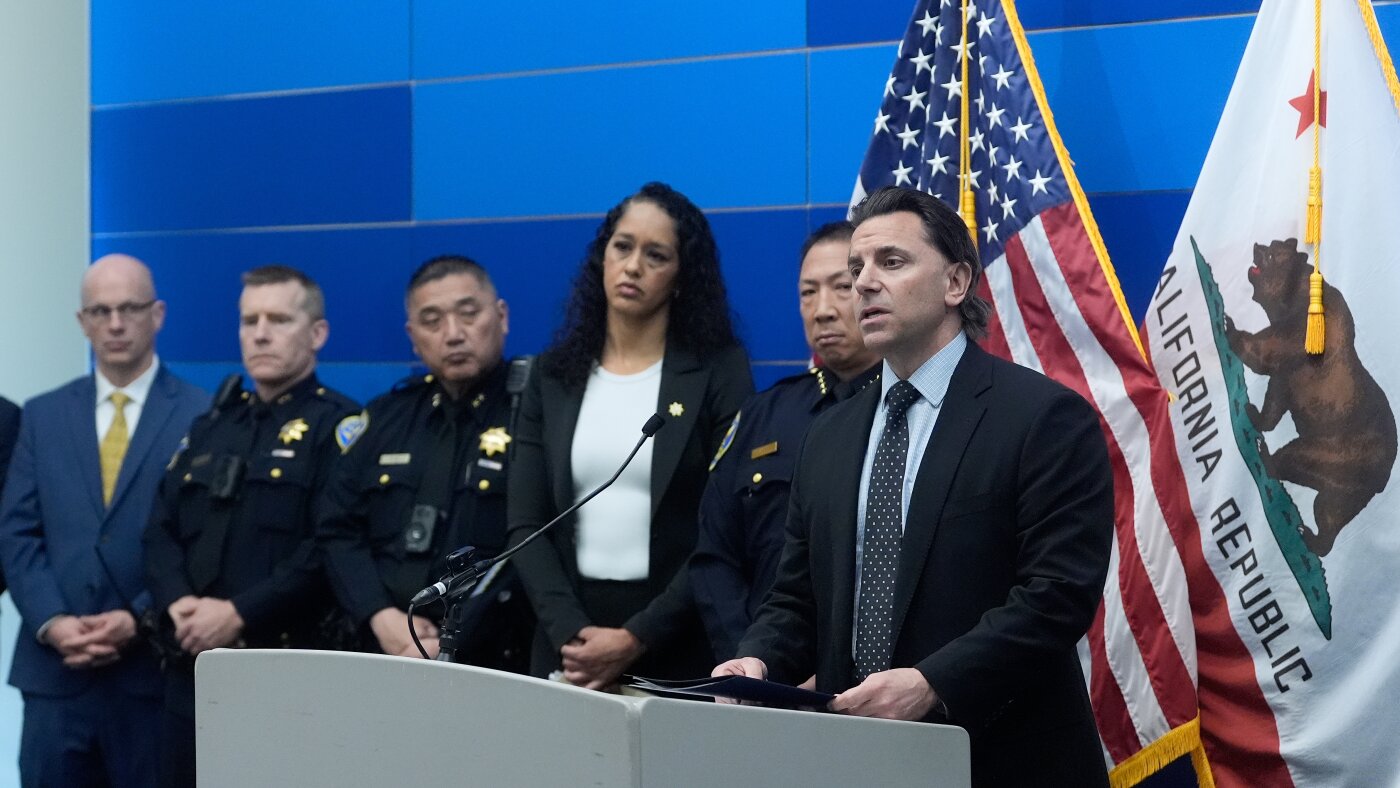
Man accused in Molotov cocktail attack of OpenAI CEO’s home charged with attempted murder

Embattled Rep Tony Gonzales announces plans to resign amid sexual misconduct allegations
-

 Atlanta, GA1 week ago
1 teenage girl killed, another injured in shooting at Piedmont Park, police say
-

 Georgia7 days ago
Georgia House Special Runoff Election 2026 Live Results
-

 Arkansas4 days ago
Arkansas TV meteorologist Melinda Mayo retires after nearly four decades on air
-

 Pennsylvania1 week ago
Parents charged after toddler injured by wolf at Pennsylvania zoo
-
 Milwaukee, WI1 week ago
Potawatomi Casino Hotel evacuated after fire breaks out in rooftop HVAC system
-

 Austin, TX6 days ago
ABC Kite Fest Returns to Austin for Annual Celebration – Austin Today
-

 World1 week ago
Zelenskyy warns US-Iran war could divert critical aid from Ukraine
-

 World1 week ago
Indonesia receives bodies of peacekeepers killed in southern Lebanon