


In case you missed it, the Denver Summit — the Mile High City’s new NWSL team — made quite a debut today:
Denver, CO
Denver International Airport Unveils Secret Holiday Pop-Up Bar for 2024


Denver International Airport just opened what it says is the first holiday pop-up bar at an airport.
Brittany Anas
If you enjoy Christmas with the same enthusiasm as Buddy the Elf, you’re probably no stranger to the twinkly, tinsel-draped holiday pop-up bars serving eggnog in kitschy Santa mugs while Mariah Carey tunes play on repeat. But now sidling up to a Santa-themed bar can be a part of your holiday travel plans if you happen to be flying through the Mile High City this year: Denver International Airport claims to be the first ever airport to create a holiday pop-up bar.
The big guy himself will make appearances at Santa’s Layover Lounge at Denver International Airport this holiday season. Brittany Anas
Ahead of the busy holiday travel season—and decked to the nines with super-sized holiday inflatables, red and green lights, and Christmas trees—Santa’s Layover Lounge just opened. But you’ve got to know where to look for this somewhat hidden holiday bar: It’s hovering above Concourse B on the airport’s mezzanine level where there are no gates, but a collection of restaurants and shops. (If you’re headed to your gate, you might spot the candy cane and ornament inflatables hung from the rafters and the “Sleigh the Layover” sign.
The holiday lounge, a partnership between DEN and Skyport Hospitality, will be open from 8 a.m. to 10 p.m daily until Jan. 5, 2025.
“We’re always looking for ways to create surprises for passengers—things that are unexpected in an airport,” Stacey Stegman, head of communications at Denver International Airport, said in an interview at the pop-up bar. “We want people to walk through and go ‘Wow’ I didn’t know I could see that an airport.”
Santa’s Layover Lounge is on the mezzanine level of Concourse B at Denver International Airport.
Denver International Airport
Santa’s Layover Lounge is temporarily taking over the Lounge 5280 Wine Bar. The pop-up serves flatbread pizzas named after Santa’s reindeer as well as a holiday turkey sandwich with cranberry jam and gravy and a butternut squash soup with chopped bacon and croutons.
As for the drinks, you bet there’s punny cocktails like the Pa Rum Pa Rum Punch and the Polar Expresso Martini. Some of the cocktails headlining the holiday menu are spiked with local liquors, like a gingerbread old fashioned made with Family Jones rye whiskey and a Mule-tide Carol with Breckenridge Distillery’s Bourbon, cranberry juice, orange bitters and ginger ale.
A new holly jolly pop-up bar opened at Denver International Airport ahead of the busy holiday season.
Brittany Anas
For kids (and those with a sweet tooth), the Ghirardelli hot chocolate bar comes stocked with sweet additions like peppermint, gingerbread, or caramel syrup as well as toppings like candy cane pieces, mini marshmallows, Butterfinger candy pieces, and red-and-green sprinkles.
With 77.8 million passengers passing through Denver International Airport annually, the airport ranks as the No. 6 on the list of the busiest airports in the world. While holiday travel can no doubt be stressful, Stegman says she hopes the airport’s fun-spirited bar creates joy for passengers.
The holiday bar at Denver International Airport is on the mezzanine level of Concourse B.
Brittany Anas
“We’ve seen a lot of Christmas bars in downtown areas, but you’ve never before seen one at an airport and what better way to ease the stress and anxiety of travel than to create this space where people can take a breather and enjoy the holiday spirit,” Stegman says.
The Santa’s Layover bar at Denver International Airport has holiday-themed cocktails and a hot chocolate bar.
Brittany Anas
In past years, Denver International Airport has become creative with its holiday programming by operating an ice skating rink. The rink isn’t open this year, but holiday decor, piano players playing holiday music in the Great Hall, and wandering carolers dressed in old fashioned outfits and appearances by Santa.
Skyport Hospitality is partnering with the Make-A-Wish Foundation and is matching every guest contribution dollar-for-dollar, up to $5,000.
Traveling this holiday season? Here’s 10 tips for travel experts to make your holiday travels go smoothly.


Carol Swan went to her first-ever protest in Denver’s Civic Center on Saturday dressed like Lady Liberty — a tiara of crystals and wire, a teal bedsheet-turned-dress that belonged to her late grandmother and a torch fashioned from aluminum foil.
The 74-year-old Lochbuie resident doesn’t like crowds. She normally protests alone every weekend on a busy street corner in the north metro area.
“But when we face our fears, they become less and less,” she said.
Swan was among tens of thousands of Coloradans who joined demonstrations across the state on Saturday to protest policies carried out by President Donald Trump’s administration as part of the nationwide “No Kings” movement.
No Kings organizers have criticized the administration’s use of masked federal agents for “terrorizing our communities,” the war in Iran and “attacks on our freedom of speech, our civil rights, our freedom to vote.”
Protesters filled Civic Center and spilled into surrounding streets Saturday as speakers led songs and chants and encouraged attendees to stand up for what they believed in.
Swan’s reason for driving into the city was simple: to be among the voices saying they don’t support the president.
“Trump swore at his inauguration that he would uphold the Constitution, and he’s done anything but that,” she said.
This is the third nationwide No Kings demonstration in less than a year, with previous protests in June and October also drawing tens of thousands of people onto the streets across Colorado. More than 70 protests were scheduled statewide Saturday, from Burlington to Steamboat Springs and Cortez to Fort Collins. No Kings organizers said nearly 4,000 demonstrations were planned nationwide.
Denver’s No Kings protest began on the steps of the Capitol shortly before noon, with attendees hoisting signs criticizing cuts to foreign aid and sharing expletive-laden messages against Trump. Several woman dressed as suffragettes in floor-length dresses, formal pantsuits and hats and carried signs or wore sashes that demanded “Votes for Women.”
Lifelong Denverite Christina De Luna, 29, was watching the crowd mill around a closed-off Broadway with a Mexican flag tied around her shoulders.
“I come from a family of immigrants, and I feel like this is a way of supporting them and taking a stance on the right side of history,” she said.
De Luna said she thinks the protests make a difference: They raise awareness about what’s going on in the U.S. and remind people to come together as a community.
“What’s going on in the world right now with immigrants and anyone who looks and sounds different, it’s not OK,” she said. “We should all be treated equally, and coming out here is about fighting for equality and basic human rights.”
Partners Diane Larson, 67, and Don Hiser, 72, drove from Parker to join the No Kings demonstration in downtown Denver. The couple said they were dismayed by what was happening in the country — that they lived through the Vietnam War and civil rights movement, and things had never been this bad.
“I think this is a start,” Hiser said. “You have to start somewhere, and if you don’t show up, you don’t change anything.”
“We care about what happens to people,” Larson added. “It’s really important to make sure everyone’s voices are heard, because we’re not standing idly by.”
Saturday was also the first time Ajani Brown, 33, attended a protest. Brown came to the park dressed as Captain America to pass out flyers with his union. He shared a hug and fist-bump with a passing Spider-Man.
“It feels like I’m doing something that’s a lot bigger than myself,” he said. “It’s about righteousness. It’s about freedom of expression.”
Demonstrators began marching through downtown about 1:30 p.m., with the crowds spanning city blocks. A video taken from a high-rise at 19th and Lincoln streets and shared on social media by Christine Piel shows marchers at 19th Avenue and Lincoln Street, with the crowd stretching south down Lincoln and out of view toward Civic Center.

Although the protest appeared to stay largely peaceful, Denver police officers used smoke cannisters and pepper balls to disperse a “small group of demonstrators” who blocked the road near 20th and Wazee streets, where police were staged to stop people from marching onto Interstate 25, agency officials said.
Police declared an unlawful assembly at 2:35 p.m. and used the smoke cannisters, switching to pepper balls when someone threw a cannister back at police. Eight people were arrested, and one person was arrested about two hours later for throwing things.
No Kings protests across the Front Range also saw significant crowds, including at least 3,000 people in Longmont.
Carlos Álvarez-Aranyos, founder of the Boulder-based group American Opposition, criticized Trump’s handling of the war with Iran and the actions of U.S. Immigration and Customs Enforcement.
“If one man can ignore the law, detain people without due process and drag this country into a war without the consent of its people, then we are no longer living in a democracy,” he said. “We are living under a king, and we are here today because we refuse to accept that.”
More than 1,000 people gathered at Lincoln Park in downtown Greeley, where residents Kyleen and Kathy Gilliland carried a large flag as they marched with the group around the streets near the park.
“Our country is in distress,” Kyleen Gilliland said. “It’s going upside down because the rich are empowered and the little guy is left behind. And that’s not what America stands for.”
Times-Call reporter Dana Cadey and Greeley Tribune reporter Anne Delaney contributed to this report.
Get more Colorado news by signing up for our daily Your Morning Dozen email newsletter.

The game ended on a 0-0 draw, but what a great day for Denver sports.
And that raises an interesting question: Is Denver the best sports town in the United States?
The sooner the Mile High City gets a WNBA team, the better.
Me, I think you can’t beat Denver for sports. But I’m willing to entertain other perspectives. Let us know in the comments!
- Fewer ads
- Create community posts
- Comment on articles, community posts
- Rec comments, community posts
- New, improved notifications system!

Paperboy has opened its first location outside of Texas.
Paperboy
Denver is a city that loves to brunch and now, one of Austin’s top daytime spots has opened a location in the West Highland neighborhood. Paperboy’s third outpost is its first outside of its home state of Texas. The concept, which founder Rynan Harms started in a food trailer, has taken over the former home of Rooted Craft American Kitchen (and FNG before that).
“We love this neighborhood because it’s still close to downtown but has its own unique and relaxed vibe,” says Robert Brown, Harms’ longtime business partner, who has lived in Denver for nearly a decade. “People know their neighbors, they show up to community events, they’re invested in this place in a way that feels increasingly rare. That sense of connection is something Paperboy has always tried to foster, and we’re honored to be a part of it here in Denver.”
The menu includes staples such as the chicken and biscuit drizzled with spicy honey; Texas Hash with roasted pork, sweet potato, onion, kale, poached egg and pecan mole; and the Paperboy Pancake, described as “a cake-forward cornmeal pancake that still manages to be impossibly fluffy.”
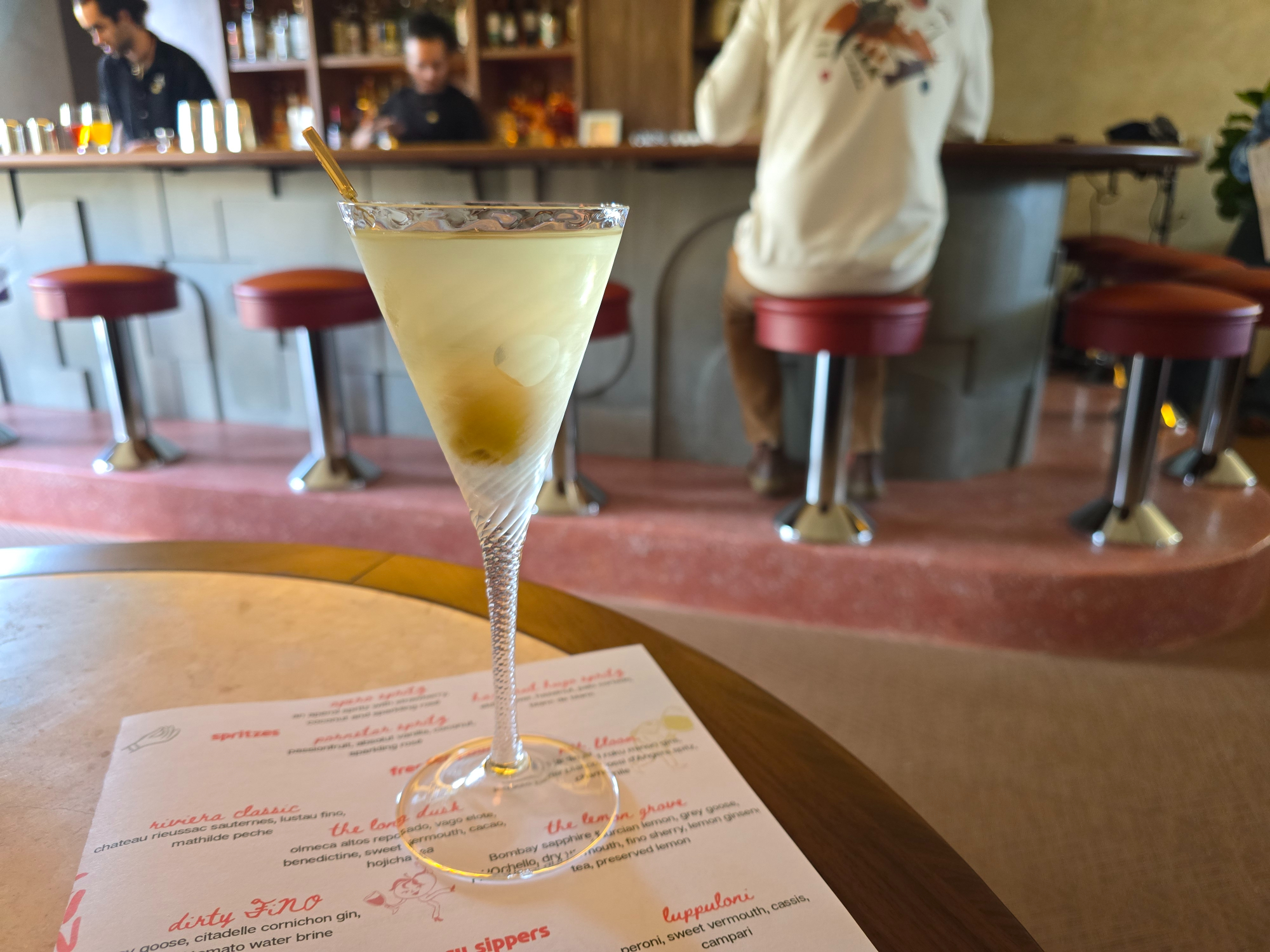
Also now open is FiNO, the restaurant inside the revamped All Inn Hotel on East Colfax. We enjoyed our first meal there; if you’re planning to visit, don’t miss the signature martini, the Medi Nachos and the caper-studded charred cabbage.
On East Sixth Avenue, the powerhouse duo behind the city’s best new barbecue restaurant, Riot BBQ, has debuted Chicken Riot in the former Truffle Cheese Shop space. Meanwhile, the former Whiskey Biscuit in Englewood is now the Barn, a neighborhood eatery from a pair of longtime hospitality pros, including former Brider chef Chase Devitt.
Taqueria Los Gallitos has expanded once again, adding an eighth location in the former Taco John’s near the shuttered Denver Merchandise Mart.
And just in time for the Rockies home opener on Friday, April 3, McGregor Square has opened its revamped food hall. The former Milepost Zero moniker is out. Now, the space is dubbed McGregor Square Food & Drink and includes six food stalls from local eateries: Anthony’s Pizza & Pasta, C Burger, G-Que BBQ, High Point Creamery, TaCo! and Tora Ramen.
There’s just one closure to report this week: Ballyhoo Table & Stage, which actually shuttered last month after an eviction notice was posted.
In other openings and closings news:
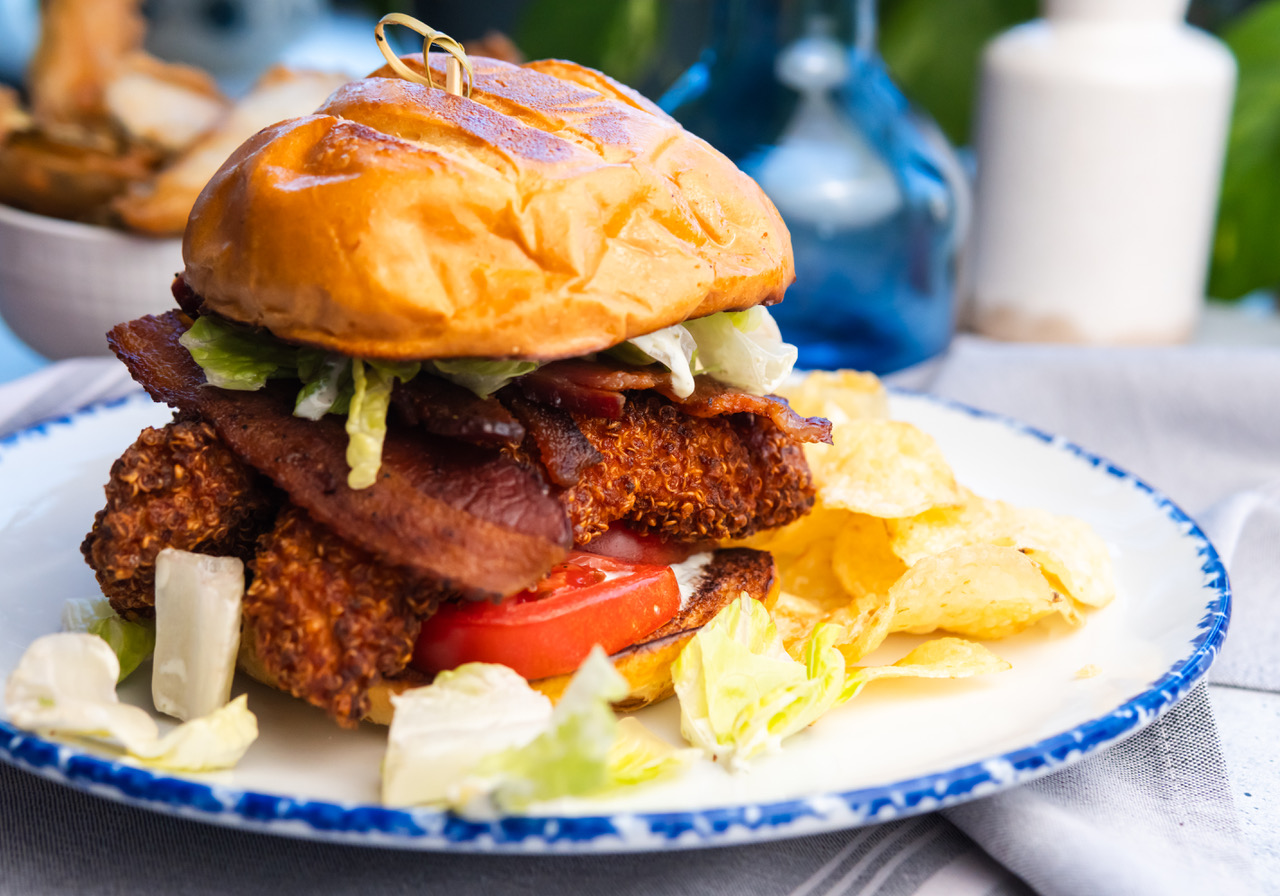
Here’s the complete list of restaurants and bars that opened and closed this week*:
Openings
The Barn South Broadway, 3299 South Broadway, Englewood
Chicken Riot, 2906 East Sixth Avenue
FiNO, 3015 East Colfax Avenue
McGregor Square Food & Drink, 1601 19th Street
Paperboy, 3940 West 32nd Avenue
Taqueria Los Gallitos, 5810 Logan Street
Closures
Ballyhoo Table & Stage, 3300 Tejon Street
*Or earlier and not previously reported.
Know of something we missed? Email cafe@westword.com.

World2 minutes ago
Over 2 dozen children among 33 bodies pulled from Kenyan mass grave: authorities

Politics8 minutes ago
Scathing report claims nation’s oldest labor union ‘betrayed’ MAGA members through ‘shocking’ spending

Health14 minutes ago
Cases of ‘white plague’ rising in US as doctors warn of ‘rebound effect’

Sports20 minutes ago
F1 star Max Verstappen suggests he’s considering retirement at age 28

Technology26 minutes ago
FBI email hack shows why you must lock down your tech

Florida1 year ago
Florida High School Football Rankings: Top 25 teams – Oct. 21

Oregon2 years ago
How old is Bo Nix? What to know about Oregon quarterback ahead of 2024 NFL Draft

Connecticut2 years ago
Cleary's 21 help Le Moyne down Central Connecticut State 69-64 in OT

Virginia2 years ago
99th annual Pony Swim held in Virginia

Indiana2 years ago
Indiana Members Credit Union announced as new anchor tenant at Bottleworks District
Politics8 minutes ago
Scathing report claims nation’s oldest labor union ‘betrayed’ MAGA members through ‘shocking’ spending

World1 hour ago
Republican US lawmaker demands Congress vote on any Iran troop deployment

News2 hours ago
So you went to a No Kings protest. Now what?

Politics12 hours ago
JD Vance says he was ‘obsessed’ with UFOs, believes aliens are actually ‘demons’
World13 hours ago
The EU's recipe for trade deals : easy on beef, tough on wine
-

 Sports1 week ago
IOC addresses execution of 19-year-old Iranian wrestler Saleh Mohammadi
-

 New Mexico7 days ago
Clovis shooting leaves one dead, four injured
-

 Miami, FL3 days ago
Jannik Sinner’s Girlfriend Laila Hasanovic Stuns in Ab-Revealing Post Amid Miami Open
-

 Tennessee6 days ago
Tennessee Police Investigating Alleged Assault Involving ‘Reacher’ Star Alan Ritchson
-

 Minneapolis, MN3 days ago
Boy who shielded classmate during school shooting receives Medal of Honor
-

 Technology1 week ago
YouTube job scam text: How to spot it fast
-

 Politics1 week ago
Schumer gambit fails as DHS shutdown hits 36 days and airport lines grow
-

 Science1 week ago
Record Heat Meets a Major Snow Drought Across the West