Texas
Texas apologizes for fans; UGA questions reversal


Texas officials issued an apology Sunday for fans throwing trash onto the field following a controversial pass interference call in the No. 1 Longhorns’ 30-15 loss to No. 5 Georgia on Saturday night.
“While we deeply appreciate the passion and loyalty of our fan base at The University of Texas at Austin, we do not condone the unsportsmanlike conduct that was exhibited by some individuals throwing objects onto the field during last night’s game and sincerely apologize to the University of Georgia players, coaches, and fans, as well as the Southeastern Conference and officiating crew,” a statement from Texas Board of Regents chairman Kevin Eltife, UT president Jay Hartzell and athletic director Chris Del Conte said.
“This type of behavior will not be tolerated.”
Trailing 23-8 in the third quarter, Texas safety Jahdae Barron stepped in front of Georgia’s Arian Smith and intercepted a pass, returning it 36 yards to the Georgia 9 and giving Texas new life. Officials called pass interference on Barron, however, and the 15-yard penalty was marked off.
Texas fans booed the call while watching multiple replays on the stadium’s video board, and trash started streaming down onto the field from near the student section, stopping play for a few minutes. While Sarkisian walked all the way to the 10-yard line to tell fans to stop, staff members and security cleaned up the bottles as officials conferred again.
The call was overturned after the stoppage, which raised concerns that the behavior actually helped the Longhorns.
“Now we’ve set a precedent that if you throw a bunch of stuff on the field and endanger athletes that you’ve got a chance to get your call reversed,” Georgia coach Kirby Smart said after the game. “And that’s unfortunate because, to me, that’s dangerous. That’s not what we want, and that’s not criticizing officials. That’s what happened.”
In a statement early Sunday morning, the SEC said officials “gathered to discuss the play, which is permitted to ensure the proper penalty is enforced.”
Early Sunday morning, Georgia athletic director Josh Brooks said in a post on X that he was “disappointed and frustrated” with how the call was reversed.
“Disagreeing with a singular call is natural and will happen several times in every football game. I can accept that,” Brooks said in his post. “What I cannot accept is the manner in which this specific call was reversed. The official claimed he erred in the call. My question is when did he realize the error?
“If it was before the delay that occurred due to fans throwing objects on the field, what stopped him before the head official made the announcement and spotted the ball? I have faith we, as a conference, will learn from this and get better. We must, because in the SEC it just means more.”
In 2021, the SEC fined the Volunteers $250,000 after fans threw objects on the field in Lane Kiffin’s return against Tennessee, where he had formerly coached. Fans threw bottles, cans and other projectiles at the Ole Miss sideline, including a golf ball that hit Kiffin. Tennessee had just been stopped on fourth down after a questionable spot by officials.
Texas officials said they will take steps to ensure the incident does not happen again.
“We appreciate the support of Longhorn Nation and are confident that, moving forward, we will continue to represent our university with pride and respect,” the statement said.
ESPN’s Mark Schlabach contributed to this report.


hosting the Athletics in the club’s home opener on Thursday, April 1. The complete 2027 schedule was announced today
by Major League Baseball.
The Rangers’ season opener on March 25

In an incident that was horrific beyond words, late last month, a stunned family watched in horror as a car plowed into the Katy, Texas home of a 76-year-old mother and grandmother, killing her. The driver has been charged with manslaughter.
In the aftermath of the crash, it emerged that the car in question was a Tesla, and that the driver was making use of full self-driving mode (FSD) around the time the crash occurred. The victim’s family has named Tesla and the driver as defendants in a lawsuit. But per Electrek, Tesla was able to view crash data very quickly after the incident, and the head of AI at the company, Ashok Elluswamy, said the driver “manually overrode self-driving by pressing the accelerator all the way to 100% of the accel pedal in this residential area.”
In the days after the crash, Tesla fans took issue with coverage that characterized the car as in FSD when the crash occurred. CEO Elon Musk seemed to agree, replying to a post, “Yes, this makes no sense. FSD drives slowly through neighborhood streets and this was a high speed crash!”
But Musk seems to be assuming bad faith, as if coverage implied FSD had suddenly shifted into, perhaps, some kind of previously unannounced homicidal maniac mode and attacked a house. If anyone was saying this is what happened, they should apologize. It’s clearly not what happened.
And on Wednesday, the National Transportation Safety Board (NTSB) largely confirmed Tesla’s version of events. Their report reads, in part:
“Electronic data recovered from the vehicle indicated that before the crash, the driver manually overrode FSD (Supervised) by pressing the accelerator pedal to 100%, and the vehicle’s speed was greater than 70 mph when the crash occurred.”
But cooler heads had noted weeks earlier that, like with good old fashioned cruise control, accelerating doesn’t boot you from FSD. The car takes the input, and stays in FSD. The question isn’t one of mechanics and technology, but one of philosophy: if FSD is meant to be “driving” when someone jams on the accelerator in a residential area, FSD may not be the “driver” in one important sense, but the car was still in FSD mode.
Because as much as Tesla would probably like FSD to be a total non-factor in the incident, that may not be the case either.
ABC News noted that, according to court documents, the driver claimed he “passed out” with the car in FSD on the highway, and that’s the last thing he remembers before the crash. He says he wasn’t sick, and medical records show no seizures, cardiac episodes, drugs, or alcohol.
A local Fox affiliate says records show the car was making deliveries for DoorDash while in FSD in the “hours and minutes leading up to the crash.” While in a neighborhood, it apparently signaled it was going to turn left onto one street, but instead the pedal went to the metal. This took the Tesla onto the victim’s cul-de-sac instead, and put it on its fateful collision course with her house.
To make matters weirder, other court records now show, per Electrek, that the driver had Googled the terms, “Tesla fsd not aggressive enough 2026,” “FSD is not aggressive enough for city driving,” and “Tesla fsd too timid.” That’s the kind of thing you Google when you’re looking for a Reddit post from someone sharing your consumer gripe.
In any case, the odds aren’t good that the driver wanted this to happen, nor that Tesla programmed its cars with evil intent. But FSD was being used around the time of this unusual fatal incident, and the public deserves to know more. Fortunately, a lot more will come out as the lawsuit progresses.

AUSTIN – Texas Attorney General Ken Paxton said Wednesday he has secured a settlement of bankruptcy claims against genetic testing company 23andMe stemming from a 2023 data breach that exposed personal information, including some genetic ancestry data, of 6.9 million customers worldwide.
Paxton’s office said the settlement includes $150 million for a multistate coalition of 42 states. But because of limited funds in 23andMe’s bankruptcy estate and competing claims, the states’ recovery will be $18 million paid immediately, with Texas receiving $1,266,860.
23andMe disclosed in October 2023 that attackers had accessed accounts affecting 6.9 million consumers. Some of the information was later posted for sale on the dark web, according to Paxton’s office, which said the company learned of the breach months after the data became publicly available. The office said 23andMe initially denied a breach and later blamed consumers’ account settings and password practices.
Paxton joined a multistate investigation that concluded 23andMe used unreasonable security practices and failed to implement adequate safeguards against hacking, the office said.
23andMe filed for bankruptcy protection in March 2025. Paxton’s office said the settlement incorporates privacy and cybersecurity requirements, including enhanced security standards, comprehensive risk assessments and creation of an independent advisory board, along with enforcement of state privacy laws and continued consumer data deletion rights.
“Companies that collect and profit from Texans’ most personal information have a legal duty to protect it,” Paxton said in a statement.
The company also agreed to a $46.75 million class-action settlement in the bankruptcy case for affected U.S. consumers who submitted claims by Feb. 17, 2026, Paxton’s office said.
Copyright 2026 by KPRC Click2Houston – All rights reserved.
-
 Business3 minutes ago
Netflix reports higher profits as investors worry about growth
-
 Entertainment9 minutes ago
Kris Jenner’s mom, beloved matriarch Mary Jo ‘MJ’ Shannon, dies at 91
-
 Politics21 minutes ago
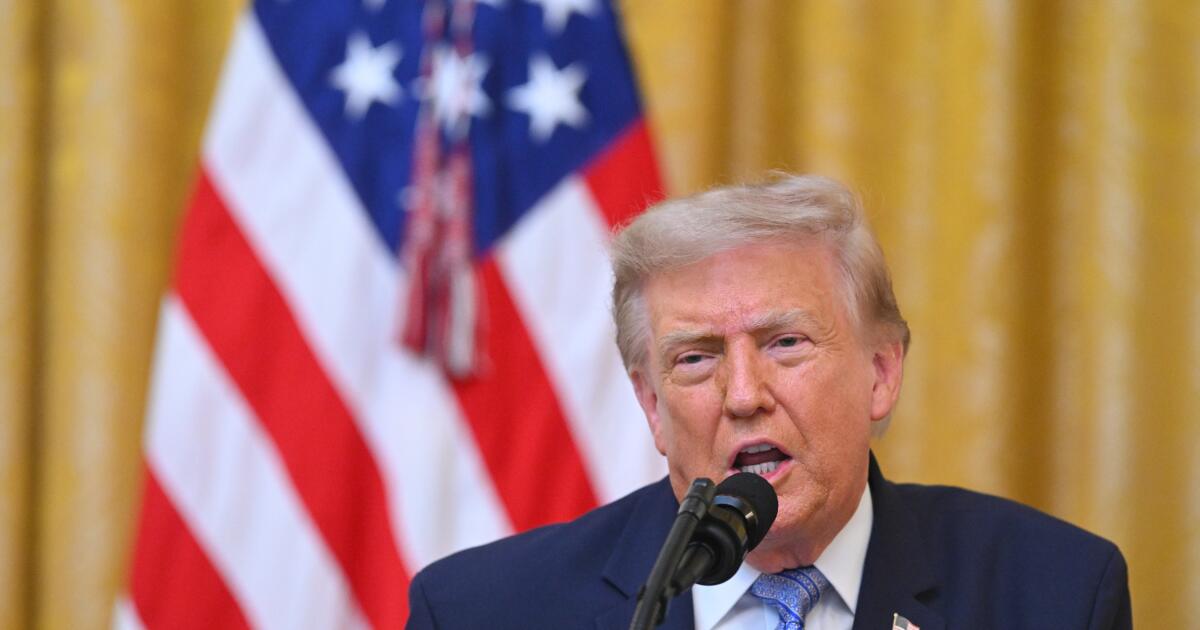
Trump repeats debunked claims about voting vulnerabilities in prime-time speech
-
 Science27 minutes ago
Bass administration quietly replaced chief heat officer a month ago
-
 Sports33 minutes ago
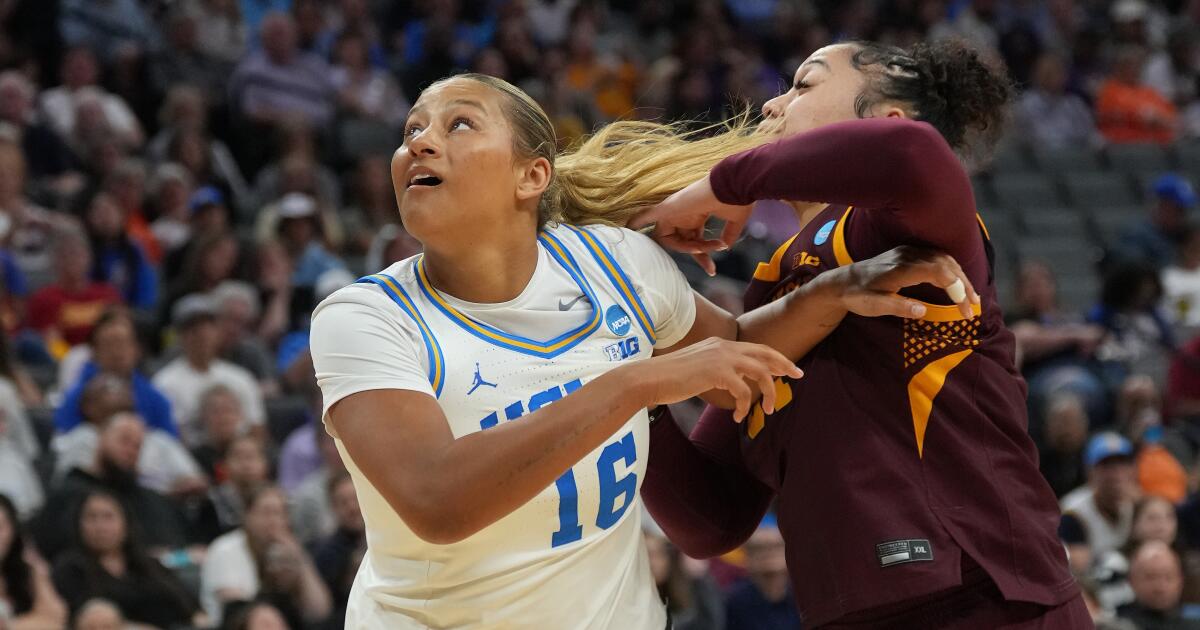
UCLA women embrace new players, tougher standards in bid to repeat as champs
-

 World45 minutes ago
China rebukes UK over nationalisation of British Steel
-
 News1 hour ago
Flood sirens blare in South Central Texas as rivers reach perilous heights
-

 Los Angeles, Ca3 hours ago
Arrest made in deadly shooting at 4th of July gathering in Compton; search for 2nd suspect continues

