Rhode Island
Does Size Matter? Every County In Wyoming Is Bigger Than Rhode Island


Wyoming is huge, the 10th largest state in the U.S. that feels even larger by being the least populated. Then there’s Rhode Island, which has been the smallest state in the United States since the U.S. was founded.
At 48 miles wide and 37 miles long, it has a total area of 1,545 square miles, but it still has about double the population of the Cowboy State.
At 97,813 square miles, Wyoming is more than 63 times larger. Yellowstone National Park alone is bigger than Rhode Island and Delaware combined.
Not only that, each of Wyoming’s 23 counties is larger than Rhode Island, one of three states that can claim this, along with Arizona and Alaska.
But who’s keeping track? Rhode Islanders certainly aren’t.
“We view our size as an advantage,” Matthew Touchette, director of Communications for Rhode Island Commerce, told Cowboy State Daily. “You can drive from the southernmost point of the state to the northernmost point in about 45 to 50 minutes. That’s a single tank of gas to see all of Rhode Island.”
Compare that to Wyoming, were it often takes more time driving from town to town, let alone from border to border.
How Many Rhode Islands?
When comparing Rhode Island to every county in Wyoming, the story’s the same: they’re all bigger. Sometimes several times bigger.
Let’s take one from the middle of the list. Campbell County is the seventh-largest county in Wyoming at 4,802 square miles. That’s just over three Rhode Islands.
Even Wyoming’s smallest county, Hot Springs County, is more than 500 square miles larger than Rhode Island. Sweetwater County, the largest in Wyoming, is nearly seven times as big.
According to the 2020 Census, 47,026 people live in Campbell County, compared to 1.1 million in Rhode Island. If the population were correlated to size, there would be 3.3 million people living in Campbell County.
There are nearly two people in Rhode Island for every one in the entire state of Wyoming and more than 23 people for every one person in Campbell County.
Rhode Island has only five counties to Wyoming’s 23. However, Rhode Island’s counties haven’t had any governmental functions since 1846, and there are no local governments on the county level.
But there’s one thing both states have in common. As of 2025, Wyoming and Rhode Island have only one area code, 307 and 401, respectively.
Size Doesn’t Matter – Proximity Does
Touchette said Rhode Islanders don’t see their small size as anything but an advantage. Their state is small but has diversity and proximity in its favor.
“We’re a coastal state, so we have oceanfront communities with ocean access,” he said. “We have major cities and quaint, historic small towns, beaches, forests and state parks. There’s something for everybody here.”
Touchette also noted that anywhere in Rhode Island is less than an hour from Boston, Massachusetts, and less than two hours from New York City. This is attractive to many large employers and employees on the East Coast.
Touchette recommends Rhode Island for anyone who doesn’t want the hustle and bustle of “the big city” but still wants to be close enough to take advantage of opportunities.
“We have a lot of the same history and infrastructure as those big cities without all the traffic and craziness,” he said. “I don’t view our size as a disadvantage by any means.”
County Comparison
Wyoming’s more than a bit more spread out.
Gillette in Campbell County is two hours from Rapid City, South Dakota, three hours from Billings, Montana, and nearly four hours from Cheyenne. That’s not bad, considering the vastness of the Cowboy State.
A Campbell County Sheriff’s deputy couldn’t drive across Wyoming on a single tank of gas. They must top their tanks daily to ensure they complete their patrols without running out.
And those patrols have the agency covering an area the size of three Rhode Islands, meaning they cover triple the territory of their East Coast counterparts.
“Most of our officers fill up every single day when they go on shift and get off shift,” said Campbell County Undersheriff Quentin Reynolds. “We try not to let our vehicles get below half because we’ve had officers run out of fuel on high-speed chases.”
While Rhode Island has five counties, Campbell County has five districts that its deputies patrol. The mileage varies from officer to officer, but there’s a lot of ground to cover.
“We’ve got some mountainous terrain and a lot of flat areas, too,” he said. “We’re not as varied as other counties in our great state, but we’ve got a little bit of everything.”
Compared to Rhode Island, Campbell County might seem like another planet. Reynolds tries to wrap his head around how 1.1 million people fit in a state that’s three times smaller than his entire county.
“We’re the third-most populated county in Wyoming, and you still might only meet one or two vehicles in a 30-minute drive,” he said. “That’s a long way from backup when and where you need it.”
More People, More Problems
Rhode Island gets mocked for its size, while Wyoming gets mocked for its emptiness (and theoretically not existing). But there’s another piece of common ground between the vastly differently states — size is precisely what makes them the perfect places to call home.
“We’re very fortunate in Campbell County,” Reynolds said. “We have a great community, the commissioners ensure we have good vehicles and equipment, and our pay is comparable to other departments. I think many Wyoming communities and sheriff departments feel the same way.”
Rhode Islanders might enjoy being close enough to the big city action while staying close enough to step in as they’d like. Wyomingites are far from everything, which is how Reynolds and many others like it.
“More people, more problems,” Reynolds said. “That’s how we look at it. You get a little excitement, but you don’t get daily adrenaline dumps or feel like your life is in danger on a daily basis. There’s just enough people and plenty of space.”
Andrew Rossi can be reached at arossi@cowboystatedaily.com.



Costco sells 10-pound chocolate bunny. See the huge Easter treat.
Costco sells a ten pound chocolate Easter bunny with over 22,000 calories and shoppers cannot believe its massive size.
Need to grab some last-minute marshmallow Peeps or eggs to dye on Easter? What about that glazed ham? Many Rhode Island grocery stores will be open on Easter Sunday, but their hours may be limited.
While no state laws prevent supermarkets from opening as usual on Easter, many opt to open with limited hours to allow employees to celebrate the holiday.
To avoid any surprises, shoppers should check store hours before heading out to the supermarket on Sunday, April 5.
Here’s what to know about popular Rhode Island grocery stores on the spring holiday.
Is Stop & Shop open on Easter 2026?
Most Rhode Island Stop & Shop stores will be open until 5 p.m. on Easter Sunday, the website said.
Is Market Basket open on Easter 2026?
All Market Basket stores, including the ones in Warwick and Johnston, will be closed on Easter Sunday.
Is Shaw’s open on Easter 2026?
Most Shaw’s locations will be open regular business hours on Easter Sunday.
Check the Shaw’s store locator for your local store’s hours.
Is ALDI open on Easter 2026?
ALDI locations will be closed on Easter Sunday, including the Providence, Warwick, Johnston, and Westerly stores, according to the chain’s website.
Is Price Rite open on Easter 2026?
Most Price Rite stores in Rhode Island will be open from 8 a.m. to 5 p.m. on April 5, according to a company spokesperson.
However, the Pawtucket, Providence, and Cranston stores will be open from 7 a.m. to 7 p.m. The Johnston location will be open from 7 a.m. to 5 p.m.
Is Dave’s Fresh Marketplace open on Easter 2026?
All Dave’s Fresh Marketplace locations will be closed on Easter Sunday, a company spokesperson confirmed.
Is Whole Foods open on Easter 2026?
Many Whole Foods locations are open on Easter Sunday, but with modified hours, the chain’s website said.
The Cranston store and both Providence locations will be open from 8 a.m. to 6 p.m. Customers should check their local store’s website for details.
Is Trader Joe’s open on Easter 2026?
All Trader Joe’s stores, including the Providence and Warwick locations, will be open regular hours on Easter 2026.
Is Walmart open on Easter 2026?
Walmart stores will be open regular hours on Easter Sunday, according to the company. This includes the Providence, Coventry, Newport, and Cranston locations.
Is Target open on Easter 2026?
All Target stores will be closed on Easter Sunday, according to the company’s website.
Is Costco open on Easter 2026?
All Costco warehouses will be closed on Easter 2026, according to the company.
Although there aren’t any Costco warehouses in Rhode Island, there is one in Sharon, Mass., about a 24-mile drive from downtown Providence.
Is BJ’s Wholesale Club open on Easter 2026?
Most BJ’s Wholesale Club locations will be open from 8 a.m. to 6 p.m. on Easter Sunday, according to the company. However, customers should check with their local club to confirm hours.

BLACKSTONE, Mass. (WJAR) — The Rhode Island Chapter of Disabled American Veterans DAV Community Impact Day cleaning up flags at Saint Charles Cemetery in Blackstone.
Many American flags on veterans’ graves were damaged due to the winter weather.
The goal was to restore them and make sure veterans are honored for their sacrifices.
BE THE FIRST TO COMMENT
DAV also supports veterans and their families to make sure they get the support they need.

RI Gov. Dan McKee discusses plans to eliminate tax on Social Security
He announced his plan to get rid of the tax on Social Security income at Edward King House Senior Center in Newport on March 16.
In the 2009 State of the State address Governor Don Carcieri said he was “tired of people writing stories about Rhode Island being ‘tax hell’.” In response the governor convened a Tax Policy Strategic Workgroup. As state director of revenue, I chaired the Workgroup. We were charged with developing a tax strategy so that Rhode Island’s tax structure would be a competitive advantage in retaining jobs and recruiting businesses.
Over the next few legislative sessions, the state’s tax code was reformed. The top marginal income tax rate was reduced from 9.90 percent to 5.99 percent. As a quid pro quo itemization was eliminated, the standard deduction and personal exemptions were phased out for high-income filers, the alternative minimum tax was eliminated, tax brackets and exemptions were indexed to inflation, and the numbers of tax credits were reduced from 45 to 9.
The method of apportioning the corporate income tax was modernized, and the tax rate was reduced from nine percent to seven percent – the lowest rate in New England. The threshold of the estate tax deduction was doubled and indexed to inflation.
As a result, Rhode Island escaped the designation of having one of the ten worst tax climates for business. In 2011, when the General Assembly began addressing tax reform, the conservative Tax Foundation’s Business Tax Climate Index ranked the Ocean State’s tax climate 46th (5th worst). By 2025 it improved to 39th. This year Rhode Island ranks 40th.
Currently both Democratic gubernatorial candidates are proposing a tax policy “sea-change.” They are promoting legislation to impose an 8.99 percent rate on taxable incomes over $1 million, a 50 percent increase over the current rate of 5.99 percent.
Deciding the merits of this proposal should be based on the tenets of sound tax policy: equity, competitiveness, and transparency. Equity is achieved when no group carries a disproportionate share of the tax burden. Transparency is achieved when the system is user-friendly and efficiently administered.
The most difficult principle to measure is competitiveness. Economists have not always agreed on the effect tax burdens have on the economic decisions made by households and businesses.
Can a top marginal income tax rate be increased by 50 percent and not have a demonstrable impact on job growth and investments?
It will be challenging to resolve this question because the “peer reviewed research” supports different conclusions. Academic research through the 1960s generally found limited evidence that tax rate differentials influenced business growth and location decisions. In the 1980s, studies found the impact of tax burdens on private sector economic activity depended on specific circumstances. More recent empirical studies indicate tax changes do influence economic behavior. However, there are difference as to the degree of such influences.
Rhode Island’s business leaders opposed to the 50 percent increase in the top marginal tax rate point to state competitiveness rankings, potential out-migration of people and capital, fiscal volatility, and the impact on small business. Progressive proponents cite data suggesting top-rate increases rarely affect state-level growth, and high-income migration responses are marginal.
Given economic and international uncertainties, could the timing of income tax rate increase be a riverboat gamble with Rhode Island’s future economic well-being? An informed decision should provide data and analysis on the following threshold questions.
What is the forecasted impact of the millionaire’s tax on state GDP growth, employment, and revenue feedback effects?
Without doing harm, how high can the rate be set relative to competitor states? If the top marginal rate was increased by 15% compared to the 50%, how would the gamble be mitigated?
What will the new revenue be used for – education, infrastructure, housing, working families tax relief, or balancing the budget?
What are the costs and benefits of maintaining the status quo?
Will Rhode Island’s availability of skilled labor, preparedness for an artificial intelligence economy, and other amenities minimize any potential economic impacts of a 50 percent increase in the top income tax rate? Some states may have competitive advantages that could reduce the economic risks, while others may not.
Gary Sasse served as director of the R.I. Departments of Revenue and Administration.

She Lost 117 Pounds With the Help of Daily Prayer—Here’s How
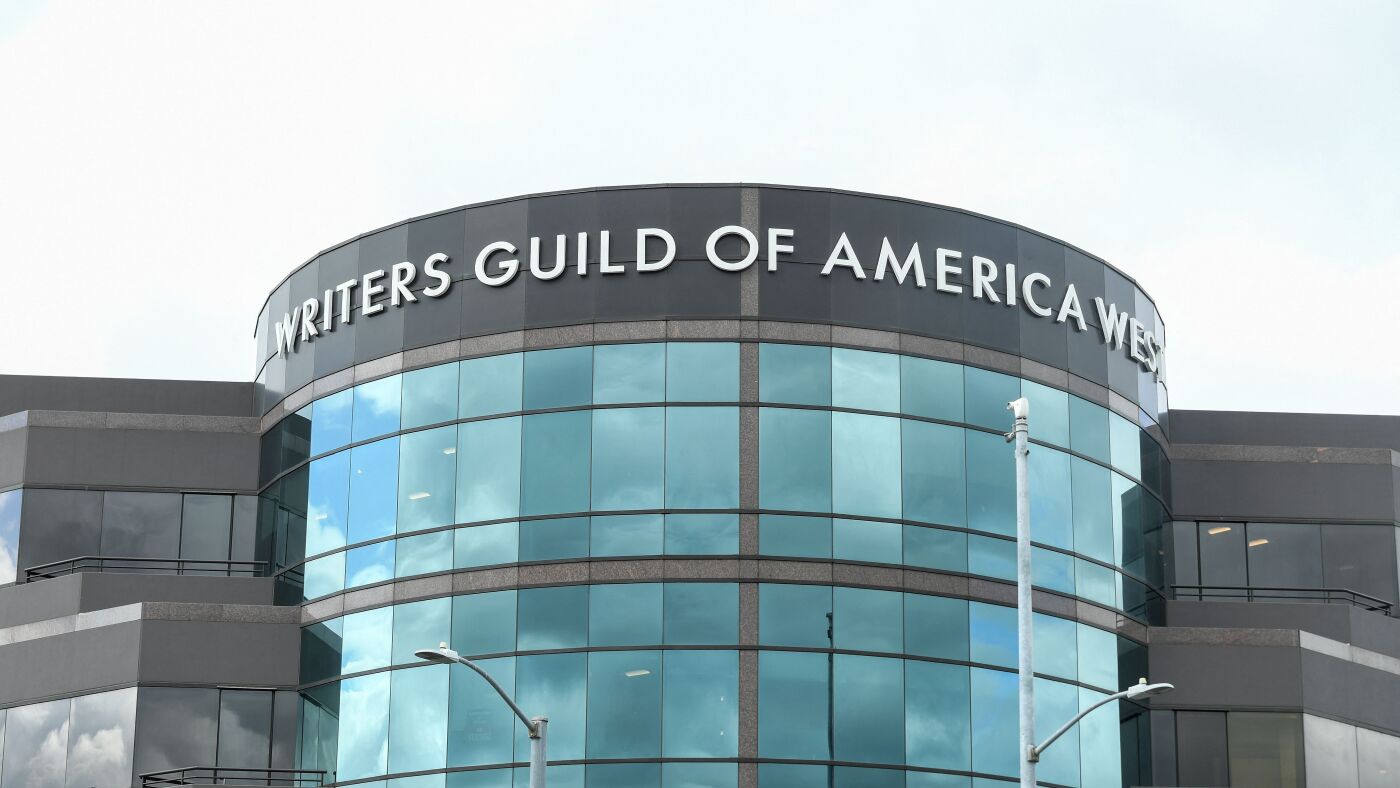
Hollywood studios reach a tentative agreement with writers union

Los Thuthanaka’s Wak’a is a mellower follow-up to last year’s surprise Pitchfork favorite

Surging UK Green Party pushes church-state split, critics warn of break from Britain’s Christian roots

Tax day is next week: Avoid these 5 common mistakes that can cost you money

Florida High School Football Rankings: Top 25 teams – Oct. 21

How old is Bo Nix? What to know about Oregon quarterback ahead of 2024 NFL Draft

Cleary's 21 help Le Moyne down Central Connecticut State 69-64 in OT

99th annual Pony Swim held in Virginia

Indiana Members Credit Union announced as new anchor tenant at Bottleworks District
Tax day is next week: Avoid these 5 common mistakes that can cost you money

Hamas armed wing says disarmament demands not acceptable

Trump issues fiery new threat against Iran as details of US aviator’s rescue emerge

DHS slams Democrat Sen Chris Van Hollen claim, says illegal alien caused crash while fleeing ICE

Zelenskyy warns US-Iran war could divert critical aid from Ukraine
-

 South-Carolina1 week ago
South Carolina vs TCU predictions for Elite Eight game in March Madness
-

 Atlanta, GA18 hours ago
1 teenage girl killed, another injured in shooting at Piedmont Park, police say
-

 Vermont1 week ago
Skier dies after fall at Sugarbush Resort
-

 Movie Reviews4 days ago
Vaazha 2 first half review: Hashir anchors a lively, chaos-filled teen tale
-

 Politics1 week ago
Trump’s Ballroom Design Has Barely Been Scrutinized
-

 Atlanta, GA1 week ago
Fetishist ‘No Kings’ protester in mask drags ‘Trump’ and ‘JD Vance’ behind her wheelchair
-
 Entertainment4 days ago
Inside Ye’s first comeback show at SoFi Stadium
-

 Politics1 week ago
JD Vance says he was ‘obsessed’ with UFOs, believes aliens are actually ‘demons’