Mississippi
Minnesota adopts new, non-racist state flag, joins Utah, Mississippi, Michigan, Illinois in redesigning flags


The state of Minnesota is set to get a new official flag this spring that will reflect its motto of being the North Star State, replacing an old flag that pictured a Native American that some critics argued was racist.
State officials formed a committee and allowed entries from members of the community before voting and ultimately adopting a new flag design in December that included two blue shapes with a white star.
The dark blue shape on the left of the flag resembles Minnesota. On the right is a light blue field that symbolizes the abundant waters that help define the Land of 10,000 Lakes. It also has a white, eight-pointed North Star on it.
The Legislature is likely to approve the new flag — and a new state seal — and they will become official on May 11. The change comes as several other states also have been redesigning their flags, including Utah, Mississippi, Michigan, Illinois and Maine.
COMMISSION BEGINS WORK ON NEW MINNESOTA STATE FLAG
A final Minnesota’s flag design is on display Tuesday, Dec. 19, 2023 St. Paul, Minn. The new state flag should feature an eight-pointed North Star against a dark blue background shaped like the state, with a solid light blue field at the right, a special commission decided Monday as it picked a replacement for an older design that many Native Americans considered offensive. (Glen Stubbe /Star Tribune via AP)
The new Minnesota flag was chosen by a committee that was provided with more than 2,600 proposals from the public. The committee chose a base design from Andrew Prekker, 24, of Luverne.
The commission then made some changes that included replacing his original light blue, white and green stripes with a solid, light blue field.
The significance of the light blue area is open to interpretation. The original Dakota name for Minnesota, Mni Sóta Makoce, which will go on the new seal, can be translated as “where the water meets the sky.” The commission’s chairman, Luis Fitch, said the light blue can also represent the Mississippi River, which originates in Minnesota.
Minnesota’s flag commission Chair Luis Fitch adjusts some of the final designs as the commission meets today in hopes of picking a final flag design Tuesday, Dec. 19, 2023 St. Paul, Minn. (Glen Stubbe /Star Tribune via AP)
The new flag was met with some criticism, as commentators said it was boring or a wasteful change. Supporters of the new flag are hopeful that it will grow on people.
One Indigenous graphic designer is already selling T-shirts online that bear the new design and say, “At least the flag isn’t racist anymore.”
A Minnesota flag blew in the wind and snow before its redesign. (Stephen Maturen/Getty Images)
Other states are also considering or have already made flag changes.
UTAH GETS OFFICIAL NEW FLAG AFTER GOVERNOR COX SIGNS BILL, EXECUTIVE ORDER
The Utah Legislature last winter approved a design that featured a beehive, a symbol of prosperity.
Mississippi chose a new flag with a magnolia to replace a Confederate-themed flag.
Michigan has started the process of simplifying its flag — which currently features a bald eagle, an elk and a moose and Latin words — to a tri-color design with stars or a lighthouse.
Illinois Gov. JB Pritzker has also initiated an effort to change his state flag, a process that will allow a flag commission to select potential flag designs by September 2024.
“Throughout our 205-year history, Illinois has boasted two official state flags — and it may be time we create a new one that exemplifies the values of our great state,” Pritzker said in August 2023.
Lt. Gov. Juliana Stratton added: “Our state flag demonstrates who we are as one Illinois, uplifting our history and our values. This bill will ensure the Illinois flag continues to be a symbol of progress and the ideals we uphold with the utmost honor. With the creation of the next flag of our state, we are ushering in a new era that will represent every Illinoisan and commemorate how far we have come so we may go even further together.”
CLICK HERE TO GET THE FOX NEWS APP
In Maine, residents want to replace the current flag with a retro version featuring a simple pine tree and a blue north star. The current design features a pine tree, a moose, a seafarer and a lumberjack, against a blue background.
Democratic Gov. Janet Mills wants “robust public debate and discussion on all sides of the issue,” before a change is adopted, according to Mills spokesperson Ben Goodman.
The Associated Press contributed to this report.



See video of MS Lt. Gov. Hosemann speaking on redistricting
Mississippi Lt. Gov. Delbert Hosemann speaks on redistricting during the Neshoba County Fair in Philadelphia, MS, on June 24, 2026.
PHILADELPHIA — When asked about his campaign plans for the statewide elections in November 2027, Lt. Gov. Delbert Hosemann has avoided giving a straight answer. Usually, he tells the media that his next focus is a long checklist of priorities to tackle next legislative session.
The governor’s race next year, the first this decade without term-limited incumbent Gov. Tate Reeves, is rumored to feature a crowded field. For current officeholders, even those who don’t work directly with the state Legislature, the bills that they can endorse and urge across the finish line are often the feathers in their cap touted on the campaign trail.
During the two days of political speaking at the Neshoba County Fair, Hosemann and other state leaders gave attendees a clearer view of what their goals are for those 60 days of debate.
Redistricting
One of the priorities common to most speakers was legislative and congressional redistricting in the wake of the U.S. Supreme Court decision that prohibited drawing voting districts on the basis of race. Reeves initially called a special session on redistricting, specifically regarding the state Supreme Court districts, but he later canceled it.
The governor opted to cancel the session, he said, because Mississippi had already had its primary. Instead, he charged Hosemann and House Speaker Jason White, the leaders of each chamber, with navigating the process during the next legislative session.
Through their redistricting committees, both said at the Neshoba County Fair, they are preparing to do exactly that.
“The Democrats used [prior Supreme Court rulings] to make sure they elected Democrats and not the people that you wanted. Now the Supreme Court has changed that, and we’re back to ground one where we should be,” Hosemann said. “We’ve appointed a committee, they’ll be out in Mississippi … looking at who do you want to represent you and how is your district to be set up? It’s coming back to the people where it was before, where it should be today.”
Mississippi Rep. Scott Bounds and Sen. Lane Taylor, both of whom represent the Neshoba County area, are on their respective redistricting committees. Both promised that redistricting is among the first issues that the Legislature plans to take up in January, with Bounds adding that the focus is on redrawing the state legislative districts.
“I believe the best way to enact common sense, conservative policies is by electing Republicans to office,” Jason White said. “The Mississippi House of Representatives stands for that, and we will examine redistricting and elect more Republicans to local, state and federal offices.”
Reeves confirmed that he “would not be surprised” if there is a special session before the next legislative session begins in January, but that even without it, the Legislature “would definitely have redistricting done” before the statewide elections in November 2027. Reeves has the power to call a special session at any point.
K-12 and higher education
Hosemann and White took, if not opposite perspectives, then at least different approaches to improving the state’s public and higher education systems.
White’s primary focus, he said in his speech, lays again with school choice. He told the crowd that, while lawmakers were still drafting legislation, Mississippians could expect to see a similar attempt this upcoming year as representatives put forward in January.
“I think you’ll see most statewide candidates for governor fully endorsing the idea of school choice and pushing it forward. I think the reason they will do that is because they’re smart, they’ve been polling, they’re spending their money to see what issues are important to people,” White said after giving his speech. “They’re finding out that when you get outside of the room and have a real conversation with parents, they want those choices.”
The 500-page, sweeping bill from last year primarily proposed using state money to fund vouchers for students to attend private and charter schools. It passed the House, where it originated, in a narrow vote before getting a resounding “no” vote in the Senate education committee.
“I wish the Senate would come forward and say, ‘Look, we don’t want to go through all that again. Here’s what we would do,’” White said. “I wish there would be a way to find a win-win, but to this point, they’ve been unwilling to have a conversation. That makes it tough politics for me when they’re unwilling to even have a conversation.”
Hosemann has loudly opposed state-funded vouchers, and he took the dais to advocate for more funding in public schools. One of his education priorities for the next year, he told the crowd, was opening more special-purpose schools for children with disabilities and developmental disorders such as autism.
Where Hosemann and White have agreed is that Mississippi’s education systems are bloated. Hosemann spoke specifically about higher education, telling reporters after his speech that some institutions graduate fewer than 25% of their enrollment. He touted the benefits of performance-based funding in ensuring that schools are motivated to educate high-performing students, and Mississippians could likely see changes to the funding formula in 2027.
White has largely focused, for the moment, on K-12 public schools. He formed a committee on school consolidation that has zeroed in on small schools and districts, and top officials with the state education department have asked for the Legislature to draft a framework for closing schools in the coming years.
How big should the government be?
Maybe the only thing that every Republican speaker agreed on was that Mississippi’s government needs to be smaller, but they phrased reform in different ways.
Reeves promoted artificial intelligence that makes workflows more efficient and decreases the number of state employees needed to do a certain job. White urged the government to decrease property taxes, because the burden makes property owners “feel like they rent the property that they own.”
Hosemann pointed to a Senate committee on efficiency and transparency that has moved to eliminate 17 government committees and boards he described as useless. White formed a similar special committee on government efficiency that has met over the summer to weigh cost-cutting measures.
While details on which departments could be downsized and precise estimates of potential savings have not been publicly outlined, nearly every state official, member of the Legislature and candidate who spoke at the Neshoba County Fair promised significant reform next session.
Bea Anhuci is the state government reporter for the Clarion Ledger. She has covered Mississippi politics since the start of 2026. Email her at banhuci@usatodayco.com.

Celebrate the Fourth of July at these free events with fireworks displays in the Jackson area.
How to help your dog deal with July 4 fireworks
The loud bang of fireworks causes anxiety for dogs. Here’s how to help your pet on July 4.
Independence Day is always an exciting holiday in Mississippi with burgers and hot dogs sizzling on the grill and the dazzling displays of fireworks.
This year is even more special as America celebrates its 250th birthday. It is a celebration of a milestone not to be missed and the fireworks displays will be spectacular.
If you live in the Jackson area there are plenty of events to choose from and not all of them are on Saturday, July 4, so you can go and enjoy more than one. To make them even better, the events are free.
So, here are some of the area events that include fireworks where you can celebrate America 250.
Jackson Fireworks Extravaganza
- When: 5 p.m., Wednesday, July 1
- Where: Smith Wills Stadium, 1200 Lakeland Drive, Jackson
- Admission: Free
The City of Jackson is hosting its Fireworks Extravaganza starting at 5 p.m. Wednesday, July 1, at Smith Wills Stadium.
Before the fireworks, guests can enjoy local food vendors and live entertainment. The event also will include a kid zone with water slides, bounce houses, face painting and games.
Independence Celebration at The Rez
- When: Saturday, June 27, 5-9 p.m.
- Where: Bobby Cleveland Park at Lakeshore and Old Trace Park
- Admission: Free
Celebrate Independence Day Rez-style at the Ross Barnett Reservoir. The event takes place the Saturday before the Fourth of July at Bobby Cleveland Park at Lakeshore and Old Trace Park.
Live music, kid zones, food vendors and beer will be on hand. Fireworks begin at 9 p.m. No outside coolers are allowed.
Freedom Fest
- When: 6 to 10 p.m., Friday, July 3
- Where: Brandon Amphitheater, 8190 Rock Way, Brandon
- Admission: Free
Brandon’s complimentary Freedom Fest will be a kick-off to the holiday weekend celebrations. The event will include inflatables for the kids, a Cornhole tournament, face painting, food trucks and will close with a patriotic concert and fireworks display.
Red, White and Blue Fest
- When: 4 p.m., Saturday, July 4
- Where: Soccer Row, Traceway Park, Clinton
- Admission: Free
The 36th annual Red, White and Blue Fest in Clinton starts at 4 p.m. on Saturday, July 4.
Local live music, food and games lead up to the fireworks finale at 9 p.m. Live music performances include blues prodigy John Clayton White at 5:30 p.m. and The Fountain City Players at 7:15 p.m.
Brian Broom has been reporting on and photographing Mississippi for more than 35 years. He can be reached at 601-961-7225 or bbroom@gannett.com.

-

 Technology12 minutes ago
Android 17’s new foldable gaming mode could make flippy phones more fun
-

 World15 minutes ago
Shark attack survivor wakes from 10-day coma and shares first words with family at her hospital bedside
-

 Politics20 minutes ago
Trump administration pledges $150M in aid, deploys Navy warships after deadly Venezuela earthquakes
-

 Sports29 minutes ago
Second Lady Usha Vance joins celebrity-filled crowd for Team USA’s group-stage finale in LA
-

 Technology34 minutes ago
Debt collection letter for debt you don’t owe? What to do now
-
 Business42 minutes ago
Newsom blesses Uber ballot measure truce — but fight over car crash lawsuits continues
-
 Entertainment45 minutes ago
La Cruz offers a musical memorial to Pulse shooting victims on Pride Month
-
 Politics57 minutes ago
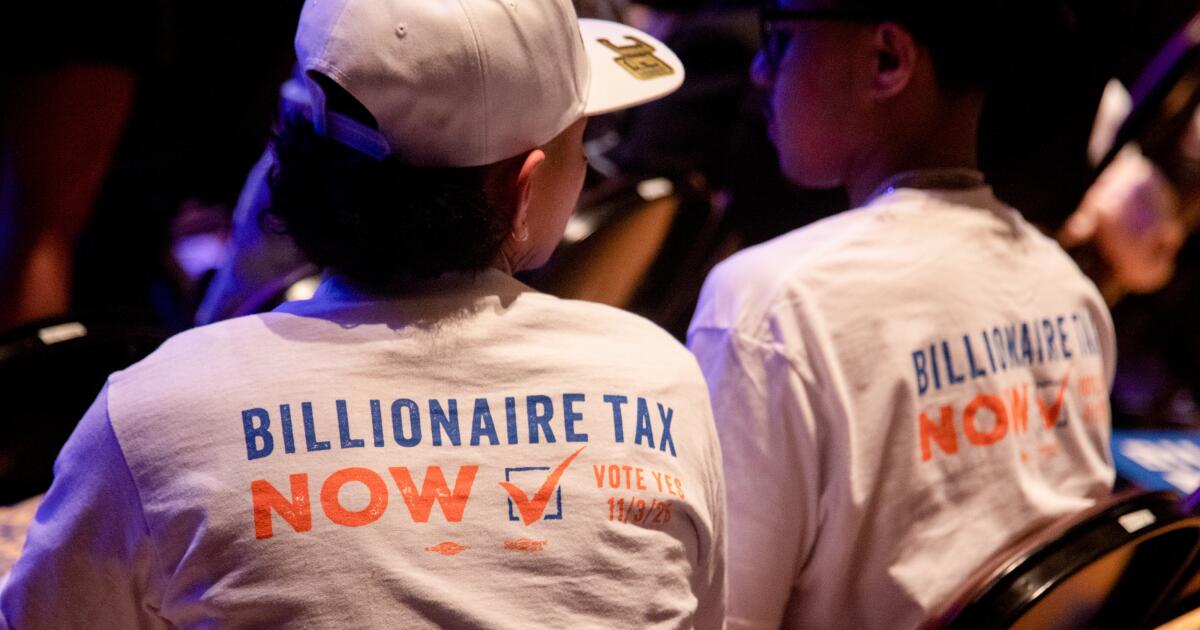
Controversial billionaire tax proposal will appear on November ballot

