San Francisco, CA
I've worked in San Francisco, Chicago, and Silicon Valley. Only one has the best mix for career, family, and socializing.

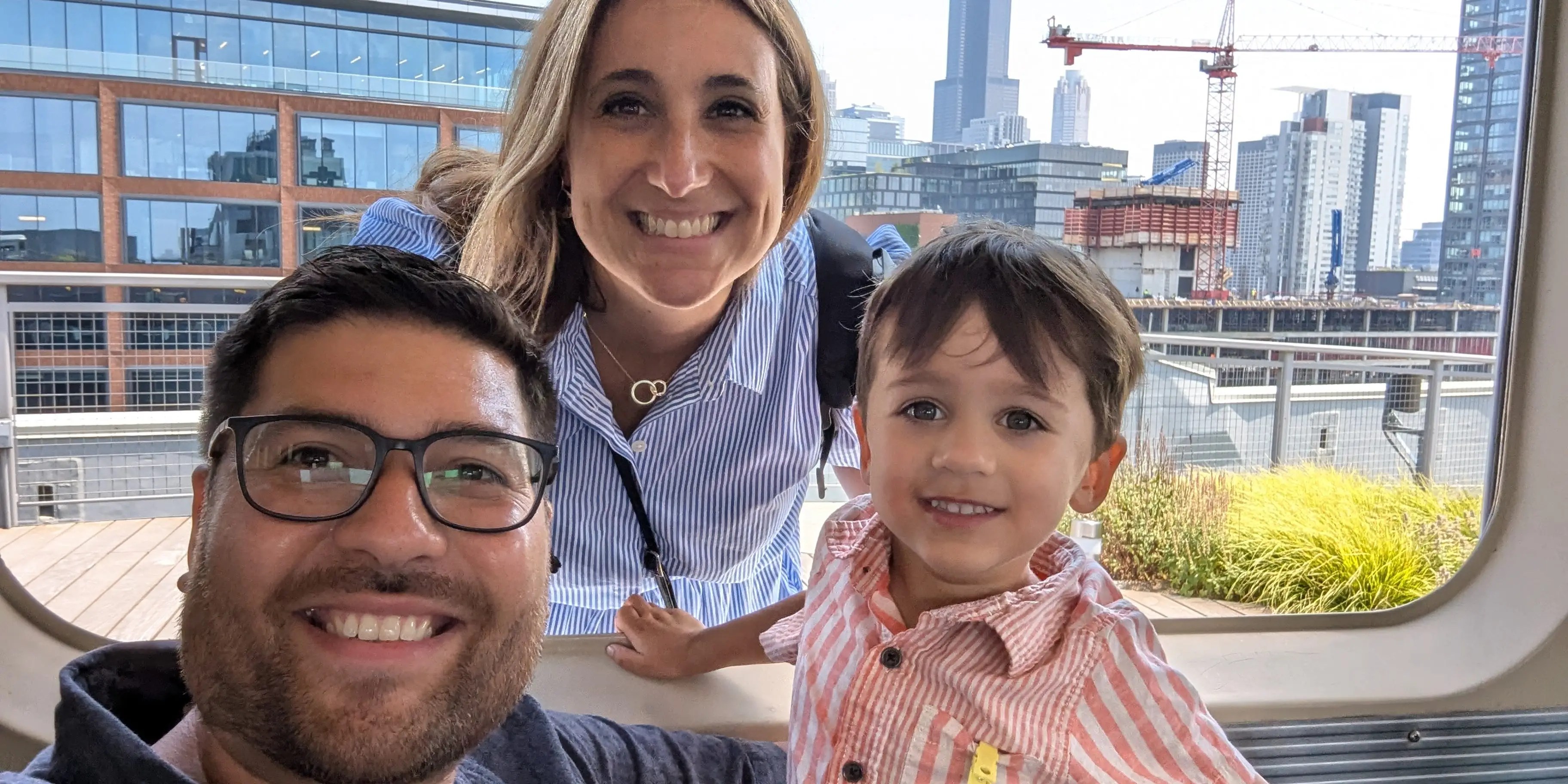
- Mike Manalac has worked in the tech hubs of San Francisco, Silicon Valley, and Chicago since 2016.
- He says each place has its strengths, but Chicago is the best place for raising a family.
- Chicago offers Manalac and his family the perfect balance career, affordability, and family life.
This as-told-to essay is based on a conversation with Mike Manalac, a 39-year-old accounting manager at Google. It’s been edited for length and clarity.
Over the past eight years, I’ve worked in the tech scenes of San Francisco, Silicon Valley, and Chicago. The three places couldn’t be more different in terms of lifestyle, and they’ve each appealed to me for different reasons.
Here’s how the three places compare:
San Francisco is fun but not for the faint of heart
Mike Manalac
I moved to San Francisco in 2016 to pursue world-class career opportunities and adventure. I’d spent the past eight years as an audit manager in Baltimore and the cross-country move was a big change for me.
As someone with ambitious career goals, San Francisco was the mecca of opportunity, so I joined PwC to get closer to Bay Area tech jobs. Some of the world’s most innovative companies were basically next door, and their corporate headquarters lined the city’s blocks like Lego bricks.
I once interviewed at Salesforce’s headquarters while on my lunch break since it was only a few blocks away from PwC. When doing phone screens for Uber, Twitter, and Dolby, I knew I’d be able to walk over to their offices for an on-site interview at a moment’s notice.
As a young professional with limited life responsibilities, San Francisco turned out to be the perfect place to live fast and loose. The social scene was amazing — a night out for drinks could mean stopping by a speakeasy with no sign, sipping a mai tai on a floating tiki bar, or drinks served from a bathtub at a bar the size of a walk-in closet.
San Francisco also has the best park scene in the country; I’ve yet to find a better party than a regular Saturday afternoon at Dolores Park.
Mike Manalac
It’s also a walkable city. For the first time in my adult life, I was car-free. The city was full of trendy coffee shops, unique bars and restaurants, and charming neighborhoods to explore.
But living in San Francisco also isn’t for the faint of heart. Outside of coworkers, my then-fiancée (and now wife) and I found it incredibly challenging to make friends; everyone seemed to assign others a level of importance based on where they lived and worked. I also would’ve needed an absurd amount of wealth to purchase a home and raise a family there.
I felt that the city’s biggest blemish, though, was the seedy Tenderloin district, which sits smack dab in the middle of downtown. I had to walk through the neighborhood to catch a corporate shuttle bus to work, and I saw my fair share of sketchy characters and shady dealings at the time.
Silicon Valley’s career opportunities were unmatched
Later that year, I started working in Silicon Valley after I joined Walmart’s eCommerce division in San Bruno. And the following year, I landed a job as an accounting manager at Google’s Sunnyvale campus.
Silicon Valley offers the coolest places to work and its career opportunities are unmatched. I was amazed by the sprawling corporate campuses. Walking through Facebook’s invite-only campus, which is like a walled garden city, and down its main street, Hacker Way, I was in awe. In nearby Mountain View, I couldn’t believe how nearly every building in the city was branded with Google’s logo.
Mike Manalac
I saw corporate buses and colorful bikes whizzing around and young professionals with corporate badges on their hips and branded backpacks on their backs.
While Silicon Valley may be the tech capital of the world, I’d never live there. For one thing, I couldn’t afford it; the cookie-cutter neighborhoods of Silicon Valley are reserved for millionaires and the hillside mansions for billionaires. I, on the other hand, commuted from San Francisco via corporate shuttle bus.
But I wouldn’t have wanted to live there anyway. The social scene was dead, the city wasn’t walkable, and the nightlife was nonexistent. Nobody I knew went to happy hour after work, restaurants closed early, and most people only lived there because of the proximity to work.
Chicago has a down-to-earth social scene and affordable, family-friendly neighborhoods
I moved to Chicago with my wife in 2019, transferring to Google’s Chicago office. The cost of living in Chicago was much cheaper, my commute would be shorter, and we’d be closer to her family in Michigan and mine in Maryland.
Chicago doesn’t have the buzzy tech scene or beautiful weather of San Francisco and Silicon Valley, but it’s no slouch when it comes to career opportunities. More Fortune 500 companies are headquartered in Chicago than in almost every other city in the US, and the job opportunities are much more diverse than what you’ll find in the tech-centric San Francisco and Silicon Valley.
From Google’s office in Chicago’s West Loop, I can see McDonald’s global headquarters down the street and a number of other premier employers dotting the city skyline.
Chicago is a city that likes to party, making San Francisco look sleepy by comparison. Bars don’t close until 2 a.m., with some staying open until 4 a.m. Chicago’s Lake Michigan beach scene is much livelier than that of San Francisco. But the social scene also has a down-to-earth vibe; people are Midwest nice and seem to live at a more casual pace.
The best part about Chicago is the moderate cost of living. I was able to afford a three-unit home with rental potential in Chicago for $830,000 — a price I’d never find in San Francisco — that’s in a walkable neighborhood. It’s the perfect blend of family-friendly city life. Our three-year-old son loves taking the train home from daycare and running wild at one of the city’s many playgrounds.
I think Chicago is the best of the three places to start a family
After working in these three awesome places, I’ve realized that even the best cities have their flaws.
San Francisco has the coolest social scene and overall vibe, but it’s one of the worst cities for settling down because of its high costs.
Silicon Valley offers the best career opportunities, but its social scene is lacking since everything there is about work, work, work.
Chicago is the best of the three locations to start a family due to its affordability and comfortable pace of life, but it’s not quite as cool as San Francisco and can’t match the career opportunities offered in Silicon Valley.
Overall, though, it’s hard to beat Chicago’s mix of career opportunities, vibrant social scene, and opportunities to start a family.
If you’ve moved around for work and would like to share your experiences of different cities, email Jane Zhang at janezhang@businessinsider.com.



Coffee, croissants and classical music brought office workers, residents and visitors together at One Sansome as the free monthly Baroque & Brew series transformed a weekday morning into a community gathering in downtown San Francisco.
The event, held inside the Conservatory at One Sansome, featured live performances by Philharmonia Baroque and invited attendees to enjoy music in the landmark building’s 8,100-square-foot atrium.
Guests were free to sit or stand while listening, with many nearby office workers stopping in during an early lunch break.
The monthly series is scheduled to return in August and September and aims to bring together downtown workers and neighbors through music and shared public space.
“It’s a beautiful opportunity to have coffee, to be in community, and do what our city is known for—the art, the culture—and to share it with each other,” attendee Roger Joyner said. “It’s a beautiful summertime moment.”
Joyner said events like Baroque & Brew reflect the character of the city.
“I think that’s what San Francisco is meant to be…a city that offers culture and the beauty of art to the world. And we that live here get to enjoy it,” he said.
Organizers said the performances are intended to make live classical music more accessible while contributing to ongoing efforts to revitalize downtown San Francisco.
“It’s just a really nice way for us to get the music out of the concert hall to the people downtown, trying to reactivate Downtown San Francisco and show what a welcoming place we can be as a city,” said Isaac Bunch, general manager of Philharmonia Baroque Orchestra and Chorale.
For Joyner, the event also offered a chance to pause amid the pace of daily life.
“We get to take a break. We are hustle and bustle, doing what we do to make the city work, and then we get refreshed by it,” he said. “I think it’s great — it brings it right into the middle of our hub.”
The gathering highlighted how music, conversation and public spaces can bring people together as downtown San Francisco continues its recovery.

The Affordable Groceries Act aimed to increase access to grocery stores and pharmacy chains by taxing empty storefronts and establishing a fund to subsidize groceries.
A view down an aisle at a Safeway supermarket in Walnut Creek, California, on July 22, 2025. Mahmood, who represents the Tenderloin, claims that Lurie stepped in to swat down the grocery store tax proposal because Amazon, which owns Whole Foods Market, had been “lobbying intensely” against the proposal at City Hall for weeks. (Smith Collection/Gado via Getty Images)
“They don’t like taxes on corporations. It’s just philosophical. But the unprecedented part is that yesterday, I got a call that they are going to actively oppose this,” Mahmood said of the Lurie administration. “The only conclusion I can draw is this comes from pressure that Amazon built.”
Mahmood, who represents the Tenderloin, claims that Lurie stepped in to swat down the grocery store tax proposal because Amazon, which owns Whole Foods Market, had been “lobbying intensely” against the proposal at City Hall for weeks.
According to Mahmood, Amazon lobbyists requested an exemption to the legislation for the company’s shuttered Whole Foods storefront on Market Street. Mahmood declined the request.

“They said, if you do this, we will campaign against it,” Mahmood told KQED. “The explicit words from their lobbyists were, we just spent $250,000 against Prop D. We could probably do the same here again.”
Amazon did not immediately respond to a request for comment.
Proposition D, known as the Overpaid CEO Tax, appeared on the June primary ballot and aimed to tax major corporations to fill the city’s budget gaps. Opponents, including moderate political pressure groups and tech leaders, spent millions of dollars to defeat it. Lurie also urged a “no” vote. It ultimately failed to pass.
The closure of grocery stores and pharmacies has factored into affordability challenges in the city.
Nearly a third of San Franciscans living below the poverty line are food insecure, according to a 2024 report by the city’s Food Security Task Force, and nearly 110,000 residents utilize CalFresh, a food benefits program that the Trump administration has made qualifying for more difficult.
But Lurie has said Mahmood’s plan won’t help fill the city’s many empty grocery stores.
“Mayor Lurie is working to bring grocery stories to San Francisco’s communities. More taxes won’t achieve that,” said Charles Lukvak, the mayor’s spokesperson. “We support the Affordable Grocery Fund and will continue working with Supervisor Mahmood and the entire Board to bring more grocery stores to the city.”
Taxes collected on the vacant storefront proposal could have gone toward a new affordable grocery fund, which would also accept private donations if both measures passed. The fund would be intended for a variety of different affordability programs focused on healthy food.
Mahmood said Lurie urged Supervisor Connie Chan to cut the item from the upcoming Budget and Finance Committee agenda, striking its chances of going on the ballot this November.
A spokesperson for Chan said she supports the intent of the legislation but that it required more work and was not ready to go before the board or voters.

“Budget Chair Connie Chan agrees with Supervisor Mahmood’s intent for this measure — we need more neighborhood grocery stores — but she also understands that much work needs to be done to this measure to deliver that intent,” said Robyn Burke, Chan’s spokesperson. “Supervisor Mahmood has amendments he wants to make to his legislation that he is still working on.”
Mahmood said he had support from Supervisors Chyanne Chen, Danny Sauter, Stephen Sherrill and Myrna Melgar for the proposal.
He has a final Hail Mary he is holding out for that could allow the proposal to move forward after a motion next Tuesday, if Board President Rafael Mandelman steps in to initiate a vote. Mandelman did not immediately respond to a request for comment.
“When a proposal to make groceries more affordable gets pulled from the agenda before the public even gets to weigh in, that’s a problem no matter who asked for it,” Mahmood said. “San Franciscans deserve an up-or-down vote, in public, from their elected leaders.”

SAN FRANCISCO (KRON) — San Francisco Supervisor Jackie Fielder hosted her first community listening session Thursday night since returning from a three-month medical leave.
Dozens of District 9 residents packed the Bernal Heights Neighborhood Center to welcome back Fielder and voice concerns about issues affecting their communities.
“We are thankful that you took time for yourself to equip yourself to be sitting here today,” one attendee told Fielder. “So I thank you and commend you for returning.”
Fielder returned to City Hall last month after taking a three-month medical leave.
“I’m just grateful for the outpouring of support that I had and glad to be back on the job,” Fielder said. “Mental health is really prevalent, and I’m not going to shy away from the fact that I had a mental health crisis. This is a challenging job, and I’m very privileged to be here.”
Fielder said she is hosting a series of town hall-style meetings to give residents an opportunity to voice their concerns.
“To me, the biggest issue locally is the homeless issue, and it’s citywide,” San Francisco resident Maggie Weis said.
Fielder was joined by members of the San Francisco Municipal Transportation Agency and San Francisco Police Department to answer questions about pedestrian safety, city budget cuts and other issues.
The supervisor said one of her priorities moving forward is expanding access to clean, well-maintained public restrooms.
“[We’re] still seeing a lot of feces around the district and city,” Fielder said. “Would love to see our city have more public bathrooms and be able to maintain them as well.”
The next listening session is scheduled for July 23 at 6 p.m. at La Fénix in the Mission.
Watch the full report from KRON4’s Sara Stinson in the video player at the top of the story.
-

 Dallas, TX21 seconds ago
Mark Cuban takes legal action against Dallas Mavericks ownership over potential new arena deal
-

 Miami, FL3 minutes ago
South Florida Dirt: A timeline of the Vacchi vs. Stern legal battle
-

 Boston, MA8 minutes ago
Tall Ships begin historic Boston parade of sails
-

 Denver, CO15 minutes ago
Lakers Proposed to Land Peyton Watson in Massive 9-Player Blockbuster Trade
-

 Seattle, WA18 minutes ago
Cyclists fill backroads for annual summer Seattle-to-Portland ride
-

 San Diego, CA23 minutes ago
So you want to create a hummingbird habitat? Here’s how.
-

 Milwaukee, WI30 minutes ago
Milwaukee dives into the Global Swimmable Cities Alliance
-

 Atlanta, GA33 minutes ago
Atlanta Starting Lineup: July 2026 (NASCAR O’Reilly Series) – Racing News

