Montana
Montana Tunnels: Another mining disaster – Daily Montanan


The severely misnamed Montana Department of Environmental Quality recently announced that it was “initiating the bond forfeiture process for the Montana Tunnels mine after the mine failed to make a $1.5 million reclamation bond payment in December that was a court-approved bankruptcy stipulation.”
This latest disaster — in a long string of abandoned, bankrupt and perpetually-polluting mines — brings to mind the old adage: “The once burnt child fears the fire.” But in Montana’s case, it’s more like we’ve been napalmed — and the state agencies, apparently incapable of learning from our costly and destructive mistakes, continue to permit mining.
The Montana Tunnels mine became “fully operational” in 1986. For those who may not remember, this was 10 years after ARCO bought out the Anaconda Co. in what Wall Street eventually called “the worst corporate acquisition of the decade.”
Forty years later, the “reclamation” debacle continues to drag on with Butte, Anaconda and the Upper Clark Fork carrying the stigma of being the largest Superfund site in the nation.
The year of 1986 was also well into the era when the mining industry promised “new” mining would never create environmental disasters. But considering the long list of environmental disasters the industry has since left behind, one might think our “regulatory” agencies would realize they shouldn’t consider the promises of mining corporations seriously.
The old “take the gold and declare bankruptcy” ploy has left Montanans on the taxpayer hook for more than $100 million at the former Pegasus Gold Zortman-Landusky mine alone — to say nothing of its abandoned Beal Mountain Mine. Then there was ASARCO’s Mike Horse Mine that poisoned the Blackfoot River when it’s poorly-engineered tailings dam failed — and that continues to leach and require treatment of acid mine drainage. Or how about W.R. Grace’s disaster in Libby that killed — and continues to kill — hundreds of Montanans thanks to asbestosis from their vermiculite mining operation?
And then, of course, there’s Golden Sunlight — hailed as the bright light of “new mining” — it now requires treatment in perpetuity to address cyanide-poisoned water at the very confluence of the Boulder and Jefferson rivers. This disaster launched the successful citizens’ initiative to ban cyanide heap leach mining in Montana in the late 1990s. Notably, it came from citizens, not Montana’s Legislature, governor or its “environmental quality” agency.
As noted in the recent article: “But the troubled mine hasn’t operated since 2008, and its permit was suspended in 2018 for failure to post an adequate bond. In December 2022, Montana Tunnels filed for Chapter 11 federal bankruptcy protection.”
The Department of Environmental Quality, meanwhile, holds about half of the $40 million reclamation cost.
Faced with another very large hole in the ground that’s filling with water as its side-walls collapse, the Gianforte administration, like the Republican and Democrat administrations before it, isn’t leaping into action to begin reclamation — it’s looking for someone to buy it and says it has five years before it terminates the permit.
Fool me once, shame on you. Fool me over and over and over again — shame on the Department of Environmental Quality and the Republican and Democrat governors who continue to ignore our constitution and sell out present and future generations by kowtowing to hit-and-run mining corporations.
George Ochenski is a longtime Helena resident, an environmental activist and Montana’s longest-running columnist.



Emilie Sangimino started Kalispell Montana Hidden Gems with a simple mission: to help promote the local businesses and places she loved in the Flathead Valley.
Fast forward, and the social media accounts Sangimino started on Facebook, Instagram and TikTok have a combined following of more than 113,000. Per analytics, the content she shares to highlight businesses in the area get upward of 1.5 million views per month. She’s expanded beyond her own base of Kalispell, highlighting businesses that are “hidden gems” in Billings, Missoula and Bozeman, with the help of local managers in each area. Hidden Gems has its own website as well, featuring businesses across several sectors like health & wellness; food & drink; places to stay; fun & adventure; shopping; professional services; and events.
And for the businesses she’s worked with, those views have converted to real-life people walking through the doors.
The formula Sangimino uses for promotion looks simple on its face. Most of her content consists of videos showing a beautiful location with white text over them.
“Did you know you can ride a rollercoaster down a mountain and mini golf all in one place in Lakeside, Montana?” a recent post highlighting Flathead Lake Alpine Coaster reads.
“Experience the Cabins at Blacktail for a day!” reads the caption on another.
When you click on a post, a video clip rolls, showcasing the business, property or event the post is meant to highlight. The reels also tag the businesses to direct visitors to their accounts.
“I wanted it to be more of storytelling about these incredible businesses, and I wanted to just really do my best to do the area justice that I felt like it deserved,” Sangimino said.
Julie Darrow, an owner of the Cabins at Blacktail, has worked with Sangimino and Kalispell Montana Hidden Gems for about two years.
Darrow’s business consists of six cabins on a 5-acre property in Lakeside. The property has a natural spring and creek that runs through it, and the cabins serve as hosts for short-term rentals or spaces to host weddings and retreats. Darrow said Sangimino posts reels of her business about once per month.
At first, Sangimino highlighted the full experience at the Cabins at Blacktail, but more recently, Darrow said she’s been helping the business highlight its weekday wellness and staycation options, which allow people to rent out a cabin for the day and create an experience with the plethora of options offered at the Cabins: yoga, massages, Pilates, a sauna and cold plunge.
Darrow said once Sangimino’s reels post, she often gets direct bookings and inquiries from customers.
“The key piece to this is that social media is awesome and incredible, and just because an account has a lot of followers, it does not mean that that’s producing business,” Darrow explained. “It doesn’t mean it’s converting. The incredible thing about what she’s doing is that we’re getting followers from her, but it’s also converting to engagement. We’re getting business.”
Denise Archer, who owns Scout & Gather Mercantile, a local business in Columbia Falls, has worked with Sangimino since fall of 2024, and seconded Darrow’s sentiments.
Archer’s business aims to host “a unique space that brings together shopping and experiences for both locals and visitors.” The mercantile has clothing, gifts and home décor; but the roadside destination also hosts events, has a spot to grab pizza or coffee, and has a mini golf course.
Archer explained when her family was first establishing the business, it was difficult to raise awareness, particularly outside of tourist seasons. She credited Sangimino and her work posting reels, stories, video content and working with the business on social media promotion with elevating the business’s visibility and helping attract people there, particularly during the off-season.
“We’ve seen noticeable growth in our social media following and engagement since working with her,” Archer wrote in an email. “Anecdotally, we’ve had many customers mention that they discovered us through Hidden Gems of Kalispell, which has been especially valuable.”
Sangimino said it’s common that consumers will use her account to plan their own trips to the Flathead — and elsewhere in the state.
For her, partnering and promoting local businesses serves as a meaningful effort.
“I can’t really emphasize how positive this business has been in my life personally,” Sangimino said. “It’s given me the opportunity, of course, to discover things that I wouldn’t have without this, but it’s also connected me with people and places in this area and just made me love it even more.”
She continued: “There is a zest to business and to experiences here that I didn’t even realize until I stepped foot into some of these places or connected with these incredible local business owners. And you know, I really look at it as a privilege to be given the opportunity to have a very small piece in the success of all the businesses here.”
And for the business owners, like Archer, being considered “hidden gems” has served as a boon for the businesses they run.
“Being considered a ‘Hidden Gem’ highlights the uniqueness of what we offer and helps position us as a must-visit destination for both locals and tourists looking for something special,” Archer said.
[email protected]
The Montana Lottery offers multiple draw games for those aiming to win big.
Here’s a look at July 3, 2026, results for each game:
Winning Mega Millions numbers from July 3 drawing
05-09-29-47-57, Mega Ball: 16
Check Mega Millions payouts and previous drawings here.
Winning Big Sky Bonus numbers from July 3 drawing
02-09-24-28, Bonus: 16
Check Big Sky Bonus payouts and previous drawings here.
Winning Millionaire for Life numbers from July 3 drawing
07-08-24-42-47, Bonus: 03
Check Millionaire for Life payouts and previous drawings here.
Feeling lucky? Explore the latest lottery news & results
When are the Montana Lottery drawings held?
- Powerball: 8:59 p.m. MT on Monday, Wednesday, and Saturday.
- Mega Millions: 9 p.m. MT on Tuesday and Friday.
- Lucky For Life: 8:38 p.m. MT daily.
- Lotto America: 9 p.m. MT on Monday, Wednesday and Saturday.
- Big Sky Bonus: 7:30 p.m. MT daily.
- Powerball Double Play: 8:59 p.m. MT on Monday, Wednesday, and Saturday.
- Montana Cash: 8 p.m. MT on Wednesday and Saturday.
- Millionaire for Life: 9:15 p.m. MT daily.
Missed a draw? Peek at the past week’s winning numbers.
This results page was generated automatically using information from TinBu and a template written and reviewed by a Great Falls Tribune editor. You can send feedback using this form.

The Montana Department of Environmental Quality is reminding the public to check the harmful algal bloom map ahead of the holiday weekend.
HABs can discharge toxins that may be harmful to humans and animals.
If you suspect a HAB, stay out of the water, including your furry friends. Don’t allow dogs to drink from the water or lick their fur if you suspect they came in contact with affected water.
Officials say avoid swimming in areas where the water looks discolored and resembles spilled paint, pea soup or grass clippings.
A list of reported HABs in the past week was provided by the Montana DEQ:
- Lake Helena Causeway and Fishing Access Site, Lewis & Clark County (confirmed 6/25/2026)
- Canyon Ferry Reservoir at Duck Creek Campground, Broadwater County (confirmed 6/24/2026)
- Cooney Reservoir, Carbon County (confirmed 6/23/2026)
The Montana Department of Environmental Quality posted the following on Facebook:
-
 Lifestyle23 minutes ago
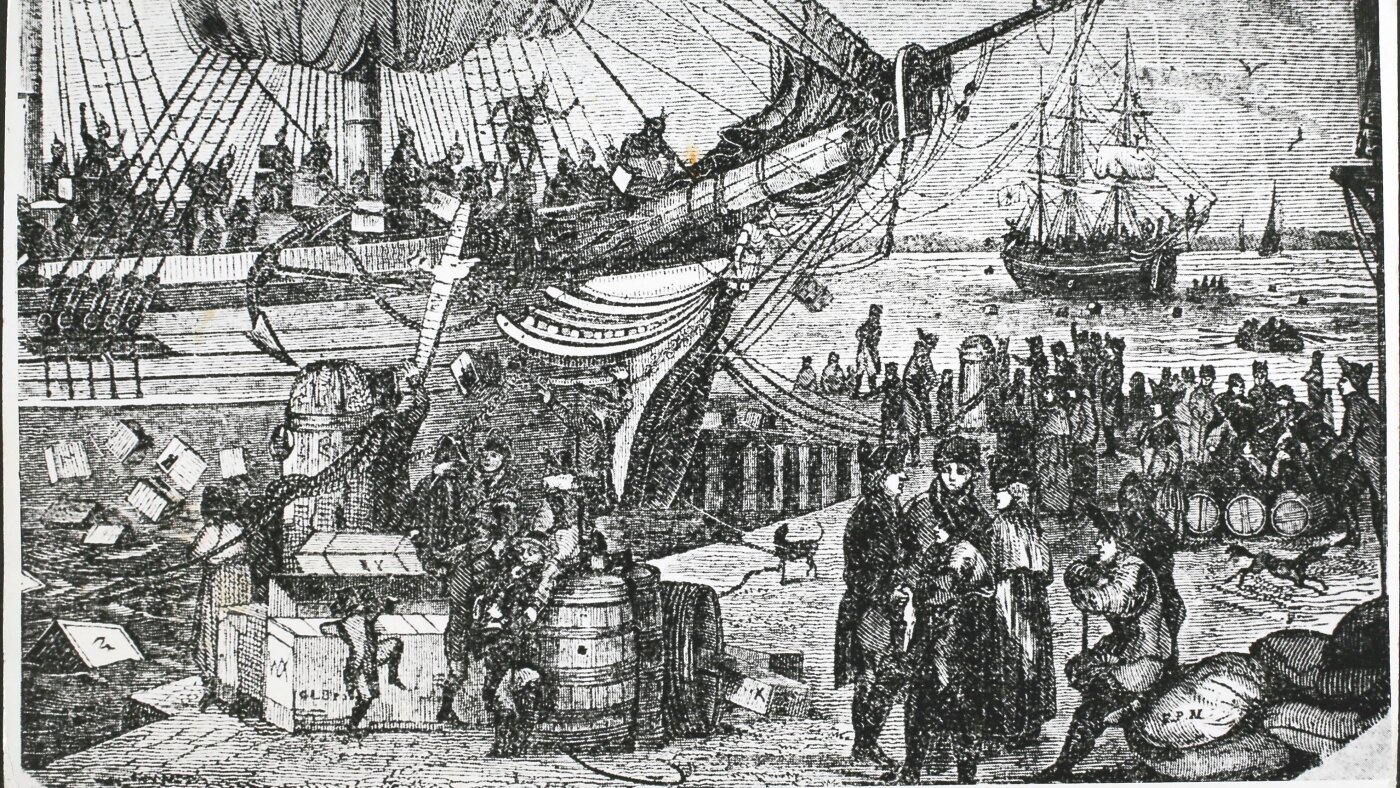
But first, coffee: The drink that energized the American Revolution
-

 Technology31 minutes ago
NASA launched an emergency mission to stop the Swift Observatory from crashing to Earth
-

 World38 minutes ago
Tens of thousands of far-left protesters clash with police in anti-conservative party riots
-

 Politics41 minutes ago
Trump set to deliver ‘historic’ speech celebrating America’s 250th anniversary
-

 Health46 minutes ago
The ‘1776 Diet’: What Americans really ate during the nation’s founding
-

 Sports53 minutes ago
Kylian Mbappé’s seventh goal of the World Cup lifts France past Paraguay in physical Round of 16 match
-
 Business1 hour ago
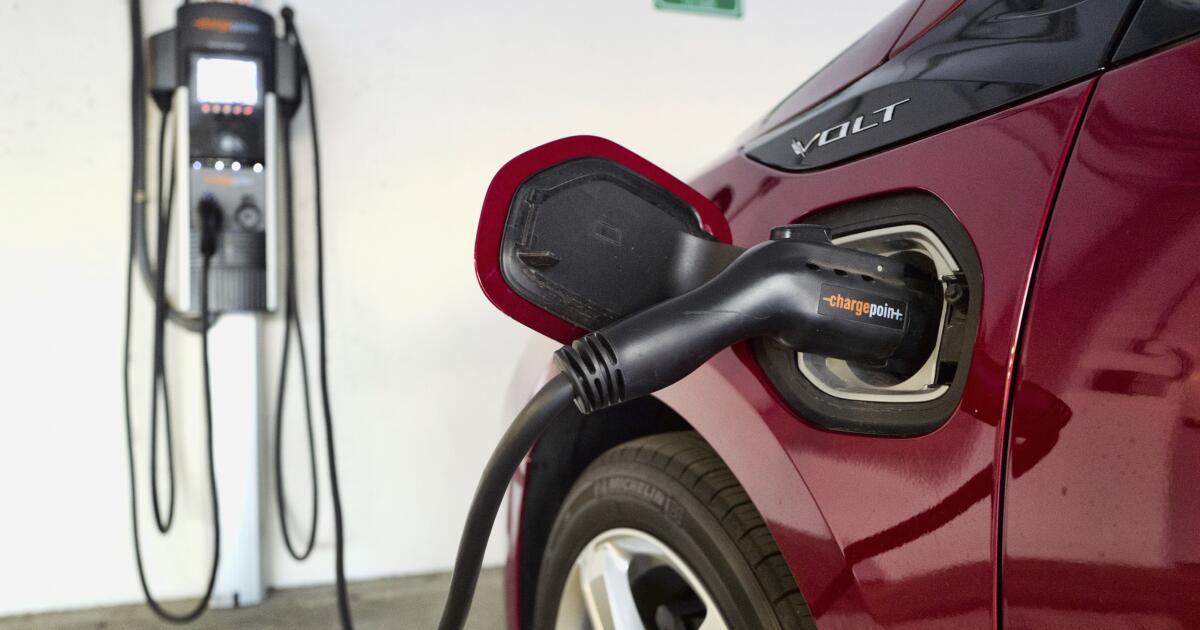
California is bringing back EV rebates. This is how to get one
-
 Entertainment1 hour ago
Comedy saved her life. Now Teruko Nakajima’s ‘Made in America’ is saving others

