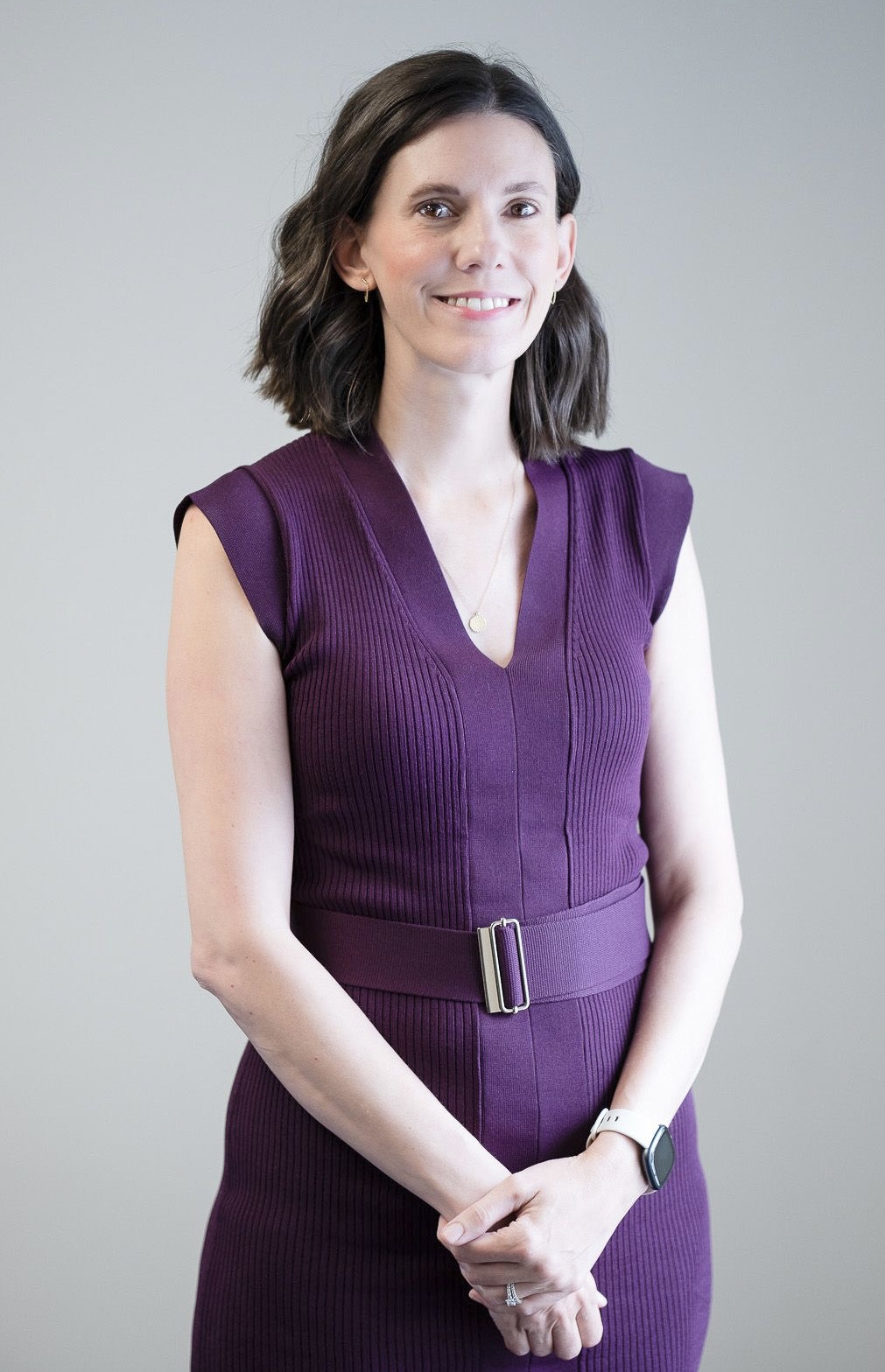
Senator Shelley Moore Capito anticipates a vote on the “One Big, Beautiful Bill Act” will be bumped after a parliamentarian ruled against key Medicaid provisions.
In a determination about what aspects of the megabill would be subject to reconciliation — and therefore exempt from filibuster — the parliamentarian said a plan to hold down Medicaid costs by limiting a state provider tax would not qualify.
Key decisions were outlined in a memo released early Thursday morning. Among the jeopardized elements are proposals to prevent undocumented residents from accessing Medicaid by cutting federal funding to states that permit them to receive benefits.
Senate leaders continue to aim for a Fourth of July deadline for passage, a deadline emphasized by the White House.
Advertisement
Shelley Moore Capito
“We were supposed to begin the contemplation of this bill probably noon tomorrow. That may have been pushed back 24 hours. I’m not exactly sure. We are just awaiting to hear,” Capito, R-W.Va., said in a briefing in response to a question by reporter Steven Allen Adams of the Ogden Newspapers.
“We have to have a full scoring of the bill, which we do not have, and we have to have permanent text in effect, so everybody, of course, can see all the fine print. So we’re still a ways away, but I think that will then go to the House. The House has to have it under consideration for 72 hours. That’s pushing pretty close to July 4, but we want to do it right, and so I think that’s the prevailing thought.”
The “One Big Beautiful Bill” advances many of President Trump’s top priorities, including extending the 2017 tax cuts enacted in his first term and expanding border enforcement while going ahead with deep spending cuts to Medicaid, SNAP and other federal programs.
Capito, in recent public appearances, has been emphasizing the priority of extending the tax cuts.
“If we don’t do this, the largest tax increase in the history will go into effect. So we need to make sure that we secure the tax rates that we put into place in 2017 for individuals, and also some of the small business taxes, which really help grow the economy,” Capito said during a Thursday morning appearance on WEPM Radio in Martinsburg.
Advertisement
Community groups in West Virginia have been expressing deep concern about the “One Big Beautiful Bill” limiting access to Medicaid and Supplemental Nutrition Assistance Program.
The nonpartisan Congressional Budget Office’s latest cost estimate concludes that the bill would reduce federal Medicaid spending by $793 billion and increase the number of people without health insurance by 10.9 million, because of changes to Medicaid and the Affordable Care Act.
The proposals institute more rigorous requirements for Medicaid that are anticipated to cause millions of people to drop their Medicaid coverage.
One of the new provisions is “community engagement requirements” of at least 80 hours per month of work, education or service for able-bodied adults without dependents.
Critics have said the work requirement actually represents greater red tape for recipients who could forget to maintain their coverage, misunderstand steps or miss a key update.
Advertisement
States that have implemented work requirement policies show no increases in employment but many eligible people lose coverage, West Virginia community groups wrote to senators Capito and Jim Justice this week.
Kelly Allen
“There is a significant disconnect between the rhetoric from proponents of this bill and what its actual impacts would be for everyday West Virginians,” said Kelly Allen, executive director of the West Virginia Center on Budget & Policy think tank.
“If this legislation were already in place, the nearly 300 West Virginia coal miners losing their jobs this summer would be ineligible for Medicaid due to its requirements that individuals prove they are working in order to qualify. These restrictions refuse health and food assistance to people right when they need it most — people who all West Virginians would surely agree are deserving of a little help in a hard time.”
Capito said she is aware of the concern about Medicaid, but said changes need to be made.
“I’ve said this from the very beginning, that I’m not interested in creating a Medicaid package that eliminates benefits for people that deserve it,” she said in the briefing in response to a question from reporter Mike Tony of The Charleston Gazette-Mail.
“One of the provisions in both bills is a work requirement for able bodied people. That is not for people in the standard Medicaid population that are disabled, women with children, children, disabled, any kind of what we would call the traditional Medicaid population.”
Advertisement
She continued, “And all we’re asking is that for your benefit, your full health benefit, that for 80 hours a month, that you would go to school, engage in community service, you know, get a part time job, something that shows a little payback, a little skin in the game for the Medicaid benefit.
“And so for those who say that there’s all these millions of people that are going to get kicked off, the only people that are going to lose a benefit are the people that don’t deserve a benefit to begin with. They don’t qualify because of their income.”
Several analysts have concluded that rural hospitals, including around seven in West Virginia, could be endangered by the financial effects of the legislation.
West Virginia’s hospitals depend financially on reimbursements from patients disproportionately insured through governmental programs like Medicare, Medicaid and the Public Employees’ Insurance Agency.
When someone who has lost coverage shows up to a hospital emergency department, the hospital is required to treat them but may not get reimbursed for the services provided. Treating more patients without healthcare coverage could deeply impair rural providers already operating on the margins, healthcare providers have said.
Advertisement
“There is a lot of concern over the Medicaid issue. I’ve had numerous conversations with hospitals, individuals, people on Medicaid, asking them, ‘How does the impact of… what’s a work requirement? What about if you have to have more frequent eligibility checks?’” Capito said during the briefing with West Virginia reporters.
“You know, a lot of these things are fine because I think the people that are on Medicaid and qualify for Medicaid want to make sure it’s there for them and they’re treated fairly. So all of the waste, fraud and abuse portions of this bill are, I think, pretty unanimous in terms of acceptance. Where we see the issues here are with our hospitals and protecting our rural hospitals in particular, which I have a great passion for.”
PARKERSBURG, W.Va. (WCHS) — Records show containment issues predated a massive warehouse fire in Wood County, West Virginia.
The facility, formerly REO Processing West Virginia, is now Peoples Cartage. The company states it acquired the operation in September 2024, although the regulatory responsible-party name was not updated until May 2025.
County commissioners say they’ve learned to deal with disasters like this, including the Ames plant fire in 2017.
“They can shed light on what, to answer that to other people too,” said Jimmy Colombo, a county commissioner and former mayor in Parkersburg. “We are very interested in the health and well-being of our community just as you are and it’s a major concern for us that we do follow through what we’re supposed to be doing too.”
Advertisement
According to documents from the West Virginia Department of Environmental Protection, the company, the buildings and others under their umbrella have had several issues over the last half-decade plus.
In June of 2025, the state spill hotline got a call about a fire at the facility that involved the combustion of calcium hypochlorite hazardous waste, which is often called Cal Hypo for short.
That’s a powerful and unstable solid chlorine that’s commonly used to sanitize swimming pools and clear bacteria.
This underlying issue led to the West Virginia DEP inspecting the facility. They found an accumulation of Cal Hypo in floor sweepings.
The agency said the company failed to minimize the possibility of fire, explosion or any unplanned sudden or non-sudden release of hazardous waste or waste constituents to the environment.
Advertisement
BE THE FIRST TO COMMENT
Last September, Peoples Cartage submitted a plan of corrective action that outlined how and when they would become compliant with all the issues.
The WVU Medicine St. Joseph’s Rural Health Clinic is now accepting newborns at its Buckhannon office, with two providers — Rachel Burns, CPNP, and Sara Chipps, FNP-C — taking new pediatric patients. Read more →
This story brought to you paywall-free, courtesy of the My Buckhannon team and our community partners
CHARLESTON, WV — The West Virginia Governor’s Highway Safety Program (GHSP) and the U.S. Department of Transportation’s National Highway Traffic Safety Administration (NHTSA) are reminding drivers that speeding has legal consequences. As part of the Speeding Slows You Down high-visibility enforcement campaign, drivers will see more law enforcement on the roads. West Virginia’s mobilization runs from July 6 through July 31, 2026.
Advertisement
This campaign is designed to underscore the grave consequences of speeding and urge motorists to reduce their speed. This mobilization emphasizes the commitment of law enforcement to curb speeding behaviors and raise public awareness regarding the increased presence of officers on our nation’s roads during this mobilization period.
Speeding-related fatalities affect communities nationwide every year. In 2024, there were 11,288 speed-related traffic fatalities, accounting for 29% of all traffic fatalities. Young drivers have a higher chance of being involved in speeding-related crashes. In 2024, 39% of male drivers and 20% of female drivers in the 15- to 20-year-old age group involved in fatal traffic crashes were speeding.
In West Virginia, in 2024, speeding-related fatalities decreased 8% from the previous year, from 85 to 78. Our ultimate goal is zero fatalities, which points toward the importance of campaigns like this.
“Speeders don’t just put themselves in danger of serious injuries and death, they put other road users, including passengers, pedestrians, and bicyclists, at risk as well. We are asking drivers to please slow down; our goal is to save lives, and we’re putting all drivers on alert. The posted speed limit is the law. No excuses,” said Jack McNeely, GHSP Director.
The consequences of speeding can lead to a costly ticket, potential jail time, or worse, a crash resulting in injuries or death.
Advertisement
For more information on speeding, visit NHTSA.gov/Speeding.
For more information about the West Virginia Governor’s Highway Safety Program, visit highwaysafety.wv.gov or call 304-926-2509.