Sign up for the Today newsletter
Get everything you need to know to start your day, delivered right to your inbox every morning.


Part of the story is the pandemic-era shift toward smaller cities. But the larger truth is Providence has not built enough housing to keep up with demand. In 2024, Rhode Island ranked 50th in the nation for new housing permits – dead last. That isn’t ideology; it is economics.
As housing experts have said, including HousingWorksRI Executive Director Brenda Clement, we have a basic supply-and-demand problem. Expanding housing supply for everyone should be the focus.
To its credit, Providence has begun to move. Recent efforts by Mayor Brett Smiley, the City Council, nonprofit partners, and private developers have created hundreds of new units. More are in the pipeline. That progress must continue.
As rents rise, pressure for immediate relief has grown. The City Council’s proposed solution is rent control: a cap on annual rent increases at 4 percent. In practice, it fails to solve the underlying problem, and creates new ones.
First, rent control does not make today’s rent affordable, it only limits future increases by creating a cap. Many landlords will raise rents to the cap each year. A $2,000 apartment under a 4 percent cap becomes $2,433 after five years – an increase that renters still feel acutely. That is basic compounding, not a worst-case scenario.
Second, rent control would create a hole in Providence’s budget, as it reduces the taxable value of properties. The Smiley administration examined rent-controlled cities and applied the outcomes to Providence’s tax base. The projected annual revenue loss ranges from $10.3 million to $17.5 million.
When rental property values decline, cities are left with two choices: raise taxes or cut services. Education funding, park improvements, library funding, and basic infrastructure all come under pressure. Experience elsewhere shows this burden does not fall on landlords; it shifts to single-family homeowners. Portland, Maine, saw a 5.4 percent reduction in its tax base after rent control, forcing these tradeoffs. The implementation of rent control will affect all Providence residents, whether they rent or own.
Third, rent control discourages new housing production, the opposite of what Providence needs. Developers are less likely to build in cities where future revenue is capped, financing is harder, and long-term costs are unpredictable. St. Paul, Minnesota, offers a cautionary tale. After voters approved a strict rent cap in 2021, new unit creation dropped by more than 84 percent in the first quarter, forcing city leaders to exempt new construction, which is exempt in the Providence City Council rent control proposal.
When we build more housing at all price points, market pressure eases, as supply catches up with demand.
That does not mean ignoring the pain people feel today. I grew up here, attended our public schools, and bought a modest single-family home in the neighborhood where I was raised. I feel today’s housing pressures firsthand and hear them daily from family and neighbors. After 12 years on the council, including a leadership role in 2011 when Providence was on the brink of bankruptcy, I know our elected officials genuinely want workable solutions.
That is why, as executive director of The Providence Foundation, an organization of 140 private business and nonprofit members from myriad industries, I recommended we commission a study by the Rhode Island Public Expenditure Council to educate the public on this issue and identify solutions. The report revealed the most effective approach to housing shortages and high costs pairs aggressive housing production with targeted rental assistance for households most at risk of displacement.
Cities across the country have shown what works: modernized zoning, faster permitting, conversion of underused commercial space, and temporary rental assistance to help families stay housed while new supply comes online. These strategies outperform rent control. Overcoming the housing challenge will require all levels of government to play a role.
Reasoned policy will meet Providence’s housing needs and strengthen our economy for a brighter tomorrow.
David Salvatore is the executive director of The Providence Foundation, a nonprofit organization committed to supporting visionary projects downtown, and a former Providence City Council president and member.


Local News
A car carrying a family of three went into the Seekonk River in Rhode Island Sunday evening, authorities said.
The vehicle entered the river near the Taft Street boat ramp shortly before 7:30 p.m., Pawtucket Police Chief Tina Goncalves said in a statement.
A bystander riding a jet ski heard the car dive into the water and attempted to help, while another witness called 911, according to Goncalves.
First responders arrived within three minutes of the emergency call, Goncalves noted.
The vehicle’s three occupants are believed to still be inside, The Boston Globe reported.
Recovery efforts resumed Monday, with Pawtucket police and fire personnel working alongside Rhode Island State Police and other state agencies to remove the vehicle from the river, Goncalves said.
“Conditions are extremely challenging for dive teams due to the strong current and poor underwater visibility,” she added.
A video released by the Globe shows the car being recovered from the water Monday afternoon.
Authorities have not released the identities or conditions of the occupants.
“We ask that you please keep the family and their loved ones in your prayers as our first responders continue recovery efforts,” Goncalves said.
Get everything you need to know to start your day, delivered right to your inbox every morning.

(WJAR) — Rhode Island leaders will announce millions in funding for road improvements in Aquidneck Island on Monday.
Members of the Rhode Island Congressional Delegation will announce $19,250,000 in federal funding for the project.
File image of traffic in Aquidneck Island. (WJAR)
It’s meant to improve road and sidewalk conditions on the island.
This will include high-visibility crosswalks to improve pedestrian safety.
JOIN THE CONVERSATION (1)
Senator Jack Reed, Senator Sheldon Whitehouse, and Congressman Gabe Amo are expected to attend.
The Rhode Island Lottery offers multiple draw games for those aiming to win big.
Here’s a look at June 28, 2026, results for each game:
Midday: 7-7-1-0
Evening: 6-7-5-2
Check Numbers payouts and previous drawings here.
04-05-07-13-32, Extra: 18
Check Wild Money payouts and previous drawings here.
04-11-31-54-58, Bonus: 03
Check Millionaire for Life payouts and previous drawings here.
Feeling lucky? Explore the latest lottery news & results
This results page was generated automatically using information from TinBu and a template written and reviewed by a Rhode Island editor. You can send feedback using this form.


Chanel’s Bruno Pavlovsky on Reengineering an Iconic Brand
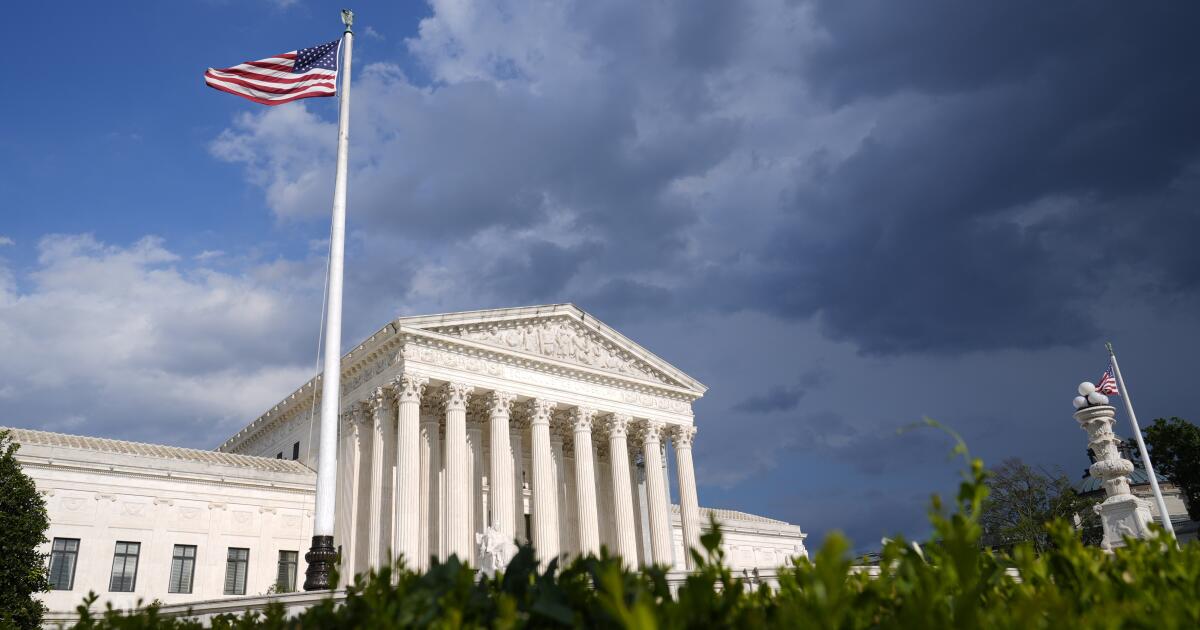
Supreme Court limits police use of cellphone data to find crime suspects

Teoscar Hernández returns, and Dodgers unleash 17-hit barrage in win over Athletics


DR Congo says 1,307 Ebola cases confirmed, including 377 deaths

Michigan governor threatens to pull troops from D.C. if used for Trump task force


Metropolitan Diary Challenge Day 2: How to Write Your N.Y. Story


Company has weeks to complete cleanup of Boyle Heights warehouse fire, officials announce


18 New Kid-Friendly Places That Opened in Metro Detroit in 2026 (So Far!)

