South Dakota
Federal judge in Alabama lets Title IX rule protecting LGBTQ kids go forward in four states • South Dakota Searchlight


A federal judge has struck down an attempt by Alabama, Florida, Georgia and South Carolina to halt enforcement of the Biden administration’s final rule for Title IX, shortly before the final rule takes effect nationwide on Thursday.
The administration’s updated regulations — which seek to extend federal discrimination protections for LGBTQ students — have been met with a wave of GOP pushback since being announced by the Department of Education in April.
Though the final rule is slated to go into effect on Thursday, it’s now blocked in 22 states and has faced mounting legal uncertainty.
“In short, although Plaintiffs may dislike the Department’s rules, they have failed to show a substantial likelihood of success in proving the Department’s rulemaking was unreasonable or not reasonably explained,” Judge Annemarie Carney Axon of the U.S. District Court for the Northern District of Alabama wrote Tuesday in a 122-page opinion.
Need to get in touch?
Have a news tip?
Axon, who was appointed by then-President Donald Trump, also wrote that “the evidentiary record is sparse, and the legal arguments are conclusory and underdeveloped.”
In late April, the group of Southern states, all with GOP attorneys general, sued the administration in federal court in Alabama over the regulations. Multiple organizations also tacked onto the lawsuit, including the Independent Women’s Law Center, the Independent Women’s Network, Parents Defending Education and Speech First.
They quickly appealed Tuesday’s ruling later in the day to the U.S. Court of Appeals for the 11th Circuit.
Since the department released the final rule, 26 states in total have signed onto lawsuits seeking to block the updated regulations from taking effect.
Across multiple temporary injunctions, the final rule is blocked in Alaska, Arkansas, Idaho, Indiana, Iowa, Kansas, Kentucky, Louisiana, Mississippi, Missouri, Montana, Nebraska, North Dakota, Ohio, Oklahoma, South Dakota, Tennessee, Texas, Utah, Virginia, West Virginia and Wyoming.
On Wednesday, Judge Jodi W. Dishman of the U.S. District Court for the Western District of Oklahoma halted the final rule from taking effect in the state. Oklahoma individually sued the administration back in May.
To further complicate the matter, when Judge John Broomes of the U.S. District Court for the District of Kansas temporarily blocked the measure in the Sunflower State, Alaska, Utah and Wyoming earlier in July, he extended it to also include “the schools attended by the members of Young America’s Foundation or Female Athletes United, as well as the schools attended by the children of the members of Moms for Liberty,” all groups that sued alongside those four states.
This means the final rule is blocked in schools across the country, including in states that never challenged the updated regulations. Despite Axon’s Tuesday ruling, the final rule will still be halted in any K-12 school or college in Alabama, Florida, Georgia and South Carolina that is impacted by the earlier Kansas decision.
The Department of Education did not immediately respond to a request for comment.
GET THE MORNING HEADLINES DELIVERED TO YOUR INBOX



Iverson Ford now offers the 2027 Ford Expedition, giving families throughout Huron, Mitchell, Aberdeen, Watertown, Brookings, De Smet, Redfield, Miller, and surrounding South Dakota communities access to a full-size SUV with advanced technology, impressive capability, and spacious three-row comfort.
— Iverson Ford is proud to offer the 2027 Ford Expedition, providing drivers throughout Eastern South Dakota with Ford’s latest full-size SUV engineered for growing families, outdoor adventures, towing capability, and everyday versatility. The newest Expedition combines three-row comfort, advanced driver-assist technologies, modern connectivity, and confident performance for today’s active lifestyles.
Located at 2500 Dakota Avenue South in Huron, Iverson Ford serves customers from Huron, Mitchell, Aberdeen, Watertown, Brookings, De Smet, Redfield, Miller, Woonsocket, and surrounding South Dakota communities. As part of the Iverson Auto Group, the dealership offers an extensive selection of new Ford vehicles supported by experienced product specialists, financing professionals, and certified Ford service technicians.
The 2027 Ford Expedition continues Ford’s commitment to delivering capability and comfort in one versatile SUV. Designed for families who need generous passenger space and flexible cargo capacity, the Expedition is well suited for daily commuting, weekend road trips, towing recreational equipment, and exploring South Dakota’s parks, lakes, and outdoor destinations.
“Our team enjoys helping customers find an SUV that fits both their lifestyle and long-term transportation needs,” said a representative of Iverson Ford. “The 2027 Ford Expedition offers the capability, technology, and versatility that many South Dakota families value, whether they’re traveling across town or across the state.”
Demand for full-size SUVs continues to grow as drivers seek vehicles that balance passenger comfort with towing capability and advanced safety features. Iverson Ford helps customers compare Expedition trim levels, explore available technologies, and select the model that best matches their family’s needs while providing continued support through financing, certified maintenance, and genuine Ford parts.
Drivers interested in the 2027 Ford Expedition are encouraged to browse available inventory online or visit Iverson Ford in Huron to experience the SUV firsthand.
About Iverson Ford
Iverson Ford is a full-service Ford dealership located in Huron, South Dakota. Serving drivers throughout Huron, Mitchell, Aberdeen, Watertown, Brookings, De Smet, Redfield, Miller, and surrounding communities, the dealership offers new Ford vehicles, quality pre-owned vehicles, financing, certified Ford service, genuine OEM Ford parts, and customer-focused automotive solutions backed by more than 75 years of service through the Iverson Auto Group.
Contact Info:
Name: Iverson Ford
Email: Send Email
Organization: Iverson Ford
Address: 2500 Dakota Ave S, Huron, SD 57350
Phone: +16053526464
Website: https://www.iversonford.com/
Release ID: 89197473
In case of identifying any problems, concerns, or inaccuracies in the content shared in this press release, or if a press release needs to be taken down, we urge you to notify us immediately by contacting error@releasecontact.com (it is important to note that this email is the authorized channel for such matters, sending multiple emails to multiple addresses does not necessarily help expedite your request). Our dedicated team will be readily accessible to address your concerns and take swift action within 8 hours to rectify any issues identified or assist with the removal process. We are committed to delivering high-quality content and ensuring accuracy for our valued readers.

Under state law, any “interested person” can petition state boards to change administrative rules.
But South Dakota citizens and organizations don’t qualify as “persons” under that chapter of state law. The existence of that limitation surprised some members of the state Board of Elections on Wednesday during a meeting called for the express purpose of voting to advance or defeat a rules package the body spent two hours pondering last week.
The League of Women Voters leaned on what it believed to be its right to petition state board earlier this month when it offered the board a series of rule changes the group argued were necessary to standardize the administration of a new state law that requires first-time voter registrants to provide proof of U.S. citizenship.
The board dismissed the petition in a 5-2 vote on Wednesday after one of the board members told the group that the advocacy nonprofit lacks the legal standing to ask for the changes.
Last minute check of statutes calls petitioners’ status into question
The definition of a “person” able to petition a state board for a rule change only includes political subdivisions or agencies of the state, board member and retired Rapid City attorney Scott McGregor said.
McGregor did not attend the initial board meeting last week when the petition was presented, but he reviewed the matter over the weekend, he told South Dakota Searchlight after the meeting. With a 40-year career “making legal arguments based on statutory interpretations,” McGregor also reviewed relevant laws regarding the petition process.
McGregor said he wanted to see if “interested person” had a broad enough definition to include organizations such as the League of Women Voters.
“‘Person’ in various contexts has an awful lot of definitions,” McGregor said. “It depends on the section of the law you’re dealing with and the level of government you’re dealing with.”
McGregor spoke with the Secretary of State’s Office and its legal counsel earlier this week to confirm his interpretation. Deputy Secretary Tom Deadrick told McGregor that other agencies have accepted rule petitions from individuals.
“Even if other agencies have done it,” McGregor told Searchlight,” that doesn’t change the law.”
McGregor told board members he was “shocked” by the limitations.
“That may be an oversight, but that’s all that’s in there,” McGregor said during the meeting.
Board member Kent Alberty said he was “disappointed” that the law’s restrictions on petitioners wasn’t shared with board members earlier. Alberty, during last week’s meeting, said that he saw a need for at least some standardization in procedures in the administration of the citizenship requirement.
Alberty voted against the dismissal on Wednesday, as did Dewey County Auditor Jamalia Franzen.
McGregor told South Dakota Searchlight that the law should be reviewed legislatively.
“There is a certain unfairness to it,” McGregor said.
Acceptable documents for proving one’s citizenship under the new law in question on Wednesday include a birth certificate, passport, driver’s license, non-driver’s identification card or tribal identification card, or “any other type of acceptable documentation” under federal law. Photocopies of most of those documents are acceptable, but registrants using state- or tribally issued identification cards must have the physical cards with them.
If a voter does not provide necessary documentation, they are registered as federal-only voters and cannot participate in local or state elections.
The League of Women Voters proposals included:
- Allowing photocopies of identification cards, such as tribal IDs and driver’s licenses, to be used as proof of citizenship.
- Recognizing tribal identification cards from any federally recognized tribe, rather than just the nine tribes in South Dakota.
- Allowing voters designated as federal-only an opportunity to cast provisional ballots for local elections while appealing their eligibility.
- Adding specific language to the state’s voter registration form to explain that not offering a physical South Dakota address would cause them to be designated as federal-only voters.
- Adding language to notifications confirming a voter’s registration clearly saying if the registrant is a federal-only voter, as well as language explaining how to remedy the situation.
South Dakota Secretary of State Monae Johnson was ill during last week’s board meeting, at which the group took testimony from supporters of each rule. No one from her office was on hand to rebut the supporters, but her staff did file written responses in opposition.
On Wednesday, Johnson told the board that the new law, as written, does not allow photocopies of driver’s licenses, only the original card. She added that while no formal appeal process exists for voters registered as federal-only, they can remedy their status by resubmitting their registration with proper documentation.
“The League of Women Voters and other concerned organizations could look at amending the current law in the 2027 legislative session, if that is their wish,” Johnson said.
Johnson will not be seeking re-election for secretary of state in November. She lost the Republican nomination at last month’s state party convention to state Rep. Heather Baxter, who supported the bill that created the new law during the legislative session and will oversee its administration if elected. Baxter will face Democratic nominee Terrence Davis in the general election.
Baxter submitted public comment ahead of Wednesday’s meeting and compared the proposed changes to presenting a photocopy of identification to get through security at the airport or purchase alcohol. The state Department of Public Safety does not accept photocopies of identification documents, Baxter said.
“So why allow the League to make such changes to what law already clearly states as well as other state departments?!” Baxter wrote.
Amy Scott-Stoltz, president of the League of Women Voters of South Dakota, said the organization is “disappointed” in the board’s decision and “reviewing our options” regarding advancing its proposals and challenging the board’s dismissal.
The group’s petition was meant to make sure the new law is “uniformly implemented across the state and that voters and county auditors alike would have clear guidance about their obligations under the law in advance of the November election,” Scott-Stoltz said.
“We intend to continue our work in South Dakota to ensure that every American citizen can access the ballot box,” Scott-Stoltz said.
— This story was originally published on southdakotasearchlight.com.
The South Dakota Lottery offers multiple draw games for those aiming to win big.
Here’s a look at July 8, 2026, results for each game:
Winning Powerball numbers from July 8 drawing
12-29-37-43-55, Powerball: 18, Power Play: 4
Check Powerball payouts and previous drawings here.
Winning Lotto America numbers from July 8 drawing
17-26-31-32-37, Star Ball: 01, ASB: 02
Check Lotto America payouts and previous drawings here.
Winning Dakota Cash numbers from July 8 drawing
07-11-18-31-33
Check Dakota Cash payouts and previous drawings here.
Winning Millionaire for Life numbers from July 8 drawing
16-18-43-48-50, Bonus: 01
Check Millionaire for Life payouts and previous drawings here.
Feeling lucky? Explore the latest lottery news & results
Are you a winner? Here’s how to claim your prize
- Prizes of $100 or less: Can be claimed at any South Dakota Lottery retailer.
- Prizes of $101 or more: Must be claimed from the Lottery. By mail, send a claim form and a signed winning ticket to the Lottery at 711 E. Wells Avenue, Pierre, SD 57501.
- Any jackpot-winning ticket for Dakota Cash or Lotto America, top prize-winning ticket for Lucky for Life, or for the second prizes for Powerball and Mega Millions must be presented in person at a Lottery office. A jackpot-winning Powerball or Mega Millions ticket must be presented in person at the Lottery office in Pierre.
When are the South Dakota Lottery drawings held?
- Powerball: 9:59 p.m. CT on Monday, Wednesday, and Saturday.
- Mega Millions: 10 p.m. CT on Tuesday and Friday.
- Lucky for Life: 9:38 p.m. CT daily.
- Lotto America: 9:15 p.m. CT on Monday, Wednesday and Saturday.
- Dakota Cash: 9 p.m. CT on Wednesday and Saturday.
- Millionaire for Life: 10:15 p.m. CT daily.
This results page was generated automatically using information from TinBu and a template written and reviewed by a South Dakota editor. You can send feedback using this form.
-
 Business8 minutes ago
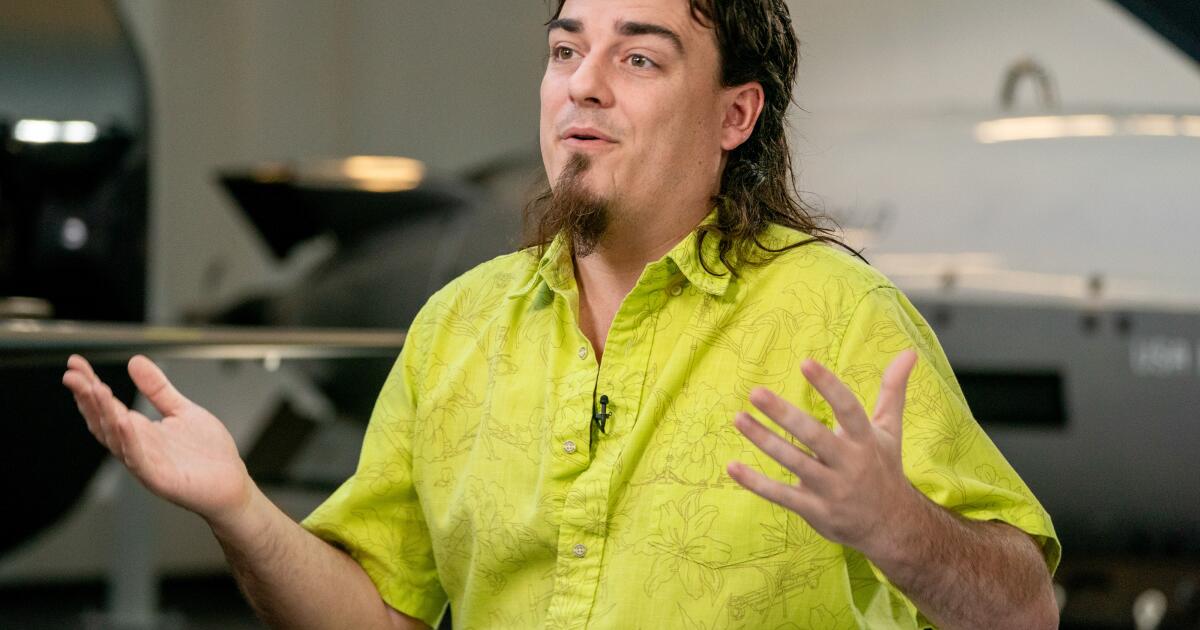
Billionaire exodus? California drew 10 times more venture capital than any other state this year
-
 Entertainment11 minutes ago
Disney Channel maximalism to pop-star glam: What fans wore to Hilary Duff’s L.A. show
-
 Lifestyle16 minutes ago
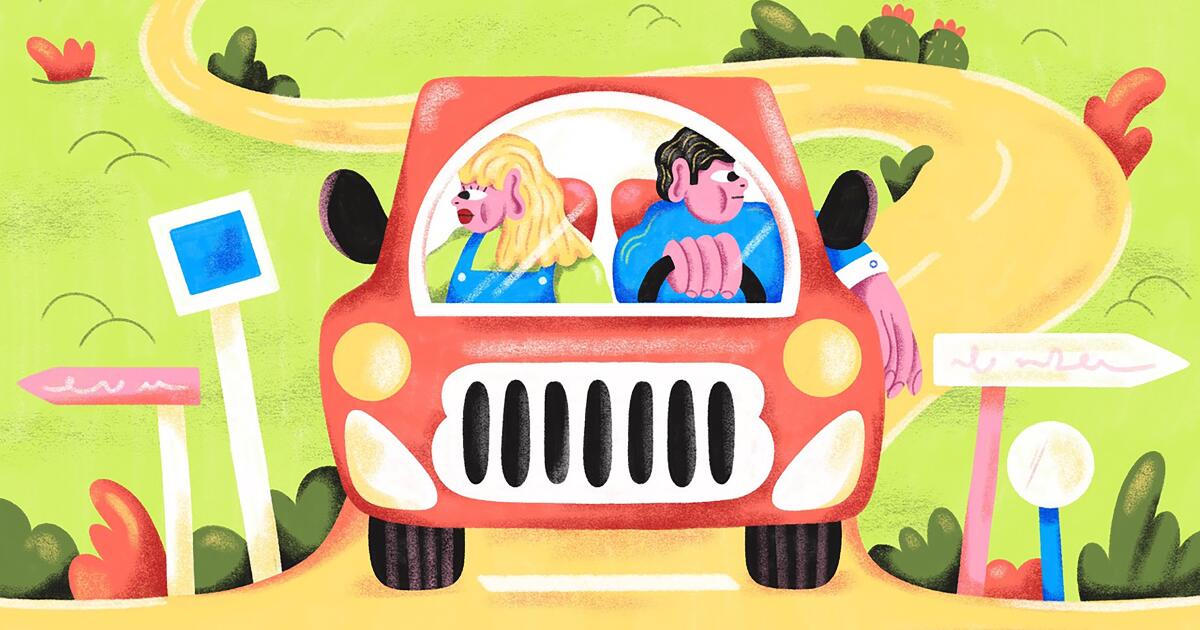
L.A. Affairs: It’s hot when a man drives to me. But would this new guy make the trek from the Valley?
-
Politics23 minutes ago
Black mold and $1 wages: Settlement forces immigrant detention centers to protect workers
-
 Science26 minutes ago
Trump administration seeks to limit federal funding that doesn’t ‘advance’ presidential policies
-
 Sports31 minutes ago
Commentary: ‘I don’t want any handouts.’ Amid the Angels’ drought, a starry homecoming for Mike Trout
-

 World41 minutes ago
Does more World Cup history beckon for Norway? England stand in their way
-
 News1 hour ago
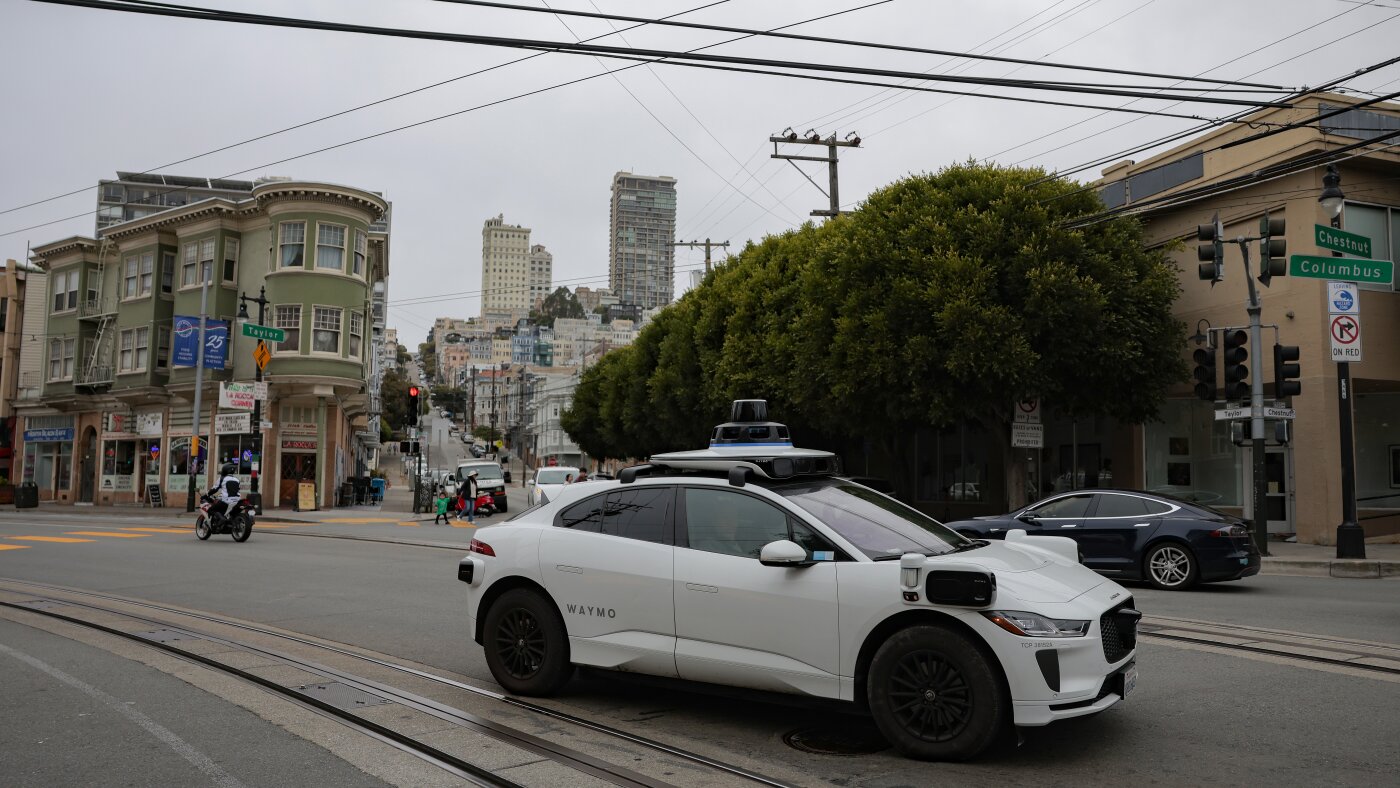
Waymo called the cops on teen riders, raising privacy concerns


