Lifestyle
Here are the nonfiction books NPR staffers have loved so far this year

Alicia Zheng/NPR
hide caption
toggle caption
Alicia Zheng/NPR
We see you, hard-core NPR readers — just because it’s summer doesn’t mean it’s all fiction, all the time. So we asked around the newsroom to find our staffers’ favorite nonfiction from the first half of 2024. We’ve got biography and memoir, health and science, history, sports and more. (And, sure, if you only want to take fiction to the beach, we’ve got you: Click here.)
Simon & Schuster
hide caption
toggle caption
Simon & Schuster
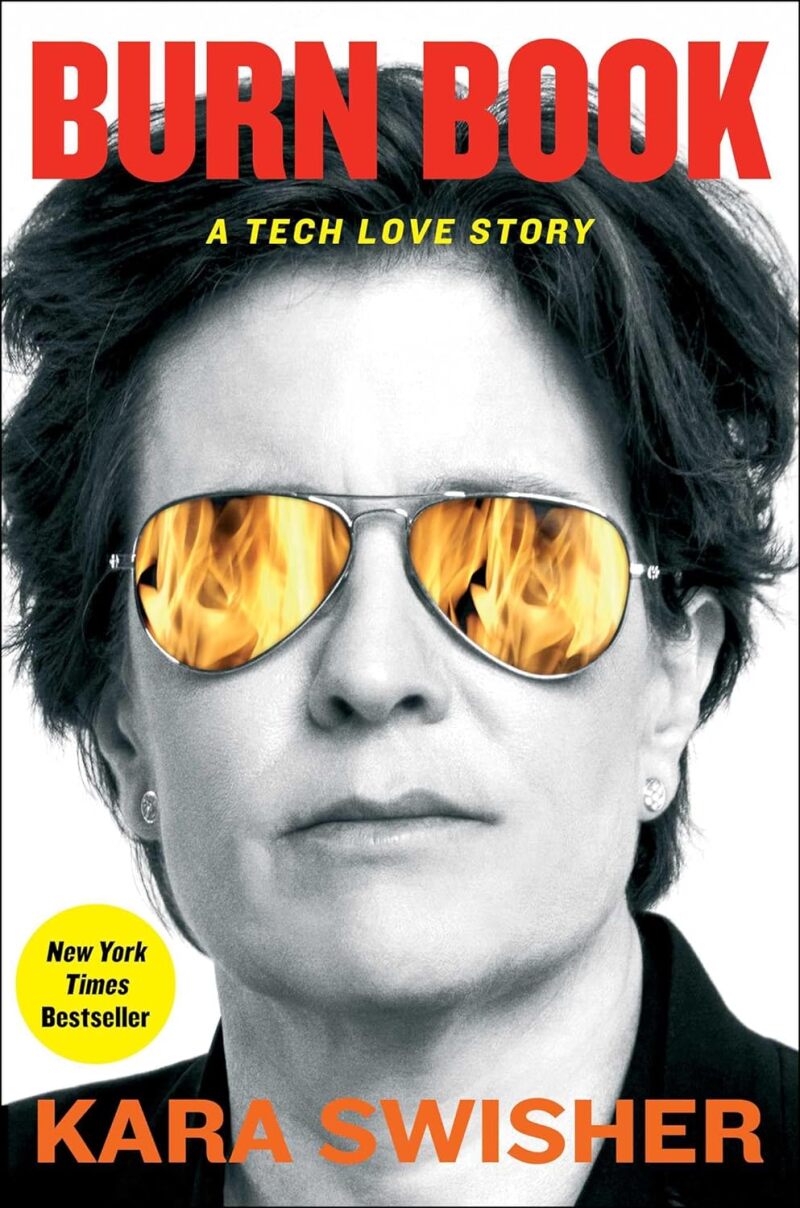
Burn Book: A Tech Love Story by Kara Swisher
Kara Swisher pulls off a magic trick here, delivering several sharply written books in one. There’s her story of becoming media’s most influential tech analyst, chronicling the rise of Facebook, Amazon, Google and, of course, X/Twitter — psychoanalyzing all the driven, flawed (mostly) dudebros who turned them into world-shaking platforms. There’s also an affecting personal memoir, charting her journey as a gay woman, spouse, mother, entrepreneurial journalist and advocate. And there’s a passionate critique of toxic technology, slamming self-centered tech CEOs who pursue engagement through enragement, unleashing social division. It’s all knit together with nimble-yet-effective prose, outlining how Silicon Valley works, how journalism works and how society works in one neat package. — Eric Deggans, TV critic
St. Martin’s Press
hide caption
toggle caption
St. Martin’s Press
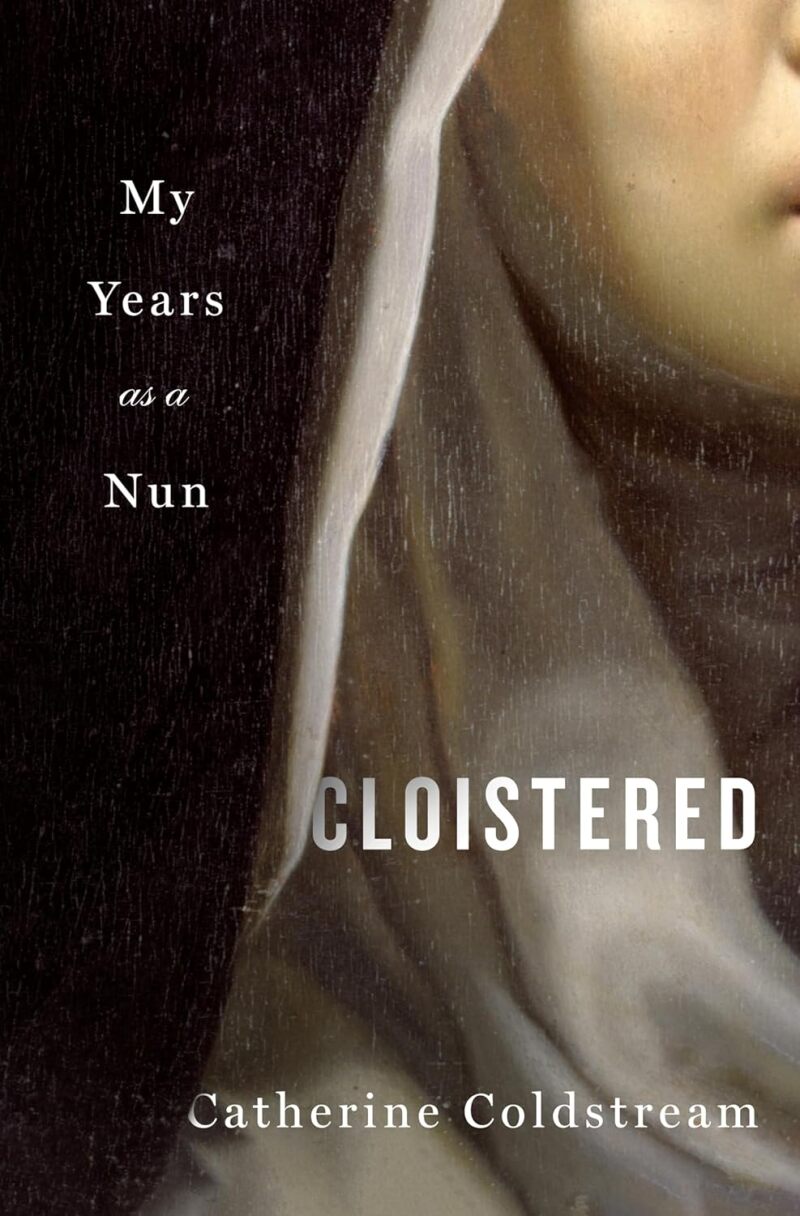
Cloistered: My Years as a Nun by Catherine Coldstream
Nuns have captured our imaginations as characters in fiction and on film over the years, but it’s rare to hear from one firsthand. This compelling memoir provides a glimpse into the life of a cloistered nun as the author shares her journey into — and ultimately out of — an order of Carmelite nuns in England. Coldstream seamlessly weaves her own personal motivations for seeking a life of solitude, contemplation and service alongside an exploration of the challenges, reforms and purpose of such orders at the turn of the 21st century. This book will push you to reflect on faith, power and personal agency in your own communities as you consider Coldstream’s experience. — Tayla Burney, director, Network Programming & Production
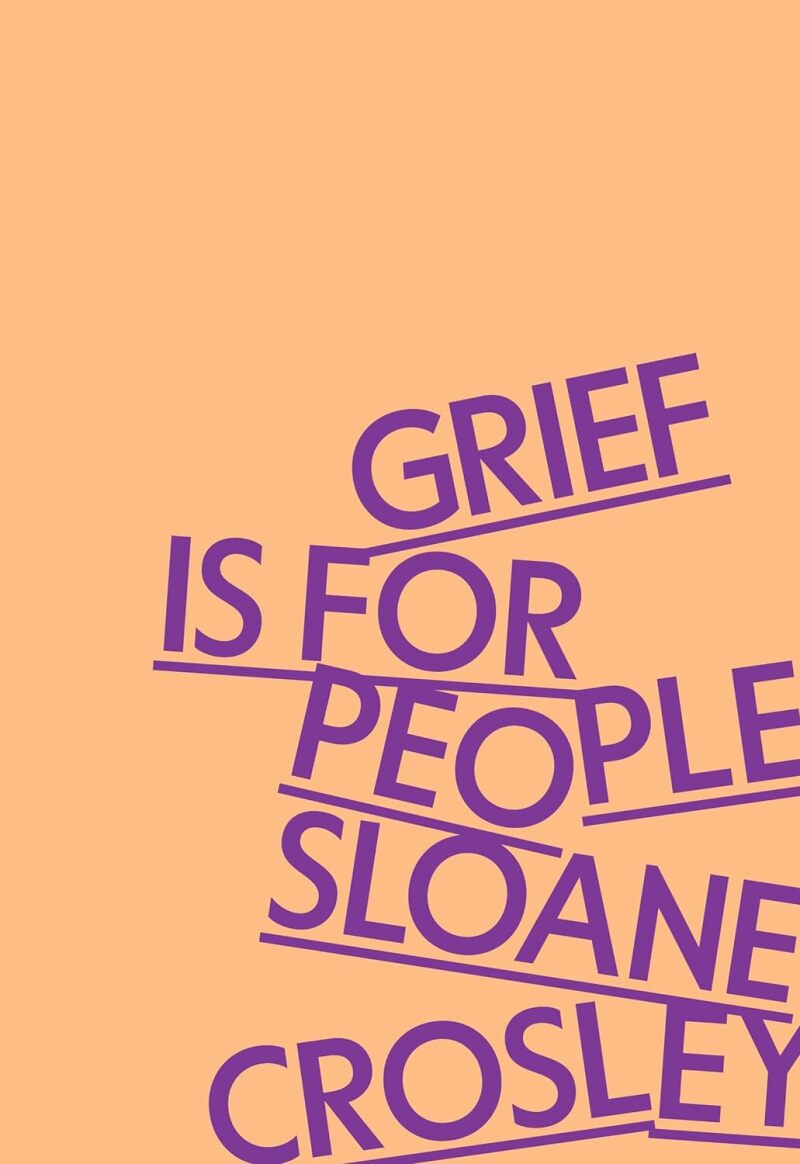
Grief is for People by Sloane Crosley
I spent most of the last year mourning my mother and found few books that even got close to capturing my altered mental state. My brain kept rehashing the past and finding significance in the oddest things, and I so wanted to share that experience with the very person I was missing. In a slim 191 pages, Sloane Crosley nails it precisely as she details mourning her best friend, who died suddenly by suicide. While poignant and vulnerable, her memoir is also insightful and funny, especially as she recounts adventures with Russell and her attempts to track down and reclaim jewelry that was stolen from her apartment about a month before he died: a caper he would have enjoyed in the telling. I finished it feeling grateful for her friend’s life and even more appreciative of my mom’s. — Melissa Gray, senior producer, Weekend Edition
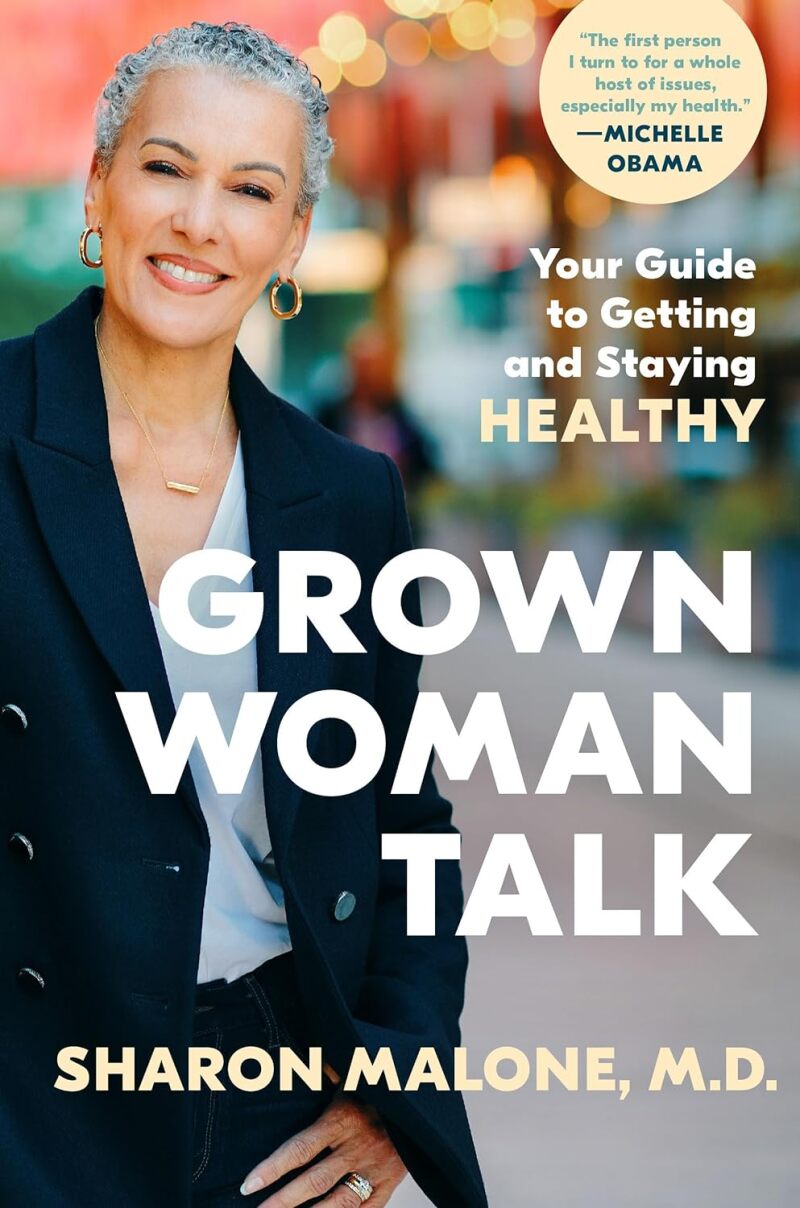
Grown Woman Talk: Your Guide to Getting and Staying Healthy by Sharon Malone M.D.
If you want to be more proactive in managing your health, Dr. Sharon Malone can help. Grown Woman Talk is a playbook for navigating a fragmented and flawed health care system, written by a doctor who has spent more than 30 years practicing as an OB/GYN and is a certified menopause practitioner. She weaves in insights from her childhood in Mobile, Ala., when doctor visits were rare for her family. She recalls the first time she saw a doctor, entering the hospital through the “colored” door for an emergency tonsillectomy — and describes her mother as a “Jedi master” of managing injuries and illnesses with home remedies. Her deep sense of loss and anger at the death of her mom from cancer when she was 12 inspired her to be the kind of doctor and caretaker we need more of. — Allison Aubrey, health correspondent
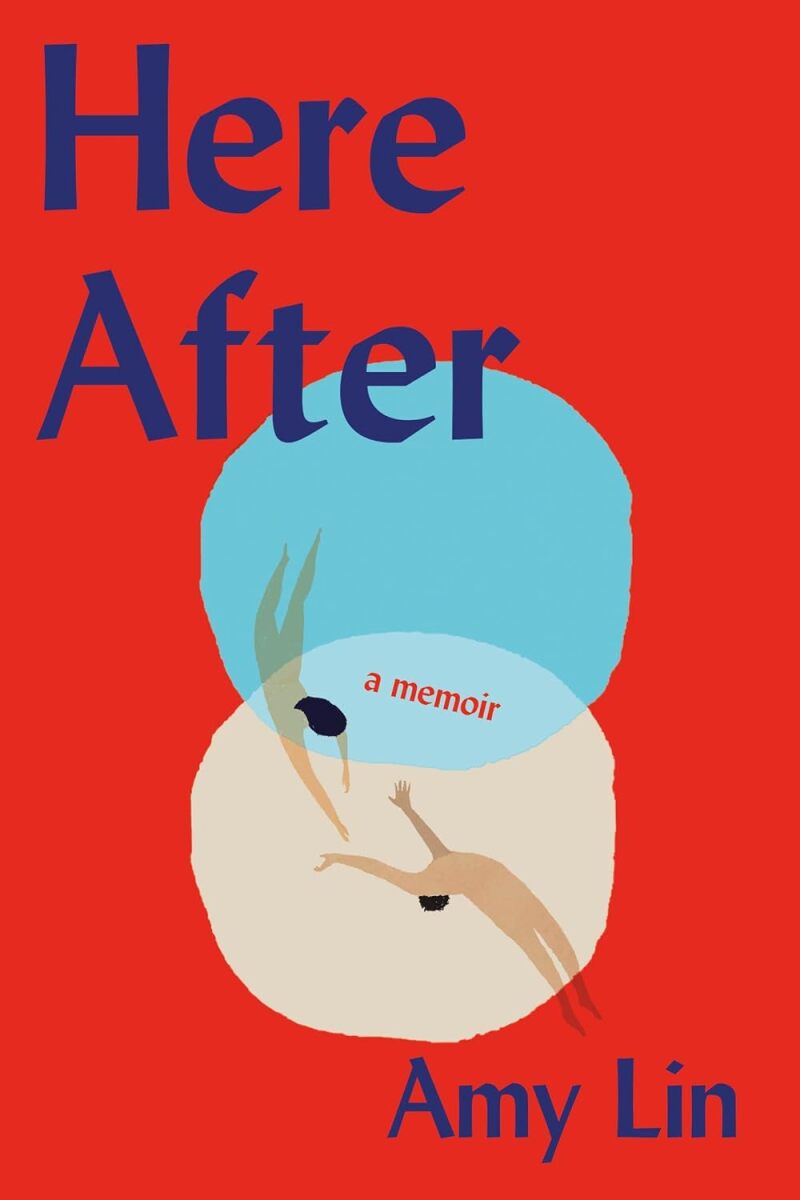
Here After: A Memoir by Amy Lin
In this memoir, the past and the present bleed together, as short wisps of chapters build the case for Kurtis and Amy as soul mates, while also telling the story of Kurtis’ sudden and unexplained death. Poetic, visceral and stark, this beautifully crafted book is a gift, pulling back the curtain on the intimate processes of love and grief. Steeped in the greatest of personal losses, Amy Lin allows us to witness her plod against the cascading losses that follow and behold the life raft that is memory. — Beck Harlan, visuals editor, Life Kit
PublicAffairs
hide caption
toggle caption
PublicAffairs
Invisible Rulers: The People Who Turn Lies Into Reality by Renée DiResta
At a time when our screens are clogged with viral lies and conspiracy theories, Invisible Rulers takes a long view toward explaining media manipulation and how we got to this moment. The book skillfully weaves together history and technology to explain the changing iterations of political propaganda over the past century. Renée DiResta, a disinformation researcher at Stanford University, shares her own experiences on the front lines of the struggle to define objective reality, including entering the field after confronting anti-vaccine sentiment when she became a parent. In the years since, DiResta has found herself a focal point for conspiracy theories, as powerful politicians have sought to discredit her work and that of other researchers in the field. — Brett Neely, supervising editor, Disinformation Reporting
Simon & Schuster
hide caption
toggle caption
Simon & Schuster
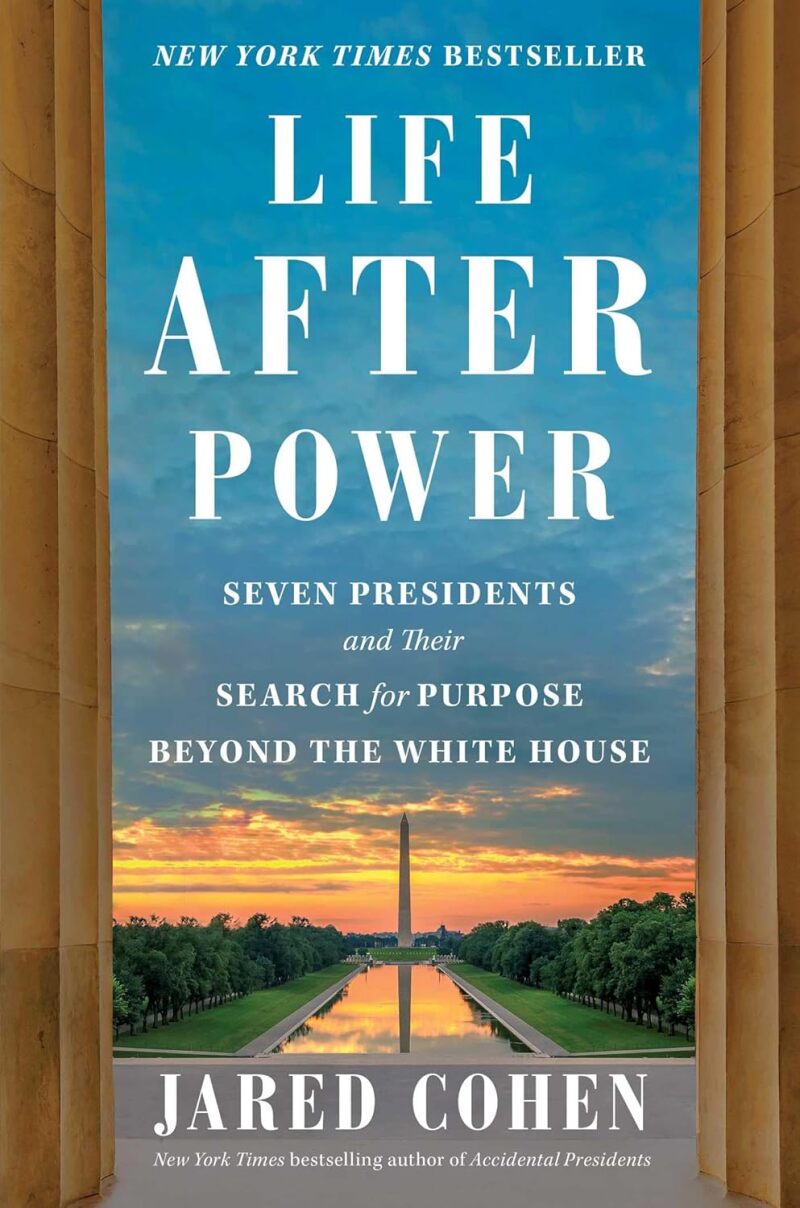
Life After Power: Seven Presidents and Their Search for Purpose Beyond the White House by Jared Cohen
The American presidency is viewed as the most powerful position in the world. What happens when the job ends? History is often surprising. Not everyone found the role to be the most fulfilling one they ever had. Jared Cohen looks at some fascinating case studies that back that up. John Quincy Adams and William Howard Taft found greater joy in other branches of government: Congress and the Supreme Court. George Bush enjoys his private life and art studio. Life after power CAN be much more rewarding. — Edith Chapin, senior vice president and editor in chief
Little, Brown and Company
hide caption
toggle caption
Little, Brown and Company
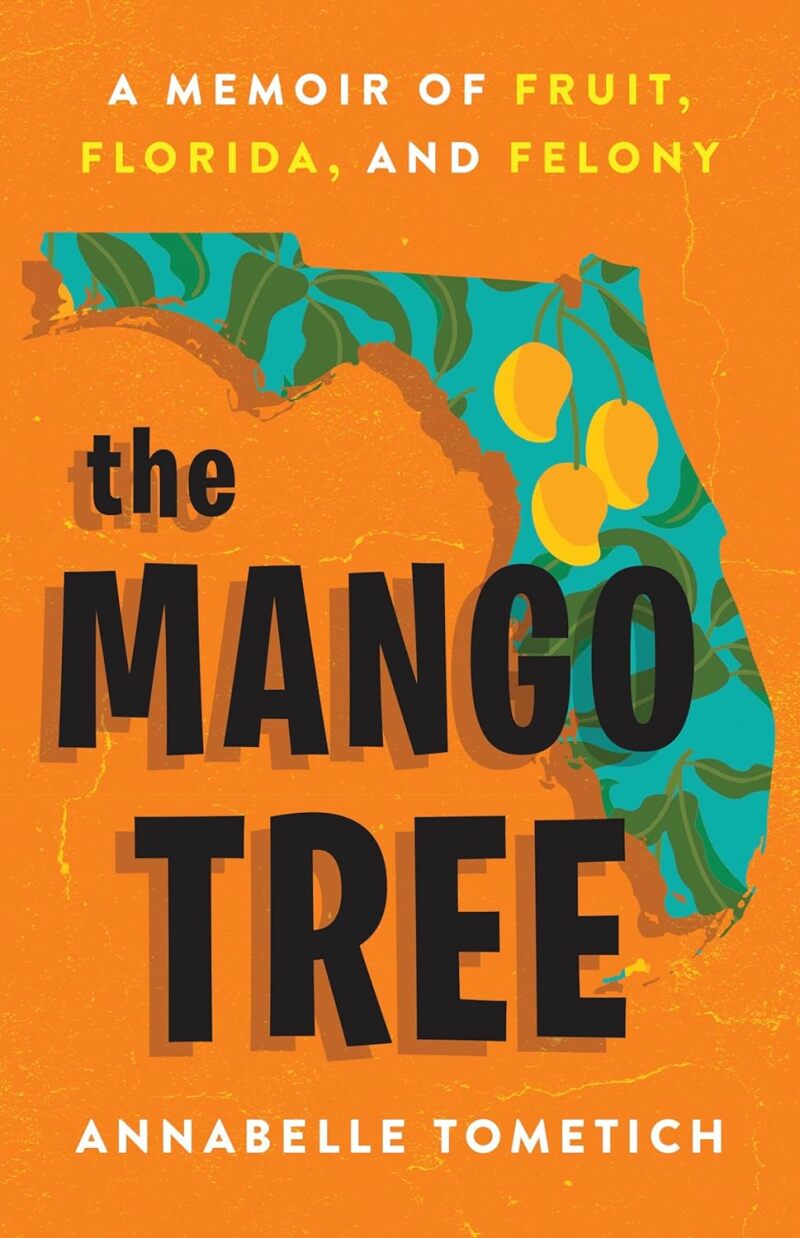
The Mango Tree: A Memoir of Fruit, Florida, and Felony by Annabelle Tometich
This family memoir begins with a courtroom scene like no other. After a night in jail, Annabelle Tometich’s mom is charged with firing at a man who, she says, was stealing mangoes from the tree in her front yard. Tometich then hits rewind, taking readers back through her Fort Myers, Fla., childhood — with her Filipino American mom and white dad, a couple whose personality differences do not make them stronger together. The writing is both jewel-like and effortless, and Tometich’s memories — some mundane, some extraordinary — are mesmerizing. — Shannon Rhoades, senior editor, Weekend Edition
Little, Brown Spark
hide caption
toggle caption
Little, Brown Spark
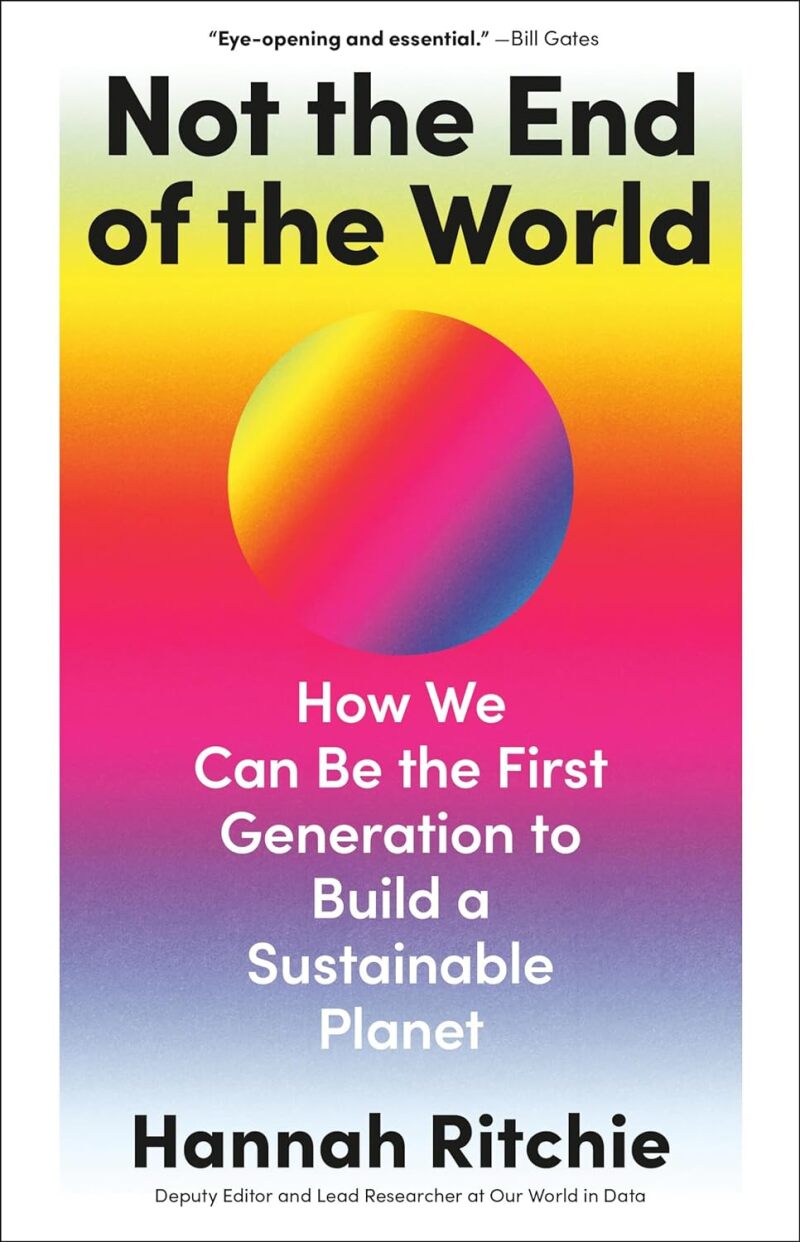
Not the End of the World: How We Can Be the First Generation to Build a Sustainable Planet by Hannah Ritchie
Not the End of the World sifts through the evidence on pollution, extinction threats and deforestation. Once the numbers are clinically separated from emotion, a surprising guidebook to an eco-friendly life emerges. Food miles: not likely to affect climate change much. Meatless Mondays: helpful, especially if eschewing beef. Not everyone will interpret the world’s chances of staying within 2 degrees Celsius of warming with the same cautious optimism as Hannah Ritchie (“I’m confident we can keep moving closer”). But Ritchie’s data-first perspective makes this book an invaluable chaser to climate doomscrolling. — Darian Woods, co-host, The Indicator from Planet Money
St. Martin’s Press
hide caption
toggle caption
St. Martin’s Press
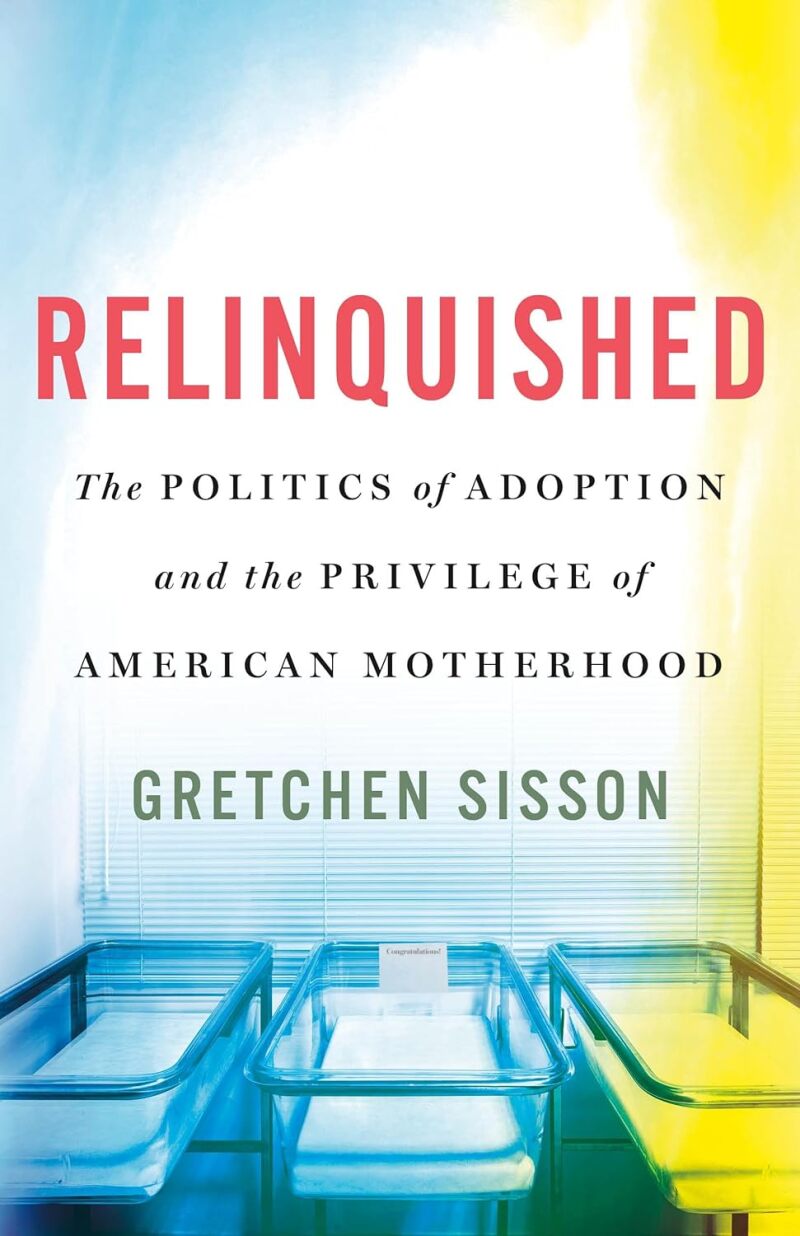
Relinquished: The Politics of Adoption and the Privilege of American Motherhood by Gretchen Sisson
Gretchen Sisson’s research and careful retelling of first/birth mothers’ experiences sheds light on the people who are too often ignored, dehumanized and erased within the institution of adoption. This book deepened my understanding of how adoption, while typically viewed as a noble, feel-good form of family building, actually hinges on the trauma of family separation. Relinquished reveals the structural forces behind this loss, commonly blamed on the individual failures of a mother or birth parents. These are interviews that broadened my understanding of reproductive justice and myself as an adopted person. It’s essential reading in this era of reproductive rights under threat, for anyone who has thought of adoption as “a simple alternative” to abortion, and anyone considering adoption as a family plan. — Schuyler Swenson, content development producer
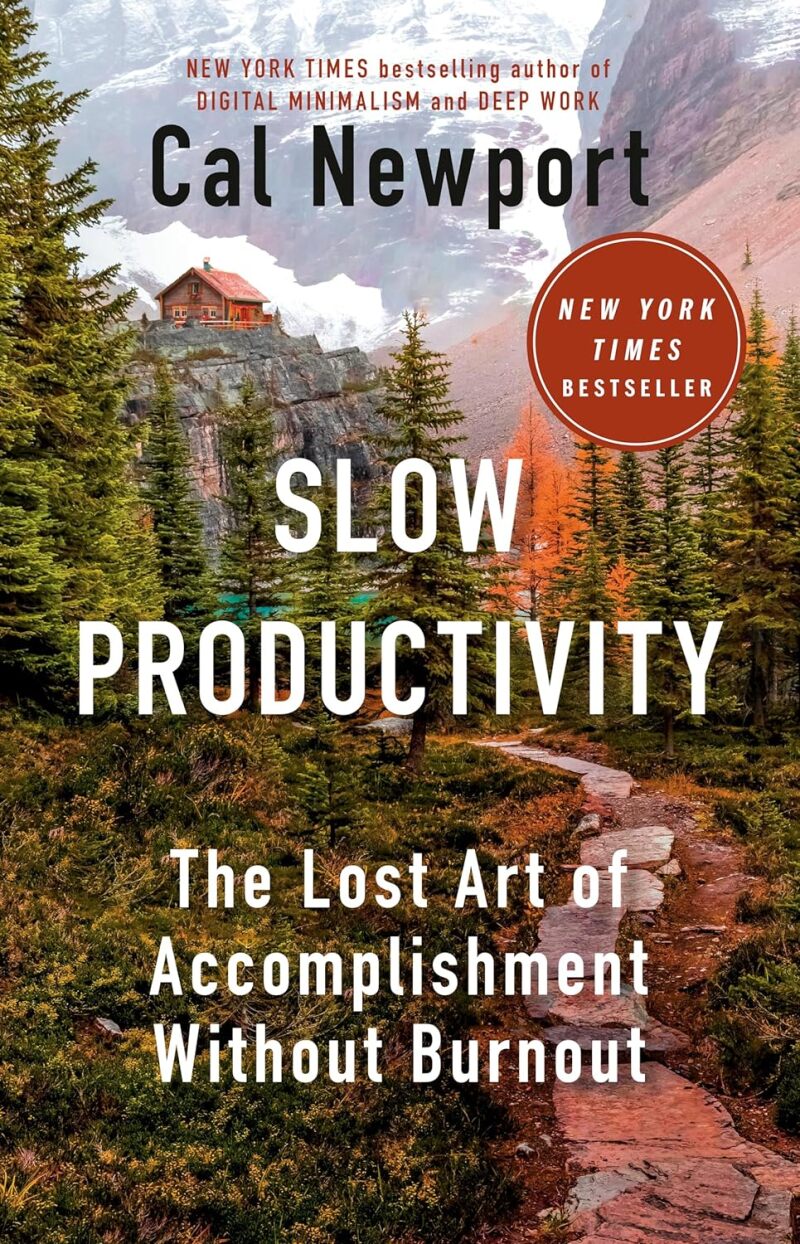
Slow Productivity: The Lost Art of Accomplishment Without Burnout by Cal Newport
If you’re the typical knowledge worker, your life is overwhelmed by a dizzying flurry of emails and Slack messages breaking your focus every few minutes. You breathlessly ricochet from task to task yet never get enough real work done. Stop. Take a deep breath. Then read Slow Productivity, which expounds on productivity expert Cal Newport’s tripartite philosophy of 1) do fewer things 2) work at a natural pace and 3) obsess over quality. He provides practical hacks to implement these principles into your life, while weaving in examples of how deep thinkers such as Jane Austen embodied slow productivity. Newport writes, “The way we’re working no longer works.” But if enough knowledge workers embrace slow productivity, we can revolutionize the world of work. — Preeti Aroon, copy editor, NPR.org
Farrar, Straus and Giroux
hide caption
toggle caption
Farrar, Straus and Giroux
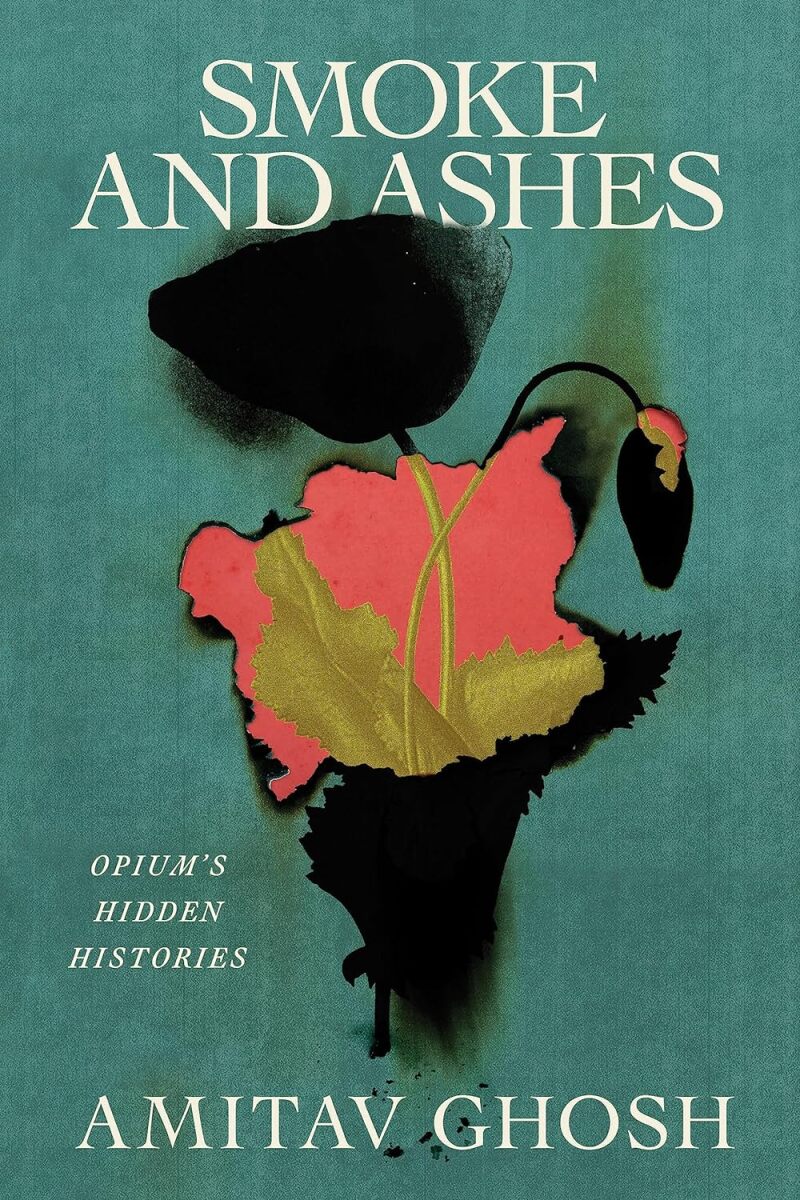
Smoke and Ashes: Opium’s Hidden Histories by Amitav Ghosh
This is a gripping tale of how the British became history’s first narco state, curiously, to help pay for the tea its people so loved to drink. Amitav Ghosh narrates how the British forced opium into China, creating a market by creating addicts. But opium did so much more. Ghosh investigates how it created many of the modern merchant families of India and the United States, including the fortunes of the Delanos (Roosevelt’s maternal grandfather) and the Forbeses. But perhaps the most important part of this book is how Ghosh looks at the history of opium through the prism of what we know now about opioid addiction, and the relatively newfound sympathy we have toward addicts — white addicts. — Diaa Hadid, international correspondent
The Bitter Southerner
hide caption
toggle caption
The Bitter Southerner
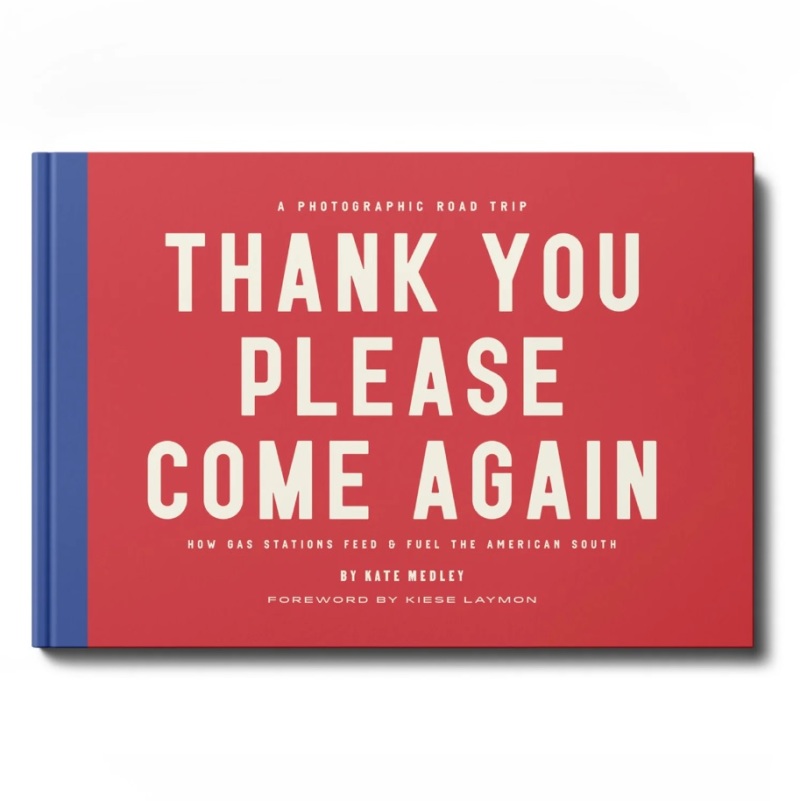
Thank You Please Come Again: How Gas Stations Feed & Fuel the American South by Kate Medley
As someone who travels Southern backroads reporting for NPR, I’ve long noticed how gas stations tend to serve as hubs in rural communities. And I have certainly sampled my share of convenience store fried chicken and sweet tea. Now, photojournalist Kate Medley, a native of Mississippi, takes us on a picturesque road trip across 11 states to document the food cultures you find at service stations. It’s a lovely coffee table book that puts a fascinating lens on a changing American South. There’s a little bit of everything — live bait and ammunition, hot tamales, catfish plates, Cajun banh mi, boiled peanuts, chicken tikka masala and hand-cut steaks. Writer Kiese Laymon’s forward sets the table with a story from his Mississippi youth as he recalls “my favorite restaurant served gas.” — Debbie Elliott, national correspondent
Random House
hide caption
toggle caption
Random House
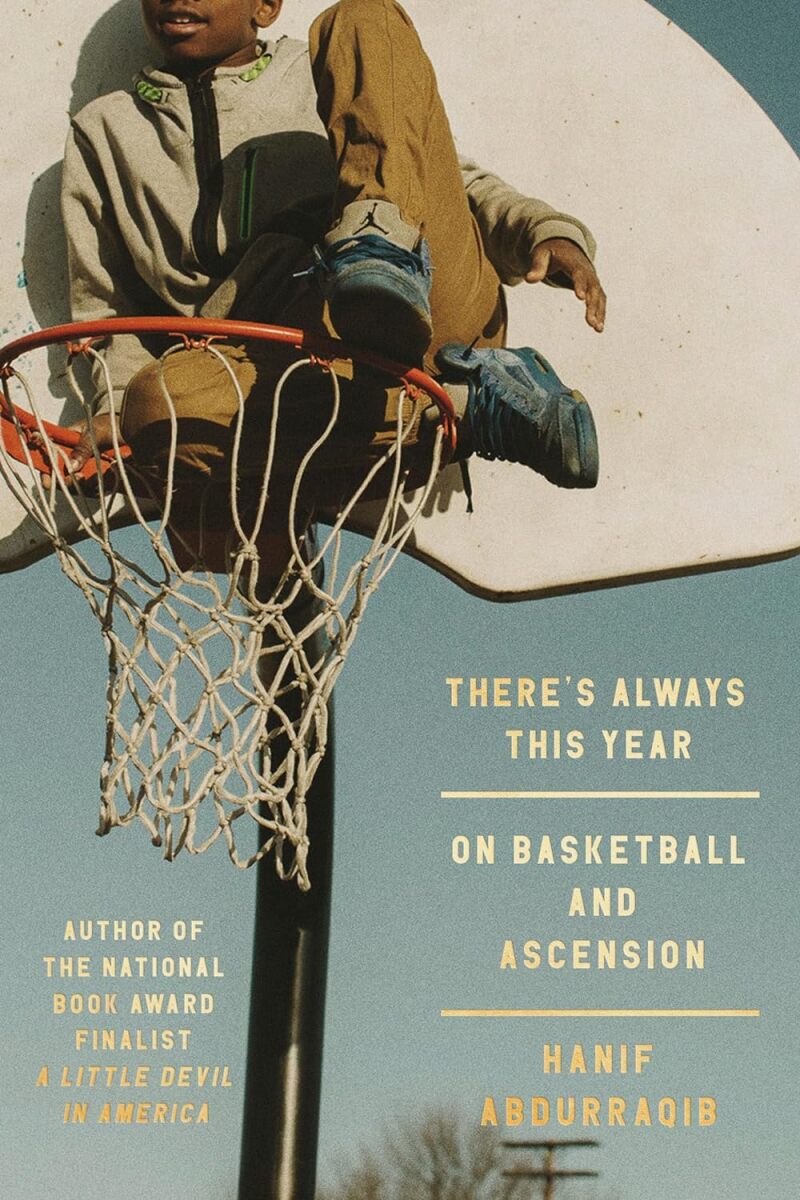
There’s Always This Year: On Basketball and Ascension by Hanif Abdurraqib
I don’t even watch basketball all that much. And yet, there’s something alluring about Hanif Abdurraqib’s meditation on the sport. Because, sure, it’s about hoops and LeBron James and Cleveland and the funny way time works when you’re watching a Game 7. But it’s also about losing loved ones. Fans of Abdurraqib’s work will recognize his rhythms and stylistic flairs that hardly ever fail to draw a reader in, and his talent at making you see the beauty in the things he finds beautiful. — Andrew Limbong, correspondent, Culture Desk, and host, NPR’s Book of the Day
William Morrow
hide caption
toggle caption
William Morrow
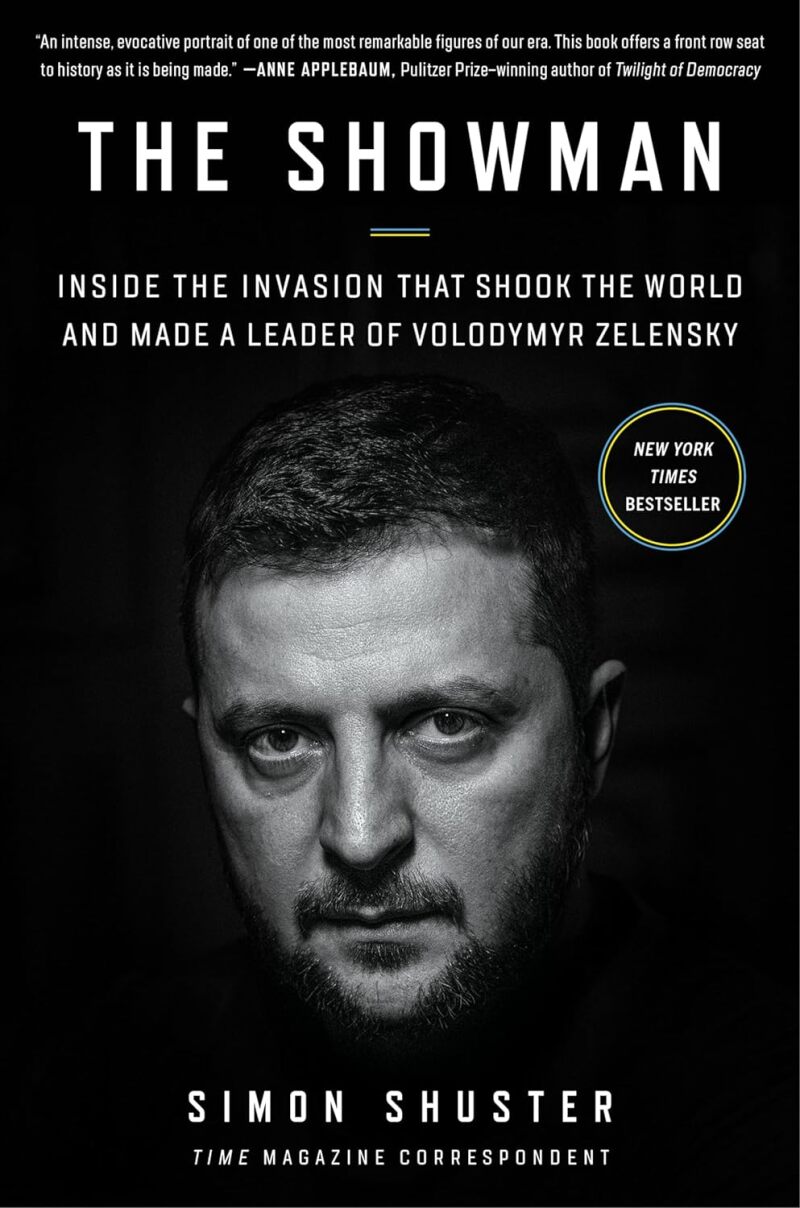
The Showman: Inside the Invasion That Shook the World and Made a Leader of Volodymyr Zelensky by Simon Shuster
In this cinematic page-turner, Time correspondent Simon Shuster paints a vivid portrait of the Ukrainian president, who honed his powerful communication skills during decades as one of Ukraine’s most popular comedians. Shuster charts the rise from naïve political novice to steely — and unforgiving — wartime president. Deeply reported and deftly written, this book is a feat not only because it sheds light on one of today’s most consequential political figures, but also the history that shaped him and the tectonic shift in geopolitics that he’s now forced to navigate. — Joanna Kakissis, Ukraine correspondent
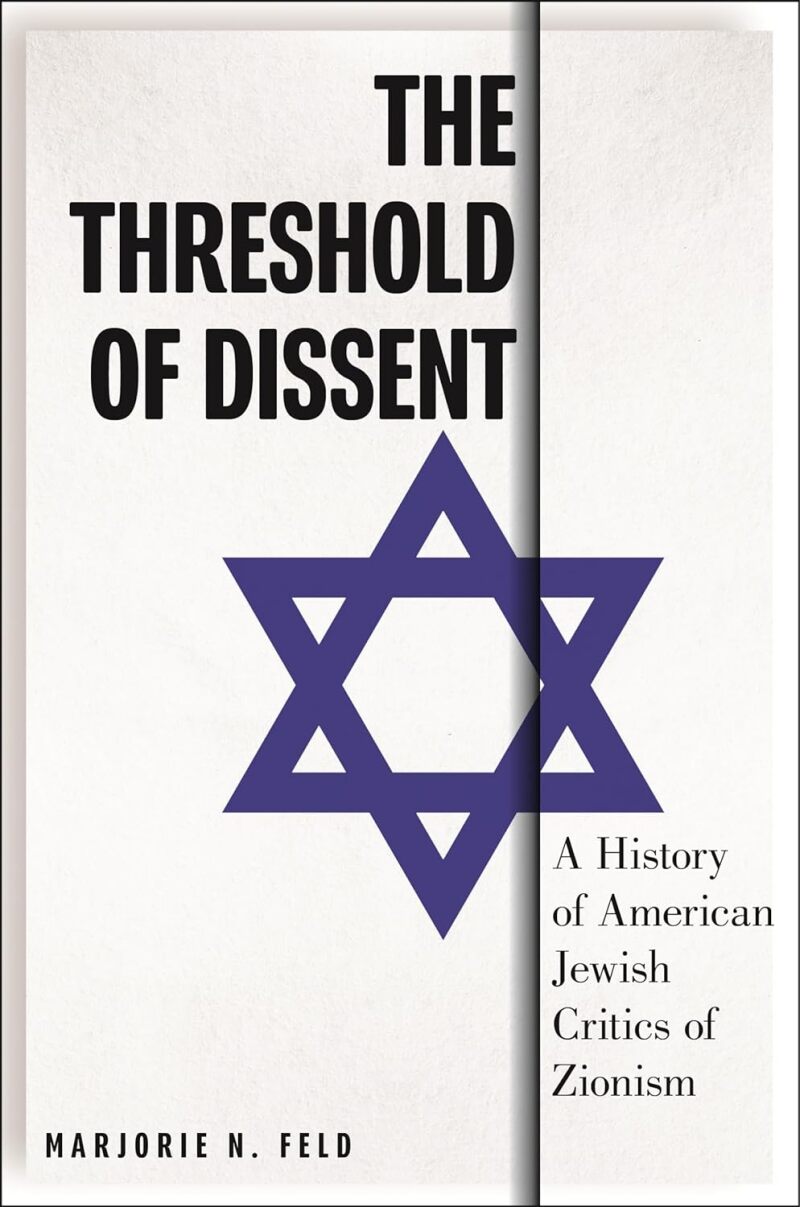
The Threshold of Dissent: A History of American Jewish Critics of Zionism by Marjorie N. Feld
The world is a very confusing place right now — at least, that’s how it feels to me — so I’m always looking for books that can help me better understand where we are as a society and how we got here. The Threshold of Dissent is one of those books. In clear, careful language, the author illustrates some of the major moments over the past century that have shaped Jewish beliefs about Zionism, anti-Zionism and non-Zionism. It’s a history told with both rigor and compassion — two qualities that seem especially essential when embarking in conversation on such a fraught and contentious subject. — Leah Donnella, senior editor, Code Switch
Gallery Books
hide caption
toggle caption
Gallery Books
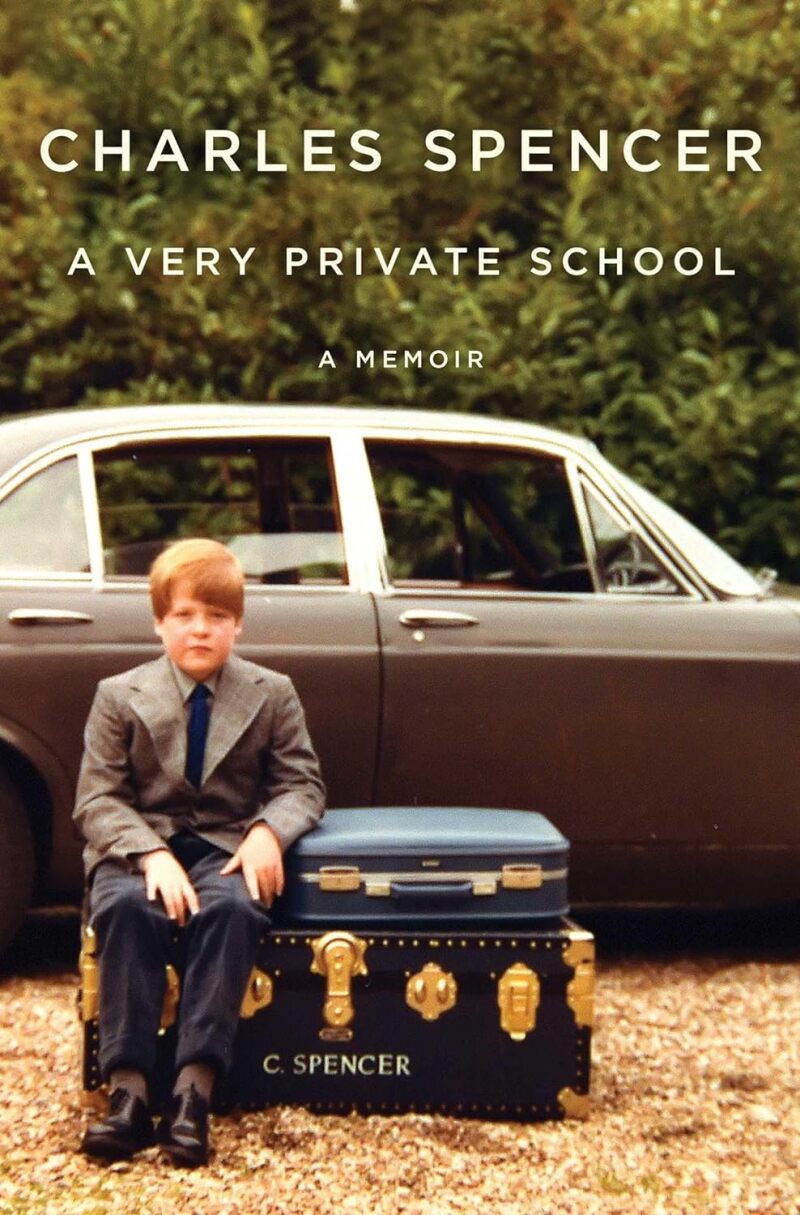
A Very Private School: A Memoir by Charles Spencer
Charles Spencer — younger brother of Diana, Princess of Wales — turns his considerable talents as a writer and historian on his own childhood. A Very Private School details what, he says, happened to him and his classmates — physical, sexual, emotional abuse — at one of Britain’s most elite boarding schools. Undergirding all is a culture of privilege, yes, but also silence and tradition rooted in the British Empire, sending 8-year-olds away from home as “the done thing.” Spencer’s quote from author Hilary Mantel in the book’s epigraph is telling, “I am writing in order to take charge of my childhood.” — Shannon Rhoades, senior editor, Weekend Edition
Little, Brown and Company
hide caption
toggle caption
Little, Brown and Company
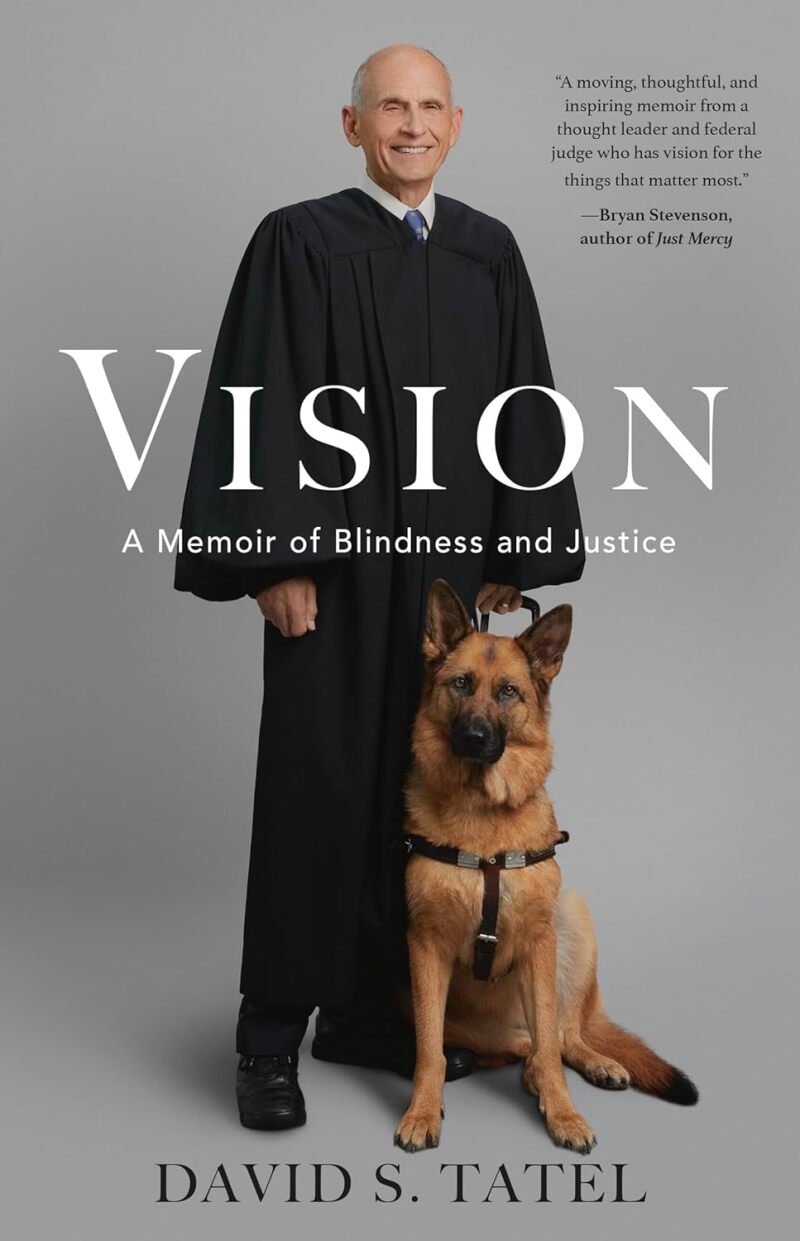
Vision: A Memoir of Blindness and Justice by David S. Tatel
David Tatel has written the book that his friends and admirers always hoped he would write, but expected he would not. One that deals candidly with his “vision” — his blindness, and his years of treating it as an asterisk, all while becoming one of the most prominent and thoughtful judges in the country. This book is both novelistic and introspective in its treatment of his lack of sight — from his love affair with his wife and children, to his “cane lessons,” to his later-in-life affection for his guide dog, Vixen. Along the way, it is also a book about the law, the art of judging and today’s Supreme Court. And it’s fascinating. — Nina Totenberg, legal affairs correspondent
Farrar, Straus and Giroux
hide caption
toggle caption
Farrar, Straus and Giroux
Who’s Afraid of Gender? by Judith Butler
Judith Butler’s groundbreaking 1990 book Gender Trouble revolutionized gender studies by arguing that gender is socially constructed, almost mythlike, but that myth can create reality. In this book, Butler leans into the titular question: Why has gender become such a “phantasm” in American life, and what does it tell us about how we’re approaching some of the biggest problems facing us, like climate change and far-right extremism? Butler has a clear perspective — and spells out the dangers of an ascendant “anti-gender ideology.” But it’s also an invitation to consider how we think about gender — and what that might tell us about who we are. — Tinbete Ermyas, editor, All Things Considered
Milkweed Editions
hide caption
toggle caption
Milkweed Editions
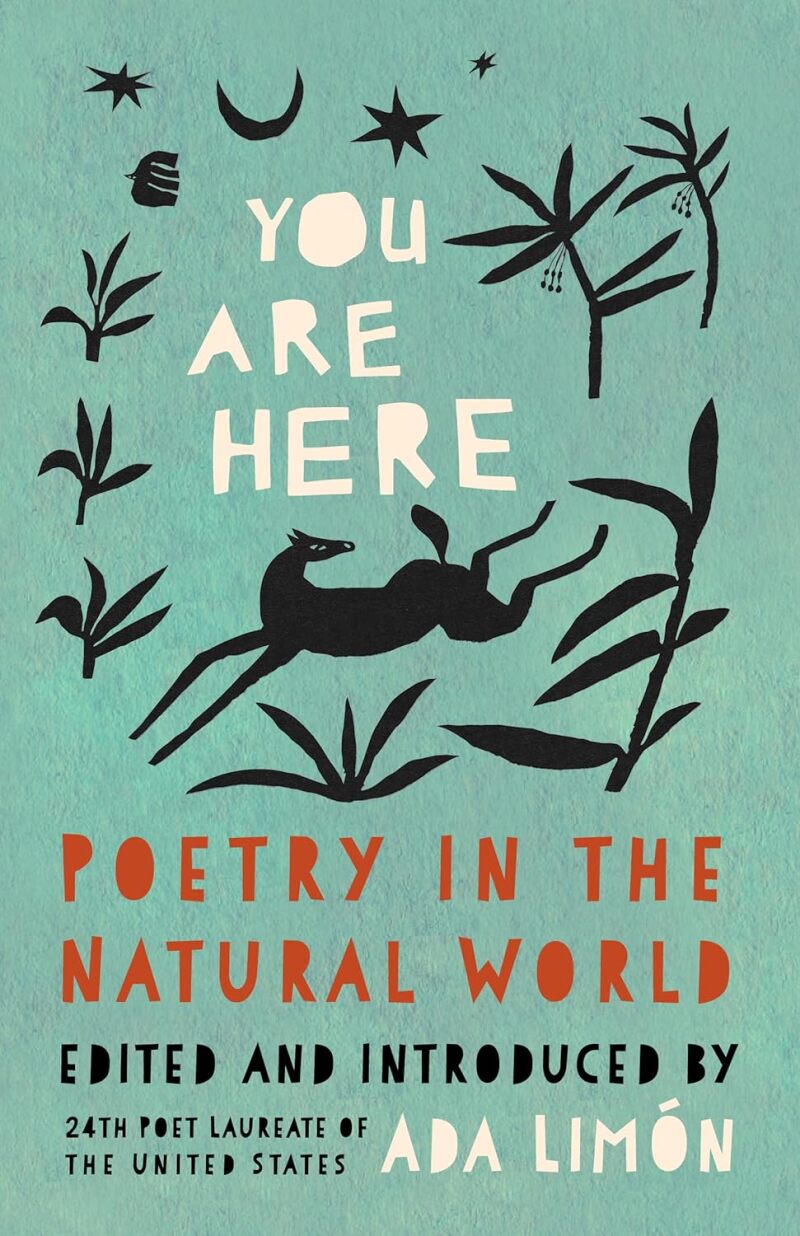
You Are Here: Poetry in the Natural World by Ada Limón
This anthology of 50 never-before-published poems about nature was edited by the 24th poet laureate of the United States, Ada Limón. The collection is both achingly beautiful and terrifyingly urgent. From a humorous take on getting drenched in a rainstorm to a beloved tree on its last day of existence to a woman processing the bleak reality of the world her grandchildren will inherit, these poems encouraged a heightened noticing in me and (bonus!) introduced me to the work of many new-to-me poets I’m eager to explore. — Beck Harlan, visuals editor, Life Kit


Azar Nafisi on the set of Eran Riklis’ Reading Lolita in Tehran
Marie Gioanni/Greenwich Entertainment
hide caption
toggle caption
Marie Gioanni/Greenwich Entertainment
A new film version of Azar Nafisi’s critically-praised, worldwide bestselling memoir, Reading Lolita in Tehran, is now in theatres.
The film shows a group of women meeting clandestinely in Nafisi’s home in the mid-1990s, to read forbidden books. They read classics of the West, like Madame Bovary, The Great Gatsby, Pride and Prejudice, and Lolita.
Education had become dangerous and even deadly during the Islamic Revolution, and reading forbidden books was Nafisi’s way to fight back.
The film, directed by Eran Riklis, begins with Nafisi as a university professor and ends with her exiled from her homeland. Nafisi told Scott Simon about the experience of seeing herself and her story depicted on the big screen, “I feel towards it the way I feel towards my children.”
The film is directed by Eran Riklis and won the the Audience Award and a special jury prize at the 2024 Rome Film Festival.
It stars Iranian actors Goldshifteh Farahani, Zar Amir Ebrahimi, and Mina Kavani. Like the author, some of the actors are exiled from Iran.

Actor Golshifteh Farahani stars as Azar Nafisi in Eran Riklis’ Reading Lolita in Tehran.
Greenwich Entertainment
hide caption
toggle caption
Greenwich Entertainment
“These girls were very different, one from the other,” Nafisi said of the students who studied with her in Tehran. Remembering them now, and seeing them depicted on the screen, Nafisi saw anew the power of great literature.
“Outside the classroom, they probably wouldn’t talk to one another. But in that class, they learned to communicate and to connect,” she said.
Through the stories in the books, Nafisi said each woman could find more and become more herself. “It reached a sort of magic,” she said.
The magic was brutally broken by a government that was desperate to quiet the voices of dissenters. Nafisi’s homeland changed quickly into a place she barely recognized
“This wasn’t my land,” she told Simon. “This was a country ruled by a regime that stoned people to death.”
When the religious hardliners in the government banned women from appearing in public without a headscarf, the film shows Nafisi, played by Goldshifteh Farahani, agonizing in front of a mirror with a black headscarf.
“The expression on her face is fear, because by and by, she disappears into this garment,” Nafisi said. For some, the headscarf was a symbol of the place of women in society, but for Nafisi the stakes were even higher.
“This is not a political fight. This is an existential one,” she said. “Our identity as human beings, as women, has been taken away from us.”
When fighting against covering her hair became too dangerous, Nafisi found small ways to rebel. “I never wore my scarf properly. I would always show a few strands out of the scarf to tell them, ‘You don’t own me.’”
Nafisi’s book about fighting the Iranian Revolution through the simple act of reading was an international bestseller, won numerous literary awards, and was named as one of the “100 Best Books of the Decade” by The Times (London).
Nafisi now lives in Washington, D.C., and continues to make a passionate case for the role of artists and writers in society.
She shared with Simon an illustrative story from the beginning of Islamic Revolution. The new leaders tore down the statues of the king and the royal family and changed the names of streets. But when they tried to bring down the statue of Persian poet Abul-Qâsem Ferdowsi, and erase his place of honor within the culture, the people opposed it.
“I thought how fantastic that they can bring down the statue of the Shah, but they can’t touch the poet,” she said.
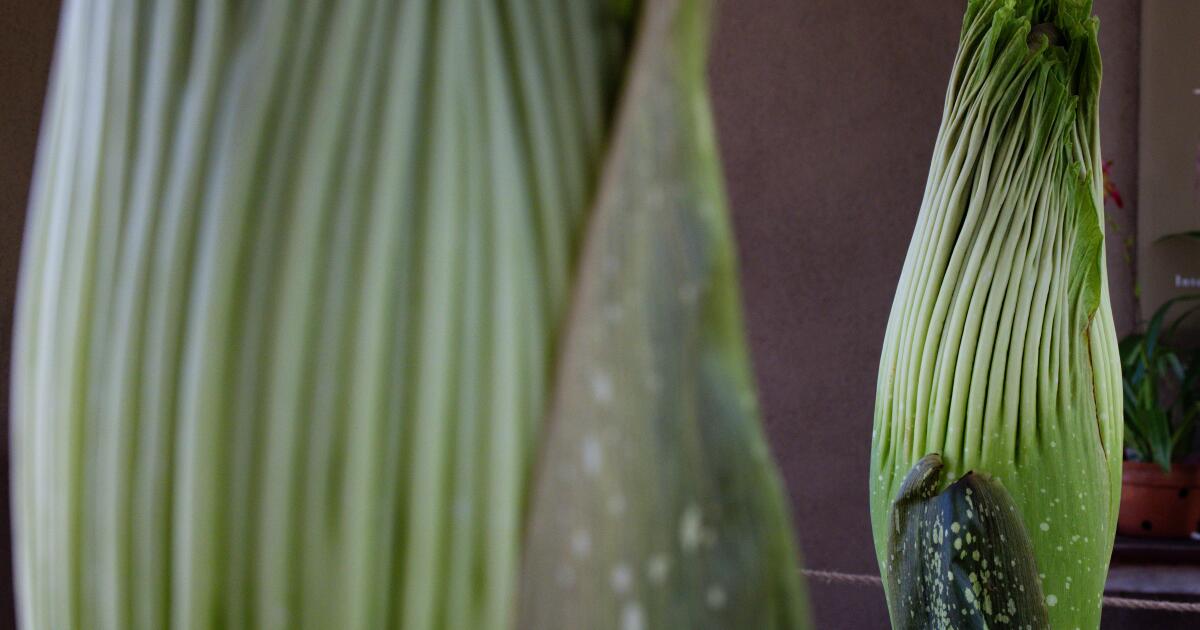
Get ready to catch a whiff of stink. Not one, but two rare corpse flowers are set to bloom at the Huntington in the coming days, with one of them making its first-ever public bloom.
If both plants unfurl on the same day, it would be just the second time a double bloom has ever occurred at the Huntington.
For those unfamiliar with these funky flora, be warned. Corpse flowers bloom for just 24 to 48 hours, and once opened, they reek of gym socks, rotten eggs and decaying flesh … or, well, a corpse.
Brandon Tam, associate curator of orchids for the Huntington, speaks to reporters in front of two corpse flowers as they prepare to bloom.
(Kayla Bartkowski / Los Angeles Times)
Couple that with their tropical native climate of Sumatra, Indonesia, and you’re in for a sweaty, stinky viewing experience.
The stench is important for pollination, said Brandon Tam, the Huntington’s associate curator of orchids. It attracts carrion beetles and flesh flies, which lay their eggs on rotting animal carcasses.
At the Huntington, pollinators aren’t the only thing it entices. Since the garden exhibited its first corpse flower in 1999, thousands of people flock to its conservatory every summer, just to smell these putrid plants.

-
Share via
It smells like rotting flesh, but thousands of people will be lining up to catch a whiff.
“The kids that first came in 1999 are now bringing their kids — their own kids — to experience this over 20 years later,” Tam said. “It’s amazing, this plant, the impact that it has had over many generations.”
Glendale resident Trinity Shi, 42, witnessed three blooms at the Huntington in 2022 and 2023 and compared the smell to rotten fish: pungent, but not unbearable. She was excited to feature such an unusual specimen on her Instagram plant blog, @cubehousejungle, and hopes to make it to this year’s bloom too.
“It feels really prehistoric to look at this plant, because it is so giant,” Shi said of the corpse flower, which can grow over 12 feet tall. “It’s become kind of like a mascot for the Huntington.”
Thanks to cultivation techniques, the Huntington coaxes the plants to bloom every two to three years, not four to six like they do in their natural habitat, where they’re endangered.
Still, the blooms are notoriously unpredictable, Tam said. He guessed one of the plants will bloom in the coming days.
This upcoming bloom spotlights a plant nicknamed Odora, who last opened in 2024, and Odorysseus, a rookie public bloomer. Visitors offered name suggestions for Odorysseus on the Huntington’s Instagram page, where contenders included Stinkerbell, Gagatha and Count Flatula, among others.
It’s not unusual for the Huntington to have multiple soon-to-be bloomers on display. But only once, in 2018, did two plants actually unfurl on the same day.

A detailed view of a corpse flower as it prepares to bloom.
(Kayla Bartkowski / Los Angeles Times)
For Odora and Odorysseus, siblings from a 2002 pollination, a double bloom is unlikely, Tam said. The plants are inclined to bloom out of sequence, “because they want to pollinate another plant that’s in the vicinity.” That can’t happen if they bloom simultaneously.
Though many refer to these plants as “flowers,” they are actually an “inflorescence,” a flowering structure containing hundreds of smaller blooms inside.
When it’s almost time for the plant to open, the spadix — a conic protrusion from inside the plant — emerges and accelerates in growth, climbing up to six inches per day. After a few days, its growth slows down.
“When it gets to about the one-inch range, we’ll know it’s about to bloom for us fairly soon,” Tam said.
When it does bloom, the spathe — leaflike structures encasing the plant — unfurl around 3 or 4 p.m., reaching maximum size in the early hours of the morning. The odor comes from the spadix, which heats up to about 98 degrees to strengthen the smell.

Brandon Tam, associate curator of orchids at the Huntington, walks past the corpse flowers as they prepare to bloom.
(Kayla Bartkowski / Los Angeles Times)
From there, visitors have until about 3 to 5 p.m. to smell the plant before it closes back up and collapses, losing its odor. Eventually, the plant returns as a leaf or a flower, photosynthesizing energy in preparation for its next bloom.
Today, the Huntington houses 43 corpse flowers, making it one of the largest corpse flower collections in North America. The Huntington cultivates them on-site and has distributed many to botanic gardens and zoos across the country.
“It’s important when it comes to conservation that we make plants accessible,” Tam said. “If we’re able to share these plants with other organizations and other hobbyists, we’re able to decrease the amount of plant theft that occurs in the wild, where a lot of conservation work is much needed.”
Eager sniffers can visit the Huntington from 10 a.m. to 5 p.m. Wednesday to Monday. Be sure to stay hydrated, cool and patient, as it’s humid inside the conservatory and lines can be long. For those who want to track the blooms’ progress from afar, catch the Huntington’s online livestream.
Library, art museum, botanical garden
The Huntington
Address: 1151 Oxford Road, San Marino
Admission: $13-34; children 3 and under, free; “Museums for All” (SNAP EBT) program, $5.
Info: huntington.org
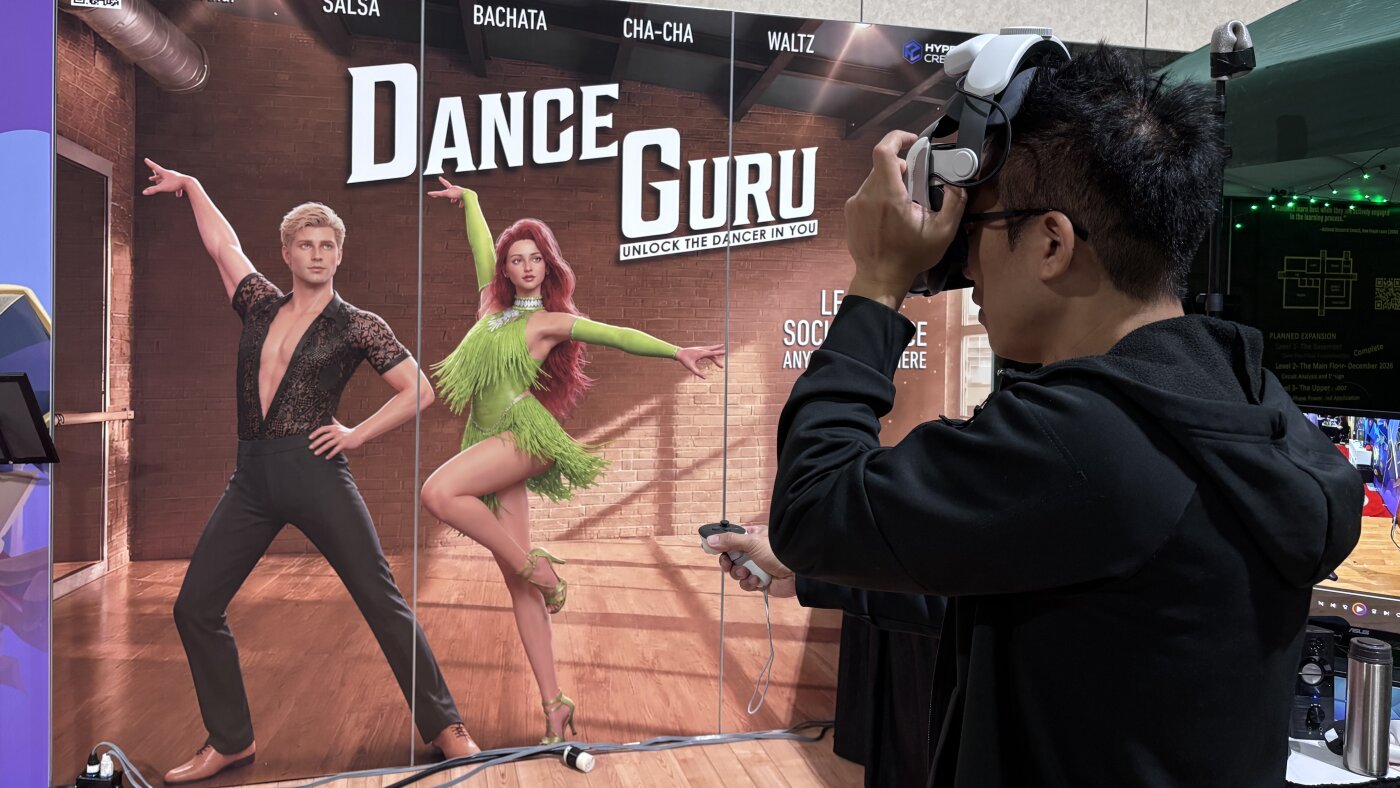
Entrepreneur David Huang tests out a VR headset while conducting demonstrations of the social dance lesson app Dance Guru at the Augmented World Expo in Long Beach, Calif., June 17, 2026.
Chloe Veltman/NPR
hide caption
toggle caption
Chloe Veltman/NPR
Wedding season is in full swing, bringing with it a familiar sense of dread for anyone who fears the dance floor.
But relief may finally be at hand with the help of a new app, Dance Guru, and a virtual reality (VR) headset.
The social dance instruction app transports users to a spacious, digital dance studio. Waiting inside is a computer-generated coach: a handsome, male avatar wearing a shirt open to his navel. He speaks with a slightly gravelly English accent.
“Watch me now,” he instructs at the start of a waltz lesson — which NPR tried out at the Augmented World Expo in Long Beach, Calif., an annual conference showcasing the latest developments in virtual and augmented reality.
The avatar then demonstrates a basic box step.
From there, the lesson becomes interactive. The coach tells the user to hold his hand while an electric pinging sound tracks the student’s foot placement.
“One, two, three, four, five, six,” the virtual teacher counts down.
When the user stumbles, he remains remarkably patient. “Do not worry, foundations take time. Let’s try that again. Work on grounding your steps more intentionally.”
Solving the beginner’s dilemma
Dance Guru creator David Huang said he came up with the idea for the app a couple of years ago out of frustration.
“I always wanted to learn to dance and I was always terrible at it,” Huang said. “And I always ended up stopping midway through the lessons.”
He soon realized that many beginners hit the exact same roadblocks.

“Private lessons are too expensive, and you feel like you’re always forgetting the dance steps,” Huang said. “You cannot find a partner to dance with. So I figured maybe I can create something like this.”
The Dance Guru platform currently offers tutorials in salsa, bachata, waltz, and cha-cha, in both lead and follow modes. To make the digital instruction feel authentic, Huang used motion-capture technology to record the movements of real-life dance teachers — with their permission.
Building on the legacy of online tutorials and video games
Dance Guru belongs to a small but growing wave of apps using VR to demystify social dance. At a nearby booth, conference attendee Victor Chen is testing out a competing app called Trip the Light. It currently offers salsa lessons, as well as freestyle options, where a user can dance with a partner without having to learn specific steps.

Trip the Light’s booth at the Augmented World Expo included posters of the app’s virtual instructors. Real-life performers, who gave Trip the Light permission to motion capture their movements, were used as a basis for these avatars.
Chloe Veltman/NPR
hide caption
toggle caption
Chloe Veltman/NPR
“A lot of times when you’re trying to learn a choreography, it’s watching a YouTube video and you have to pause it, rewind, and play it,” Chen said. “If you were to have a virtual avatar dancing in front of you and correcting for any parts that you missed, it might be a lot easier.”
Interactive video games like Dance Dance Revolution and Just Dance, and YouTube tutorials have been helping people improve their skills in private for years. But those games are mostly aimed at solo players. Unlike the new generation of immersive VR apps, they cannot simulate the mechanics or confidence required for partner dancing on a live dance floor.
The reality check
But this kind of app won’t work for every dancer.
“Everyone learns a little bit differently. And so unless you have a game that has lots of different ways of teaching, you’re going to have things that work for some people and don’t work for others,” said Ariana Katana, a trained contemporary dancer and dance content creator who’s active on YouTube, Twitch and other platforms. “Also, it’s hard to dance with a headset on.”
And then there’s the issue of not being able to physically feel a virtual partner’s hand or shoulder while dancing with them. Patrick Ascolese, the creator of Trip the Light, said the experience could become more tactile in the future. “Haptic suits and wearables will be coming, but I think we’re a little away from that,” he said.
Ascolese said even with their limitations, immersive tools like Trip the Light have immense potential as judgment-free training grounds — giving reluctant dancers the baseline confidence they need to eventually step onto the dance floor with real partners in the real world, including at weddings.
“Just like anything else, practice makes perfect,” said Ascolese. “So the more time you spend in VR with a virtual partner, it works towards helping you get over that social hurdle. We are teaching you the moves that you have to do in order to go out and have fun.”
Jennifer Vanasco edited the broadcast and digital versions of this story. Chloee Weiner mixed the audio.

-

 Arkansas14 seconds ago
Arkansas tips its hat to blues pioneer Larry “Totsie” Davis in England dedication
-

 California3 minutes ago
‘Explosive diarrhea’ parasite surfaces in California as health officials fear statewide surge
-

 Colorado8 minutes ago
This Quiet Colorado Town Is An Underrated Gem For Nature Lovers
-

 Connecticut15 minutes ago
Car catches fire in Trumbull
-

 Delaware18 minutes ago
Power outage number tops 13,000 in Delaware County as storm hits
-

 Florida23 minutes ago
Florida top-ranked signee selected in Round 4 of MLB draft
-

 Georgia30 minutes ago
3 Georgia baseball players taken in MLB Draft opening day
-

 Hawaii33 minutes ago
Hiker airlifted from Diamond Head Crater Trail

