Business
Jonson and Alice Chen: The new generation for 99 Ranch

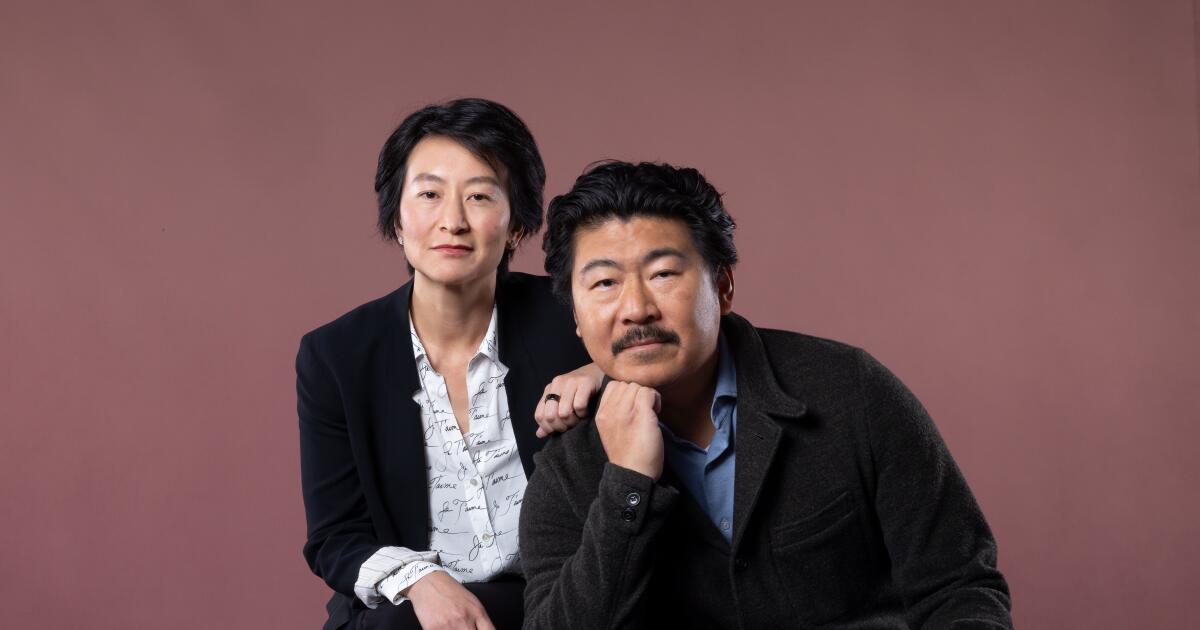
99 Ranch is so much more than just another grocery store. It’s a mecca — an oasis where members of the Chinese-speaking diaspora have indulged in the flavors of their heritage for four decades and a convenient place to snag live fish and acquire specifically Asian produce such as wispy chayote shoot tendrils and fat, nutty stalks of celtuce.
Discover the change-makers who are shaping every cultural corner of Los Angeles. This week we bring you The Connectors, who understand that power doesn’t travel in a straight line and know how to connect the dots. Come back each Sunday for another installment.
Like many Asian Americans in Southern California, Alice and Jonson Chen grew up frequenting the supermarket chain. The difference was the front-row seats they had to it all. Their father, Roger, an immigrant from Taiwan, started the supermarket in 1984, keeping an extraordinarily low profile as the business grew from a stand-alone ethnic grocery store in Westminster to an affordable Asian American icon. After years of cutting their teeth in corporate America, the Chen siblings — both Ivy League business school graduates — took the reins.
Where Roger started out specifically catering to a Chinese-speaking clientele in Southern California and importing goods from his native Taiwan, his children have their eyes set on broader horizons. Under their stewardship, 99 Ranch has become much more pan-Asian in its offerings and global in its sourcing.
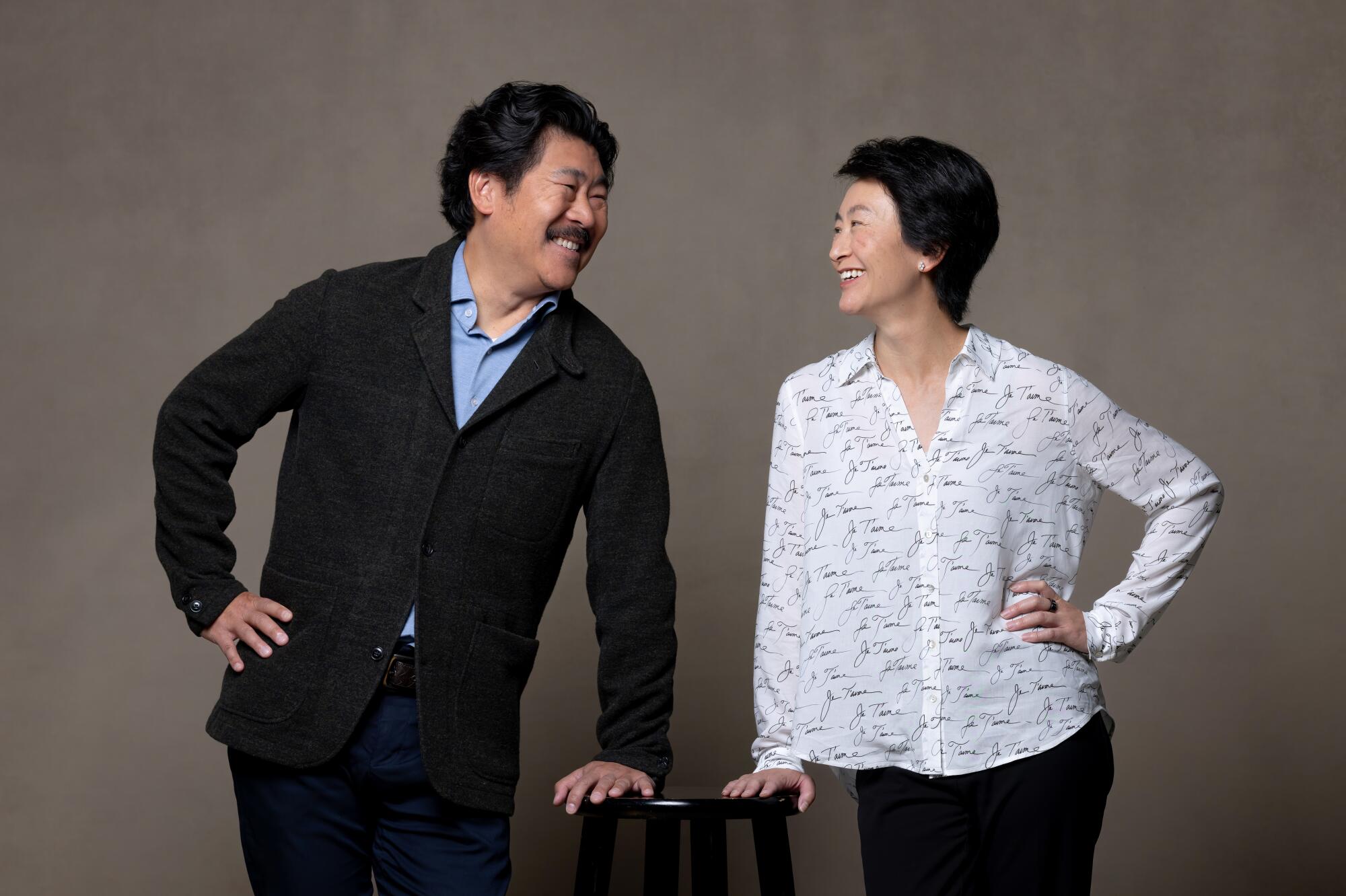
Alice, 46, the chief executive, oversees the supermarket’s daily coast-to-coast operations. Jonson, 50, the company’s chairman, is in charge of its expansion; he maintains a database on where Chinese-speaking communities are growing the fastest in the United States. With 58 stores across 11 states, 99 Ranch is now one of the largest Asian supermarket chains in the country.
Like their father, Alice and Jonson actively avoid the spotlight. But on the rare occasion when they do emerge to talk about themselves, the conversation is always focused on the family business. They say that the 99 in 99 Ranch is a homophone in Mandarin for longevity and that the ranch represents freshness. “As if straight from a ranch,” Alice said. “The double meaning is 99%. It’s almost perfect, but not quite. We’re always trying to be better. It’s very Asian. No one is 100%.”
More from L.A. Influential



Business
Ted Chen, longtime NBC4 News reporter, trades journalism for a future as a Christian pastor
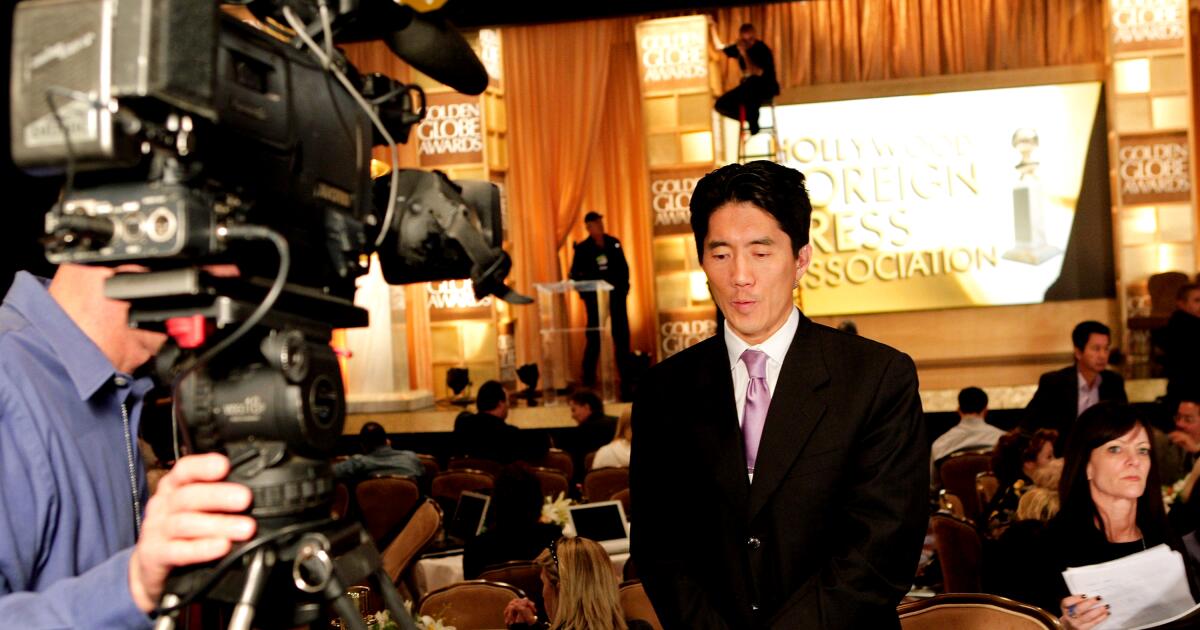
Forget reporter Ted. Call him Pastor Ted now.
Ted Chen, a familiar face on NBC4 News in Los Angeles since 1995, signed off for the last time Wednesday evening before setting off on a new path as a Christian minister.
“Many of you know I’ve been in seminary for the last several years,” he said, sitting with co-anchors Colleen Williams and Michael Brownlee after watching a video tribute to his time in front of the camera. “I got my master’s in Christian studies, and right now I’m pursuing my doctorate, my doctorate of ministry. And so, yeah, I’ll be graduating to full-time ministry beginning tomorrow.”
Even so, after 30-plus years in high gear, he might need a minute. But Chen said he’s looking forward to “a little slower pace and a chance to dig deeper” moving forward — that and not having to tell his wife he has to rush off on short notice for work.
“I’m gonna miss it, definitely,” he said. “I tell people, there’s an adrenaline shot to this, to being part of this business. There’s a serious, heavy responsibility that I took over the years.”
Chen’s career took him from Reno to Fresno to San Diego over those years and finally to L.A., where his favorite assignment wound up being the 2008 Summer Olympic Games in Beijing.
“It was China’s first Olympics and I remember how proud my parents were. … They were just so excited,” he said. “And it was just so meaningful to see that moment for China, and to go into the countryside and cover the plight of farmers.”
Chen also enjoyed all the awards shows he worked — hey, who says a reporter has to have gravitas all the time? — and said that “as a Trekkie,” his favorite celebrity interview was with the actor Leonard Nimoy.
“I normally don’t get starstruck,” Chen said, “but — him. Mr. Spock.” Whoo-ee.
In the goodbye video, Hetty Chang, NBC4’s Orange County reporter, remembered the moment she realized Chen was something special to the people of Los Angeles.
“When I first rode in the Golden Dragon Chinese New Year parade with him, I looked at him and thought, ‘Are you moonlighting as a movie star?’ ” she said. “Because people were stopping our car, our little float, and [they were saying things] like, ‘Stop the car! I want to take a picture with Ted Chen!’ ”
Chen’s wife, Ariell, wrote “I’M SO PROUD OF YOU” in an Instagram story on Thursday urging followers to watch his on-air send-off. The two met each other cross-country through a matchmaker after she, then Ariell Kirylo, had moved away from the L.A. area. They found they shared a “spiritual home” — Vintage Church in Santa Monica.
“That was certainly an interesting twist,” she told California Wedding Day, “to know we were in each other’s vicinity all along, but it took me moving to D.C. to call a matchmaker based out of Florida to meet a man at my church in L.A.! And they say dating in L.A. is hard.”
The veteran reporter elicited major respect from the people he worked with, all the way up to Marina Perelman, vice president of news for NBC4. “Ted’s career path has always been grounded in service and purpose. Over his 30 years with NBC4, he has covered remarkable stories and contributed to what he has often called the best newsroom in town. He is one of the people who truly make it that way,” she said Thursday in a statement.
“From his annual tradition of bringing cookies to the assignment desk to the kindness, compassion, and grace he shows every colleague and every person he meets, Ted embodies the very best of our newsroom culture.”
Chen put things in perspective himself on his final day in the newsroom, borrowing a page from all those athletes he’d seen over the years and telling Brownlee and Williams after all their kind words, “I’ll take the encouragement — and give God all the glory.”

The long-simmering fight between some of L.A.’s best-known billboard attorneys and Uber, one of their most frequent targets, is poised to spill out of the courtroom and onto the November ballot.
The ride-share giant is gathering signatures for an initiative that, if passed by voters, would cap how much attorneys can earn in vehicle collision cases. The company pledges the change will give victims a larger cut of their settlement money, alleging predatory attorneys are inflating medical bills to increase their own profits.
Lawyers claim it will decimate their lucrative niche — car crash lawsuits in the automobile haven that is California — and ultimately leave thousands of people with small or challenging cases unable to sue because they can’t find an attorney.
This fight, lawyers say, is existential.
Attorneys from Sweet James and Jacoby & Meyers — the names and faces of which will be imprinted in the minds of most California drivers — have given almost $1 million to a committee opposing the ballot measure, according to campaign filings. Dozens of other deep-pocketed attorneys have joined, raising an impressive war chest already surpassing $46 million.
“Uber knows darn well what they’ve done,” said Nicholas Rowley, among those leading the opposition. “This law is designed to wipe out ordinary working people’s ability to get representation.”
Attorneys have condemned the fee cap as a Trojan horse meant to trick voters into wrecking the delicate math behind personal injury lawsuits. Currently, personal injury attorneys typically take 33% to 40% of a client’s payout. That is enough, they say, for them to earn a living and risk taking cases on a contingency fee basis — meaning, if they lose, they don’t get paid.
Uber’s proposal would cap attorney fees for car crash cases at 25% and require extra costs — filing fees, depositions, experts — to be calculated before the fee split rather than coming out of the client’s portion.
The two sides have conflicting views of who would be expected to pay for medical fees, which often drain a significant portion of an injured client’s payout. Attorneys said in order to guarantee clients get 75% of the money, lawyers will have to foot the bill for these medical costs, opening the possibility they would walk away with nothing. Uber said the question of who covers medical costs is “not contemplated by the measure” andit expects clients would pay.
The measure would tightly limit what medical expenses can be claimed and curb most damages to rates based on insurance. A doctor-led political action committee opposing the measure has raised more than $4 million, according to campaign finance records, arguing it will prevent Californians from getting treatment.
Uber said in a statement that nothing in the measure prevents car accident victims from securing doctors and lawyers. Instead, the company said, the measure is aimed at tackling a perennial problem in California’s legal system: attorneys pushing car crash victims into expensive surgeries in order to fatten their fees. The only Californians impacted, Uber claims, will be “shady billboard lawyers whose business model relies on abusing auto accident victims for their own personal gain.”
“Californians deserve a system that prioritizes victims over billboard lawyers,” said Adam Blinick, Uber’s head of public policy. “Capping attorney fees, banning kickbacks, and ending inflated medical billing are common-sense reforms that will protect auto accident victims and lower costs, and we’re confident voters will agree.”
Uber has poured fuel on the fire with federal racketeering lawsuits targeting both Downtown LA Law Group, or DTLA, and Jacob Emrani, two prominent personal injury law offices in Southern California. The lawsuits allege the attorneys had “side agreements” with certain doctors to inflate medical bills for unnecessary procedures to get a larger payout.
In an Instagram post, DTLA called the lawsuit a “calculated attempt by a billion-dollar corporation” to suppress legitimate claims. An attorney representing Emrani called it meritless and part of a campaign “to shut the courthouse doors to victims injured by Uber drivers.”
Gearing up for a fight, Consumer Attorneys of California, a powerful trial lawyer trade group, is pushing three ballot measures of its own, including one seeking to increase legal liability for ride-share companies if a passenger is sexually assaulted by a driver and the other aiming to nullify the fee-capping measure if it passes. Billboards have sprung up across Los Angeles reminding Californians that Uber is the subject of a string of recent New York Times investigations into sexual assault by drivers.
A billboard on West Pico Boulevard and Vermont Avenue in Los Angeles informs passersby of sexual assaults reported to Uber.
(Jason Armond/Los Angeles Times)
The company said it has invested billions in keeping riders safe and has “done more than any other company to confront” sexual violence.
Consumer Watchdog, a consumer advocacy group that sponsored some of the billboards and receives funding from trial attorneys, put out a “consumer alert” branding the fee cap as a “license to kill” measure, claiming it would ultimately pave the way for Uber to move forward with robotaxis without worrying about getting sued. Uber said this was “flat-out untrue” and the measure has nothing to do with autonomous vehicles.
The push by Uber comes at a tense point for California’s legal bar. The Times reported this fall on private investors looking to bankroll California sex abuse cases, and separate allegations of fraudulent lawsuits and unethical conduct by Downtown LA Law Group, a firm known for car crash lawsuits that played a prominent role in L.A. County’s $4-billion sex abuse settlement.
DTLA has denied all wrongdoing and said it operates “with unwavering integrity, prioritizing client welfare.”
Some attorneys worry about how voters will perceive their industry when it’s time to cast ballots.
“I’ll tell you straight up, we could do a better job policing ourselves,” said Rowley, who said he believed the State Bar had historically been weak on California lawyers. “It creates a situation where Uber can do what it’s doing.”

The exterior of Downtown LA Law Group in Los Angeles.
(Carlin Stiehl/Los Angeles Times)
Calls for reform within California’s legal community have gained momentum in recent months.
Joseph Nicchitta, the county’s interim chief executive officer, called on the State Bar to implement “badly needed ethical reforms” that would make big personal injury cases less profitable for lawyers. Attorney and business advocacy groups have made public pleas to keep private equity out of the state’s legal landscape, worrying it fuels frivolous lawsuits. Gov. Gavin Newsom has similarly expressed unease.
“Our legal system is meant to provide justice, transparency, and accountability — not a business model that uses survivors of abuse or trauma as a revenue stream,” said a spokesperson for the governor. “California can — and must — hold two truths at the same time: standing unequivocally with survivors and victims, while also demanding integrity within the law firms and other businesses that work within our legal system.”
Californians unhappy with problem law firms already have a way to ding them without the ballot measure, Uber’s opponents argue. A new law went into effect Jan. 1 giving private citizens the right to sue an attorney for unethical practices. Many such practices are already illegal but seldom prosecuted. That includes advertising containing false promises and using third parties to solicit clients.
The Times reported this fall that nine plaintiffs represented by Downtown LA Law Group were paid by recruiters to sue the county for sex abuse in juvenile halls, four of whom said they were told to make up claims. The firm has denied paying anyone to file lawsuits.
“This is exactly why we wrote the bill,” said Sen. Tom Umberg (D-Santa Ana), a lawyer who oversees the Senate Judiciary Committee, in response to The Times Dec. 31 story on the firm. “I expect that someone will take it upon themselves to actually enforce that law.”

GameStop is shutting down more stores in California.
The video game, toy and collectible retailer has been struggling to find a way to thrive in a market where most of what it sells is easier to get online. It has been shrinking its brick-and-mortar retail footprint for years to lower costs and has reportedly shut dozens of branches in California.
An unofficial blog tracking store closures estimates that more than 400 GameStop locations, and more than 40 in California, have closed or are slated to close this month.
Calls to 10 GameStop locations across the Southland, including in Inglewood, Canoga Park and Gardena, went unanswered. A recorded message told callers that store associates were “assisting other customers” and to “call back in a few minutes.” One store employee in a San Francisco Bay Area outlet confirmed that the outlet was closing on Thursday.
Gamestop’s official store directory showed many California stores closed all week.
The closures were previously disclosed in the company’s December financial filings, though the exact number wasn’t announced. GameStop did not respond to requests for comment.
The Texas-based video game retailer’s decision to shed locations was the result of a “comprehensive store portfolio optimization review” that looked at market conditions and individual store performance, according to its December Securities and Exchange Commission filing.
GameStop closed 590 stores nationwide during the 2024 fiscal year, according to the filing.
“We anticipate closing a significant number of additional stores in fiscal 2025,” the company said in its December filing. The company’s fiscal year ends on Jan. 31.
GameStop had 2,325 U.S. stores as of Feb. 2025, the company wrote in a March filing.
GameStop has struggled as many customers download video games instead of buying physical copies at brick-and-mortar stores, the company said in the filing.
“Downloading of video game content to the current generation video game systems continues to grow and take an increasing percentage of new video game sales,” the company wrote. “If consumers’ preference for downloading video game content in lieu of physical software continues to increase, our business and financial performance may be adversely impacted.”
The company’s difficulties in staying relevant somewhat echo those of the video chain Blockbuster, which has one remaining location, and RadioShack, once a fixture at malls across America.
GameStop originated in the 1980s as Babbage’s, a computer shop in Dallas that later shifted its focus to video games. The company, which underwent several acquisitions, including by the book retailer Barnes & Noble, was later renamed GameStop.
In 2021, GameStop became the emblematic “meme” stock when investors drove up share prices during an online craze amid hopes there was a way to salvage the already struggling brand.
The company has more recently turned to cryptocurrency. Last May, it announced that it had acquired more than 4,700 Bitcoin, which Reuters estimated at the time to be worth around $513 million.
GameStop shares have been volatile over the last 12 months. As of Thursday, shares had fallen around 25% over that time period.

How Detroit CBP blocks drug trafficking at border

Man attacked in San Francisco dies 6 days later

What to know before you reupholster furniture, according to a Dallas designer

Will Indiana or Miami win the national championship? Our experts debate

Celtics midseason report card: Boston checked all boxes in impressive first half

Florida High School Football Rankings: Top 25 teams – Oct. 21

Cleary's 21 help Le Moyne down Central Connecticut State 69-64 in OT

How old is Bo Nix? What to know about Oregon quarterback ahead of 2024 NFL Draft

99th annual Pony Swim held in Virginia

Video: ‘It Didn’t Have to Happen This Way:’ U.Va. Faculty Call for Review of Police Response to Protests

Nancy Pelosi faces social media backlash over behavior at Bob Weir tribute event

Billionaires have more money and political power than ever, Oxfam says

Parts of Florida receive rare snowfall as freezing temperatures linger

Did Hunter S. Thompson Really Kill Himself?

Wife of former American detainee released after more than a year in Venezuelan prison
-

 Montana1 week ago
Service door of Crans-Montana bar where 40 died in fire was locked from inside, owner says
-

 Virginia1 week ago
Virginia Tech gains commitment from ACC transfer QB
-

 Montana1 week ago
‘It was apocalyptic’, woman tells Crans-Montana memorial service, as bar owner detained
-

 Minnesota1 week ago
ICE arrests in Minnesota surge include numerous convicted child rapists, killers
-
 Lifestyle4 days ago
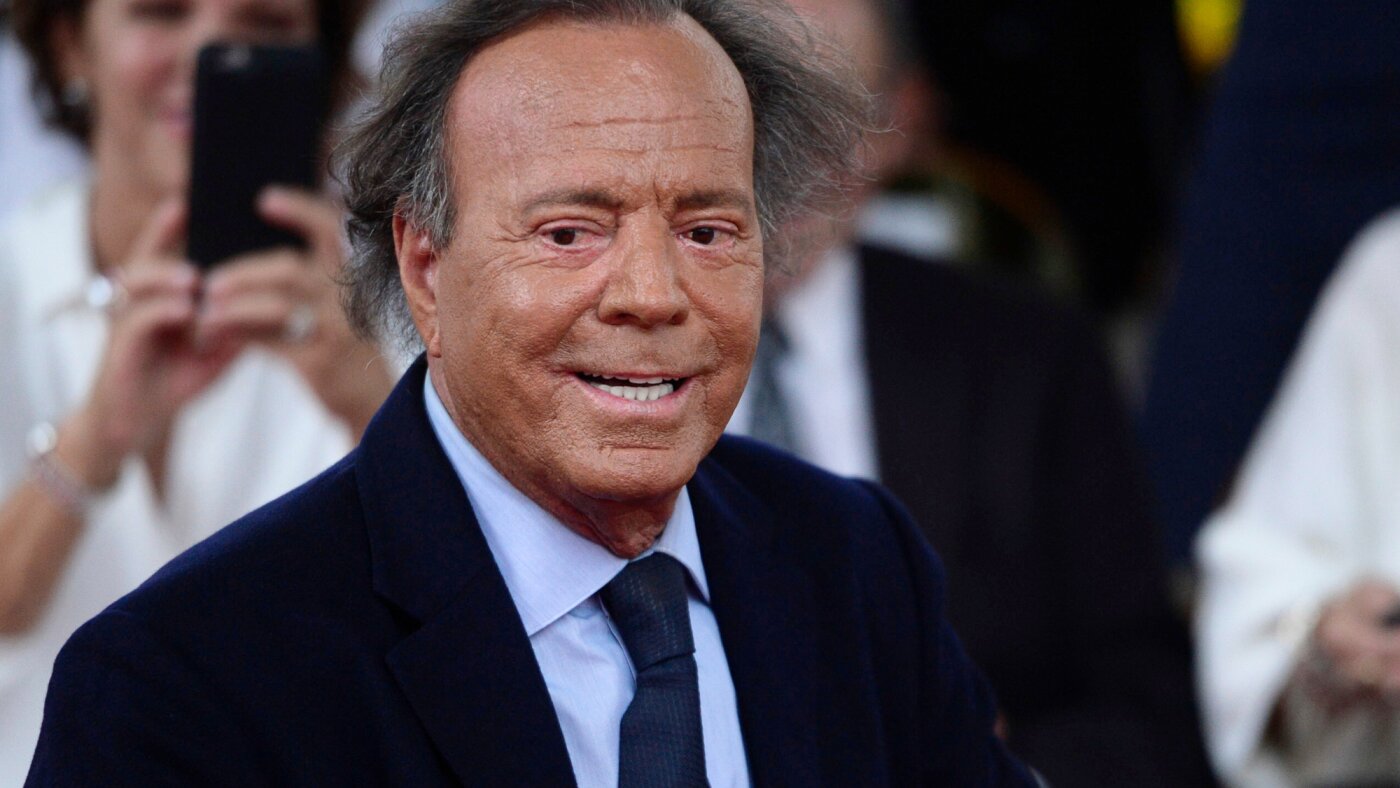
Julio Iglesias accused of sexual assault as Spanish prosecutors study the allegations
-

 Oklahoma1 week ago
Missing 12-year-old Oklahoma boy found safe
-

 Education1 week ago
Video: A Viral Beauty Test Doesn’t Hold Water
-

 Oregon1 week ago
Dan Lanning Gives Oregon Ducks Fans Reason to Believe