Virginia
DNA left at crime scene links former soldier to Virginia artist’s unsolved murder


Cold case detectives Melissa Wallace and Jon Long of the Fairfax County Police Department began reviewing Robin Lawrence’s murder case in April 2021. They were struck by the sheer violence of the attack on the 37-year-old Springfield, Virginia, mother.
Det. Jon Long: … that’s like your worst nightmare.
Det. Melissa Wallace: It looked brutal.
Det. Jon Long: … that’s the reason why you tell your loved ones to make sure that your doors are locked at night … he is … the boogeyman.
Investigating the murder of Robin Warr Lawrence
On Nov. 20, 1994, Robin’s friend Laurie Lindberg had entered her home to check on her and saw blood on the bedroom walls and Robin’s 2-year-old daughter Nicole wandering around. Alarmed, Lindberg called 911 – and then rushed the little girl to the hospital. Although Nicole did not appear hurt, she had undergone a liver transplant after she was born, and her health was fragile.
Laurie Lindberg: Because, of course, she’s taking immunosuppressive medications. … I mean, this is life-saving medication. … She needs to have it.
Anne-Marie Green: Because you don’t know how long she’s been in that house by herself.
Laurie Lindberg: Right.
Lead crime scene Detective Mark Garman was one of the first on site.
According to Garman, who photographed the evidence, the intruder came through a window off the back deck — the one Lindberg had used to get inside. He entered the house the same way.
Det. Mark Garman: I had no idea what the scene looked like until I walked around the corner in — into the master bedroom.
Anne-Marie Green: Tell me the state that Robin was in when you saw her.
Det. Mark Garman: … very damaged, a lot of knife wounds, severe gaping knife wound in her neck … unbelievable number of defensive wounds on her hands, knife wounds in her back, on her legs.
He says signs of a struggle were obvious in the room.
Det. Mark Garman: This is the phone that was on the floor, um, near Mrs. Lawrence.
Det. Mark Garman: The phone cord was cut.
Det. Mark Garman: She was assaulted in the bed and then fought her way outta the bed, and, um, continued to fight and struggle …
Garman says one of the first things that stood out were bloody tissues, scattered around the house and near Robin’s body. He believes it was Robin’s daughter, Nicole, who left them behind — trying to help her mother.
Det. Mark Garman: … even at that age, kids know what blood is and bloods come from … wounds and cuts. And they know that mom puts, tissues on them or Band-Aids. … I think she was trying to stop the blood.
And there was another heart-wrenching discovery: empty baby bottles had been left around her mother’s body.
Det. Mark Garman: Having kids … When they got hungry, they brought you your baby bottle. … And that’s what I’m thinking. … Nicole would’ve taken it to mom.
While investigators processed the scene, officers at the hospital asked Lindberg to call Robin’s parents.
Laurie Lindberg: Robin’s dad answered. … I think I said Robin is dead. … But what I remember is, um, Jessie, her mom, must have just been in the — or overheard, cause … She was just wailing, just a sort of primal anguish. … that was really horrible. … That’s probably the most horrible thing that’s ever happened to me is calling (crying).
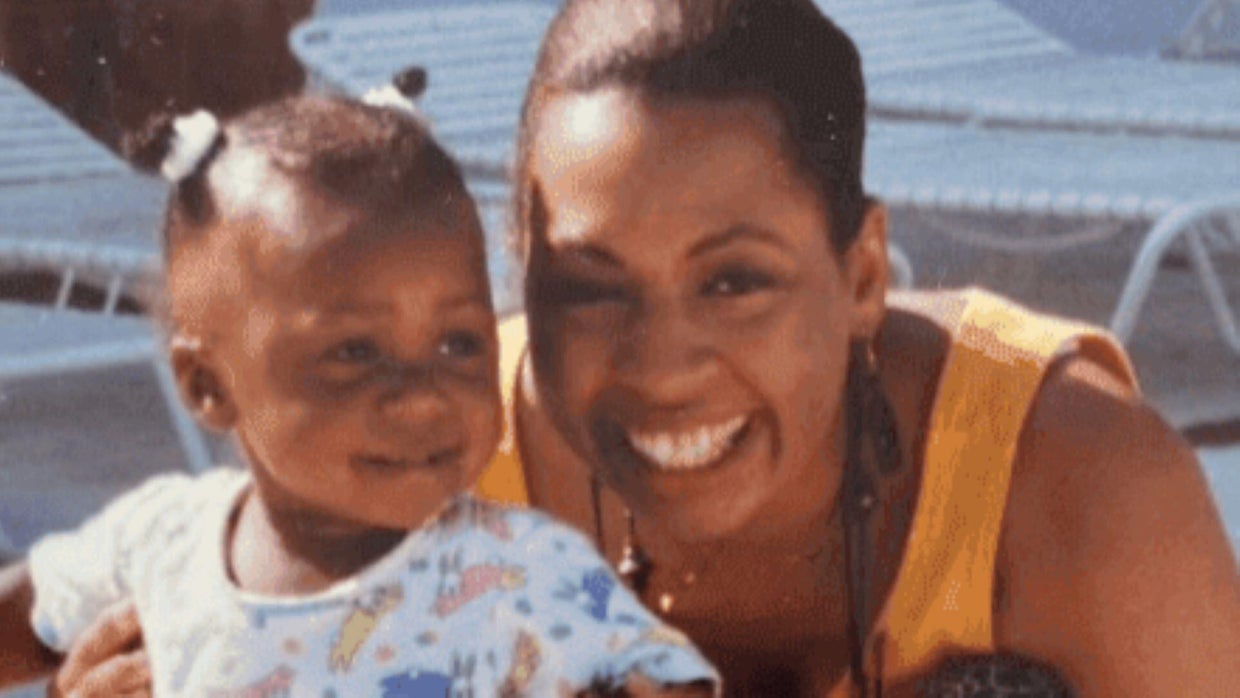
Robin’s father, Robert Warr Sr., a World War II veteran and now 101 years old, says he tried to forget that call but one memory has never left him.
Robert Warr Sr.: My granddaughter was … right next to where she was murdered. … I’ll never forget that. Never.
He had to break the news to his surviving children, including his daughter Mary Warr Cowans and his son Robert Warr Jr.
Mary Warr Cowans: … after the words “Robin is dead,” I — it was like —
Robert Warr Jr.: A nightmare.
Mary Warr Cowans: Yeah. You’re just like — your world shattered.
Cowans says, in those first few days, they didn’t have a clear picture of what had happened to their sister.
Mary Warr Cowans: … the details were very sketchy and slow to come and the police … asked, well, do you know anybody who had a grudge or something against Robin? And of course, the answer is no.
Robin was a gifted artist with a fine arts degree from Carnegie Melon University. After college, she was selected to mold the first medal for The Martin Luther King Jr. Nonviolent Peace Prize, which was awarded to Rosa Parks.
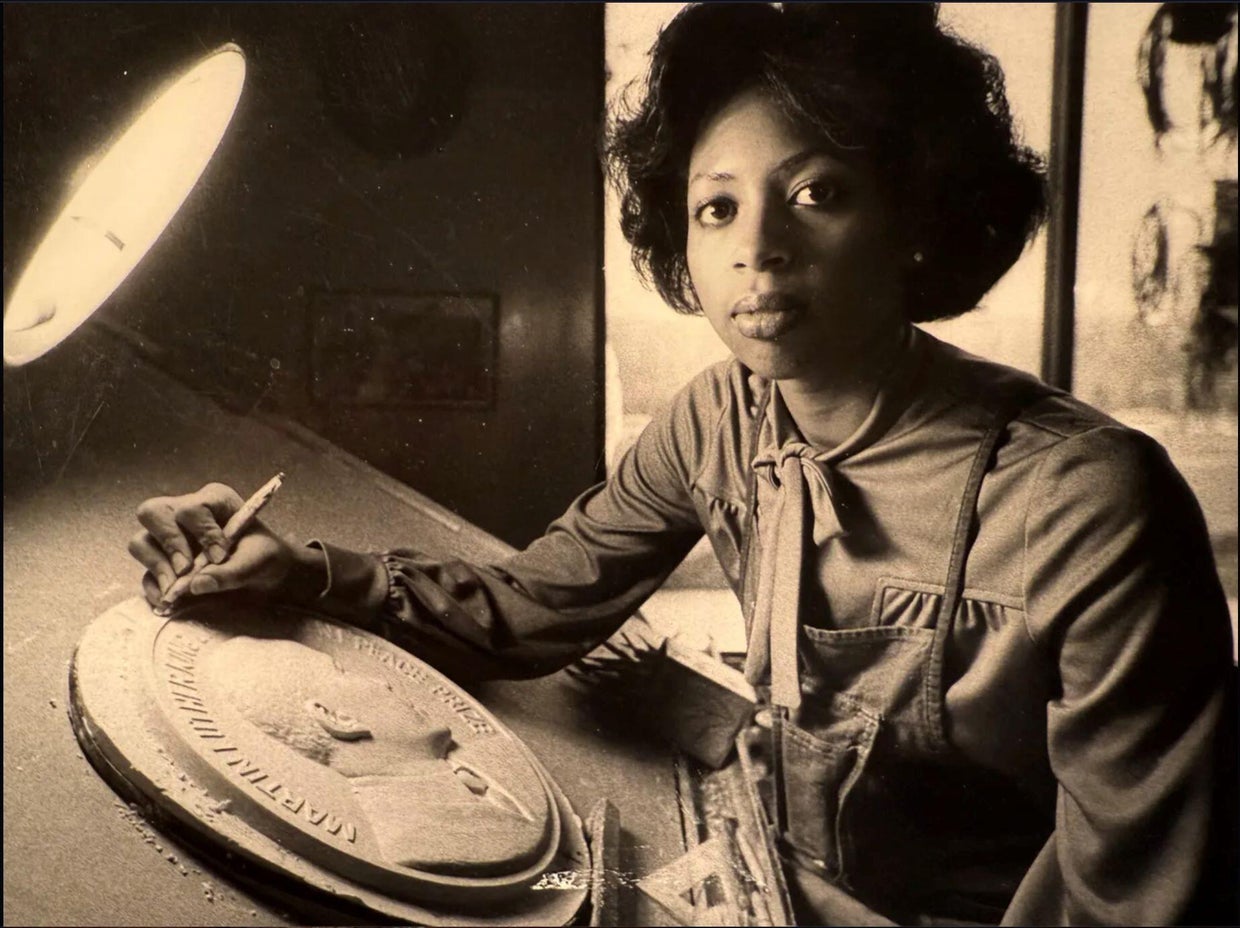
Mary Warr Cowans: That was a big deal. And for my parents who grew up in Memphis, Tennessee … during Jim Crow and they could not ride in the front of the bus, they could not go to the zoo except on Tuesdays. … that was a big deal.
Robin’s father says his daughter’s accomplishments were his greatest source of pride.
Robert Warr Sr.: She was a powerful lady in this world … Her drawings are not just paintings, they are powerful.
Lindberg first met Robin in ballet class.
Laurie Lindberg: I was like, oh my God, this woman’s beautiful. … But what … was really fun about Robin was she’s very personable, very fun loving, just very down to earth.
Lindberg and Robin shared an apartment in Washington D.C. around the time Robin was dating her future husband, Ollie. Lindberg says they were a great match.
Laurie Lindberg: Ollie … he has a very calm and kind demeanor and you kind of feel very confident around him, very at ease with him.
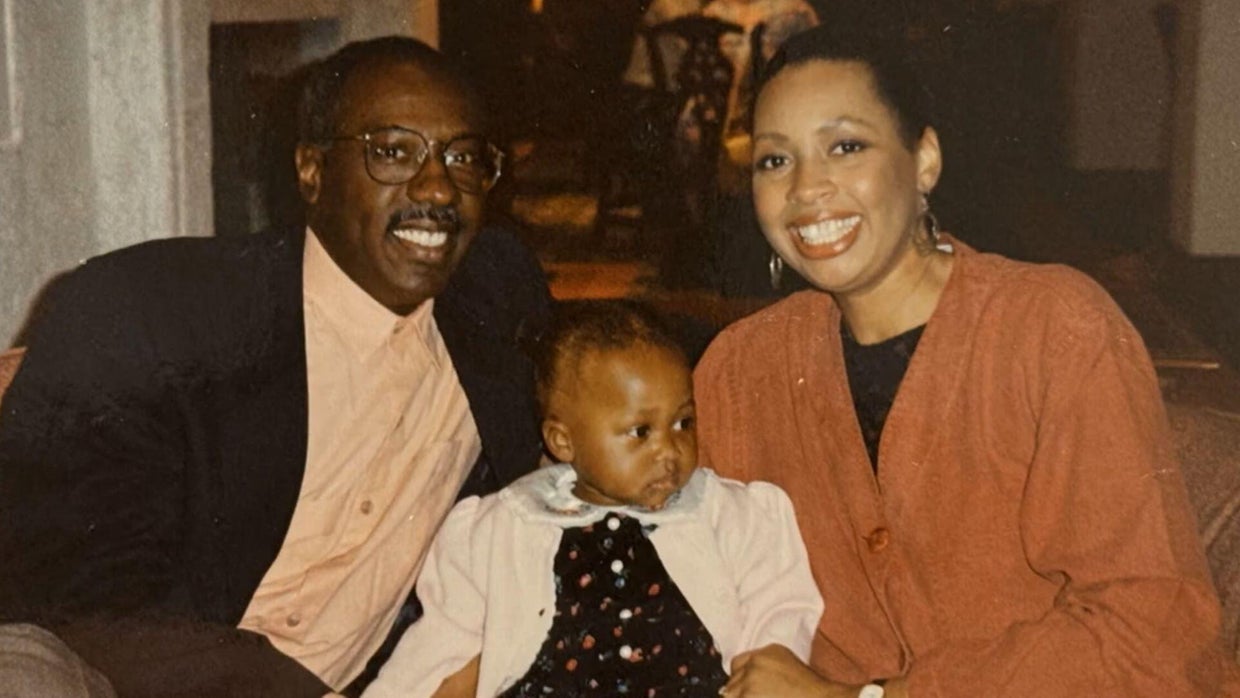
The couple were married on New Year’s Eve 1989. Three years later, they welcomed their daughter, Nicole. At the time of her death, Robin was working in advertising. Ollie Lawrence, who was away on a business trip in the Bahamas, was an executive at an airline.
Mary Warr Cowans: Well, I think they had a relatively what I call normal family life. … they were working on doing home improvements, getting the yard fixed up.
Now that home with so much promise, was an active crime scene.
Det. Jon Long: There were valuables that were in the bedroom. There was cash. There was jewelry. … There wasn’t … anything stolen …
Investigators suspected Robin was killed by someone she knew.
Det. Jon Long: They started looking at the family dynamic. They started looking at the marriage.
Anne-Marie Green: Was Ollie cooperative?
Det. Jon Long: He was.
But as authorities dug further, they learned something. Ollie had been having an affair with a colleague.
Det. Melissa Wallace: Then what does that mean? … you think, oh how convenient, the weekend you go out of town for three days, your wife is brutally murdered.
The case goes cold
Mary Warr Cowans: It just was surreal. It really was like, for me, walking in a —- through a dream state. … cause you just can’t make sense of it.
Just three days after what would have been Robin’s 38th birthday on Nov. 26, 1994, her family and friends gathered for her funeral.
Mary Warr Cowans: We were still very much just bewildered and lost.
Cowans says Robin’s injuries were so severe, the family had a closed casket.
Mary Warr Cowans: … that was hard for me cause I had never got a chance to see her one last time. I always wanted to be able to say goodbye and see her. (emotional)
As Robin’s family mourned her death, investigators pieced together a timeline and determined that the last time anyone had heard from Robin was around 6 p.m. on Friday, Nov. 18.
Det. Melissa Wallace: We believe Robin was killed around 9:30-ish.
Her body was discovered two days later. Investigators zeroed in on her husband, Ollie, who they had discovered was having an affair. They followed up on his alibi.
Det. Melissa Wallace: The detectives flew down to the Bahamas, confirmed that he was on the flight he was supposed to be on. He was at the hotel he was supposed to be at.
Detectives also interviewed Ollie’s lover but found no evidence she was involved. Robin’s sister and brother were surprised to learn about the affair but they say they never believed Ollie had anything to do with Robin’s murder.
Mary Warr Cowans: I never thought that Ollie — that he harmed her.
Anne-Marie Green: And how about you? Did it ever cross your mind maybe he’s involved in this somehow?
Robert Warr Jr.: No, I didn’t think that. He’s not that type of person.
Ollie chose not to talk to “48 Hours” about his experience. Investigators didn’t have much else to go on. The killer left no fingerprints – but something had caught crime scene detective Garman’s eye while he was documenting the bathroom.
Det. Mark Garman: … on the towel rod to the sliding tub door. There’s a washcloth.
Det. Mark Garman: I do notice a small stain on this towel right here. … Small brownish stain.
That brown stain turned out to be blood and authorities extracted DNA from it. It didn’t match anyone close to the case, including Ollie or the woman he had had a relationship with. Detectives believed it belonged to Robin’s killer and uploaded it to the FBI’s national database, CODIS.
But CODIS also returned no matches. And with no new leads, the investigation stalled.
Anne-Marie Green: How much did the adults tell you?
Lauren Ovans: Nothing.
Mary Warr Cowans’ daughter, Lauren Ovans, was just 8 years old when her Aunt Robin was killed.
Lauren Ovans: I remember her being angelic.
She says even though her family avoided the topic, she could feel the void Robin’s murder left behind.
Lauren Ovans: Out of all of my family members, she was the most like me. … So everybody always called me Robin. … I just knew that they were still thinking of her.
Anne-Marie Green: Can you describe what you lost when you lost Robin?
Lauren Ovans: I think I lost an extension of myself because … she was the one who just taught me to be comfortable with who I was. So you – you — I lost a piece of me.
Ovans says she stayed close with her cousin Nicole who rarely spoke about her mother.
Lauren Ovans: I think she didn’t know much about her mother. … So there wasn’t really much to share. And I didn’t want to ever bring it up because I didn’t want to make her anxious or make her nervous. Um, it was better just left unsaid.
The family eventually resigned themselves to the idea that the case may never be solved.
Mary Warr Cowans: When my mother died, I, that was kind of like, well, she went to her grave not knowing what happened to her child. And — and at that point I said, well, just, I have to just kinda let it go. … I have to let it go.
Then, decades later in 2019, investigators turned to Parabon NanoLabs, a DNA technology company, hoping genetic genealogy could identify Robin’s killer. Ellen Greytak is the director of bioinformatics at Parabon.
Ellen Greytak: We take DNA from a crime scene. … We upload it to GED Match and to Family Tree DNA, which are two databases. … And what they give us back is … people in our database … who share DNA with your unknown person.
Greytak says that while their analysis showed Robin’s killer likely had European ancestry, tracing him through his relatives proved nearly impossible.
Ellen Greytak: So in this case, the — the database matches were just really distant. They only shared little, tiny pieces of DNA, which means that their shared ancestor with our unknown person was pretty far back in time. And that means that those people had a lot of descendants today.
Det. Melissa Wallace: Parabon gave us a solvability rate of zero on the case, and essentially said, you do not have the time nor the money … to get it moving forward …
Investigators say they could have walked away. But Liz, an amateur genealogist and volunteer with the police department — who asked that her last name not be used — offered to take on the case in her spare time for free.
Liz: I just felt I wanted to give something back to the community. … And I believed that I could actually be helpful in solving some of these cases.
Investigators gave Liz everything Parabon had uncovered about the suspect’s ethnicity.
Liz: … it was about half Eastern European, about 25 percent Irish. Another 25 percent was a combination of I think English and Italian and Scandinavian.
Along with a list of cousins who shared his DNA.
Liz: And so what I got … was … approximately 1,500 cousins.
Liz: I was not certain that I could crack it … there were no first cousins or second cousins … It was really more fourth to six.
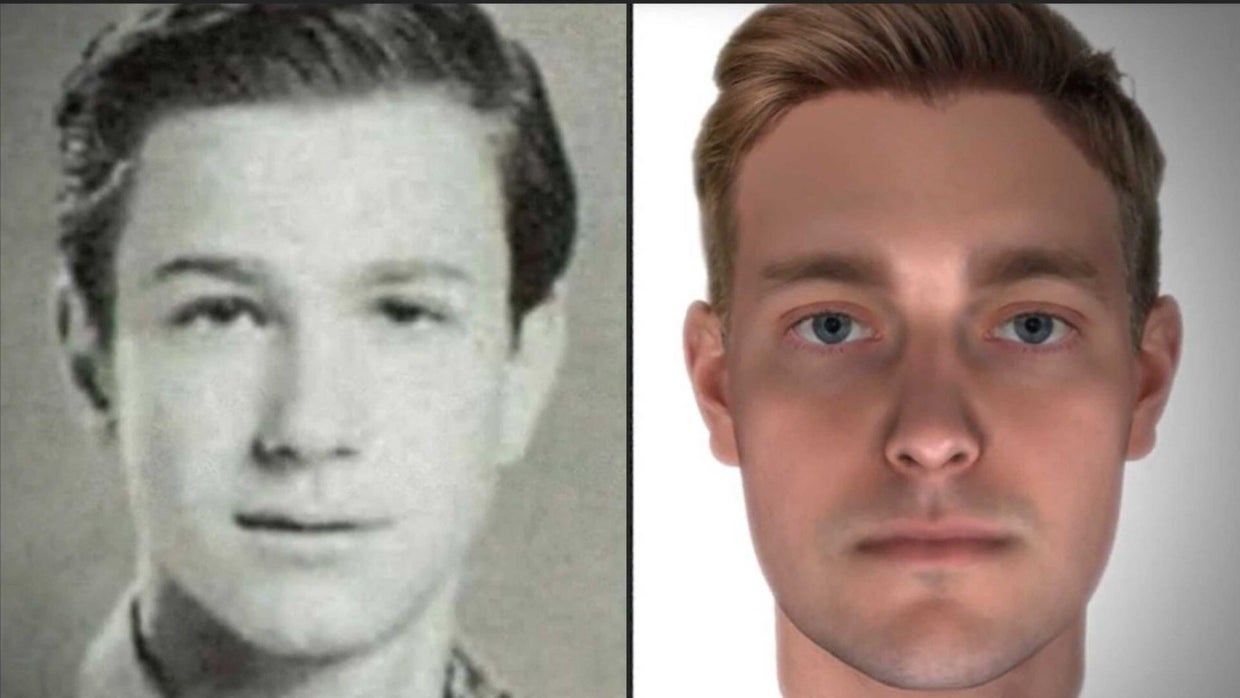
As Liz worked to trace the suspect through his family tree, Wallace turned to another DNA tool and asked Parabon to produce a phenotyping sketch of Robin’s killer.
Ellen Greytak: DNA phenotyping … it means actually predicting what that person looked like from their DNA.
But would anyone recognize him?
Volunteer genetic genealogist identifies a possible suspect
In 2021, nearly 30 years after Robin Lawrence’s murder, Parabon NanoLabs was tasked with producing a composite of the man investigators believed was her killer.
Thom Shaw | Forensic artist: So I get a report from our bioinformatic scientist, and it lays out all the predictions from the DNA …
Scientists created a facial model based on the DNA predictions.
Thom Shaw (working on a composite): … it starts off with … his skin color, which he’s predicted to have very fair or fair skin color. … he’s most likely gonna have a larger chin than average, wider jaw, or cheeks than average … kind of a narrower nose … than average.
Thom Shaw, a forensic artist at Parabon, says his job was to refine the model by applying other details like hair and eye color.
Thom Shaw: I’ve kind of outlined where his eyes are because I’m gonna be putting new ones in … kind of that dark blue that are predicted.
Thom Shaw: I’ll … do eyebrows … kind of, most likely like a lighter brownish hair. … And so I gave him a little bit lighter eyebrows to match what his hair color is gonna be … I’ll go and find … a hairstyle, something generic …
Shaw says DNA doesn’t reveal a person’s age, so the composites are generated as a young adult — typically around 25 years old.
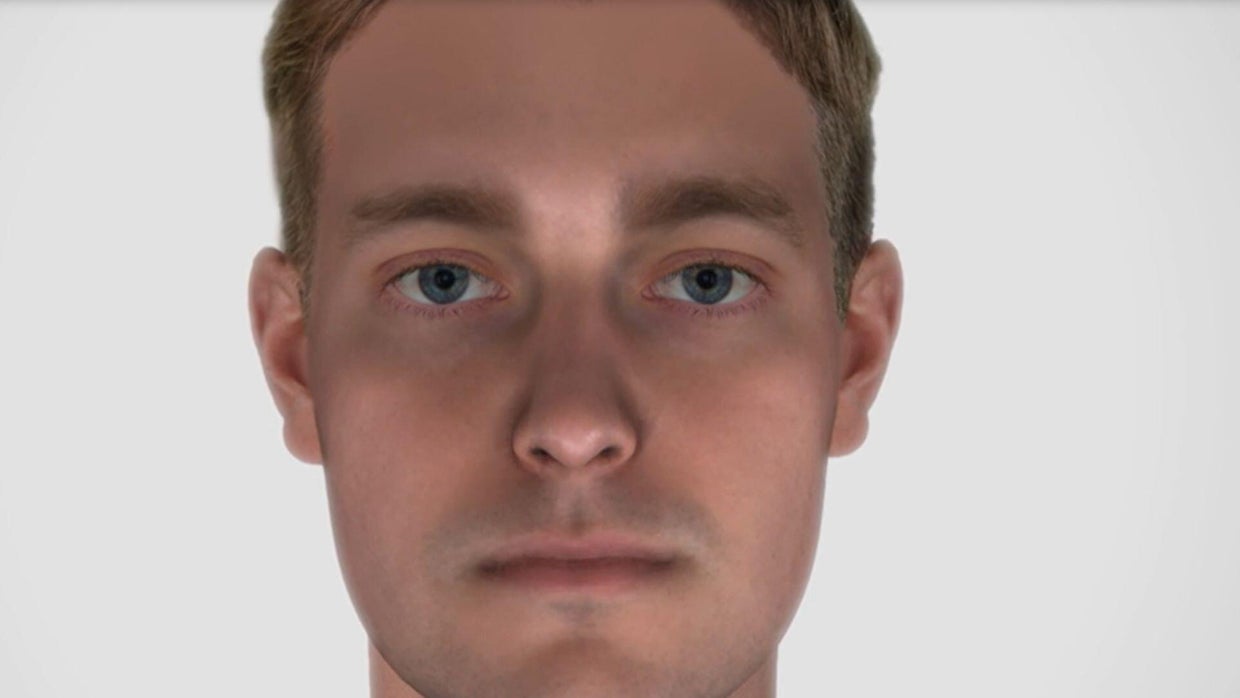
Thom Shaw (showing finished composite): So this is him.
Det. Melissa Wallace: Did this look like their mailman? Was this the neighbor’s kid? … Was it somebody from work?
Detective Melissa Wallace set up a video call with Robin’s husband Ollie to see if he recognized the man in the composite.
Det. Melissa Wallace: I was really hoping that when Ollie saw that, that he would go, oh my gosh, that looks exactly like so and so.
Anne-Marie Green: And did he?
Det. Melissa Wallace: He did not. … He said that doesn’t spark my memory at all. It looks like nobody I know.
The investigation stalled again. But behind the scenes, volunteer genealogist Liz kept working with that list of 1,500 cousins distantly related to the suspect.
Liz had eventually traced some of the suspect’s ancestors to Canada, where they had settled. That’s where she found two cousins that were not related to each other.
Liz: And so I ended up with two trees that were highly reliable … And they were the people that uh, that were truly cousins to the suspect.
Liz says if she could figure out where those two trees were linked, through a marriage, the suspect would be a descendant of that couple.
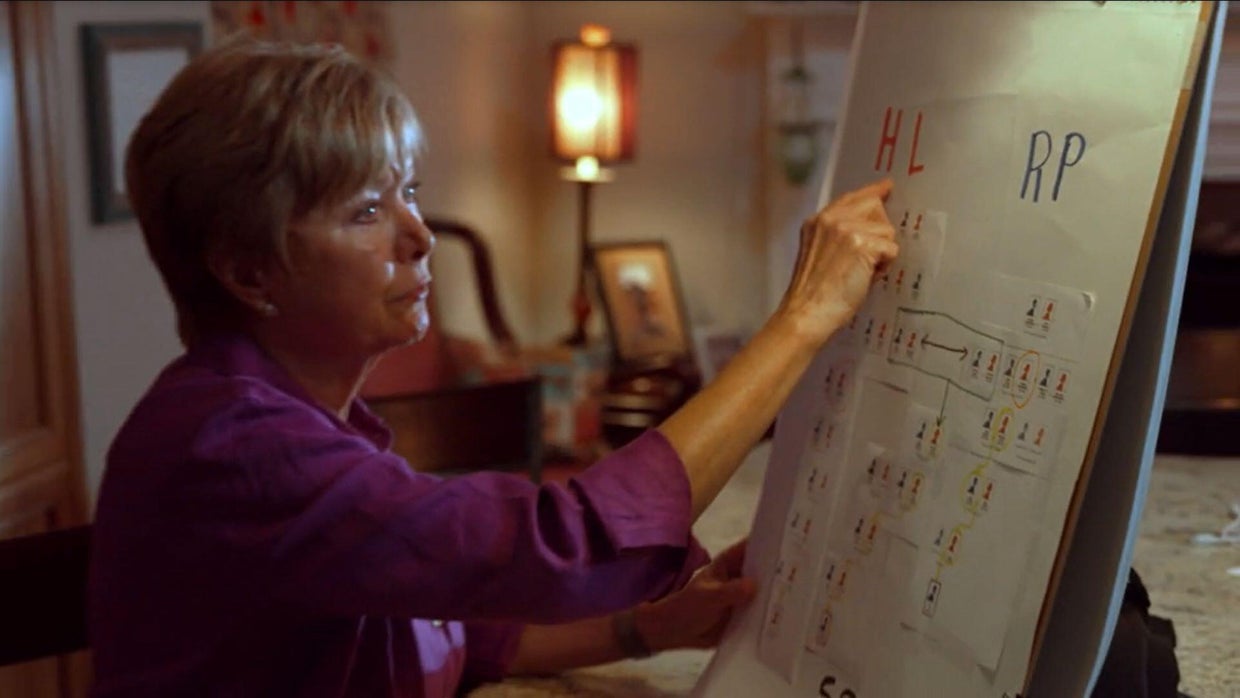
Liz (showing family tree): And what I found was this woman on this tree married this man on this tree. … that was it, that was the aha moment … that was when I realized that … he’s a descendant of this couple right here.
After three-and-a-half years, Liz finally had a lead — and it pointed her to a man named Stephan Smerk.
Liz: I felt like this really was him. … I didn’t know it for certain, but I believed it was. … I contacted the detectives.
Det. Melissa Wallace: So, she sends me an email … she says, I think I found someone of interest.
Anne-Marie Green: What happens as you start looking into him?
Det. Melissa Wallace: Well, we find out — computer programmer up in New York, married to a defense attorney, two kids in high school, nice house in the suburbs, not so much as a speeding ticket on his background.
Melissa Wallace: I’m thinking … there’s no way this is our guy.
But according to Det. Jon Long, things got a bit more interesting when they found his yearbook photo — at age 16.
Det. Jon Long: It looked very similar to the phenotyping sketch. … we’re like, well … maybe this does make sense.
Stephan Smerk lived in Niskayuna, a town in upstate New York, so investigators decided to pay him a visit.
Anne-Marie Green: Does he know you’re coming?
Det. Jon Long: No. No.
They were hoping he would cooperate and provide his DNA. Wallace and Long say he appeared to be home alone, so they knocked on his door.
Det. Melissa Wallace: All we said is we are detectives from Fairfax County, Virginia, and we’re looking into a cold case from the 90s. … Do you mind if we come in and talk to you? He said, sure. He invited us in, and —
Anne-Marie Green: Hold on a minute … So, you say we’re from Virginia … We’re investigating this murder. His initial reaction.
Det. Jon Long: No reaction. None.
Det. Melissa Wallace: None.
Det. Jon Long: Stone-faced.
Det. Melissa Wallace: There was no surprise. There was no fear. Nothing.
They found his demeanor unusual.
Det. Melissa Wallace: When … we’re asking for … DNA, this conversation typically takes a solid 45 minutes … People generally have a lot of questions. … Like, what do you mean someone in my family has committed a murder? … Who was killed? … There was not a single question from him.
Det. Melissa Wallace: We were in and out of his house in five minutes with his DNA. … Consent form signed, swab collected, packaged up. That was it.
After the visit, detectives checked into their hotel. But then Wallace got an unexpected call.
Det. Melissa Wallace: … it’s Steve Smerk calling me … And he says, “I’m at the police department to turn myself in.” And I said, “turn yourself in for what?” And he said, “I’m here to turn myself in for the murder.”
Det. Melissa Wallace: A million things start going through my mind.
Smerk told the detective he was having trouble getting into the Niskayuna Police Department, which was locked.
Det. Melissa Wallace: So, then I’m thinking it must be a smaller police station … And I said, OK, what I need you to do is we’re gonna hang up. … I need you to call 911 and tell them that you’re there.
Smerk’s call was recorded:
911 OPERATOR: 911, what’s the address of your emergency?
STEPHAN SMERK: I’m actually here to turn myself in for a cold case crime.
911 OPERATOR: You’re here to turn yourself in?
STEPHAN SMERK: Well, they collected DNA, so —
911 OPERATOR: OK, what’s your —
STEPHAN SMERK: — it’s only a matter of time.
911 OPERATOR: — last name?
Anne-Marie Green: Wow. So, when do you tell him [Det. Long]?
Det. Melissa Wallace: Oh my God. I was freaking out. so.
Det. Jon Long: She freaked me out.
Det. Melissa Wallace: I run down to his room … and I’m banging on his door … I’m like, we got to go to the police department. … He’s turning himself in.
Wallace also reached out to local police, and Stephan Smerk was taken into custody.

Det. Melissa Wallace: The adrenaline was pumping so hard because the reality hit … And, um, it sounds like he’s gonna talk to us about it.
Detective Long says they had to refocus fast and figure out how they would handle Stephan Smerk’s interrogation.
Det. Jon Long: … we need to make sure this is a sound interview. … that could potentially be used in court, down the road.
When they finally sat down with him —
STEPHAN SMERK: Where do you wanna start?
— investigators say he didn’t need much prompting.
STEPHAN SMERK: It was 100 percent intentional.
STEPHAN SMERK: I am a serial killer who’s only killed once.
A stunning confession brings closure to a decades-old mystery
When investigators met with Stephan Smerk on Sept. 7, 2023, they were skeptical.
Det. Melissa Wallace: … this doesn’t happen every day. … So, we, we had to … really think through, well, why is he doing this?
Detectives had not yet received the results of the DNA sample Smerk had provided, linking him definitively.
Det. Melissa Wallace: … we needed to be very careful … to make sure that we weren’t getting a false confession.
Anne-Marie Green: So, then what was your approach gonna be?
Det. Jon Long: We started talking about things like hey, let’s make sure that … he’s gonna bring up details of the case without us telling him first.
STEPHAN SMERK (interrogation): Can you remind me of her name again? Can you say that?
DET. MELISSA WALLACE: I can. Do you remember anything about the person?
STEPHAN SMERK: She was African American.
DET. MELISSA WALLACE: OK.
STEPHAN SMERK: That’s all I remember.
Det. Jon Long: He starts volunteering information which is great.
Det. Melissa Wallace: So it was just like he wanted to talk about his weekend or, uh, some other family event that he went to. It was a very calm conversation, nonchalant.
STEPHAN SMERK (interrogation): I was, uh, not in the right frame of mind.
Smerk told detectives that in November 1994, he was a 22-year-old soldier stationed at Fort Myer in Arlington, Virginia, and on the night of the murder he had been drinking beer.
STEPHAN SMERK: (interrogation): I was, uh, drunk and under ephedrine …
He says he had been taking ephedrine pills, a stimulant.
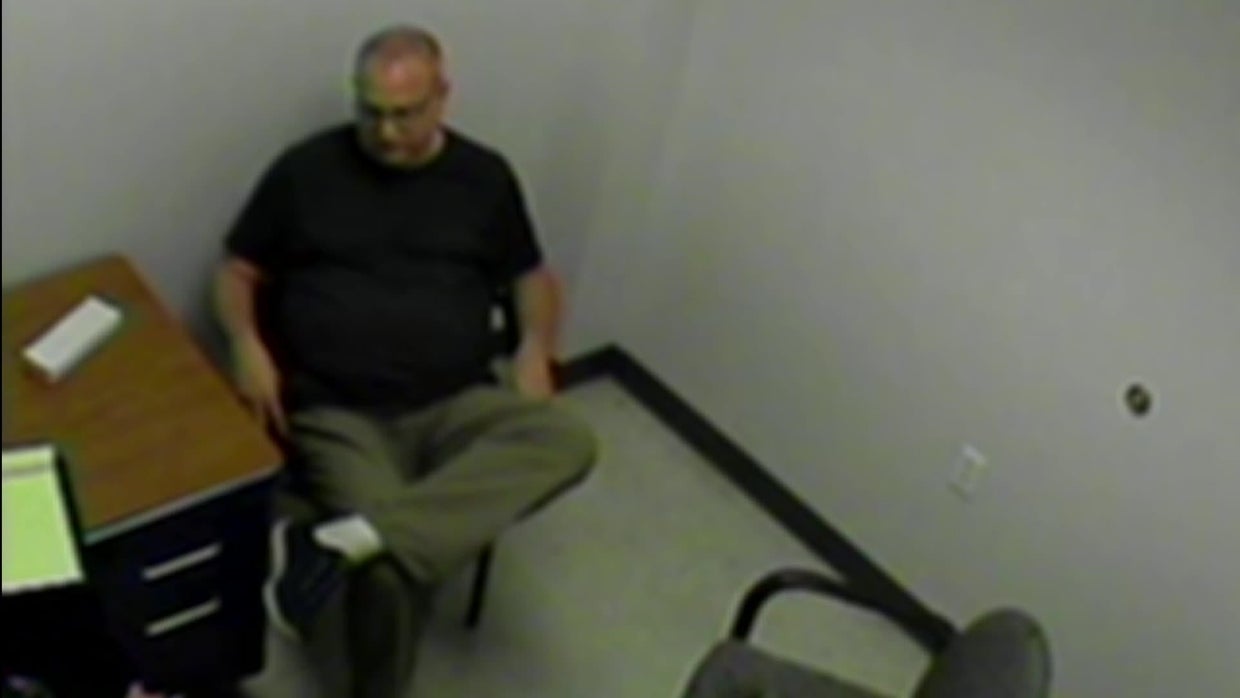
STEPHAN SMERK: (interrogation): … something inside me said that — it’s hard to explain … I knew that I was going kill somebody. I did not know who I was going to kill.
STEPHAN SMERK: (interrogation): … it was like this overbearing thought in my brain that … I just had to kill somebody.
Smerk said he drove to Robin’s neighborhood because he was familiar with the area — he’d visited friends who stayed in a house nearby.
DET. JON LONG (interrogation): … had you had any contact with her, spoke to her or anything like that?
STEPHAN SMERK: No, I didn’t even, to be honest with you, I don’t — didn’t even know who lived there … I never met this person before or seen her or anything …
Smerk confirmed he entered the house from the back deck and told detectives he was wearing a ski mask and leather gloves.
STEPHAN SMERK (interrogation): I went in and noticed that she had … a baby in one of the rooms.
He said he went down the hall to Robin’s bedroom.
STEPHAN SMERK (interrogation): I startled her, she got out of bed. … She was on her knees … she was just begging for her life. … I cut her up pretty good. … I did everything they taught me in the military, hand-to-hand combat.
STEPHAN SMERK (interrogation): I’m highly, highly influenced by demons …
He told investigators one of the reasons he enlisted was because he wanted to kill.
STEPHAN SMERK (interrogation): I want to tell you right now that I — she’s the only person that I’ve killed. … I’m married, I have kids, but I honestly believe that if it wasn’t for my wife and my kids, I probably would be a serial killer.

Detective Wallace knew it was critical to link him to that washcloth found in the bathroom, so she asked him if he’d been injured that night.
STEPHAN SMERK (interrogation): … she clawed at my face. I had a little bit of a scar here.
DET. MELISSA WALLACE: Did you ever go into her bathroom at all?
STEPHAN SMERK: I don’t remember that. If I did go into the bathroom, it would’ve been to look at what she did in my face.
Det. Melissa Wallace: That’s when I knew that — that we were in business with putting him in the bathroom and why his DNA was there … that was the biggest confirmation.
As the interview wrapped up, Long asked Smerk if he wanted to express any remorse to Robin’s family.
STEPHAN SMERK (interrogation): Um, how do I say this? I know you’re recording. I don’t feel anything for the family. … I can’t say that any other way. … I feel bad that I did it because I knew someday my personal freedom would be affected.
Det. Melissa Wallace: I think what you see is 100 percent what you get from him, arrogance, ah, entitlement. He wanted to do it so he did it, and that’s it.
Detective Wallace believes Smerk confessed because he knew he was caught and wanted to turn himself in on his own terms.
Det. Melissa Wallace: It wasn’t because he was sorry. … It wasn’t because he was tired of running for 30 years. … He wanted to maintain control.
Former FBI profiler Mary Ellen O’Toole, who reviewed the case for “48 Hours,” agrees that Smerk wanted to control the narrative.
Mary Ellen O’Toole: … he was prepared that he was gonna tell his version of the story. …
O’Toole says she doesn’t buy Smerk’s claim that Robin’s murder was random. She classifies it as a mission-oriented homicide.
Mary Ellen O’Toole: He brought the weapon with him. … he had a mask, he had gloves.
Mary Ellen O’Toole: …it also happens to be … on an evening when the victim’s husband is in a travel status.
Mary Ellen O’Toole: This was purposeful … he went inside somebody’s home … took enormous risk. … So that suggests to me more of a targeting than it does randomness.
In her analysis, O’Toole says she was struck by Smerk identifying as a serial killer.
Mary Ellen O’Toole: He did come across as someone that had admiration for them.
Anne-Marie Greene: So here’s kind of like the big question, though. … do serial killers stop killing?
Mary Ellen O’Toole: Yes, they do.
According to O’Toole, serial offenders can sometimes channel their compulsion to kill into other crimes, like stalking or voyeurism.
Mary Ellen O’Toole: I think it’s also possible that he engaged in other behaviors, much less serious than homicide that um, satisfied him.
Anne-Marie Green: He has no criminal history of any kind. How unusual is that?
Mary Ellen O’Toole: Not very unusual. … But here’s the important thing to keep in mind, the absence of a rap sheet does not mean that criminal behavior is absent. … It means that they didn’t get arrested for it.
After his confession, Stephan Smerk was arrested and charged with the murder of Robin Lawrence. Detective Wallace says her first phone call was to Robin’s daughter, Nicole.
Det. Melissa Wallace: You could tell the shock, but she didn’t, um, break down or crumble. I could tell that she was like, OK, now my job is to notify the rest of the family.
Mary Warr Cowans: How is it that he could live his life with his family when he blew up our family 30 years ago. … Where is the justice in that?
Robin’s family prepared for the next step.
Mary Warr Cowans: We really wanted to do a trial. … We wanted the world to know what he did, and … I think we wanted the spectacle of that as satisfaction.
But would they get that chance?
Robin Warr Lawrence’s spirit lives on through her art
A week after Stephan Smerk’s interview with police, forensic testing confirmed Smerk’s DNA was a match to the blood on the washcloth found in Robin’s bathroom.
Steve Descano: It’s a one in over 7 million chance that it would not have been his DNA.
On April 4, 2024, Fairfax County Commonwealth attorney Steve Descano’s office presented the case at a preliminary hearing to determine if there was enough evidence to move forward.
Steve Descano: Look, I’ve dealt with murderers before .. I can tell you that in my mind, Stephan Smerk stands alone as somebody who represents a true danger to the community.
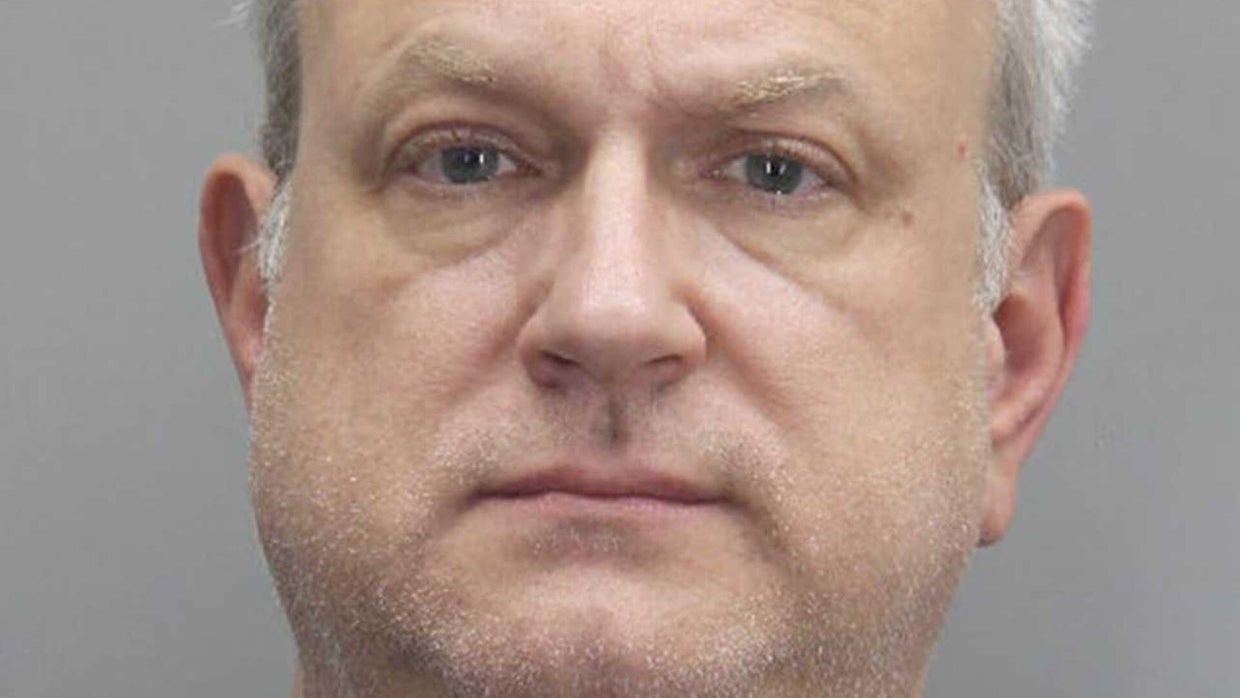
Robin’s family saw Smerk for the first time at the hearing.
Lauren Ovans: I was amazed how big he was. … he needed two … bailiffs around him. … The first thing I thought of was, like, my aunt didn’t stand a chance.
Prosecutors played Smerk’s confession, and the family heard the details of Robin’s murder in Smerk’s own words.
Lauren Ovans: There was no emotion … It – it didn’t feel real … just made me feel angry. … like how could he have done that?
The judge found probable cause that Stephan Smerk killed Robin Lawrence and allowed the case to proceed to a grand jury. On April 15, 2024, a grand jury indicted him. But six months later, he accepted a plea deal for first-degree murder.
STEVE DESCANO (to reporters): We get guaranteed accountability …
Descano says the agreement ensured Smerk would be held accountable.
Steve Descano: We had the challenge of some witnesses passing, other witnesses, their memories uh, becoming a little bit cloudy and not as sharp.
Robin’s family, however, say they were disappointed.
Mary Warr Cowans: We wanted him to be put on trial.
On March 7, 2025, Smerk returned to court for sentencing. As part of the mitigation strategy for a more lenient sentence, his attorney Dawn Butorac told the judge that in the early 90s, Smerk was a troubled young man, struggling with alcohol and substance abuse.
Dawn Butorac: … he eventually decided, I’m gonna join the military, thinking that that would be a good choice for him to maybe get his life stabilized.
Anne-Marie Green: He said he joined the military so he could kill people. What did he mean by that?
Dawn Butorac: I never asked him what he meant by that. … I think it was … an idea that if I go, maybe I can take my anger out on this. … Maybe this will get me back on the right track.
According to Butorac, Smerk was also crippled with an undiagnosed mental illness.
Dawn Butorac: It wasn’t until several years later that he eventually was diagnosed with bipolar II disorder. … And when you add ephedra and alcohol … he was struggling a lot.
The FDA banned some ephedra products in 2004, and Butorac says that was in part because when abused with other substances, they could trigger dangerous psychiatric side effects.
Anne-Marie Green: Did Steve Smerk tell you that he ever had hallucinations … or heard voices —
Dawn Butorac: No, no, no.
Anne-Marie Green: — anything along those lines –
Dawn Butorac: No, no.
Anne-Marie Green: — while taking ephedra?
Dawn Butorac: No. … But you have to remember at the time also he had undiagnosed bipolar. So it’s hard to figure out exactly what his mental state was attributable to.
She says by the time investigators came to Smerk’s door nearly 30 years later, Smerk had sought help for his mental health problems and become sober. Butorac says her client confessed and waived his right to a trial because he felt genuine remorse.
Anne-Marie Green: But over the 30 years, did he think about Robin?
Dawn Butorac: Every day.
Anne-Marie Green: Every day? Every day, he’d think about it.
Anne-Marie Green: But during his statement to investigators … He doesn’t express empathy or remorse.
Dawn Butorac: He always wanted to accept responsibility. … Acceptance of responsibility is one form of remorse.
In the end, the judge sentenced Stephan Smerk to the maximum sentence allowed under the plea deal: 70 years, with the possibility of parole.
Mary Warr Cowans: I think what he got as long as he never comes out of prison – ever — brings closure for me.
After the sentencing, Ollie Lawrence gave a statement to the press.
OLLIE LAWRENCE (to reporters): The Warr and Lawrence family are grateful that justice has finally been done for the murder of our beloved Robin …
Niece Lauren Ovans answered a few questions with Robin’s daughter Nicole by her side.
LAUREN OVANS (to reporters): As much as it’s a sign of relief, we still have to live with this, it just doesn’t go away so – (Nicole pats her back)
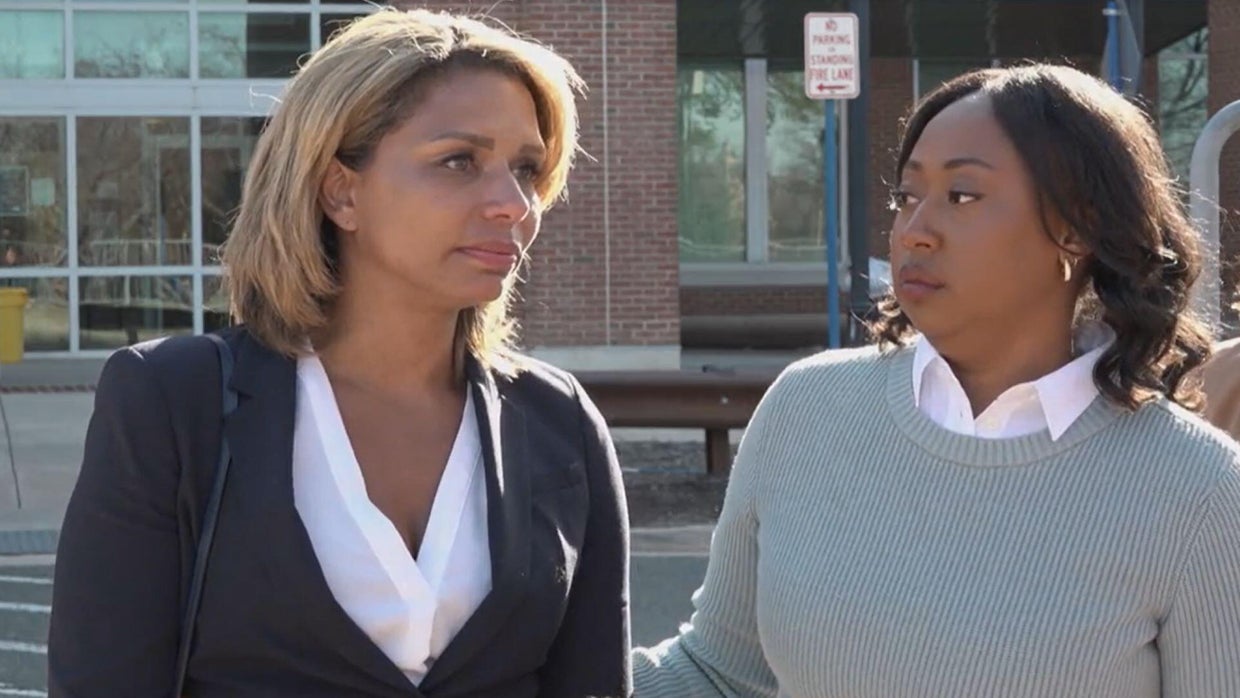
Lauren Ovans: … she’s strong … she stood next to me and she held my hand … Oh my God, if her mom could see us. Um, it was great.
Anne-Marie Green: How do you want people to remember your aunt?
Lauren Ovans: I want people to remember her as … creative, exuberant, very vocal, caring, a beautiful mother.
Mary Warr Cowans: She just had a light that shined from within.
Anne-Marie Green: I feel like she is living through her art because her art —
Mary Warr Cowans: is everywhere.
Anne-Marie Green: — emotes.
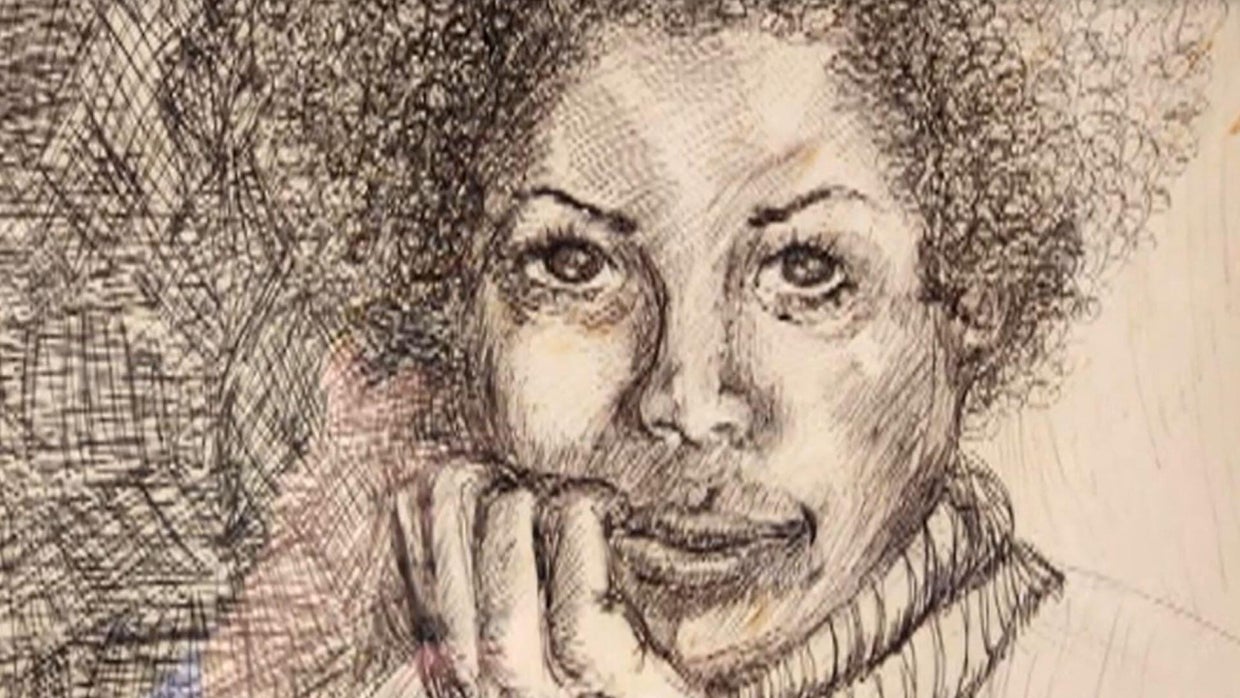
Anne-Marie Green: So when you do look at her art, what … do you see?
Mary Warr Cowans: I kind of see the spirit of Robin, who she was, how she looked at the world through her eyes … and it was good things, happy things, warm things.
Stephan Smerk will be eligible for parole in 2037 when he turns 65.
Produced by Asena Basak. Stephen A. McCain is the development producer. Emma Steele is the field producer. Chris Crater and Grayce Arlotta-Berner are the editors. Anthony Venditti is the content research manager. Lourdes Aguiar is the senior producer. Nancy Kramer is the executive story editor. Judy Tygard is the executive producer.



RICHMOND, Va. — Jerrod Buford first picked up a paintbrush as a kid, never imagining that same creative outlet would carry him through his darkest days in prison.
Buford, who grew up in Williamsburg, was convicted and arrested as a young man and spent almost a decade behind bars. During that time, he struggled deeply.
“Turning to drugs and alcohol to kind of shadow over emotions,” Buford said. “Looking for acceptance, approval. Not just from my parents, but from friends, from, you name it. I mean, I tried to commit suicide, I don’t even know how many times,” Buford said.
WTVR
It was inside prison walls that art became more than a hobby.
“Throughout my prison time, I learned, the freedom that I desired, I’ve always had it. I got, I found it, in a box,” Buford said.
More than three years after his release, Buford continues to advocate for art as a tool for healing. He describes his work as a gift he feels called to share.
“I received a blessing from God that just allowed me to display what he’s given me,” Buford said.
For Buford, creating art is also a way of processing his past.
“That’s what art has done for me. It’s given me the ability to look at parts of my life, all parts of my life, and find the good and the negative, learn from the negative,” Buford said.
He shares his story and artwork with a wide audience through social media, including live sessions on TikTok, and holds art classes with new communities.
The Story Cafe
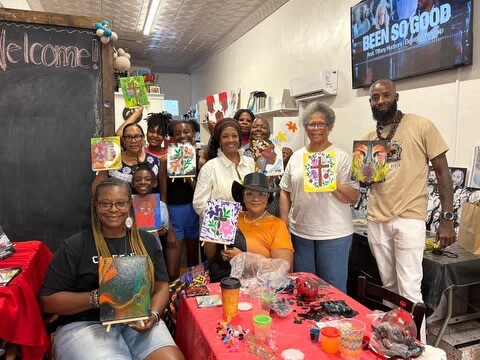
Buford said his mission is to help others find their own path toward healing — whatever form that takes.
“What I strive to do is guide this person to just create, man. Don’t care what people think about your creation, you just need to get it out,” Buford said. “Whether it’s with art, addressing your mental health, getting your life right — just do it.”
CBS 6 is committed to sharing community voices on this important topic. Email your thoughts to the CBS 6 Newsroom.
📲: CONNECT WITH US
Blue Sky | Facebook | Instagram | X | Threads | TikTok | YouTube

This story was initially reported by a journalist and has been converted to this platform with the assistance of AI. Our editorial team verifies all reporting on all platforms for fairness and accuracy. To learn more about how we use AI in our newsroom, click here.

Lovingston, VA (7News) — Good Morning Washington interviews Amanda Beckwith of Virginia Distillery Company- one of the contributing distilleries to the Virginia Spirits Board’s 250th Celebration Trio Pack, a special, exclusive release created to commemorate America’s upcoming 250th anniversary. This limited-edition package features a curated collection of a rum, a gin, and a whiskey, all crafted from scratch by distillers in Virginia to celebrate the rich history and current state of distilling within the Commonwealth.
Beckwith elaborates on VA Distillery Company’s role in the project, noting her focus on Virginia-grown grain to make the bottle of unique whiskey that is included in the Trio Pack. It is also worth noting that the Trio Packs themselves were bottled and produced right here at Virginia Distilling Company!
American single malts are the newest official category of American whiskey, distilled from one grain and from a single distillery. Virginia Distillery Co specializes in this new category of whiskey and crafted their contribution to the Trio Pack with this very specialty. Given the limited remaining availability of the Trio Pack, its historical value and collectible nature, the message it loud and clear encouraging viewers to grab a pack before they are all gone!
BE THE FIRST TO COMMENT
21+ Please drink responsibly, this content is sponsored by Virginia Distillery Company.


Powerball, Mega Millions jackpots: What to know in case you win
Here’s what to know in case you win the Powerball or Mega Millions jackpot.
Just the FAQs, USA TODAY
The Virginia Lottery offers multiple draw games for those aiming to win big.
Here’s a look at June 24, 2026, results for each game:
Powerball
Powerball drawings are held Monday, Wednesday and Saturday at 11 p.m.
13-14-16-21-38, Powerball: 14, Power Play: 2
Check Powerball payouts and previous drawings here.
Saturday, June 27, 2026
Pick 3
DAY drawing at 1:59 p.m. NIGHT drawing at 11 p.m. each day.
Night: 3-1-5, FB: 8
Day: 7-8-8, FB: 4
Check Pick 3 payouts and previous drawings here.
Pick 4
DAY drawing at 1:59 p.m. NIGHT drawing at 11 p.m. each day.
Night: 4-7-2-1, FB: 7
Day: 7-3-4-6, FB: 3
Check Pick 4 payouts and previous drawings here.
Pick 5
DAY drawing at 1:59 p.m. NIGHT drawing at 11 p.m. each day.
Night: 7-5-2-6-9, FB: 0
Day: 6-9-4-0-7, FB: 0
Check Pick 5 payouts and previous drawings here.
Cash Pop
Drawing times: Coffee Break 9 a.m.; Lunch Break 12 p.m.; Rush Hour 5 p.m.; Prime Time 9 p.m.; After Hours 11:59 p.m.
Coffee Break: 12
After Hours: 08
Prime Time: 13
Rush Hour: 01
Lunch Break: 14
Check Cash Pop payouts and previous drawings here.
Cash 5
Drawing every day at 11 p.m.
09-12-15-24-43
Check Cash 5 payouts and previous drawings here.
Bank a Million
Bank a Million draws are held every Wednesday and Saturday at 11 p.m.
18-21-25-33-36-39, Bonus: 13
Check Bank a Million payouts and previous drawings here.
Millionaire for Life
Drawing everyday at 11:15 p.m.
03-04-10-36-37, Bonus: 05
Check Millionaire for Life payouts and previous drawings here.
Feeling lucky? Explore the latest lottery news & results
This results page was generated automatically using information from TinBu and a template written and reviewed by a Center for Community Journalism (CCJ) editor. You can send feedback using this form.
-

 Movie Reviews3 minutes ago
Movie review: Hero of folklore worse off in ‘The Death of Robin Hood’
-

 World15 minutes ago
‘Eddie Cochran: Don’t Forget Me’ Director Kirsty Bell on How Legendary Musician Influenced New Generation of ‘Rock Stars’ Like Yungblud
-
 Lifestyle53 minutes ago
‘Supergirl’ has a solid hero but could use a better villain : Pop Culture Happy Hour
-

 Technology1 hour ago
Of course Meta thinks gambling is the future
-

 World1 hour ago
Death toll from Venezuela earthquakes rises to at least 589, with thousands reported missing
-

 Politics1 hour ago
McCarthy says Trump will use ‘everything he can’ to force Senate action on SAVE America Act
-

 Health1 hour ago
Switching from cigarettes to vapes linked to higher risk of major eye diseases, large study finds
-

 Sports1 hour ago
2026 World Cup Odds: Which Nations are Favored to Reach Semifinals?

