Washington
J. Edgar Hoover Building to close for good as FBI relocates its HQ, Patel says – WTOP News


The FBI had announced in July that it would abandon the Hoover Building and move to the Ronald Reagan Building, just a few blocks down Pennsylvania Avenue.
After 50 years as the FBI’s main headquarters, the J. Edgar Hoover Building in D.C. is closing permanently, Director Kash Patel announced Friday.
“We finalized a plan to permanently close the FBI’s Hoover headquarters and move the workforce into a safe, modern facility,” Patel said in a post on X.
He didn’t state the exact date the building will close and when FBI employees will move into its new offices.
The agency had announced in July that it would abandon the Hoover building and move to the Ronald Reagan Building, just a few blocks away at 1300 Pennsylvania Avenue.
Patel noted in his post that when President Donald Trump’s administration came into office in January, “taxpayers were about to be on the hook for nearly $5 billion for a new headquarters that wouldn’t open until 2035. We scrapped that plan. Instead, we selected the already-existing Reagan Building, saving billions and allowing the transition to begin immediately with required safety and infrastructure upgrades already underway.”
His said that most of the FBI headquarters’ employees will be in the Reagan Building and “the rest are continuing in our ongoing push to put more manpower in the field, where they will remain.”
In November, Maryland leaders sued the Trump administration after it scrapped plans to move the bureau’s headquarters to Greenbelt and opted instead to keep it in Downtown D.C.
Maryland leaders criticized White House officials for ignoring the site selection process of Congress and the General Services Administration when it chose to remain in D.C. The lawsuit also pointed out that Congress had already appropriated funds for the Greenbelt relocation.
When the move to the Reagan Building was announced over the summer, critics maintained that it would not meet the security demands needed for the FBI. Patel said the agency is working on the building to ensure it has the required safety and infrastructure upgrades.
The Reagan Building is connected to the International Trade Center, and already houses some federal agencies, including the Environmental Protection Agency and U.S. Customs and Border Protection, as well as several non-government businesses.
The J. Edgar Hoover Building was designed in the brutalist style popular in the 1960s when it was conceived and constructed. It was criticized for not conforming to the style of other federal buildings, and Hoover himself called it “the greatest monstrosity ever constructed in the history of Washington.” It was completed in 1975, and President Richard Nixon named it after the longtime FBI director after Hoover’s death in 1972.
Get breaking news and daily headlines delivered to your email inbox by signing up here.
© 2025 WTOP. All Rights Reserved. This website is not intended for users located within the European Economic Area.









The White House Easter Egg Roll returns Monday with a patriotic theme to celebrate the United States’ 250th anniversary.
Road closures and parking restrictions near the White House went into effect early Monday and may affect your evening commute, too. See a full list below.
For the main event, children from across the country will use a wooden spoon to roll a real egg down the South Lawn at the White House. In addition to the roll, families can join fun activities, including writing cards to service members and egg hunts.
First lady Melania Trump, second lady Usha Vance and several Trump administration officials are scheduled to read stories to kids.
The egg roll is one of the oldest White House traditions, dating back to the 1870s.
Road closures and parking restrictions for White House Easter Egg Roll 2026
The Metropolitan Police Department released the following list of road closures.
On Monday, April 6, 2026, the following streets will be posted as Emergency No Parking, from 6:00 a.m. to 7:00 p.m.:
- 17th Street from Pennsylvania Avenue to Constitution Avenue, NW
- Constitution Avenue from 14th Street to 18th Street, NW
- 15th Street from F Street to Constitution Avenue, NW
- On Monday, April 6, 2026, the following streets will be closed to vehicular traffic, from 6:00 a.m. to 7:00 p.m.:
- 17th Street from Pennsylvania Avenue to Independence Avenue, SW
- 15th Street from F Street, NW to Independence Avenue, SW
- Constitution Avenue from 14th Street to 18th Street, NW
On Monday, April 6, 2026, the following streets will be restricted to local vehicle traffic only, from 6:00 a.m. to 7:00 p.m.:
- 17th Street from Pennsylvania Avenue to H Street, NW
- C Street from 17th Street to 18th Street, NW
- D Street from 17th Street to 18th Street, NW
- E Street from 17th Street to 18th Street, NW
- F Street from 17th Street to 18th Street, NW
- Pennsylvania Avenue from 17th Street to 18th Street, NW
- New York Avenue from 17th Street to 18th Street, NW
- Lower Pennsylvania Avenue/E Street from 14th Street to 15th Street, NW
- Upper Pennsylvania Avenue from 14th Street to 15th Street, NW (hotel traffic only)
- 15th Street from F Street to H Street, NW
- F Street from 14th Street to 15th Street, NW
- G Street from 14th Street to 15th Street, NW
- New York Avenue from 14th Street to 15th Street, NW
You can find timely updates on the DC Police Traffic X page.

(WDBJ) – April 5, 1856:
Booker T. Washington was born in Franklin County, Virginia.
Washington would later gain fame for championing humanitarian efforts for African Americans, establishing the Tuskegee Institute, a school for African Americans, in 1881.
Gray Media, parent company of WDBJ7, is celebrating the upcoming 250th birthday of the United States of America with a year-long look at our country called “We the People”.
Copyright 2026 WDBJ. All rights reserved.
Washington
Freeman, Pages lead another offensive barrage by the Dodgers in a 10-5 win over Washington – WTOP News

Freddie Freeman hit two-run doubles in the first and second innings and Andy Pages added a three-run homer in the fifth to help the Los Angeles Dodgers to a 10-5 rout of the Washington Nationals.
WASHINGTON (AP) — Freddie Freeman hit two-run doubles in the first and second innings and Andy Pages added a three-run homer in the fifth to help the Los Angeles Dodgers to a 10-5 rout of the Washington Nationals on Saturday.
Pages went 3 for 5 to raise his average to .500 (15 for 30) on the young season. The Dodgers have scored 23 runs on 32 hits in the first two games of this series despite losing Mookie Betts in the first inning Saturday because of lower back pain.
Tyler Glasnow (1-0) allowed two runs and four hits in six innings. He struck out nine with two walks.
Jake Irvin (1-1) allowed six runs and eight hits in four innings.
CJ Abrams homered for the Nationals.
Miguel Rojas, who replaced Betts at shortstop before the bottom of the first, hit a sacrifice fly in the second to make it 3-0. Then Freeman hit his second double of the game.
The Dodgers used the Automated Ball-Strike System to score another run in the third. Alex Call successfully challenged a called third strike with two outs, then hit an RBI single.
Luis García Jr. got Washington on the board with an RBI triple in the third, and Curtis Mead doubled home a run in the fourth, but Pages connected off reliever Brad Lord to make it 9-2.
Kyle Tucker hit an RBI single in the seventh for the final Los Angeles run.
Will Smith had three hits for the Dodgers and Shohei Ohtani had two.
Garcia finished a homer shy of the cycle for Washington, and Abrams hit a two-run shot in the eighth.
Up next
The Dodgers try for a sweep Sunday, sending Roki Sasaki (0-0) to the mound against Foster Griffin (1-0).
___
AP MLB: https://apnews.com/hub/mlb
Copyright
© 2026 The Associated Press. All rights reserved. This material may not be published, broadcast, written or redistributed.

Vote for Week 1 Delaware High School Team of the Week

Lawsuit claims Florida doctor used ‘mentally ill’ woman as surrogate

Falcons address biggest hole with Georgia prospect in new mock draft

Traditional Treasures: A Brief History of Hawaiian Heirloom Jewelry

From tragedy to reform: Advocates drive passage of three Idaho child protection laws

Florida High School Football Rankings: Top 25 teams – Oct. 21

How old is Bo Nix? What to know about Oregon quarterback ahead of 2024 NFL Draft

Cleary's 21 help Le Moyne down Central Connecticut State 69-64 in OT

99th annual Pony Swim held in Virginia

Indiana Members Credit Union announced as new anchor tenant at Bottleworks District

GOP races to pass ICE, Border Patrol funding bill as priorities pile up, divisions emerge
Jet fuel crisis: Rationing triggered at four airports in Italy
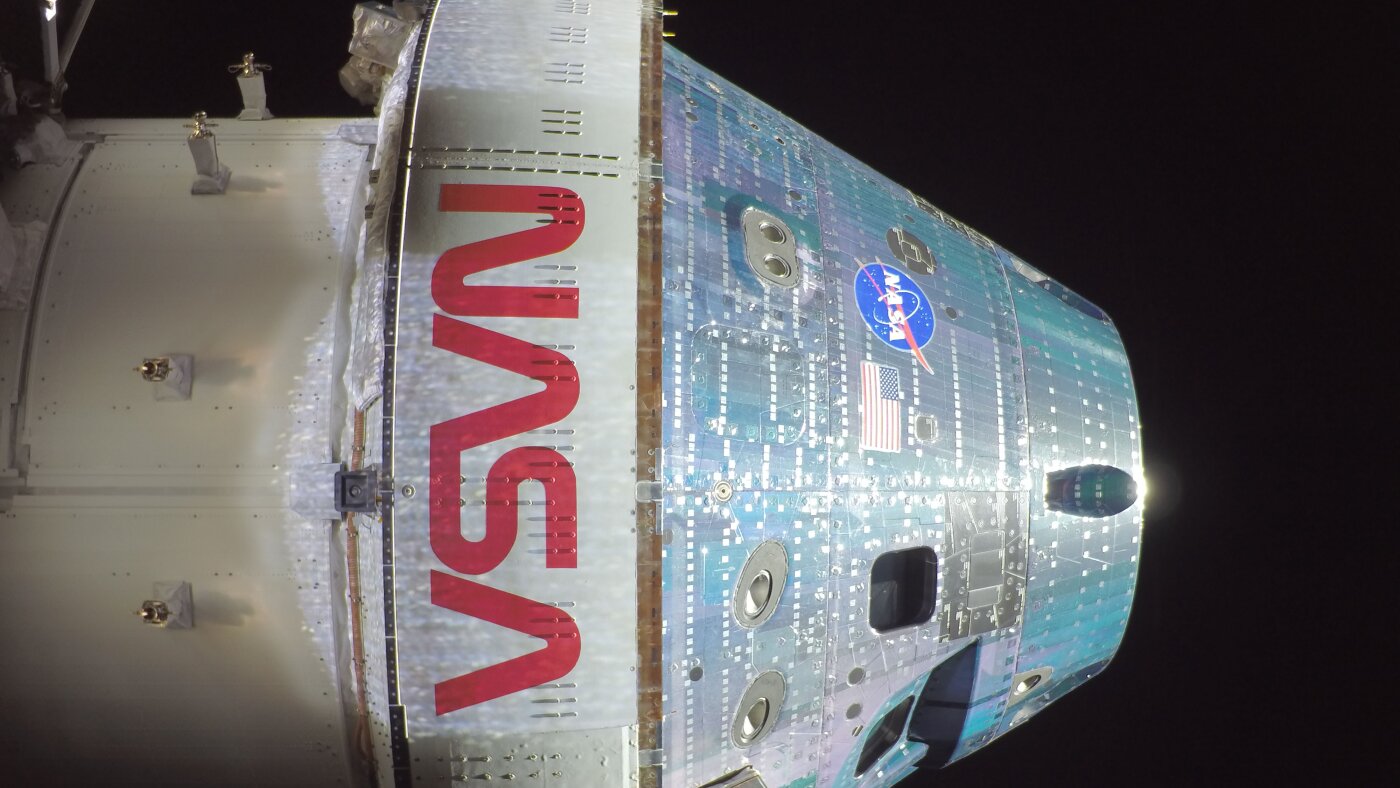
NASA’s Artemis II crew readies for Monday’s lunar flyby. Here’s what you need to know

Tax day is next week: Avoid these 5 common mistakes that can cost you money

Hamas armed wing says disarmament demands not acceptable
-

 South-Carolina1 week ago
South Carolina vs TCU predictions for Elite Eight game in March Madness
-

 Atlanta, GA1 day ago
1 teenage girl killed, another injured in shooting at Piedmont Park, police say
-

 Vermont1 week ago
Skier dies after fall at Sugarbush Resort
-

 Movie Reviews4 days ago
Vaazha 2 first half review: Hashir anchors a lively, chaos-filled teen tale
-

 Politics1 week ago
Trump’s Ballroom Design Has Barely Been Scrutinized
-
 Entertainment4 days ago
Inside Ye’s first comeback show at SoFi Stadium
-

 Atlanta, GA1 week ago
Fetishist ‘No Kings’ protester in mask drags ‘Trump’ and ‘JD Vance’ behind her wheelchair
-

 Politics1 week ago
JD Vance says he was ‘obsessed’ with UFOs, believes aliens are actually ‘demons’