Seattle, WA
Seattle Leads Nation in Affordable Apartment Production » The Urbanist


Affordable housing production is trending upward across the United States, and Seattle is leading the way. A new report from RentCafe found the Seattle metropolitan area has produced 14,290 affordable apartments over the previous five years, more than any other metro region.
Seattle’s total narrowly edged out New York City, which produced 14,240 affordable apartments in the same time period from 2020 to 2024, and Austin, Texas, which produced 13,342. Minnesota’s Twin Cities metro came in fourth with 10,722 apartments produced, followed by Atlanta, Denver, Los Angeles, and the “Bay Area.”
Note: San Francisco (along with the North Bay) was broken out a separate category from the East and South Bay Area in this study. Combined, the two Bay Area listings accounted for 16,301 affordable apartments, a total which would have led the list.
RentCafe’s analysis included only apartments in 100% affordable buildings, which does leave out a small subset of the data from mixed-income buildings. The study only counted apartments, not affordable homeownership projects, which also represents a small fraction of overall production.
With the growth in production, affordable apartments are a growing share of overall apartment production. “Affordable housing for renters accounted for one-quarter of the [Seattle] metro’s total of 59,000 new apartment buildings during this time,” RentCafe’s Florin Petrut noted.
Affordable housing composed 31.7% of overall apartments in New York over the past five years, since the region produced fewer apartments than Seattle. New York’s share trailed only San Francisco, where over a third of apartments were affordable since 2020. San Francisco produced fewer total apartment units than any other top 20 city, while Seattle outpaced the vastly larger New York market by nearly one-third.

” data-medium-file=”https://i0.wp.com/www.theurbanist.org/wp-content/uploads/2026/01/image-39.png?ssl=1″ data-large-file=”https://i0.wp.com/www.theurbanist.org/wp-content/uploads/2026/01/image-39.png?ssl=1″ fifu-data-src=”https://i0.wp.com/www.theurbanist.org/wp-content/uploads/2026/01/image-39.png?ssl=1″ alt=”” class=”wp-image-205112″ srcset=”https://i0.wp.com/www.theurbanist.org/wp-content/uploads/2026/01/image-39.png?ssl=1 883w, https://www.theurbanist.org/wp-content/uploads/2026/01/image-39-768×645.png 768w, https://www.theurbanist.org/wp-content/uploads/2026/01/image-39-500×420.png 500w, https://www.theurbanist.org/wp-content/uploads/2026/01/image-39-696×585.png 696w” sizes=”(max-width: 883px) 100vw, 883px”/><figcaption class=) Affordable housing production is on the rise in many metro regions across the U.S., according to data from Yardi. (RentCafe)
Affordable housing production is on the rise in many metro regions across the U.S., according to data from Yardi. (RentCafe)
For some regions the uptick in affordable housing was dramatic, but less so for Seattle, where the five-year time period was up nearly 40% over the previous five years — one of the smallest increases in the dataset. That means Seattle’s affordable housing sector was also the leader over the entire decade, not just the last five years. Metro Seattle produced more than 24,000 affordable apartments over the decade.
Most metros have momentum in affordable sector
On the other hand, if trendlines continue for fast-building metros, Seattle could get its title stolen in the decade ahead. For example, San Antonio’s affordable housing production was up 222%, Phoenix’s was up 206%, and New York City was up 185%. Although, in Phoenix’s case, that still amounted to just 4,626 affordable apartments, which shows how anemic affordable construction had been previously.

” data-medium-file=”https://www.theurbanist.org/wp-content/uploads/2024/09/4.-Lincoln-Apt-Tacoma-by-Kevin-Le.jpg” data-large-file=”https://i1.wp.com/www.theurbanist.org/wp-content/uploads/2024/09/4.-Lincoln-Apt-Tacoma-by-Kevin-Le-1024×768.jpg?ssl=1″ fifu-data-src=”https://i1.wp.com/www.theurbanist.org/wp-content/uploads/2024/09/4.-Lincoln-Apt-Tacoma-by-Kevin-Le-1024×768.jpg?ssl=1″ alt=”” class=”wp-image-185822″ srcset=”https://i1.wp.com/www.theurbanist.org/wp-content/uploads/2024/09/4.-Lincoln-Apt-Tacoma-by-Kevin-Le-1024×768.jpg?ssl=1 1024w, https://www.theurbanist.org/wp-content/uploads/2024/09/4.-Lincoln-Apt-Tacoma-by-Kevin-Le-768×576.jpg 768w, https://www.theurbanist.org/wp-content/uploads/2024/09/4.-Lincoln-Apt-Tacoma-by-Kevin-Le-560×420.jpg 560w, https://www.theurbanist.org/wp-content/uploads/2024/09/4.-Lincoln-Apt-Tacoma-by-Kevin-Le-696×522.jpg 696w, https://www.theurbanist.org/wp-content/uploads/2024/09/4.-Lincoln-Apt-Tacoma-by-Kevin-Le-265×198.jpg 265w, https://www.theurbanist.org/wp-content/uploads/2024/09/4.-Lincoln-Apt-Tacoma-by-Kevin-Le.jpg 1280w” sizes=”(max-width: 1024px) 100vw, 1024px”/><figcaption class=) A construction project in the heart of Tacoma’s Lincoln District will provide 78 affordable senior living apartments. (Kevin Le)
A construction project in the heart of Tacoma’s Lincoln District will provide 78 affordable senior living apartments. (Kevin Le)
“Notably, affordable housing is starting to make up a larger portion of all new apartment construction,” Petrut noted. “In 2024, nearly 14% of all new apartments were income-restricted — up from just under 9% ten years earlier — indicating a growing emphasis on affordability in new development.”
A few regions bucked that trend, and continue to emphasize market-rate apartment development to a large degree. For example, just 5% of the more than 107,000 apartments produced in the Dallas metro from 2020 to 2024 were income-restricted affordable units. The Chicagoland area also produced just over 107,000 apartments, and just 6.6% were affordable. Houston did not even crack the top 20, despite being the sixth-most populous metro in the country.

” data-medium-file=”https://www.theurbanist.org/wp-content/uploads/2026/01/span-style-display-block-width-100-text-align-center-margin-top-15px-b-style-color-585859-how-affordable-apartment-construction-changed-in-the-last-10-years-b-span-.png” data-large-file=”https://i1.wp.com/www.theurbanist.org/wp-content/uploads/2026/01/span-style-display-block-width-100-text-align-center-margin-top-15px-b-style-color-585859-how-affordable-apartment-construction-changed-in-the-last-10-years-b-span–1024×935.png?ssl=1″ fifu-data-src=”https://i1.wp.com/www.theurbanist.org/wp-content/uploads/2026/01/span-style-display-block-width-100-text-align-center-margin-top-15px-b-style-color-585859-how-affordable-apartment-construction-changed-in-the-last-10-years-b-span–1024×935.png?ssl=1″ alt=”” class=”wp-image-205117″ srcset=”https://i1.wp.com/www.theurbanist.org/wp-content/uploads/2026/01/span-style-display-block-width-100-text-align-center-margin-top-15px-b-style-color-585859-how-affordable-apartment-construction-changed-in-the-last-10-years-b-span–1024×935.png?ssl=1 1024w, https://www.theurbanist.org/wp-content/uploads/2026/01/span-style-display-block-width-100-text-align-center-margin-top-15px-b-style-color-585859-how-affordable-apartment-construction-changed-in-the-last-10-years-b-span–768×701.png 768w, https://www.theurbanist.org/wp-content/uploads/2026/01/span-style-display-block-width-100-text-align-center-margin-top-15px-b-style-color-585859-how-affordable-apartment-construction-changed-in-the-last-10-years-b-span–460×420.png 460w, https://www.theurbanist.org/wp-content/uploads/2026/01/span-style-display-block-width-100-text-align-center-margin-top-15px-b-style-color-585859-how-affordable-apartment-construction-changed-in-the-last-10-years-b-span–696×636.png 696w, https://www.theurbanist.org/wp-content/uploads/2026/01/span-style-display-block-width-100-text-align-center-margin-top-15px-b-style-color-585859-how-affordable-apartment-construction-changed-in-the-last-10-years-b-span-.png 1220w” sizes=”(max-width: 1024px) 100vw, 1024px”/><figcaption class=) Affordable housing production has been trending up across the United States. 2024 production more than tripled 2015. (RentCafe)
Affordable housing production has been trending up across the United States. 2024 production more than tripled 2015. (RentCafe)
Nationwide, 2024 was a banner year, delivering 91,000 affordable units, the highest total in decades. “Nearly 310,000 affordable apartments have been built nationwide since 2020, accounting for 12.6% of all new apartment buildings,” Petrut wrote. “Affordable housing construction rose 73% compared to 2015–2019, outpacing overall apartment building growth.”
Part of the credit for the affordable housing surge goes to the pandemic response strategy engineered under President Joe Biden: “The American Rescue Plan has helped move things forward by directing billions of dollars into housing through State and Local Fiscal Recovery Funds,” Petrut wrote. “On top of that, many states introduced or expanded their own tax credit programs. These efforts helped developers cover rising costs and move projects across the finish line faster while simultaneously keeping rents affordable for the long term.”
How Seattle invests in affordable housing
Seattle goes beyond many other American cities in directly funding affordable housing production. The City of Seattle is spending nearly $350 million per year on affordable housing, which comes from a variety of revenue sources.
Since the 1980s, the Seattle Housing Levy has augmented affordable housing creation. The 2023 renewal tripled the size of the levy to a $970 million seven-year package, and it passed by a wide margin. At its new level, the levy provides $139 million in annual funding.
 State Rep. Chipalo Street (D-37th, Seattle), Mayor-elect Katie Wilson, and Sharon Lee. (Doug Trumm)
” data-medium-file=”https://www.theurbanist.org/wp-content/uploads/2025/12/New-Hope-Groundbreaking-in-Central-District-with-Katie-Wilson-and-Sharon-Lee-by-Trumm-20251130.jpg” data-large-file=”https://i3.wp.com/www.theurbanist.org/wp-content/uploads/2025/12/New-Hope-Groundbreaking-in-Central-District-with-Katie-Wilson-and-Sharon-Lee-by-Trumm-20251130-1024×682.jpg?ssl=1″ fifu-data-src=”https://i3.wp.com/www.theurbanist.org/wp-content/uploads/2025/12/New-Hope-Groundbreaking-in-Central-District-with-Katie-Wilson-and-Sharon-Lee-by-Trumm-20251130-1024×682.jpg?ssl=1″ alt=”” class=”wp-image-203794″ srcset=”https://i3.wp.com/www.theurbanist.org/wp-content/uploads/2025/12/New-Hope-Groundbreaking-in-Central-District-with-Katie-Wilson-and-Sharon-Lee-by-Trumm-20251130-1024×682.jpg?ssl=1 1024w, https://www.theurbanist.org/wp-content/uploads/2025/12/New-Hope-Groundbreaking-in-Central-District-with-Katie-Wilson-and-Sharon-Lee-by-Trumm-20251130-768×512.jpg 768w, https://www.theurbanist.org/wp-content/uploads/2025/12/New-Hope-Groundbreaking-in-Central-District-with-Katie-Wilson-and-Sharon-Lee-by-Trumm-20251130-630×420.jpg 630w, https://www.theurbanist.org/wp-content/uploads/2025/12/New-Hope-Groundbreaking-in-Central-District-with-Katie-Wilson-and-Sharon-Lee-by-Trumm-20251130-696×464.jpg 696w, https://www.theurbanist.org/wp-content/uploads/2025/12/New-Hope-Groundbreaking-in-Central-District-with-Katie-Wilson-and-Sharon-Lee-by-Trumm-20251130.jpg 1280w” sizes=”auto, (max-width: 1024px) 100vw, 1024px”/><figcaption class=) On November 30, New Hope Community Development Institute and LIHI hosted a groundbreaking ceremony that included newly elected Seattle Mayor Katie Wilson, who made affordability the centerpiece of her campaign. Wilson helped shepherd the JumpStart payroll tax to passage. (Doug Trumm)
On November 30, New Hope Community Development Institute and LIHI hosted a groundbreaking ceremony that included newly elected Seattle Mayor Katie Wilson, who made affordability the centerpiece of her campaign. Wilson helped shepherd the JumpStart payroll tax to passage. (Doug Trumm)In 2020, Seattle also passed the “JumpStart” payroll tax on the largest companies in the city. Initially the revenue stream provided Covid relief, but over the longer-term the tax was intended to focus a majority of investments on affordable housing — at least when mayors and councils aren’t raiding it to plug budget holes and fund pet projects. The payroll tax pulled in $360 million in 2024, but only $142 million of that ended up going to the Office of Housing, a figure which was further cut in 2025.
Seattle’s Mandatory Housing Affordability or MHA program — an inclusionary zoning regime that traded upzones allowing larger apartment buildings for new affordability requirements — also raises affordable housing funds via in-lieu payments from builders who opt out of providing income-restricted homes on-site. As a developer fee, MHA revenue is volatile and varies with the pace of construction activity, which has been slowing recently in Seattle, especially in the office sector. MHA topped out at $74 million in collections in 2021, but has declined since, settling out around $22 million in 2025 and in 2026 projections.

” data-medium-file=”https://i1.wp.com/www.theurbanist.org/wp-content/uploads/2026/01/image-40.png?ssl=1″ data-large-file=”https://i1.wp.com/www.theurbanist.org/wp-content/uploads/2026/01/image-40.png?ssl=1″ fifu-data-src=”https://i1.wp.com/www.theurbanist.org/wp-content/uploads/2026/01/image-40.png?ssl=1″ alt=”” class=”wp-image-205129″ srcset=”https://i1.wp.com/www.theurbanist.org/wp-content/uploads/2026/01/image-40.png?ssl=1 963w, https://www.theurbanist.org/wp-content/uploads/2026/01/image-40-768×475.png 768w, https://www.theurbanist.org/wp-content/uploads/2026/01/image-40-680×420.png 680w, https://www.theurbanist.org/wp-content/uploads/2026/01/image-40-696×430.png 696w, https://www.theurbanist.org/wp-content/uploads/2026/01/image-40-356×220.png 356w” sizes=”auto, (max-width: 963px) 100vw, 963px”/><figcaption class=) The Seattle Office of Housing’s budget has grown to nearly $350 million, spurred by increase in revenue from the housing levy and the payroll tax. (City of Seattle / BERK)
The Seattle Office of Housing’s budget has grown to nearly $350 million, spurred by increase in revenue from the housing levy and the payroll tax. (City of Seattle / BERK)
In 2025, Seattle voters approved another dedicated revenue source, this time focused on social housing. An “excess compensation” tax hitting high earners who make more than $1 million per year is expected to raise more than $50 million annually for the recently launched Seattle Social Housing Developer, which is pursuing a mixed-income model popularized in cities like Vienna.
Other jurisdictions in the region lag far behind Seattle in affordable housing investments, but most are taking strides to boost production. The Washington State Legislature has also steadily grown the size of the state Housing Trusting Fund, setting a new record with $400 million allocated in 2024, which has also helped get more affordable housing projects off the ground.

” data-medium-file=”https://www.theurbanist.org/wp-content/uploads/2025/05/IMG_2467.jpg” data-large-file=”https://i3.wp.com/www.theurbanist.org/wp-content/uploads/2025/05/IMG_2467-1024×682.jpg?ssl=1″ fifu-data-src=”https://i3.wp.com/www.theurbanist.org/wp-content/uploads/2025/05/IMG_2467-1024×682.jpg?ssl=1″ alt=”” class=”wp-image-195531″ srcset=”https://i3.wp.com/www.theurbanist.org/wp-content/uploads/2025/05/IMG_2467-1024×682.jpg?ssl=1 1024w, https://www.theurbanist.org/wp-content/uploads/2025/05/IMG_2467-768×512.jpg 768w, https://www.theurbanist.org/wp-content/uploads/2025/05/IMG_2467-630×420.jpg 630w, https://www.theurbanist.org/wp-content/uploads/2025/05/IMG_2467-696×464.jpg 696w, https://www.theurbanist.org/wp-content/uploads/2025/05/IMG_2467.jpg 1280w” sizes=”auto, (max-width: 1024px) 100vw, 1024px”/><figcaption class=) The Washington State Legislature passed and Governor Bob Ferguson signed a variety of housing measures during the 2025 legislative session, with a focus on both housing supply and stability for existing tenants. (Ryan Packer)
The Washington State Legislature passed and Governor Bob Ferguson signed a variety of housing measures during the 2025 legislative session, with a focus on both housing supply and stability for existing tenants. (Ryan Packer)
King County has flirted with a billion-dollar bond for workforce housing — although it’s not clear how soon such an initiative could materialize after a study found the County would need to back the bonds with a dedicated funding source or risk its general fund.
The region’s largest employers — including Amazon and Microsoft — have also made large pledges of housing grants and low-interest loans to aid nonprofit builders. Two top executives at Microsoft and Amazon shared a Seattle Times op-ed byline this week arguing the state “must make it easier to build our way out of the housing crisis” — and touting that “together, our two companies have committed $1.6 billion to preserve and build more than 26,000 affordable homes.”
Growth in affordable housing production has also brought its own problems. By 2025, vacancy rates at affordable apartments in King County had climbed above 10%, which is reportedly threatening to bankrupt some buildings and providers and has already led to bailouts. While demand remains high for low income housing, overproduction in the higher income segments (e.g., around 60% of area median income) has emerged an issue, at least in some parts of the region.
Still not enough
Leading the nation in affordable housing production is a feather in Seattle’s cap, but local housing advocates would be the first to admit it’s far from enough. In 2018, King County’s Affordable Housing Task Force projected that the county would need to add 244,000 net new affordable homes by 2040.
“According to our estimates, we need 156,000 more affordable homes today and another 88,000 affordable homes by 2040 to ensure that no low-income or working households are cost burdened,” the task force wrote. “That means we need to build, preserve or subsidize a total of 244,000 net new homes by 2040 if we are to ensure that all low-income families in King County have a safe and healthy home that costs less than 30 percent of their income.”
To meet the goal would have required a 11,000 affordable homes per year pace, which the region has not met thus far, even with its nation-leading production. To make up for its slow start out of the gates, King County would need to average 15,000 net new affordable homes annually from 2026 through 2040 to meet its target.
And state leaders are projecting that solving the housing crisis will also take robust market-rate production, setting a target of 1 million additional housing units over the next 20 years, or 50,000 per year.
More work remains to hit housing targets, and simply outproducing peer cities may not be enough, if Seattle wants to solve its affordability crisis.

Doug Trumm is publisher of The Urbanist. An Urbanist writer since 2015, he dreams of pedestrian streets, bus lanes, and a mass-timber building spree to end our housing crisis. He graduated from the Evans School of Public Policy and Governance at the University of Washington in 2019. He lives in Seattle’s Fremont neighborhood and loves to explore the city by foot and by bike.



SEATTLE (AP) — Sarah Wozniewicz gave Ottawa the lead, rookie Peyton Hemp scored her first goal and Gwyneth Philips posted her first shutout of the season as the Charge blanked Seattle 2-0 on Sunday despite the return of Torrent’s captain Hilary Knight.
Ottawa (6-7-1-9) moved two points in front of the Toronto Sceptres for the fourth and final playoff spot with a match in hand and seven remaining in the regular season.
Seattle Torrent captain, Olympic champion Hilary Knight activated from injured reserve
Wozniewicz was in the right place to bang in a deflection after a shot by Kathryn Reilly hit the skate of a Seattle defender in front of the net at the 9:09 mark of the first period.
Hemp gave the Charge a 2-0 lead when she scored with 1:23 left in the second period. Hemp collected six assists through her first 22 matches.
Seattle began the third period on a two-minute power play after Ottawa forward Brianne Jenner was called for interference in the final second of the second. But Philips was up to the task, finishing with 25 saves.
Corinne Schroeder totaled 27 saves for Seattle (6-1-2-14). She saved a penalty shot by Jenner with 13:58 left to play.
Ottawa came in with a league-high 14 power-play goals but went 0 for 3 against Seattle. The Torrent came up empty on six tries with an extra skater.
Seattle activated Knight from long-term injured reserve before the match. Knight had three goals and seven assists in 14 games before sustaining an injury at the Winter Olympics.
The Charge beat the Torrent for a third straight time following a 4-1 loss in Seattle on Dec. 17.
Ottawa had been the only team without a regulation victory away from its primary home this season.
Up next
- Ottawa: Hosts the Toronto Sceptres on Wednesday.
- Seattle: Visits the New York Sirens on Saturday.
Seattle, WA
Where to watch Cleveland Guardians vs. Seattle Mariners: Live stream, start time, TV channel, odds for Sunday, March 29

The Cleveland Guardians, ranked #1 in the AL Central, face the Seattle Mariners, ranked #4 in the AL West. The Mariners are favored with a moneyline of -170 and a spread of -1.5. Cleveland’s Slade Cecconi (ERA: 4.30) will start against Seattle’s Emerson Hancock (ERA: 4.90).
How to Watch Cleveland Guardians vs Seattle Mariners
-
Time: 7:20 PM ET / 4:20 PM PT
-
Where: T-Mobile Park, Seattle, WA
Advertisement
Team Records
-
Cleveland Guardians: 2-1 (#1 in AL Central)
-
Seattle Mariners: 1-2 (#4 in AL West)
Odds (via BetMGM)
-
Spread: Seattle Mariners -1.5
-
Moneyline: Seattle Mariners -150 / Cleveland Guardians +125
Starting Pitchers
-
Cleveland Guardians: Slade Cecconi (2025 stats: 7-7, ERA: 4.30, K: 109, WHIP: 1.19, BB: 32)
-
Seattle Mariners: Emerson Hancock (2025 stats: 4-5, ERA: 4.90, K: 64, WHIP: 1.38, BB: 31)
Weather: 44°F at first pitch
Seattle, WA
COUNTDOWN: Five weeks until you can help West Seattle Food Bank ‘Nourish & Flourish.’ Special guest revealed!

Five weeks from tonight – on Saturday, May 2 – you can help the West Seattle Food Bank “Nourish and Flourish” by being part of its annual dinneer and auction, as an attendee and/or sponsor. This week, a special guest was revealed – here’s the WSFB announcement:
The West Seattle Food Bank (WSFB) is pleased to announce that Seattle comedian Scott Losse will join this year’s Nourish & Flourish gala as a special guest, bringing humor and heart to an evening dedicated to community, compassion, and impact.
Losse — recently featured as an “Undisputable Champion of Comedy” in The Stranger — is known for his sharp, relatable takes on life in the Pacific Northwest and his ability to connect audiences through both humor and honesty.
At Nourish & Flourish, Losse will provide a moment of levity during the program, helping to balance the evening’s powerful stories of need and resilience with laughter—an essential ingredient in bringing communities together.
“This event is about nourishing hope,” said Robbin Peterson, Development Director at West Seattle Food Bank. “Scott’s ability to help people laugh, even in challenging times, reflects exactly what community looks like— showing up for one another with both compassion and joy.”
Losse’s connection to West Seattle Food Bank is deeply personal. His wife Janelle was inspired to pursue a career in social services and nonprofit work after volunteering as a child alongside her grandmother — who was one of WSFB’s volunteers in the early years of the food bank.
“That legacy of service — passed from one generation to the next — is exactly what we see every day at the food bank,” Peterson added. “It’s neighbors helping neighbors, steadfastly across time.”
Nourish & Flourish will take place on Saturday, May 2, 2026, at 4105 in SODO, bringing together 300 community members for an evening of storytelling, fundraising, and celebration. Proceeds support WSFB’s vital programs, including food access, housing stability, and essential services for thousands of neighbors across West Seattle.
In 2025 alone, West Seattle Food Bank distributed more than 2.25 million pounds of food, served over 23,000 individuals, and helped keep hundreds of families housed.
Tickets and sponsorship opportunities are available at:
westseattlefoodbank.org/nourish-and-flourish or bit.ly/NAF2026
WSB is media sponsor of Nourish & Flourish. See you there!

Florida man ‘purposely walked’ onto tracks before being hit by train
Page not found

BIIF track: Stars reach personal-best marks, break venue records at Kamehameha – West Hawaii Today

Elder José A. Teixeira to speak at BYU-Idaho winter commencement – East Idaho News

Next up for Illinois? UConn in the Final Four

Florida High School Football Rankings: Top 25 teams – Oct. 21

How old is Bo Nix? What to know about Oregon quarterback ahead of 2024 NFL Draft

Cleary's 21 help Le Moyne down Central Connecticut State 69-64 in OT

99th annual Pony Swim held in Virginia

Indiana Members Credit Union announced as new anchor tenant at Bottleworks District

Video: Iran to Allow More Oil Ships Through Strait of Hormuz, Trump Says

Dem senator warns deportation could let Virginia woman’s illegal immigrant killer ‘escape accountability’

Newsletter: G7 ministers to hold talks on war’s economic fallout
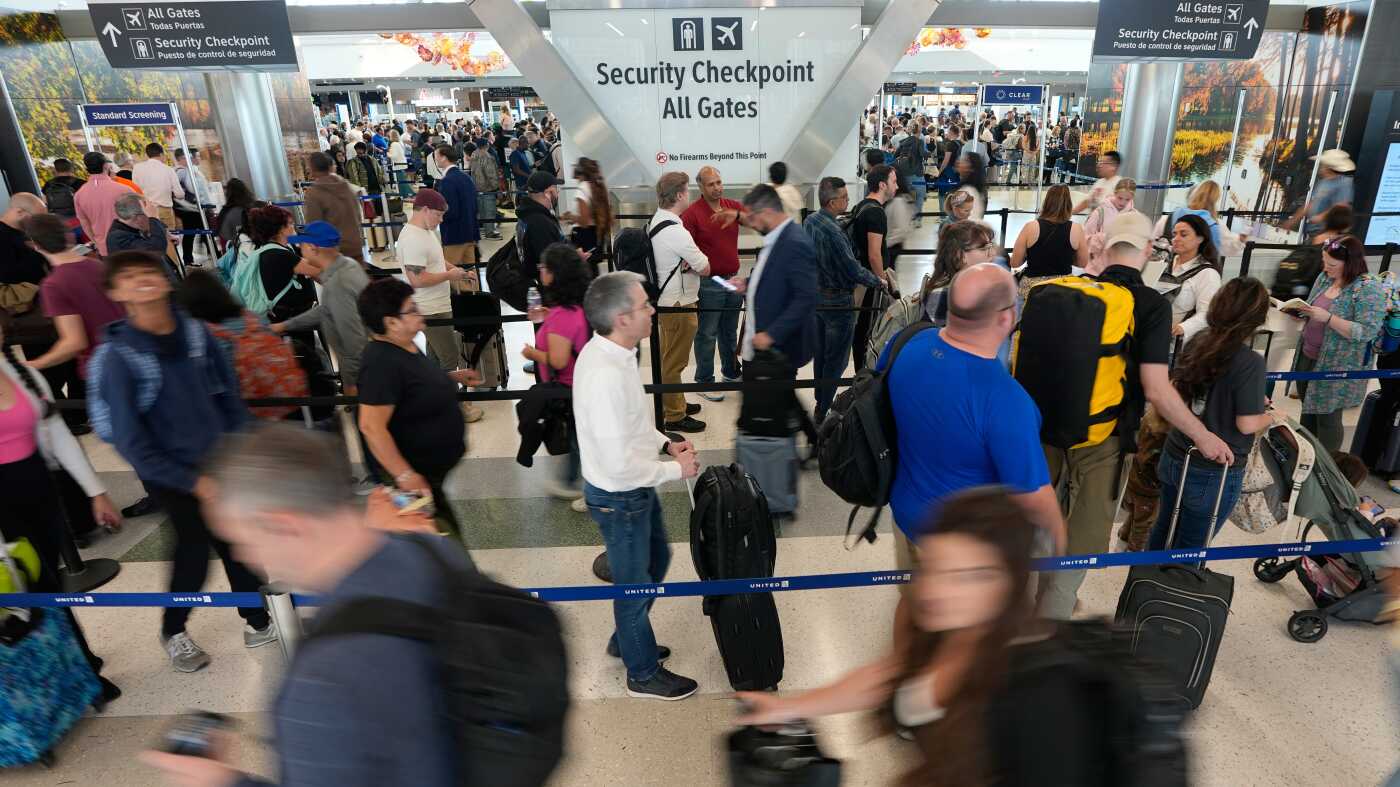
ICE officers could remain at airports after TSA workers are paid

Scathing report claims nation’s oldest labor union ‘betrayed’ MAGA members through ‘shocking’ spending
-

 Sports1 week ago
IOC addresses execution of 19-year-old Iranian wrestler Saleh Mohammadi
-

 Miami, FL4 days ago
Jannik Sinner’s Girlfriend Laila Hasanovic Stuns in Ab-Revealing Post Amid Miami Open
-

 New Mexico1 week ago
Clovis shooting leaves one dead, four injured
-

 Politics1 week ago
Schumer gambit fails as DHS shutdown hits 36 days and airport lines grow
-

 Tennessee7 days ago
Tennessee Police Investigating Alleged Assault Involving ‘Reacher’ Star Alan Ritchson
-

 Minneapolis, MN4 days ago
Boy who shielded classmate during school shooting receives Medal of Honor
-

 Science1 week ago
Record Heat Meets a Major Snow Drought Across the West
-

 Technology1 week ago
YouTube job scam text: How to spot it fast