San Diego, CA
The Nat museum brings fossils back to life at new Paleo Center


While the word “fossils” may have once once conjured images of elderly, nearsighted scientists toiling in silence in dank, dark basements, San Diego’s Natural History Museum is breathing new life into its collection with the addition of a $5.1 million Paleo Center that, yes, is downstairs and opens to the public on Friday.
The story of Amazement in the Basement, as “the Nat” has coined the exhibit, began 150 years ago when the museum was founded and continues today with curated highlights in the new Tom Deméré Paleontology Center, which finds fresh ways to connect San Diego with its antediluvian past.
“It’s the first time in our museum’s history that we’ve been able to combine both an exhibit and a real, active lab and collection space, so visitors will be able to not only explore an exhibit that displays the breadth and diversity of our collection, but they’ll be able to see paleontologists working in action and actually interact with them,” Abi Karkenny, director of exhibits at the Nat, told NBC 7 this week.
So, do you want to talk to a scientist while she makes a “cradle’ for the 120,000-year-old bison dug up in 2020 when workers paved the parking lot at Snapdragon Stadium in Mission Valley? That’s why the windows will usually be open in the research lab.
“It’s really the first time we’ve been able to bring visitors so close to the science that happens here, typically behind the scenes,” Karkenny said, adding, “I think the scientists are excited. You know, [they’re] always wanting to share their work with the public, they’re so passionate about what they do.”
Scientists working with a 120,000-year-old bison dug up in 2020 when workers paved the parking lot at Snapdragon Stadium in Mission Valley. Photo by Eric S. Page

And the specimens they’re working on, of course, will be constantly changing as they complete the tasks of preservation.
“[The] highlights of our Paleo Collection are often the things that were found right here in San Diego,” Karkenny said. “People are always fascinated to learn that so many of our fossils were found right here, right where we live and work and play. So, for example, we have … shells on display here that were found right under the museum while it was being constructed. And so that’s always mind-blowing for people: to find out that we live in such a fossil-rich area of the United States.”
Want to know what kind of fossils were dug up in Chula Vista? Carlsbad? Balboa Park? Well, in Mission Hills, for example, shark’s teeth and the bones of marine animals that were found are about 3.5 million years old. Just check out an exhibit case with drawers holding dozens of treasures from deep in the millennia. “See what’s in our drawers,” is how they put it.

A wall-size map of Southern California with mounted jewel cases containing fossils educates the young and the old by linking the ancient animals to where they were dug up in downtown San Diego (a half-million year old mammoth tooth and toe), Spring Valley (43 million-year-old crab), Mira Mesa (a squid-like animal; about 144 million years old) and Oceanside, where a mastodon leg bone from the Pleistocene Epoch 120,000 years ago was found.
The Paleo Center was conceived of just seven short years ago, though, back when the collection was housed both on site as well as at external storage facilities. Construction in Balboa Park, however, began in earnest in 2022. And if the site seems a bit industrial in design, that’s intentional.
“It’s meant to be a peek behind the curtain of our work,” Karkenny said, “and so much of the exhibit is inspired by what our collections spaces look like, both, you know, our warehouses that we used to have with super tall, 16-foot-high shelves full of specimens to the compactors that you see behind the scenes where you can roll the cabinets aside and see thousands of fossils, some as big as a boulder, but some as tiny as a grain of sand.”
A wall-size map of Southern California with mounted jewel cases containing fossils educates the young and the old by linking the ancient animals to where they were dug up around San Diego County. Photo by Eric S. Page

Two of those towering orang shelves made the leap to the Nat, where they now hold everything from a stuffed mountain lion to the fossil of a whale skull. Remarkably, the 1.5 million specimens are across the hall, behind glass, visible to visitors and just steps away from the paleontologists working in the lab.
Although the exhibit is called the Paleo Center, it’s about more than just dinosaurs. Paleontology is, technically, the study of ancient life, especially from fossils.
“And so this was really created as a space to bring all the fossils together underground again, if you will, in one space and one home, but we also want visitors to know about all of the work being done to care for, study, protect fossils,” Karkenny said. “It’s not just for paleontology. The San Diego Natural History Museum does that work for all kinds of things: frogs, beetles, birds — an amazing diversity of specimens.”
Admission to the museum is $24 for adults — pro tip: buy online for $21.99 online — OR, grownups only have to fork over 12 bucks on Friday nights this summer, when they can take advantage of the Nat at Night to see the museum AND enjoy an adult beverage on the outdoor rooftop terrace. Kids 3-17? They’re $14 at the door daytime (or $12.99 on the website).



Letter to the Editor: Apartment Vacancy Rates Paint an Incomplete Picture
By David Malcolm | Voice of San Diego
In last Saturday’s “Politics Report,” Will Huntsberry tackled the thorny issue of apartment vacancy rates (apparently the highest in this century) and the impact on affordability. He also correctly wrote that the city of San Diego needs “strategies beyond build, build, build.”
What’s Really Happening
My company owns and operates apartment rental complexes in San Diego County (San Marcos, Encinitas, La Jolla, El Cajon and South Bay) and in Temecula (Riverside County). Here is what we are seeing.
Base rents are stable … but offers of two months’ free rent are common. That is a de facto 16.7 percent reduction on annualized rents. Reducing base rents is not possible in the face of rent control measures and, even more importantly, bank loan covenants. Thus, concessions like two months’ free rent are not hard to find.
Read more
New study shows promising step forward in improving Parkinson’s treatment
by Nicole Abrams | Times of San Diego
A small molecule was found to increase the benefits and reduce the side effects of the standard drug for Parkinson’s disease, according to a new study from UC San Diego startup called Sinopia Biosciences.
L-dopa or levodopa is the main treatment for Parkinson’s disease, but its benefits wane over time and can cause involuntary movements called dyskinesia. About 90% of patients with Parkinson’s disease develop dyskinesia in 9 or more years of using L-dopa, and 70% develop motor fluctuations in 9 or more years of using the drug, according to the study.
Read More
San Diego, CA
EXCLUSIVE: Ignition Press Welcomes eBay Live & Revenge Of to San Diego Comic-Con Ignition Pavilion

The Ignition Press – Ignition Pavilion is leveling up in a big way for San Diego Comic-Con this year.
Following last year’s successful debut, Ignition Press is expanding its offsite with several major new partners, transforming the Ignition Pavilion into a hub for comics, collectibles, livestream shopping, food, and drinks. The free experience at the San Diego Wine & Culinary Center (200 Harbor Dr.) will now feature activations from eBay Live and Revenge Of, alongside the return of Seven Seas Roasting Company and several new fan experiences.
One of the biggest additions this year is a dedicated eBay Live selling lounge, where livestreams will broadcast throughout the convention, bringing Comic-Con to fans around the world.
Stop by throughout the week to find live sketches and signings with comic legends Bill Sienkiewicz (hosted by Big Clutch) and Jim Lee (hosted by ANZ Collects), while Storage Wars star Rene Nezhoda will showcase a rare PSA-pedigreed collection of vintage, Silver Age, and Bronze Age comics.
Fans can also tune in for the debut of an exclusive DC x eBay Live Absolute Batman & Absolute Catwoman connecting cover, shop signed Ignition Press SDCC exclusives, rare comics, and other collectibles, and catch appearances from fan-favorite creators and influencers throughout the weekend.
The Pavilion also welcomes Los Angeles lifestyle brand Revenge Of, making its San Diego Comic-Con debut with a curated comics and pop culture experience, while its sister company, FTB.Design, is handling the Pavilion’s production design.
“Both eBay Live and Revenge Of TV are going to give both fans onsite and at home the opportunity to get in on special programming and chances to get SDCC exclusive merchandise,” said Creative Director Jeremy Haun. “We’re doing something new, big, and different here at the Ignition Pavilion. You’re not going to want to miss it.”
Coffee lovers can once again grab a free drink from Seven Seas Roasting Company between 12pm-4pm, Thursday through Sunday, by signing up for the Ignition Insiders newsletter. The first 200 fans each day can redeem a voucher for coffee, espresso drinks, chai, or tea.
Later each afternoon (Thursday-Saturday, 5pm-7pm), the coffee bar transforms into the Ignition Pavilion Happy Hour, serving themed cocktails, beer, wine, mocktails, and complimentary drink tickets with qualifying purchases. Fans can also preorder a limited-edition bottle of Ignition Proof Rum, created in partnership with Los Angeles distillery The Obscure.
The Ignition Pavilion is free and open to the public at the following times:
- Wednesday, July 22: 5:00pm-9:00pm
- Thursday, July 23: 12:00pm-8:00pm
- Friday, July 24: 12:00pm-8:00pm
- Saturday, July 25: 12:00pm-8:00pm
- Sunday, July 26: 12:00pm-6:00pm

Karepango, the colorful and unapologetic brand that aims to bring a smile in the most unexpected time, is coming to Comic-Con to spread joy, and give attendees the chance to show the world they are imperfect, yet still proud.
Find them at booth #5034, located in the Hall G area of the convention center, and will have dozens of their classic bestsellers, recent products and even a brand new exclusive (and very limited) shirt.
All purchases will receive free gifts, with an extra special gift for purchases over $100.
All clothing is available in sizes XS through 2XL, but in limited quantities per size.
Let’s get shopping:
Have A Good Day Shirts – $48
Limited to 75 pieces
Purple or brown with front and back printing
100% Cotton Knit Sweaters – $88
Oversized and pre-shrunk

100% Cotton T-Shirts – $48
Various Designs
Oversized and pre-shrunk


Tote Bags, Plush Bags, Puffy Bags, IRO Bags, All Sorts of Bags – $28-$45
Various designs
Drink Holders, Mesh Pouches, Nylon Pouches, Headbands, Blind Box Toys, Plush Trinkets – $15-$25
Various designs


Caps, Bucket Hats, Plush Hats, Beanies – $28-$30
Various designs


Bags, Plush, Rugs, Scarves – $50-$80
Various designs
Stickers, Socks, Pins, Air Fresheners – $4-$15
Various designs


Seek and ye shall find:

-
 Business2 minutes ago
Environmental groups press to halt Imperial Valley lithium venture
-
 Entertainment8 minutes ago
Netflix stock plunges to 52-week low following mixed earnings report
-
 Lifestyle14 minutes ago
L.A. Affairs: After losing our spouses, we found love again. But were we cheating on our children?
-
 Politics20 minutes ago
A new piece of Democrats’ midterm strategy: Being ‘practical’
-
 Science26 minutes ago
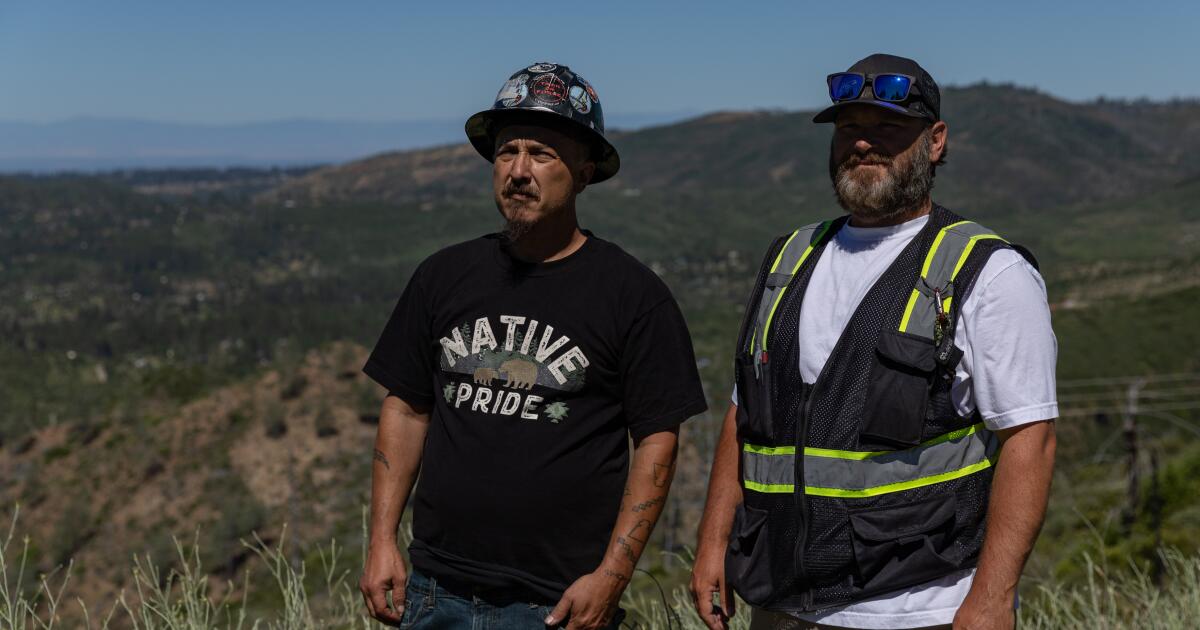
After wildfires destroyed 95% of this California tribe’s forests, members uncovered 1,200 ancestral sites
-
 Sports32 minutes ago
World Cup championship and third-place game: Start times and how to watch
-

 World44 minutes ago
Rule of Law in Hungary shows ‘radical change’ under Magyar, EU says
-

 News1 hour ago
Where Wildfire Smoke Is The Worst Right Now—And What To Do About It

