Oregon
BLM Expedites Massive Logging Expansion in Western Oregon


The Trump Administration has tasked the Bureau of Land Management (BLM) with boosting resource extraction from public lands across the U.S. That charge includes everything from establishing new oil and gas leasing in Alaska to expanding lithium mines in Nevada.
Now, Western Oregon is the latest area slated for increased commercial output by the BLM. On Feb. 18, the agency announced plans to increase timber harvesting across nearly 2 million acres. Supporters see the move as an economic necessity, while opponents worry about the environmental impacts.
BLM Oregon Timber Harvest: The Plan
The section of public land in question covers about 2.46 million acres of public land across 18 counties in Western Oregon. About 23% of the land is excluded from the project (including areas with low tree density and areas next to streams). That leaves about 1.9 million acres up for harvest.
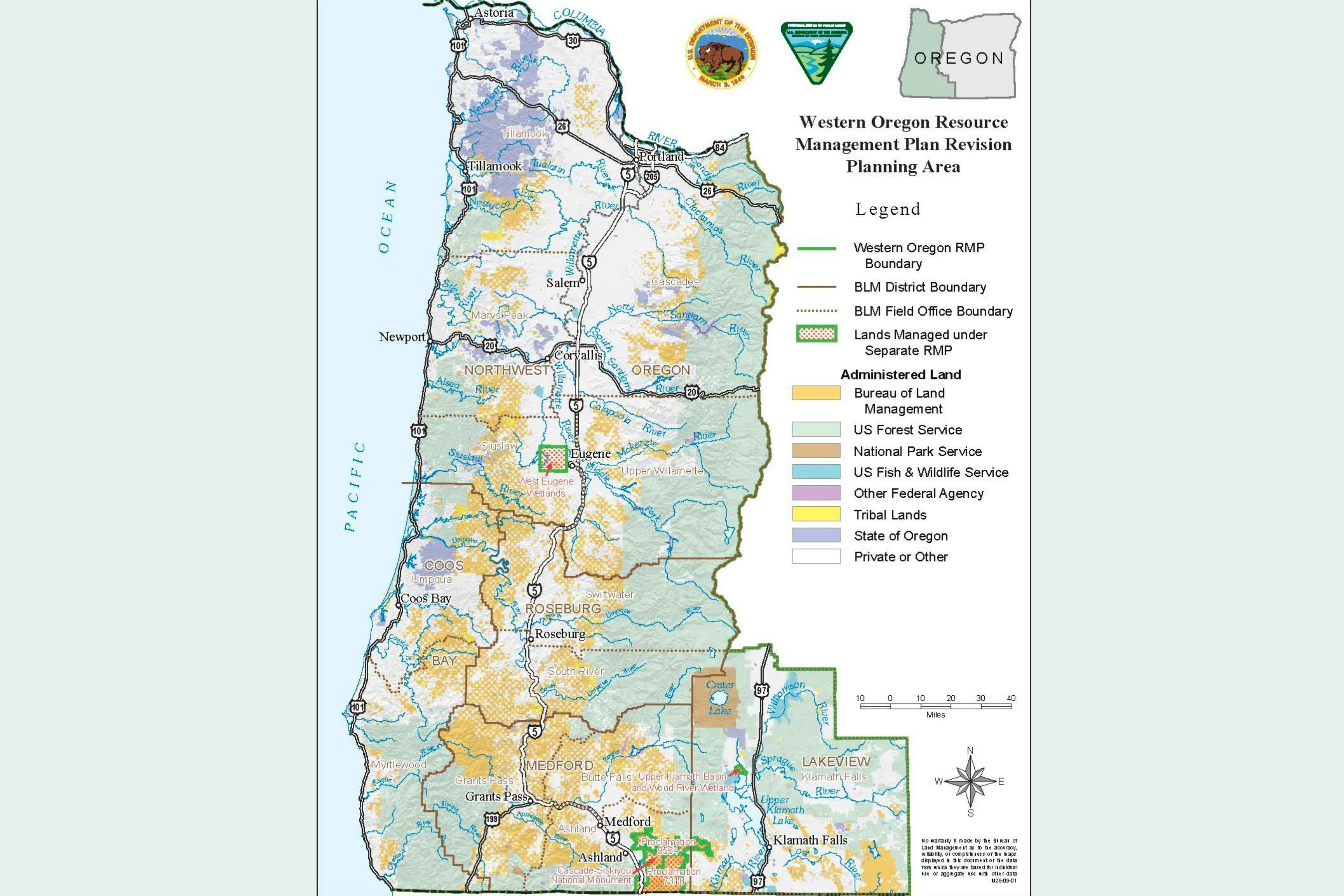
In a public notice issued on Feb. 19, the BLM announced its intent to revise the resource management plan (RMP) for this area. An RMP is an expansive document that covers recreation use, regulations, and resource extraction for an area of public land. The last RMP for this area was approved in 2016. The agency stated that this “revision” would entail replacing the 2016 RMP with a new one.
The stated goal of the effort is to “seek an increase in sustained yield of timber harvest that aligns with the historically higher levels of production on BLM-administered public lands,” according to the agency.
The 2016 RMP allowed a total harvest volume of 278 million board feet, of which 9% was from large logs. In 2025, the total harvest measured 275 million board feet. The 2026 RMP aims to increase these numbers, but no document explicitly states the target number.
GearJunkie reached out to the BLM for further information, but did not receive a response.
Based on the language in the notice, it’s possible to approximate the levels that the BLM is aiming for. The document says it wants to return production to “historically higher levels of volume.” Data show that harvests peaked in 1964 at 1.638 billion board feet. From 1960 to 1989, the annual average was 1.078 billion board feet.
If the BLM achieves volume 1 billion board feet, that would be around a 260% increase from 2016’s numbers.
‘Reviving Local Economies’ & Reducing Wildfire Threats
The effort to boost timber production relates to Trump’s March 2025 executive order entitled “Immediate Expansion of American Timber Production.” The order mandated that agencies like the BLM and U.S. Forest Service (USFS) “issue new or updated guidance regarding tools to facilitate increased timber production and sound forest management, reduce time to deliver timber, and decrease timber supply uncertainty.”
“Bringing timber production back to historic levels is essential for reviving local economies and reducing the threat of catastrophic wildfires,” Acting BLM Director Bill Groffy said in a press release. “President Trump has made it clear — enhanced domestic timber production is vital for our national security, economic prosperity, and effective wildfire management.”
The notice of intent also cited local economic impacts. It notes that more timber would deliver more jobs. When timber production decreased in the 1990s, “this revenue collapse triggered mill closures, job losses, and shrinking tax bases, devastating local communities and forcing counties to cut services and raise local taxes,” the BLM claimed.
The agency also connected increased timber harvesting with a reduction in wildfire risk.
“This RMP revision will assist in reducing fuel loads in order to battle these unprecedented and destructive fires and will aid in keeping the American people safe,” it said.
One of the counties in the RMP, Marion, experienced a major wildfire in 2020. The Lionshead Fire burned 192,000 acres and destroyed 264 homes.
BLM Oregon Timber Harvest Plan: The Opposition
Oregon Wild
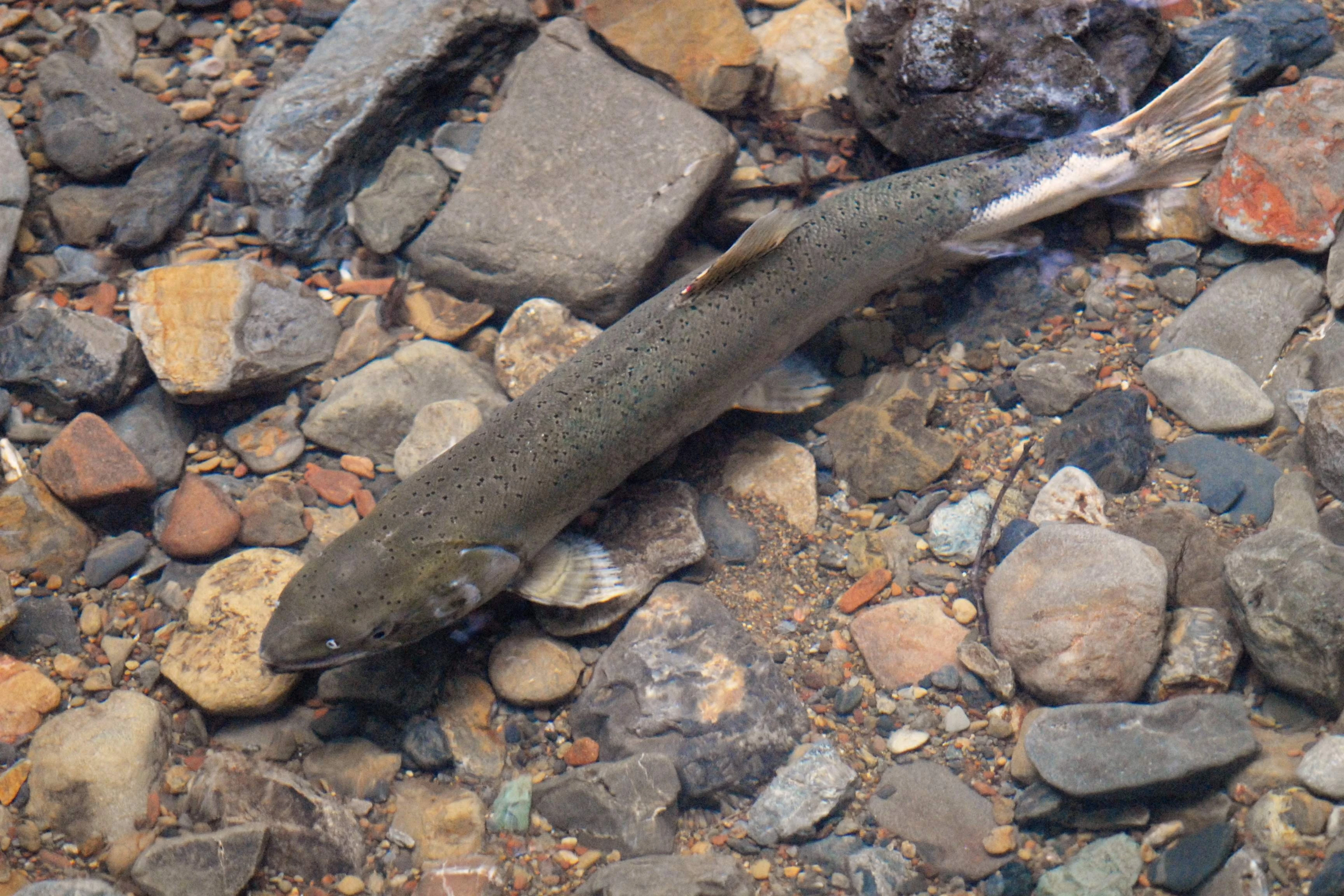
Opposition to the move comes primarily from environmental groups. Oregon Wild, a conservation nonprofit, objected on several grounds. It’s concerned about the long-term health of these forests. It also fears the impact that increased timber production would have on wildlife such as the coho salmon and the northern spotted owl.
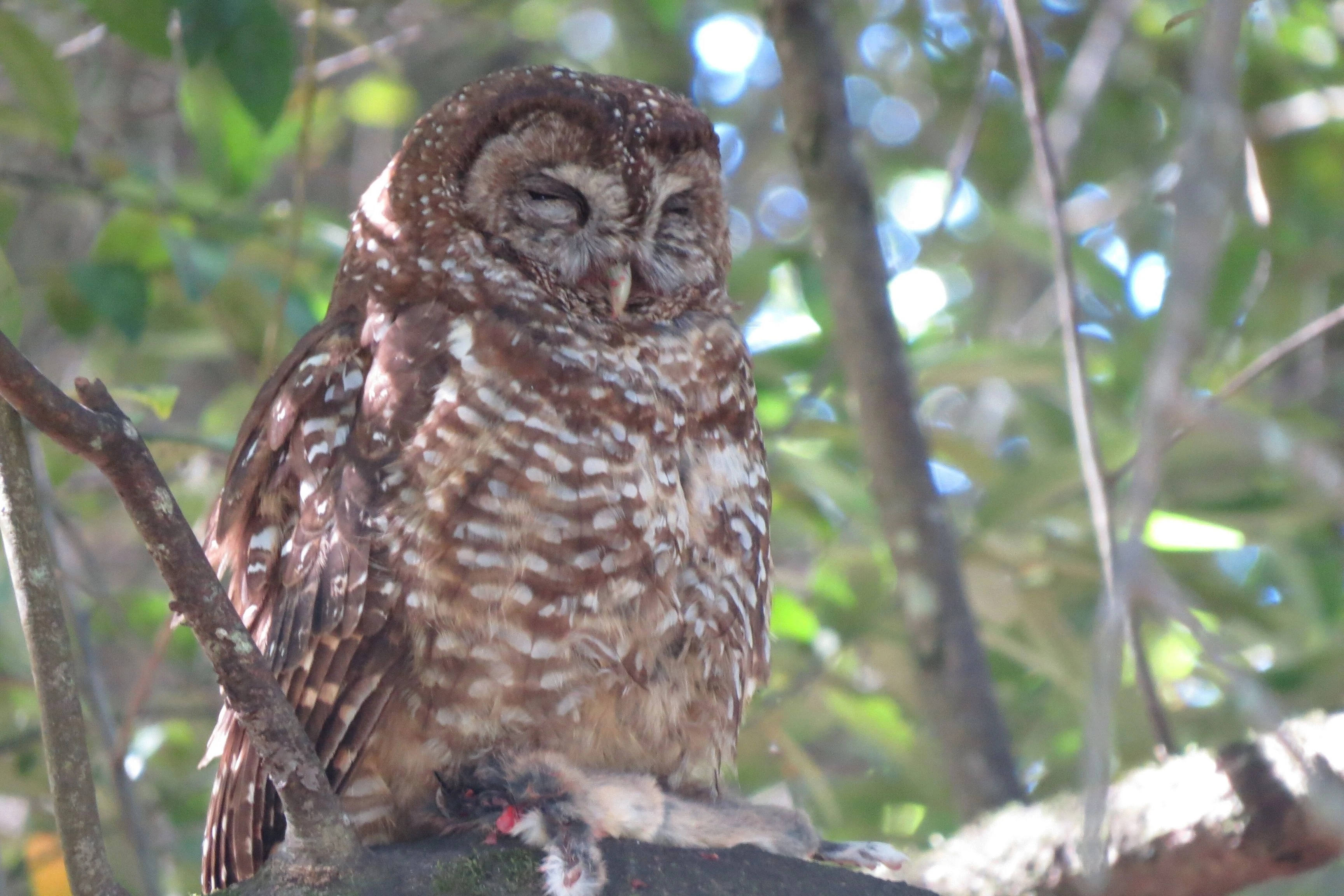
The production levels the BLM aims to return to in the 1960s occurred before these species were listed under the Endangered Species Act.
“It’s safe to assume the Trump administration is going to try to get back to roughly 1 billion board feet. However, that would be nearly impossible to do without logging coho salmon and other endangered species habitat,” Oregon Wild’s Communications Director Arran Robertson said in an email to GJ.
Oregon Wild also rejected claims that upping timber production would reduce wildfire risk.
“Clearcutting and similar forms of logging increase fire hazards for up to 50 years. Despite hotter, drier, and longer fire seasons, the Trump Administration aims to again prioritize this practice on public lands,” it said in a press release.
Sierra Club
The Sierra Club also criticized the move as industry-friendly.
“Opening up millions of acres to logging and supercharging harvest quotas isn’t some minor change — it’s a radical and dangerous departure from decades of careful management for the benefit of logging companies,” Forest Campaign Manager Alex Crave said in an email to GearJunkie. “It aims to take us back to the days of logging old growth across the northwest at a pace that was, quite literally, unsustainable.”
The local Oregon chapter of the Sierra Club was deeply concerned about how this effort would affect outdoor recreation.
“The proposed plan to quadruple logging levels is a threat to the very things that make Oregon Oregon: Forests with clear rivers and streams that provide water for thousands of rural residents and critical habitat for fish and wildlife. Rafting, hiking, mountain biking, hunting, fishing, and other incredible recreation opportunities that Oregonians enjoy and that draw the visitors that rural economies depend on,” it said.
What’s Next
The proposal is open for public comment until March 23. The BLM stated that it does not plan to hold any public meetings about the matter. In accordance with the law, the BLM will consult with Tribal Nations.
“Tribal concerns, including impacts on Indian trust assets and potential impacts to cultural resources, will be given due consideration,” it stated.
The agency will also be required to produce an environmental impact study for its proposed RMP. There is no clear timeline yet; the BLM has stated it wants to complete this process “in an expeditious manner.” Past revisions to RMPs have taken 3 to 4 years, and the BLM aims to finish the process more quickly this time.


CURRY COUNTY, Ore. (KPTV) – A Texas man wanted for child sex crimes was arrested in Curry County on Tuesday afternoon.
The Curry County Sheriff’s Office says Kenneth Leatherwood of Bastrop, Texas, was arrested with the help of Oregon State Police and U.S. Marshals just after 12:30 p.m.
Leatherwood, who is accused of sex-related crimes involving a child in Texas, was reportedly found camping in a heavy wooded area near Lucas Lodge in Agness.
Investigators say Leatherwood has been on the run from Curry County law enforcement since June 16 after reports that he had been seen with a stolen car in the Agness area.
Leatherwood was also believed to have stolen weapons with him.
His dog was also found and returned to the suspect’s family in good shape, according to the sheriff’s office.
Copyright 2026 KPTV-KPDX. All rights reserved.

PORTLAND Ore. (KPTV) – Fireworks are on sale in Oregon until July 6, but state and local rules limit where they can be used and what types are allowed.
In Portland, fireworks use and sales are banned year-round.
Fireworks are also banned on beaches and in state and national parks.
Statewide, fireworks that fly into the air, explode, act unpredictably or move more than 12 feet horizontally are illegal. Banned fireworks include sky lanterns, missiles, rockets, Roman candles, firecrackers, cherry bombs and M-80s.
Fountains, sparklers, ground spinners and smoke devices are among the fireworks allowed under state rules.
Officials said people should not call 911 to report illegal fireworks. They said reports should go to the non-emergency line for the area.
First responders said there were 263 fires across Portland during last year’s fireworks season, and 27 were caused by fireworks.
For more details about fireworks regulation in Oregon, click here.
In Washington, fireworks sales legally begin Sunday and run through July 4.
Copyright 2026 KPTV-KPDX. All rights reserved.

GEARHART, Ore. (KATU) — Another gray whale washed up on the Oregon coast last week, this time in Gearhart, according to Seaside Aquarium.
The 41-foot-long male had been dead for months before washing up on the beach, Seaside Aquarium general manager Keith Chandler said.
He noted that there have been 19 total whale strandings or carcasses washing up on beaches just this year on the Oregon coast region.
The Cascadia Research Collective is reporting at least 30 on Washington coastline alone. | TIMELINE
Of those deaths, more than half were at least partially attributed to malnutrition. That could have been the cause in more strandings, however, necropsies were not performed in roughly a dozen of the 30 strandings.
Chandler said strong wind from the west this year has been contributing to why coastal towns are seeing a lot of whales and other things washing up on shore. However he also noted that many of the Grey whales washed ashore were emaciated with necropsies showing signs of malnourishment.
“The food sources have been compromised. The warmer water means the nutrients that they’re getting aren’t as good, so the whole food chain is kind of not as healthy,” Chandler said.
He pointed to the warming waters with climate change as the main reason noting that warm water plankton–Grey Whale’s main food source–is thinner and has fewer nutrients than plankton in cooler waters.
Chandler says this whale will not have a necropsy done because of its level of decomposition.
“The fresher ones, the team from Portland State [University] will come down and they’ll go in and do measurements, take samples and stuff, measurements of the internal organs. But on one this decayed, you won’t gain anything from it scientifically. And it’s just kind of a mess to do when they’re this rotten,” he said.
KATU VAULT | The Exploding Whale of 1970: ‘Should a whale ever wash ashore again’
JOIN THE CONVERSATION (9)
You can report a whale stranding to the West Coast Marine Mammal Stranding Network Hotline by calling 1-866-767-6114.
-

 Crypto13 seconds ago
Enlivex token gets Gate listing, widening access to its $1.14B treasury asset
-

 Finance5 minutes ago
Protecting Bolivia’s forest watersheds with sustainable finance
-

 Fitness12 minutes ago
Alexandra Daddario, 40, relies on this underrated crunch upgrade for strong abs – here’s how to do it properly
-

 Movie Reviews27 minutes ago
Movie Review – In the Hand of Dante (2025)
-

 World30 minutes ago
Brazil's Flavio Bolsonaro Plans to Testify Against Proposed US Tariffs
-

 News42 minutes ago
Video: Mamdani Allies Sweep New York Primaries
-
 Lifestyle1 hour ago
4 ways to design a dreamy summer, according to a happiness expert
-

 Education1 hour ago
Video: School Year Cut Short and Aid Delivery Slowed Amid Fuel Crisis in Cuba

