West
Biden says sanctions against Russia are coming after meeting with Navalny's wife and daughter

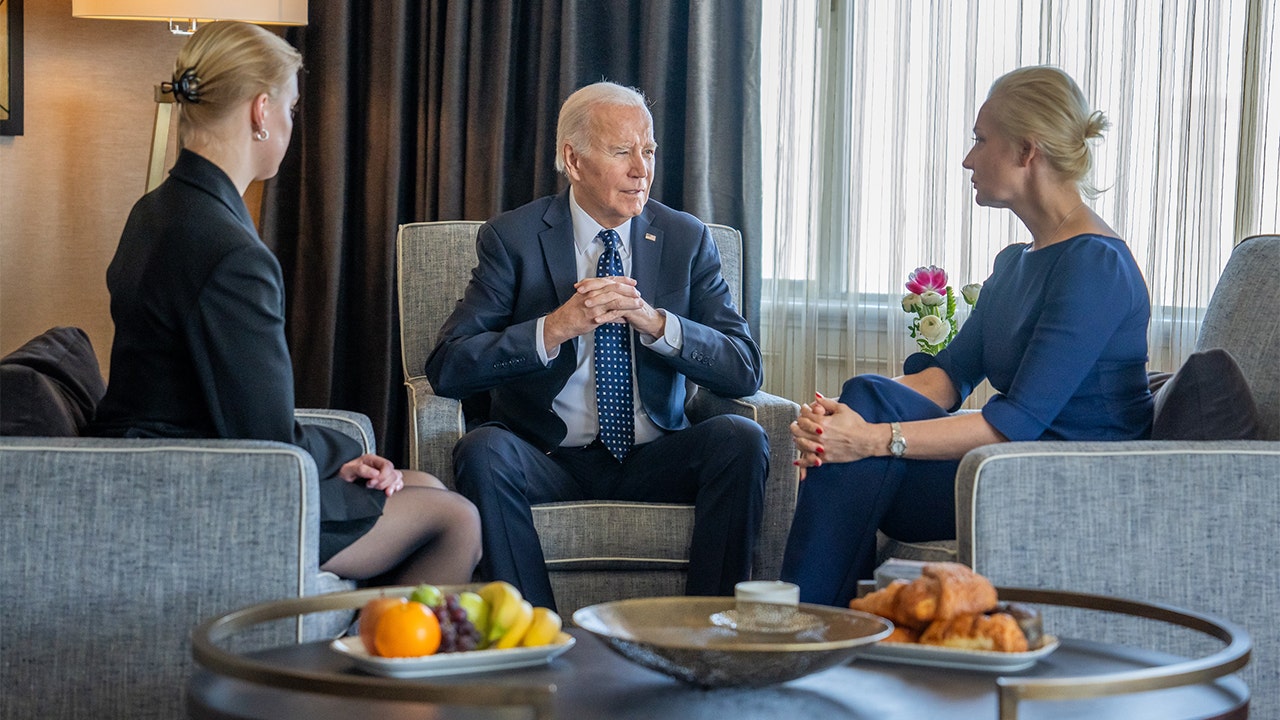
President Biden met with the late Alexei Navalny’s widow and daughter on Thursday in California, following the loss of the Russian opposition leader.
Biden said on Friday there was “no doubt” the death of Navalny was a “consequence of something that Putin and his thugs did.”
After Navalny died, Russian officials claimed he was not feeling well after he went for a walk at the penal colony where he was jailed in Siberia before losing consciousness and dying.
Biden posted on social media Thursday about the meeting in San Francisco with Yulia and Dasha Navalnaya, Navalny’s wife and daughter, respectively.
BIDEN, AFTER NAVALNY’S DEATH, SAYS ‘NO DOUBT’ THAT ‘PUTIN AND HIS THUGS’ WERE BEHIND IT
President Biden meets with Alexei Navalny’s widow, right, and daughter on Thursday in California. (POTOS – X)
“Today I met with Yulia and Dasha Navalnaya — [Alexei] Navalny’s loved ones — to express my condolences for their devastating loss,” Biden posted on X. “[Alexei’s] legacy of courage will live on in Yulia and Dasha, and the countless people across Russia fighting for democracy and human rights.”
The White House said in a statement that the Biden administration plans to announce new sanctions against Russia on Friday “in response to [Alexei’s] death, Russia’s repression and aggression, and its brutal and illegal war in Ukraine.”
Biden spoke to reporters briefly Thursday about his meeting.
GEN. KEANE SAYS PUTIN BELIEVES US, EUROPE ‘TAKING A KNEE’ ON UKRAINE
President Biden met with the late Alexei Navalny’s widow and daughter on Thursday in California. (POTUS – X)
“I had the honor of meeting with Aleskey Navalny’s his wife and daughter. As to state the obvious, he was a man. Incredible courage. And it’s amazing how his wife and daughter are emulating that,” the president said. “And we’re going to be announcing the sanctions against Putin who is responsible for his death tomorrow. And one thing I made — that was made clear to me is that Yolanda [Yulia] is going to — she’s going to continue to fight in every way. So, we’re not letting up.”
Following the death of Navalny last week, Yulia stepped onto a stage typically reserved for senior politicians in Munich and vowed that Putin and his allies would be brought to justice over the death.
Later she solemnly vowed, “I will continue the work of Alexei Navalny.”
NAVALNY SEEN GRINNING, LAUGHING IN COURTROOM VIDEO A DAY BEFORE HIS DEATH
Russian opposition leader Alexei Navalny with his wife, Yulia, in Moscow, in 2013. (AP / Evgeny Feldman / File)
The statement was ambitious, especially from a woman who once said during an interview with Harper’s Bazaar’s Russian edition that her “key task” was caring for the couple’s children and her home.
Now, her job will be leading the Russian opposition through one of the darkest and most turbulent times in the country’s history.
Shortly after meeting with Russian President Vladimir Putin in Geneva, Switzerland, back in 2021, Biden was asked what would happen if Navalny were to die while in Russian custody.
‘NO RIGHT TO GIVE UP’: YULIA NAVALNAYA, NOW A WIDOW, EMERGES AS RUSSIA’S NEWEST OPPOSITION LEADER
Russian President Vladimir Putin (Alexander Kazakov / SPUTNIK / AFP via Getty Images / File)
“I made it clear to him that I believe the consequences of that would be devastating for Russia,” Biden said at the time.
Last week, Biden was asked about that remark.
“That was three years ago,” Biden said. “In the meantime, they faced a hell of a lot of consequences.”
Biden was referring to Russian troop losses in the war in Ukraine and international sanctions waged against their government.
“I just want to say, ‘God bless Alexei Navalny,’” Biden concluded. “His courage will not be forgotten.”
Fox News Digital’s Greg Norman contributed to this report.
Read the full article from Here


A jury in San Francisco returned to a packed courtroom Thursday morning to tell a judge that it was deadlocked on two counts in the case against seven pro-Palestinian protesters who shut down traffic on the Golden Gate Bridge in 2024 to denounce U.S. aid to Israel in the Israel-Hamas war.
The jury indicated that it could likely reach a decision on one of the deadlocked counts, but the other it could not. San Francisco Superior Court Judge Teresa Caffese asked the jury to resume deliberations on one of the two deadlocked counts.
“Why don’t I send you back, and then we’ll go from there,” Caffese said.
Six of the protesters who chained themselves together on vehicles on the bridge and a protester who was designated to communicate with authorities are each facing eight to nine charges of felony conspiracy and false imprisonment.
The seven defendants sat in the courtroom with anticipation for a verdict, wearing keffiyehs around their necks. Dozens of their supporters packed the courtroom to the brim.
The jury reached unanimous decisions on the rest of the counts. It did not indicate which two counts it was deadlocked on.
Supporters of the seven protesters said that a verdict on the rest of the counts is expected to be read out sometime Thursday.

The Fourth of July weekend is one of the biggest celebrations of the summer, and Denver is delivering a packed lineup of events for every kind of adventurer. Whether you’re looking to watch fireworks light up the Colorado sky, catch a live concert at Red Rocks, enjoy rooftop parties, indulge in seasonal food and drinks or explore the city’s thriving arts and culture scene, there’s no shortage of ways to celebrate Independence Day.
Here’s your guide to the best music, food, fireworks, nightlife, arts, and cultural events happening across Denver this Fourth of July weekend.
Follow @303magazine on Instagram
Read: Best Rooftops to Watch 4th of July Fireworks + Sip Cocktails in Denver
Read: The Ultimate 4th of July Outdoor Colorado Music Guide
FASHION EVENTS

Denver Fashion Week Fall 2026 Second Model Auditions
Where: TBA
Cost: $10+
The Lowdown:
Following overwhelming demand from aspiring models across Colorado, Denver Fashion Week (DFW) has announced a second round of model auditions for its upcoming Fall/Winter 2026 runway season.
MUSIC EVENTS
Read: The Ultimate 4th of July Outdoor Colorado Music Guide


Gillian Grogan and EMMA ROSE
Where: Skylark Lounge – 140 S. Broadway
Cost: $18+
The Lowdown:

Zeds Dead with Sippy, Baauer, Holly, HYDRAULIX & LUMBERJVCK
Where: Red Rocks Amphitheatre – 18300 W Alameda Pkwy, Morrison
Cost: $205+
The Lowdown:

Flobots
Where: Levitt Pavilion Denver – 1380 W Florida Ave
Cost: $0+
The Lowdown:

Don Toliver with SahBabii, SoFaygo, Chase B
Where: Ball Arena – 1000 Chopper Cir
Cost: $105+
The Lowdown:
FOOD EVENTS
Read: Best Rooftops to Watch 4th of July Fireworks + Sip Cocktails in Denver

Dumpling Love: Dim Sum Party
Where: Stir Cooking School Highlands – 3215 Zuni St.
Cost: $120 per person
The Lowdown:
Join the dumpling party and learn how to make pork bao buns, shrimp shumai, pan-fried gyoza, and crab cheese rangoons. All classes include a full bar with beer, wine, and house-curated cocktails for purchase.

Stars, Stripes, and Deck Nights
Where: Woodie Fisher Kitchen & Bar – 1999 Chestnut Pl.
Cost: Free
The Lowdown:
Celebrate America’s 250th with our festive Bomb Pop Drinks, featuring real Bomb Pops and High Noon buckets!

4th of July Rooftop Fiesta at Cimera
Where: The Source Hotel – 3330 Brighton Blvd.
Cost: $60+
The Lowdown:
The experience is an open rooftop gathering featuring live-fire cooking, craft cocktails, and skyline views throughout the evening. Guests will enjoy Peruvian street skewers, duck & chorizo paella, and ceviche prepared live on-site.

Farmers Market Central Park
Where: Central Park – 29th Ave & Roslyn
Cost: Free
The Lowdown:
Local vendors provide Colorado-grown produce, tasty baked goods, specialty meats, gourmet food items and more!
LIFESTYLE EVENTS

Mystic Magnolias; A Southern Gothic Cabaret
Where: Colorado Sake Co – 3559 Larimer St
Cost: $25+
The Lowdown:
Saunter yourself out to The Mystic Magnolias, a Burlesque AND Drag Show with chilling charm and dripping in Southern Gothic atmosphere.

America 250 | Colorado 150 Drone Show presented by Visit Denver
Where: DPAC/Denver Performing Arts Complex – 1400 Curtis St.
Cost: Free
The Lowdown:
Following Sunset Cinema’s showing of National Treasure on July 3rd at Sculpture Park, stay to enjoy the 4th of July Drone Show! This special event will be brought to you by Visit Denver, celebrating American 250 | Colorado 150, including an appearance by Mayor Mike Johnston.

Beat The Bomb Summer Mission: America250 Edition
Where: Beat The Bomb – 3863 Steele St, Unit 1273
Cost: $39+
The Lowdown:
Beat The Bomb announces the limited-time-only Summer Mission: America250 Edition – celebrating America’s 250th with five new games, a collectible beach towel, and a red, white, and blue Paint Blast!

Independence Day Concert with Denver Municipal Band (Cheesman Park)
Where: Cheesman Park – 1900 E. 11th Ave.
Cost: Free
The Lowdown:
Price:Free
Join the Denver Municipal Band’s Concert Band for an Independence Day concert at Cheesman Park Pavilion with special guest Denver District 10 City Councilmember Chris Hinds narrating Aaron Copland’s Lincoln Portrait.
Follow @303magazine on Instagram
Whether you’re dancing at a concert, enjoying a garden dinner, cheering on your favorite soccer team or exploring a new exhibition, Denver offers plenty of ways to fill your 4th of July weekend calendar. Gather your friends, support local businesses, and discover something new around the city.
Seattle, WA
COUNTDOWN: Two days until West Seattle Fourth of July Kids’ Parade! Here’s the newest info

Just two days until hundreds of West Seattle’s youngest residents will parade through the streets of North Admiral with their families, as the Admiral Neighborhood Association again presents the West Seattle Fourth of July Kids’ Parade. We’ve checked in with parade coordinators for the newest info:
>Gina Topp (SPS School Board President, Admiral resident, and owner of Mission Cantina) will kick off the parade.
–Kavya Bhatkar (age 10), a School of Rock student, will sing the anthem.
-Title sponsors for the parade are: Neighborhood Naturopathic and Primary Care and Holy Rosary.
-Food available for purchase including:
Seattle Pops
West Seattle Grounds
Where Ya at Matt
Empanadas El Pachi
La La Lemonade
Seattle Sorbet
Hawk Dogs
Sugar & Spoon
The parade starts at 10 am Saturday from 45th SW and SW Sunset, heads west on Sunset for a bit, turns south and then east, ending at Hamilton Viewpoint Park for a post-parade celebration with sack races, activity booths, the aforementioned food/treat vendors, and if they’re not called away to an emergency, an SFD truck to see. No RSVP or registration required to be in the parade – just show up (non-motorized bikes, trikes, scooters, strollers, etc., welcome, or just walk).
-
 Politics1 minute ago
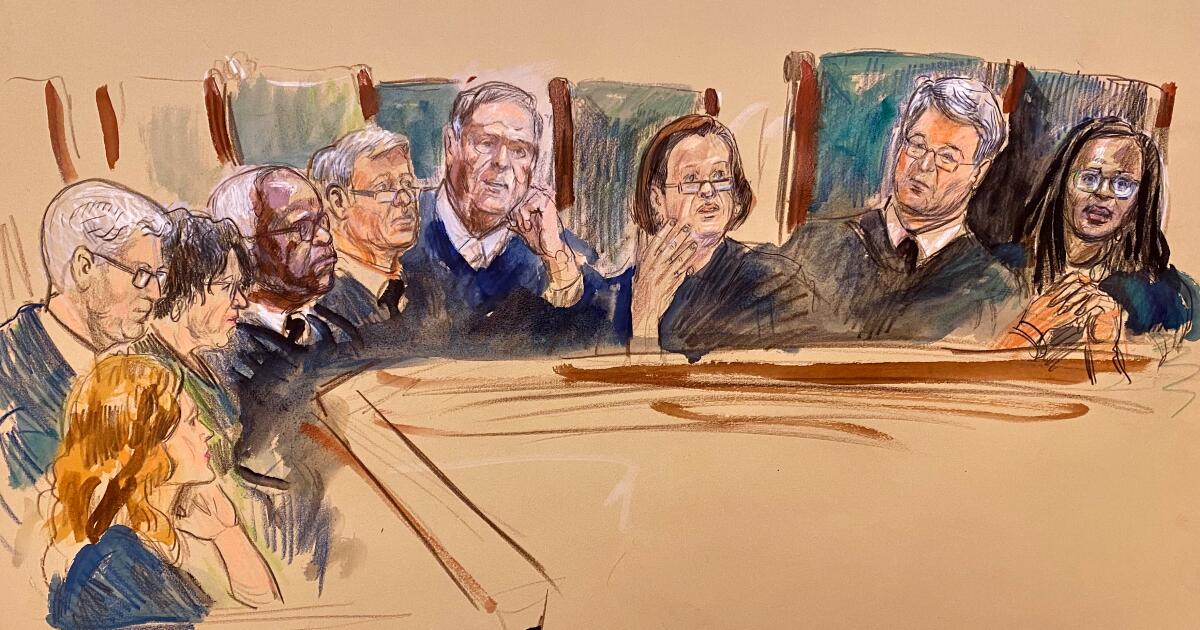
How Roberts led a fractured Supreme Court to wins for the right and defeats for Trump
-
 Science6 minutes ago
Contributor: Alcohol should be stigmatized like smoking
-
 Sports13 minutes ago
Thousand Oaks native Claire Liu finally reaches Wimbledon’s third round, will face Coco Gauff
-

 World21 minutes ago
Could water become a flashpoint between Islamabad and New Delhi?
-
 News46 minutes ago
Ukraine latest / Limits of military might / Can major powers regain dominance? : Sources & Methods
-

 Los Angeles, Ca2 hours ago
Juvenile charged with murder after 4-month-old Claremont infant thrown to her death
-

 Detroit, MI2 hours ago
Silence from Jalen Duren’s camp is what the Pistons want to hear
-

 San Francisco, CA3 hours ago
Jury deadlocked on 2 counts for Golden Gate Bridge pro-Palestinian protesters

