South Dakota
Legal marijuana advocates call opponents' ad “false and deceiving”


SIOUX FALLS, S.D. (Dakota News Now) — The election is just 26 days away, and the rhetoric is heating up around Measure 29, which would legalize recreational marijuana in South Dakota.
A similar measure passed in 2020 before being struck down by the state’s Supreme Court a year later. Then, another similar measure failed in 2022.
Now, one side is calling out the other for the claims made in a commercial.
Matthew Schweich is the president of South Dakotans for Better Marijuana Laws, leading the charge for Measure 29.
In both a press release and a Wednesday morning press conference he called, Schweich claimed an ad produced and funded by Protecting South Dakota Kids is “demonstrably false and deceptive” — and called on the opposing group to take down the ad.
“The intent of this ad is obvious. It is intended to deceive South Dakota voters into thinking Measure 29 legalizes or decriminalizes hard drugs,” Schweich said.
In the commercial, both the announcer and the text on the screen state that Measure 29 “wouldn’t just legalize marijuana.“ The next statement the announcer makes is that the measure would “cultivate a whole new generation of meth, fentanyl and opioid abusers.” But, the words on the screen only read “Measure 29, Meth, Fentanyl and Opioid Abusers.”
Schweich said that many voters who see this ad in digital form on Facebook or streaming platforms like Hulu-Plus will see them without sound, and will only see this — “Measure 29, Meth, Fentanyl, Opioid Abusers.”
When consumed on those platforms, Schweich called the ad “digital misinformation,” but when aired on over-the-air television stations, he called it a violation of FCC law and called for any local TV station that airs to stop doing so.
“We don’t allow banks or car dealerships or other businesses to run ads that are patently false or deceptive,” Schweich said. “Why should the rules be any different for a political campaign?”
Schweich called for Protecting South Dakota Kids to pull the ad.
“I’m here to urge our opponents to hold themselves to a very basic level of honesty,” Schweich said. “However, based on their behavior during this campaign, I do not expect them to do the right thing. They seem incapable of resisting the urge to lie to voters in order to maintain prohibition.”
The president of Protecting South Dakota Kids denied that the ad lies or is intended to deceive voters.
“To suggest that we’re unclear or that it is confusing or that it is newsworthy or a news flash to suggest that the use of marijuana, or use of any illegal drug, contributes to the further use of other substances is really a surprise to me,” Kinyon said.
When asked about the possibility that a viewer that consumes the ad without sound and sees the words “Measure 29, Meth, Fentanyl, Opioid Abusers” could draw the conclusion that Protecting South Dakota Kids is claiming that Measure 29 would also legalize those other drugs, Kinyon said this:
“We didn’t put it on a soundless medium,” said Jim Kinyon. “We used it on a medium that has sound and we can’t be responsible for everything that can happen with the information we share.”
Kinyon said that Schweich is “stretching” in claiming the ad is intentionally misleading voters and that he found it “entertaining that the marijuana industry is fact-checking us, when they’re making claims out there like legalizing marijuana will lead to $100 million in tax revenue.”
Schweich said that South Dakotans for Better Marijuana Laws has never made the specific claim that the passing of Measure 29 would directly generate new tax revenue, but that the group has pointed out that if the measure passes, the legislature is likely to pass an implementation bill that will generate revenue.
But Schweich said he “wouldn’t dare” claim a specific amount, like $100 million.
“You’re asking me if I feel okay about being fact-checked by a drug pusher,” Kinyon said. “I can only say to you I am sorry he doesn’t like our ad, and I understand he would prefer to live in the darkness.”
Kinyon called Schweich’s press conference and the claims that the Protecting South Dakota Kids ad is false and deceiving “an excuse to have free media.”
“We’ve been at this for two years now,” Kinyon said. “Every time we put out an ad, I guarantee you he’s going to call a press conference.
“Matthew is a very slick attorney. He’s been doing this for decades — passing the use of marijuana from one state to another. I’m sure he’s pretty frustrated because this is the fifth time that this has been pushed on the state of South Dakota. I don’t know what part of ‘no’ that industry won’t listen to.”
South Dakota did have recreational marijuana measures on the ballots in 2006, 2010, 2020, and 2022, with amendments failing at the polls each time except 2020, when it passed with 54 percent of voters approving.
About a year later, led by the urging of Gov. Kristi Noem, the South Dakota State Supreme Court upheld a lower-court decision and overturned the vote, saying the wording of the measure was unconstitutional.
Two years later, a similar amendment failed, with 53 percent of voters saying “no.” On Wednesday, Schweich repeated what he told Dakota News Now last May — that a higher voter turnout in a presidential election year will flip the result, as it did in 2020.
In that May DNN story, Kinyon mentioned, as most anti-recreational marijuana activists have, that other states that have recreational cannabis have higher youth usage rates and higher crime rates as a result. He mentioned that again in his Wednesday interview with Dakota News Now.
“I don’t want to be Denver,” Kinyon said. “I don’t want to be Chicago. I don’t want to be San Francisco. I don’t want to be Washington, D.C. I prefer our parks the way we have them. They’ll promise you they’ll line the streets with gold. In reality, what they do is line it with tent cities. That’s not what South Dakotans stand for.”
In May’s interview with DNN, Schweich called Protecting South Dakota Kids’ messaging “sensationalist, over-the-top, doom-and-gloom tactics” and today called it “fear-mongering.”
Wednesday at the press conference, Schweich distributed a nine-page report called “IM-29 Myth Busters: Challenging the Dishonesty and Deception of South Dakota Prohibitionists.”
The report counters some of Protecting South Dakota Kids’ claims about what recreational marijuana leads to in states that have it. Schweich mentioned how PSDK continues to mention an increase in marijuana use by people aged 12 and over, but cited a Colorado Department of Health study that showed a downward trajectory of use in youths, which is part of the SDBML report.
“So, they cherry-pick and intentionally do stuff,” Schweich said. “Unfortunately, they’ve gotten looser and looser with the facts over the years.”
“Fear works in politics, unfortunately, and that’s their strategy. Our strategy is to point out that this policy is working in every other state that has adopted. In 24 states that have adopted it, not a single state, not one, has repealed the policy,” Schweich continued.
To review, both sides are claiming the other side is making false claims. Both sides see a bigger picture beyond Schweich’s contesting of this ad.
“He’s complaining about a group setting off a firework when he’s dropping a bomb. A huge bomb,“ said Ed Moses, a former Missouri highway patrol officer and volunteer for the Protecting South Dakota Kids campaign who joined Kinyon’s interview with Dakota News Now.
Kinyon called Moses a ”national expert” on what recreational marijuana leads to.
Asked what he meant by Schweich dropping a “bomb,” Moses brought up what he said he has seen in Missouri since that state’s legalization of recreational cannabis in 2022.
“We’re having more people killed on the highway from people under the influence of marijuana than alcohol,” Moses said.
A report from the Missouri Coalition of Roadway Safety on impaired driving in 2023 found that “drug-impaired driving contributed to 7% of all 2023 Missouri traffic fatalities,” but that report did not specify what percentage of deaths were alcohol-related, nor what percentage were marijuana-related.
Another report about 2023 highway deaths specifically in southwest Missouri counties said “The latest stats do not include driving impaired related to marijuana use because it’s hard to make that determination at the scene of a crash with no equivalent of a breathalyzer test.”
The South Dakotans for Better Marijuana Laws “IM-29 Myth Busters” report noted that “driving under the influence of cannabis remains illegal under Measure 29.”
But the bigger picture for Schweich on Wednesday, he said, went well beyond the effects of recreational marijuana.
“As a state, as a country, we cannot just give up on the idea of facts in our democracy, in our political system,” Schweich said. “It seems we’re on a downward spiral right now, and I just think we have to hold ourselves to a certain standard.”
Copyright 2024 Dakota News Now. All rights reserved.


Oklahoma didn’t suffer any strong wind damage this week, but wind farms in South Dakota certainly did.
Several wind turbines were toppled by the 130 MPH winds that hit the central part of the state Monday morning. They were described as straight line winds and not tornadoes. But the winds compared to those recorded in some tornadoes.
The 131-mph wind was recorded at Holabird in Hyde County at 6:15 a.m. local time.
A picture of the extensive damage showed at least 7 of the wind towers were bent over by the powerful Mother Nature.
According to a report by Energy News Beat, storm chaser Jakob McMillin documented the scene in a widely shared post on X (formerly Twitter), showing multiple wind turbine towers collapsed or heavily damaged, with blades and structural debris scattered across the prairie. In replies to his post, McMillin stated he observed “over 20” turbines destroyed or critically damaged.
The Affected Wind Farm
The damaged facility is the South Dakota Wind Energy Center (also known as the Highmore Wind Energy Project or Highmore Wind Farm), located approximately 10 miles south of Highmore.
- Number of turbines: 27
- Turbine model: GE Vernova 1.5s (1.5 MW each)
- Total nameplate capacity: 40.5 MW
- Commissioning year: 2003 (South Dakota’s first major wind farm)
- Owner/Operator: NextEra Energy Resources (formerly FPL Energy)
- Power purchaser: Basin Electric Power Cooperative
The South Dakota Lottery offers multiple draw games for those aiming to win big.
Here’s a look at June 29, 2026, results for each game:
Winning Powerball numbers from June 29 drawing
10-14-41-53-59, Powerball: 03, Power Play: 2
Check Powerball payouts and previous drawings here.
Winning Lotto America numbers from June 29 drawing
08-13-29-30-31, Star Ball: 04, ASB: 03
Check Lotto America payouts and previous drawings here.
Winning Millionaire for Life numbers from June 29 drawing
04-25-26-31-36, Bonus: 04
Check Millionaire for Life payouts and previous drawings here.
Feeling lucky? Explore the latest lottery news & results
Are you a winner? Here’s how to claim your prize
- Prizes of $100 or less: Can be claimed at any South Dakota Lottery retailer.
- Prizes of $101 or more: Must be claimed from the Lottery. By mail, send a claim form and a signed winning ticket to the Lottery at 711 E. Wells Avenue, Pierre, SD 57501.
- Any jackpot-winning ticket for Dakota Cash or Lotto America, top prize-winning ticket for Lucky for Life, or for the second prizes for Powerball and Mega Millions must be presented in person at a Lottery office. A jackpot-winning Powerball or Mega Millions ticket must be presented in person at the Lottery office in Pierre.
When are the South Dakota Lottery drawings held?
- Powerball: 9:59 p.m. CT on Monday, Wednesday, and Saturday.
- Mega Millions: 10 p.m. CT on Tuesday and Friday.
- Lucky for Life: 9:38 p.m. CT daily.
- Lotto America: 9:15 p.m. CT on Monday, Wednesday and Saturday.
- Dakota Cash: 9 p.m. CT on Wednesday and Saturday.
- Millionaire for Life: 10:15 p.m. CT daily.
This results page was generated automatically using information from TinBu and a template written and reviewed by a South Dakota editor. You can send feedback using this form.


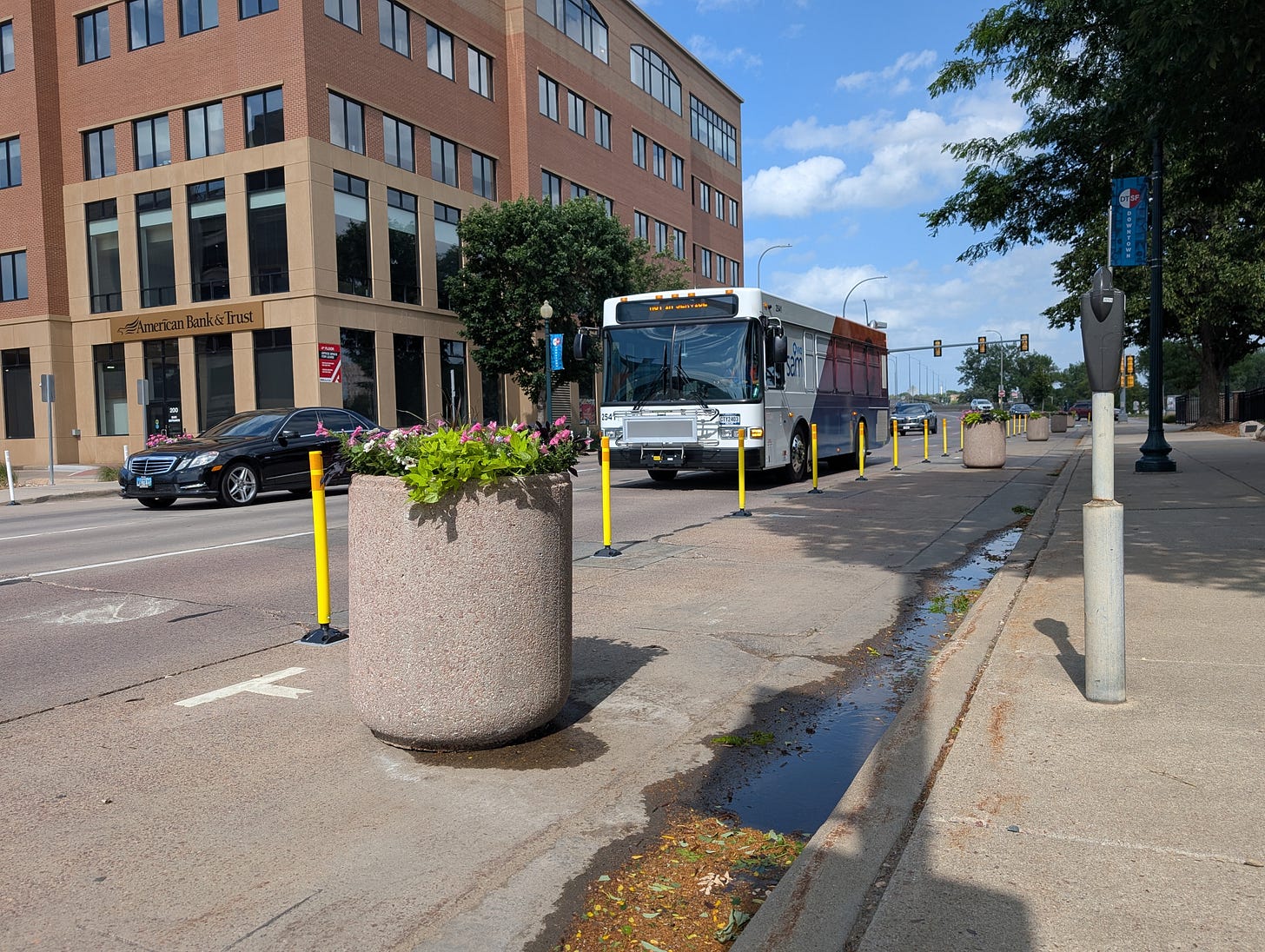
Deliberately slowed rush-hour traffic in downtown Sioux Falls is serving as a preview for commuters ahead of a major, yearslong overhaul of the city’s aging viaduct overpasses.
And Downtown Sioux Falls Inc. is using the opportunity to study traffic patterns in advance of the reconstruction of the 10th and 11th street overpasses on the east end of the core commercial district. Though the state-led project is still years away, the temporary traffic-calming measures are helping engineers gather data on vehicle speeds, volumes and behaviors.

2026 general election ballot set after referral effort falls short



-
 Sports1 minute ago
Walter Alston, Dave Roberts and everyone in between: The 10 managers in L.A. Dodgers history
-

 World11 minutes ago
World’s oceans experience hottest June ever, scientists say more heat ahead
-
 News38 minutes ago
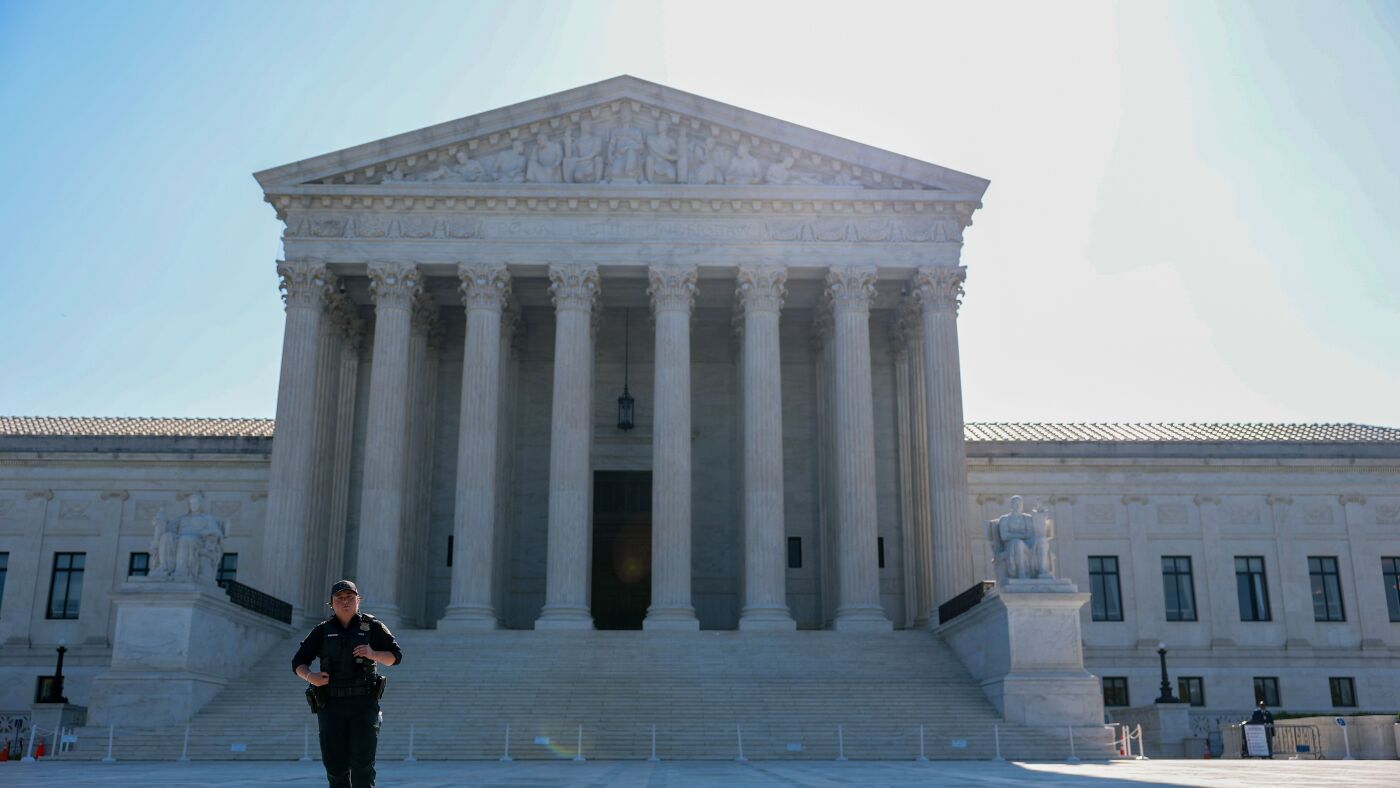
What the Supreme Court did on the final day of its term
-

 Los Angeles, Ca2 hours ago
Los Angeles County man convicted of sex trafficking, abusing woman he was dating
-

 Detroit, MI2 hours ago
Detroit Tigers tee off on New York Yankees with 5 homers in win
-

 San Francisco, CA2 hours ago
Popular brewery shutters San Francisco location amid industry woes
-

 Dallas, TX3 hours ago
Eight arrested after repeated attempts to enter World Cup matches without tickets
-

 Miami, FL3 hours ago
Reports: Heat add potent bench scorer in Tim Hardaway Jr.

