Missouri
Vanderbilt basketball vs. Missouri: Score prediction in matchup of teams with no SEC wins


Two SEC basketball teams will enter this weekend winless in conference games, and only one will emerge.
When Vanderbilt (5-15, 0-7 SEC) and Missouri (8-13, 0-8) face off at Memorial Gymnasium on Saturday (2:30 p.m. CT, SEC Network), it will be the battle for the bottom. The Commodores are on a seven-game losing streak and the Tigers are on an eight-game losing streak. Both teams have lost 11 of their past 12 games, with the lone win coming on Dec. 30 against a Quadrant 4 opponent.
Missouri has shown a bit more than Vanderbilt this season, with a No. 118 KenPom ranking (Vanderbilt is No. 193) and two wins over top-100 opponents in Minnesota and Pittsburgh. Both also have a Quadrant 4 loss: the Commodores to Presbyterian, and the Tigers to Jackson State.
Here’s what you need to know about the matchup:
Is this Vanderbilt’s best chance for an SEC win?
KenPom gives Vanderbilt a 43% chance of winning this game, by far the highest of any remaining game. The next highest is a 32% chance in the home game against LSU.
That doesn’t mean that if Vanderbilt can’t win this game, that it will go winless in the SEC. But this is by far the best opportunity of avoiding that fate.
Strengths and weaknesses
Vanderbilt’s issue on offense is simply that it cannot shoot, ranking outside the top 300 nationwide in both 2-point and 3-point field goal percentage. The Commodores do some other aspects of offense fairly well, though. They do not turn the ball over much, they can get to the free-throw line and they are a good defensive rebounding team.
Missouri, on the other hand, is a better shooting team than Vanderbilt, especially on twos. The Tigers also avoid turning the ball over, but they are the worst team in the conference at offensive rebounding and second-worst at defensive rebounding. Missouri does not get to the free-throw line much on offense and also fouls a lot when on defense.
Undersized teams
Missouri and Vanderbilt are both relatively undersized.
The Commodores’ tallest active player is Carter Lang at 6-foot-9. Missouri does have a few players taller, including 7-footer Jordan Butler and 7-5 Connor Vanover, but neither player makes a huge impact: Vanover averages 4.2 points and 2.7 rebounds in 12 minutes per game and Butler averages two points and 2.1 rebounds in 9.4 minutes.
The Tigers do have one tall guard in Tamar Bates, who is 6-5. Bates is Missouri’s second-leading scorer with 13.8 points per game.
Despite the lack of size, the Tigers do excel at blocking shots, and everyone on the roster can generate steals thanks to coach Dennis Gates’ defense.
ESTES Vanderbilt doesn’t want to fire Jerry Stackhouse, but it may not have a choice
Score prediction
Vanderbilt 68, Missouri 64: With a manageable home game against the team with which it is tied for last, there is no better opportunity for Vanderbilt to get its first SEC win.
Aria Gerson covers Vanderbilt athletics for The Tennessean. Contact her at agerson@gannett.com or on Twitter @aria_gerson.



Missouri
Missouri teen Gabbriana Boyster shot dead in home as mom makes horrifying discovery; 3 friends charged

A Missouri teen was shot dead while hanging out with her friends, who are accused of not reporting the killing before her mother made the horrifying discovery inside their home.
Gabbriana Boyster, 16, was allegedly struck in the head in a Hillsboro, Missouri, home Friday night — with her body not being found by her mom, Candy G’Sell, until the following afternoon, KDSK reported.
“I walked in the room and she was laying there… sitting up,” the grieving mother told the outlet.
G’Sell immediately called 911, but by the time paramedics arrived, her daughter had already been dead for hours.
Investigators with the Jefferson County Sheriff’s Office said Boyster was shot Friday evening, and her body remained inside the home “for hours” until her mother made the devastating discovery, according to the outlet.
Police did not disclose what led to the fatal shooting or who owned the weapon.
Three boys were at Boyster’s home at the time of the shooting, investigators suspect, and one has been charged with involuntary manslaughter, unlawful use of a weapon resulting in death, armed criminal action, and abandonment of a corpse.
The two other juveniles were released from custody following charges of abandonment of a corpse.
The identities of all three minors are being withheld by authorities due to their ages.
G’Sell said the three boys were friends with her daughter.
“It’s not fair. My daughter was sweet and innocent and kind. And she loved her friends… for them, her friends, to just leave her…” the grief-stricken mother said.
“There’s no relief. My baby is gone. What mother wants to bury their baby?”
Gabby, as she was known to loved ones, was an incoming junior at Hillsboro High School with dreams of becoming an ultrasound technician after graduation.
The district’s superintendent, Dr. Jon Isaacson, released a statement Tuesday saying that “Our hearts are with the student’s family, friends, and everyone impacted by this unimaginable loss,” KMOV reported.
“While words cannot take away the pain of this tragedy, we want our students, staff, and families to know they are not alone. We are committed to providing support and care for everyone who is grieving during this difficult time.”
Boyster, the youngest of three siblings, “brought warmth and laughter to those fortunate enough to know her,” according to an online obituary.
“Although she could be quiet at first, once she opened up, her vibrant personality and gift for conversation quickly shined through,” the obituary read.
“Her kind heart, playful spirit, and the joy she brought to others will be deeply missed and lovingly remembered.”
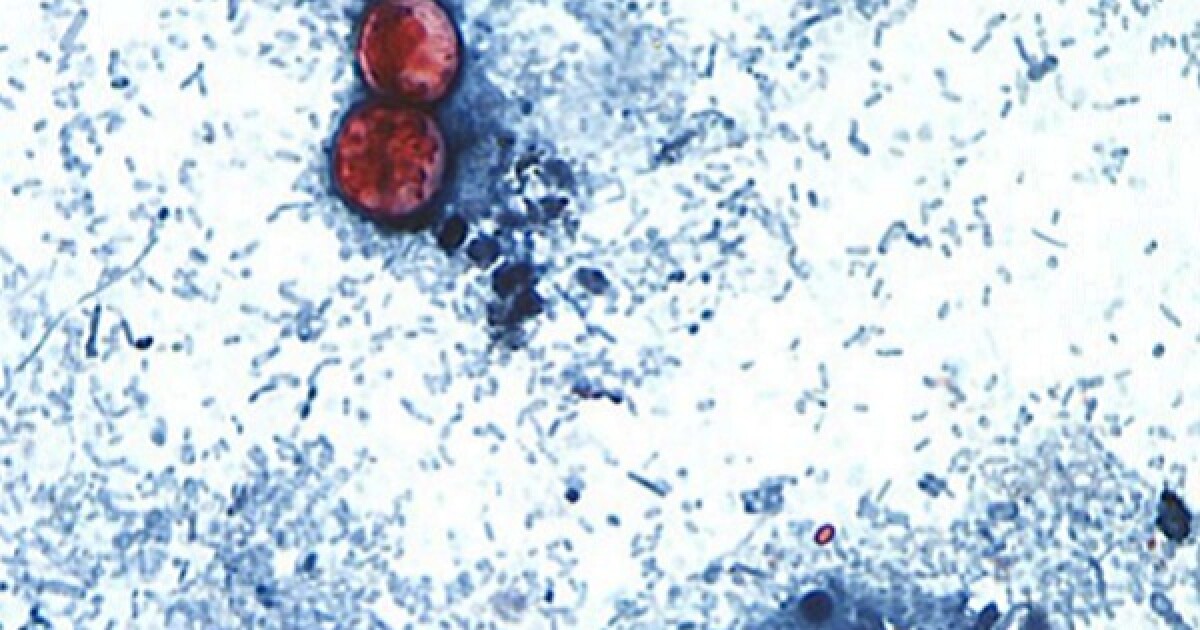
Missouri health officials are investigating dozens of confirmed or probable cases of cyclosporiasis, the intestinal infection that has sickened thousands of people across the country this summer.
As of Sunday, the state Department of Health and Senior Services logged 43 cases of the infection, which causes diarrhea and other digestive symptoms. The department data does not include where in the state cases have been reported.
Missouri has a relatively small number of reported cases compared to Michigan and other states at the center of the outbreak.
Illinois health officials have reported 216 cases of the infection, according to the state’s health department. In Michigan, which has the most reported cases, health officials have logged more than 3,700 cyclospora infections.
Officials expect that number to go up as more people are tested. Because people with diarrhea rarely go to the doctor and even fewer of those people receive the necessary stool sample test, it’s likely more people are infected.
Local health departments are following up with patients to get their food and travel history, which could help identify where the parasite came from.
Cyclosporiasis can cause watery diarrhea, nausea and dehydration. Unlike other illnesses caused by food-borne pathogens, fever and vomiting are relatively rare symptoms. Most people recover from the infection without treatment, but antibiotics can clear the infection.
According to the federal Centers for Disease Control and Prevention, no deaths have been reported due to the current outbreak.
Cyclospora, a parasite that can only be seen through a microscope, is spread through human feces. Past outbreaks have been linked to leafy greens, but officials have not yet found the cause of this year’s outbreak.
People can prevent the illness by thoroughly washing produce, cutting off bruised or damaged bits and refrigerating cut fruits and vegetables. Heat kills the parasite, so cooking vegetables can also cut down on risk.
The Missouri Lottery offers several draw games for those aiming to win big.
Here’s a look at July 14, 2026, results for each game:
Winning Mega Millions numbers from July 14 drawing
02-04-10-48-56, Mega Ball: 22
Check Mega Millions payouts and previous drawings here.
Winning Pick 3 numbers from July 14 drawing
Midday: 4-6-0
Midday Wild: 4
Evening: 7-5-9
Evening Wild: 8
Check Pick 3 payouts and previous drawings here.
Winning Pick 4 numbers from July 14 drawing
Midday: 7-6-5-4
Midday Wild: 6
Evening: 8-8-1-5
Evening Wild: 3
Check Pick 4 payouts and previous drawings here.
Winning Cash Pop numbers from July 14 drawing
Early Bird: 12
Morning: 15
Matinee: 12
Prime Time: 15
Night Owl: 14
Check Cash Pop payouts and previous drawings here.
Winning Show Me Cash numbers from July 14 drawing
05-07-12-32-36
Check Show Me Cash payouts and previous drawings here.
Feeling lucky? Explore the latest lottery news & results
Are you a winner? Here’s how to claim your lottery prize
All Missouri Lottery retailers can redeem prizes up to $600. For prizes over $600, winners have the option to submit their claim by mail or in person at one of Missouri Lottery’s regional offices, by appointment only.
To claim by mail, complete a Missouri Lottery winner claim form, sign your winning ticket, and include a copy of your government-issued photo ID along with a completed IRS Form W-9. Ensure your name, address, telephone number and signature are on the back of your ticket. Claims should be mailed to:
Ticket Redemption
Missouri Lottery
P.O. Box 7777
Jefferson City, MO 65102-7777
For in-person claims, visit the Missouri Lottery Headquarters in Jefferson City or one of the regional offices in Kansas City, Springfield or St. Louis. Be sure to call ahead to verify hours and check if an appointment is required.
For additional instructions or to download the claim form, visit the Missouri Lottery prize claim page.
When are the Missouri Lottery drawings held?
- Powerball: 9:59 p.m. Monday, Wednesday and Saturday.
- Mega Millions: 10 p.m. Tuesday and Friday.
- Pick 3: 12:45 p.m. (Midday) and 8:59 p.m. (Evening) daily.
- Pick 4: 12:45 p.m. (Midday) and 8:59 p.m. (Evening) daily.
- Cash4Life: 8 p.m. daily.
- Cash Pop: 8 a.m. (Early Bird), 11 a.m. (Late Morning), 3 p.m. (Matinee), 7 p.m. (Prime Time) and 11 p.m. (Night Owl) daily.
- Show Me Cash: 8:59 p.m. daily.
- Lotto: 8:59 p.m. Wednesday and Saturday.
- Powerball Double Play: 9:59 p.m. Monday, Wednesday and Saturday.
This results page was generated automatically using information from TinBu and a template written and reviewed by a Missouri editor. You can send feedback using this form.
-

 Indianapolis, IN59 seconds ago
See ‘The Odyssey’ as Nolan intended at one Indiana IMAX theater
-

 Pittsburg, PA7 minutes ago
2 arrested following Downtown Pittsburgh drug bust, police say
-
Augusta, GA13 minutes ago
Augusta, GA Weather Forecast
-

 Washington, D.C19 minutes ago
Calls grow for Green to recall Hawaii National Guard from DC | Honolulu Star-Advertiser
-

 Cleveland, OH25 minutes ago
19 First Alert Days: Smoke in the air today; severe storms possible Saturday
-

 Austin, TX31 minutes ago
Live updates: Flash Flood emergency in Kerr County as rain continues to pound Texas
-

 Alabama37 minutes ago
These 3 questions could define Alabama football 2026 tight ends room
-

 Alaska43 minutes ago
ICE: Alaska state attorney arrested by immigration officials, held in Tacoma detention center

