Illinois
What They Said After Penn State’s Big Ten Win Over Illinois


Penn State coach James Franklin, who spent the pre-game week asking fans to bring “White Out energy” to Beaver Stadium, saw the results Saturday night. A crowd of 109,911 fans, overwhelmingly wearing white, impacted seven different plays in the Nittany Lions’ 21-7 victory over Illinois, Franklin said. From timeouts to a bad snap to four false-start penalties, the crowd made a difference. Even the Illini acknowledged that.
“It was a crazy atmosphere for sure,” Illinois tight end Tanner Arkin said. “I think that first kickoff, you can feel it in your chest almost. It was awesome and blessed to have the opportunity to play here, great atmosphere.”
Franklin’s postgame press conference centered mostly on the positive, though he did address some nagging issues from the victory. Here’s a look at what Franklin and Illinois coach Bret Bielema said after the game.
What we learned from Penn State’s win over Illinois
Penn State coach James Franklin
On the atmosphere: That was a phenomenal environment, that wasn’t even a white out, and we had that. The fans were phenomenal. We thought the fans had seven impactful plays on the game. Seven plays, whether it was timeouts, whether it was false starts and penalties, whether it was bad snaps, we thought they had seven plays that were significant in the game. We’re so thankful and appreciative for the fans and the environment we get here. It’s like nothing else in all of sports, let alone college football.
On the difference in the game: That game really played out for a long time the way Illinois wants the game to go. They want one-possession games. They want to keep it tight. Where I think it went different is, I challenged our offensive line against their defensive line. And I challenged our defensive line against their front, and I think that was the difference, really, in the game. We rushed for 239 yards. They rushed for 34 yards. And it’s not just 34 yards, that is a team that is committed to running the football. They are committed to running the football. And when you’re able to take somebody and force them out of the style of play that they want to play, then usually good things happen.
On rushing for 239 yards: I think the first thing with the offensive line and tight ends, they’re playing a
physical brand of football, and they’re doing a great job of protecting our quarterback. They’re allowing us to get ahead of the sticks. And the combination of our O-line being physical, and I don’t know if there’s a better combination of running backs in the country. There were physical runs out there today, so I just I couldn’t be more proud of that group and how they’re playing. That’s going to be important for us the rest of the year. But when you’re able to run the ball like that on offense and stop the run on defense, you know good things are going to happen for you. I don’t want to lose any doubt about that. And for running as often as we did, when you look at Kaytron Allen averaged 5.7 yards per carry, Nick Singleton, 5.9 yards per carry, Beau Pribula, 5.7 yards per carry. You’re stupid to get away from it right? So, Andy [Kotelnicki] was doing a great job calling the game, as you guys know, I’ll mix in every once in a while, just reminding him to stick with the run or time to take a shot. I’m down
there, I’m on the sideline. Sometimes with the play cards It’s good to kind of have these things to reinforce what he’s already doing. But that was the biggest reason. We’ve got to get better in the red zone. We weren’t as good in the red zone tonight. Again, got to give them a little credit, too.
On Illinois scoring on its opening drive: We’ve got to be better on opening drives. The looks you’re expecting to get that you can go down the field to be successful. That’s a week’s worth of preparation to open the game. Same thing on defense, we’ve got to break some tendencies that people aren’t as
comfortable going down and make them question their game and what they studied. But when you hold a Big Ten team to seven points, you have a chance to win a ton of games. I’m very proud of our defense and proud of Tom Allen and the defensive staff. When you hold people to 7 points and 34 rushing yards against a Big Ten opponent, you give yourself a chance to win a lot of games.
On kicker Sander Sahaydak missing two field goals: He’s been awesome for us, and we just
won that game, and he should be celebrating this thing like everybody else. But ultimately, we’ll have a competition and all these things will factor in decisions that we’re going to have to make moving forward. But I want Sander to celebrate this win like everybody else, because he’s put a ton into this. He’s a great kid and a great representative of Penn State.
Illinois coach Bret Bielema
On the game: Obviously disappointed in the results. I give credit to Penn State, an undefeated top-10 team, but our guys prepared well all week. They came in this game with the idea of being successful. Obviously we had a lot of success and did a lot of really good things. I felt on the plane ride coming over here that I had a really good football team. For me as a head coach, we can’t do the things that cause us to fail. We have got to give our guys more chances. I think we came out pretty clean. I stress all the time we learn more in moments of adversity than in moments of success.
On his team: I think we are a good football team. I like our demeanor. I like their work ethic. I like their
edge. They are very disappointed as I hope they’d be. We did enough things today to cause the failures that we had but I don’t see any of them being anything we can’t do correctly.
On his concern with the run game: We say it all the time, good teams do three things; they run the ball, defend the runs, and cover kicks. Obviously, this will be a recipe that others will follow and see and you know they have a good running game we knew that coming in.
On Penn State tight end Tyler Warren: Number 44, I just love him. One of the things I took from the [NFL] is, when a guy has a lot of position flex, which means he can do multiple things besides what he’s slotted into, I just think his skillset just allows a lot of other things to happen. James does a really good job at putting players in their position. I have a lot of respect for what he has done.
More Penn State Football
Penn State football report card: Illinois edition
The Penn State-Illinois game breakdown: Nittany Lions’ front lines take charge in win







People ran out of their homes into the cold overnight Tuesday into Wednesday after a fire broke out in an apartment building in the western Chicago suburb of Woodridge.
The fire broke out in a multi-family building at 7900 Janes Ave., near Forest Drive.
Smoke was seen billowing as firefighters stood on the roof.
One firefighter suffered minor injuries fighting the blaze, according to the Lisle-Woodridge Fire Protection District.
Fire officials said several units have major damage, and the families who reside in them have been displaced.
The American Red Cross was assisting the displaced residents Wednesday morning.

STICKNEY, Ill. (WLS) — The future of racing at Hawthorne Race Course in south suburban Stickney is in jeopardy.
The Illinois Racing Board suspended its harnesses racing license. In a letter sent Monday to Hawthorne’s president and general manager, the state agency said the track failed to prove its financial integrity.
ABC7 Chicago is now streaming 24/7. Click here to watch
Jeff Davis, president of the Illinois Harness Horsemen’s Association, says the past two months have been rough.
“We don’t really know details, but what we do know is people have not been paid since before Christmas,” Davis said.
Davis says checks started bouncing, which led to races being canceled over the past few weekends.
SEE ALSO | Hawthorne Race Course not offering window betting for Kentucky Derby amid Churchill Downs dispute
“Six weeks ago, they couldn’t cash a $400 check to a trainer,” Davis said.
The remaining three races left this season are unlikely unless Hawthorne owners can prove financial stability. Hawthorne officials have not returned messages seeking comment on the issue. But it is just one of many issues facing the track. There has been an effort for nearly six years to get an approved casino up and running, but the owners cannot find a partner.
“Horse racing in every state now only survives because it has additional forms of revenue from casinos, slot machines,” said Paulick Report Publisher Ray Paulick.
Hawthorne is the only racetrack in the Chicago area and has the right to veto another one built within 35 miles. But those in the industry hope a bill before the state legislature will repeal that.
“The harness horsemen are asking the state legislature to take away that exclusivity, because Hawthorne isn’t in a position to build another track if they can’t keep the one they have going,” Paulick said.
READ MORE | Hawthorne Race Course, Illinois’ oldest horse racing track poised to be first with casino
In the meantime, Davis says he hopes the season can be salvaged.
“It really is sad. It’s a 100-year-old business. They’ve been trying, but I don’t know if they have the ability to actually get done what they’ve been awarded to do,” Davis said.
The Illinois Racing Board will hold its monthly meeting on Wednesday, and Hawthorne’s owner is scheduled to give an update on the track.
Copyright © 2026 WLS-TV. All Rights Reserved.

Police pursued suspects wanted in an armed 7-Eleven robbery in Cicero, Illinois, on Tuesday morning.
According to police, officers responded to a call for an armed robbery at 35th Street and Austin Boulevard around 3:30 a.m.
Staff told police several armed and masked individuals came into the store, possibly from two vehicles, and fled with cash.
Police identified and pursued one of the vehicles onto 290, but the chase was terminated on 290.
No injuries were reported.
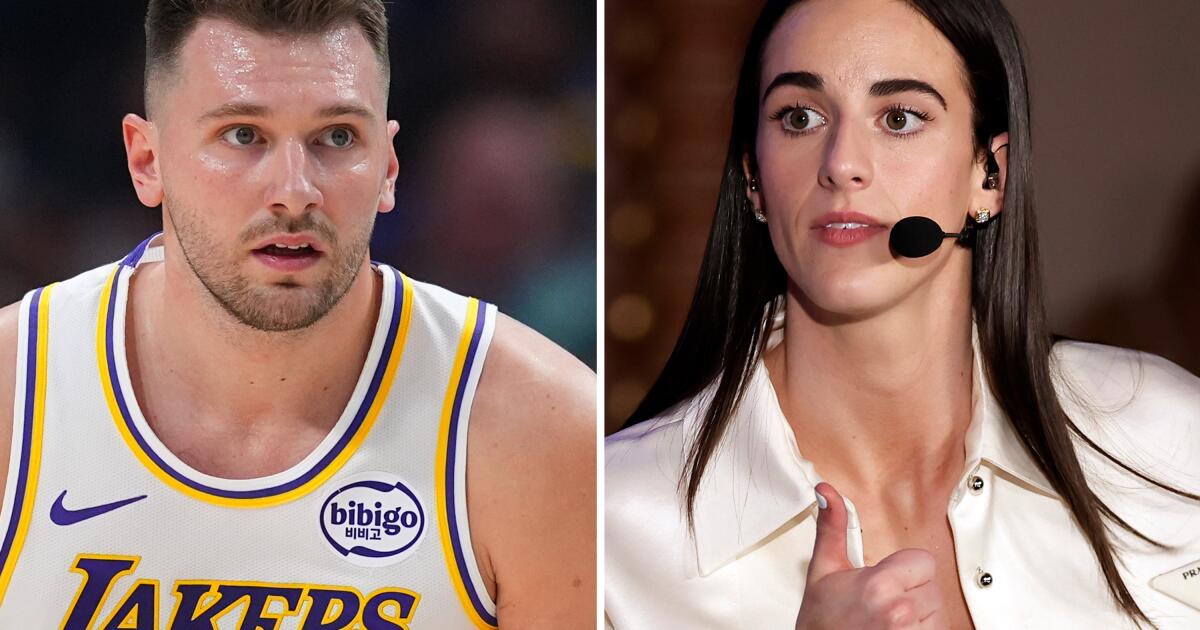
Caitlin Clark to serve as analyst ahead of Lakers-Knicks game on NBC’s ‘Basketball Night in America’ debut

Free trade or fair play? MEPs go head-to-head on Mercosur in The Ring
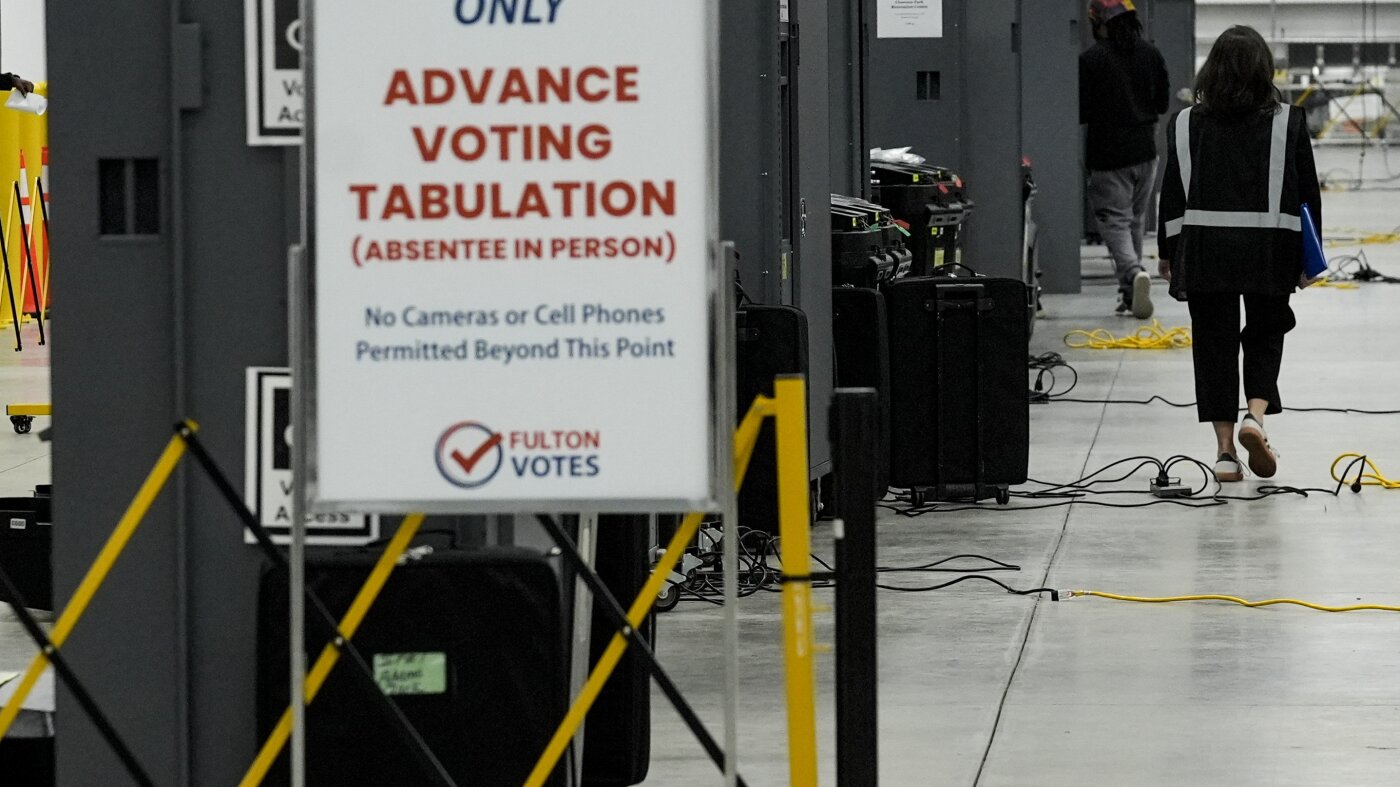
The FBI conducts a search at the Fulton County election office in Georgia

Knife-wielding nut allegedly asked Christian his religion – then stabbed him and dog before police shot him

House Republicans blast Noem impeachment resolution as ‘partisan stunt,’ as Dems fail to reach across aisle

Florida High School Football Rankings: Top 25 teams – Oct. 21

Cleary's 21 help Le Moyne down Central Connecticut State 69-64 in OT

How old is Bo Nix? What to know about Oregon quarterback ahead of 2024 NFL Draft

99th annual Pony Swim held in Virginia

Indiana Members Credit Union announced as new anchor tenant at Bottleworks District
Free trade or fair play? MEPs go head-to-head on Mercosur in The Ring
The FBI conducts a search at the Fulton County election office in Georgia

Graham pushes back on Tillis’ criticism of Noem, Miller for labeling man killed by Border Patrol a ‘terrorist’

North Korea’s Kim to outline plans to boost nuclear arsenal

Rep. Ilhan Omar rushed by man on stage and sprayed with liquid at town hall event
-

 Illinois6 days ago
Illinois school closings tomorrow: How to check if your school is closed due to extreme cold
-

 Pittsburg, PA1 week ago
Sean McDermott Should Be Steelers Next Head Coach
-

 Pennsylvania2 days ago
Rare ‘avalanche’ blocks Pennsylvania road during major snowstorm
-

 Lifestyle1 week ago
Nick Fuentes & Andrew Tate Party to Kanye’s Banned ‘Heil Hitler’
-

 Sports1 week ago
Miami star throws punch at Indiana player after national championship loss
-

 Cleveland, OH1 week ago
Northeast Ohio cities dealing with rock salt shortage during peak of winter season
-

 Technology6 days ago
Ring claims it’s not giving ICE access to its cameras
-
 Science1 week ago
Contributor: New food pyramid is a recipe for health disasters