Midwest
Delphi murders suspect's confessions to wife, mother sounded 'calm,' expert says: 'Not what I expected'

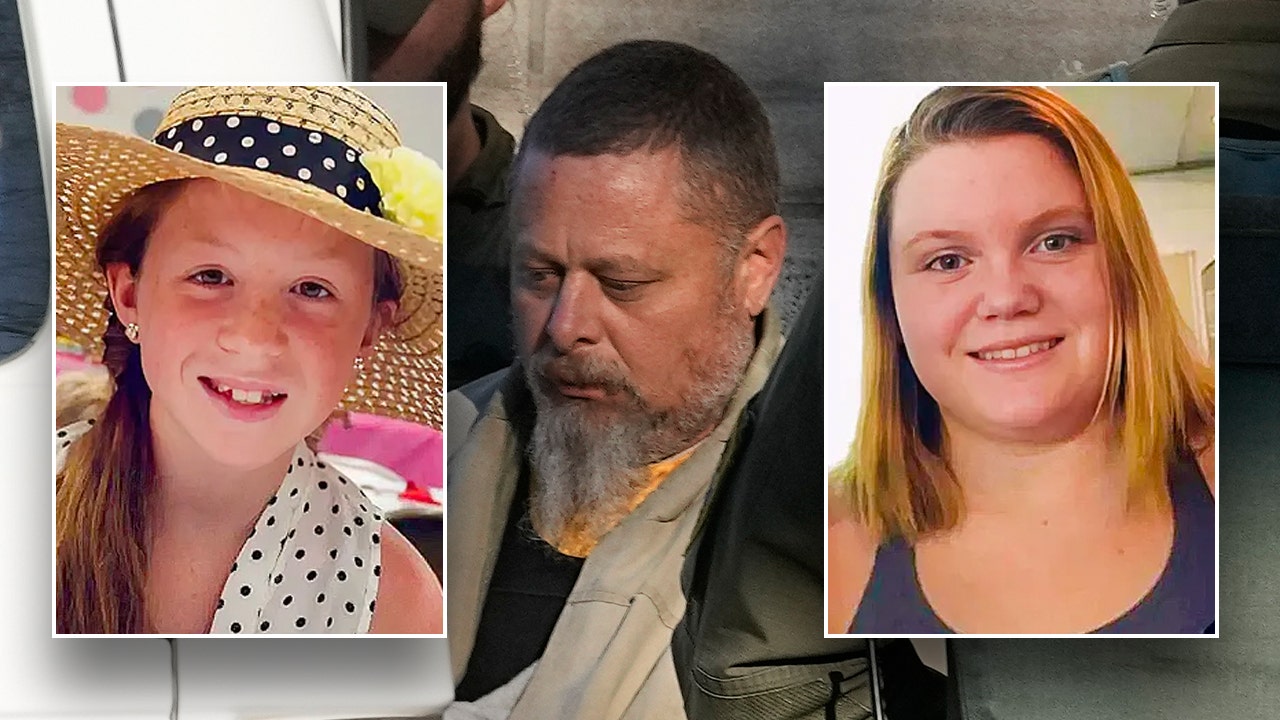
An Indiana-based journalist and podcaster, who has been covering the 2017 murders of two girls, known as the Delphi murders, said suspect Richard Allen’s various confessions to his wife played aloud in court were not what she “expected.”
Allen, 52, who is charged with murdering 14-year-old Liberty German and 13-year-old Abigail Williams while they were walking on a hiking trail in Delphi on Feb. 13, 2017, apparently made more than 60 incriminating statements to a prison psychologist and made more confessions to his wife and mother in recorded jailhouse calls.
“Richard Allen’s recorded confessions to his wife and mother were not what I expected. He did not sound hysterical or agitated as he confessed repeatedly. He sounded calm, conversational, and determined to convince his family that he had murdered two children,” journalist Áine Cain, who co-hosts “The Murder Sheet” podcast with Indiana-based attorney Kevin Greenlee, told Fox News Digital in a statement. “He seemed particularly interested in receiving assurance from family members that they would love him no matter what.”
Among Allen’s confessions made between 2022 and 2023, Allen said the following to his wife, Kathy, according to FOX 59 Indianapolis.
DELPHI MURDERS SUSPECT CONFESSED TO KILLING 2 GIRLS ON HIKING TRAIL IN SMALL TOWN, PRISON DOC SAYS
Richard Allen was arrested in October 2022 for the 2017 murders of 14-year-old Liberty German and 13-year-old Abigail Williams. (Indiana State Police)
“I’m sorry, baby. It’s just one more thing I f—– up for you.”
“I killed Abby and Libby.”
“I think I did it.
“I think I did. I don’t know. I wish they would kill me and let me apologize to the families.”
“I need to tell you something anyway. I need you to know that I did this.”
“I did it. Kathy, I did it. Do you still love me?”
Officers transport murder suspect Richard Allen, Nov. 22, 2022, at Carroll County Courthouse in Delphi, Indiana. (Alex Martin/Journal and Courier/USA Today Network)
Kathy often responded by telling her husband that he “didn’t” kill the two girls, telling Allen in one conversation, “They are messing with your mind.”
“You can’t call me and talk like this,” she told Allen in another call.
DELPHI MURDERS TRIAL: ‘BRIDGE GUY’ EMERGES AS NEW CRIME SCENE EVIDENCE PRESENTED
Former federal prosecutor and president of West Coast Trial Lawyers Neama Rahmani said Allen’s confessions were “the most damning” evidence in his case.
“I think that’s the most difficult evidence in the case for the defense is Richard Allen’s own words.”
“There wasn’t just one. We’re talking about 60 confessions over a period of time. And although Allen may have confessed to things that he didn’t do, such as molesting his daughter, he did tell his wife at some point that even though he made some false confessions, that the killings of Libby and Abby were real,” Rahmani said.
Delphi police recovered Libby’s cellphone beneath her body on Feb. 14, 2017. The phone had a 43-second video showing Abigail walking on the Monon High Bridge Trail in Delphi toward Libby while a man wearing a dark jacket and jeans walks behind her. (FOX Nation)
The recorded confessions were played in a Carroll County courtroom on Oct. 31, after the court heard testimony about his other confessions to Dr. Monica Wala on Oct. 30.
“I killed Abby and Libby. I’m sorry,” Allen allegedly told Wala – the lead psychologist for the Indiana Department of Correction – in prison, according to her testimony on Wednesday during Allen’s double murder trial, as FOX 59 Indianapolis reported.
The prison psychologist testified that Allen’s intentions in targeting Abby and Libby were “sexual” in nature, and he admitted to being a sex addict. Allen also told Wala that he was an alcoholic, as well as both a victim and perpetrator of sexual assault, according to FOX 59.
CLICK HERE FOR MORE TRUE CRIME FROM FOX NEWS
In a May phone call with his wife, Allen apparently told her, “I didn’t do everything I said I did, but I killed Abby and Libby,” at which point his wife hung up on him, according to Wala’s testimony.
Superintendent Doug Carter of the Indiana State Police speaks during a press conference on the Delphi murders investigation, April 22, 2019, at the Canal Center in Delphi. (© Nikos Frazier/Journal & Courier/USA Today Network)
Wala told the court on Wednesday that Allen had followed Abby and Libby on the Monon High Bridge Trail on Feb. 13, 2017, and ordered them “down the hill,” where he intended to rape them.
Allen allegedly told Wala he was spooked by something – either a man or a van – at which point he decided to brutally murder the two girls, slashing their necks and covering their bodies with tree branches in a wooded area just a short distance from the popular hiking trail, the psychologist said in court.
DELPHI MURDERS TRIAL: SUSPECT RICHARD ALLEN’S ATTORNEYS MAKE STUNNING REVELATION ABOUT HAIR AT CRIME SCENE
“The confession to Dr. Monica Wala is of particular interest because of its level of detail and the fact that Allen claims he was interrupted by a van,” Cain told Fox News Digital of Wala’s testimony. “Resident Brad Weber, who lives by the bridge, testified that he would have driven a van home that day around the time of the kidnapping.”
Snow covers the water of Deer Creek as the Monon High Bridge towers above, Feb. 9, 2022, in Delphi. (© Nikos Frazier/Journal & Courier/USA Today Network)
Cain said she was also “struck by how similar” Allen’s voice is to the voice that ordered Abby and Libby “down the hill” on the High Monon Bridge Trail, otherwise known as “Bridge Guy.”
“That being said, that is not admissible evidence. Experts require more than four words to do any sort of analysis. And Bridge Guy was only recorded saying ‘Guys, down the hill,’” Cain added.
DELPHI MURDERS: MAN CHARGED WITH KILLING 2 GIRLS IS ‘HIS OWN WORST ENEMY,’ EXPERT SAYS
On cross-examination, Wala admitted to being a fan of true crime content, including podcasts and online discussions about the Delphi case, which she said she followed closely prior to working at the prison where Allen was being held. Wala even traveled to the scene of the crime near the High Monon Bridge at one point, she testified.
“When Allen confessed to killing the two girls, he confessed to being the person on the Snapchat video saying, ‘Down the hill,’” Rahmani said. “In addition, he also said that he intended to rape the girls but was spooked out by the white van. That was not public information and information that may have only been known to the killer.”
Sketches and video footage showing the Delphi murders suspect over the years. (Indiana State Police)
Wala also said Allen’s behavior in prison was consistent with someone who had a serious mental illness, describing him as having “fatalistic delusions,” “hopelessness,” “insomnia” and “suicidal ideations.”
“Probably the best evidence the defense has to argue is that Allen’s confessions were either coerced or false, or really Allen’s own actions — eating feces, taking off his clothes, being naked, washing his face in the toilet, eating paper and all the other strange behavior,” Rahmani explained. “It’s also clear that he’s lost significant weight during the time that he’s been in prison. So maybe the jurors believe that this was all either due to mental health or some other psychiatric issue. They may set those confessions aside, but it’s going to be very tough because there’s so many different confessions over such a long period of time.”
This week, jurors heard more from experts about Allen’s declining mental health in prison since his arrest in 2022, including video evidence showing Allen completely nude in prison or wearing a cloth or hood over his face, according to FOX 59.
Read the full article from Here



WABASH, Ind. (WISH) — A motorcyclist is dead in Wabash County after striking a utility pole in the early hours of Saturday morning.
State police say just before 3 a.m., officers with the Wabash County Police Department attempted to stop a motorcycle after the rider ran a red light.
The motorcycle did not stop and “fled at a high rate of speed.” Just moments later, the motorcycle traveled off the roadway near the intersection of Miami Street and Walter Street, and struck a utility pole.
Despite life-saving efforts, the rider was pronounced dead at the scene.
The person’s name has not yet been released by the Wabash County Coroner’s Office.
State police are actively investigating the incident, and no further information has been released.

Pella ranks first on this list because it combines healthcare, senior living, walkable downtown gardens, and a strong Dutch heritage better than any other Iowa town. Decorah lands near the top with the Driftless Area’s wooded hills and the Vesterheim Norwegian-American Museum giving the town a unique cultural identity. Clear Lake pairs full-lake recreation with the Oakwood Care Center and nearby Mason City hospital access. Charles City and Fairfield each come in well under the state’s median home value with strong local hospitals attached. Ranked by overall livability, the twelve Iowa towns ahead each handle a specific piece of what later life actually needs.
Algona
Algona makes the list because it is smaller and more remote than some other towns here, yet still offers retirees a solid basic package. The town has a population of around 5,500, keeping it firmly in small-town territory. Affordability also works in Algona’s favor, with Zillow listing the average home value at $183,006 as of April 2026, well below Iowa’s statewide average.
Seniors seeking medical care can visit Kossuth Regional Health Center, which operates a 25-bed critical access hospital along with family medicine clinics, home care, hospice, and public health nursing. Good Samaritan Society – Algona is another local facility that offers retirees a senior care option in town.
Algona’s local attractions are modest but useful. Ambrose A. Call State Park gives residents wooded trails, picnic areas, and quiet outdoor space close to town. Camp Algona POW Museum preserves the story of the World War II prisoner-of-war camp that once stood in the area, offering a more specific piece of history than a typical small-town museum stop. The Algona Recreation Trail adds a two-mile paved walking and biking route through town.
Charles City

Charles City is a good fit for retirees who want a northeastern Iowa town with local care, river scenery, and a lower housing cost than many communities on this list. Home to around 7,400 people and with an average home value of $143,035, it ranks among the most affordable towns included here. Healthcare runs through Floyd County Medical Center, while Chautauqua Guest Homes covers long-term senior care including skilled nursing and senior living. That gives Charles City a practical base for retirees who want local support without moving into a larger city.
The Cedar River runs through the heart of town and gives Charles City a real outdoor landmark. Retirees spend time along the riverfront or use the Charley Western Recreational Trail, a rail-to-trail conversion that connects walkers and cyclists to different parts of town. The Floyd County Museum on Riverside Drive showcases regional history through exhibits on agriculture, industry, and community life.
Mount Pleasant
Mount Pleasant earns its place through healthcare access, senior care options, and a stronger local identity than its size might suggest. Henry County Health Center, part of Great River Health, is a major advantage because it includes 25 acute care beds and the 49-bed Park Place long-term care facility on the same broader healthcare campus. Arbor Court adds skilled nursing, rehabilitation, and memory-assisted living within town limits.
Mount Pleasant is best known for the Midwest Old Threshers Reunion, an agricultural heritage event that began in 1950 and has grown into one of Iowa’s major annual gatherings. It brings steam engines, antique tractors, music, and demonstrations to town each year. The Midwest Central Railroad adds another piece of that heritage with narrow-gauge train rides during the event. Saunders Park gives retirees a 60-acre green space for walking, picnicking, and quieter afternoons close to home. The median home value sits at $193,717, below the statewide average and adding another affordability point.
Le Mars
Le Mars combines small-town character with a solid local healthcare base, giving retirees both community and convenience. Home to around 10,500 people, the town runs a tight-knit feel in northwestern Iowa. Zillow lists the average home value at $275,025, slightly above the state median but still well under the US average of $368,198. Floyd Valley Healthcare is the main medical center with primary care, urgent care, specialty services, imaging, surgery, therapy, and 24/7 emergency care. For senior living, Good Samaritan Society – Le Mars covers long-term care and supportive services for Plymouth County residents.
Le Mars has built much of its public identity around Wells Enterprises and its reputation as the “Ice Cream Capital of the World.” The Wells Visitor Center & Ice Cream Parlor gives residents and visitors a direct connection to that history, with exhibits and an ice cream counter tied to the company’s local roots. Plymouth County Historical Museum offers a broader look at county history in a former school building.
Fairfield
Fairfield is one of the more distinctive retirement towns in Iowa because its arts and wellness identity gives it a different feel from many other small communities in the state. Fairfield Arts & Convention Center gives residents a regular lineup of concerts, theater performances, lectures, and community events. Maharishi International University adds a college presence tied to the town’s long association with meditation and wellness practices. Maasdam Barns preserves local agricultural history through restored barns and exhibits, and the 15.9-mile Fairfield Loop Trail gives retirees an easy local route for walking and biking.
The town also works well on the practical side. Jefferson County Health Center serves as the main healthcare provider and identifies itself as Iowa’s oldest county hospital, with recognition for rural hospital quality. Addington Place of Fairfield handles assisted living and memory care. Zillow lists the average home value at $158,217, making Fairfield one of the most affordable towns on this list.
Newton
Newton is a practical retirement choice thanks to solid healthcare and infrastructure. MercyOne Newton Medical Center offers residents medical and emergency care plus home health services. Newton Village gives retirees a senior living community close to parks, restaurants, healthcare facilities, and daily conveniences.
Maytag Park is the standout community space in town with mature trees, walking paths, and picnic areas, plus the Maytag Bowl amphitheater that hosts regular events. Iowa Speedway adds another option through major racing weekends and community events. Zillow lists the average home value at $204,250, below the statewide average and making Newton an affordable option for seniors.
Spencer
Spencer earns a spot on this list because it functions as a regional service center for northwest Iowa. Spencer Hospital is a major strength, describing itself as a Top 100 Rural & Community Hospital serving northwest Iowa and southern Minnesota. St. Luke Homes & Services provides the town with a broad range of senior care including nursing home care and supportive housing services. Zillow lists the average home value at $196,188, comfortably below the Iowa average.
Spencer’s size remains manageable, but its services and community activities go beyond the basics. Clay County Fairgrounds hosts the Clay County Fair, one of Iowa’s major annual events, which supports a busy community calendar around it. The Little Sioux River runs through the community and supports nearby parks and trails.
Winterset
Winterset is one of Iowa’s most visually recognizable small towns, pairing scenery with practical retirement needs. The town has a population of around 5,400 and an average home value of $289,241, which is above the statewide average. The town’s local hospital, senior care options, and strong identity help keep it competitive. Madison County Health Care System gives residents a local hospital and clinic presence, including Madison County Hospital and Health Trust Physicians Clinic.
Winterset’s landmarks give retirees both scenery and places worth returning to often. The John Wayne Birthplace & Museum is the nationally known landmark tied to the actor’s early life. The Madison County Covered Bridges add scenic drives and photo stops across the surrounding countryside. Winterset City Park is a large local outdoor space with trails, picnic areas, and access to Clark Tower, a stone tower overlooking the Middle River valley. Winterset ranks just below the top tier because it remains smaller, but with Des Moines about an hour away, broader specialty care stays within reach.
Indianola
Like Winterset, Indianola is ideal for retirees who want a smaller town but still want Des Moines within reach. MercyOne Indianola Family Medicine provides local primary care, while the proximity to Des Moines gives retirees access to larger hospital networks for specialty needs. The Village, a WesleyLife senior living community near Simpson College, offers residents access to campus events, classes, cultural activities, and recreational amenities. Zillow lists the average home value at $311,314, above Iowa’s statewide average but still affordable compared to the national median.
Indianola’s strongest local identity comes through its ballooning tradition. The National Balloon Classic in August brings hot-air balloons, evening flights, and community events to town each year. The National Balloon Museum gives that tradition a year-round home with exhibits on ballooning history and the sport’s connection to Indianola. Simpson College adds lectures, performances, sports, and campus events to the local calendar.
Clear Lake
Clear Lake earns its place near the top of the list because it combines small-town retirement needs with one of Iowa’s most recognizable natural settings. For senior care, Oakwood Care Center offers post-hospital rehabilitation, skilled nursing, long-term care, and independent and assisted living. For broader hospital services, retirees have access to nearby Mason City, which helps offset the smaller in-town footprint. Zillow lists the average home value at $328,857, slightly higher than the statewide average but reflecting demand for a lake community with strong recreation and nearby services.
Clear Lake’s strongest feature is the lake itself. The shoreline gives residents boating, fishing, walking, and waterfront scenery that can be part of regular life rather than an occasional outing. City Beach makes that access more direct with a public swimming area, open views, and a central location near downtown. Central Gardens of North Iowa adds a quieter option with landscaped gardens, walking paths, and seasonal programming through the warmer months.
Decorah
Decorah lands near the top of this list because it combines scenery, healthcare, senior living, and a strong local culture in one of Iowa’s most distinctive small-town settings. WinnMed gives Decorah strong local healthcare access through specialty care, primary care, and emergency services. Aase Haugen Senior Services provides a continuing care retirement community, while Barthell Eastern Star Home adds additional local senior care options. Zillow lists the average home value at $309,341, below the national median.
Decorah sits in Iowa’s Driftless Area, where wooded hills, river valleys, and limestone bluffs give northeast Iowa a different look from much of the state. Vesterheim Norwegian-American Museum ranks among the town’s strongest cultural landmarks with exhibits on Norwegian-American immigration, folk art, woodworking, textiles, and Decorah’s Scandinavian heritage. Dunning’s Spring Park gives residents a close-to-town natural stop with a waterfall, wooded setting, and connected trails. Trout Run Trail circles the town for 11 miles and gives walkers and cyclists a paved route through river scenery, parks, and bluff views.
Pella
Pella takes the top spot because it brings together healthcare, senior living, a walkable historic center, local traditions, and a strong sense of place better than any other Iowa town on this list. Pella Regional Health Center provides the town’s primary healthcare access with a hospital, clinics, and a 24/7 emergency department. Hearthstone, a WesleyLife community, offers independent living, assisted living, memory support, short-term rehabilitation, and long-term nursing care across its Pella campuses. Zillow lists Pella’s average home value at $357,078, and the town supports that value with the strongest overall package on the list.
Pella Historical Village preserves the town’s Dutch heritage through historic buildings, exhibits, and seasonal programming. Sunken Gardens is a landscaped downtown green space with tulips, a small windmill, and walking paths that work into a regular outing. Nearby Lake Red Rock gives retirees access to trails, boating, fishing, birding, and water views just outside town.
Retire In Iowa
Iowa’s best retirement towns do not all offer the same version of later life. Charles City, Fairfield, Algona, Mount Pleasant, Newton, and Spencer stand out for home values below the state average. Clear Lake, Decorah, Indianola, Winterset, Le Mars, and Pella bring stronger scenery, cultural life, healthcare access, or senior living options that justify their place on the list. Across the ranking, the top towns give retirees more than affordability. They offer healthcare access, local activity, and community structure that make staying active, cared for, and connected feel realistic.
-

 Delaware43 seconds ago
Delaware man charged with 2 gas station armed robberies, escaping police chase
-

 Florida7 minutes ago
Country star Morgan Wallen walks out with Florida legend Tim Tebow, refuses to Gator chomp
-
Georgia13 minutes ago
Tech Mercy-Rules No. 23 BC for 6th ACC Sweep
-

 Hawaii19 minutes ago
9 Best Small Towns To Retire In Hawaii
-

 Idaho25 minutes ago
2A STATE SOFTBALL: Loggers fall to Pilots, finish second in …
-

 Illinois31 minutes ago
Breakfast with Baby diaper drive held in Carol Stream
-

 Indiana37 minutes ago
Motorcyclist killed in Wabash County crash after fleeing police
-

 Iowa43 minutes ago
Iowa’s 12 Best Retirement Towns Ranked

