Fitness
Health Wellness: What if back pain didn’t have to follow you to 2026?


As the year winds down, many people take time to reflect on what has happened over the last 12 months. You might think about your accomplishments, the challenges you faced, the things you wish had gone differently, and the changes you hope to make in the coming year. It is a natural rhythm as the calendar turns over – and with it often comes the desire for a fresh start.
But one thing people rarely reflect on (or often ignore altogether) is their musculoskeletal health. We tend to focus on appearance, weight loss, and the goals we can measure on a scale or in a mirror. What often gets overlooked, however, are the subtle physical signals that something is not quite right.
Nagging back pain is a perfect example. It is easy to brush off – easy to label as normal – and even easier to assume it will go away on its own. Back pain can slowly become something you adapt to without realizing it. Suddenly you’re adjusting how you bend. You avoid certain activities. You modify how you sit or sleep. Back pain – if you’re not careful – can quickly blend into the backdrop of your daily life.
So if there’s one thing worth leaving behind as the year closes – it’s the back pain that has been following you around for months or even decades. Despite what you may have been told – you do not have to carry this year’s pain into the next one. And when you understand how back pain actually works – you may begin to see that addressing it is one of the most important steps you can take for your overall health as you move into a new year.
Back pain rarely arrives ‘out of nowhere’
Back pain might feel sudden, but there is almost always a history behind it. Most back problems develop gradually – from months or years of poor bending habits, long hours of sitting, repetitive strain, or small compensations your body has been making without your awareness.
Until one day you sneeze, lean forward, or twist just a little too far – and suddenly you’ve “hurt your back”. People often blame the moment – but the true cause is usually what has been building underneath the surface.
The holidays (and other busy seasons) tend to make all of this worse. There is more sitting while traveling, more lifting and preparing, and more time spent on soft couches or unfamiliar beds while visiting family. The body is already managing the stress of daily life, and the extra demands of this season push it beyond what it can comfortably tolerate.
The good news? Once you understand that back pain is rarely the result of a single event “out of nowhere” – but rather the conclusion of small, repetitive microhabits over time – you can start to correct these. Small adjustments in how you bend, sit, lift, and move can make a remarkable difference.
Before you know it – not only will you have less back pain – but you’ll have far more control over it. And that kind of control changes everything.
Back pain doesn’t just ‘go away’
It is easy to assume that once the holidays are over, life will settle down and so will your pain. But pain that lingers into the new year rarely behaves that way. When your back is aggravated from mechanical or movement problems – time alone does not fix it. Rest may help temporarily, but the root issue remains. Without addressing the way you move, sit, bend, or load your spine – the pain simply returns – and sometimes for the worse.
This is also why so many people begin January full of enthusiasm only to be sidelined by February or March. They unknowingly bring unresolved back pain into their new routines. Although exercise is one of the best medicines for back pain – it’s not quite that simple.
When you don’t have any back pain – exercise is excellent prevention. But when you’re already suffering – you need very specific exercises designed to correct underlying mechanical faults before jumping into generalized strengthening.
When your foundation is not solid – even the best fitness plan can falter. Back pain influences everything. It affects how you walk, lift, twist, and breathe. It interferes with sleep, dampens motivation, and makes you cautious without realizing why.
Don’t wait for back pain to “go away” on its own – and be cautious of quick-fix New Year’s programs where you risk layering new problems on top of old ones. Ignoring what your back is telling you now could leave you worse off in 2026 than you planned.
Most back pain has a mechanical cause and a natural fix
The encouraging news is that most back pain (80%) can be resolved naturally when you understand its mechanical origins. The spine is incredibly resilient. It is designed to move, adapt, and support you through decades of life – even with arthritis or bulging discs are part of the equation.
When pain appears, it is usually signaling that something about your movement pattern needs attention. The body gives clear clues. Certain movements will feel better, others worse. How your symptoms behave throughout the day tells a more accurate story than any X-ray or MRI ever could. And once your story is fully realized – meaningful change and lasting relief become possible.
A new year is the perfect time to leave old movement patterns behind. You do not have to accept stiffness when you wake up – brace every time you bend to put on shoes – or avoid activities you enjoy because you fear making your back worse.
Small, strategic changes can make a big difference. And you don’t have to go at it alone. If leaving back pain in 2025 is one of your goals for 2026 – consider consulting with a mechanical back pain specialist who can help you sort through everything you’ve just read here. Or reach out to me personally – I’m always happy to help my loyal readers.
Dr. Carrie Jose, Physical Therapy Specialist and Mechanical Pain Expert, owns CJ Physical Therapy & Pilates in Portsmouth and writes for Seacoast Media Group. For a copy of her free self-help guide for back pain – or to get in touch – visit www.cjphysicaltherapy.com or call 603-380-7902.



Campbelltown residents could soon be members of one of the fittest local government areas in the Sydney metropolitan area.
A new suite of outdoor fitness equipment is being delivered across Campbelltown to support active, healthy lifestyles.
Once complete our residents will have more reasons to head outside and get moving.
Construction is now under way at four locations as part of the council’s outdoor fitness facilities program.
The program aim is to create free, accessible spaces that make it easier for people of all ages and abilities to stay active in their local neighbourhoods.
“The new equipment across the four locations is all about making it easier for our community to get out and make the most of our local parks,” says the Mayor of Campbelltown, Darcy Lound.
“This project ensures residents have access to free fitness equipment, supporting overall health and wellbeing for everyone in Campbelltown,” said Cr Lound.
The outdoor fitness facilities program is funded by the NSW Government through the Western Sydney infrastructure grants program.
“There’s not too many better partnerships than the State Government and Council working together to deliver great projects, and this is another example of that.
‘This is something that Campbelltown not only needs but deserves, and our children will get much benefit out of it as well as other members of the community,’’ Mayor Lound said.
“It’s particularly enlightening to see investment going into supporting our local community getting out and exercising for free in a public place,” said Greg Warren, the State Member for Campbelltown.
The four locations are in Eagle Farm Reserve, Eagle Vale, Ophelia Reserve, Rosemeadow, Clematis Reserve, Macquarie Fields and Marsden Park in the centre of Campbelltown, pictured above.
Marsden Park last received an update on its outdoor exercise equipment 10 years ago.
For more information about this project, visit: https://www.campbelltown.nsw.gov.au/City-Improvements/WILGA-250-Outdoor-Fitness-Facilities-Program
Fitness
Move More, Live Healthier Lives: Special Olympics Health Messengers, Fitness Captains, and Coaches Inspiring Their Communities to Get Moving
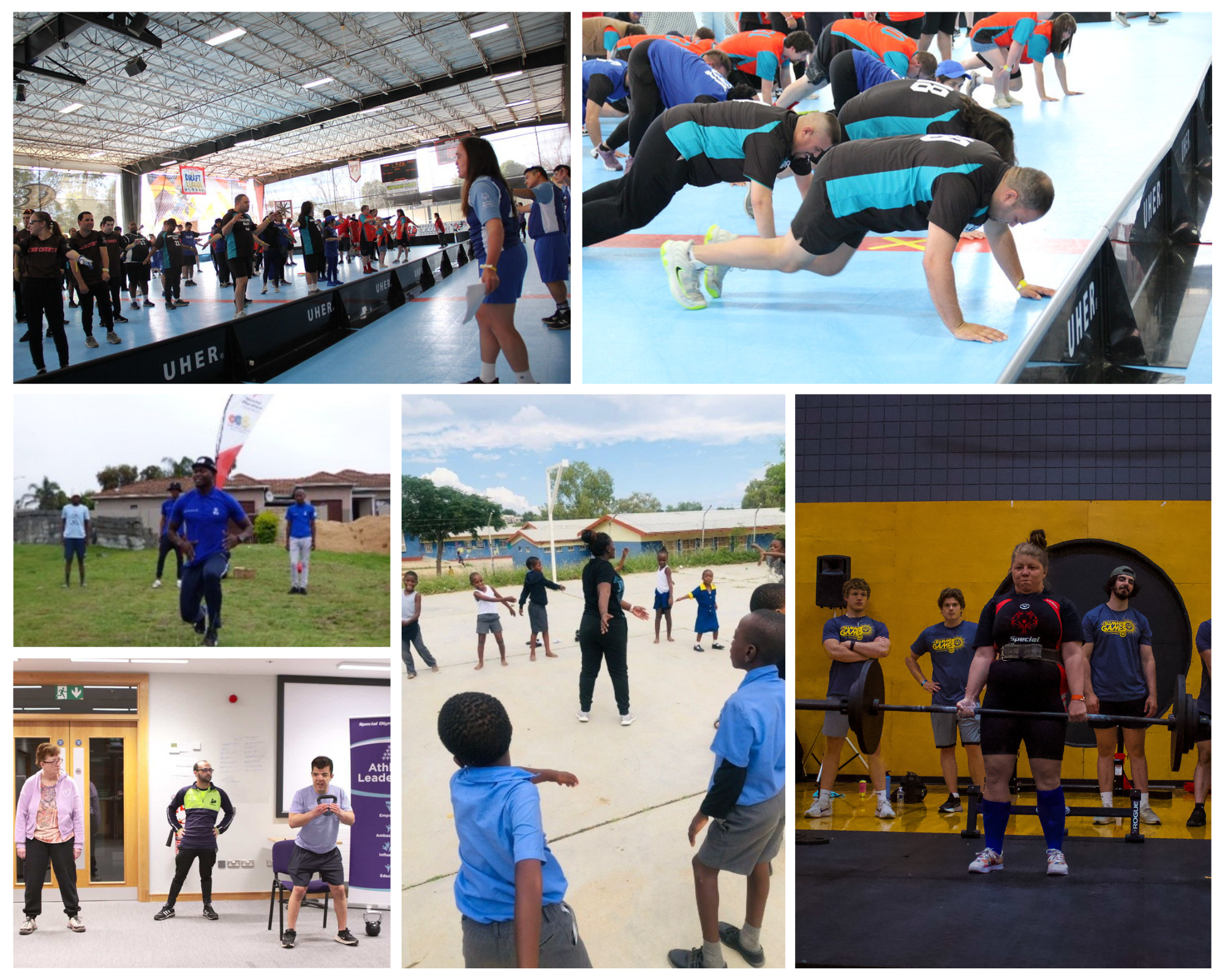
Fitness is a key aspect of Special Olympics’ mission. Special Olympics Fitness comprises three components that focus on healthy lifestyle behaviors: physical activity, nutrition, and hydration. When Special Olympics athletes practice regular physical activity, eat healthy, and stay hydrated, they improve their health, confidence, and quality of life.
According to Special Olympics Fitness 2024 Annual Report, 74% of athletes report improved confidence in doing physical activity after participating in Special Olympics fitness programming. This focus on fitness extends beyond individual athletes and into entire communities. Across the globe, Special Olympics Athlete Leaders and coaches are inspiring others to be more active daily. They are dedicated to making fitness more inclusive, leading education and fitness activities, and empowering their fellow athletes, family members, and other supporters of the Special Olympics movement to live healthy lifestyles.
This emphasis on movement is celebrated globally on World Day for Physical Activity, observed annually on 6 April, which promotes physical activity and encourages people of all abilities to move more every day. This World Day for Physical Activity, we’re highlighting Athlete Leaders and a coach who have taken on a variety of leadership roles to empower athletes to stay active year-round. Get to know them below!
Ayoub Deboub – Special Olympics Ireland

Ayoub Deboub is an athlete, football and Special Olympics Young Athletes coach, Certified Personal Trainer, Special Olympics International Fitness Advisory Committee member, and advocate for people with intellectual and developmental disabilities (IDD). He is passionate about making fitness inclusive for everyone.
Having grown up with a disability and gone through multiple surgeries, Ayoub understands first-hand the challenges and barriers people with IDD face when it comes to physical activity. These experiences have shaped his belief that sport isn’t just about winning; it’s about building skills, confidence, and empowering every athlete to reach their full potential.
Reflecting on these experiences, Ayoub said, “Throughout the years, I’ve worked in schools and centres to create opportunities for people of all abilities. I hosted a fitness workshop for the Eastern Region in Special Olympics Ireland, focusing on breaking barriers for physical activity by introducing simple, adapted, and enjoyable exercises. There were team-building exercises and stations with different workouts for the athletes. The energy and engagement throughout the session were incredible, with many stepping outside their comfort zones.
By the end, participants felt more empowered and motivated to stay active in their daily lives. I believe the workshop made a real impact by showing that disability should never be a limitation to leading an active and healthy lifestyle.”
To Ayoub, fitness means empowerment, inclusion, and personal growth.
Krystal Johnson – Special Olympics Southern California

Krystal Johnson has been an athlete with Special Olympics Southern California for 25 years. She is a multi-sport athlete competing in tennis, floorball, bowling, and athletics. As a Fitness Captain, Krystal supports her teammates in maintaining their health on and off the field. Fitness Captains are athletes on a sports team who lead the team in activities related to fitness and a healthy lifestyle. Krystal uses her leadership and communication skills to empower athletes to be healthy and fit.
When asked about why she wanted to become a Fitness Captain, Krystal shared, “I enjoy being a Fitness Captain leading warmups and cooldowns with my fellow teammates. I want to help us all get ready for a good day at practice. I want to help promote fitness to my teammates by being an example. They see me working with the coaches and this is something that they can learn to become part of.”
Banele Makhonco – Special Olympics South Africa

Banele Makhonco is a Special Olympics South Africa athlete, coach, and Athlete Input Council member based in the Eastern Cape Province. He has become a true champion in health and fitness.
For Banele, fitness goes beyond staying healthy; it’s become a way for him to connect with others in his community. In addition to leading boot camp fitness activities in his community, Banele also runs inclusive training sessions for people of all abilities, helping each person reach their true potential.
Banele explained, “I help others with routines, training strategies, and training plans. I also assist other colleagues and the local gym. Most importantly, I support my former school with fitness sessions and assist selected athletes when they go to Provincial or National Games.”
Banele is also passionate about teaching others about the importance of nutrition, and that to be a great athlete, you must be a healthy athlete. His hope this World Day for Physical Activity is that everyone can “understand that health and fitness is a way of life. It is important to keep fit and live healthy because you can live a longer life without suffering from petty illnesses.”
Susan David – Special Olympics Namibia (Coach)

Susan David has been a Special Olympics Namibia coach for 27 years. Her journey into fitness and health was shaped not only by her passion, but by the athletes she coached.
When Susan first started fitness training, she shared that she “was simply a coach who gave instructions to athletes. I guided them on what to do, but I was not fully practicing what I was teaching. Over time, the athletes began to influence me in a powerful way. Their dedication and energy rubbed off on me, and I became more interested in fitness myself.”
Susan found herself inspired by the dedication and energy of the athletes, which led her to follow what she loved.
“I started doing what I preached,” Susan shared. “One athlete who lives close to my house, a [Special Olympics] Health Messenger, played a big role in my journey. He would remind me about my running schedule and encourage me to stay consistent.Today, I love running and continuously work towards improving my fitness.”
Today, Susan continues to lead fitness sessions with the support of Fitness Captains and Health Messengers in schools and communities.
Kayla Cornell – Special Olympics Michigan

Kayla Cornell is a Health Messenger, athlete, and serves on the Special Olympics Fitness Team’s Athlete App Advisory Committee. One way Kayla motivates her fellow athletes and herself to stay active is by using the Special Olympics Fitness App.
The Special Olympics Fitness App is a free, inclusive fitness tool designed to help athletes with IDD stay active, build healthy habits, and feel empowered in their wellness journey. The app features fun challenges and helps you track your workouts, nutrition, sleep, and mental wellness.
When asked about her favorite features of the app, Kayla mentioned: “What really sets the experience apart for me is the resource section. I use a ton of the resources available there to stay informed and keep my routine fresh. Whether it’s looking up new exercise techniques or following health tips, having all that information in one place makes staying healthy feel much more manageable.”
The app also provides healthy tips to stay motivated and lets users share their progress with friends. “We talk a lot about how the app makes fitness fun and less stressful, and by working together from different places, we can show others that you don’t have to be in the same room to stay active,” Kayla added.
These stories remind us of the importance of being active year-round, and how this can promote well-being among athletes, families, and community members.
Interested in learning more? Download the free Special Olympics Fitness App on the Apple or Google Play stores. The app features health behavior tracking, goal setting, fitness challenges, and resources, including being able to do Fit 5 exercise videos right from your phone!

Four astronauts are currently hurtling toward the Moon in a spacecraft no larger than two minivans. On the historic Artemis 2 mission, the secret to staying fit is a 13.6-kilogram device called the Flywheel Exercise Device, or FED.
As Commander Reid Wiseman, Pilot Victor Glover, Mission Specialists Christina Koch and Jeremy Hansen journey through deep space, they are using this miniaturised gym to combat the harsh effects of microgravity.
HOW DOES THE FLYWHEEL GYM WORK?
In the weightlessness of space, muscles and bones begin to weaken almost immediately because they no longer have to support the body against gravity.
To prevent this, the FED uses a cable-based system similar to a yo-yo.
When an astronaut pulls the cable, an internal wheel spins and stores energy.
As the user pulls back against the spin, the wheel creates a smooth and steady resistance.
This clever design allows the crew to perform heavy strength training without needing any actual weights, which would be impossible to use in the weightless environment of space.
The FED is a masterclass in space engineering. Unlike gyms on Earth that rely on heavy weights, the flywheel provides up to 180 kg of variable resistance using physics alone.
This allows the crew to perform squats, deadlifts, and rowing in an extremely cramped environment.
WHY IS EXERCISE VITAL FOR LUNAR MISSIONS?
Without a daily 30-minute workout, the crew would face rapid physical decline.
This mission is the first crewed flight beyond low-Earth orbit since Apollo 17 in 1972, meaning the stakes are incredibly high.
There is no quick way back to Earth for medical help, so keeping the heart and bones strong is a non-negotiable mission requirement.
WHAT IS DAILY LIFE LIKE INSIDE ORION?
Recent footage shows Victor Glover exercising while Jeremy Hansen prepares a chocolate pudding cake.
Life inside the Orion capsule is a constant act of multitasking. The crew sleeps in custom nooks to save space, and every movement is monitored by ground teams.
Even the act of breathing during a heavy workout affects the cabin air quality, as the life support system must work harder to scrub carbon dioxide and moisture.
This tiny gym is more than just fitness equipment.
It is a vital piece of technology that ensures humans can survive and thrive as they venture back to the Moon and eventually to Mars.
– Ends
Tune In

North Dakota approves certificate of site compatibility for 400MWh BESS from NextEra Energy Resources

Commitment 2026: Key races, dates ahead of Ohio, Kentucky, Indiana elections

Fire damages apartment complex in northwest Oklahoma town

Kentucky showing interest in Oregon forward Kwame Evans Jr.

Pa. data centers: How lawmakers are responding, from electricity and water use to tax breaks

Florida High School Football Rankings: Top 25 teams – Oct. 21

How old is Bo Nix? What to know about Oregon quarterback ahead of 2024 NFL Draft

Cleary's 21 help Le Moyne down Central Connecticut State 69-64 in OT

99th annual Pony Swim held in Virginia

Indiana Members Credit Union announced as new anchor tenant at Bottleworks District

Ilhan Omar calls Trump an ‘unhinged lunatic,’ urges booting him out of office
Between Budapest and Brussels: Péter Magyar’s political tightrope
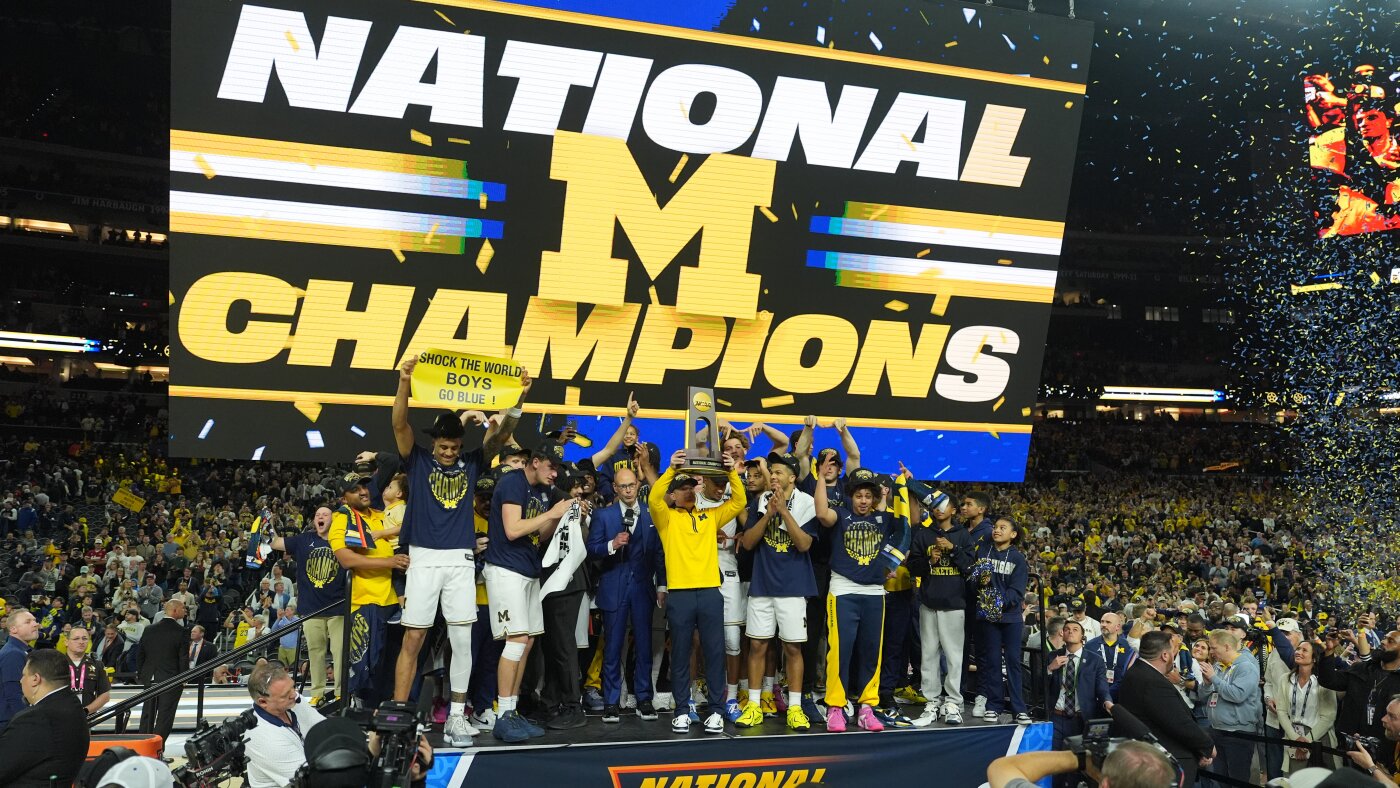
Michigan muscles its way to program’s 2nd NCAA basketball title, beating UConn

Map: Minor Earthquake Strikes Near San Diego

Trump claims he’d win as the president of Venezuela — just needs to ‘quickly’ learn Spanish
-

 Atlanta, GA2 days ago
1 teenage girl killed, another injured in shooting at Piedmont Park, police say
-

 South-Carolina1 week ago
South Carolina vs TCU predictions for Elite Eight game in March Madness
-

 Movie Reviews5 days ago
Vaazha 2 first half review: Hashir anchors a lively, chaos-filled teen tale
-

 Vermont1 week ago
Skier dies after fall at Sugarbush Resort
-

 Politics1 week ago
Trump’s Ballroom Design Has Barely Been Scrutinized
-

 Politics1 week ago
JD Vance says he was ‘obsessed’ with UFOs, believes aliens are actually ‘demons’
-

 Politics1 week ago
Jeffries declines to break with indicted Democrat after ethics panel’s guilty verdict
-
 Entertainment5 days ago
Inside Ye’s first comeback show at SoFi Stadium