Hawaii
2024's Towns In Hawaii That Come Alive In The Fall


Most people think that it is always summer in Hawaii. However, like most of the country, the Hawaiian islands transform when autumn comes around. It may remain warm throughout most of the year, and people may continue visiting the islands’ famous beaches and volcanoes, but there is magic that seems to fill the air around October and November. Many hiking trails are surrounded by deep reds and yellows instead of lush greens, and the towns come alive with festivals celebrating the season.
Hilo
Visitors love coming to Hilo when the temperatures cool because the rainforests and waterfalls become more vibrant. While the temperature is consistent all year, fall brings lower humidity, making long hikes into the wilderness much more comfortable. People spend more time outside, enjoying the natural beauty of the town and its vibrant surroundings. The essence of autumn is in the air, while the island is still full of life. Crisp waterfalls, moss-covered trees, and the scent of beautiful tropical flowers wait for you here.
In November, there is a coffee festival where visitors learn about the process of making the beverage they consume every morning, and the farmer’s market makes it easy to get the delicious produce and homemade crafts only available this time of year. You may not see the change in foliage found on the mainland, but you will find gorgeous wildlife like the Hawaiian Honeycreeper and other tropical birds. A gecko could be basking in the warm sunlight. And the sound of crickets fills the air every night with a thunderous, yet peaceful, harmony. Hilo is a definite destination for touring Hawaii in the fall.
Kailua-Kona

Though the crowds are thinner in the fall, the weather is still warm enough to enjoy the beautifully pristine beaches of Kailua-Kona. Have fun swimming and snorkeling during the day, but prepare to see a different side of the town at night. The humidity is much lower in the fall, making the nights crisp and comfortable enough to enjoy the vibrant nightlife. Go dancing, enjoy delicious seasonal cuisine, and have a nightcap.
In the fall, with fewer tourists around, you’ll have the chance to enjoy the pristine Magic Sands Beach. You may feel like you’re in a movie on those long stretches of beach, though the sands may shift, and they can even disappear during Winter due to high surf. Enjoy seeing wildlife like manta rays and sea turtles. The leaves do not change much in the fall, but the skies definitely do. Go down the Kona coast and enjoy a sunset filled with deep oranges, reds, and purples as though a painting is being brushed before you. While the tourists are gone, be sure to go get some photos at the historic Hulihe’e Palace, where Hawaiian royalty once came to spend their vacation time. Fall brings cool air and an electrifying atmosphere to Kailua-Kona.
Lahaina
Summer fades away in October, making it a perfect time to visit the wonderful village of Lahaina. This is one of the most culturally rich towns in Maui, and the absence of tourists, along with the crisp, salty air, makes fall a great time to visit. Lahaina is filled with historic places to visit and learn about the rich culture of the island.
Take a stroll through the Lahaina Historic District and visit the Banyan Tree. It is one of the most beautiful things you will see in Hawaii. Having been planted in 1873, it is the largest in the country. The refreshing air sways through its branches, which now cover half an acre. Many visitors like to sit under the rustling leaves, letting the coolness of the evening settle around them.
You may not see leaves changing into dark autumn colors, but visitors to Lahaina in the fall enjoy other things, such as watching the whales entering the area in late November. Many tour companies will take you out on a boat so you can see whales breach the water and slap it with their tails. Many have only witnessed this sight on television, but seeing it up close is unforgettable. Lahaina is a town that has to be seen in the fall to get the full experience.
Honolulu
The summer crowds dwindle when fall arrives, making Honolulu a more relaxed and pleasant place to be. Fall gives Oahu a rest from the long lines that summer visitors often experience at popular sites like Waikiki Beach and other traditional places. However, the warm weather is perfect for enjoying the outdoors. A fragrant breeze washes over the area when the air cools, allowing you to stay out longer and enjoy the gentle sand and the deep blue color shimmering from the water.
You may see a shift in the colors in places like Diamond Head, but the crisp blue sky is different from the one summer visitors enjoy. It is still warm enough to enjoy a little swimming or snorkeling, but many events take place during the fall, like the Honolulu Pride Festival, celebrating the diversity of the local communities. October also brings the Waikiki Fall Festival, a great opportunity to get local handmade crafts and jewelry that you will not find in any of the gift shops. You will also get some great-tasting seasonal food like caramel apples and pumpkin cookies that you will not find in tourist restaurants. Honolulu, in the fall, is one of the best places in Hawaii to be.
Hana
Hana in the fall is a peaceful place that will give you a chance to see the island of Maui in a more intimate way. The fall breeze washes through the rainforest, pushing the vibrant fragrances of the tropical plants there. The air feels more crisp when you stand by a serene waterfall without the usual crowds of tourists.
If you want to escape the busier spots that may still be crowded with tourists in the fall, Hana may offer the respite you seek. Walking down the secluded Pipiwai Trail will surround you with vegetation turning a dark hue. Drive along the Hana Highway to discover breathtaking island views like the Kahanu Garden. You can take a glimpse into the past of the islands through gorgeous plants and ancient cultural locations. Fall is a perfect time to visit Hana and immerse yourself in the beauty that Maui has to offer.
Hanalei
Stunning landscapes await visitors who come to Hanalei in the fall. You may not see a dramatic change in the color of the leaves, but the island’s natural beauty shines. The fresh, crisp air brings the scent of saltwater, making an evening on the beach watching a picture-perfect sunset a memory that will not be forgotten.
The breathtaking views of the mountains that stretch up on either side of the town stand out even more when the air becomes cooler. The patches of red and orange in the forests bring a gorgeous accent to the lush greenery. Hiking along the Na Pali Coast trails will offer more opportunities to see the picturesque beauty Hanalei has to offer.
Visiting the local farmer’s market is a wonderful way to sample the island’s seasonal fruits and vegetables. A cool breeze carries the scents of homemade candles, local honey, and freshly baked bread, making Hanalei an unforgettable place to be in the fall.
Haleakala
One of the most breathtaking scenes to behold is the volcanic landscape of Haleakala at sunset in the fall. The skies become clearer as the refreshing, crisp air blows in. The crowds that are here in the summer thin out in the fall, allowing you to experience Haleakala differently. Visitors can stand on the peak of the volcanic shield and take in a magical sight as the skies fill with amber and violet hues.
Have relaxing walks along the Sliding Sands Trail without having to worry about the heat of the day. You will see amazing bursts of wildflowers during the day and a sky filled with a canvas of stars at night. The cool air makes the sky so visible you can count the shooting stars you see. A visit to Haleakala in the fall will be an unforgettable trip you will talk about for years to come.
Pahoa
The Big Island of Hawaii has a vibrant hidden gem that offers a unique experience in the fall: Pahoa. Known for its Bohemian atmosphere, quirky shops, art studios, and delicious restaurants, Pahoa has a more relaxed energy when the tourist season is over. Visitors can connect more personally with locals and experience the area’s unique charm.
The more comfortable weather lends an excellent opportunity to visit outdoor attractions like the Lava Tree State Monument, where you can explore Hawaii’s fascinating volcanic history. Take a walk through an eerie landscape of lava trees that were formed by volcanic eruptions over millions of years. A quiet hike through the trails will allow you to appreciate these natural formations and take beautiful pictures without other visitors getting in the way. The quieter side of Pahoa is what you can experience in the fall and is the perfect place to experience an enchanting fall season.
Kapa’au
Visitors who want an authentic Hawaiian experience should visit the town of Kapa’au when the summer tourist season is over. This little town is filled with a rich history and culture you can hear about in more detail once the crowds thin out. Visit the statue of King Kamehameha, who was born there. You will also be able to see all the shops and art galleries without having to wait in line or deal with crowds. The cooler weather gives visitors a chance to take a hike through Pololu Valley and see a beautiful view of the coast in the crisp autumn air.
A beautiful experience waits for you from September to November. The relaxed vibe and peaceful quiet make this little town one of Hawaii’s hidden gems and is especially enjoyable in the fall.
Hawaii in Fall: A Unique Island Adventure
Hawaii is a destination for millions of tourists throughout the summer, offering culture, cuisine, and pristine beaches. However, the islands come alive in the fall when the tourists come home. Visiting Hawaii in the fall allows you to see the natural beauty absent in the summer. It also offers a chance to see the genuine people. When the persona of what the tourists expect to see is gone, you will enjoy seeing culturally significant art and tasting authentic food. There are also more chances to explore as the cooler temperatures make the outdoors more inviting. Whether you want to relax, immerse yourself in culture, or see the natural beauty of the rainforests and volcanoes, Hawaii has plenty of treasures in the fall. Be sure to make a trip to Hawaii in the fall, something you do in your lifetime.


HONOLULU (KHON2) — Various celebrations — beyond the usual fireworks and barbecues — marked the U.S.’s 250th anniversary on Independence Day.
From regatta to an annual Japanese tradition on Oʻahu, here’s four other events that took place on this July 4.
84th Regatta
To start off the morning, the 84th Walter J. Macfarlane Memorial Canoe Regatta was held at Waikiki Beach.
“Today there’s a swell. It’s not huge, but it’s not flat, so I mean it’s like a perfect requirement day, there’s excitement, there’s enough activity to keep it, first the variable, and keep everybody on their toes, and it makes for close races,” said Jim Foti with the Lanikai Canoe Club.
Canoe paddlers of all ages hit the water for a full day of racing.
“We have had some really fun races this morning,” said Siana Austin Hunt, president of the Oahu Hawaiian Canoe Racing Association. “Our kids did really well. We also had some great finishes with a lot of crews finishing on the same wave.”
The regatta is a tradition that is recognized as the longest-running outrigger canoe races in the world.
America250
Kapiolani Park served as the backdrop for America’s once-in-a-lifetime celebration commemorating 250 years. The free event brought families together for food, music, performances and special recognition for our military and veterans.
“There’s a lot of people that’s been going around the different booths and the different venues and enjoying themselves, listening to the music every hour on the hour, and at the same time they’re looking at some of the auditory, tasting the various different types of food, and just enjoying yourself and relaxing,” said Lynn Mariano, commissioner of Hawaii America250 Commission.
La Hoʻihoʻi Ea
While many celebrated Independence Day, others gathered at Iolani Palace to reflect on a different perspective of Hawaiʻi’s history into statehood.
The event highlighted La Hoʻihoʻi Ea, or Sovereignty Restoration Day, which commemorates the history of the Hawaiian Kingdom and encouraged a discussion about Hawaiian sovereignty and self-determination.


“We’re here to reclaim our place to retell our stories and to resound the message of Hawaiian sovereignty restoration,” said Imai Winchester, lead organizer for La Hoʻihoʻi Ea.
The free event included cultural performances, music, educational exhibits, speakers and family activities. It was the first of a month-long series of events that will lead up to a celebration on July 26 at Thomas Square.
Organizers said it’s an opportunity to learn, reflect and celebrate Hawaiian identity.
Mōʻiliʻili Summer Fest
An annual Japanese tradition fell on the 4th of July this year. The popular Mōʻiliʻili Summer Fest drew in thousands to the Old Varsity Theater parking lot on University Avenue.


Now in its 13th year, the event prides itself on having one of Honolulu’s largest bon dances — and no obon festival is complete without taiko drums and andagi.
One of the booths was prepared to sell thousands of the deep-fried treat, with proceeds supporting Hawaii’s young athletes.
The festival is held every first Saturday of July.

HONOLULU (HawaiiNewsNow) – Partly to Mostly Sunny skies with windward and mauka showers drifting leeward at times. Most of the rainfall will be light and in the overnight to early morning hours with an increasing trend on Tuesday and stronger trends on Thursday and Friday; which is good because we need to beneficial rainfall.
View the latest weather conditions here.
Trade winds will continue blowing from the east all week while a high-pressure system sits north of Hawaii, keeping conditions mostly stable. On Tuesday, a weak weather system moving in from the east will bring some extra showers across the islands, but nothing major. A more significant system arrives Thursday through Friday—it’s actually the leftover remains of a tropical cyclone—and will bring noticeably heavier rain, especially on the windward sides of the islands (the sides facing the trade winds) and on mountain slopes, with humidity increasing as well. The highest rainfall will happen Thursday through Friday, though overall rainfall amounts will stay limited due to large-scale stability in the atmosphere.
A Small Craft Advisory now in effect for all Hawaiian waters (a warning for smaller boats to be cautious). A new long-period swell from the south-southwest is already moving in and will boost south shore surf heights to near-High Surf Advisory levels through Monday before gradually fading. East-facing shores will remain rough and choppy throughout the week from the strong winds, while north-facing shores will stay relatively flat. These windy conditions and Small Craft Advisories will continue through the entire week.
Download the HNN Weather app from the Apple App Store or Google Play for the latest updates from your First Alert Weather Team: chief meteorologist Jennifer Robbins, meteorologist Drew Davis, and weather anchors Guy Hagi, Ben Gutierrez, and Billy V.
Copyright 2026 Hawaii News Now. All rights reserved.

HONOLULU (HawaiiNewsNow) – A woman has died after a crash that shut down the H-1 Freeway westbound in Honolulu Saturday.
According to the Honolulu Police Department, officers responded to a single-vehicle crash just before 6 p.m. near the Aala Street overpass.
Sources said a woman in her late 20s was pronounced dead at the scene.
First responders remain on scene, and the investigation is ongoing.
The city said via HNL Alert that all westbound lanes of the freeway near the Aala Street overpass are closed and access is restricted to emergency vehicles only.
Officials said those on the H-1 West are being diverted off the freeway at the North School Street cutoff.
Drivers are asked to avoid the area.
Copyright 2026 Hawaii News Now. All rights reserved.
-

 Detroit, MI5 minutes ago
Power outage forces flaring at Marathon’s Detroit refinery; portion of Schaefer Road closed
-

 San Francisco, CA17 minutes ago
San Francisco’s fireworks show ends in hours of gridlock involving Waymo cars
-

 Dallas, TX20 minutes ago
FIFA Fan Fest in Dallas paused due to lighting in the area Sunday evening
-

 Miami, FL25 minutes ago
Venezuelan Independence Day: Aid efforts continue after devastating earthquake
-

 Boston, MA32 minutes ago
Timeline: Looking back on Jaylen Brown’s Celtics career – The Boston Globe
-

 Denver, CO35 minutes ago
Denver police arrest suspect in fatal July 4 triple stabbing
-

 Seattle, WA40 minutes ago
UPDATE: Water-rescue response off west end of Alki Beach
-
 San Diego, CA47 minutes ago
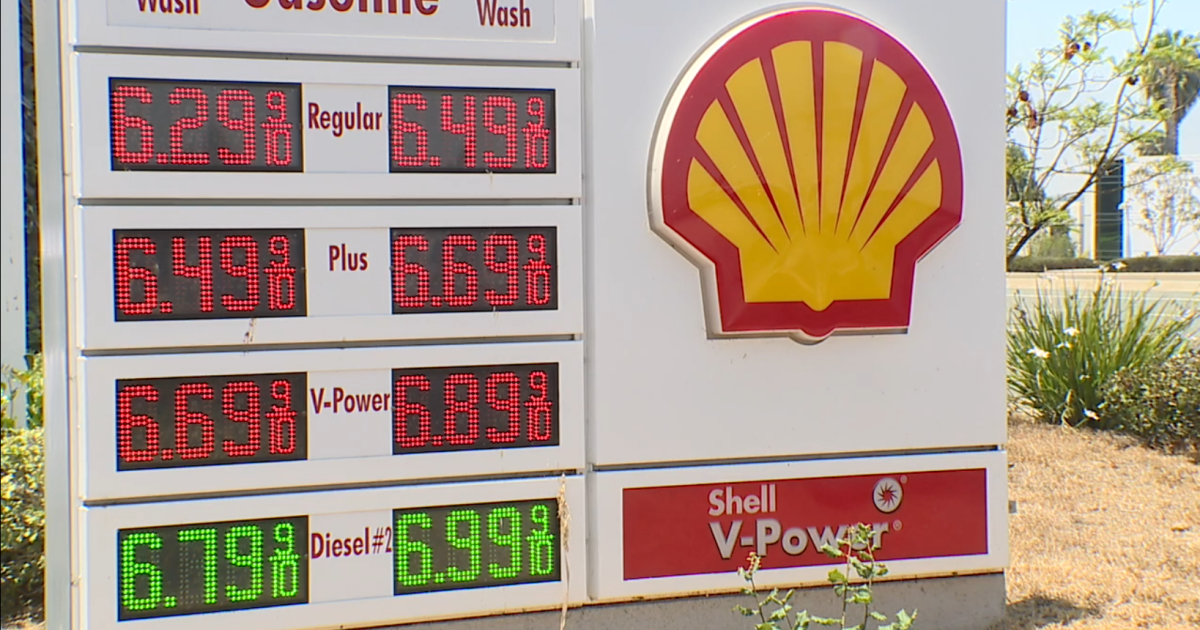
San Diego County Gas Prices Still Dropping

