Utah
Utah expands traction law for vehicles in Cottonwood Canyons


SALT LAKE CITY — The latest version of Utah’s traction laws may upset people looking to enjoy Big and Little Cottonwood canyons before a storm even hits the area.
With the newest update to the law being implemented by the Utah Department of Transportation, officials are now able to enforce traction requirements up to 24 hours before a storm front moves in.
UDOT says the update, which came through legislation passed earlier this year, allows drivers to “prepare before snow starts falling.” The revised law also requires vehicles in the canyons to have at least 5/32 inch of tire tread, and allows for “stricter enforcement” during storms.
The new version enables law enforcement agencies to issue citations for those who violate the traction law.
“Our new, enhanced traction requirements are all about safety,” UDOT Region Two Director Robert Stewart said. “These updates make sure drivers have the right equipment before heading into the canyons, even if a storm rolls in while they’re parked. We hope this gives everyone more peace of mind knowing they, and the drivers around them, are ready for winter conditions.”
Traction law enforcement is handled by the Cottonwood Heights and Sandy City police departments, with additional support from the Salt Lake County Sheriff’s Office for roadside and parking enforcement.
UDOT is working to help drivers prepare, offering the free Cottonwood Canyons Sticker Program, which provides voluntary winter tire inspections at more than 140 tire shops. Those inspections run from November 13 to February 28.
The sticker program is free and voluntary, and the stickers are not required to drive in Big or Little Cottonwood Canyon. The stickers work to show that a vehicle has proper traction devices for traveling in the canyons when the Traction Law is in effect.
“It takes all of us working together to keep our canyons safe,” Stewart said. “Winter recreation is a Utah tradition we all value. A little preparation now means more time enjoying the mountains, and less time worrying about safety or compliance.”
According to UDOT, since launching the sticker program in 2021, 86% of participants say they noticed more vehicles in the canyon that are properly equipped for winter.
Drivers are also encouraged to plan ahead, slow down, and consider using transit to reach ski resorts. Real-time updates on canyon conditions are available through the UDOT website.



After failing to make the ballot, the loss of SD12 adds to the margin of defeat for a push to overturn Utah’s gerrymandering ban.
(Trent Nelson | The Salt Lake Tribune) A sign at the site of signature gathering to repeal Prop 4 at Linda Vista Park in Syracuse on Thursday, Feb. 5, 2026.

SALT LAKE CITY — An Oklahoma-based kratom manufacturer is suing over Utah’s new law limiting sales of the compound, saying it could cost the company more than $10 million when it takes effect next month.
Botanic Tonics LLC manufacturers, distributes and sells a dietary supplement made of kratom and noble kava root known as “feel free,” according to a lawsuit filed in federal court on March 31. The company said SB45, which lawmakers passed in the recent legislative session, would prohibit it and three other companies from selling products at more than 300 retail locations statewide.
“Immediate projected losses to plaintiffs due to the statute’s ban on combination kratom dietary supplements exceed $10,704,428,” the complaints states. “To comply with the statute, plaintiffs have notified their direct to store distributors that all kratom leaf products combined with any other ingredient must be removed from store shelves and not made available for sale as of May 6, 2026, unless action is taken by this court to enjoin implementation of the statute.”
It went on to say that the law “denies access to such products for which there is clinical trial data establishing that they do not present a significant or unreasonable risk of illness or injury.”
The lawsuit was filed against Utah Attorney General Derek Brown and several state officials: Kelly Pherson, commissioner of the Utah Department of Agriculture and Food; Amber Brown, deputy commissioner of the Utah Department of Agriculture and Food; and Bradon Forsyth, director of the Utah Specialized Product Division.
Botanic Tonics filed the suit in conjunction with the Kratom Coalition Inc., asking a judge to declare Utah’s limits on kratom sales unconstitutional and block the state from enforcing it through a preliminary injunction. The company sued Utah’s Department of Agriculture and Food in a separate state court last year, but that complaint was eventually dismissed.
Kratom comes from a tropical tree and is used by some people for pain management. Kratom products have been sold in retail shops and include powders, gummies, teas and energy drinks.
The substance has been called “gas station heroin” because it can act on the same receptors in the brain that opioids do. Synthetic products derived from kratom can lead to overdose.
SB45 takes effect May 6 and will only allow for the sale of pure leaf kratom in Utah, and only in smoke shops and similar stores. It also gives manufacturers one year to stop producing anything other than pure kratom leaf in the state.
The bill’s sponsor, Sen. Mike McKell, R-Spanish Fork, said the law was meant to protect Utahns from the product. He said based on an informal poll he took of gas station clerks, “feel free” is one of the most popular kratom products sold in Utah, and called the product “extremely potent, extremely addictive.”
“I’m not worried about it being struck down,” he said of the law. “And the lawsuit doesn’t surprise me. This company has been very aggressive. They’ve sued the state in the past. Ultimately that case was dismissed, but I am confident in our case.”
The Key Takeaways for this article were generated with the assistance of large language models and reviewed by our editorial team. The article, itself, is solely human-written.

Utah regulators have cleared Y Combinator-backed Legion Health to let its artificial intelligence (AI) renew certain psychiatric prescriptions without a doctor signing off each time, The Verge reported on Friday (April 3). The $19-a-month pilot runs for a year and covers non-controlled, non-benzodiazepine maintenance medications.

Video: The Fragile Cease-Fire in Iran

How Iran’s Information War Machine Operates Online

Video: NASA Prepares for Artemis II’s Return to Earth

Inside a One-Man Workshop for Ultrapotent Drugs

Hilariously caustic ‘Big Mistakes’ drags Dan Levy into organized crime

Florida High School Football Rankings: Top 25 teams – Oct. 21

How old is Bo Nix? What to know about Oregon quarterback ahead of 2024 NFL Draft

Cleary's 21 help Le Moyne down Central Connecticut State 69-64 in OT

99th annual Pony Swim held in Virginia

Indiana Members Credit Union announced as new anchor tenant at Bottleworks District
Video: The Fragile Cease-Fire in Iran

Spanberger ripped after taking credit for billions in investments secured under GOP predecessor: ‘Pathetic’

Newsletter: NATO holds amid fragile Iran ceasefire
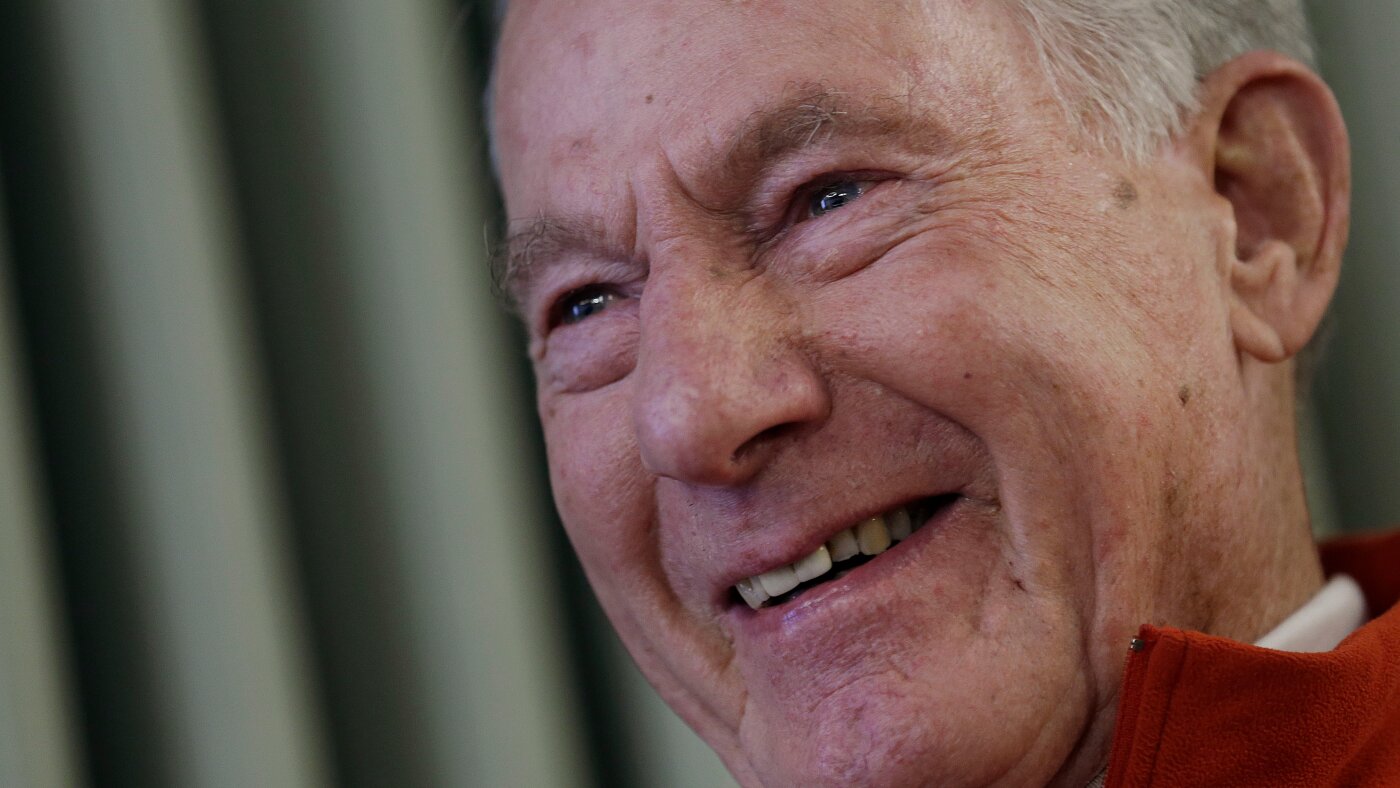
Jim Whittaker, the first American to summit Mount Everest, dies at 97

Video: Military Families Bear the Burden of War, Again
-

 Atlanta, GA4 days ago
1 teenage girl killed, another injured in shooting at Piedmont Park, police say
-

 Culture1 week ago
Do You Know Where These Famous Authors Are Buried?
-

 Movie Reviews1 week ago
Vaazha 2 first half review: Hashir anchors a lively, chaos-filled teen tale
-

 Georgia2 days ago
Georgia House Special Runoff Election 2026 Live Results
-

 Education1 week ago
Video: We Put Dyson’s $600 Vacuum to the Test
-

 Pennsylvania2 days ago
Parents charged after toddler injured by wolf at Pennsylvania zoo
-
 Milwaukee, WI3 days ago
Potawatomi Casino Hotel evacuated after fire breaks out in rooftop HVAC system
-
 Entertainment1 week ago
Inside Ye’s first comeback show at SoFi Stadium