Oregon
NCAA Tournament first-round predictions: Will Arizona, Oregon survive upset bids?


The East Region of the 2025 NCAA Tournament is loaded with offensive talent.
From No. 1 seed Duke to No. 13 seed Akron, the region features a host of teams who like to play fast and can put up points in bunches.
At least three of those teams — Arizona, Oregon and BYU — face tough first-round matchups. And No. 7 seed Saint Mary’s — one team that doesn’t play fast — will have its hands full with No. 10 Vanderbilt.
East Region first-round predictions: Seattle
The first-round matchups in the East are spread over four regional “pods” — Raleigh, North Carolina; Cleveland; Denver; and Seattle.
The Seattle pod features No. 4 Arizona vs. No. 13 Akron and No. 5 Oregon vs. No. 12 Liberty. Akron and Liberty are both flying across the country; Arizona has a short flight from Tucson; and Oregon could drive to Seattle from Eugene.
Akron doesn’t have an impressive resume — 0-1 in Quad 1 games — but the Zips present myriad issues with their balance and shooting ability. They’ve made 369 3-pointers this season and they feature seven players who have made at least 30 triples.
Compare that with Arizona, who has made 232 3-pointers and has only three players who have drained 30 more from downtown. But the Wildcats are built around toughness and paint points, and their size should ultimately be too difficult for Akron to handle. Arizona is favored by 13.5 points, but it will be closer than that.
Prediction: No. 4 Arizona 85, No. 13 Akron 77
Oregon landed in the dreaded 5-12 matchup, which has produced more upsets than any other seed since the NCAA Tournament expanded in 1985 — a whopping 55 upsets. And there were two last season: No. 12 Grand Canyon beat No. 5 Saint Mary’s and No. 12 James Madison stunned No. 5 Wisconsin.
The difference between the 12-5 and 13-6 matchup is staggering: Only 33 No. 13 seeds have upset No. 4 seeds since 1985.
Oregon has won eight of its last nine, but only one of those wins was against an NCAA Tournament team (Wisconsin). The Ducks finished No. 29 in the NCAA NET Ranking and went 8-7 in Quad 1 games, but most of those wins came over two months ago.
Liberty finished No. 60 in the NET and doesn’t have a single Quad 1 win, but the Flames have remarkable balance — and one of the best shooters in the country in senior guard Taelon Porter, who is averaging 13.9 points and shooting 46% from downtown.
Liberty has four players who score in double figures and seven who average at least 8.8 points per game. They also have length and tons of experience. Fifth-year senior guard Kaden Metheny (13.5 ppg) has been on a heater his last three games, shooting 16-of-31 from downtown to lead Liberty to the CUSA Tournament championship.
Oregon’s 7-foot sophomore Nate Bittle will be a problem for Liberty, but the Flames have enough big bodies to throw at him, and if they get hot from downtown, watch out. There’s a reason Oregon is only favored by 6.5 points. Down goes another No. 5 seed.
Prediction: No. 12 Liberty 73, No. 5 Oregon 68
East Region first-round predictions: Raleigh
Baylor’s zone will give Mississippi State problems, and freshman VJ Edgecombe is getting better and better. The Bears are built for March.
Prediction: No. 9 Baylor 75, No. 8 Mississippi State 69
With our without Cooper Flagg, Duke will roll to victory over the play-in winner between American and Mount St. Mary’s. We’re predicting American will win, and move on to face Duke.
Prediction: No. 1 Duke 81, No. 16 American 57
East Region first-round predictions: Cleveland
Robert Morris (26-8) is really good, but Alabama (25-8) is on a different level. The Crimson Tide should win by 20.
Prediction: No. 2 Alabama 89, No. 15 Robert Morris 69
After being upset by Grand Canyon in the first round last season, Saint Mary’s has another tough draw in 2025. The Gaels have to travel across the country to face Vanderbilt, a team that has wins over Tennessee, Kentucky and Texas A&M.
The Commodores have played a much tougher schedule than Saint Mary’s, and that will make the difference in this one.
Prediction: No. 10 Vanderbilt 71, No. 7 Saint Mary’s 67
East Region first-round predictions: Denver
No. 3 Wisconsin shouldn’t have much trouble with No. 14 Montana. The Badgers are favored by 14.5 points, but they’ll win by more than 20.
Prediction: No. 3 Wisconsin 78, No. 14 Montana 56
In the final first-round game in the East Region, BYU has to face a VCU team that is much better than its No. 11 seed. The Rams finished No. 31 in NET — just six spots behind BYU.
BYU has been playing incredible basketball the past five weeks, but Houston smothered them in the Big 12 Tournament semifinals and VCU will do the same on Thursday.
Prediction: No. 11 VCU 77, No. 6 BYU 72
More Arizona & Big 12 Analysis


The Oregon Lottery offers several draw games for those aiming to win big.
Here’s a look at March 24, 2026, results for each game:
Winning Mega Millions numbers from March 24 drawing
04-13-52-53-69, Mega Ball: 10
Check Mega Millions payouts and previous drawings here.
Winning Pick 4 numbers from March 24 drawing
1PM: 7-1-0-7
4PM: 4-8-8-9
7PM: 4-2-6-1
10PM: 8-9-1-8
Check Pick 4 payouts and previous drawings here.
Feeling lucky? Explore the latest lottery news & results
When are the Oregon Lottery drawings held?
- Powerball: 7:59 p.m. on Monday, Wednesday and Saturday.
- Mega Millions: 7:59 p.m. on Tuesday and Friday.
- Pick 4: 1 p.m., 4 p.m., 7 p.m. and 10 p.m. daily.
- Win for Life: 7:30 p.m. on Monday, Wednesday, and Saturday.
- Megabucks: 7:29 p.m. on Monday, Wednesday, and Saturday.
This results page was generated automatically using information from TinBu and a template written and reviewed by an Oregon editor. You can send feedback using this form.


Oregon FFA honors SAGE Center with Distinguished Service Award
Published 7:30 pm Monday, March 23, 2026
BOARDMAN — The SAGE Center & Event Center received the Distinguished Service Award at the Oregon FFA Convention in Redmond.
The award honors individuals and organizations that demonstrate exceptional support of FFA through financial contributions, volunteerism, and ongoing service. The convention took place March 19-22.
The SAGE Center was honored for its continued commitment to advancing agricultural education, leadership development, and community engagement throughout the region.
“We are incredibly honored to receive this recognition,” SAGE Center Interim Manager Angel Aguilar said. “Supporting FFA and the next generation of leaders is at the heart of what we do. This award is a reflection of the strong partnerships we’ve built and the shared commitment to our community’s future.”

Landmark L.A. jury verdict finds Instagram, YouTube were designed to addict kids

Stephen Colbert goes from late night to ‘Lord of the Rings’: Host set to co-write new movie script

Her whimsical sand art feeds off an endless sense of childlike wonder

Iran dismisses Trump’s peace plan as ‘deceptive,’ as U.S. deploys more troops to Mideast
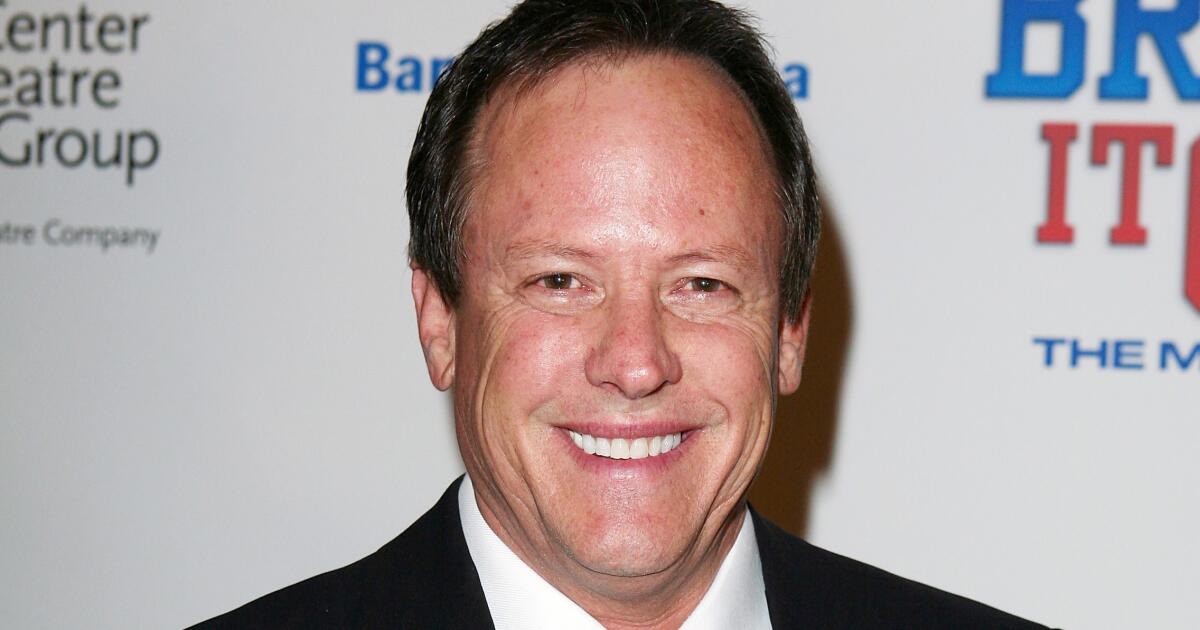
Jeff Webb, entrepreneur and the ‘founder of modern cheerleading,’ dies at 76

Florida High School Football Rankings: Top 25 teams – Oct. 21

How old is Bo Nix? What to know about Oregon quarterback ahead of 2024 NFL Draft

Cleary's 21 help Le Moyne down Central Connecticut State 69-64 in OT

99th annual Pony Swim held in Virginia

Indiana Members Credit Union announced as new anchor tenant at Bottleworks District

‘Keffiyehs seized, left to die’: Inside the Palestine Action hunger strike

LaGuardia Crash Timeline: Moments Before Air Canada Plane Collided With Fire Truck

Chicago alderwoman apologizes for ‘wrong place at the wrong time’ comment on slain student

Fake Euronews website targets Hungary election with false claims

An air traffic controller was juggling extra roles during the LaGuardia plane crash
-

 Detroit, MI7 days ago
Drummer Brian Pastoria, longtime Detroit music advocate, dies at 68
-

 Georgia1 week ago
How ICE plans for a detention warehouse pushed a Georgia town to fight back | CNN Politics
-

 Movie Reviews6 days ago
‘Youth’ Twitter review: Ken Karunaas impresses audiences; Suraj Venjaramoodu adds charm; music wins praise | – The Times of India
-

 Sports4 days ago
IOC addresses execution of 19-year-old Iranian wrestler Saleh Mohammadi
-
 Science1 week ago
Industrial chemicals have reached the middle of the oceans, new study shows
-

 Science1 week ago
How a Melting Glacier in Antarctica Could Affect Tens of Millions Around the Globe
-

 Culture1 week ago
Test Your Memory of Great Lines From Classic Irish Poems
-

 New Mexico3 days ago
Clovis shooting leaves one dead, four injured