Montana
Below normal water supply forecasted for Montana after low-snow winter


Montana’s winter is shaping up to have been among the worst for snowpack in 25 years and, combined with current outlooks, has water forecasters warning that streamflow levels this summer could be well below normal across most of the state.
Early last month, Montana forecasters and water supply specialists said the state would need above-average snow during March and early April, and a wet and cool spring, to keep the meager snow left from melting away too quickly and causing low river and streamflows through the growing season and likely drought.
But according to state and federal reports and presentations released during the past two weeks, the recovery the snowpack made in February and early March tapered off in the weeks since and hasn’t continued to the extent forecasters hoped.
“It’s not likely a full recovery to normal snowpack conditions will occur by May 1 this year across most of Montana,” Montana Snow Survey staff wrote in the April water supply forecast issued by the Natural Resources Conservation Service earlier this month.
“Below normal snowpack conditions on May 1 could be supplemented by above normal spring and summer precipitation, assuming snowpack deficits aren’t too large. Best case scenario would be a return to cooler weather and above normal precipitation for the next months.”
Since 1991, the median day that Montana’s snowpack as a whole reached its peak is April 14, at 18 inches of snow water equivalent, which is the amount of water contained in the snowpack. So far this year, the statewide snowpack peaked at 13.2 inches of snow water equivalent on April 11, three days earlier than normal and nearly 5 inches of snow water equivalent below normal.
The current snowpack of 12 inches of snow water equivalent statewide is just 74% of normal for this time of year, but also in the 7th percentile when compared to 1991-2020. To start the month, one in seven snow monitoring stations in Montana was showing its lowest or second-lowest snowpack on record. More than one-third of them were reporting a snowpack in the 10th percentile or less compared to 1991-2020.
It’s still possible that storms and cooler weather over the next couple of weeks buoy the snowpack at higher elevations and inhibit the melt-off, but this is typically the time of the year the snowpack starts what most people hope will be a gradual decline.
Last year, the snowpack peaked at 18.1 inches of snow water equivalent on April 25, but a quick melt-off ensued because of unseasonably warm temperatures. Two weeks later, the snowpack was at 12.5 inches of snow water equivalent, and it was completely gone by June 21. The median snow-free date is June 28.
As of Monday, the snowpack was gone in the Bear Paw basin. It sat at 45% of median in the Upper Missouri Basin and between 50% and 69% of normal in the Sun-Teton-Marias, Upper Clark Fork, Bitterroot, Smith-Judith-Musselshell, Upper Yellowstone, Gallatin, Lower Clark Fork, and Flathead basins.
The Jefferson (70%), St. Mary and Kootenai (75% respectively), Madison (76%), Tongue (77%), Powder (78%), and Bighorn (85%) basins were all between 70% and 90% of their average snowpack for this time of the year on Monday.
Last week, Dr. Dennis Todey, director of the Midwest Climate Hub for the U.S. Department of Agriculture, said the Upper Missouri River was running at close to its lowest point above Fort Peck in recent decades, which could have ramifications as the river heads east into the Upper Midwest, which just had one of its driest and warmest winters in 100 years.
On the other side of the state, the U.S. Army Corps of Engineers agreed earlier this month to approve a request from the Confederated Salish and Kootenai Tribes’ Energy Keepers, Inc., to raise Flathead Lake’s spring level by two feet to 2,885 feet and hold more water in the lake.
Energy Keepers said it anticipates 2024 will be similar to the record-low flows seen in 2023 that kicked off a political firestorm surrounding the lake’s levels so it started refilling the lake early and believes the lake will be between 2,888 feet and 2,891 feet by the end of May.
“By taking these actions early in the season we increase the likelihood Flathead Lake will reach its maximum elevation in what forecasters are predicting as another dry year,” said Energy Keepers CEO Brian Lipscomb. “Should we experience unforeseen precipitation then we can make further adjustments. By May, we are prepared to make further changes to standard operations depending on weather conditions.”
Most streamflows are forecast to be between 70% and 85% of normal across all of Montana’s river basins, but could be near normal in parts of northwest, southwest, and southern Montana that saw a better snowpack this year.
But rivers including the Bighole, Blackfoot, Little Bighorn, Tongue, Clark Fork, Smith, Sun, and Teton are expected to see streamflows for April through July below 65% of normal, according to the latest forecasts.
Those streamflows will be critical to recreation and especially agricultural production this summer, and the relatively dry winter has led to an overall expansion of drought since the beginning of the year, as the area of the state experiencing moderate and severe drought has more than doubled.
But drought conditions improved in Montana throughout March and into the beginning of April. During the past two weeks, moderate and severe drought has declined in southeastern Montana, and less of east-central Montana is abnormally dry than a week before. But after extreme drought disappeared for a week earlier this month, it has shown back up in northern Flathead County and northwestern Mineral County.
“Extreme drought conditions were introduced in the mountainous region along the Idaho and Montana border due to concerns about low snow amounts and possible early snowmelt,” National Drought Mitigation Center forecasters wrote in last Thursday’s report.
The next two weeks could bring some relief if current forecasts hold. The Climate Prediction Center is forecasting above-average precipitation over the next 6-14 days, including a possible storm this weekend that could bring rain to lower elevations and snow above 5,500 feet, according to the National Weather Service.
But the forecast for early May currently shows above-average temperatures statewide, and the forecast for May through July shows above-average temperatures and below-average precipitation for western Montana, though it also shows equal chances of below- or above-average precipitation and temperatures for eastern Montana for that period.
That will coincide with the El Niño that has persisted through winter ending, and an increasing likelihood that La Niña starts to develop into August, according to the Climate Prediction Center, which typically means cooler and wetter winters in Montana because the jet stream stays further north.
But July through October are currently forecast to bring above-normal temperatures and below-normal precipitation for Montana, according to the Climate Prediction Center. That means the next several weeks will be key in determining how summer shapes up water-wise.
“Given the widespread low forecasts, above normal precipitation over the next couple of months and a slow melt of the snowpack would be most beneficial for the upcoming summer,” the latest water supply forecast says. “Additionally, a wet summer could help to sustain streamflows later in the season.”
This story was initially published by The Daily Montanan, a nonprofit news organization and part of the States News network, covering state issues. Read more at dailymontanan.com.



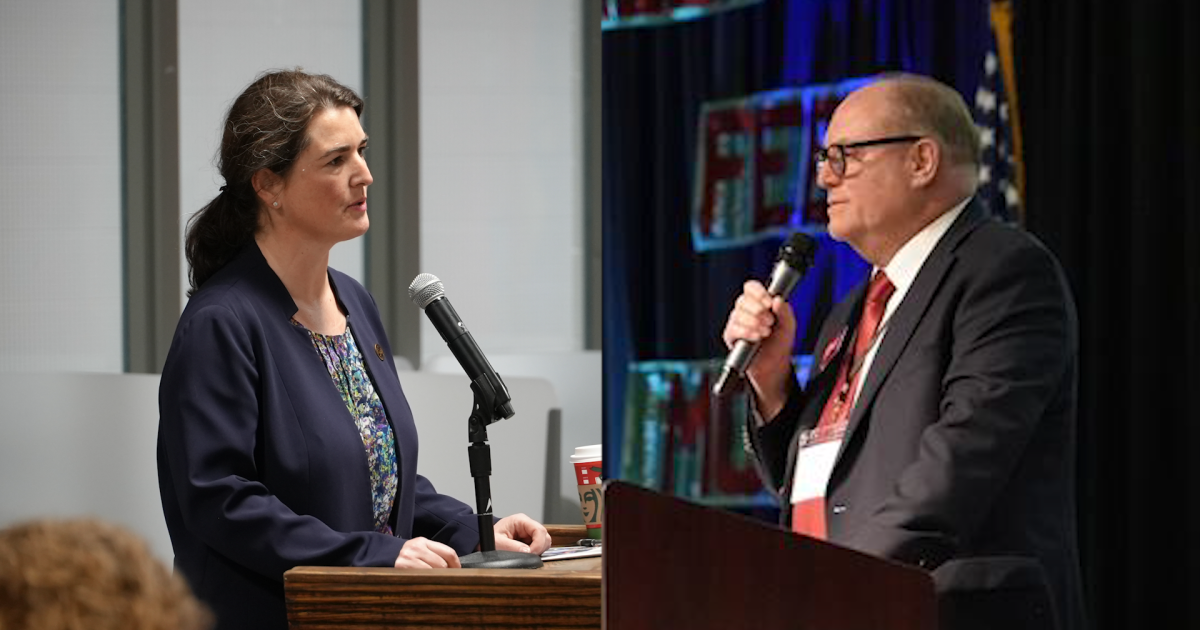
KALISPELL — There’s one open seat on the Montana Supreme Court in this year’s elections, and only two candidates filed to run for it. That means both Dan Wilson and Amy Eddy will be moving on to the general election in November, regardless of what happens in the June primary.
Wilson and Eddy are running for an associate justice position, currently held by the retiring Justice Beth Baker. They have several key things in common – most notably, both are state district judges, holding court at the Flathead County Justice Center in Kalispell.
(Watch the video to hear from the two candidates.)
Finalists already set for Montana Supreme Court Race
For many Montana voters, Wilson will be more familiar, after he ran for associate justice unsuccessfully in 2024.
“What’s different for me this time is that people are really wanting to know and have their questions answered about my judicial philosophy and my judicial approach,” he told MTN. “I would say the last time I ran, they were more curious just to get to know me as a person, meet me face to face and shake my hand and that sort of thing.”
Wilson, elected as a district judge in 2016, describes himself as a “constitutional conservative” and says Montana courts have leaned too far toward “judicial activism.”
“A judicial activist, in my view, is one whose judicial decision-making is dominated in those questionable cases by perhaps their own personal agenda or the agenda of special interests who advance their career,” he said. “A constitutional conservative does not look to the end result first, but looks to the law.”
Jonathon Ambarian
Eddy was first appointed to the bench in 2015. As she hasn’t run statewide before, she says she’s been working hard to introduce herself to voters.
“We’re approaching the campaign the same way we have been since May, when we announced,” she said. “We’re out talking to everybody in as many counties as we can.”
Eddy says her campaign is emphasizing the nonpartisan nature of judicial elections and the court’s role in upholding the state constitution and protecting individual liberties.
“People want nonpartisan, independent courts, and they want a government that functions, which is something we can certainly all get behind,” she said. “Then, of course, with the focus on the Montana Constitution right now and the different constitutional initiatives, we have lots of conversations about the unique rights we have under the Montana Constitution that are not enjoyed under the U.S. Constitution.”
Both candidates have said they want to maintain judicial impartiality. For Eddy, she says that means not participating in campaign events sponsored by political parties.
“We should not be checking in with a political party leadership, and before a judge makes a decision, they should not be saying, ‘How do I earn a standing ovation at a political party convention?’” she said. “They should be asking themselves, ‘What does the Constitution demand?’”
Wilson was a featured speaker at the Montana Republican Party’s winter kickoff in Great Falls earlier this year. In addition, he received $20,000 in two contributions from the state GOP – in the first election cycle since the Legislature repealed a law banning political parties from contributing to judicial candidates.
Jonathon Ambarian
Wilson says judges in nonpartisan races aren’t supposed to seek endorsements from parties, but the First Amendment allows them to support whoever they want. He believes judicial ethics rules don’t disallow judicial candidates from attending party-sponsored events.
“I think it’s a little bit naive to think that you can run a statewide campaign as a nonpartisan candidate without getting out and trying to meet as many people as you can, and to attract as much support as you can,” he said.
Wilson says people supporting him don’t expect him to rule a specific way, but to be consistent and evenhanded in how he applies the law.
“The impartiality comes with giving each side a fair hearing and taking their arguments to their logical endpoint and deciding which one is more persuasive under the law, so it’s more about having and keeping an open mind as to what the outcome should be,” he said.
While Eddy is staying away from party meetings, she has addressed some interest groups like the Montana Conservation Voters. MTN asked how she would respond to people who said those events could be seen as having political leanings, and she said groups like MCV do include members from more than one party.
“People can put a partisan view on it, but in fact, that organization is made up of lots of different people – and those are principles specifically protected in the Montana Constitution, which, of course, I’ve taken an oath to uphold,” she said.
The state constitution’s provision guaranteeing “the right to a clean and healthful environment” is at the center of one of Wilson’s major criticisms of the current Montana Supreme Court. In speeches and in interviews, he has said the majority overstepped in the Held v. Montana climate change case, when they struck down a law on the basis that state policies on greenhouse gas emissions were harming that right.
“The drafters of our constitution were adamant that this is a right that the Legislature – and therefore the people – needed to control, and that they were most concerned that the Supreme Court would take it over, issue a ruling that would bind the government and the citizens of Montana, possibly forever, and the citizens could never overturn,” Wilson told MTN.
Wilson has also criticized Eddy for having been part of a 2011 lawsuit making similar arguments to argue the state had a duty to manage the atmosphere as a public trust, and therefore to address emissions. Eddy told MTN she was one of the original attorneys on the case when plaintiffs asked the Montana Supreme Court to take jurisdiction, but that she wasn’t involved further after the court sent it back to district court for a trial. She said it hasn’t been an issue she’s heard concerns about from voters yet.
“We spent three weeks living out of our car in eastern Montana and it never came up,” she said.

Got story updates? Submit your updates here. ›
Christina Koch, a former resident of Livingston, Montana, has become the first woman to orbit the moon as part of the Artemis 2 crew, the first lunar mission for the United States in 50 years. Koch previously set the record for the longest single female spaceflight when she lived aboard the International Space Station for nearly a year in 2019.
Why it matters
Koch’s historic achievement as the first woman to orbit the moon is a significant milestone for space exploration and a source of inspiration, especially for young people who may now dream of following in her footsteps. Her journey also highlights the progress made in the space program and the growing opportunities for women in STEM fields.
The details
As part of the Artemis 2 crew, Christina Koch will become the first woman to orbit the moon. This mission marks the first time the United States has sent astronauts to the moon since the Apollo program ended in the 1970s. Koch, who previously spent nearly a year aboard the International Space Station, is the first woman to hold the record for the longest single spaceflight.
- In 2019, Christina Koch set the record for the longest single female spaceflight when she lived aboard the International Space Station for almost a year.
- The Artemis 2 mission, which will include Christina Koch as the first woman to orbit the moon, is scheduled to launch in 2026.
The players
Christina Koch
A former resident of Livingston, Montana, who has become the first woman to orbit the moon as part of the Artemis 2 crew. She previously set the record for the longest single female spaceflight when she lived aboard the International Space Station for nearly a year in 2019.
Artemis 2
The first lunar mission for the United States in 50 years, which will include Christina Koch as the first woman to orbit the moon.
Got photos? Submit your photos here. ›
What they’re saying
“Christina Koch’s journey from Livingston to the moon is a reminder of how far we’ve come—and how far we still want to go.”
— Derek Wolf, Author
What’s next
The Artemis 2 mission, which will include Christina Koch as the first woman to orbit the moon, is scheduled to launch in 2026.
The takeaway
Christina Koch’s historic achievement as the first woman to orbit the moon is a significant milestone for space exploration and a source of inspiration, especially for young people who may now dream of following in her footsteps. Her journey highlights the progress made in the space program and the growing opportunities for women in STEM fields.
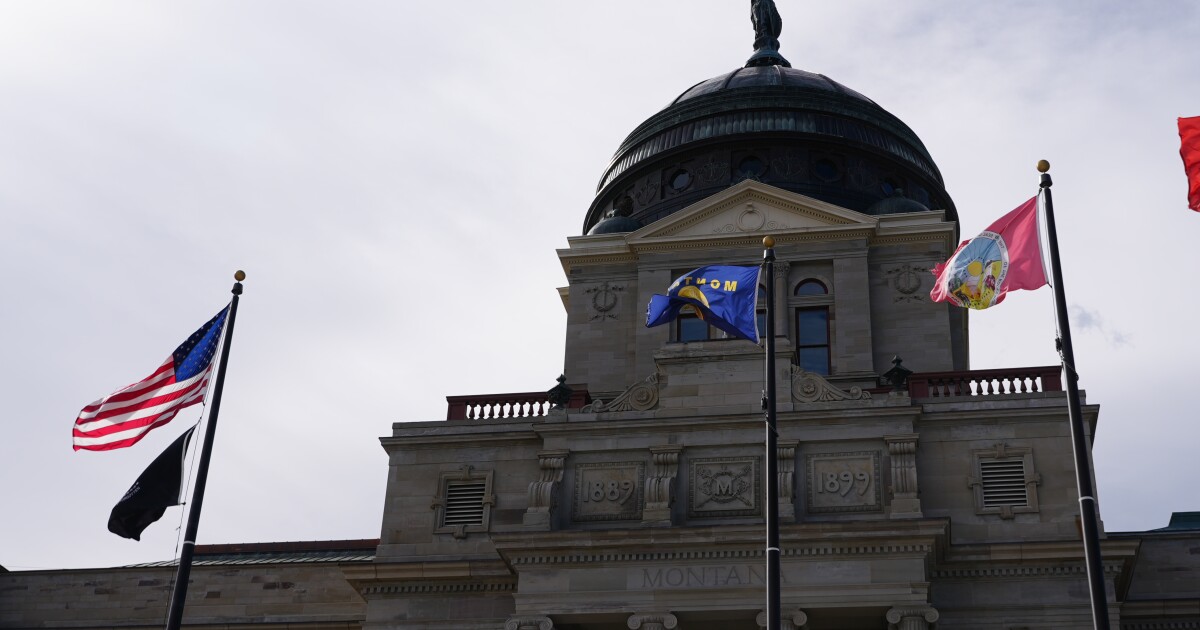
HELENA — The race for the Republican nomination in Montana’s U.S. Senate race wasn’t expected to get much attention – until everything changed a few minutes before the filing deadline. U.S. Sen. Steve Daines dropped out of the race and threw his support behind Kurt Alme, Montana’s former U.S. attorney.
(Watch the video to hear from the Republican candidates for U.S. Senate.)
A look at the GOP field for U.S. Senate in Montana
Alme told MTN he first learned Daines was considering leaving the Senate only a few days before the end of the state’s candidate filing period.
“Sen. Daines called and shared that he and Cindy would like to retire, but they were concerned about losing the seat and the Senate to the Democrats, so he said he would only step down if someone like me would agree to step up and run,” he said. “So because of the importance of maintaining the seat for the Republicans, I told the senator that if he were to decide to retire, that we would be interested in stepping up.”
Alme resigned from the U.S. Attorney’s Office on March 4, the last day of candidate filing. He officially filed to run for Senate at 4:52 p.m., eight minutes before the deadline. Daines withdrew his candidacy at 4:57 p.m., then quickly endorsed Alme. Alme also received support from Montana’s other U.S. senator, Sen. Tim Sheehy, as well as from Gov. Greg Gianforte.
MTN asked Alme if he felt there was any frustration from voters over the last-minute switch. He echoed Daines’ explanation of the move, saying it was intended to keep a big-name Democratic candidate like former Sen. Jon Tester or former Gov. Steve Bullock from entering the race and bringing in large amounts of campaign spending.
“All I’m focusing on is the race we have in front of us and trying to get to the finish line and be sure we represent the people of Montana well, and do everything we can to earn their vote,” said Alme.
Jonathon Ambarian
Alme, 59, was born in Great Falls and lived in Dillon, Victor and Helena before graduating high school in Miles City. Today he lives in Billings. He describes himself as a “commonsense conservative.” This is his first time running for elected office, though he has spent a number of years working in government – and he says he’ll lean on that experience as he pursues his policy priorities.
Trump appointed Alme as Montana’s U.S. attorney in 2017, and he served through the end 2020. When Trump returned to the White House in 2025, he reappointed him.
“This last year, we had focused our team on violent criminals and drug traffickers, and we had prosecuted more defendants last year than we had prosecuted in more than 20 years,” he said.
In addition to public safety, Alme says he’s also prepared to tackle affordability. He served as director of the Montana Department of Revenue under Gov. Judy Martz in the early 2000s, and he was Gianforte’s first state budget director in 2021.
“I learned how to balanced budgets, and I learned how to put money back into the pockets of Montanans,” he said.
Alme also spent time as president of the Yellowstone Boys and Girls Ranch Foundation and as an executive vice president with the National Christian Foundation.
While Alme comes into the Senate race with by far the most backing from top Republicans, it is still a contested primary for the GOP nomination. Two other Republican candidates also filed to run on the afternoon of March 4.
Jonathon Ambarian
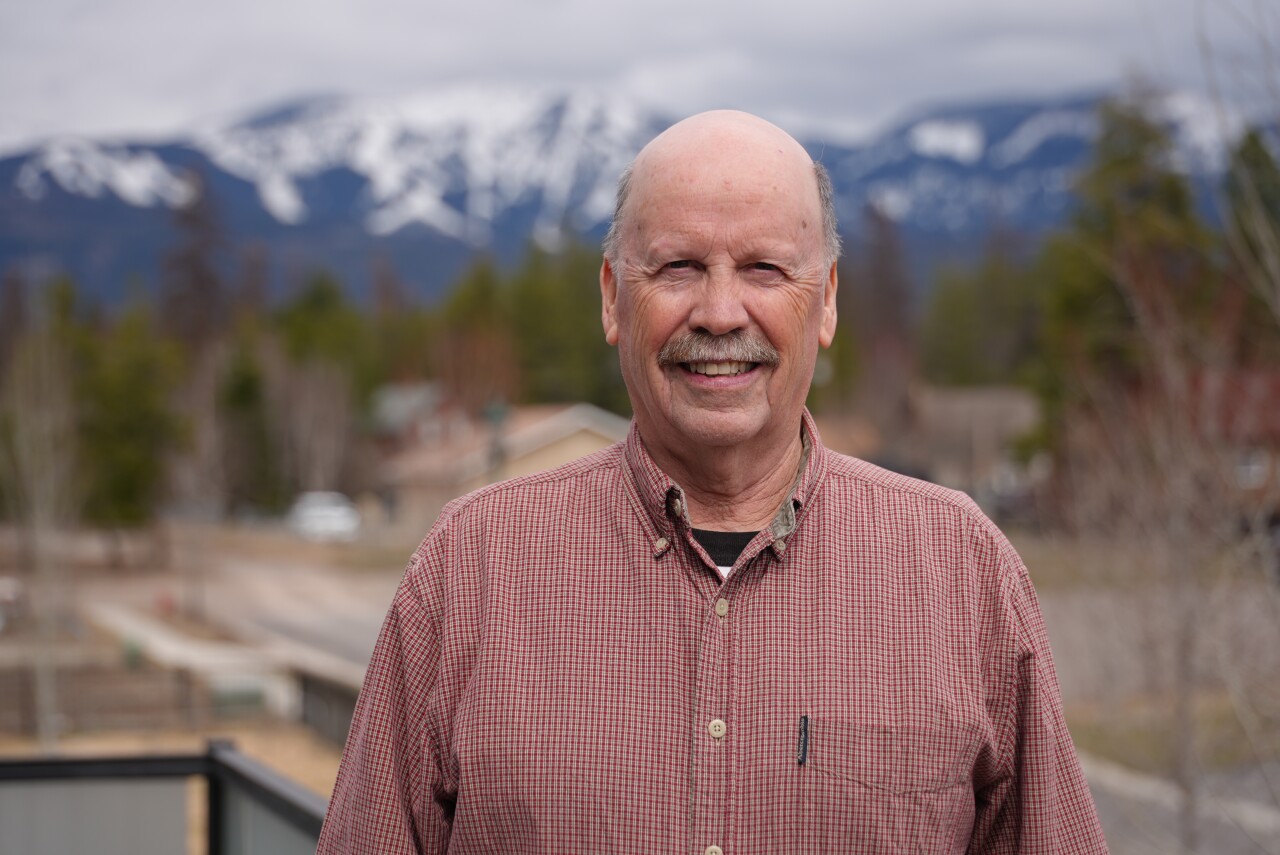
Lee Calhoun, a political newcomer from Whitefish, filed when Daines was still in the race. He told MTN he wanted to challenge Daines because he believed the senator’s policies favored big business. While Daines’ decision to drop out took away his biggest reason for running, he said the candidate switch led him to believe Alme wouldn’t be significantly different.
“A lot of people in Montana are really not pleased with that well-orchestrated song and dance that was pulled off,” said Calhoun.
However, Calhoun admits his chance of being elected is “very slim.” He says he has essentially suspended active campaigning, because he wasn’t able to find the campaign staff to support a more robust run. His campaign website is merely a blank page reading “Coming Soon,” and he says he won’t be fundraising or holding campaign events.
Still, Calhoun’s name will be on the ballot, and he says people are welcome to vote for him if they share his point of view.
“At the end of the day, since I’m not owned by anyone or any organization at this point, it would be an opportunity for the people of Montana to have a U.S. senator that’s not owned by people who are more like the modern-day Copper Kings,” he said.
Calhoun, 75, grew up in Pennsylvania. He moved to Montana about 10 years ago. In Whitefish, he started Northstone Solar, which designs and installs solar-energy systems for homes and businesses. He has since sold the business to one of his employees.
Calhoun calls himself an “Eisenhower Republican” and says he’s disagreed with the direction of the party for years. He believes the current tax structure favors the upper class and large corporations at the expense of the middle class and small businesses. He also wants the U.S. to move toward a universal health care system. Jonathon Ambarian
If elected, Calhoun says he would serve only one term.
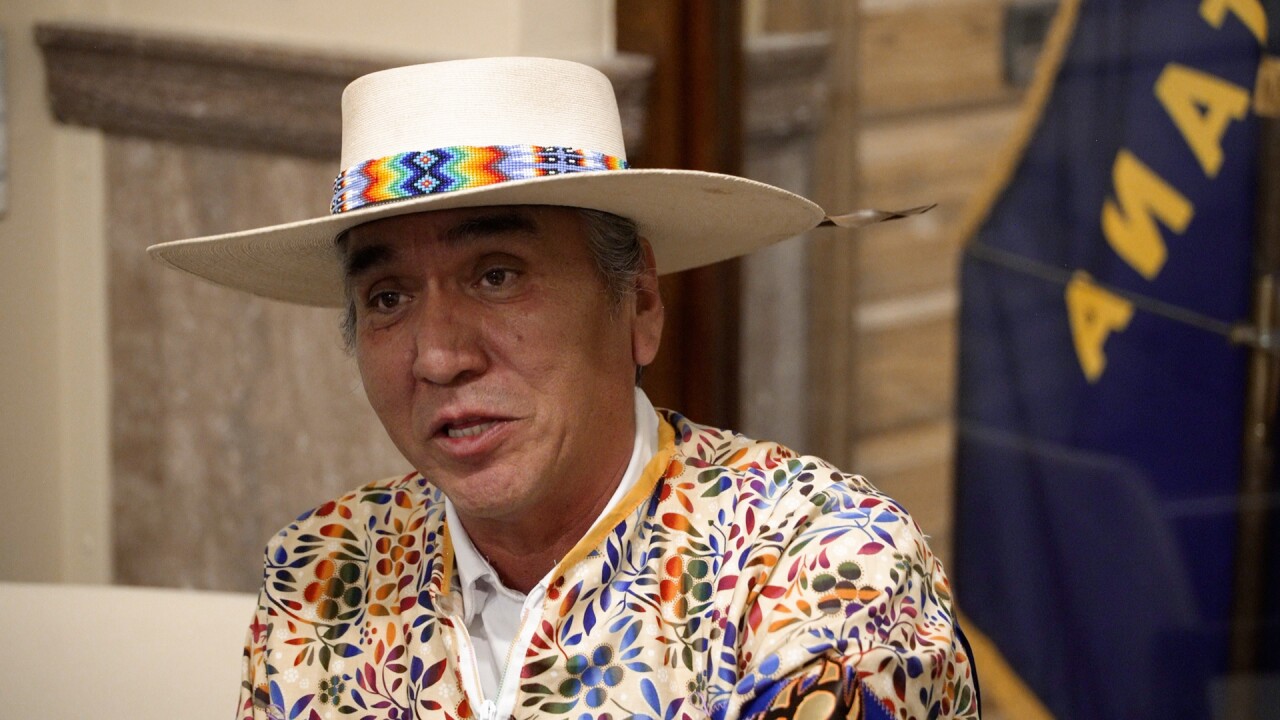
The third Republican on the ballot will be Charles Walking Child, of Helena. Walking Child operates an environmental contracting business. He has previously run in the Republican primaries for Montana’s eastern U.S. House seat in 2022 and U.S. Senate in 2024.
Walking Child has said he sees both major parties as failing to represent everyday Montanans, and that current elected Republicans are too focused on the wealthy.
MTN reached out to Walking Child for this story. He said he “will be giving no interviews, especially to fake news.”
The winner of the Republican primary will move on to the general election, along with one of five Democratic candidates and one of two Libertarians. An independent candidate is also seeking to qualify for the general election ballot.

Film Review: Faces of Death – Santa Monica News, Events & Local Politics | Santa Monica Mirror

Status of Strait of Hormuz unclear after conflicting Iranian reports | The Jerusalem Post

Video: The Fragile Cease-Fire in Iran

How Iran’s Information War Machine Operates Online

Video: NASA Prepares for Artemis II’s Return to Earth

Florida High School Football Rankings: Top 25 teams – Oct. 21

How old is Bo Nix? What to know about Oregon quarterback ahead of 2024 NFL Draft

Cleary's 21 help Le Moyne down Central Connecticut State 69-64 in OT

99th annual Pony Swim held in Virginia

Indiana Members Credit Union announced as new anchor tenant at Bottleworks District
Video: The Fragile Cease-Fire in Iran

Spanberger ripped after taking credit for billions in investments secured under GOP predecessor: ‘Pathetic’

Newsletter: NATO holds amid fragile Iran ceasefire
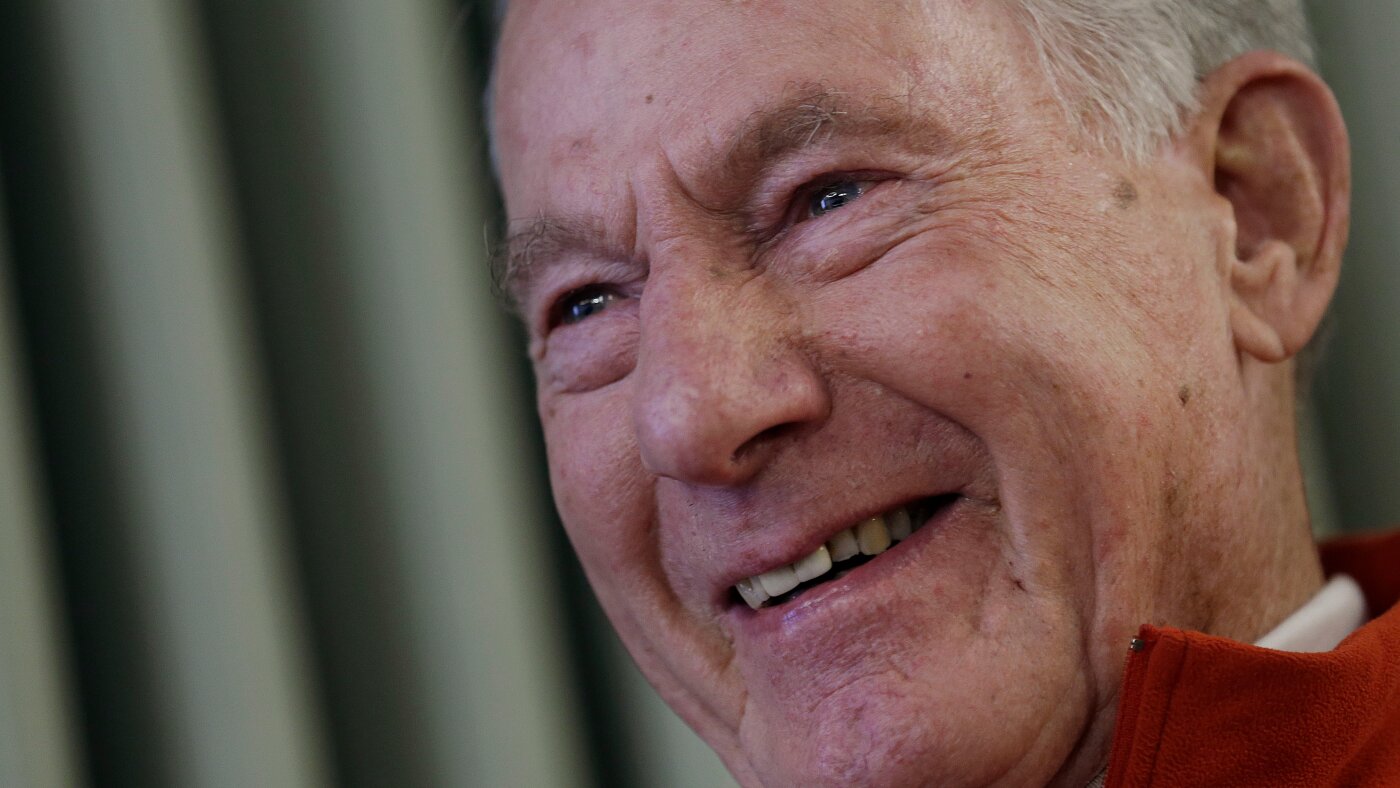
Jim Whittaker, the first American to summit Mount Everest, dies at 97

Video: Military Families Bear the Burden of War, Again
-

 Atlanta, GA4 days ago
1 teenage girl killed, another injured in shooting at Piedmont Park, police say
-

 Culture1 week ago
Do You Know Where These Famous Authors Are Buried?
-

 Movie Reviews1 week ago
Vaazha 2 first half review: Hashir anchors a lively, chaos-filled teen tale
-

 Georgia2 days ago
Georgia House Special Runoff Election 2026 Live Results
-

 Education1 week ago
Video: We Put Dyson’s $600 Vacuum to the Test
-

 Pennsylvania2 days ago
Parents charged after toddler injured by wolf at Pennsylvania zoo
-
 Milwaukee, WI3 days ago
Potawatomi Casino Hotel evacuated after fire breaks out in rooftop HVAC system
-
 Entertainment1 week ago
Inside Ye’s first comeback show at SoFi Stadium