Science
'It's almost shameful to want to have children'

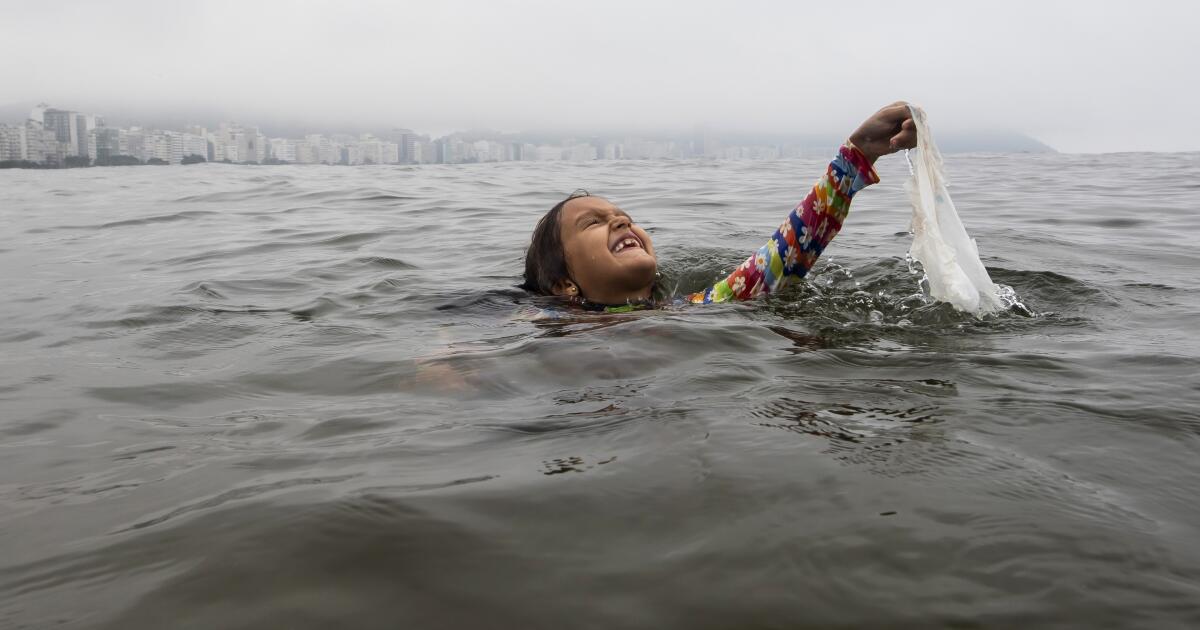
Jade S. Sasser is an associate professor in the Department of Gender & Sexuality Studies at UC Riverside. Her research explores the relationships between reproductive justice, women’s health and climate change, and she’s the host of the podcast “Climate Anxiety and the Kid Question.” The following excerpt is from her newest book, “Climate Anxiety and the Kid Question: Deciding Whether to Have Children in an Uncertain Future,” which was published earlier this year.
The kid question. It comes up over and over again in the form of family questions and expectations. It arises in conversations with peers, partners and new dates. It appears in the quiet times, sitting in the spaces where our wildest hopes and deepest fears collide.
American society feels more socially and politically polarized than ever. Is it right to bring another person into that?
In 2021 and 2022, I conducted a series of interviews on this topic with millennials and members of Generation Z, all of them people of color. Some grew up in low-income families and neighborhoods while others were from the middle- or upper-middle class. Some of them identify as queer, or their close family members and friends do, which shapes their sensitivity to discrimination against gay, lesbian, bisexual, and transgender people.
These interviewees have more climate change knowledge than most people do. All of them are college-educated; most of them either grew up or have lived for some time in Southern California; and most have taken environmental studies classes, either as undergrads or in graduate school.
Their experiences as members of marginalized groups have shaped their experiences with climate emotions like anxiety, fear, and trauma — as well as hope and optimism. Paying closer attention to those emotions and mental health in communities of color, including how they shape reproductive plans, will become an increasingly important component of climate justice in the United States.
Bobby
Bobby, 22, considers himself an environmentalist. He recently graduated from college in Southern California with a degree in sustainability studies. His family is Guatemalan American.
Bobby is both confident that he will become a parent one day and also certain that he won’t bring his own biological kids into the world. His thoughts about the environment, the future, and parenting come into sharp relief through his current job at a restaurant, where he is unhappily employed. “There’s so much being wasted that could be returned to the earth.”
He connects these waste issues to carbon emissions and how he feels about having children. For Bobby, this is an ethical issue, a reason why he should not have biological children:
“I’m worried about what they would have to deal with growing up. I was already a young adult when I started to think about these things, but for them, at a young age they’re going to have to think about the environment and the fears that come along with pollution.
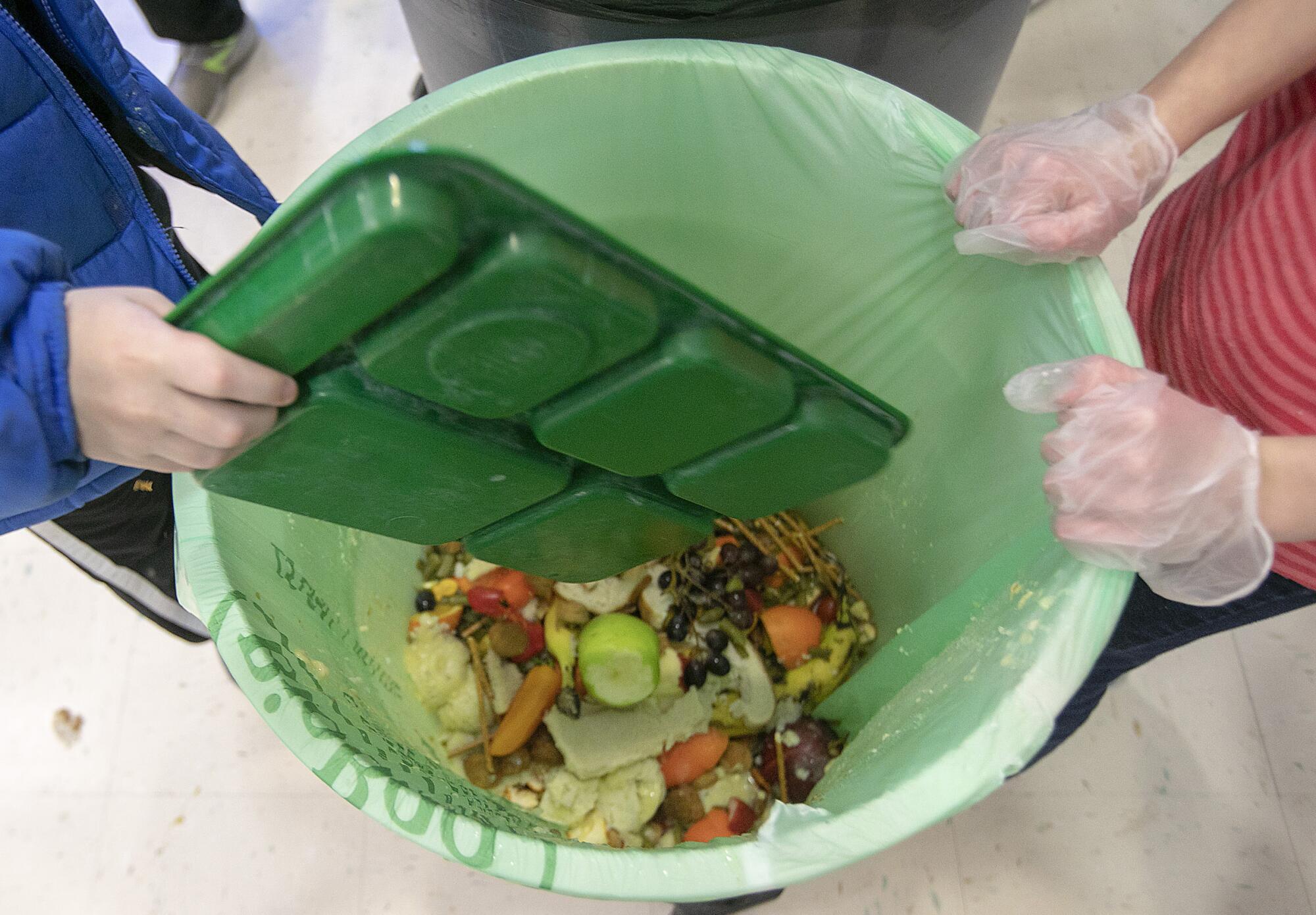
Students discard food into a bin as part of a lunch waste composting program at an elementary school.
(Associated Press)
“This is why I’m leaning more toward a foster kid, and maybe eventually adopting them. Because it wasn’t my choice to have that kid, but I can help guide them to have a better life. … The environment is really the deciding factor for me.”
Although he always wanted to have children, his thoughts about fostering arose from taking environmental studies classes. “Going into college was the first time I was exposed to this information firsthand, and I realized for the first time, it’s not all rainbows and sunshine. I had never learned before … about things like food waste and carbon emissions. And that’s when the gears started turning in my head about the future and what I wanted to do.”
Victoria
Victoria is the same age as Bobby; she graduated from the same university and is also from an immigrant family, though hers is from Ghana. In Victoria’s house there were four siblings and half a dozen cousins who were always around. As a result, Victoria really cherished the closeness and security of a large family.
“I guess in the future, I would love to have children,” she says. “I’d really like to have a big family. I grew up in a big family, so it’s nice.”
Victoria is interested in perhaps adopting or fostering, and she also connects the desire for this to her undergraduate education in environmental topics.
“I got a degree in sustainability, and I’ve always questioned bringing people into an environment [where] so much is going on politically, socially, health-wise, all of that. I always thought I wanted to give birth, but the more I look at foster care, I realize that I don’t need to physically have children to experience being a mom… . It’s a little selfish on my end to think I’m going to have all these kids when there are already kids in the world who would probably make me a better parent.”
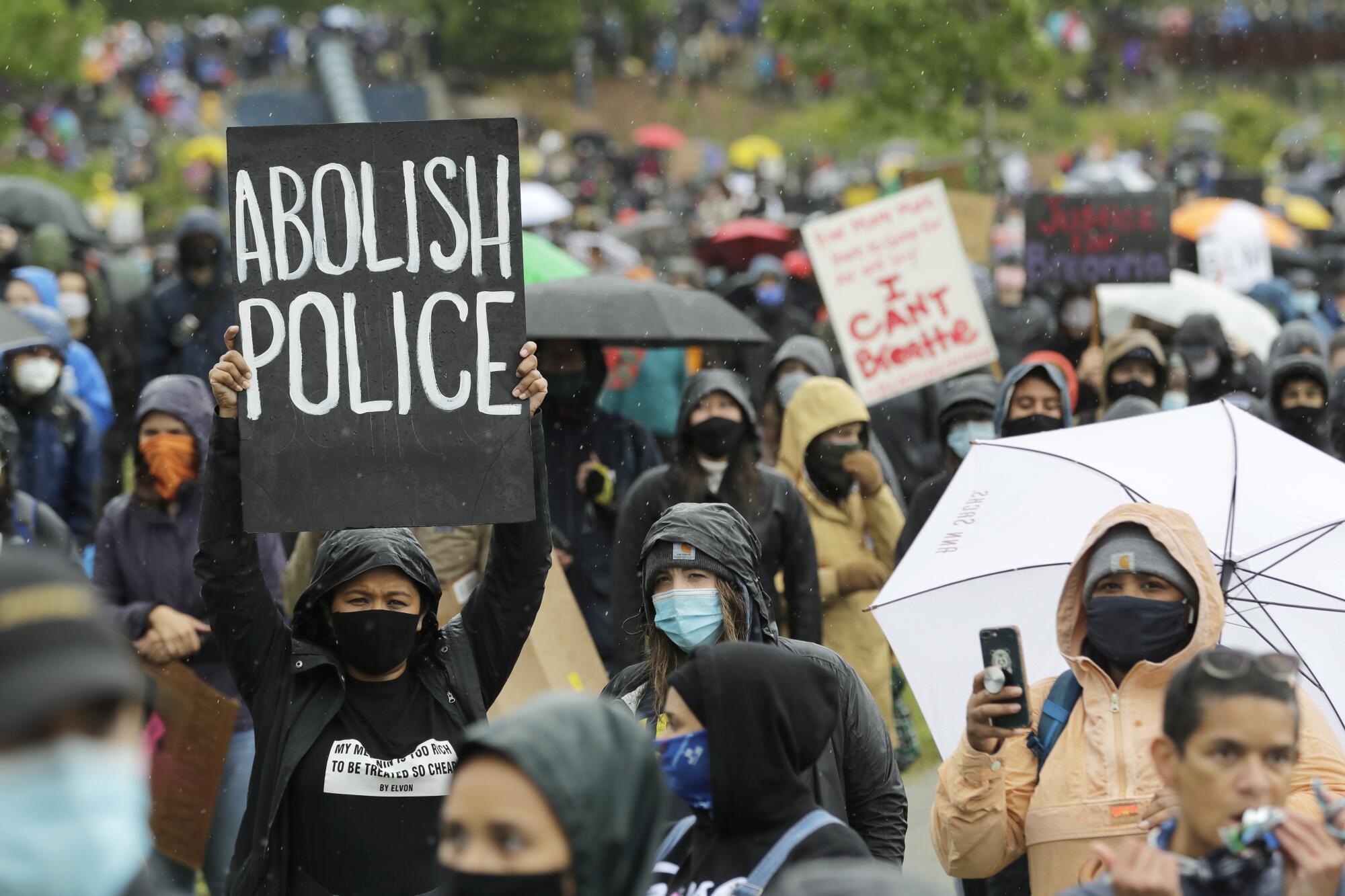
Protesters hold a “silent march” against racial inequality and police brutality that was organized by Black Lives Matter Seattle-King County in June 2020.
(Associated Press)
Victoria’s concerns about biological children are multifaceted: She worries about the future of healthcare access, wealth inequality, and whether her children would receive a low-quality education or be racially tracked in public schools. Ultimately it comes back to how racial inequality interacts with other social challenges to heighten her own sense of vulnerability and that of her potential future children.
“If I have children, they will be Black children,” she says. “It isn’t self-hatred. I love being Black, but the things I’ve gone through I wouldn’t wish on other children.”
This is a frequent topic of conversation among Victoria and her friends. They talk about whether they want to have children in the future. Most of them do not.
That feeling of being traumatized by an awareness of ongoing racial inequality shaped the perspectives of a group of Black women I spoke to. They were different ages, from their 20s to their late 30s, and they ranged from just starting out to having established careers. However, each perceived herself, and the prospect of becoming a mother, through the lens of vulnerability.
Rosalind
Rosalind, 38, is a Black woman of Caribbean origin living in Southern California. She has a graduate degree, a job as a scientific researcher, and is settled in a community she likes. Nevertheless, thoughts of the future are a heavy, ever-present burden. When I ask if there is one issue that feels like the primary reason for not having kids, she answers decisively: racism.
“With all of the anti-Black violence, and the police violence against us, it just seems so unsafe. And I see so many of my friends who do have children that are constantly stressed because of this, especially the ones who have teenage boys who are taller than average. They send their kids out there and then just spend their time worrying about whether their child is going to be targeted or harassed in some way, or potentially killed. I just don’t think I have the disposition to put up with that kind of stress.”
Melanie
Melanie, a 26-year-old Native American woman, was raised on the Navajo reservation and in Southern California. She idealizes having a big, happy family, but there are aspects of the world that give her pause, so she struggles with whether it’s morally OK to have children.
“ I think I may not have children although I do want them,” she notes. “Just because, with all of the things we see going on in the world, it seems unfair to bring someone into all of this against their will.”
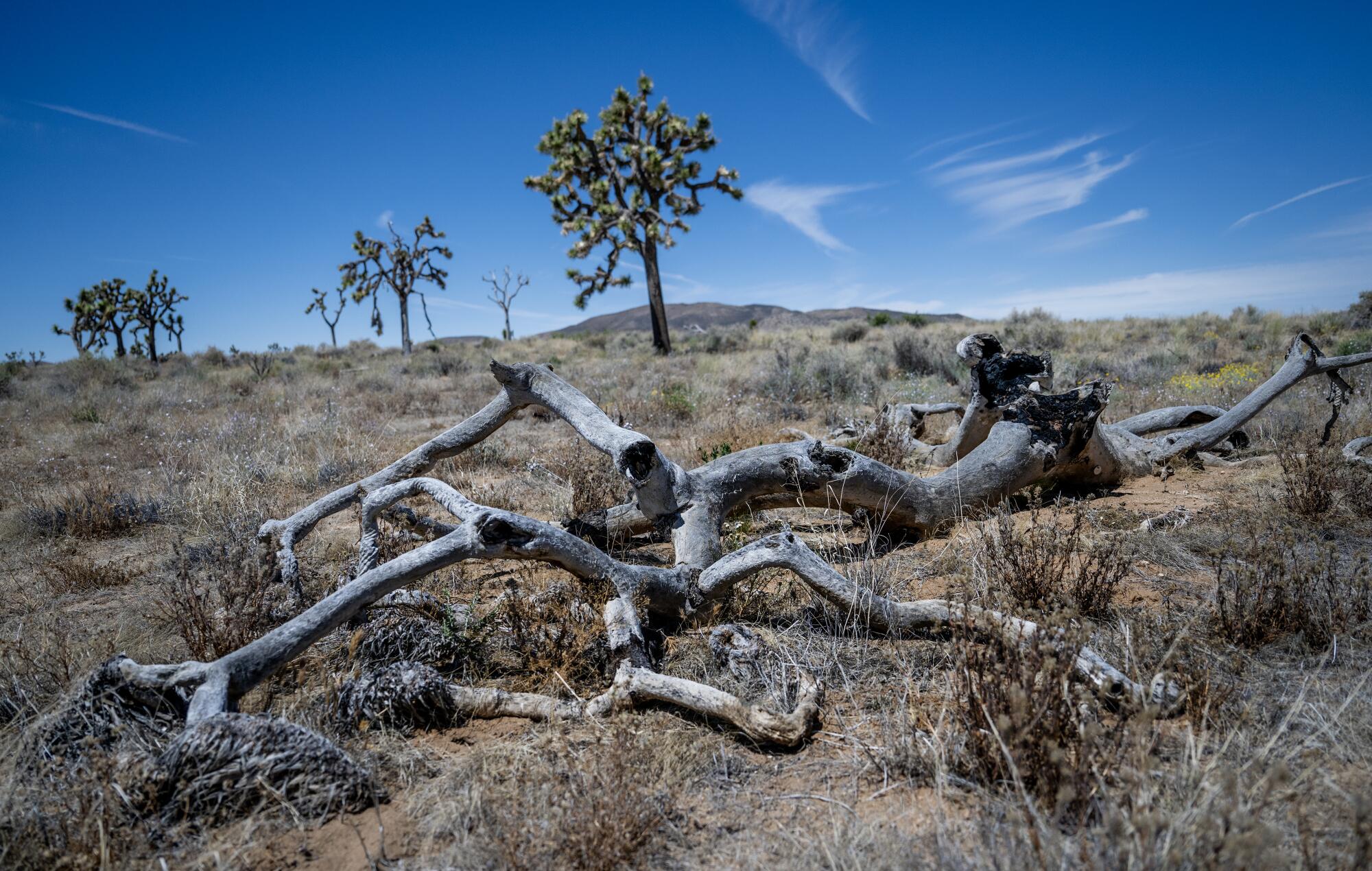
Drought last year took a toll on Joshua trees at Joshua Tree National Park.
(Gina Ferazzi / Los Angeles Times)
Melanie’s feelings about climate change include a general sense of powerlessness and lack of control over other people’s actions, which directly translates into her fears about parenthood: “With climate change, we’re the driving force of things breaking down, but then also, the planet’s going to do what the planet’s going to do. … So … it almost feels, like, kind of shameful to want to have children.”
Juliana
Juliana, a 23-year-old Mexican American woman, is strongly aware of negative peer pressure from friends. She recently graduated from art school, and her friend circle is mainly composed of queer and transgender, anti-establishment artists. Most of them have no intention of having children of their own, which seeps into conversations with Juliana.
Her friends cite environmental and mental health concerns. Their anxiety tells them that they can’t properly take care of themselves, much less a child. They also struggle, as trans and nonbinary people, with the issues of access to fertility centers and the need to use reproductive technologies that feel out of reach.
Juliana feels that it may be unfair for her to consider having biological children. She tells me that these feelings are not entirely separate from how she feels about what her child’s racial upbringing would be.
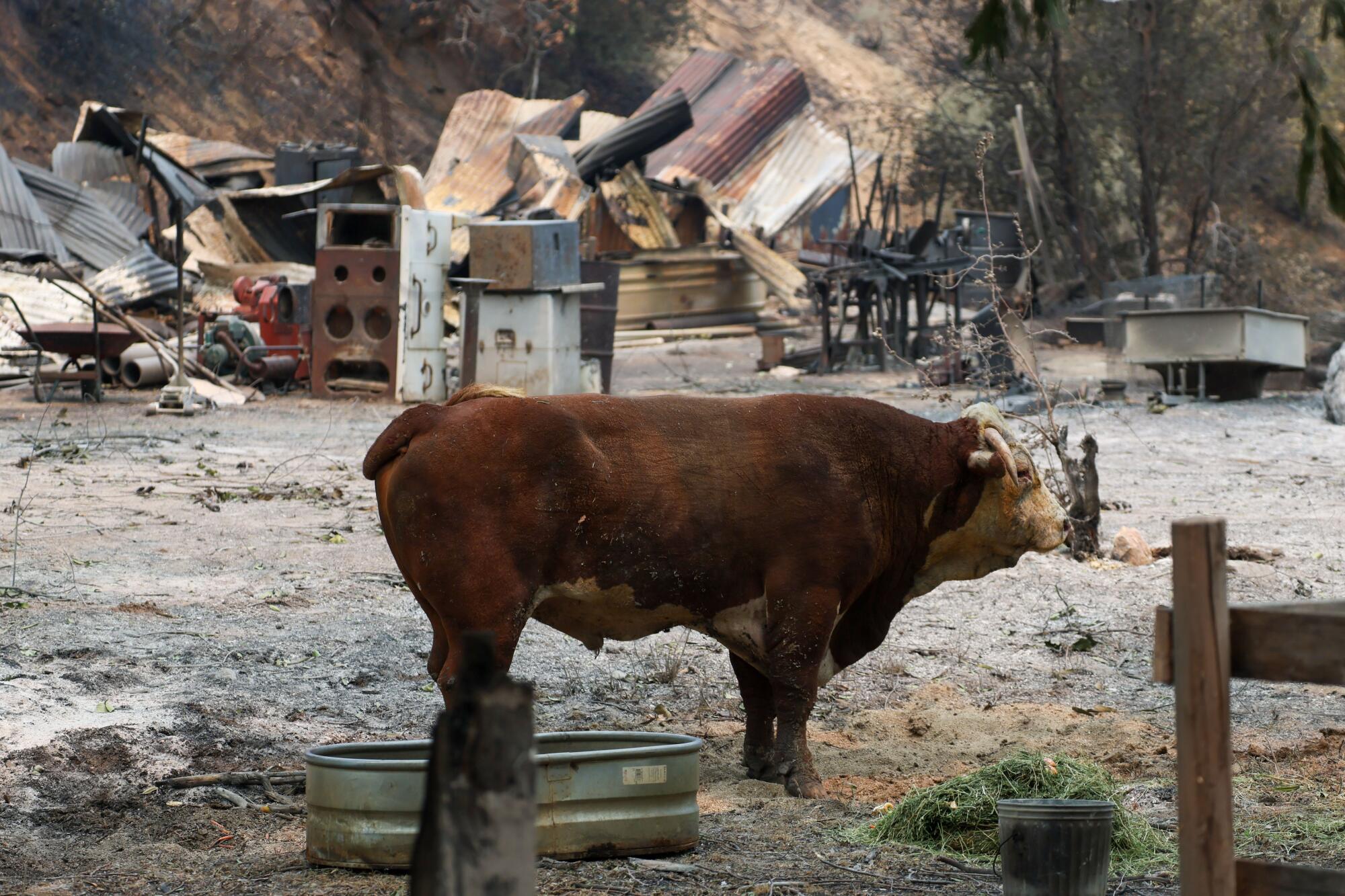
The Borel fire devastated Havilah, a historic mining town in Kern County, in late July.
(Robert Gauthier / Los Angeles Times)
As a dark-skinned Mexican woman, she regularly experienced racism growing up in Southern California— and given that her husband is white, any child she might birth would be biracial, which raises questions about whether and how they would navigate the world differently than she has. But Juliana is an optimist, and she does plan to have one child.
Elena
I spoke to several young women who are addressing the kid question with their dates, potential partners, and long-term boyfriends. Elena, 22, is one of the most certain people I’ve met: She is not having children.
She’s from a Salvadoran immigrant family in which she is one of four children, while her mother was one of 12. Her certainty that stems from both life experiences and climate fears:
“Me being interested in environmental policy cemented my decision to not have kids, but I do have some personal things that I’ve gone through in life that I wouldn’t want my kids going through, like not having a dad. So I feel like it’s best if I just focus on myself and take care of my mom. … I can also spend my time and energy focusing on someone that’s already here.”
Elena brings this conversation up on every first date with any new guy she sees. Given that most of them expect to have families in the future, Elena feels strongly that she does not want a relationship. This has been discouraging for her, but her mind is made up.
Like some of the other people I interviewed, Elena’s feelings about climate change were sparked by environmental studies classes. She says, “[I] started feeling like having kids is definitely not a sustainable thing to do. … I don’t want them to grow up and have to leave their home because of sea level rise. Or be worried because of really weird weather patterns.
“I know that things aren’t going to get better. So why would I want to put a child through that? Even when my sister gave birth to my nephew, I was like, Why? They’re gonna go through so much.”
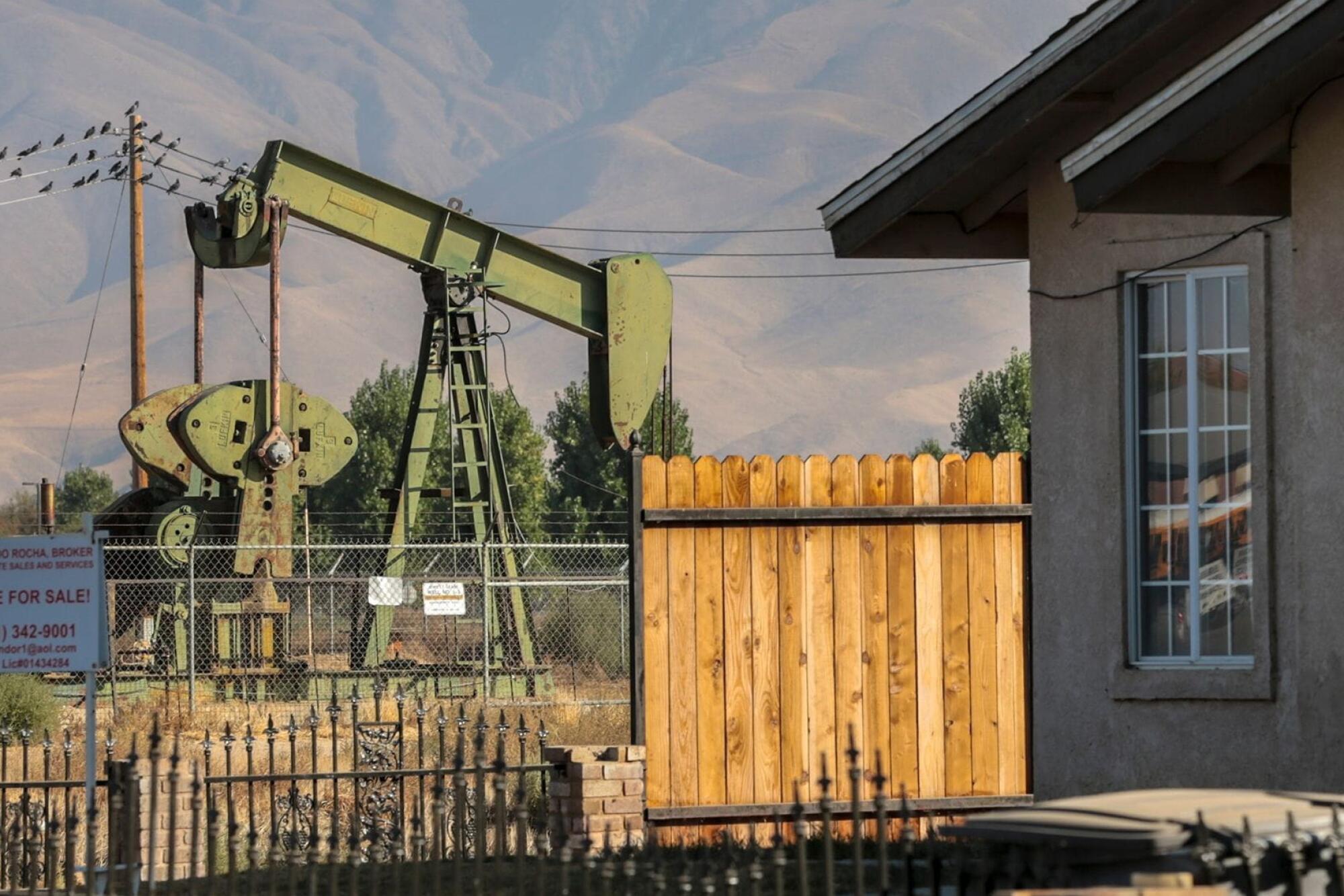
A pump station sits idle near homes in Arvin, Calif., where toxic fumes from a nearby well made residents sick and forced evacuations in November 2019.
(Robert Gauthier / Los Angeles Times)
Veronica
Elena’s close friend Veronica, a 22-year-old from Los Angeles, manages the cultural expectations of a large, immigrant family from Guatemala. “Because of my Hispanic background people are always like, when are you gonna have children, of course you’re having children. It is what it is, right? But now that I’m an adult, I think about it differently. Would my child have a good quality of life? Will they be able to survive?”
She wants to have a child, “but I also want to be mindful of that child. Because it’s not just about having it, it’s about raising it. And being able to sustain it as well.”
For Veronica the everyday environmental concerns link directly to the larger issues shaping climate change: power, who has it, and who doesn’t. Though seemingly distant, intergenerational power imbalances — and older generations’ legacies of generating the emissions that have caused climate change — make her feel that it is unfair for people her age to have to ask the kid question.
She says: “I just think that people in power, whether they believe in climate change or not, it’s not beneficial for them to really do something about it. Because they’re older, it’s not going to affect them the way it affects us. … They have so much money and power it doesn’t affect them the same way. They can buy protection from what the rest of us are going to have to deal with.”
Although these interviews focused primarily on the challenges young people face as they approach reproductive questions, many of them still wanted families of their own. For those who were certain about having children, the reasons were emotional: love, joy, happiness, and hope.
Bobby was clear that he doesn’t plan on having biological children, but he was happy about the thought of fostering in the future and was particularly excited at the thought of his sister having kids.
“I would love to be an uncle,” he said. “Just seeing the next generation, the reason why I’ve been more optimistic about having a foster child of my own, is about being able to see them grow.”
Victoria was excited at the prospect of adopting multiple children.
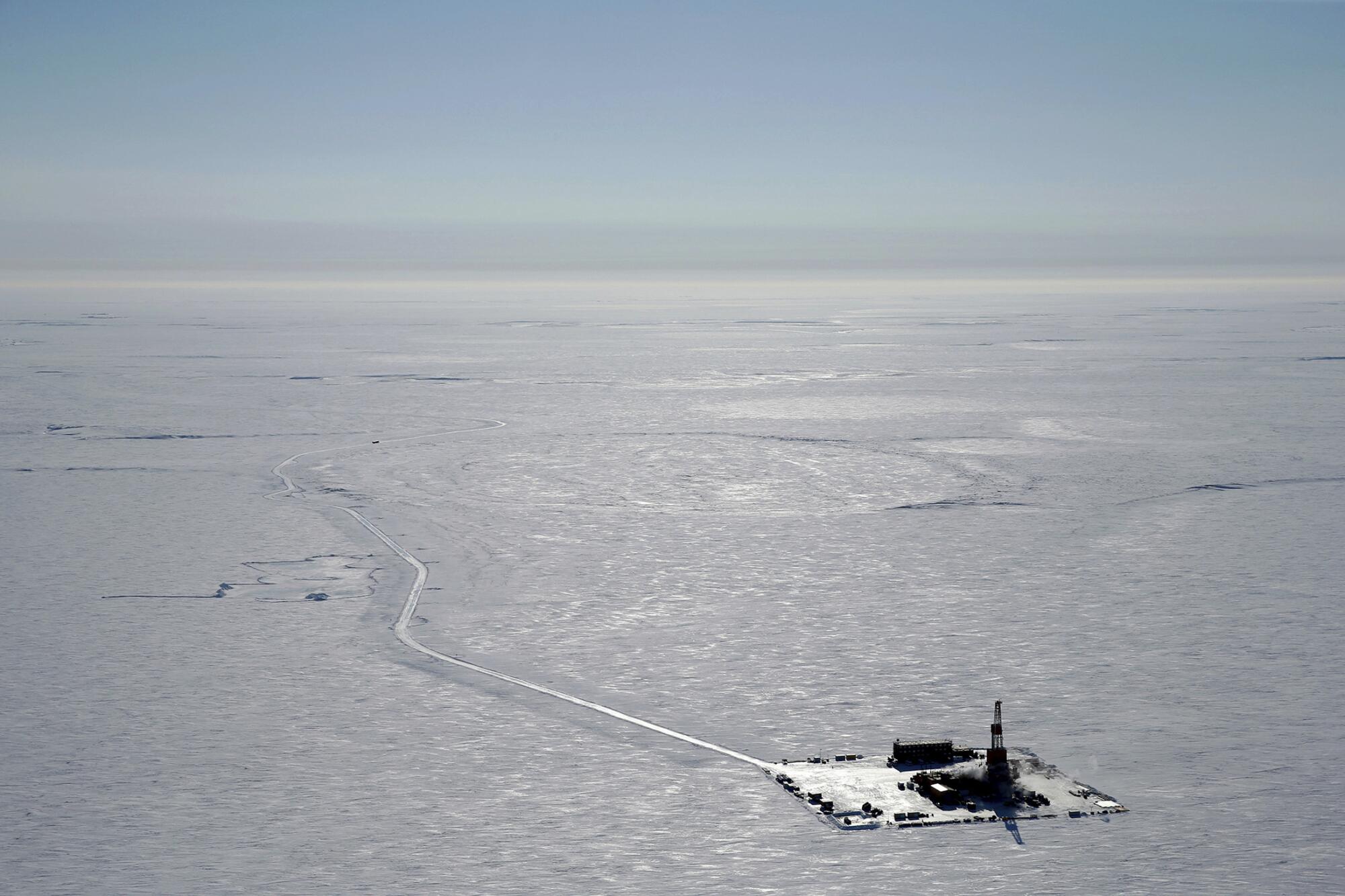
This 2019 aerial photo provided by ConocoPhillips shows an exploratory drilling camp at the proposed site of the Willow oil project on Alaska’s North Slope.
(Associated Press)
“I want to create a space where kids have loving, supportive parents. My parents aren’t perfect, but I know that I grew up in a loving home where they would do anything for my success and protection, and I want to create that for someone else.”
Her sentiments were echoed by Melanie, whose experience living in a racially and gender-diverse family inspires her to want to recreate the same.
She said: “When I look within my own family, we’re very diverse. We’re Black, we’re white, we’re Native American. We’re straight, we’re queer, we’re nonbinary. And we still have compassion for each other and that kind of spills over into compassion for other people that we don’t know. And I think, like, I don’t want to quit. I don’t want to let the bad things dictate how I make my decisions
“The idea of bringing someone into this world and growing them with compassion and love, and making sure they grow up knowing to stand up for other people and stand up for what’s right, that’s a little glimmer of hope.”


new video loaded: NASA Announces Artemis III Crew
transcript
transcript
NASA Announces Artemis III Crew
NASA announced the crew of Artemis III mission, which will fly to low-Earth orbit to test rendezvous and docking maneuvers with one or two lunar landers.
-
“I am excited to welcome you as the next crew in the Artemis journey to successfully return to the moon — this time to stay.” “I’m honored by the role that I’ve been given. I’m also very humbled by the task in front of us. But first and foremost, I’m grateful.” “So with that, the Artemis II crew, comrade, hands you the baton. You got the controls.” “As you know, we had a significant anomaly at our Launch Complex 36A on May 28. We’ve redoubled our efforts and are moving forward.”
By Alisa Shodiyev Kaff
June 9, 2026
Science
Santa Monica Mountains’ last steelhead trout survived the Palisades fire — and even had babies

Scientists feared the Santa Monica Mountains’ last remaining steelhead trout were dead, smothered by debris flows unleashed by the Palisades fire.
But the endangered fish surprised them: A team of biologists recently spotted 30 of the rare trout — and 21 babies — in Topanga Creek.
“There was a lot of happy dancing in the creek,” said Rosi Dagit, principal conservation biologist for the Resource Conservation District of the Santa Monica Mountains, which works with public and private landowners to conserve natural resources.
That’s because the steelhead here are endangered, at both the state and federal levels. Once, they swam in most streams of the Santa Monicas, but their numbers plummeted amid overfishing and coastal development. Increasingly frequent wildfire has further stressed their habitat. Topanga Creek, a biodiversity hot spot, is home to their last known population in the mountains that stretch from the Hollywood Hills to Point Mugu in Ventura County.
The trout that were spotted, including this one, are part of a distinct Southern California population that’s listed as endangered at the state and federal levels.
(RCDSMM Stream Team)
The California Department of Fish and Wildlife spearheaded a complex mission to rescue trout threatened by the Palisades fire that sparked in January 2025.
Time was of the essence. The fire hadn’t yet been fully contained. But rain was on the way, which would sweep massive amounts of sediment from the denuded hillsides into the water. Fish are often killed this way.
Crews stunned the fish with electricity, scooped them up in buckets, trucked them to a hatchery and ultimately moved them to Arroyo Hondo Creek in Santa Barbara County.
Within days, Topanga Creek was choked with mud. Some assumed the fish left behind were goners.
But in March, the conservation district’s team found four. The following month, when water conditions were clearer, they saw more.
“These fish continue to amaze me,” said Kyle Evans, environmental program manager for the state Department of Fish and Wildlife, who had seen the damage to the creek. “I had seen populations get wiped out in similar situations. So when I heard, I was thrilled.”
Evans surmises the fish that survived were in an area of the creek where less charred material and sediment were swept in.
“These fish likely hunkered down, were hiding under some rocks or places to try to get away from the main concentration of flow,” he said. “And luckily they weren’t buried.”
The ones that were spotted were fairly small, around 6 to 14 inches. Rainbow trout and steelhead trout are the same species, but with different lifestyles. If the fish remain in freshwater, they’ll be considered rainbows. However, they can migrate to the ocean and become steelhead, where they typically grow larger before returning to their natal waters to spawn.
Topanga Creek hasn’t fully recovered from the damage it sustained, but scientists say it’s looking better. Surveys last year were “so depressing,” Dagit said, with very few animals, and stretches that were essentially transformed into flat roads from all the sediment buildup. Some of the riparian canopy burned right down to the creek.
Then came 32 inches of rain over the last nine months, scouring out and moving sediment, creating deeper pools. Dagit said they recently found newt egg masses for the first time in years, as well as a few adult newts and many frogs. Plants that provide cover are starting to recover.
She provided photos comparing certain pools last year and this year, some dramatically transformed. In September 2025, the Shrine Pool could have been an overgrown hiking trail. This April, it was filled with shallow water.

The Shrine Pool in September 2025, left, and the same location in April 2026, right, with RCDSMM’s Isaac Yelchin donning a wetsuit.
(RCDSMM Stream Team)
Topanga Creek is home to another endangered fish, the small but hardy northern tidewater goby, often described as cute. Not long before the trout operation, Dagit led a rescue of hundreds of these fish too. Many were repatriated to the lagoon at the mouth of the creek in a moving ceremony last June.
There’s still the matter of what to do with the trout that were moved to Santa Barbara County last year. Evans would like to bring them home to the Santa Monicas at some point, but isn’t sure if it will happen. On one hand, they could bolster the small, genetically isolated surviving population. On the other, they might inadvertently bring in a disease or bacteria. There is some time to decide. Evans estimates the creek still needs to recover for two to three more years.
For now, the fish are functioning fine in their adopted creek. Experts worried the trauma wrought by the move would disrupt their spawning process, but they had babies that spring. This year, they spawned again.

The Pacifica Municipal Pier was shut down and taped off Thursday after city workers noticed cracks running through the landmark structure and concrete chunks falling into the ocean.
It’s just one of many coastal California structures that have recently crumbled under pressure from a rising and relentless ocean.
Officials from the small, beach city south of San Francisco said the pier was closed due to “cracking, separation, and displacement of the concrete walkway and structural elements.”
It will stay closed while structural engineers asses its safety.
Photos taken by city employees show a wide crack that runs from top to bottom and across the structure as well. Other photos show a large horizontal crack under the foundation of a small restaurant on the pier, the Chit Chat Cafe.
The cafe was also shut down.
This is not the first time the 53-year-old pier has shown signs of stress. In 2021, part of it was shut down after handrails along the edge collapsed. And in 2023, after a series of storms pummeled the Central California coast, damaging parts of the pier, the structure was partially closed for more than year.
Those same storms caused extensive damage in Aptos and Capitola, 70 miles south, where piers and waterfront infrastructure were swept away or damaged.
In 2024, a 150- to 180- foot section of the Santa Cruz wharf was ripped off by powerful waves.
At least 10 of the state’s dozens of coastal public piers were closed for part or all of 2024 due to structural damage sustained in winter storms since 2022. At least five others have longer-term upgrades planned to address structural issues.
“These things are costly to maintain,” said Zach Plopper, senior environmental director at Surfrider. “They are a part of our California coastal culture in many ways, but we’re going to need to reckon with, one, the state that they’re in, and two, the continuous and worsening threats they’re going to experience,”
He said most of the piers were constructed in the early 1900s, and they weren’t built to withstand decades of rough seas, storms and rising sea level.
“With this incoming El Niño, which is forecasted to be significant, and this marine heat wave we’re in the midst of, we’re kind of in uncharted waters as far as what this winter could bring in terms of storms and swells to the California coast, and we’re likely going to see a lot more damage,” he said. “Not just piers, but roads and other coastal infrastructure up and down the state.”
There was no storm in Pacifica earlier this week, so no single event could be blamed for the destruction.
However, a 2025 report from an outside engineering firm, GHD, found that several sections of the pier were in “poor” or “serious” condition, and they recommended closure before anticipated storms or events that could “subject the piles to high winds, swells and large waves.”
The firm found several areas of the pier where concrete was missing and rebar was exposed and corroding.
“The pier has continued to experience high winds and large waves in a harsh marine environment,” the engineers wrote in the report, noting that continuous exposure to seawater or marine spray was “detrimental” to the structure.
A 2023 city report estimated it would cost $19 million to repair.
That same year, a state law was enacted to require local governments along the California coast to plan for sea level rise in the coming decades.
Sea level has risen some 8 inches, on average, along the coast in the past 150 years, Plopper said, and researchers anticipate another foot in the next 25 years.
“We’re going to see profound shifts on our coastline, none that we have ever experienced before, and building static structures on the coast just doesn’t work all that well,” he said. “We’re going to have to make some really hard decisions.”
-

 Arizona6 minutes ago
Texas-based Buc-ee’s reveals opening date for first Arizona store
-

 Arkansas9 minutes ago
Arkansas lands grant to battle deadly cattle tick disease
-

 California14 minutes ago
Operation Hands Down disrupts Central California gangs – Inside CDCR
-

 Colorado21 minutes ago
$25.7M Colorado private ski mountain property heads to auction
-

 Connecticut24 minutes ago
Connecticut driver spots snake in car while driving, police say
-

 Delaware29 minutes ago
Delaware Bay’s new oil spill response boat officially christened
-

 Florida36 minutes ago
Sheriff’s Office investigating fatal shooting of child in Florida City
-

 Georgia39 minutes ago
Northwest Georgia Congressman pushes for impeachment of federal judge for misconduct

