Illinois
Peoria named one of the best places to live in the country, according to report


Peoria has been named the No. 1 place to live in the state of Illinois for 2024-2025 by U.S. News and World Report.
Peoria is the only Illinois city to be ranked in the top 100 places to live, coming in at No. 82. Rockford was ranked 105th and Chicago came in at No. 119.
Being ranked in the top 100 places to live has become somewhat of an annual exercise for Peoria, much to the chagrin of some Peorians on social media.
‘Take off like a rocket’: Why Peoria leaders are sanguine about future amid public negativity
But nonetheless, Peoria’s lower than average housing and rent costs and quality of life scores earned high marks with U.S. News and World Report, earning a spot in the top 100. Median home values in Peoria were $136,078, far less than the national average of $281,900.
Short commuting times for Peorians compared to other similar metro areas also earned Peoria high marks on its report card. Peoria’s commute times are 10 minutes less than the national average.
One blemish on Peoria’s report card was its violent crime statistics, which the list scored as higher than average. Another ding for Peoria was its public school system, which the list scored as a 4.7 out of 10 in the category of “college readiness” for students.
Opinion: Peoria is the best place for my family to live. Here’s why



Illinois
Georgia man saved rare 1998 Lamborghini Diablo SV from Illinois just in time before it was destroyed

This guy had to rush from Georgia to Illinois to save a rare 1998 Lamborghini Diablo SV.
The Lamborghini Diablo is rare to begin with, and the Diablo SV is even rarer.
In a way, this guy did a service to the automotive world.
But it wasn’t easy, and the car barely made it.
What makes this Diablo SV even more special
Ed Bolian, co-founder of VINWiki, was trying to track down a rare 1998 Lamborghini Diablo SV that was famously featured in (and sold through) the Victoria’s Secret Christmas catalog that year.
Bolian had been searching for this unique car for years, but it had essentially disappeared after being sold at auction in 2011, it had vanished from public records with no registration or insurance updates for 14 years.
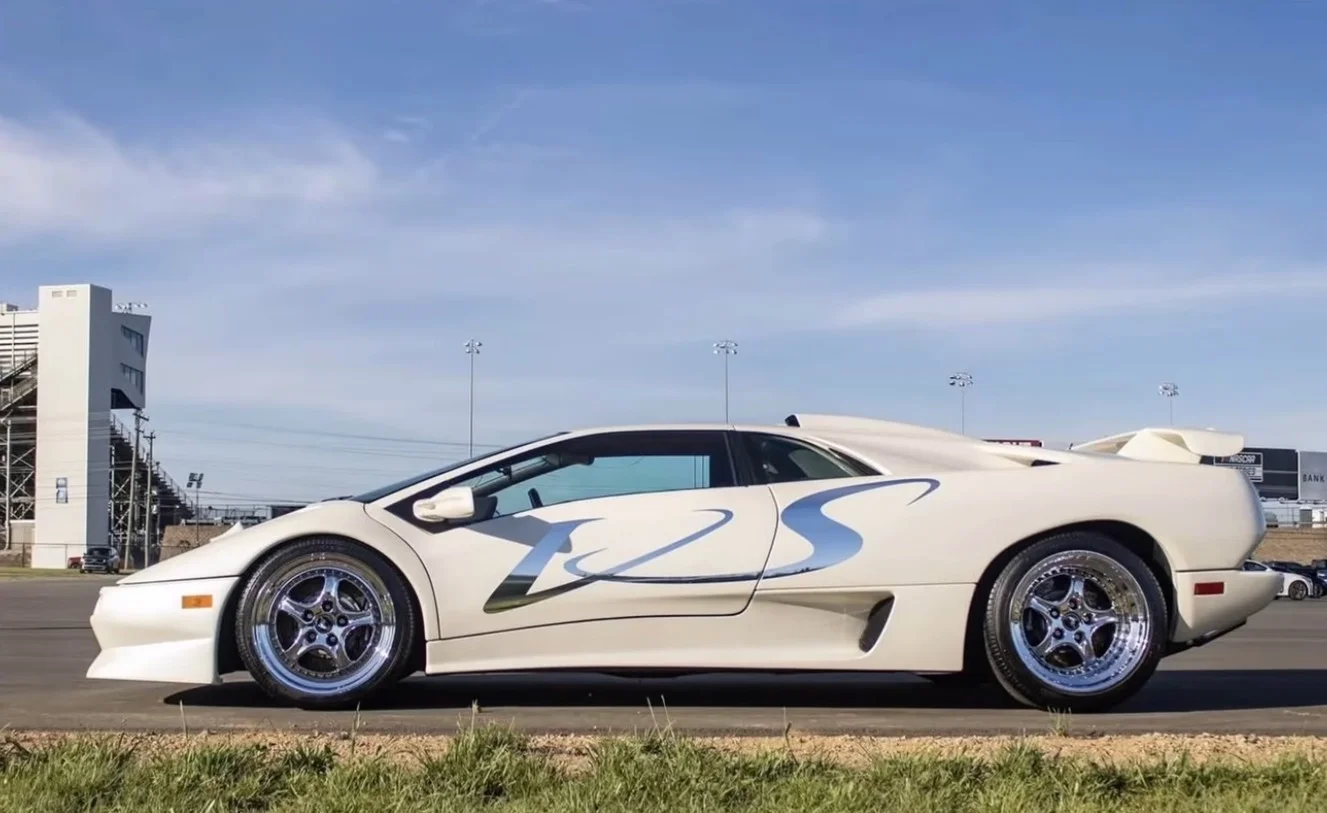
Then, much later and with the help of a guy whose nickname is ‘barn find king’, the 1998 Lamborghini Diablo SV was eventually tracked down in 2025.
But there was a problem, mainly because this Lambo was months or maybe weeks away from becoming a write-off.
The Victoria’s Secret Lamborghini barely survived a tornado
The Victoria’s Secret Lamborghini Diablo SV was eventually located in private airport hangar in small town in Illinois about one hour away from Chicago.
So far, so normal.
Bolian and his team were expecting rust, dust, saggy tires – the usual.
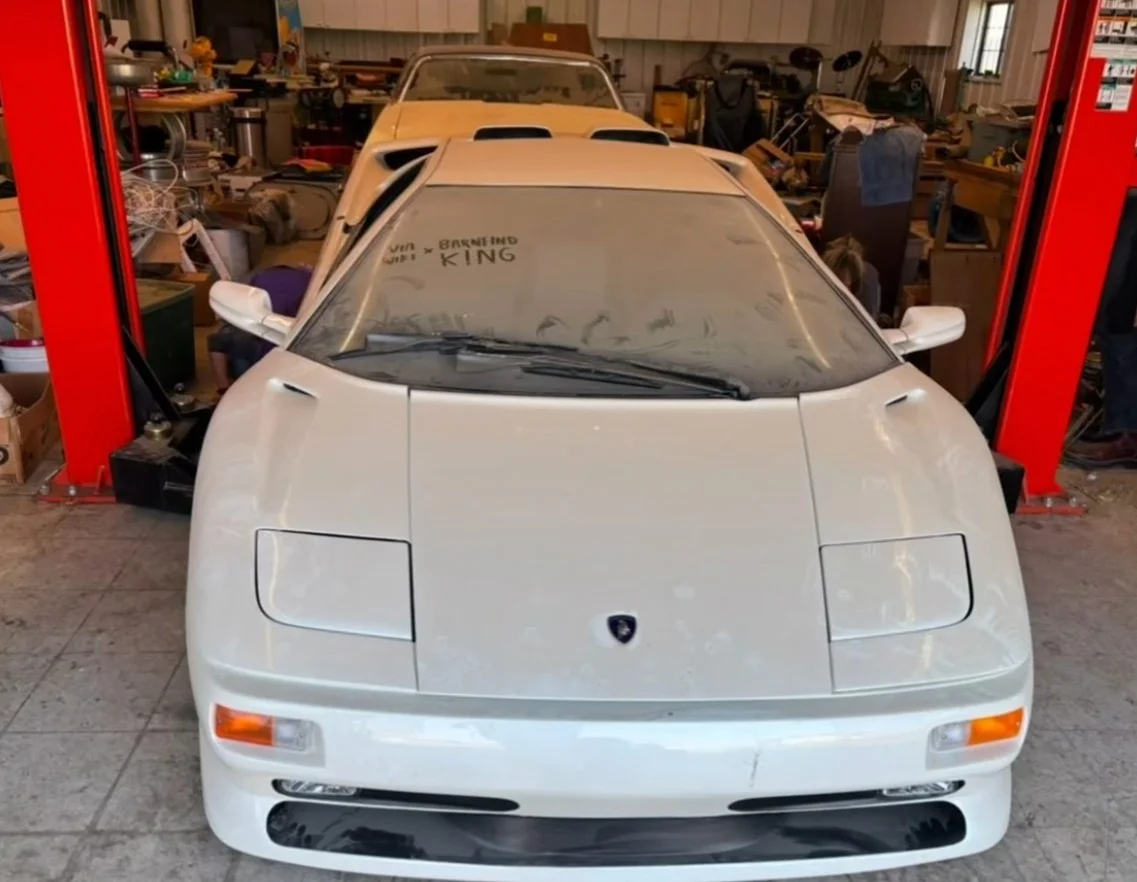
But then, in June 2026, a series of tornadoes struck this town and the exact hangar where the Lamborghini had sat for 14 years was destroyed in the storm.
The Lambo was bruised and damaged but, amazingly, it was still in one piece.
Bolian was able to find the car and buy it, and then he managed to bring it back to Georgia to restore it.

At the time of writing, the Victoria’s Secret Lambo is in great shape.
But a few more weeks, or maybe even days, of hesitation could’ve sealad its fate.

SPRINGFIELD, Mass. (WGGB/WSHM) – Before 9 a.m. on Saturday, July 4th, firefighters at the Springfield Fire Department responded to a call for a fire at a multi-family home at 479 Central Street in Springfield.
When crews arrived, they had noticed flames shooting from the windows of the home. When crews began their attack of the fire, they had also spotted a teenager and an infant trapped inside the home, both of them were rescued safely.
The fire was quickly put out and without any injuries. 8 people were displaced as a result of the fire and are currently being assisted by the Springfield American Red Cross.
The cause of the fire remains under investigation by the Springfield Arson and Bomb Squad.
Copyright 2026 Western Mass News (WGGB/WSHM). All rights reserved.

Illinois transportation and law enforcement officials are reminding drivers to make safe choices during the busy Independence Day holiday travel period.
The Illinois Department of Transportation, Illinois State Police, and local law enforcement agencies have launched the annual Drive Sober or Get Pulled Over campaign, which runs through the early morning hours of July 6.
According to provisional IDOT data, Illinois recorded 17 fatal crashes and 18 traffic deaths during last year’s Independence Day holiday travel period. Four of those crashes involved drivers who had been drinking.
In addition to looking for impaired drivers, officers across the state will be increasing enforcement of seat belt, speeding, and distracted driving laws.
Officials encourage anyone planning to drink alcohol or use cannabis to arrange for a sober driver, use a rideshare service, or stay where they are instead of getting behind the wheel.
-
 Colorado6 minutes ago
Bishop Castle is still standing as Aspen Acres wildfire continues to burn nearby
-
Connecticut11 minutes ago
Mary Ball Tomolonius Obituary
-

 Delaware18 minutes ago
Woman shot in parking lot of pizza shop in Delaware
-

 Florida21 minutes ago
1 dead, 3 injured after lightning strikes family off Florida beach
-
Georgia26 minutes ago
Georgia Lottery Powerball, Cash 3 results for July 4, 2026
-

 Hawaii33 minutes ago
Fatal crash closes H-1 West near Aala St. overpass
-

 Idaho36 minutes ago
Idaho woman reunites with biological family in Moldova after being kidnapped at birth
-

 Illinois48 minutes ago
Georgia man saved rare 1998 Lamborghini Diablo SV from Illinois just in time before it was destroyed


