Lifestyle
The New York Fashion Week digicam diaries: It's 2006 again, baby

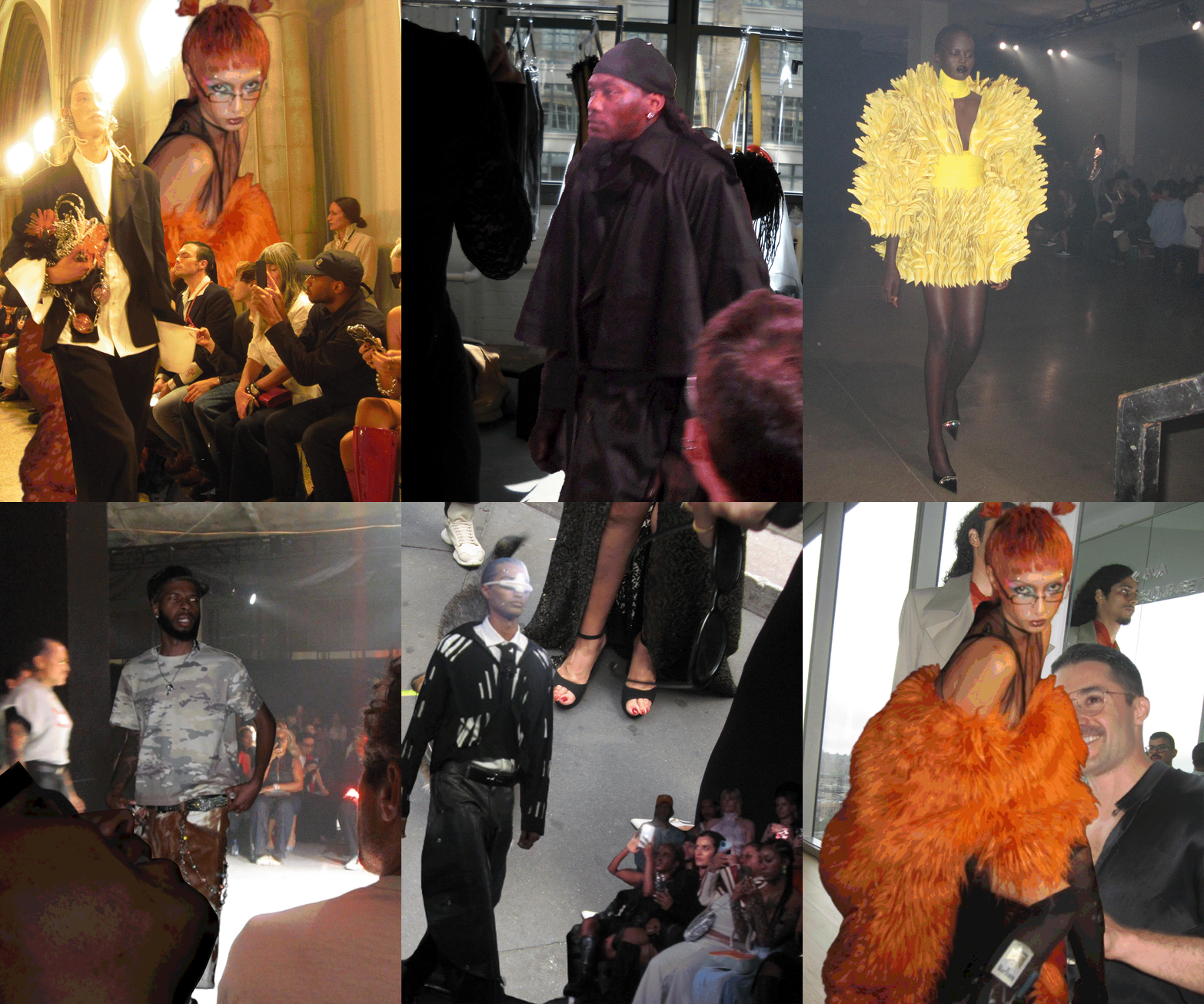
I took an old point-and-shoot digital camera to New York Fashion Week because, haven’t you heard? It’s 2006 again, baby — when I was 11, I would lock myself in my room and give myself flash blindness by taking dozens of blown-out pictures of my face on a pink Sony Cybershot that I would upload to MySpace. Fun, hazy times. You know what else was fun, hazy times? New York Fashion Week this year. The Willy Chavarria show. Eckhaus Latta’s anti-show. Seeing Offset walk Luar in a durag and structural floor-length trench coat. And catching up with Tinashe backstage at Elena Velez. Let’s review, shall we?
Area’s 10th anniversary FW24 show, 1 p.m. Sept. 6
The first stop on the trip was the 10th anniversary show of Area, an independent brand helmed by co-founders Beckett Fogg and Piotrek Panszczyk. And it was hands, hands, hands everywhere: a yellow firework of a dress that if you looked closely revealed itself to be a collection of gloves layered on top of each other; stark red handprints on a long black gown. And because it’s Area, hardware was plentiful in distressed leather jackets jangling and dripping with silver spikes and chain mail. The collection was an exercise in individuality, so said the show notes. The presentation was also sponsored by Tinder and partnered with the national abortion rights campaign Bans Off Our Bodies.
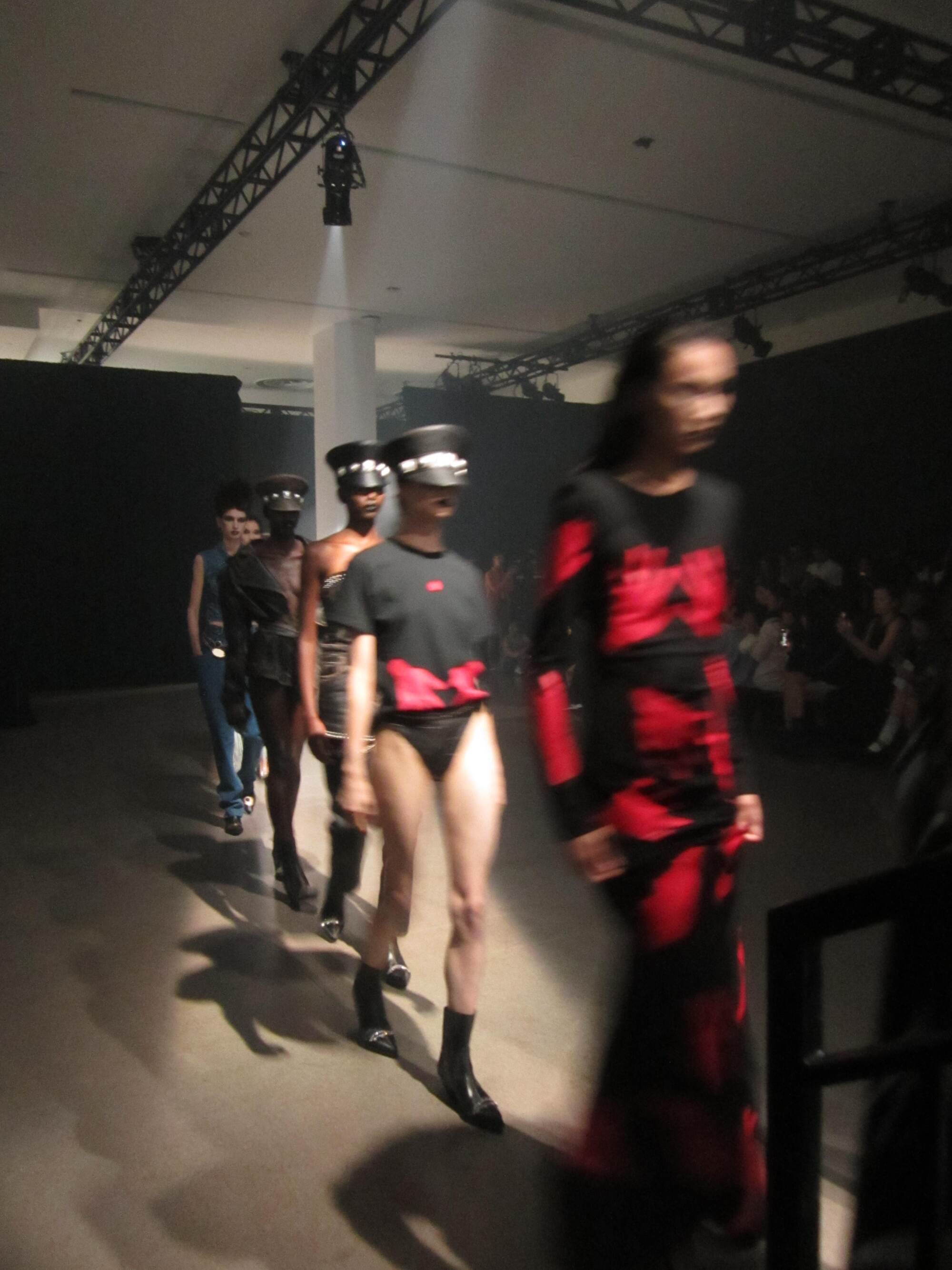
Willy Chavarria SS25 show, 7 p.m. Sept. 6
A Willy Chavarria show always feels like a holiday. Walking into the show’s location, a cavernous building on Wall Street, the first thing you noticed was a massive American flag. (Technically, the first thing you noticed were the Don Julio tequila cocktails being served in the lobby, on tables strewn with red roses, but after that: American flag.) The show, titled “América,” celebrated the immigrants, everyday people and working class that make up this country — from farmworkers to hotel staff — and took inspiration from their attire.
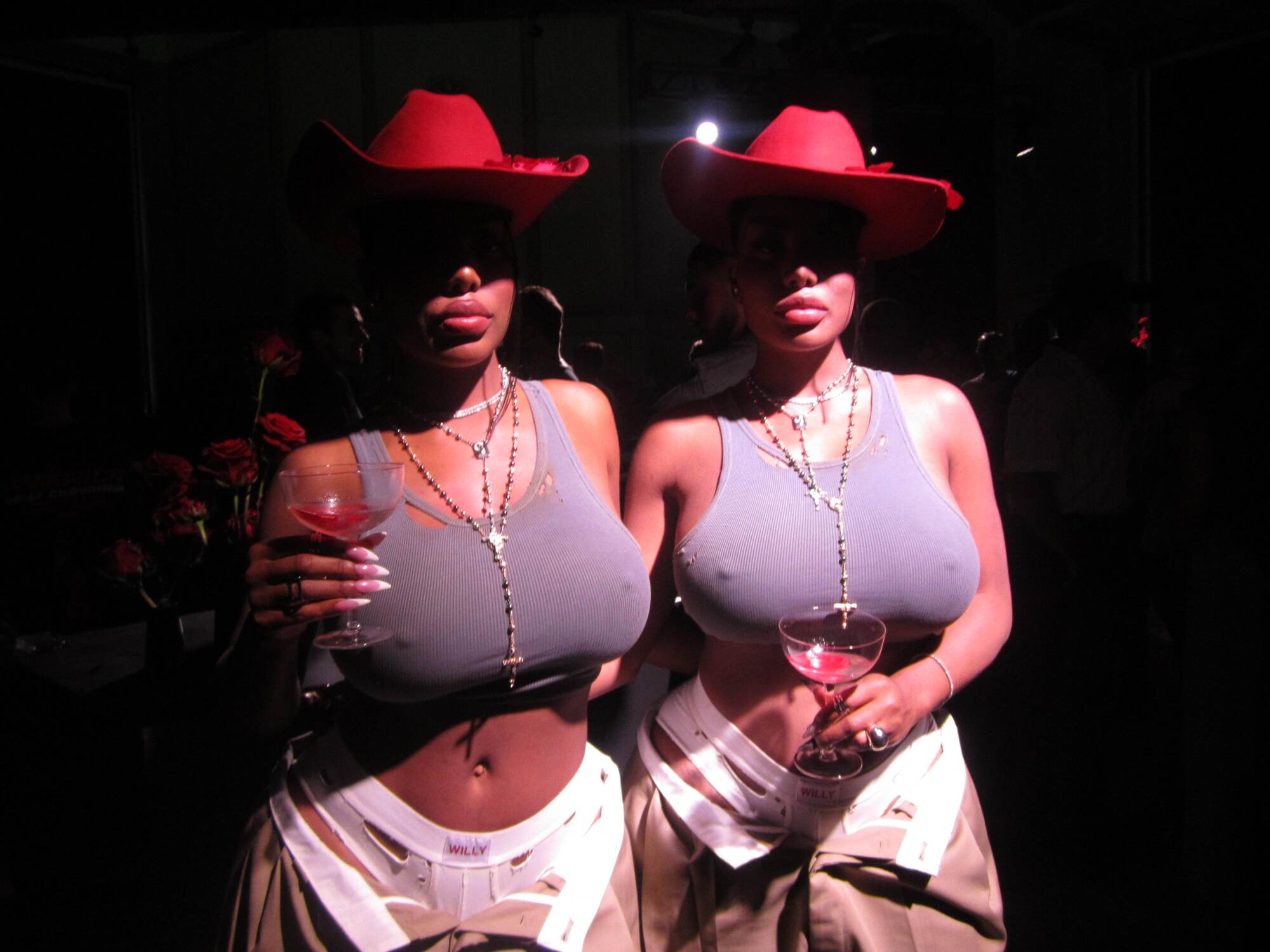
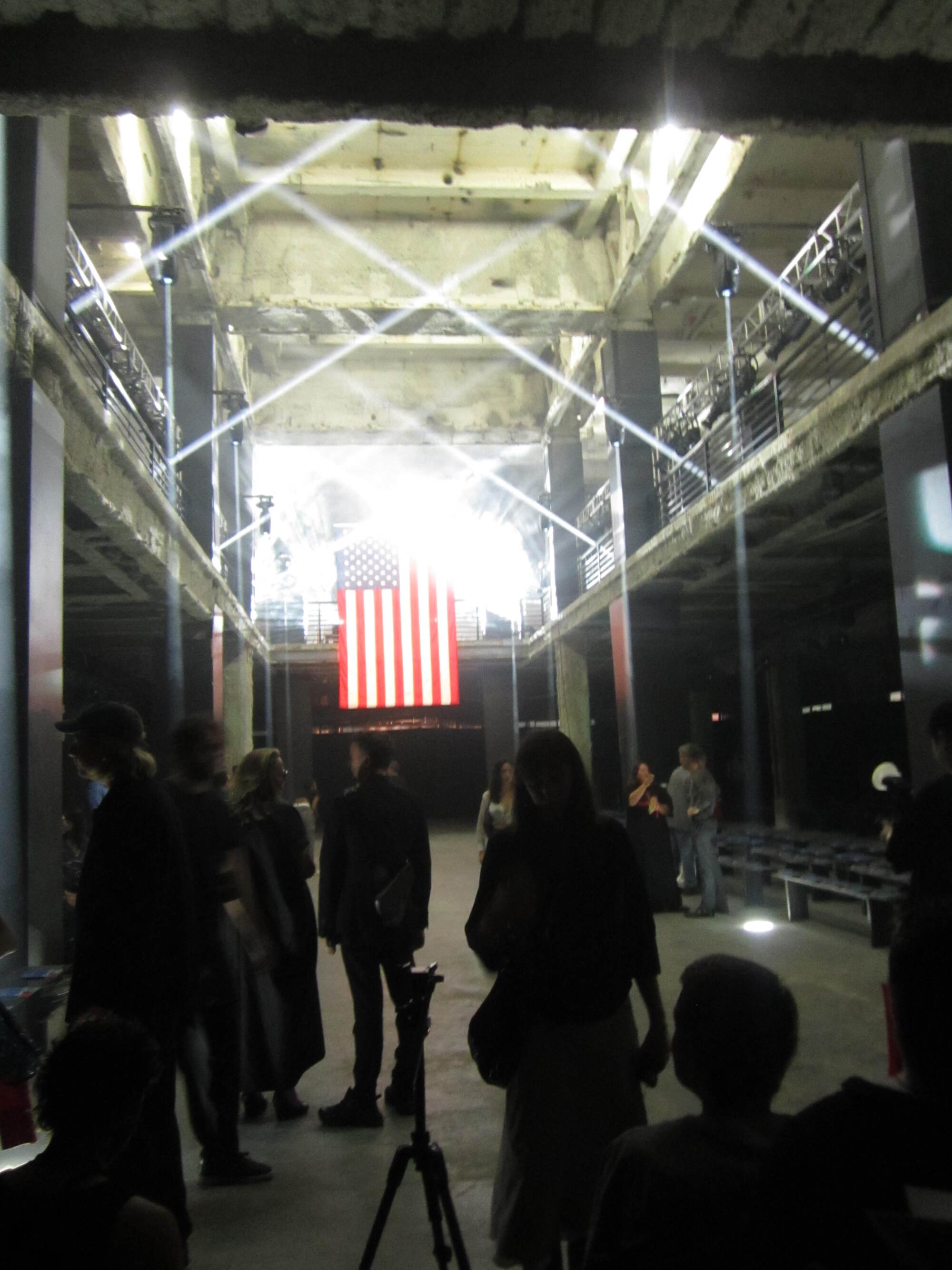
Yahritza y Su Esencia emerged from the darkness and started singing the 1984 Juan Gabriel classic “Querida,” and I quite literally felt like I was going to collapse, or combust, or both. The room was emo, there were tears (mine). It’s always gonna be JuanGa forever. The lighting design was pure drama, streaming through the gigantic concrete beams of the building like it was being tapped straight from heaven.
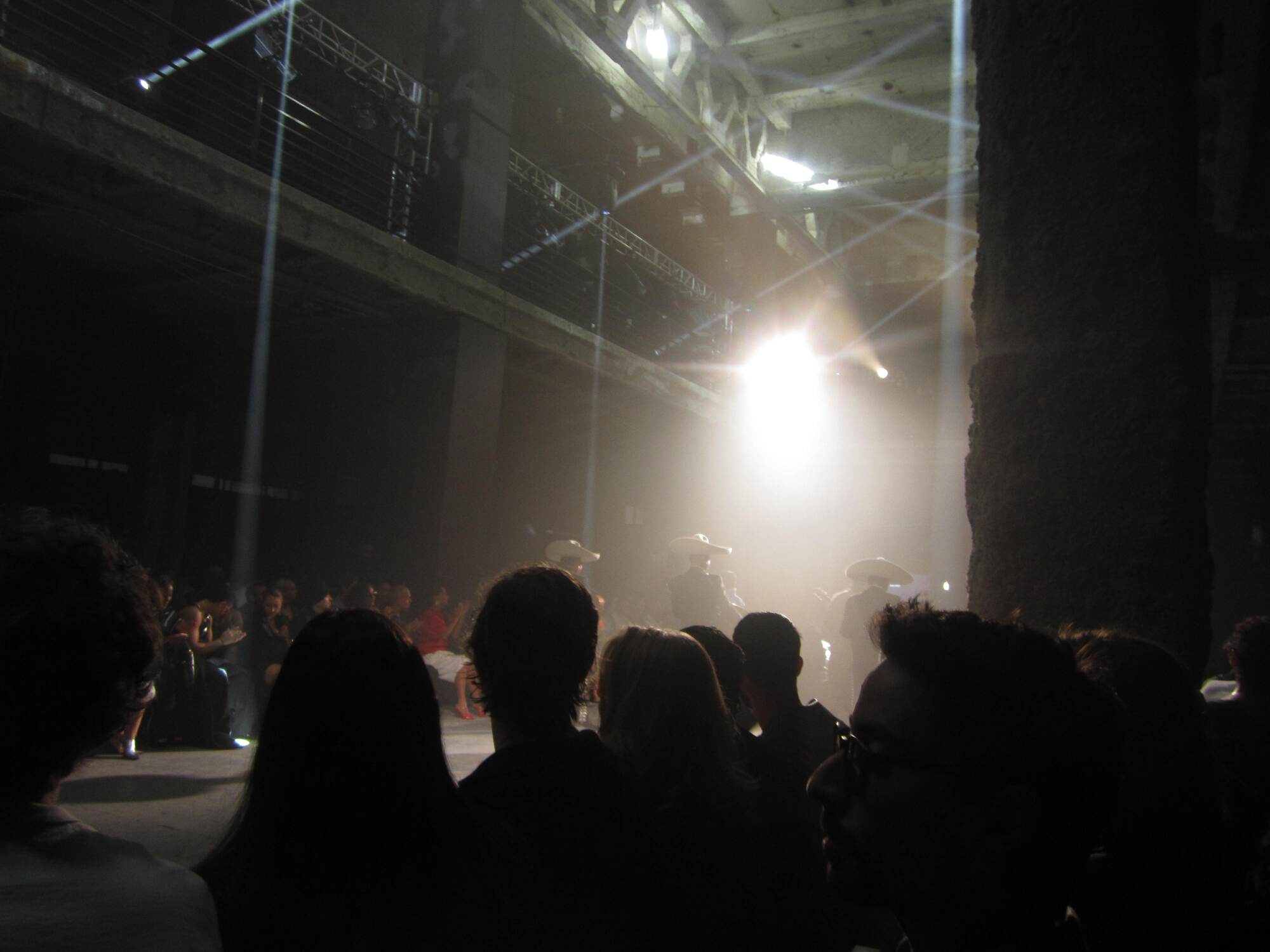
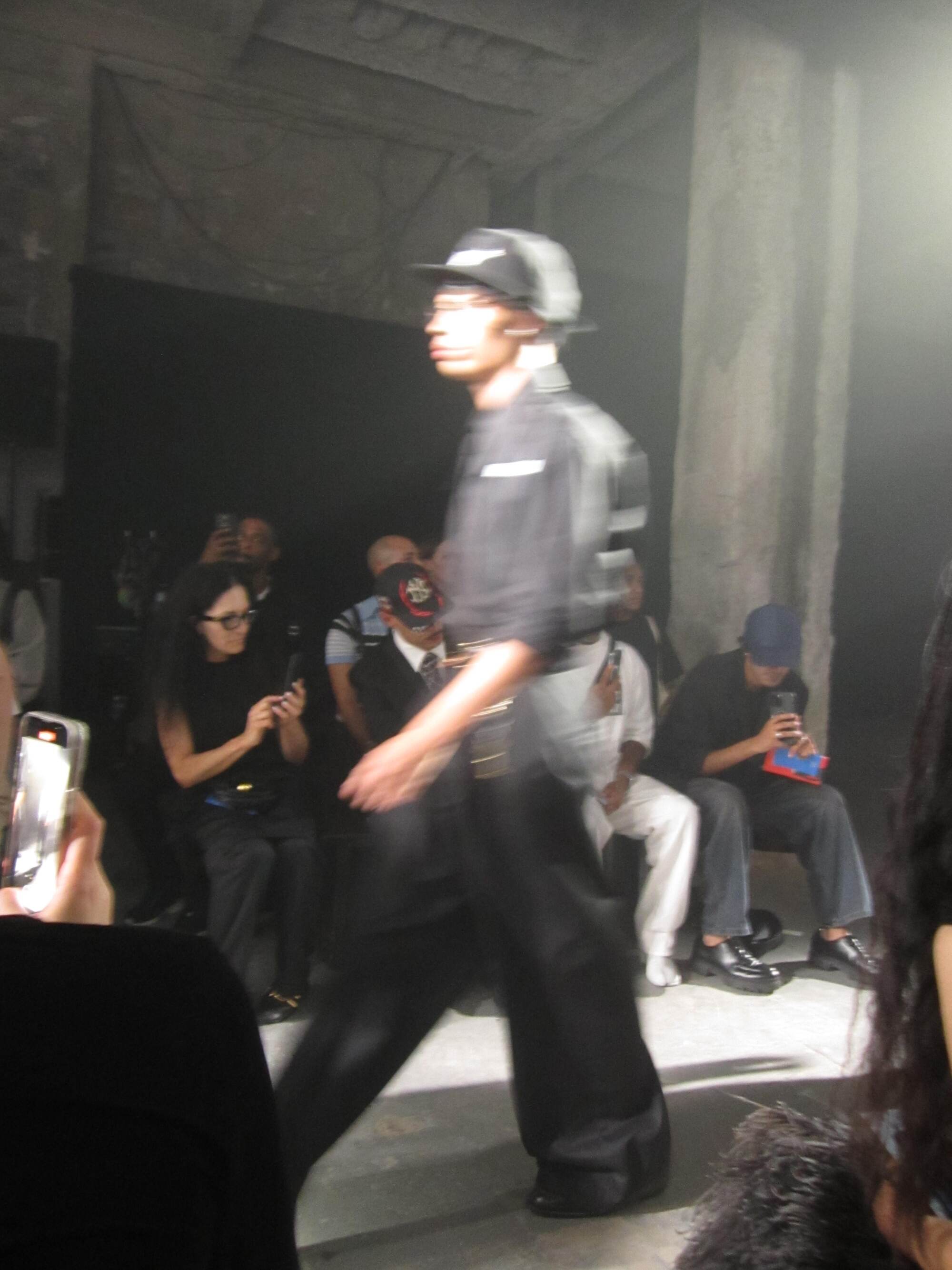
The models walked out in work shirts with squared-off shoulder pads, and there was a distressed cargo skirt suit that looked like it had been bleached by the sun. YG made his appearance in leather gloves, a tracksuit and dress shoes. Artist Delfin Finley came out in a voluminous cinched black suit that evoked a valet worker’s outfit. Chavarria took inspiration from the United Farm Workers movement, putting its logo on a sweatshirt in another look. The belt loop with keys (and a crucifix) that topped many of the looks felt on point — as though Chavarria were elevating these deeply familiar uniforms and silhouettes into new American classics.
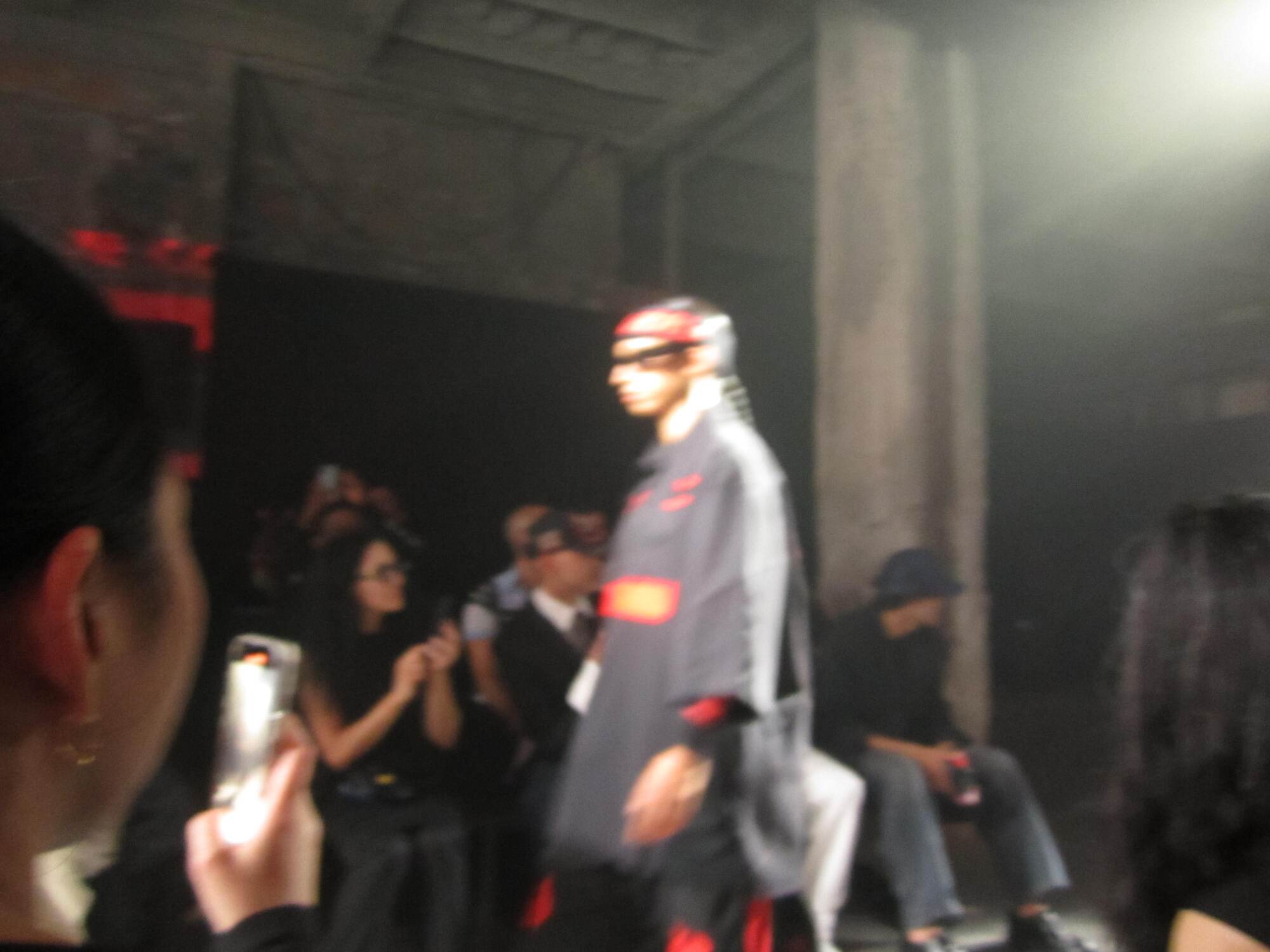
Just when we thought the show was done, the room went dark, techno boomed through every nook and cranny and the lighting turned a wash of red. For a second, it felt like we were clubbing in Berlin. Then, Chavarria’s new collaboration with Adidas was revealed at a rapid pace — models walked out in tracksuits featuring classic Chavarria proportions, embroidered with roses. And singer Yendry came out in a cropped track jacket with princess sleeves.
The afters at the Blond — I spotted models who had just walked the show, including Joseph Rayo, Eloy and Emmanuel “Chino” Salazar. Stylist Nayeli De Alba pulled up too.
Tombogo SS25 show, 8 p.m. Sept. 6
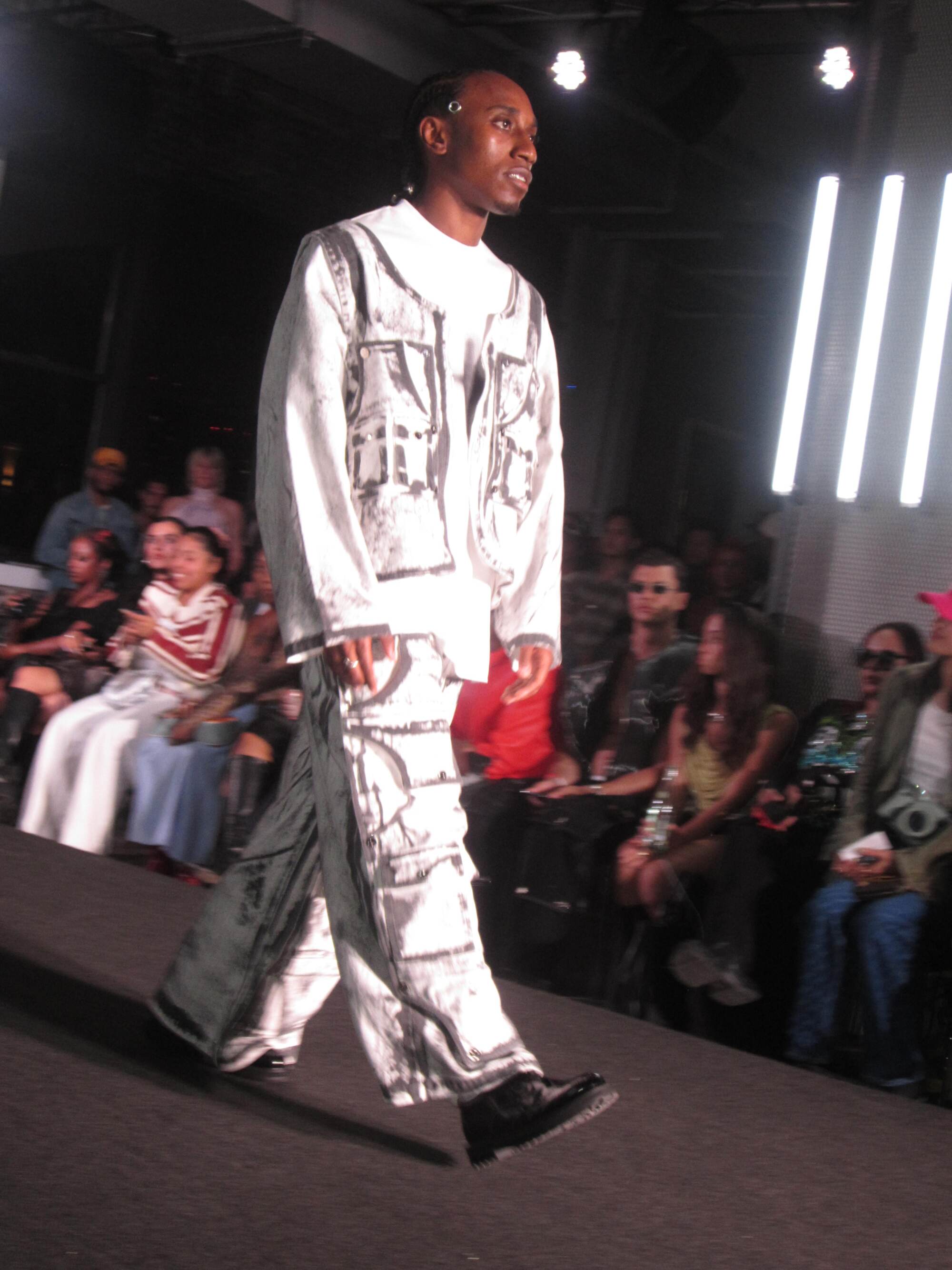
Tombogo’s fashion week presentations are always conceptual. Who could forget the SS23 show, “For the Truant and the Fluent,” in which designer and L.A. resident Tommy Bogo created a classroom setting for his runway? This year, Image’s fashion director at large, Keyla Marquez, dubbed it “Alien Core.” But Bogo calls it “Reverse Engineering.” People in white Tombogo lab coats showed the tactical and transformative nature of the clothing, adjusting the looks of most of the models that walked on the runway, snapping on and off extra pockets and appendages to each piece.
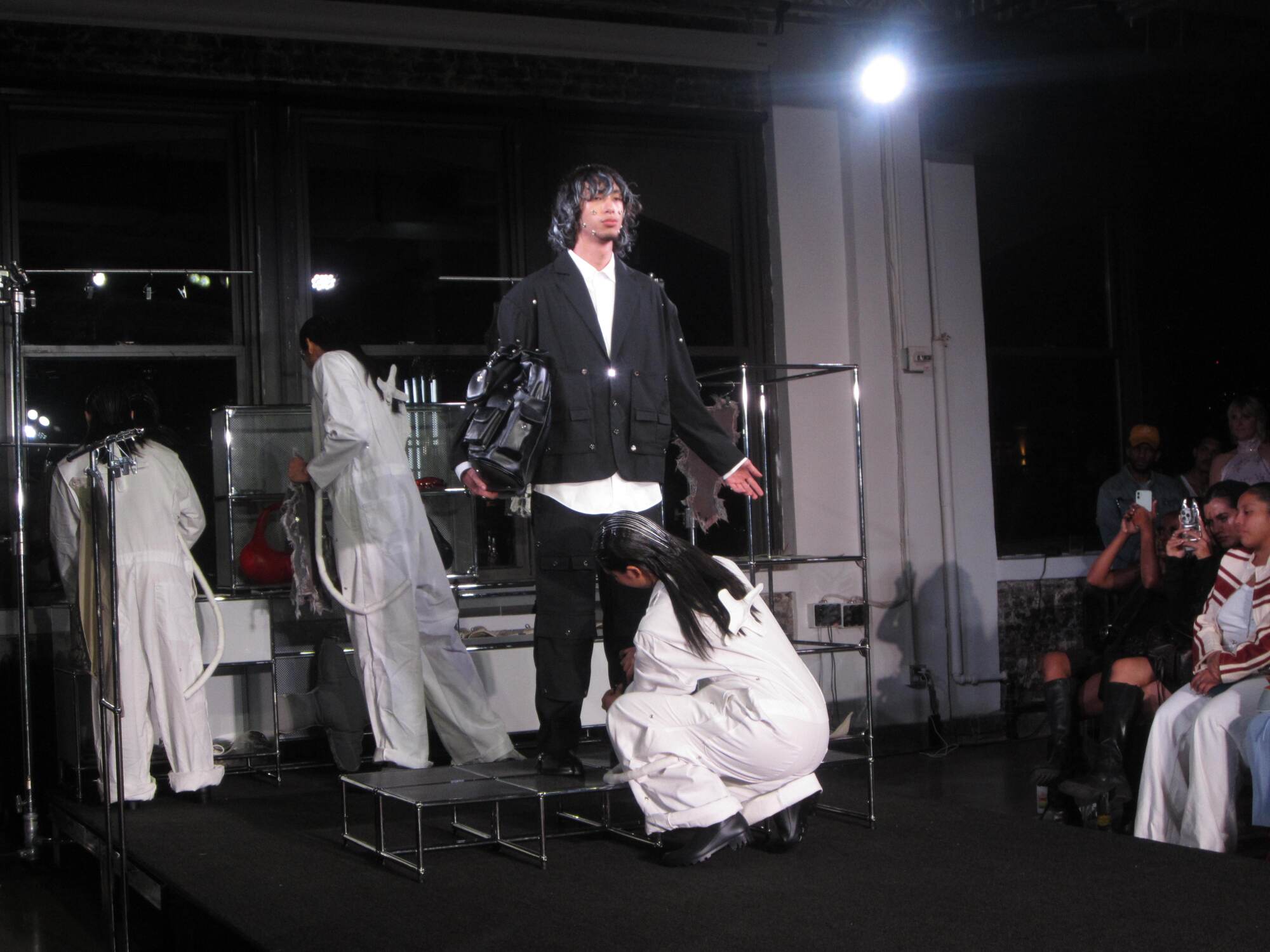
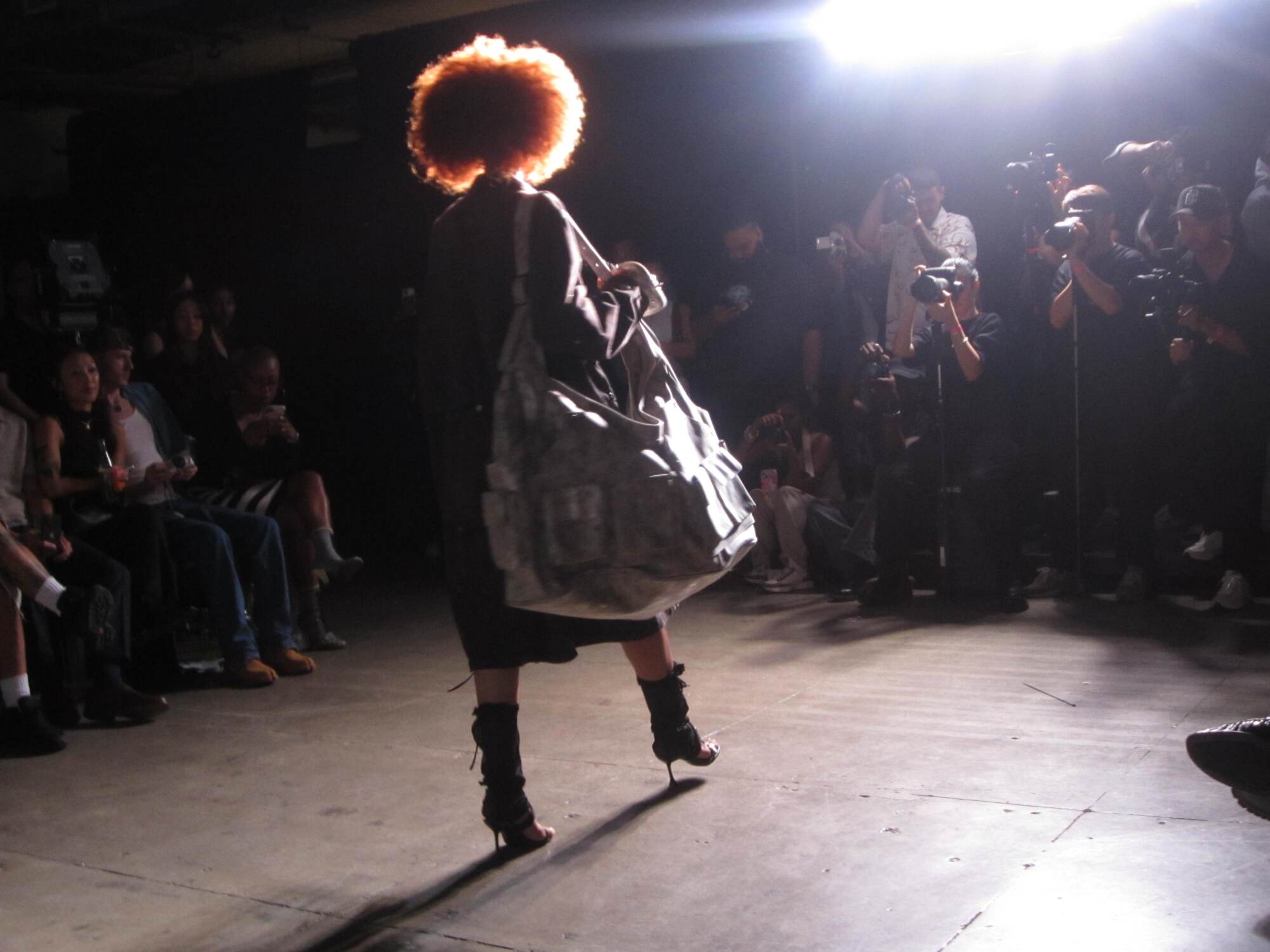
I told you, it’s 2006 again. Back when I would use a literal beach bag from Pink by Victoria’s Secret as my everyday purse because I was obviously unwell. I got clowned, sure, but I had the foresight to know how chic a big bag is. This one, with its many, many pockets, reminds me of the multi-pocket Jil Sander bags from the early 2000s that every Depop girlie is salivating over right now. What would I put in this bag? My laptop, a pair of club kid-sized platform boots, a Buick. I love it.
Campillo SS25 show, 9 a.m. Sept. 7
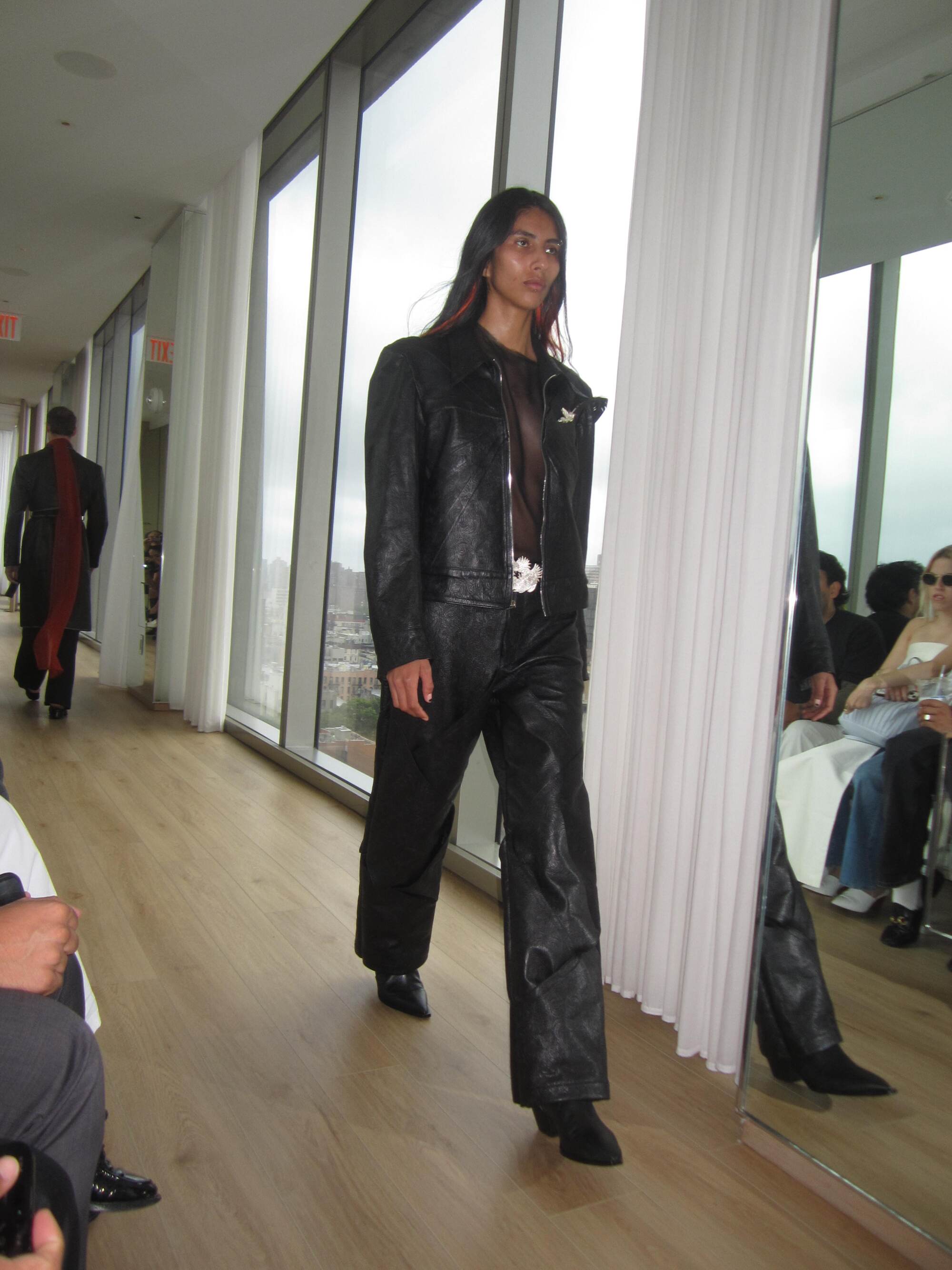
Up bright and early for Campillo — the Mexico City-based brand made its debut at NYFW on a gray morning at the Public Hotel. The presentation was framed by the sounds and silhouettes of designer Patricio Campillo’s beautiful, impeccably tailored world: Starting with the ring of chirping birds that was recorded by his mom in the country and followed up with “El Amar y el Querer” by José José. Androgynous models with slow, considered walks sauntered down the runway. (A look I’m still thinking about days later: an embossed leather suit accessorized with a statement belt buckle, a feather and a brooch.)
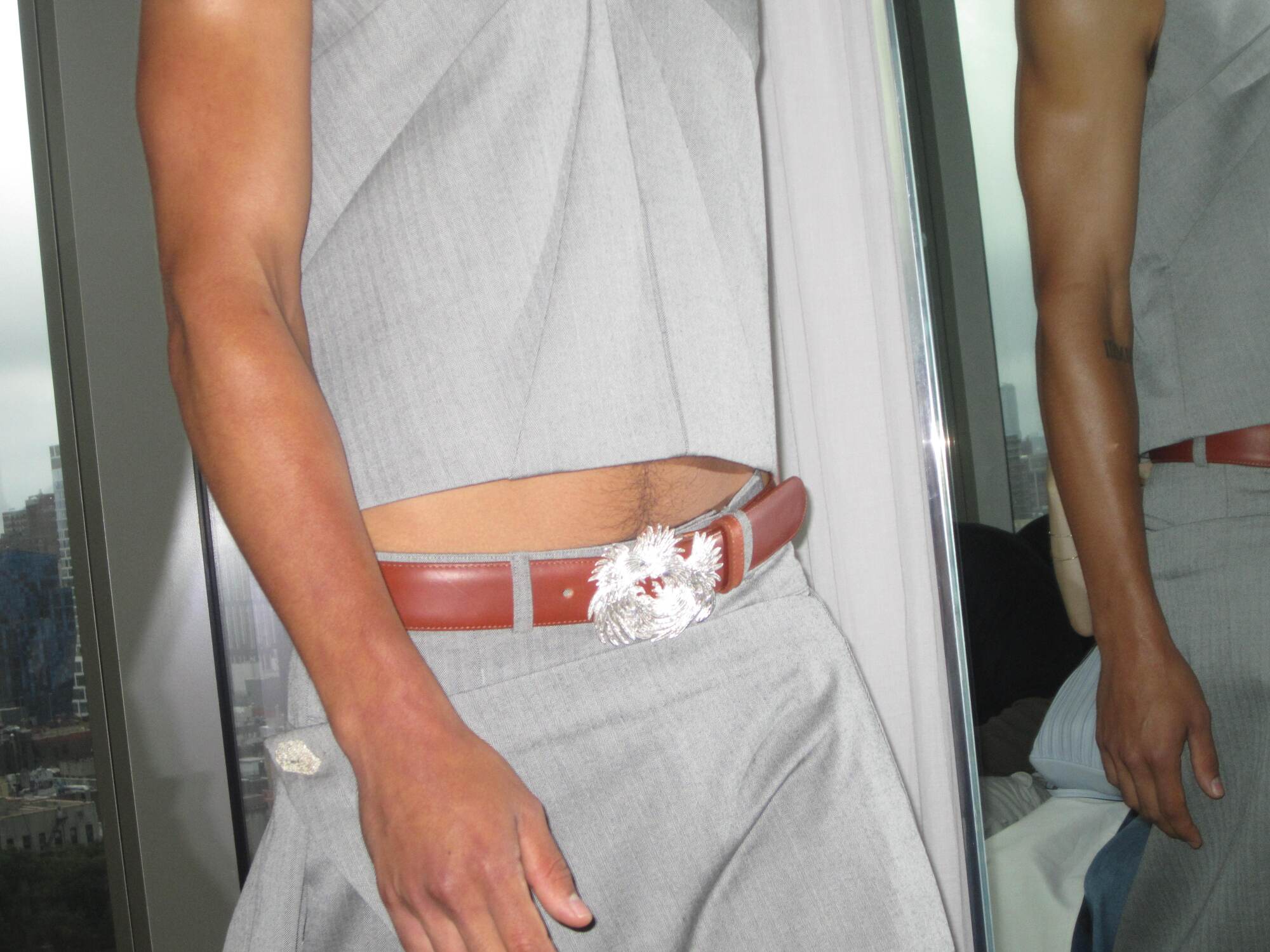
The collection was inspired by Mexican volcanoes and their ability to transform space, which came to designer Patricio Campillo while he was meditating: He envisioned himself sitting at the foot of a volcano where he’d also spent time physically. “For me, it was a way to bend fantasy with reality in a way that was very important,” Campillo says. “It made me think of the duality that exists between something that is very peaceful and serene, such as an inactive volcano, versus an eruption — there is a lot of violence involved in that, a lot of energy. That was how I wanted the show to feel. There is something about this Mexican dream that I’m trying to tell the story about, but then in that dream, there is also violence, there’s also eruption and explosion.” The ombré washes of some of the pieces referenced lava turning into rock.
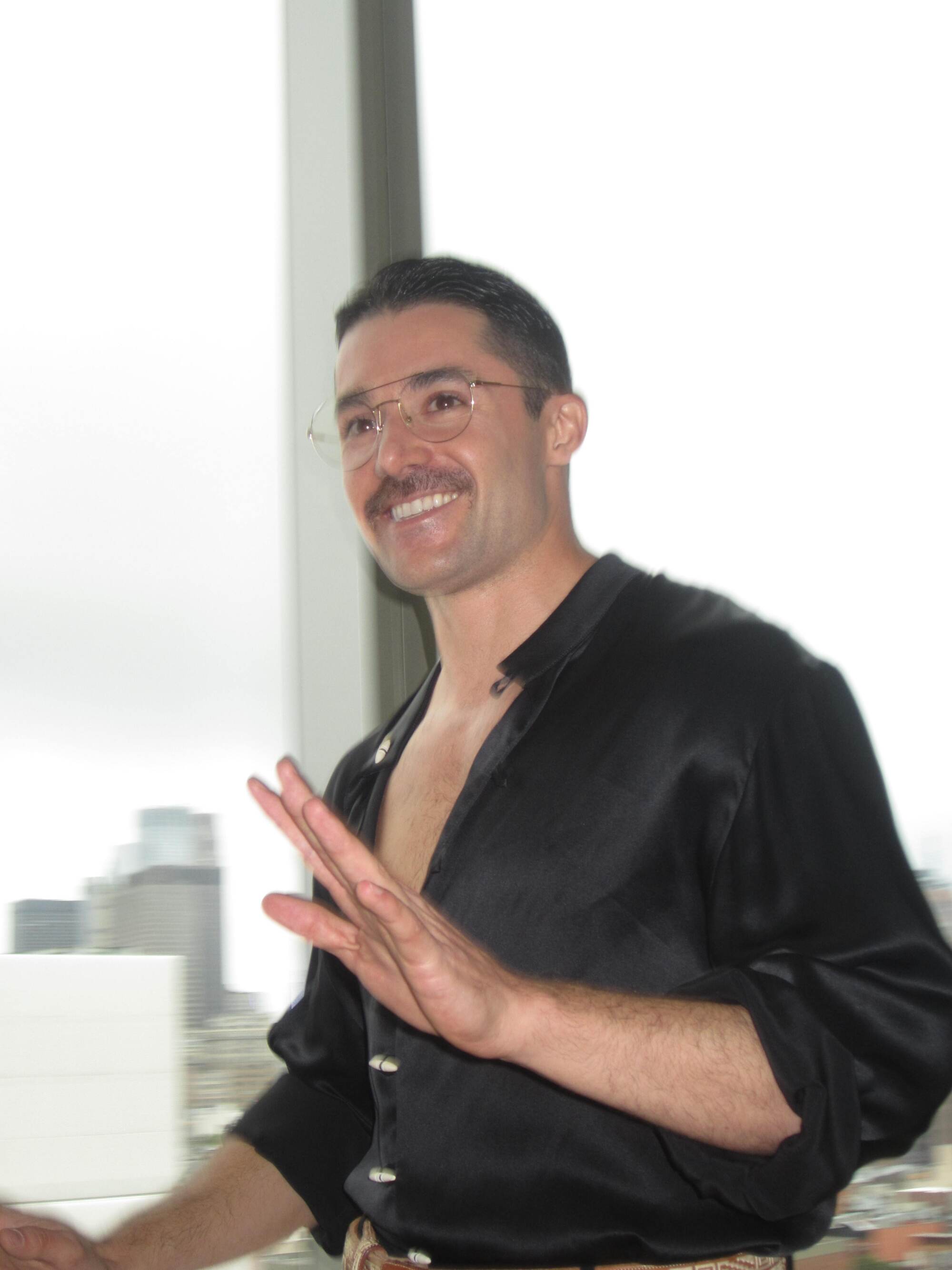
Designer Patricio Campillo.
Campillo reminds me that his brand is based on a family heirloom: a charro suit gifted to his father by his grandfather that he inherited a few years ago. A charro suit is made using specific sartorial techniques, which Campillo applies to other garments, creating something highly specific to him, his experience and his version of the world. “Everything is very personal to me when it comes to my brand,” he says. “It’s the most personal thing that I have in my life.”
Palomo Spain SS25 show, 4 p.m. Sept. 7
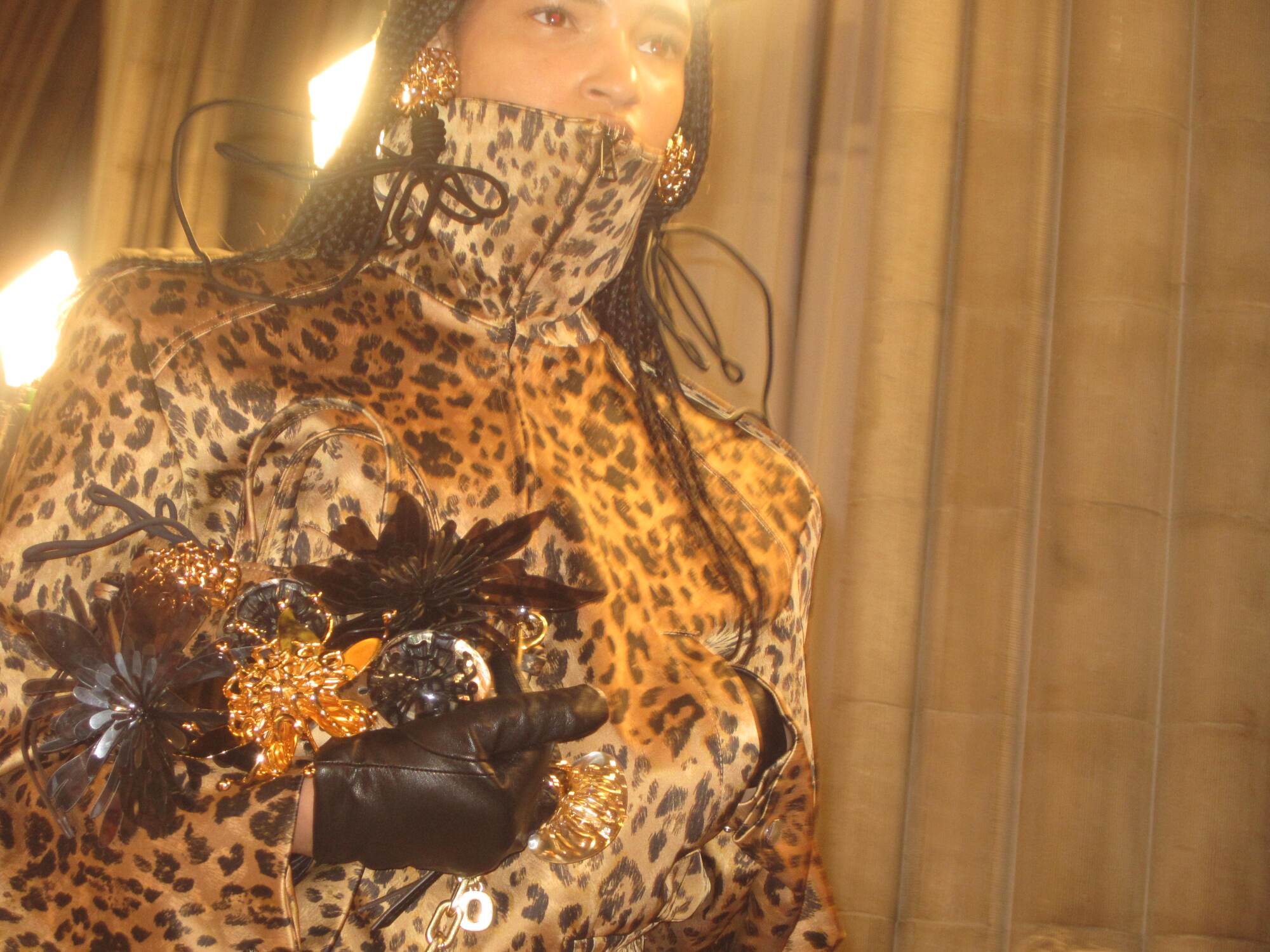
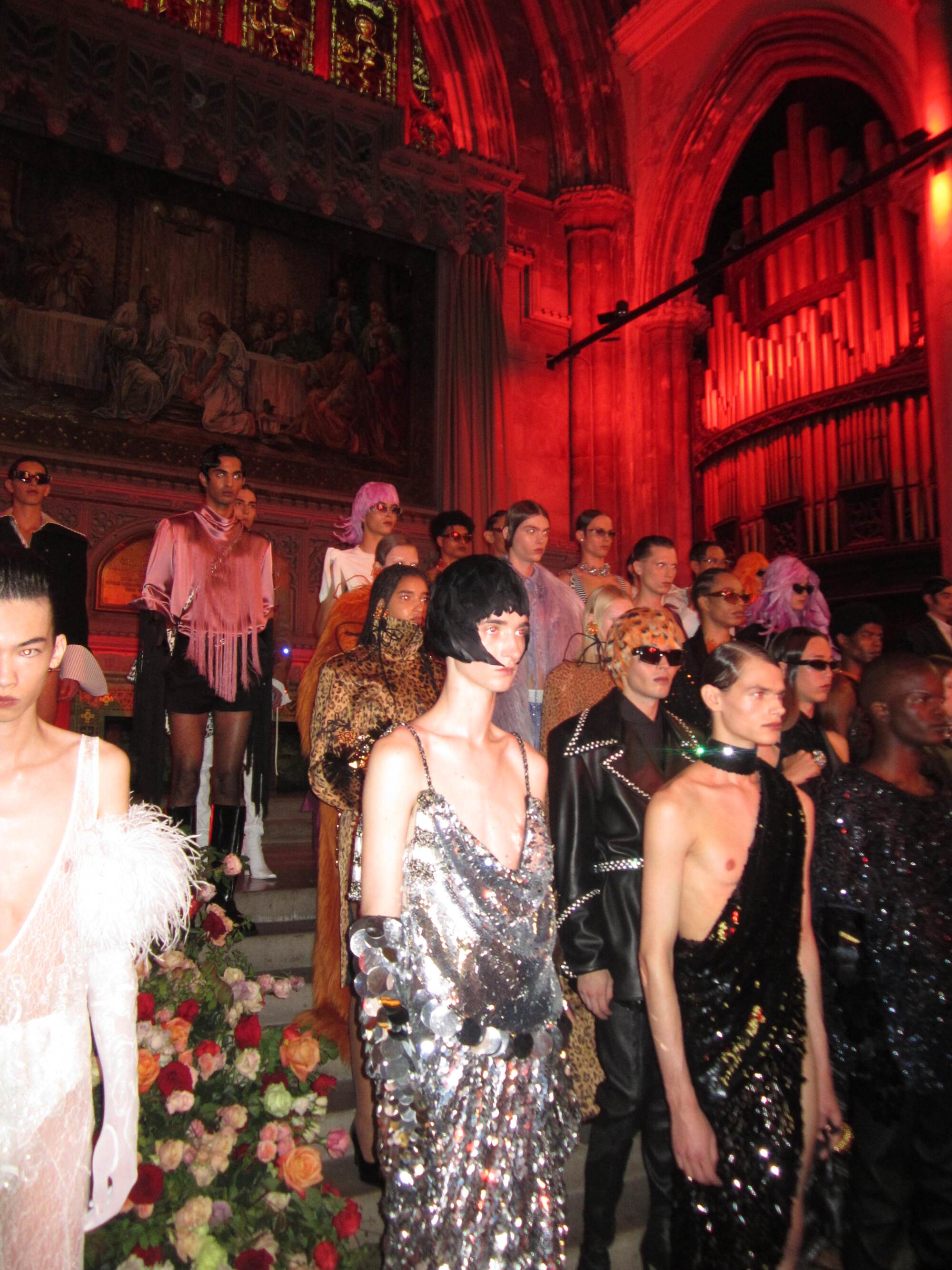
Palomo Spain is so drama. Thank God. There is something so campy about being inside a church on the Upper West Side while a model struts the runway in an orange feather wig (the Fourth Universalist Society in the City of New York, to be exact). It was just extra in all the best ways: leather studded hot pants, more insanely capacious bags, floor-length leopard gowns, wispy feathers and sequins styled with knee-high boots. It gave print, shine, texture and, ultimately, a story — something to grip onto. Take this from the show notes: “Why are emotions so intrinsic to our humanity — like lust, desire and attraction — condemned with the threat of hell?” OK, go off.
Ryan Preciado’s “Portraits” at Karma, 7 p.m. Sept. 7
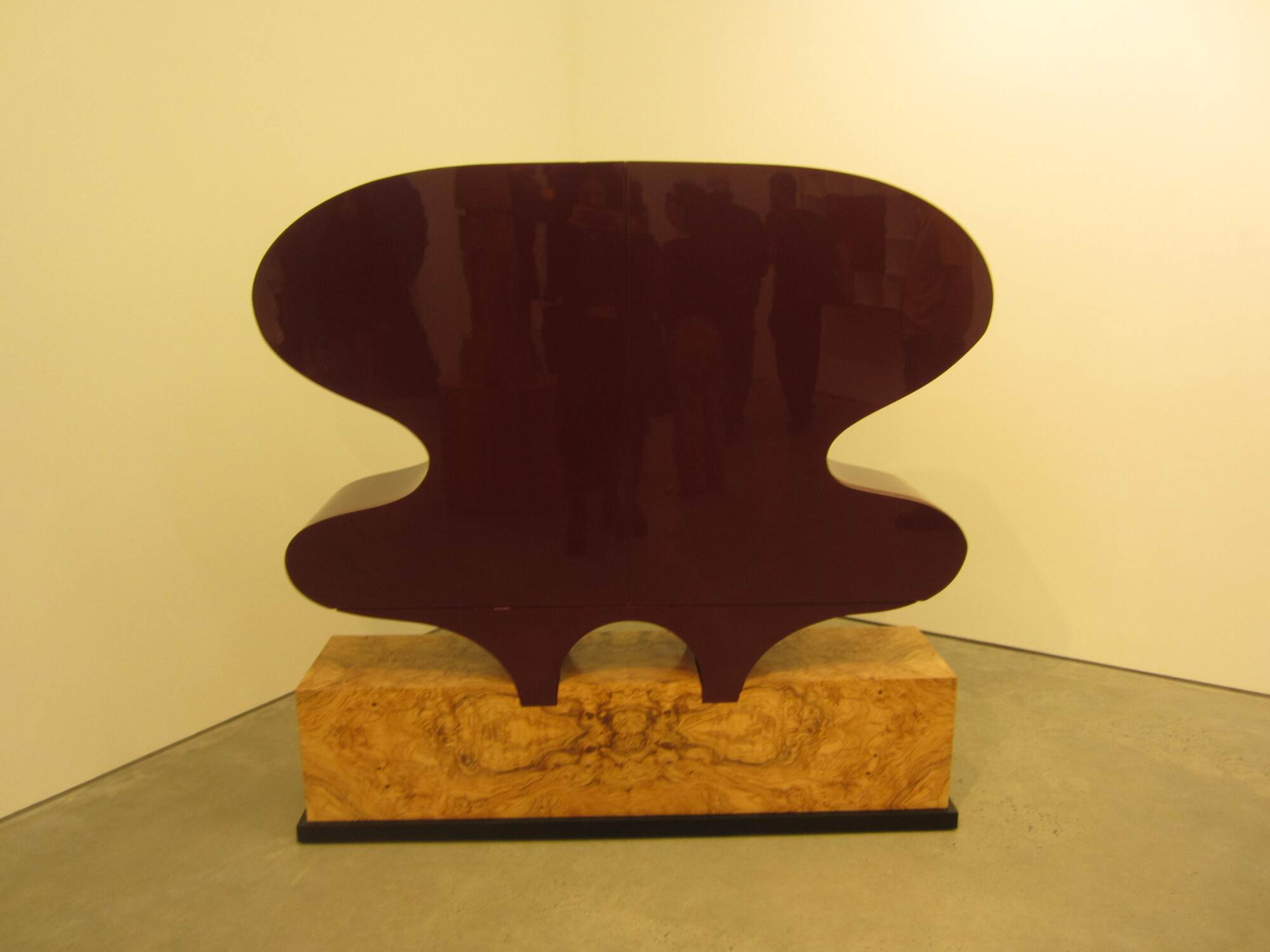
No, duh. We pulled up to Ryan Preciado’s show at Karma in the East Village, where Keyla helped me peel my knee-high leather platform boots off so I could step into the 12- by 14-foot architectural structure that Preciado had built inside the space — a literal home — and slide around on the pink carpet, sit on the red daybed and admire the golden bong.
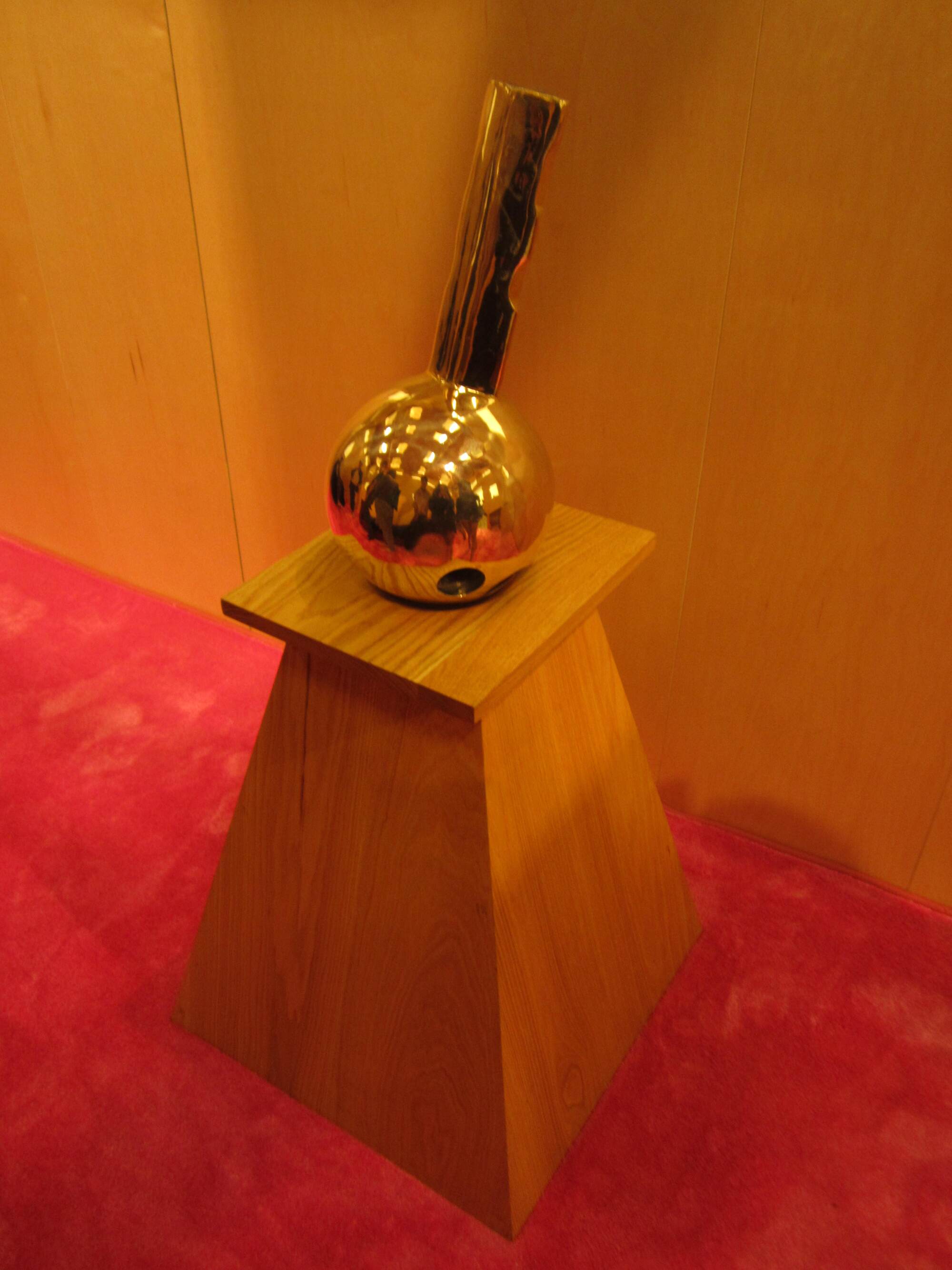
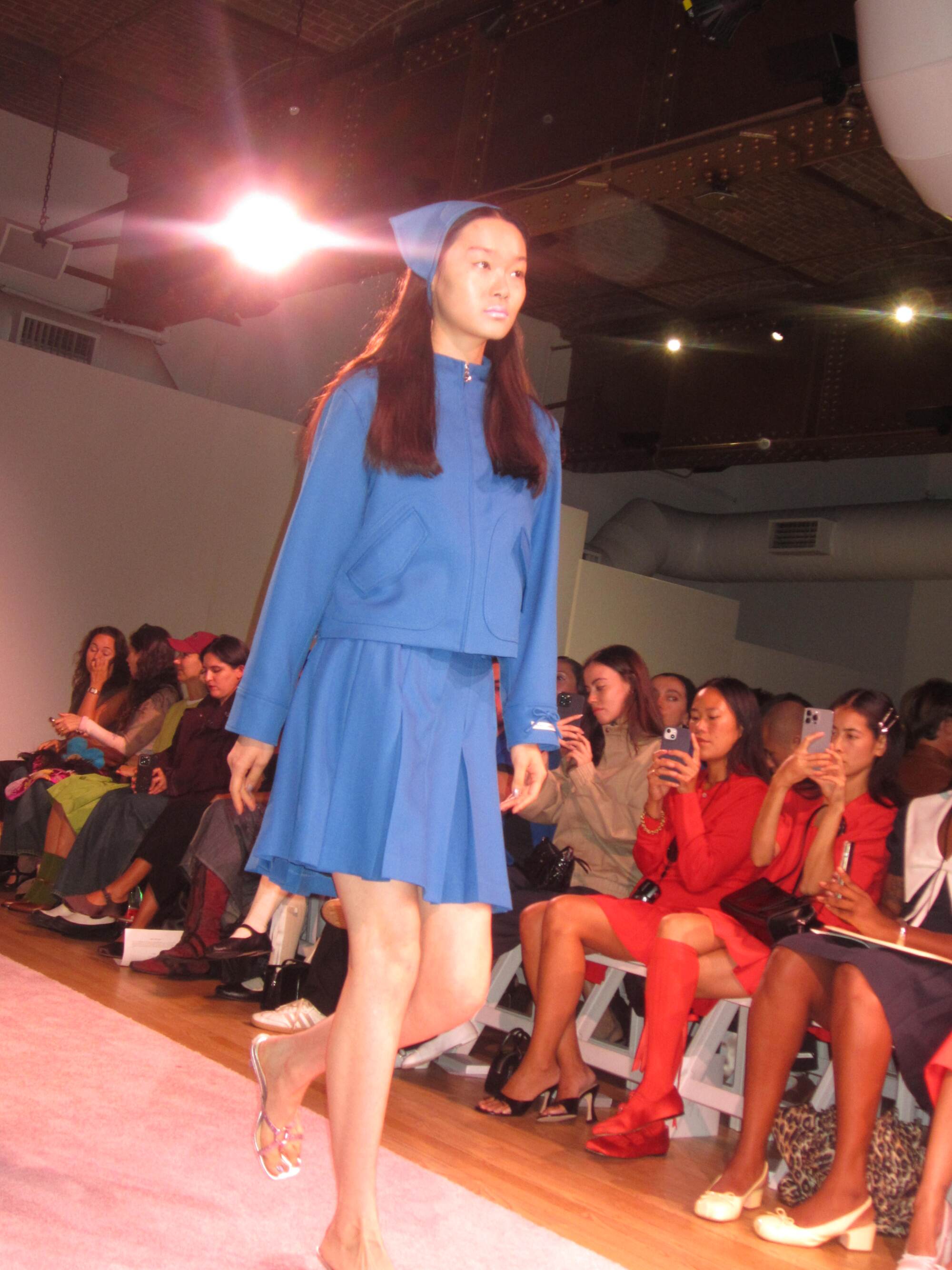
Sandy Liang SS25 show, 3 p.m. Sept. 8
This is the note I was furiously typing on my phone during Sandy Liang’s presentation: “Girly pop, coquette, hot ticket — obviously. Bandannas!!!” Everyone from designer (and Vice President Kamala Harris’ stepdaughter) Ella Emhoff to Palestinian model, creator and podcaster Noor Elkhaldi were in the audience for the show, dressed in classic Sandy drip.
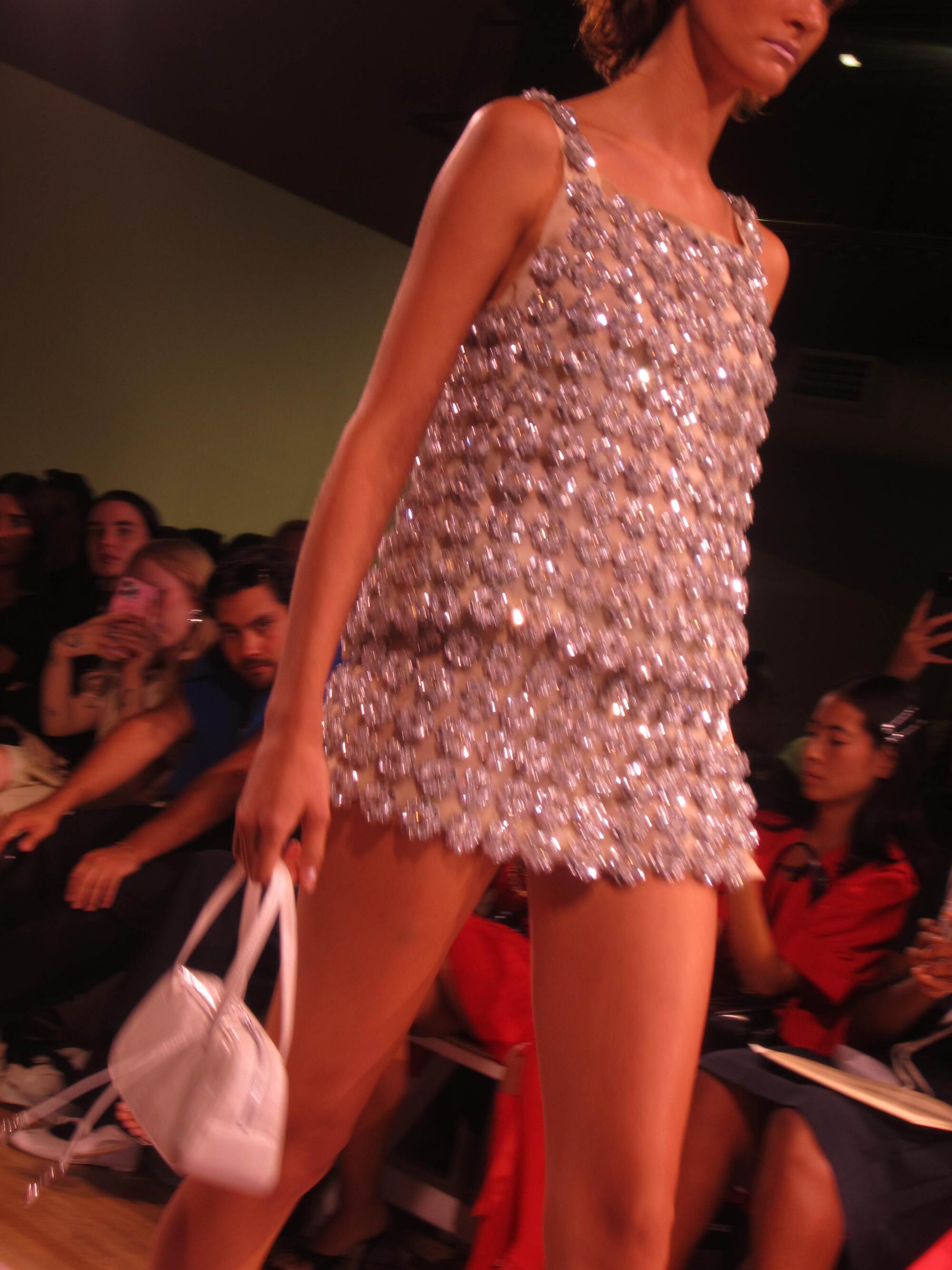
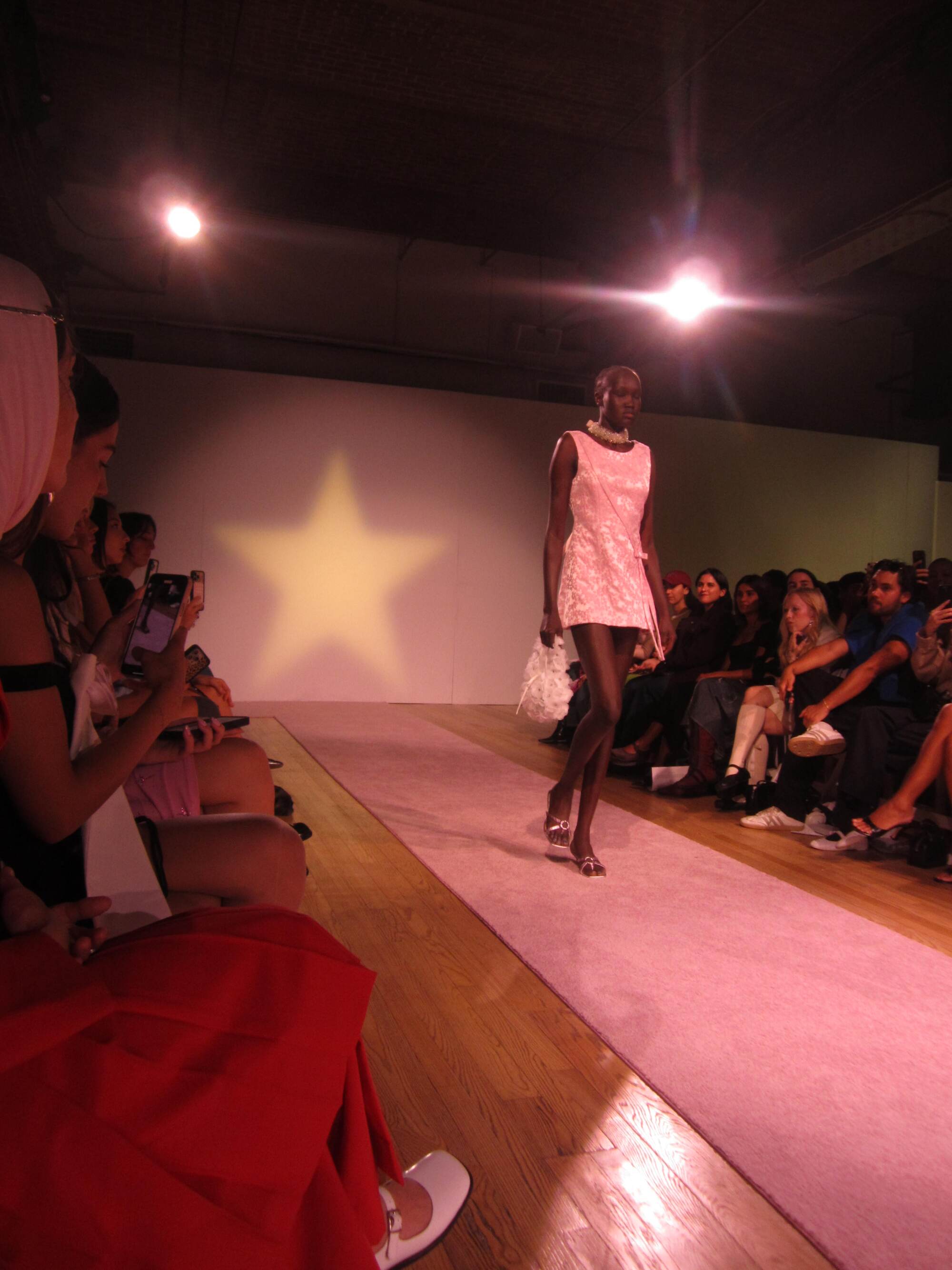
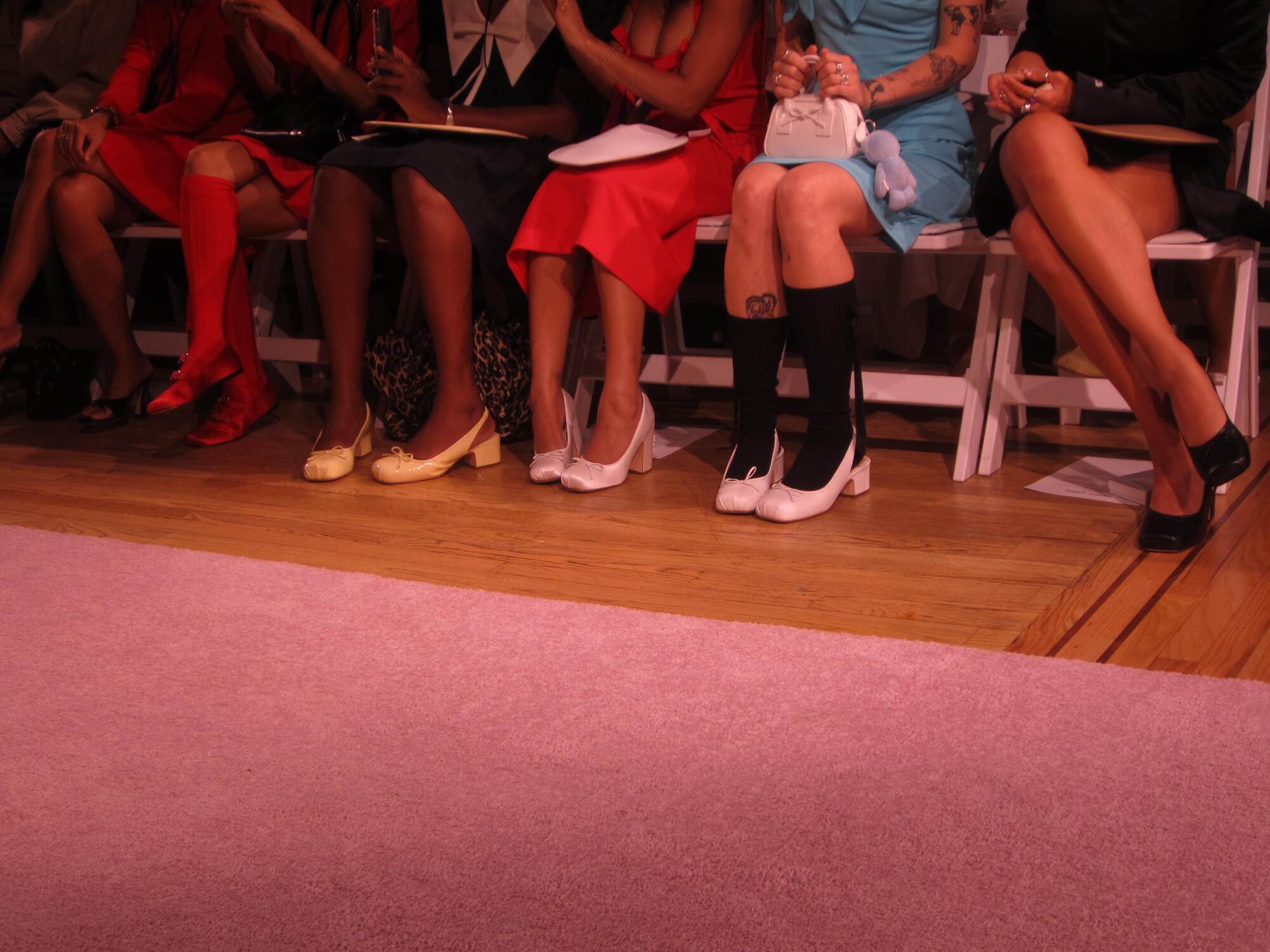
Eckhaus Latta SS25 dinner and anti-show, 8 p.m. Sept. 8
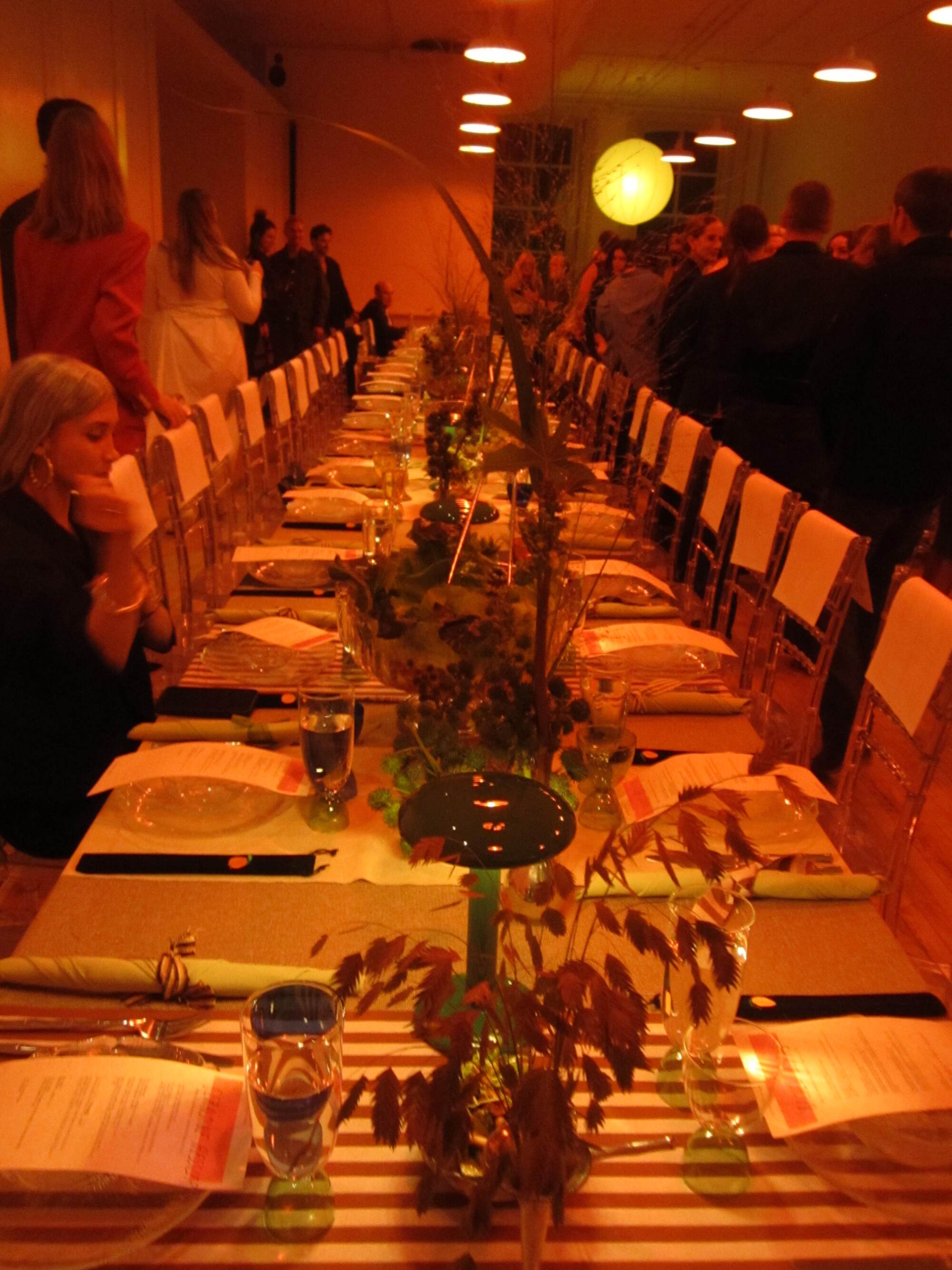
The email came in late the previous day: “Join us for an intimate dinner wearing your own loved, worn and archive Eckhaus Latta — all guests will play a part in this season’s dinner and a ‘show.’” NGL, as someone who has heart palpitations every time I’m in a situation where I need to go around the room and give my name and an interesting fact, I was nervous. But also intrigued. And what happened might have been the most fun, free, get-over-yourself vibe of fashion week.
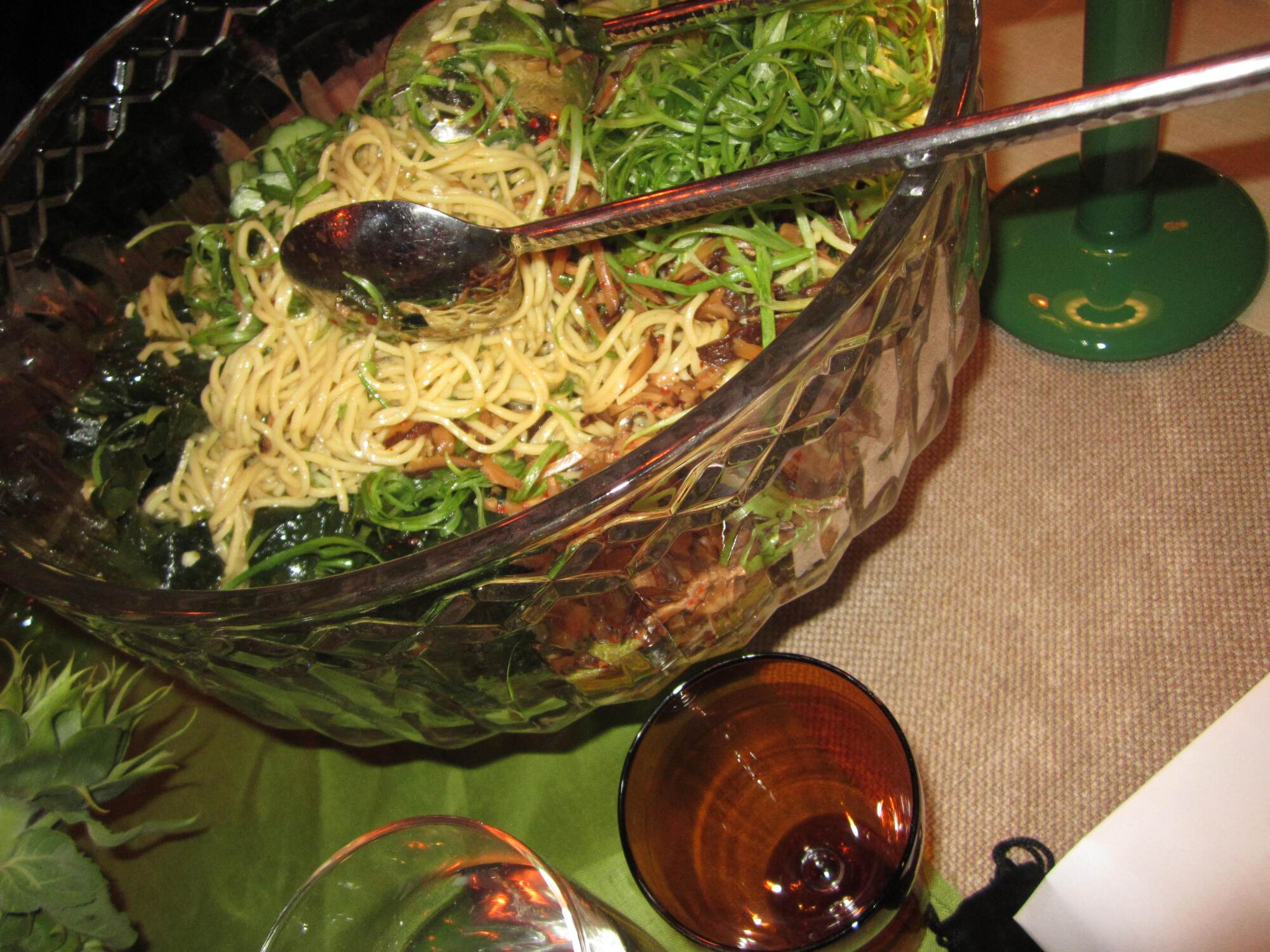
Zoe Latta and Mike Eckhaus welcomed us at a loft space in Tribeca, where there were drinks and a beautiful family-style dinner by Momofuku. (I spilled a berry-flavored Ghia on my digicam when trying to take a photo of writer-director-genius Julio Torres — blame my admiration for the artist — and a couple shots later, the digicam was dead. It lived a long life. RIP.) In between bites of ginger scallion noodles and cucumber peanut salad, served family style, comedian Kate Berlant took to a microphone and revealed that the models would be none other than us — well, not all of us, but enough names that could be called in 10ish minutes. The energy in the room got cute and nervous. Berlant kicked things off with her own full-volume strut, followed by people like musician Moses Sumney, actor Jemima Kirke, artist Chloe Wise, Emhoff and culminating in Eckhaus and Latta.
The show had a live soundtrack, sung by L.A. musician Loren Kramar, whom I sat next to at dinner and chatted about, what else? L.A.
Elena Velez SS25 show, 6 p.m. Sept. 10
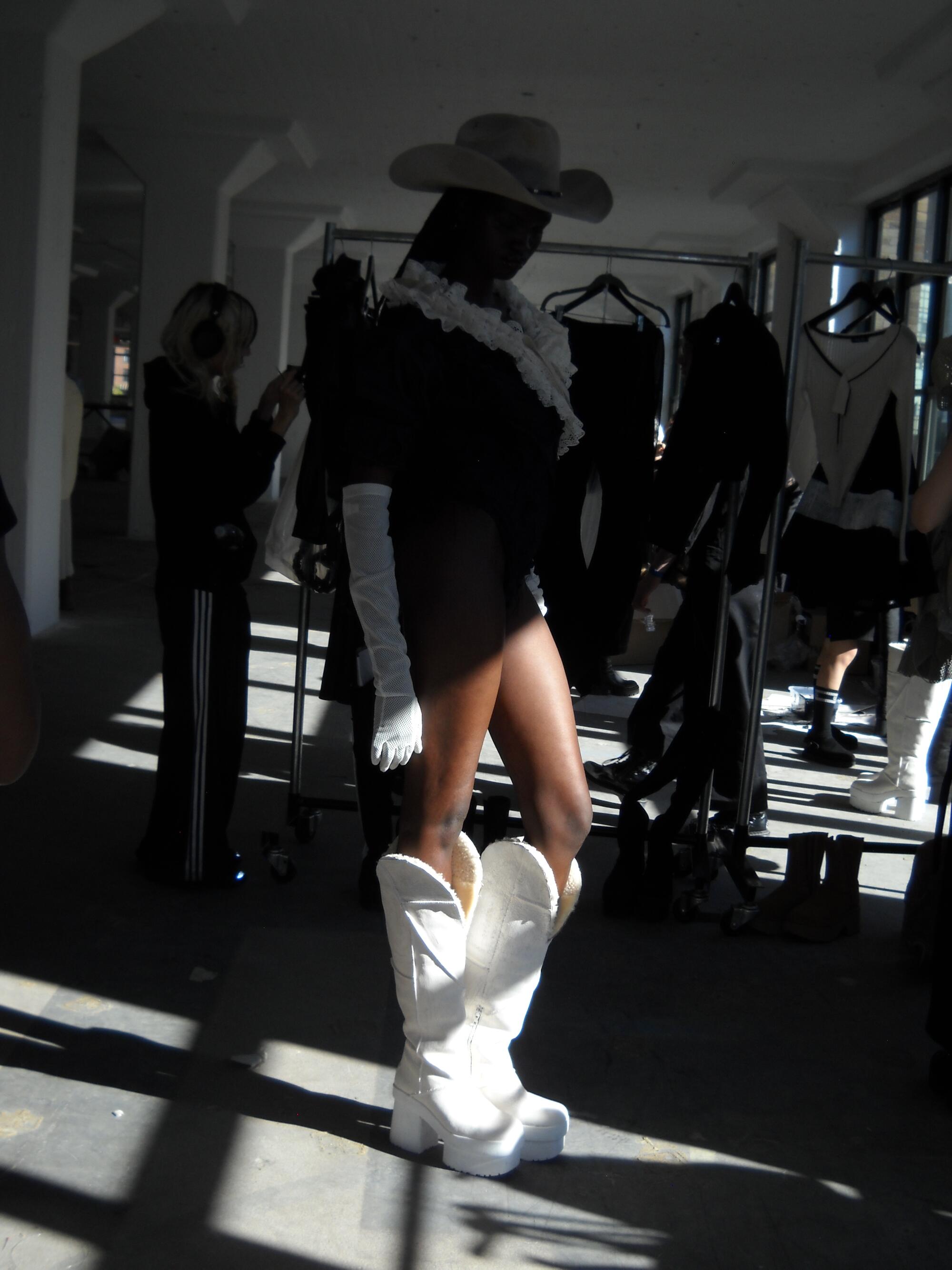
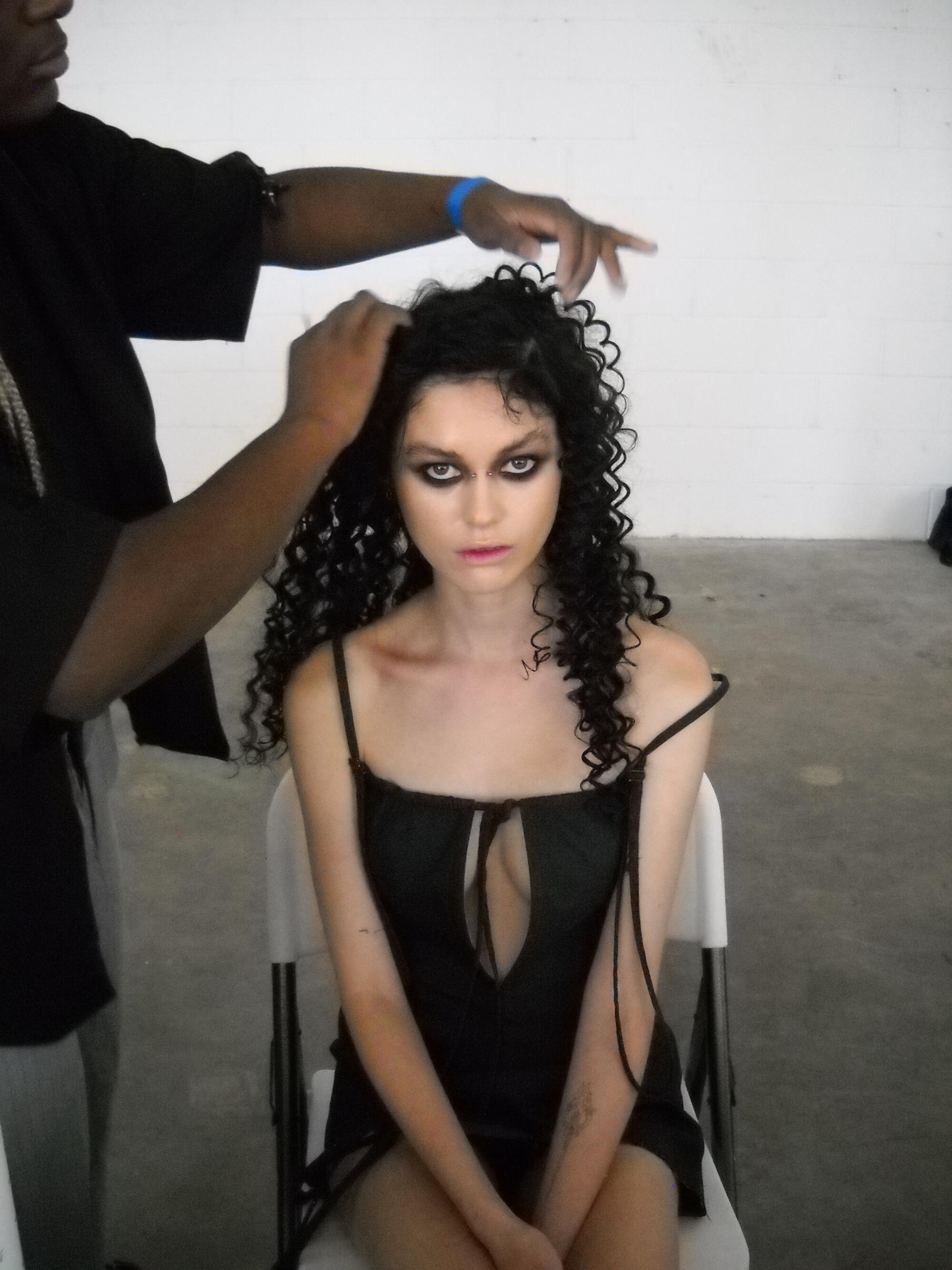
I picked up a new (old) digicam at a used camera shop in Midtown, and we were back in action. Backstage at Elena Velez, I realized that I not only wanted a pair of the platform Uggs they were styling all the looks with but I also needed those damn Uggs — what did I tell you about 2006? Models were eating apples and vaping while they got their hair done in tight, messy curls kept in place by Qiqi products. Key makeup artist Raisa Flowers told me that the beauty references were dark and gothic, which she interpreted into a grungy, smokey eye, using black eyeliner as a base with shadow thrown on top to achieve the feeling of coming home from a party and sleeping in your makeup. The skin was high-shine dewy — which Flowers says has been a trend this season — with a bitten lip.
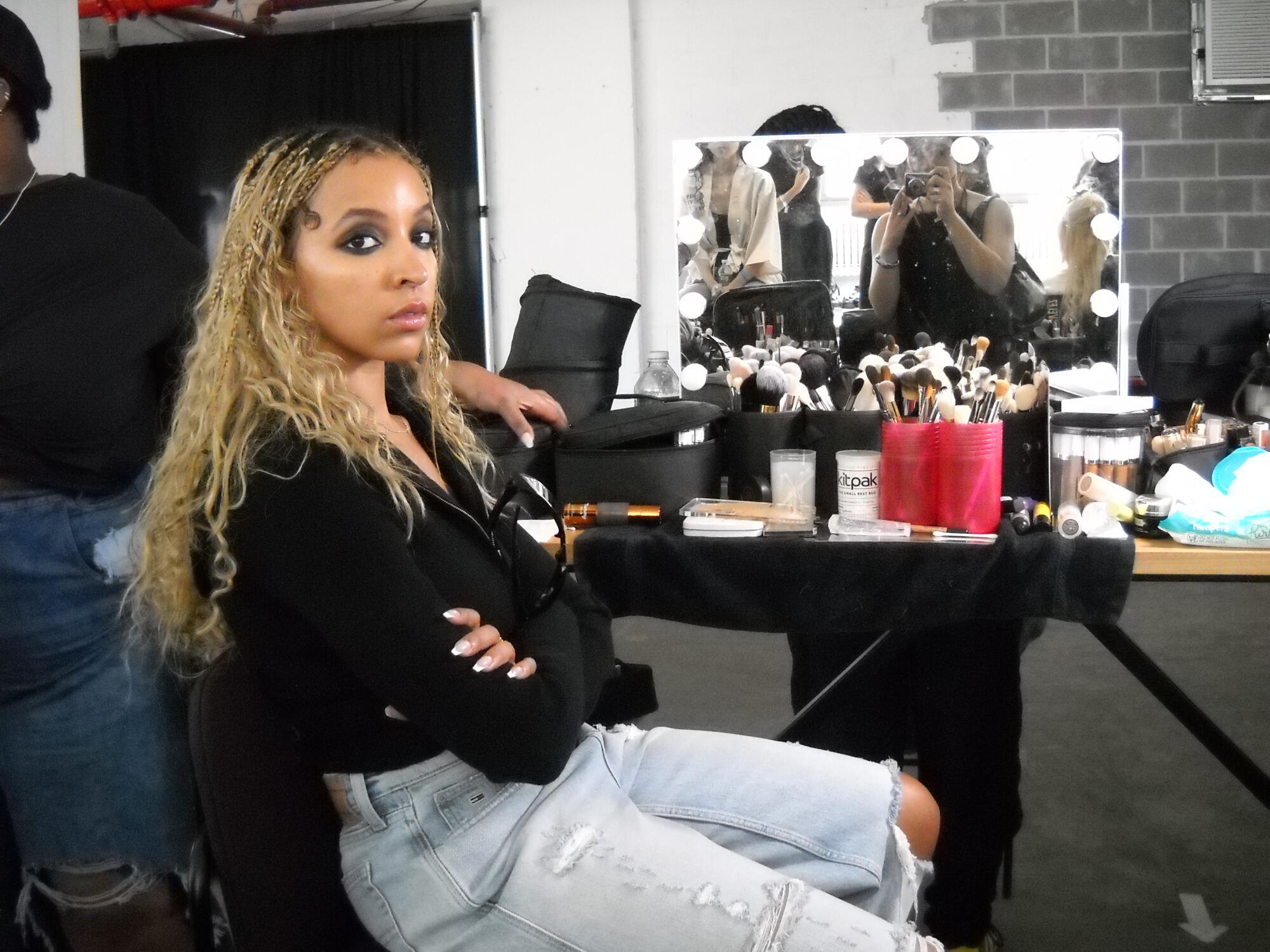
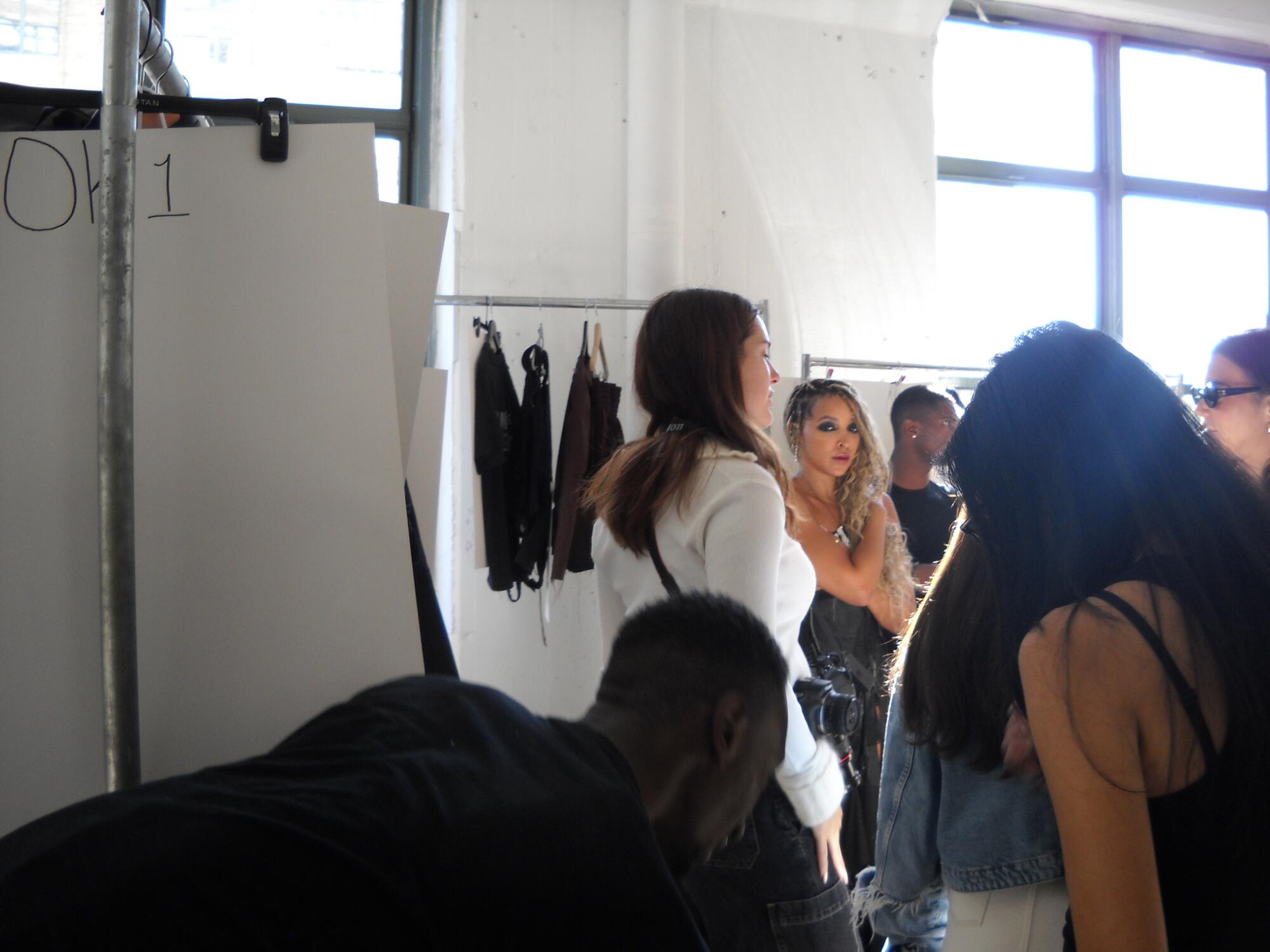
I spotted musician Tinashe while she was getting her hair and makeup done, snapping photos throughout the process (which she was gracious about). It was her first time walking a fashion show and she felt a kindred artistic spirit with the designer. “Elena takes risks which I love,” Tinashe told me as stylists were snatching her into a corseted dress that looked like it was made of remixed jerseys. “It’s got this grunge-y, fun energy. She’s incorporating a lot of the energy that I’m also incorporating with my art, and I think there’s just perfect synergy there.” When asked whether Elena Velez would be considered “Nasty,” Tinashe responded: “Period. Of course.”
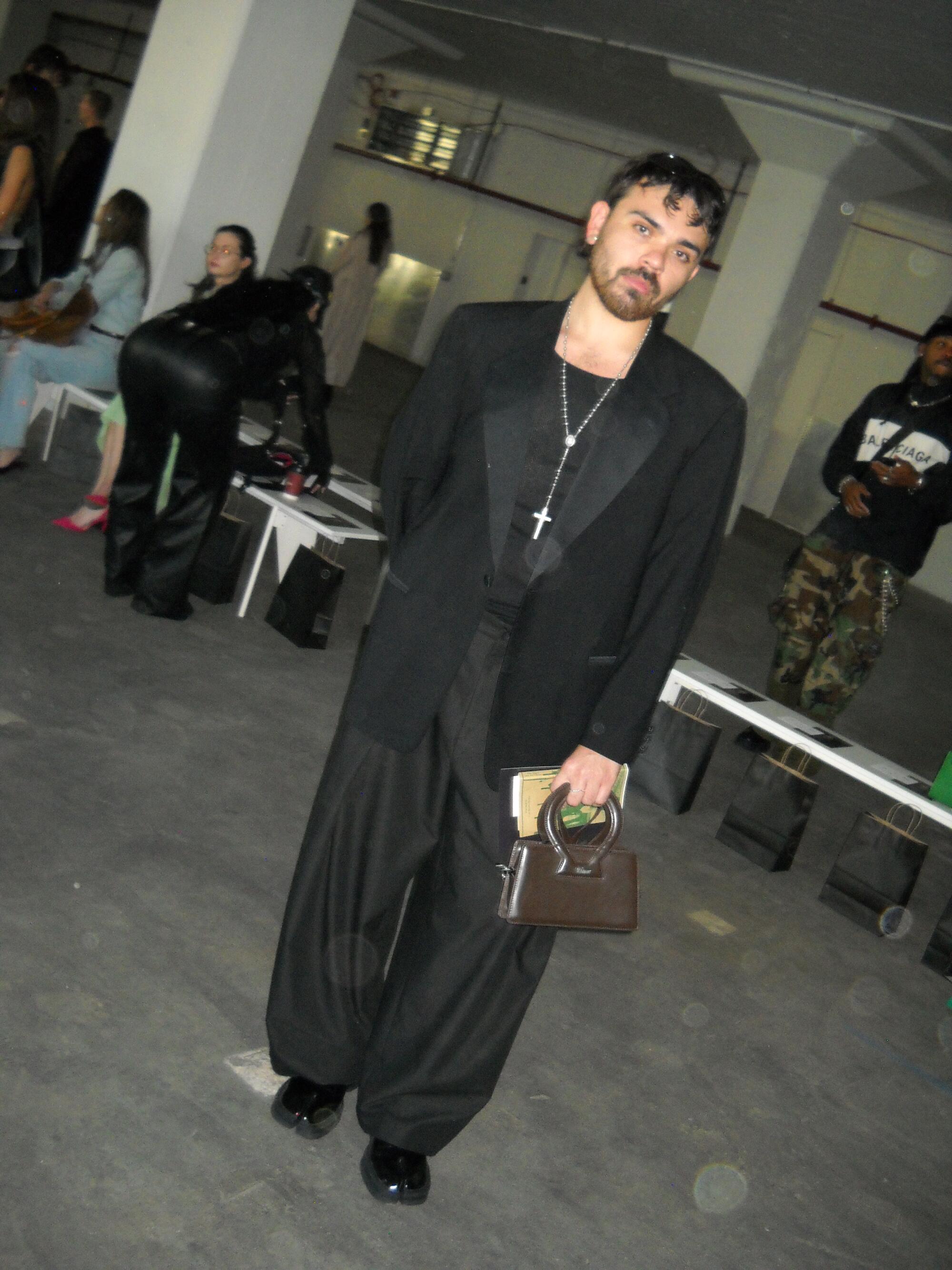
A Michael Anthony Hall moment.
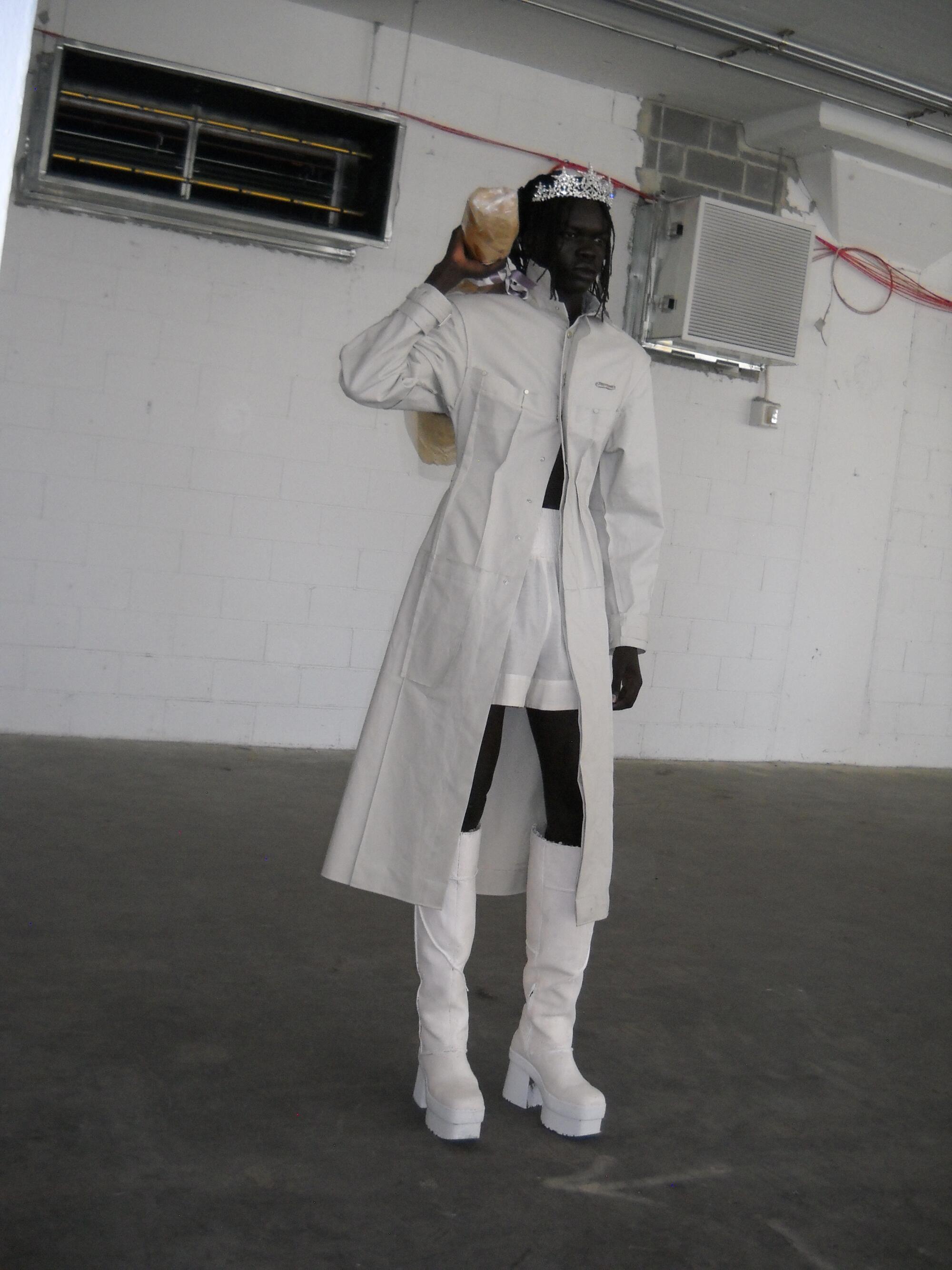
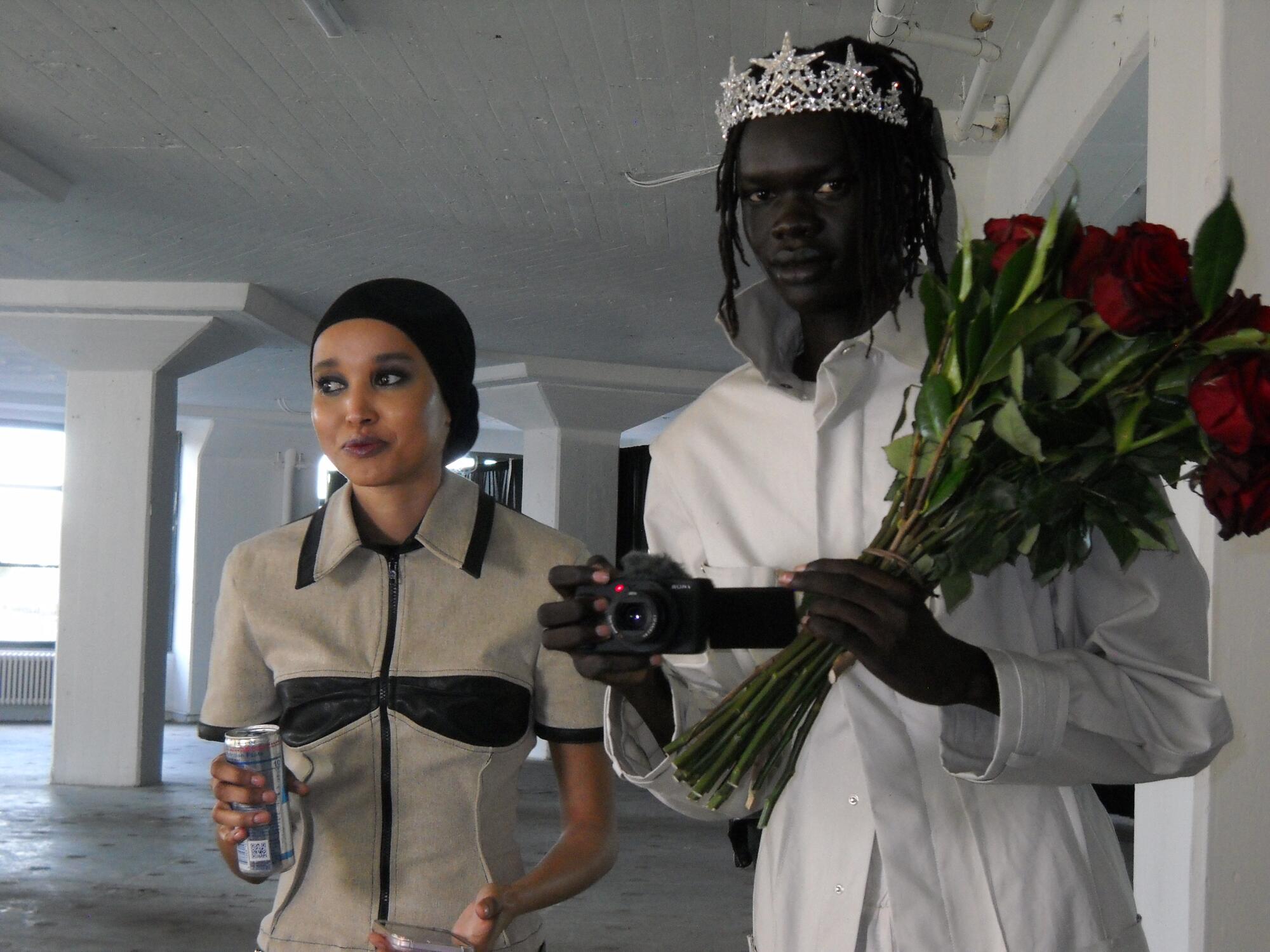
The brand writes that the show was inspired by “renegade pageant queens and patriots.”
Luar SS25 show, 8 p.m. Sept. 10
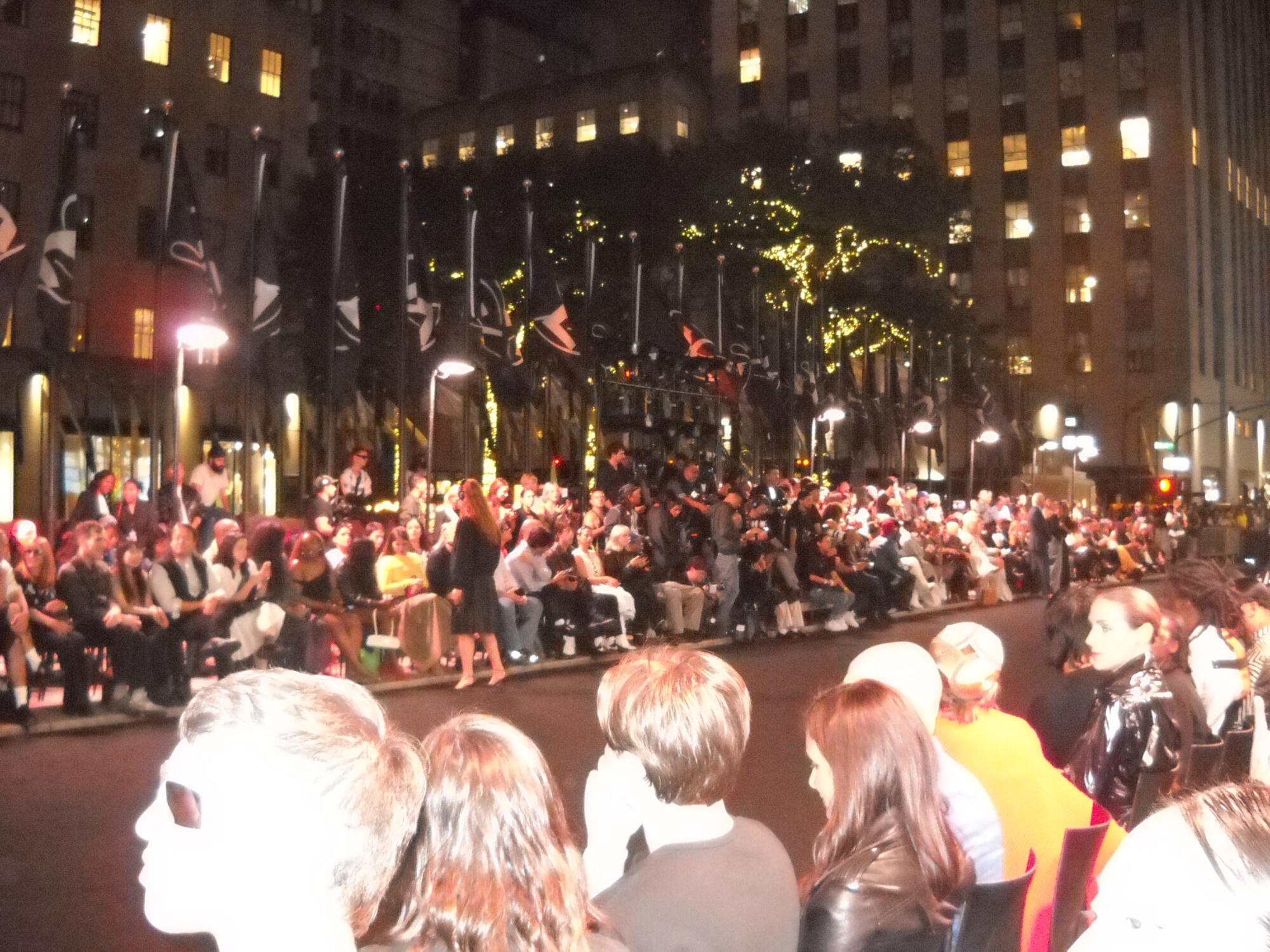
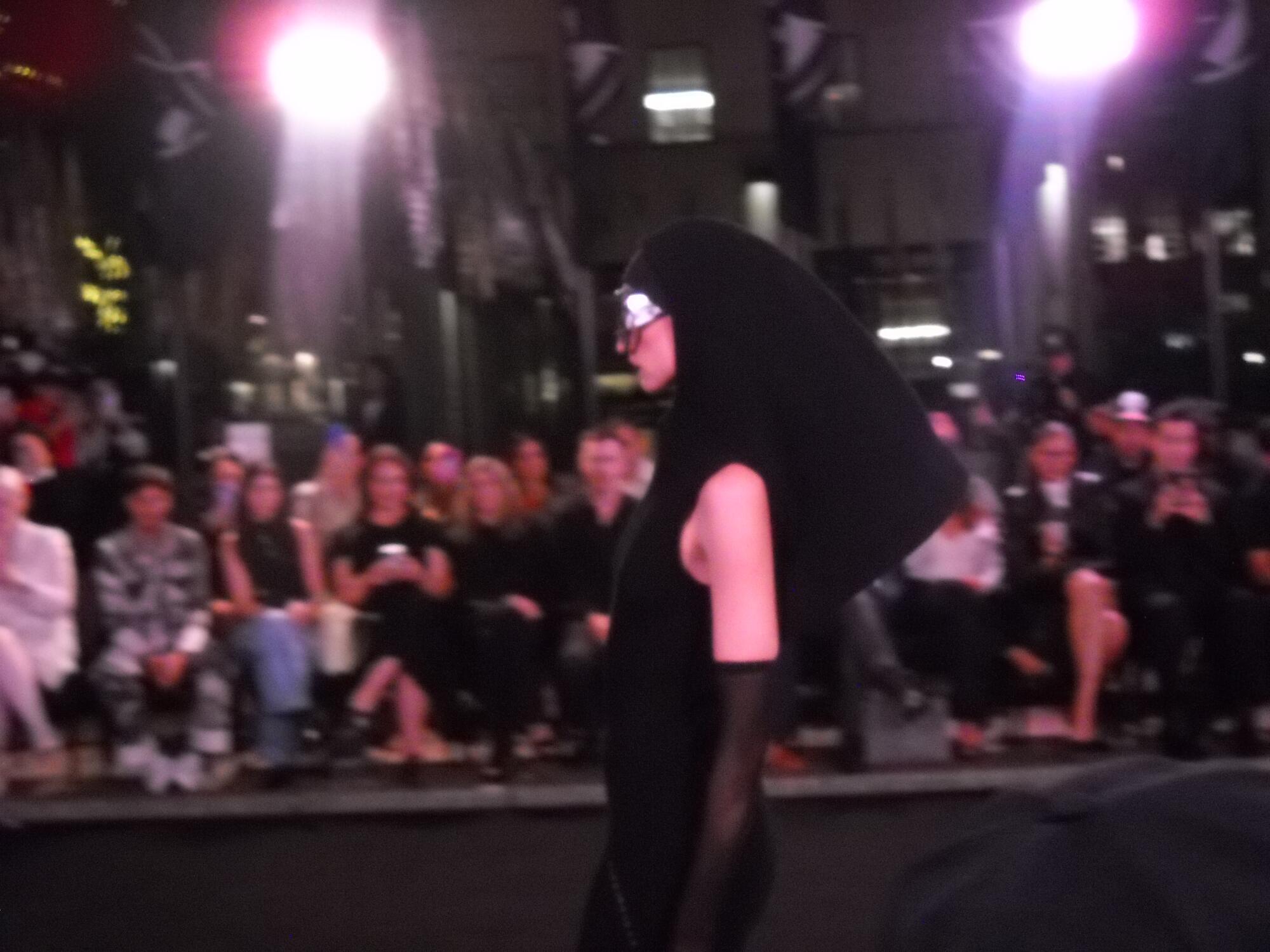
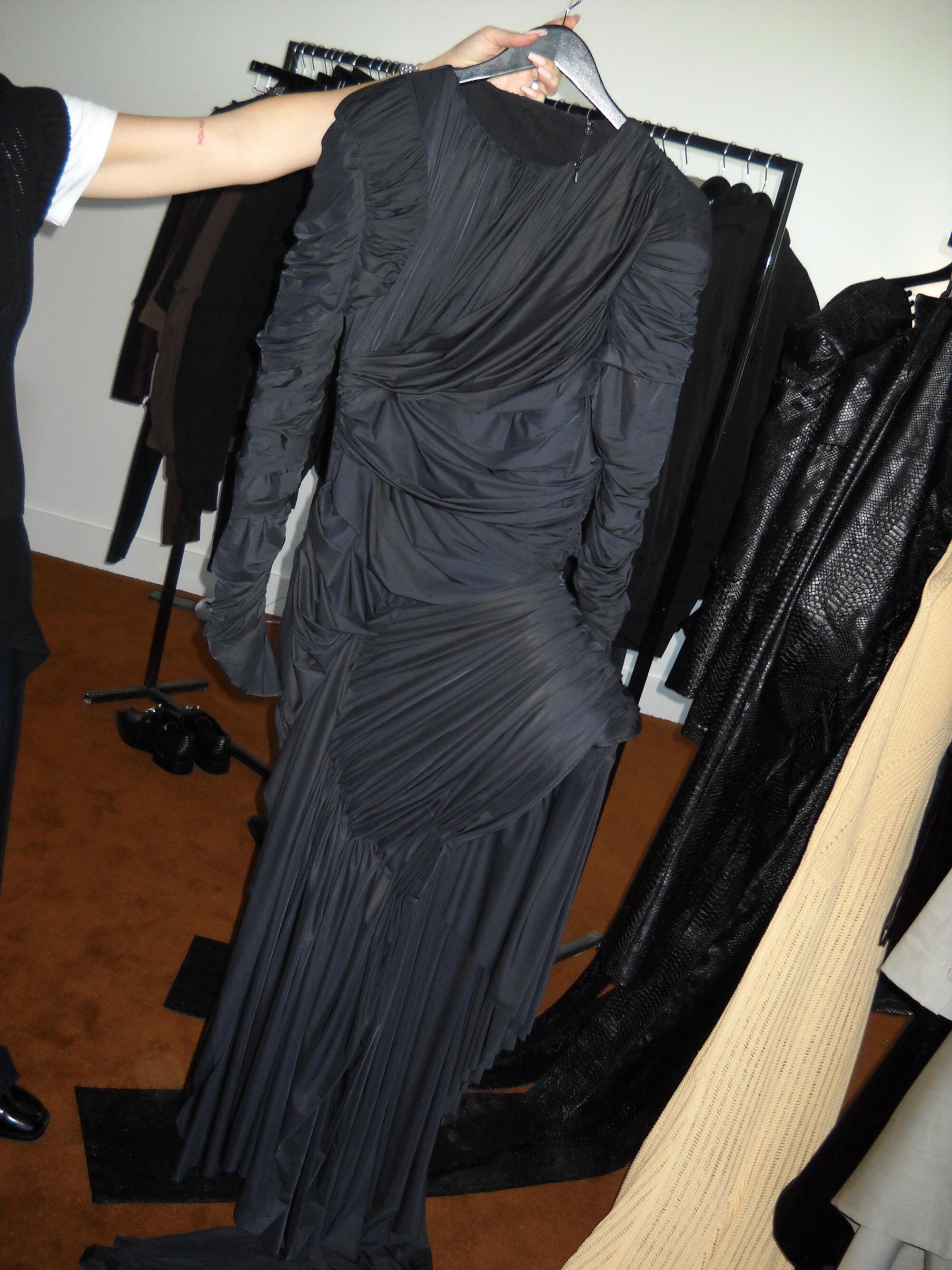
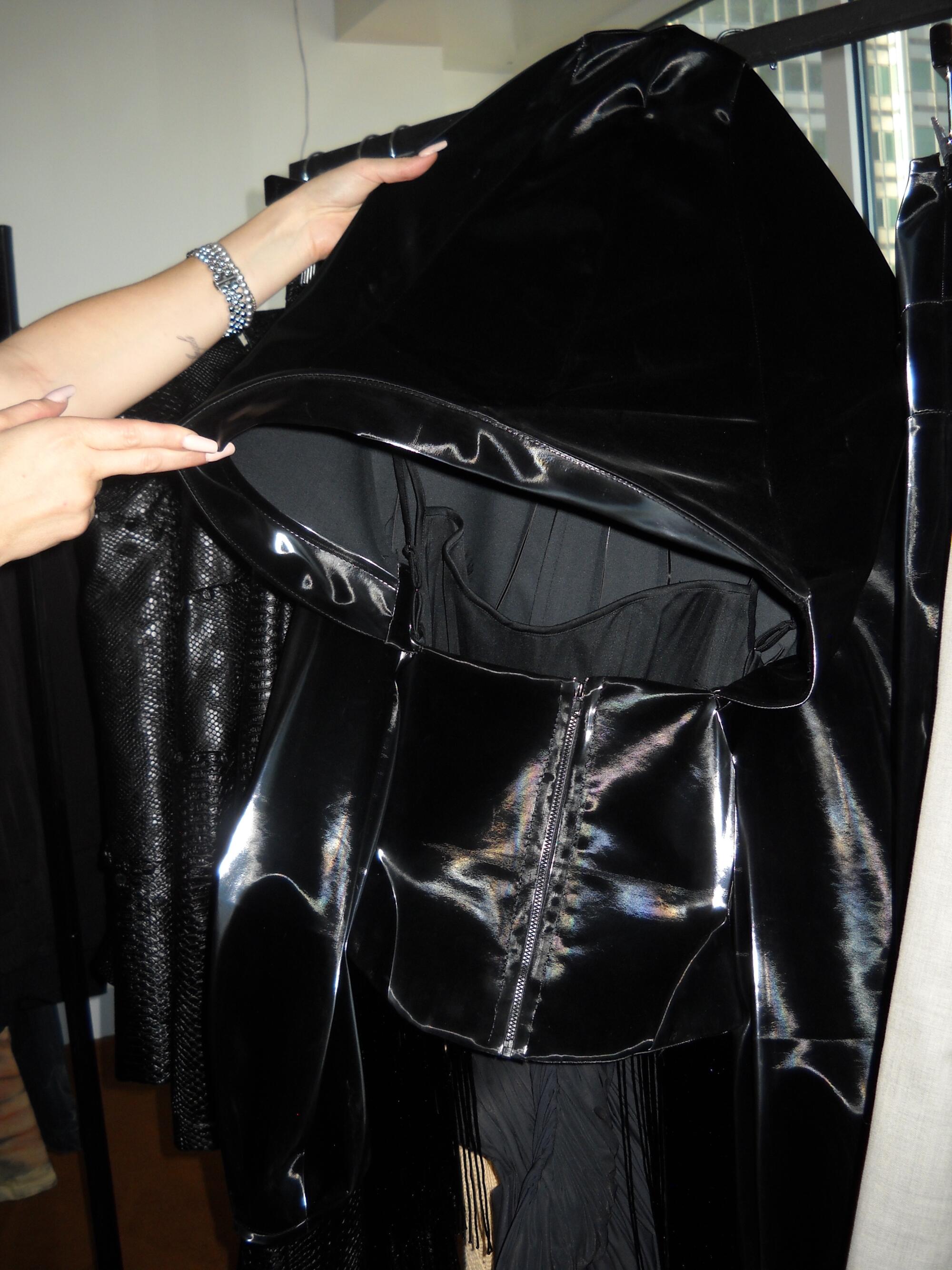
Everything feels like it’s been building toward this moment: Luar. Yes, Ice Spice, Madonna, Bad Gyal, Gabriette, Amanda Lepore and Brenda Hashtag, the patron saint of fashion girls for whom the color black is religion, were all in the front row. It’s true. But it was the energy and excitement for designer Raul López that felt most major. There was a palpable anticipation in seeing what López would bring to the table this time in terms of the clothes, the fact that it was at Rockefeller Plaza — a dream location for him. Lopez built the collection around the Dominican saying, “En boca quedó,” which is a knowing that even after you leave a room, people will keep talking about you. It was an ode to his younger self, who was on a journey toward authenticity, toggling between ideas of purity and performance. It was anchored in the idea of transformation. The clothes: Cocooned hoods, floor-grazing trench coats with a kind of backward veil, cinched jackets with ’80s proportions in leopard-printed pony hair and an iridescent shorts suit the color of rich amber.
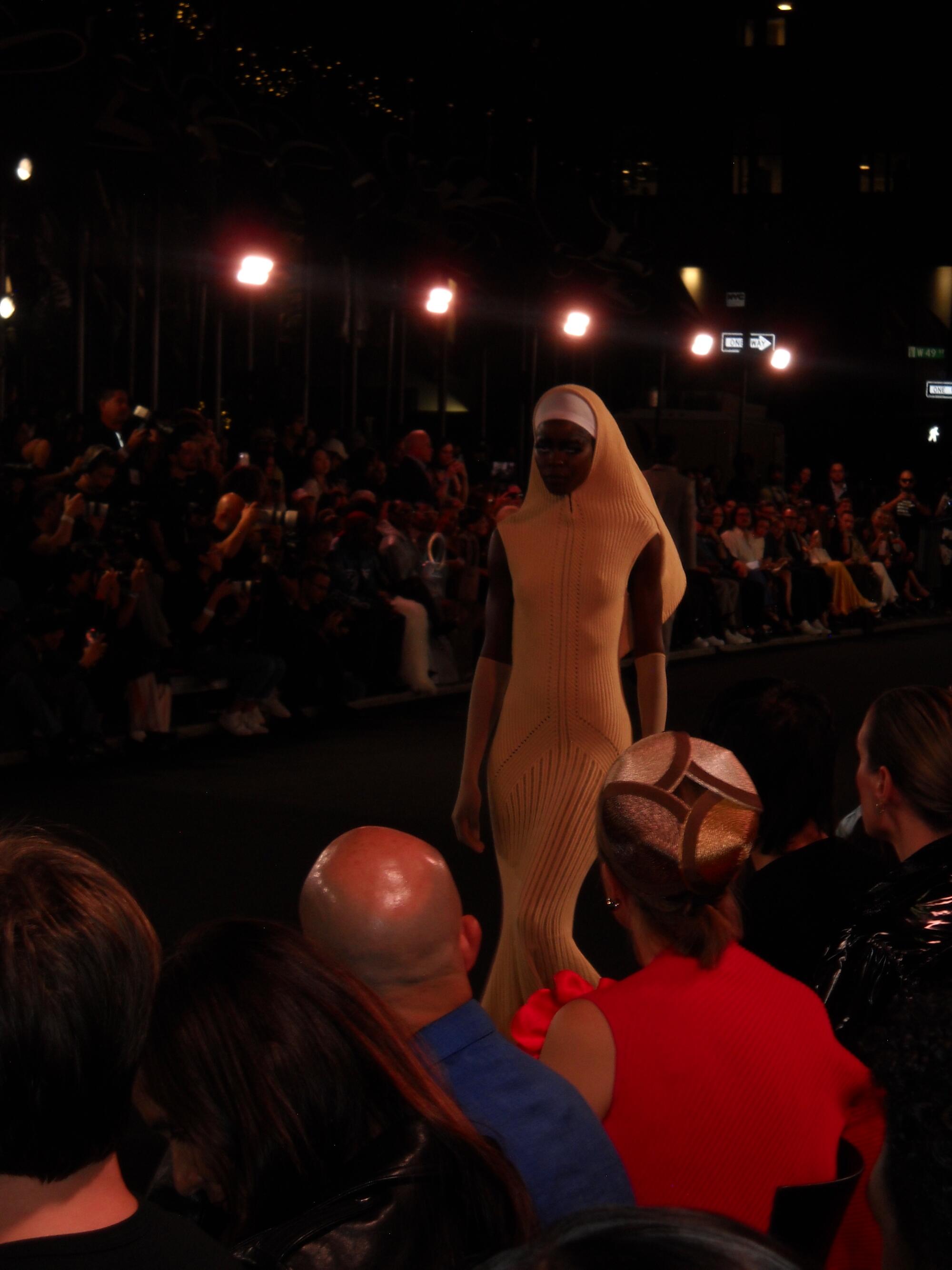
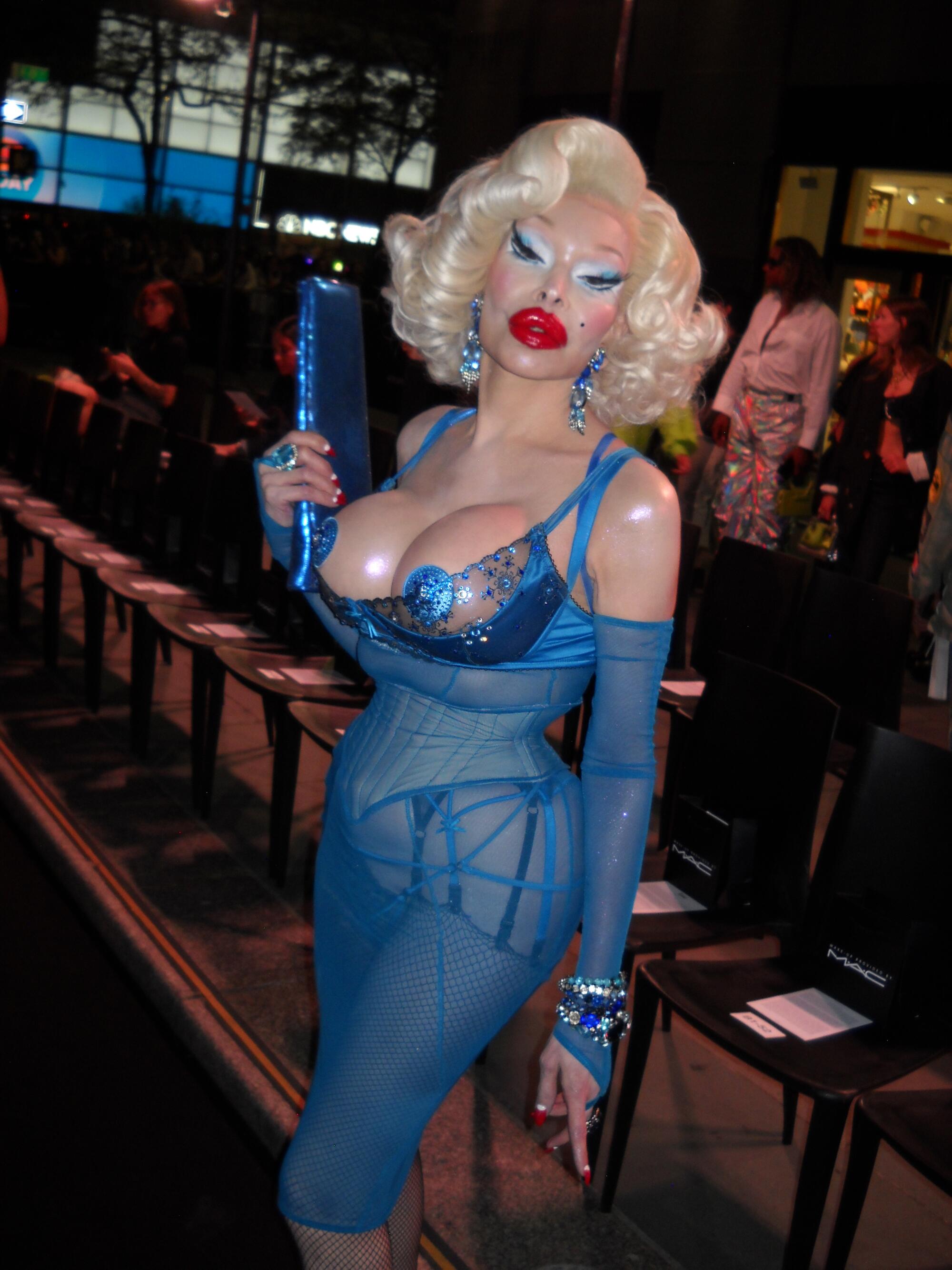
Amanda Lepore sighting.
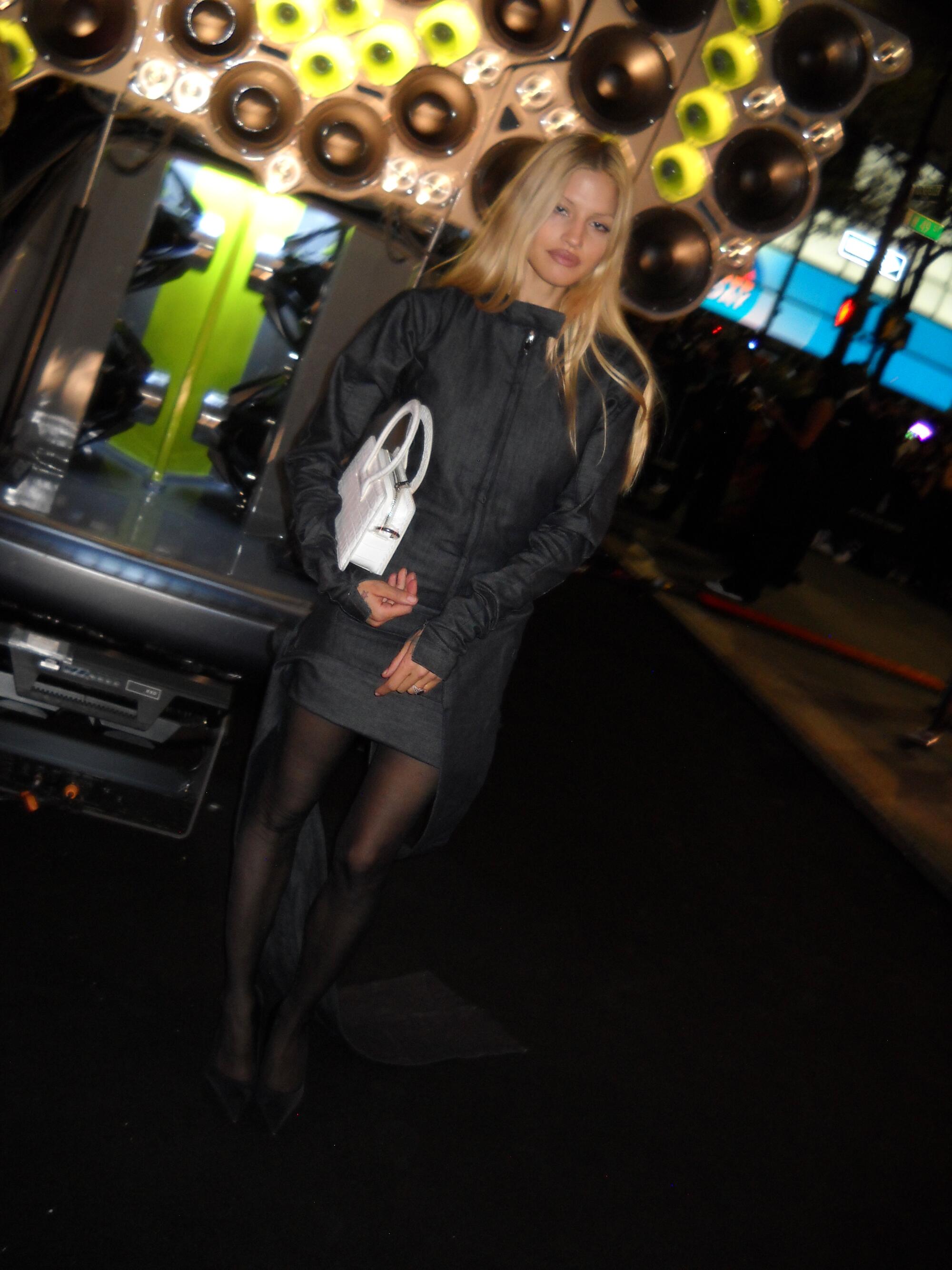
Gabbriette sighting.
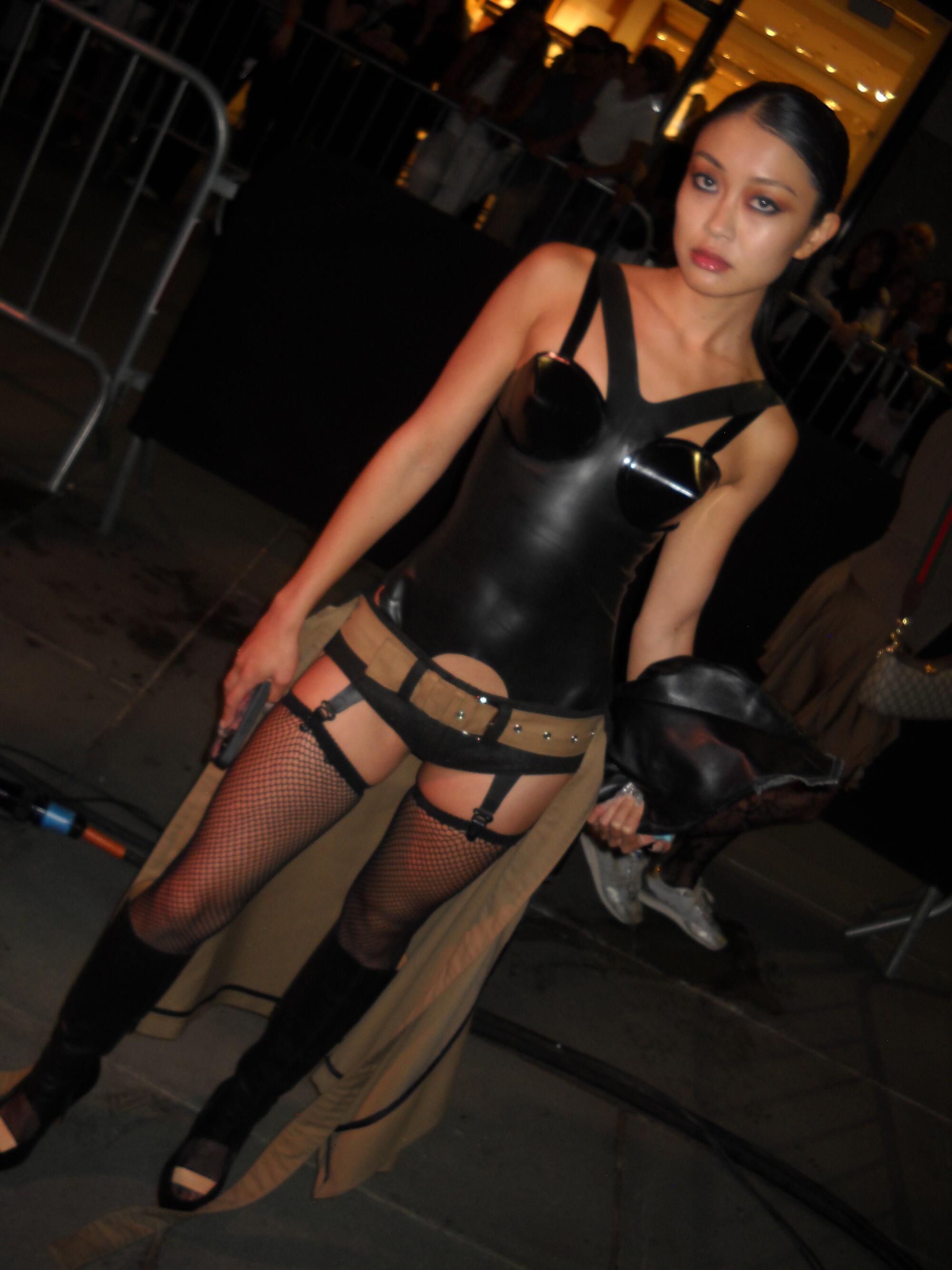
Kirsten Chen, a.k.a. @hotgothwriter, sighting. In a look by designer Ranxelle Soria.
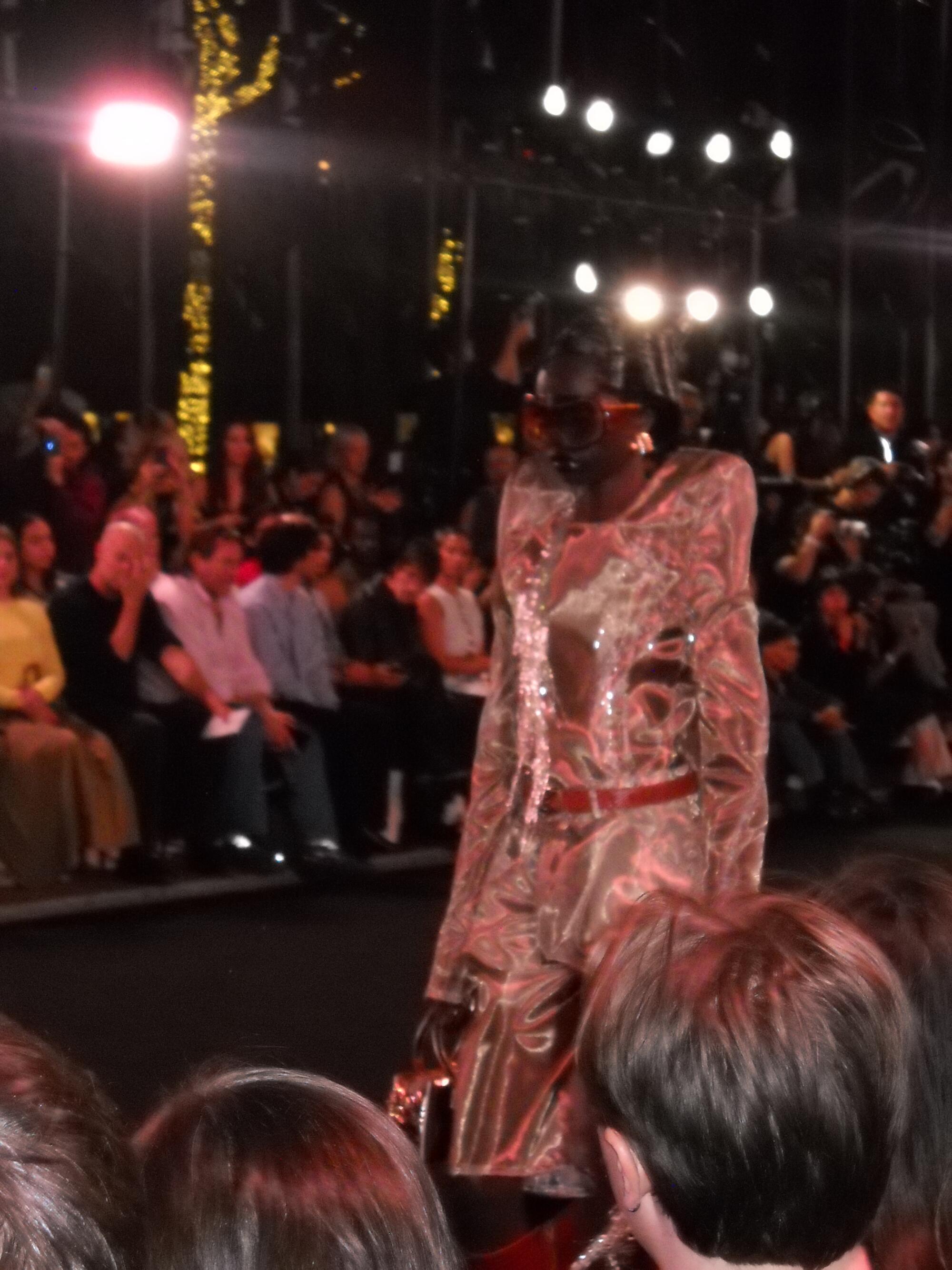
The styling and beauty on many of the looks evoked, for me, the enduring influence of Black and brown aunties everywhere — the hair gelled to sculptural effect, the nails, the eyebrows.
Seeing the pieces IRL the next way, feeling the weight and appreciating the details of them, it was even clearer that this collection was rooted in metamorphosis, which crystallized when seeing many of the cocooned pieces in person. Luar presented shoes for the first time as well, including boots, loafers, clogs and kitten heels.
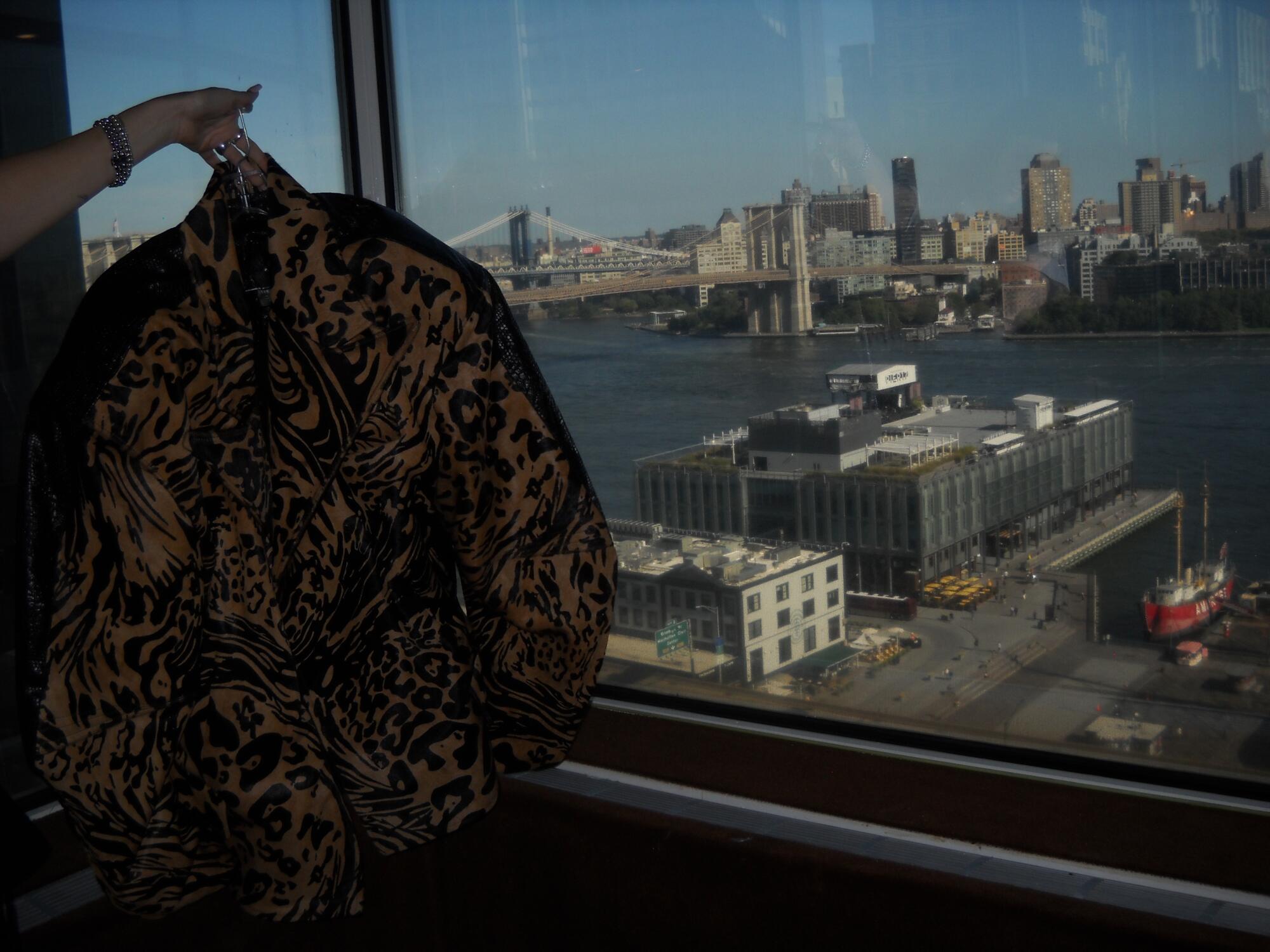
Rio SS25 show, 1 p.m. Sept. 11
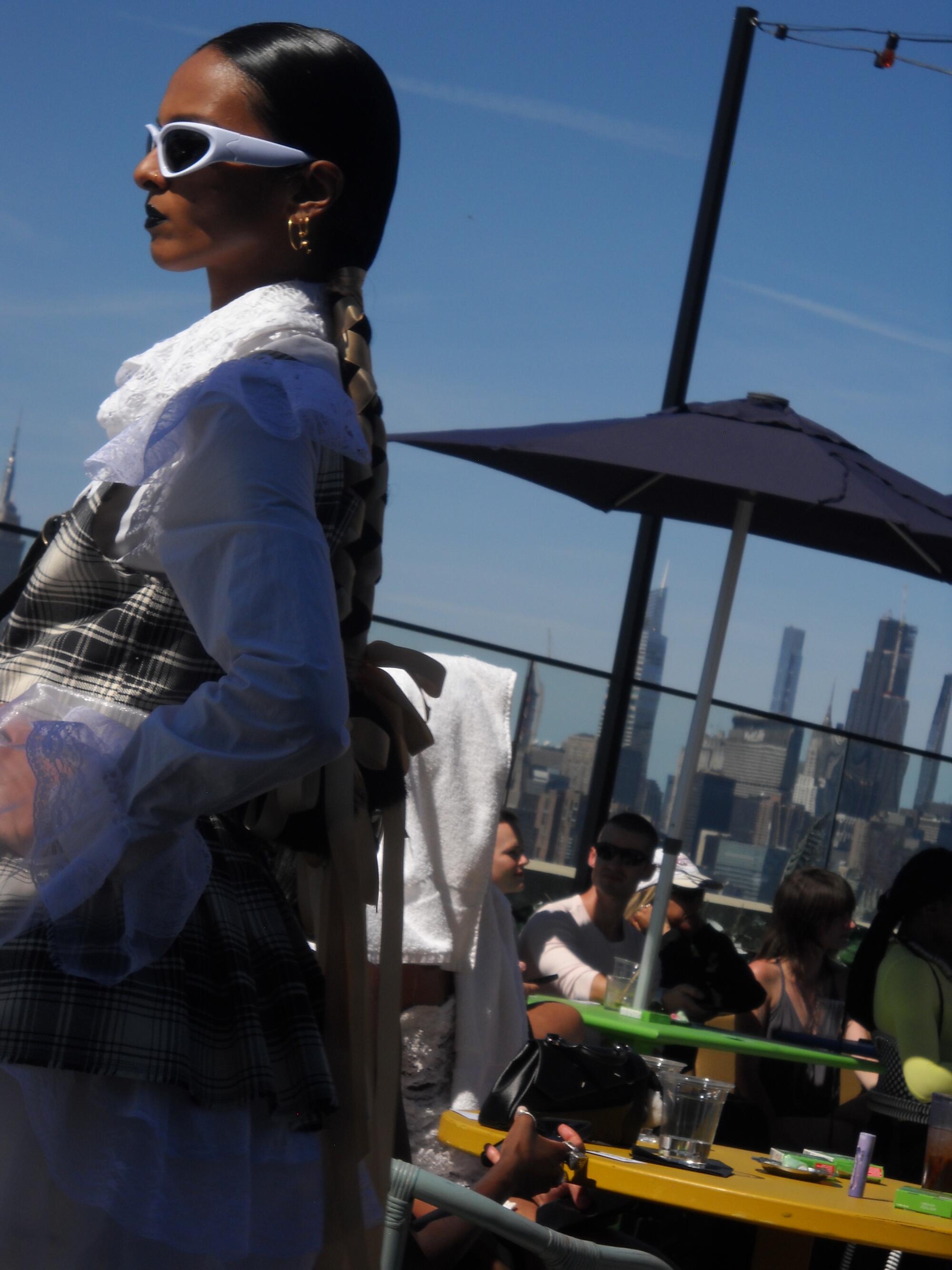
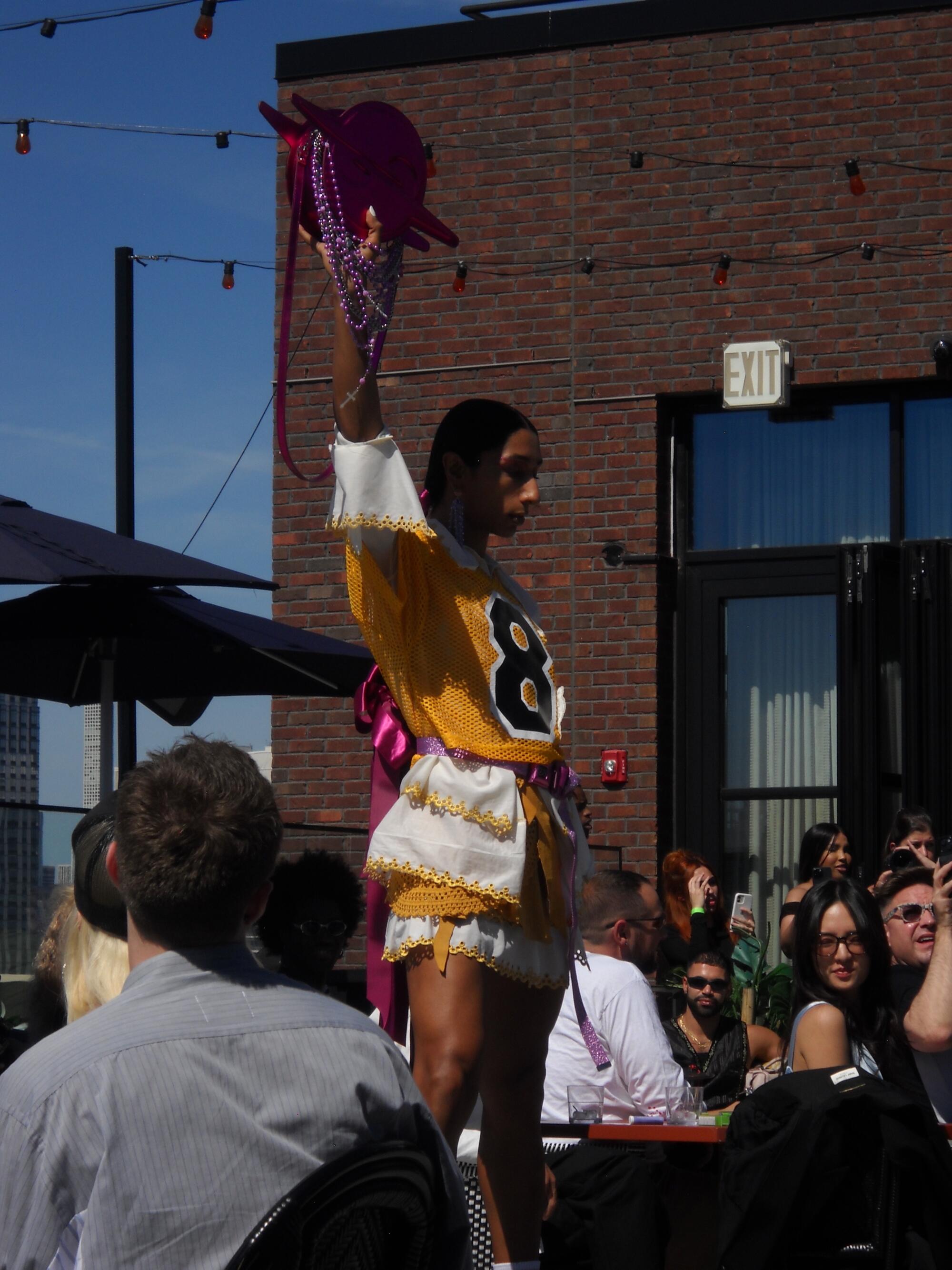
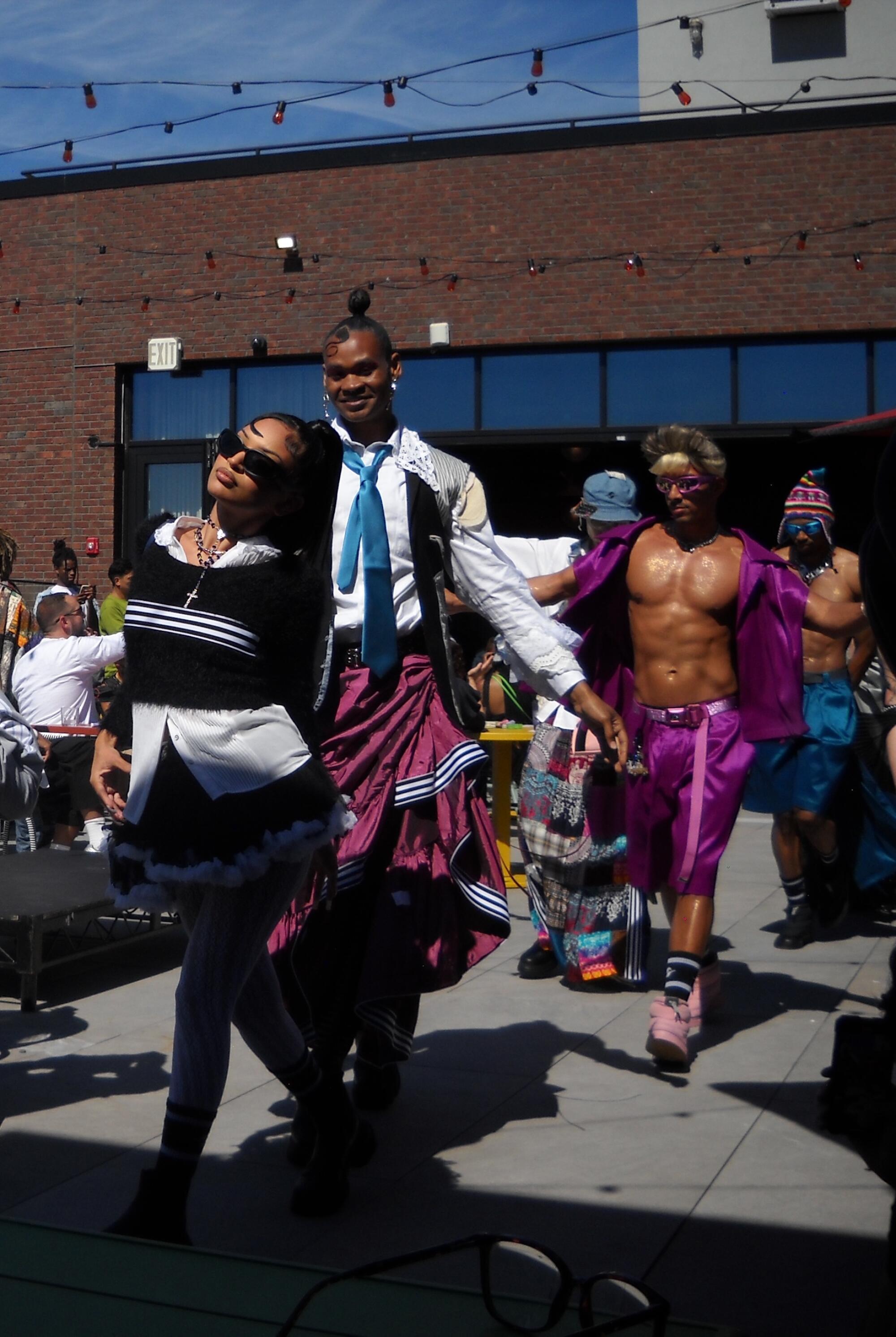
Rio, formerly known as Gypsy Sport, re-introduced itself on the rooftop of the LilliStar in Brooklyn with its new name. As is designer Rio Uribe’s specialty: The community was in full effect. Each model brought themselves to the performance, fully, and there was a feeling of realness that was classic Uribe. When all the models paraded out together wearing remixed, upcycled Rio pieces, Duran Duran’s “Rio” played.

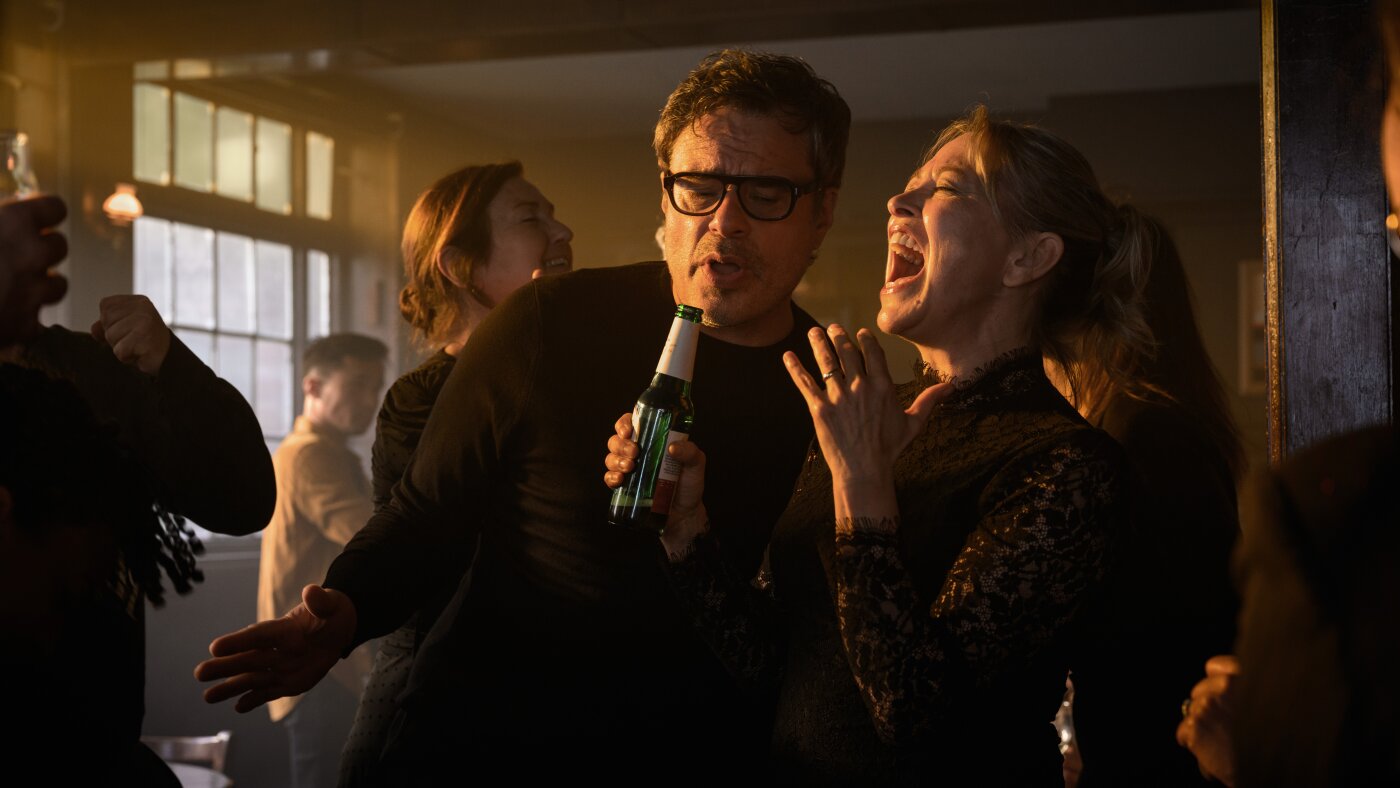
In Alice and Steve, Jemaine Clement and Nicola Walker play long-time friends who turn on each other after he gets involved with her 26-year-old daughter.
Lara Cornell/Disney+
hide caption
toggle caption
Lara Cornell/Disney+
I grew up watching episodic shows on network TV, nearly all of them formulaic but some indelibly great. Then, like everyone else, I moved into the days of what my colleague David Bianculli dubbed Platinum TV, where series like The Sopranos and The Wire and Fleabag aspired to something higher. What both these eras had in common was that their shows were carefully crafted — they had an internal logic, and a tone, that held them together.
In recent years, though, there’s been a proliferation of shows that, possibly obeying some algorithm, care less for coherence than sensation. They lurch among tones, from cuteness to sentimentality to meanness, stirring in random plot twists along the way. Bouncing all over the emotional map, these shows depend on compelling actors and a few memorable scenes to make us overlook their loose construction.
A great example is Alice and Steve, an entertaining but sometimes exasperating six-part British comedy on Hulu about two 50-something best friends who turn on each other after he gets involved with her 26-year-old daughter.


While the premise is juicy, it’s also a tad yucky, and I mainly tuned in because its title characters are played by performers Jemaine Clement from Flight of the Conchords and Nicola Walker, whom I’ve raved up on this show more than once.
The series starts poorly with Steve and Alice going on a cutesy bender after a friend’s funeral. Now, I always hate drunk scenes, which are an invitation to overact. As Clement and Walker bray their lines, we learn that Steve’s a divorced celebrity hair stylist who can’t find a girlfriend while Alice is a clothes designer with a doting younger husband, nicely played by Joel Fry, a sweetie-pie of a teenage son — that’s Tyrese Eaton-Dyce — and, of course, that 26-year-old daughter, Izzy, who has inherited her mother’s willfulness. Played by Yali Topol Margalith, Izzy kickstarts the plot by flirting with Steve. Predictably, he succumbs.

Almost immediately, they think they’re in love. While the weak-willed Steve wants to hide their romance — he knows it’s inappropriate — Izzy just blurts out the facts to her mom. Alice flips. And from hereon out in this series where the women are as alpha as the men are hangdog, Alice drives the action. Betrayed and violently angry, she’ll do whatever it takes to break them up — no matter who gets hurt. Her antics unleash Steve’s own malice. We’re in Beef territory.
At its core, Alice and Steve hinges on the way that platonic friendships are often richer and more powerful than romantic ones. It’s a fascinating subject, which may be why I found the script by Sophie Goodhart so frustrating. I wanted her to dig deeper. While the show’s got some very funny bits — Alice’s sharp-tongued mother is a blast — it’s often annoyingly lax.

If Steve really does the hair of Charli XCX, how come he’s a clueless older guy whose pop culture references are Willie Nelson and Woody Allen? If Izzy truly adores her mother as she claims, why does she keep rubbing her relationship with Steve in her mom’s face? Halfway through, one character nukes the other’s career, but this life-shattering event has no real weight: It’s barely even mentioned for the rest of the series.
That said, Alice and Steve is worth seeing for scenes like the one in which Steve spinelessly sells Izzy out or the lacerating discussion between Alice and her husband when he fully grasps that he adores a woman who views him as a reliable but dull concierge, not a man she likes hanging with. Most touching of all may be the lovely sequence when Alice, wise for once, smooths a romantic crisis between her son and his would-be girlfriend, a pair who are the show’s emblem of hope. For once, we understand why people love her.

While most viewers will find Steve more likable than Alice — the show takes pains not to make him appear predatory or creepy — the role doesn’t give Clement a whole lot to do except play variations on shambolic dread and discomfort. The show gets its galvanizing zing from Walker, a beloved star in England with amazing, luminous eyes. Her Alice is the kind of complicated, volcanic heroine that you don’t see in movies and rarely see on TV, one who shows her apocalyptic rage freely and in many different forms.
At least once in every episode, something would lead me to say, “Man, is this show a mess.” But that wasn’t a deal breaker. I kept watching. After all, life is messy, too.


How to enter your Sporty Spice era.
Getty Images/quantic69/Olga Kurbatova/Anastasiia Zvonary/Photo Illustration by NPR
hide caption
toggle caption
Getty Images/quantic69/Olga Kurbatova/Anastasiia Zvonary/Photo Illustration by NPR
Reality dating and professional sports are not as different as you’d think.
Brittany is in her Sporty Spice era – she watched the NBA playoffs, she’s following World Cup games, and she’s watching the New York Liberty play their WNBA season. These games are daily – and so is the reality dating show Love Island. And she noticed that the two formats are not very different at all. Defector.com staff writer and co-owner Kelsey McKinney came to the same conclusion – so the two of them discuss why these games of athleticism and love can bring us together… and why they get valued differently in our culture.
For more episodes on sports and reality TV, check out:
Get rich or die trying: how sports betting is changing our love of the game
Is this the end of reality TV?
The ugly truth of America’s expensive homes
Support Public Media. Join NPR Plus.
Follow Brittany on Instagram: @bmluse
This episode was produced by Liam McBain. It was edited by Neena Pathak. Our Supervising Producer is Cher Vincent. Our Executive Producer is Barton Girdwood. Our VP of Programming is Yolanda Sangweni.

-

 Pennsylvania5 seconds ago
Pennsylvania State Police on scene of ‘active incident’ in Marysville
-

 Rhode Island5 minutes ago
Rhode Island participates in ‘New England Drive to Save Lives’ campaign
-

 South-Carolina12 minutes ago
Georgetown County Sheriff Carter Weaver named South Carolina Sheriff of the Year: SCSA
-

 South Dakota15 minutes ago
South Dakota native lived near Iranian missile & drone attacks
-

 Tennessee20 minutes ago
The Recipient of Taylor Swift’s Bouquet Toss Has Strong Tennessee Football, Lady Vols Basketball Ties | Rocky Top Insider
-

 Texas27 minutes ago
Texas Rescuers Save Woman From Sewage-Filled Ravine
-

 Utah30 minutes ago
Fireworks ban expires as Utah weighs Pioneer Day restrictions
-

 Vermont35 minutes ago
Authorities ID girl who died in Vt. river, older brother who died trying to save her

