Lifestyle
I played 'Survivor' in someone's backyard. Now I'm hooked on live reality games

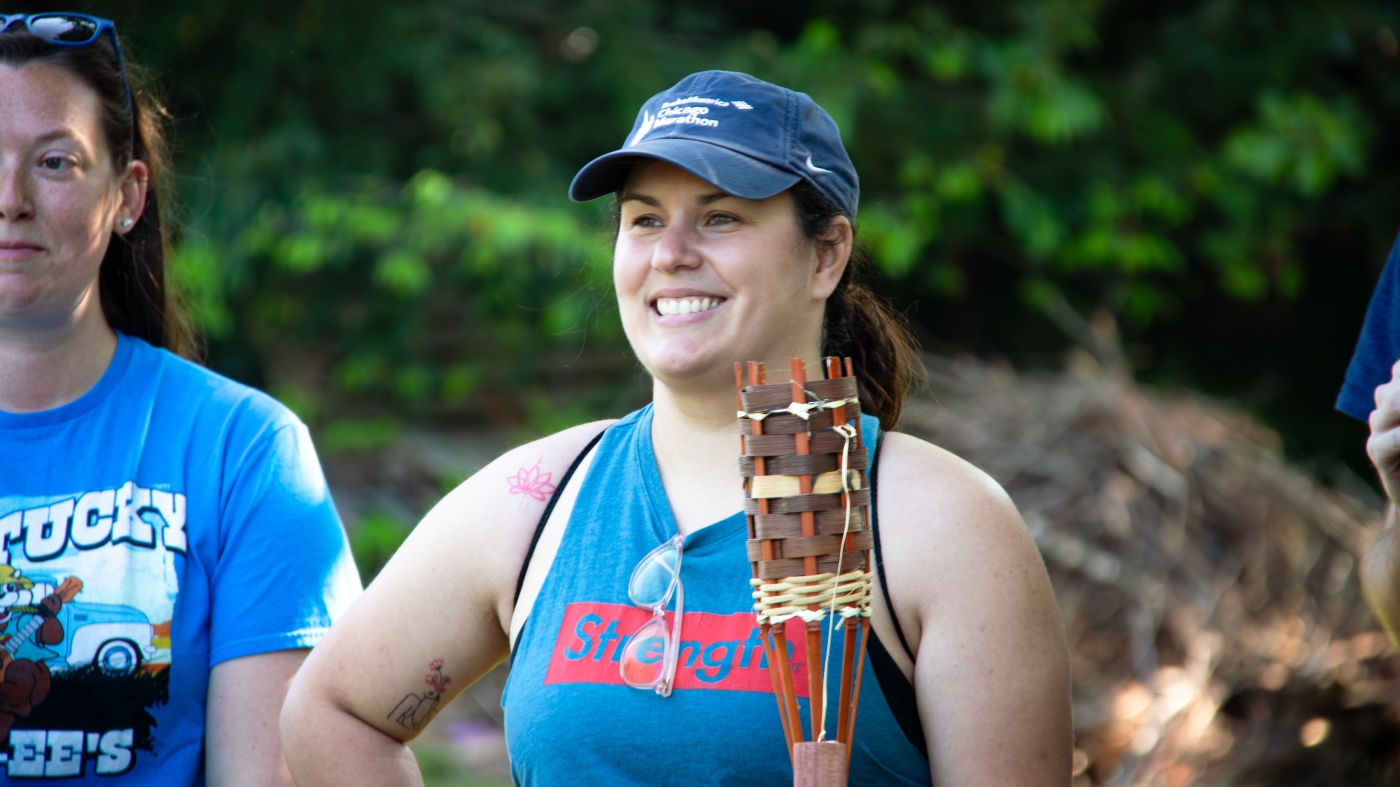
The author on Surviving Bloomington.
Ethan Gill/Surviving Bloomington
hide caption
toggle caption
Ethan Gill/Surviving Bloomington
I was 12 years old when I discovered Survivor. My mom and I were flipping channels, and we paused to watch some cranky people arguing about where to build a shelter and a fire. Corporate trainer and eventual winner Richard Hatch was trying to organize the group, much to self-proclaimed redneck Sue Hawk’s chagrin. “Corporate world ain’t gonna work out here in the bush,” she complained.
It was a new show called Survivor, my mom explained, where people lived on an island and competed to win $1 million. By the end of the episode, I was a fan.
I’m 36 now, and as obsessed as ever. I’ve spent years discussing the game in forums, listening to podcasts breaking down each episode, trying to divine the winner of each season based on “edgic” (“logic from the edit”) and competing in Survivor fantasy leagues. I’ve often pondered applying, wondering if I could dig deep enough to actually be on this show I love more than almost anything, but 26 days of minimal sleep and food isn’t for me.
What if I could get a little taste somehow?
On Jan. 31, 2023, the Survivor gods smiled on me. At the coffee shop, fetching his daily cortado, my husband noticed a casting flier for Surviving Bloomington, “a four-day live game based on the TV show Survivor.” Applications closed that day. I hastily filmed an audition video.
A few months later, I found myself in a heavily wooded Bloomington, Ind., backyard, meeting my tribe as the production crew filmed us with their iPhones.
YouTube
Outwit, outplay, outlast … or try, anyway
Though I had known live reality games (LRGs) existed, I’d never thought one would be just a few minutes down the road from me. Or that within 14 months, I’d appear in three.
I soon learned there are LRGs all over the country, and not just Survivor ones. There are versions of The Mole, Big Brother, The Challenge and others — even entirely new games. LRGs range from one to 10 days; some are live streamed, others are edited into episodes for YouTube. Survivor LRGs sometimes bring in players from the real thing to compete or just say hi.
These DIY games are true to their TV parents, with challenges, immunities, twists and turns, and themes. The Survivor Weekender LRG I joined in August was themed “Olive Garden of Eden,” with the starting tribes named Soup, Salad and Sticks. (I was a Stick.) Surviving Bloomington‘s conceit was Order vs. Chaos; my tribe was Order.
My time on Surviving Bloomington was short: Another player and I lost the first immunity challenge for our tribe — putting together a puzzle made of wooden planks — and I was voted out first. No one wants to be that person. Typical of Survivor, there were sudden shifts in allegiance. Also true to genre, the edit didn’t tell the whole story of my eleventh-hour betrayal.
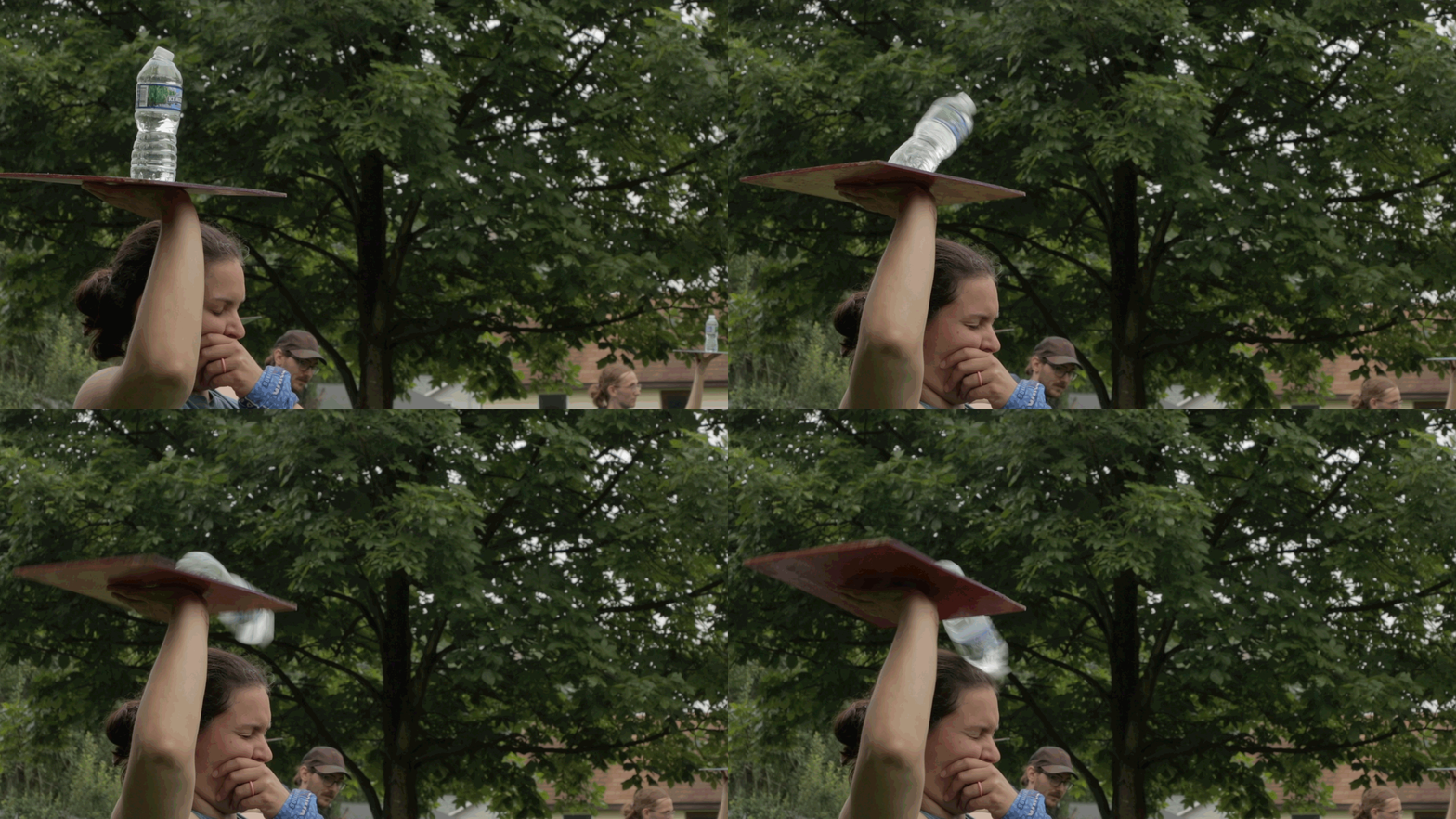
The author succumbs to gravity.
Ethan Gill/Surviving Bloomington
hide caption
toggle caption
Ethan Gill/Surviving Bloomington
Then, I lost my chance to return via a Redemption Island challenge: hold a bottle of water above my head for as long as I could. I made it to the final three, biceps on fire. After almost 25 minutes, I couldn’t go on. It’s not eating bug larvae, but it wasn’t fun.
Despite my brief tenure — and the “I’m not here to make friends” reality show trope — I did make friends. When my tribe got to camp, we immediately began swapping personal stories. One night on Redemption Island (another backyard), a group of us stayed up late talking, and I fell asleep listening to one of my mates tell ghost stories.
After Surviving Bloomington and Survivor Weekender, I joined The Mole Ohio. As in the TV version, contestants work together to add money to a pot that only one can win, all the while being thwarted by a saboteur appointed by the producers.
YouTube
Where Survivor requires teamwork and alliances, The Mole is a solo, self-reliant sort of game. Here, I could try on a different version of myself. I’m normally helpful and forthcoming. Not needing votes to stay in the game, though, I could be selfish, suspicious, cagey. I could — and did — sow chaos.
What happens in the game, stays in the game
LRGs are admittedly low-stakes. We’re usually competing only for bragging rights, so there’s a kindness and humanity not often seen on TV. And what happens in the game stays in the game. Slights and schemes don’t generally spill over into real life. I’ve kept in contact with almost everyone, either individually or in group chats.
I’m still unsure if I could make it 26 days on an island. But playing these games boosted my confidence. I consider myself pretty awkward, socially. In the company of people who nerd out over the same thing I do, I found strength in my ability to connect.
Now, if you’ll excuse me, Survivor 47 premieres tonight. I’ve got my eye on Teeny for the win.
To learn more about live reality games, check out these links:
Survivor Weekender on YouTube and Instagram
The Mole Ohio on YouTube and Instagram


I regret to inform you I’ll need to keep this introduction brief. Not because there’s any lack of things to say about July’s crop of notable new releases; it features award-winning journalists and several different flavors of anxiety about our bleak ecological future and data-dominated present, as well as the welcome returns of several beloved novelists.
No, these books certainly deserve some love, dear readers. It’s just that I’m finding it a bit tough to type while bearhugging a box fan. And since it seems that may be my last best chance to get through this latest U.S. heat wave here on the east coast without sweating through my shirt, I feel some urgency to get back at it.
So enough with the ado. With any luck, you’ll soon be cracking open one of these great reads on the beach — or in front of a decent air-conditioning unit, at any rate.
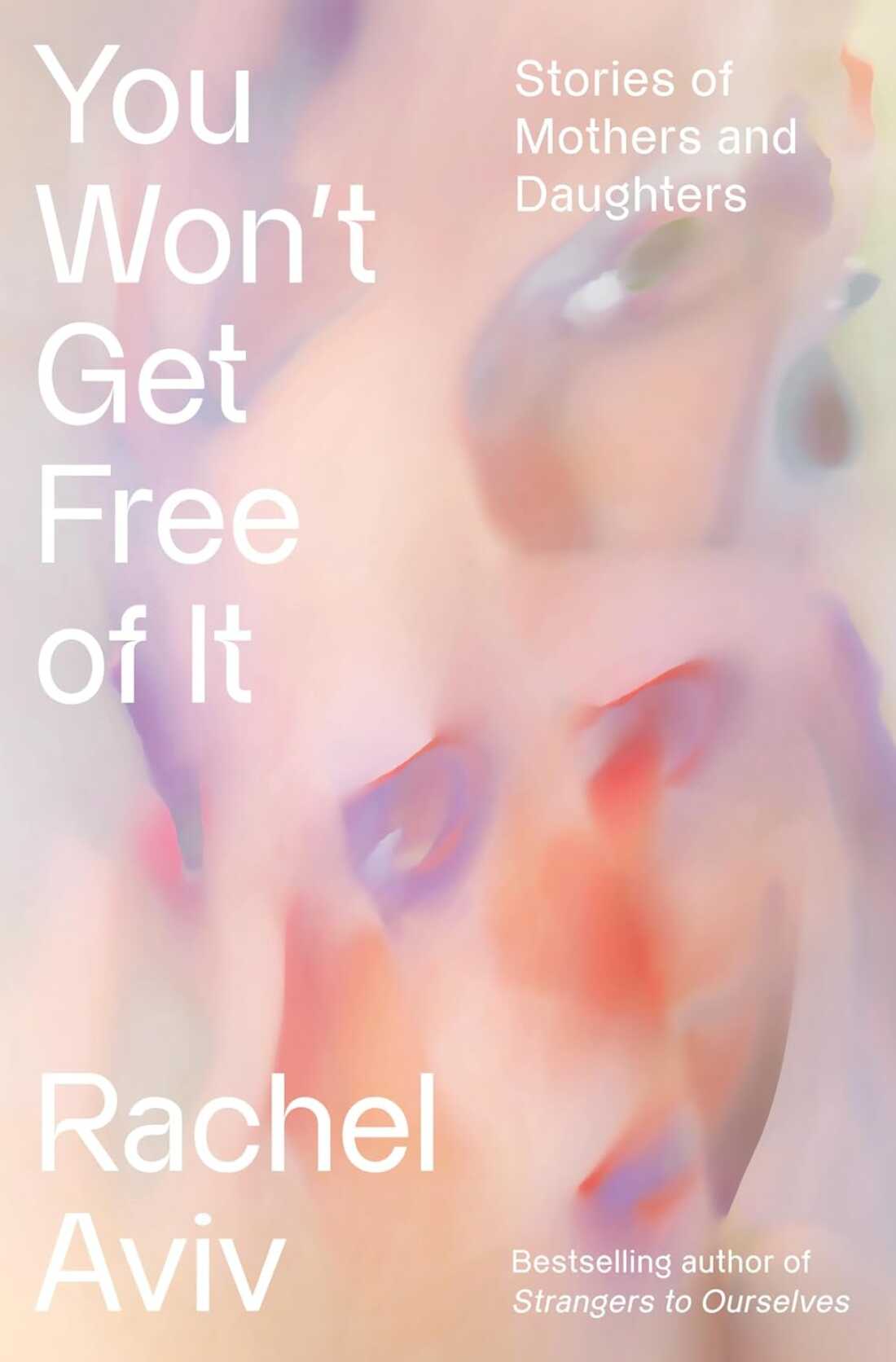
You Won’t Get Free of It: Stories of Mothers and Daughters, by Rachel Aviv (July 7)
Aviv, New Yorker staff writer and finalist for this year’s Pulitzer Prize, has a fairly extensive purview in her role as reporter at large. Still, when reviewing her latest work, Aviv noticed a crucial throughline: “I realized that, to some degree, I’d been writing about mother-daughter pairs for the last decade,” she explained to the Paris Review. Seeing this, she decided to collect and revise half a dozen of those stories, which cover ground from a daughter’s troubling fugue states to the immigrant nannies who must leave their own children behind, to Alice Munro’s daughter, whose claims of sexual abuse went unheeded yet regularly resurfaced in her mother’s fiction.
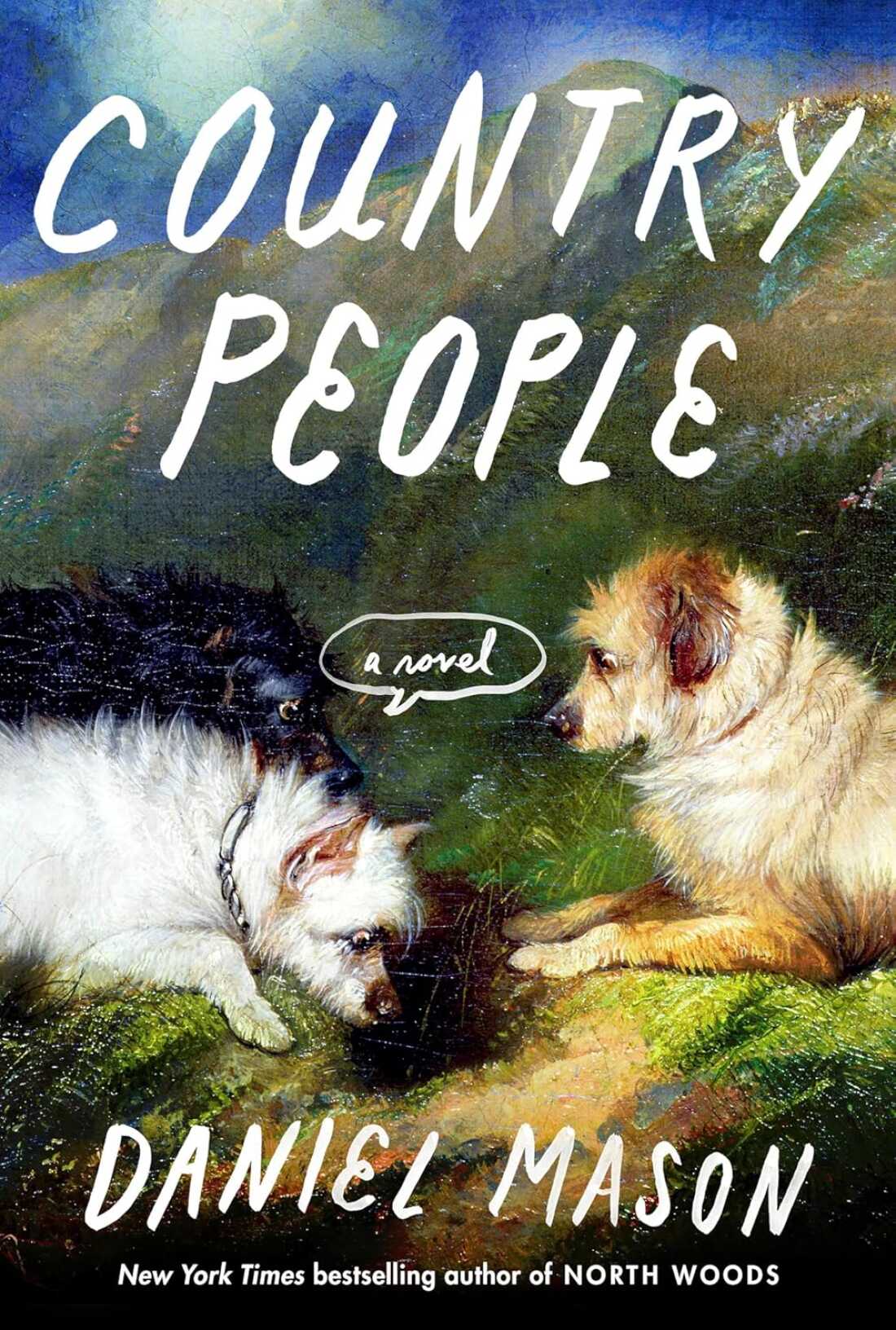
Country People, by Daniel Mason (July 7)
In Mason’s first novel since North Woods, 2023’s critical darling and book club stalwart, readers are plopped right back in the New England woods but the time scale has shrunk considerably. Whereas North Woods spanned centuries, his new novel confines itself to a single year, during which Miles, loving family man and lackadaisical Ph.D. candidate, plans to finally buckle down on that derelict degree of his and reassert his worth to one and all! At least, that’s the idea. But plans don’t stand much of a chance when there are eccentric neighbors to befriend and mysterious local legends to investigate.

Catch the Devil: A True Story of Murder, Deception, and Injustice on the Gulf Coast, by Pamela Colloff (July 14)
This is the first book from Colloff, a veteran investigative journalist for ProPublica and The New York Times Magazine. She has won multiple National Magazine Awards for stories focused on miscarriages of justice – such as her 2019 piece about Paul Skalnik, a grifter, fabulist, sexual predator and snitch, whose fabrications can be linked to dozens of wrongful convictions in Florida, including some sending the innocent to death row. Here Colloff expands upon that investigation, which gets a lot more room to breathe in the transition from magazine article to full-length book. What emerges in this disturbing account is a portrait of one man’s callous cruelty, and the law enforcers who had no problem tolerating a deal with the devil, provided it kept juicing the conviction rate.

Cloudthief, by Nathaniel Rich (July 14)
Though it’s his fiction we’re discussing here, it’s important to note Rich’s reporting has earned plaudits, too, as well as a few film adaptations. No matter the medium, climate change is usually on his mind, as well as the blunt, rather bleak, prognosis he offered on Fresh Air in 2019: “There’s a huge range of outcomes … ranging from the not very good to the apocalyptic.” Which is to say I’m surprised to find myself describing his newest response to global catastrophe as a rollicking good time – and not just because I’ve never said those words, in that order, in my life. This spry, funny caper features a freelance environmental reporter who inadvertently breaks bad, careening under the influence of lust and a light wallet toward the novel’s big centerpiece: the planned heist of a massive data center.

Data Empire: The Power of Information to Organize, Control, and Dominate, by Roopika Risam (July 14)
And now, for another book centered on data – albeit from a rather different angle. This illuminating history from Risam, a Dartmouth professor, traces the practice of collecting information – and the power conferred by possessing it – from the bones that were humans’ first archives, to the omnipresent systems that shape (or outright determine) life today. As Risam asks, “What has it meant – and what will it mean – when records that once served only to help us remember, come to rule?” A pressing question (see: those data centers), which you’re probably better served trying to answer with the help of Risam than, say, Alexa or Claude.

It Will Come Back to You: Stories, by Sigrid Nuñez (July 14)
For someone with nine novels to her name, Nuñez got a later start than you might expect, having published her first book when she was already in her mid-40s. More than three decades later, now a spry 75 years old, the National Book Award winner has gotten around to publishing her first collection of short stories. The 13 stories here have been culled from across her career, but each one resonates clearly with the warm timbre of her voice: simple, unadorned prose and mundane setups, from which she consistently manages to tease out glimpses of truth, elusive and profound.

They Stole a City: Wilmington’s White Supremacist Coup and the Families Who Live with Its Legacy, by Lauren Collins (July 14)
The only coup d’etat to succeed on U.S. soil is, at most, a distant historical afterthought these days. To be honest, I can’t recall reading a single textbook entry that even remarked on the 1898 race massacre in Wilmington, N.C., an action led by white supremacists that left many (historian estimates say up to 300) Black Wilmingtonians dead and permanently scarred a community newly aware of its simmering animus and vulnerability to violent overthrow. So I’m grateful for Collins’ new chronicle of the infamous event, which fills in some serious gaps in the American collective memory and explains how its perpetrators cultivated the disorienting silence that persists in the historical record today.

Yellow Pine, by Claire Vaye Watkins (July 21)
I don’t think I’ve ever actually laid eyes on the Mojave Desert but after reading Watkins’ latest novel, it feels like I can picture it more vividly than some streets I’ve actually lived on. No, it’s “not a beginner’s wilderness,” as Watkins concedes in Yellow Pine, but this landscape so redolent of death is also deceptively robust with life, if only you’re patient enough to find it. Too bad, then, that it’s also on fire. And choked by drought, irradiated by military test sites and soon to be sacrificed to a massive new solar array named, inexplicably, Yellow Pine. But those aren’t the only complications confronting the book’s main character, Rose, whose aspirations of becoming a kind of climate hermit warp a bit under the pressure of a rekindled love and the pendulum swing of rage and despair at the state of the world.

Cool Machine, by Colson Whitehead (July 21)
Ray Carney is back, for what regrettably appears to be the last time. The lifelong Harlemite, hard-luck furniture dealer and ambivalent crook starred previously in Harlem Shuffle and its sequel, Crook Manifesto. His perspective is our window on the changing eras of the historically Black neighborhood, from the mid-1950s on. In this, the final installment in Whitehead’s brisk, exceedingly entertaining Harlem Trilogy, readers catch up with Carney around the start of the 1980s, following him deeply into Reagan’s decade. The novel also represents the end of an era for Whitehead, whose attention has been exclusively occupied with these characters since he won Pulitzer Prizes for consecutive novels, The Underground Railroad and Nickel Boys.

Beginning Middle End, by Valeria Luiselli (July 28)
The gifted young Mexican writer returns this month with her fourth novel, the second she has written in English and her first since Lost Children Archive launched to widespread plaudits more than seven years ago. Her new book, like her previous one, also concerns the travels of a small family – only this time, the road leads not through the American Southwest but Sicily. And the history sought by its mother-daughter main characters is not a record of bureaucratic cruelty but something much more intimately personal: the links shaped and tested by generations of shared heritage and experience.



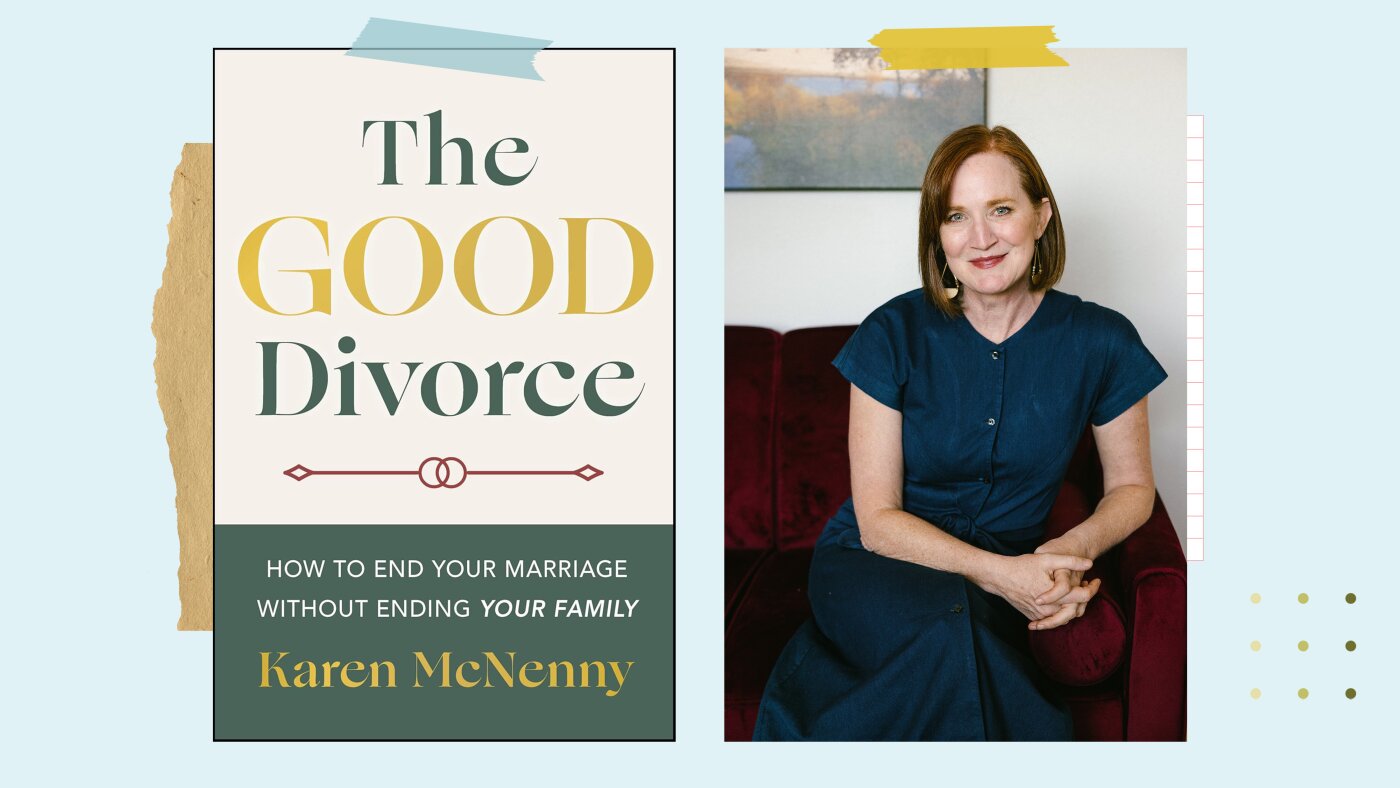
Karen McNenny is a certified divorce coach, certified co-parenting specialist and author of the book The Good Divorce: How to End Your Marriage Without Ending Your Family.
Wiley/Jossey-Bass/NPR, Nicole Wickens/NPR
hide caption
toggle caption
Wiley/Jossey-Bass/NPR, Nicole Wickens/NPR
When Karen McNenny was facing divorce about 15 years ago, she was afraid of what it would mean for her future: despair, debt and a lifetime of resentment, she says.
At the same time, she was thinking of her two children, she says. She didn’t want their father to become her enemy.
So she and her former husband chose to approach divorce differently as a couple. “We’re going to renovate and transform this family. We’re not going to destroy it,” she says. “The marriage is ending, not your relationship.”
For McNenny, a mediator, certified divorce coach and certified co-parenting specialist, divorce is a tool, not a weapon. She expands on this concept in The Good Divorce: How to End Your Marriage Without Ending Your Family, which came out this spring. The book offers guidance on how to maintain compassionate and respectful ties with a former spouse while also healing and moving forward.
According to Pew Research Center, a third of Americans who have ever been married had a first marriage that ended in divorce. For that reason, McNenny hopes her book becomes a must-read for couples before they get married. “The best time to talk about divorce is before you need to talk about it,” she says.
She shared insights from her book in a conversation with Life Kit. This interview has been edited for length and clarity.
The book is called The Good Divorce. What does that mean?
[For those with kids,] the good divorce is about protecting the future of the family while we dissolve the marriage.
After the paperwork is done and the assets have been divided, can you and your co-parent sit on the same side of the bleachers during the basketball game? Can you still see yourselves as a partnership, with the ability to have thoughtful conversations about your kids?
For those who don’t have kids, [the good divorce is] about protecting your health — your mental health and your physical health. If we are doubling down with resentment and bitterness, all of that gets stored in the body and shows up in different ways. You deserve a pathway that’s less destructive.
Let me also be clear: There are times when an amicable, collaborative process is not possible and maybe even inappropriate. For instance, where there’s active addiction, abuse, domestic violence, coercion or unmanaged mental health issues.
How do you get to a place where you don’t feel triggered by your partner, so you both can work together toward a good divorce?
That, my dear, does not happen overnight. That is more like a dimmer switch going up and down and up and down, and the gift of time helps to get there.
It’s a complex emotional journey because we do feel relief in walking away from our spouse and the challenges. But with it, there is extraordinary grief that comes with divorce that I think is often underestimated and undersupported.

If my spouse had died, people would’ve been checking in with me regularly. I never would’ve spent a holiday alone in that first year. There probably would’ve been a meal train.
But he didn’t die. My marriage died, my family structure died, my identity as a wife and a partner died. There’s so much grief through these transformations that come with divorce that we don’t see.
So supporting friends in all those ways that you would as if there had been an actual death is doing a lot for your friends who are going through divorce.
How do you let your friends, family and community know that you’re getting a divorce and that you might need support?
Put a communication strategy together. It’s not just for how we tell the kids. It’s also a communication strategy for the grandparents; to the circle of support around the kids, like teachers, coaches and mentors; and our shared community.
It’s extraordinary when a couple can write that message together, not unlike a marriage announcement. [You might say:] We’ve made a really difficult decision. We wanted to let you know. We’re not going to court. Don’t expect a battle. Please don’t ask us why. Just ask us how we’re doing. We’re on the same side as the kids. You don’t need to pick sides.
In doing so, we’ve given everyone the same information at once. It’s a unified message that comes from the parent team, and it allows your community to know how best to support you. And it takes out all the gossip and wonder about what is going on.
If you have kids and they’re splitting time between two homes, what are some ways to make that change easier for them?
Our kids were 5 and 7 when we divorced, so it was three or four nights at a time in each home. By the time they got to be about 8 or 10, it made sense to go a week in each residence. After COVID, the kids came to us and said, “Can we just have two weeks in a house? We wanna be able to settle in more.” [So we said] OK.
A lot of parents are so rigid about the schedule. There’s no flexibility. That doesn’t serve anyone. So I recommend liberating yourselves from the calendar and letting it grow and bend with your kids appropriately.
Knowing what you know now about divorce, what questions do you think couples should ask themselves before they get married?
So often when people arrive at the threshold of divorce, couples are like, “We don’t know what we’re doing.” Get educated about the business part of it.
There is no harm in having a prenuptial agreement. Even if you decided not to file it, have the conversation about the implications. What does it mean if we buy this house together? What does it mean if one of us works more and one of us works less?
We also underestimate what it means to be roommates. What are your value systems around cooking and cleaning? How much alone time do you need? It’s easy to fall in love and not know if you’re compatible.
Do you think you’d get married again?
I absolutely hope that I get to say yes to a lifelong commitment with a partner, as I believe we often are given the opportunity to become a better version of ourself through partnership.
The story was edited by Meghan Keane. The visual editor is CJ Riculan. We’d love to hear from you. Leave us a voicemail at 202-216-9823, or email us at LifeKit@npr.org.
Listen to Life Kit on Apple Podcasts and Spotify, and sign up for our newsletter. Follow us on Instagram: @nprlifekit.
-

 Maine2 minutes ago
Leslie Marshall urges Democrat Graham Plattner to exit Maine Senate race amid allegations | Fox News Video
-
 Michigan12 minutes ago
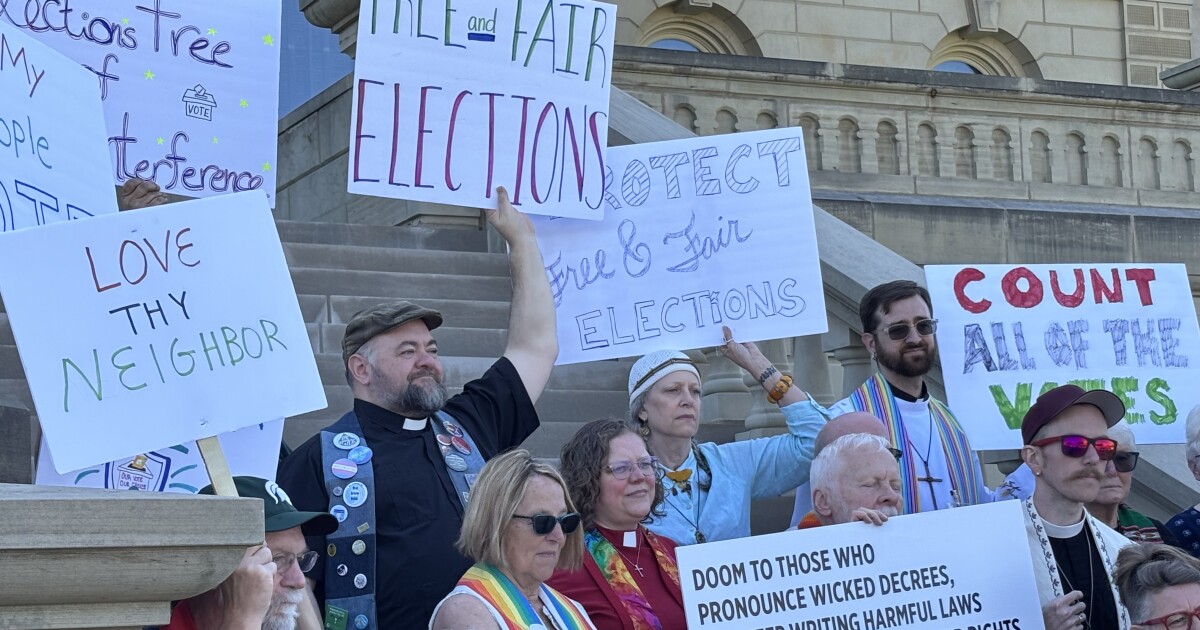
Michigan religious leaders speak against what they say are voter intimidation efforts
-

 Massachusetts17 minutes ago
ICE detentions rise in Massachusetts amid World Cup festivities
-

 Minnesota24 minutes ago
Man accused of attacking woman in Midwest Bank parking lot at gunpoint
-

 Mississippi27 minutes ago
Jabil to invest $119 million in Marshall County, create 2,200 jobs
-

 Missouri39 minutes ago
Explosion reported after Missouri school employee hits firework with lawn mower
-

 Montana41 minutes ago
Surreal trail-cam footage shows giant, ‘big-headed’ grizzly bear
-

 Nebraska47 minutes ago
Judge sentences Northeast Nebraska man for sexual assault of a minor, faces possible deportation

