Sign up to HELLO Daily! for the best royal, celebrity and lifestyle coverage
By entering your details, you are agreeing to HELLO! Magazine User Data Protection Policy. You can unsubscribe at any time. For more information, please click here.


Personal trainer Lavina Mehta is on a mission to get the nation moving. Awarded an MBE in 2020 for her services to health and fitness, the 46-year-old coach is known for the workout videos she hosts on YouTube with her mother-in-law Nishaben, as well launching the ‘Get UK Asians Fit’ campaign.
Now she’s released her debut book, The Feel Good Fix, in which she shares her personal toolkit of food hacks, workouts and wellness exercises, all designed to boost fitness and mood in the menopause years and beyond. “I want people to start moving, whatever their age. It’s never too late to start,” she tells HELLO!. “But midlife is the time that we really need to focus and invest in our health for our long-term wellbeing and future.”
The mum of three talks to HELLO! about her guide to exercise snacking and how she’s helping to break the stigmas around women’s health.
“Growing up, I wasn’t into fitness – there isn’t enough awareness about the power of exercise for South Asian women. But 16 years ago, I gave up my job to become a mum and after losing my father-in-law very suddenly to a brain tumour and having some health scares of my own, I started to rethink my health.
“I joined the gym – I had put on so much weight, it was getting unhealthy, although it’s not about how we look, more how we feel and the magic of exercise. I invested in a personal trainer, who was a specialist in strength training, and lifting weights transformed my body and mental health. My slogan, ‘Exercise for sanity, not vanity’, got me through some of the hardest challenges.
“I qualified as a personal trainer and started training my friends in my home basement. Then, in 2019, I kicked off a national campaign because I was so alarmed about statistics around UK Asians being so physically inactive and the higher risks of diabetes and heart disease. The rest is history.”
“From my own experience and the menopause revolution. Also, so many of us are busy, juggling home, work and family pressures alongside the symptoms of menopause.
“This feel-good toolkit works for me and so many other women I’ve trained. It helps remove the barriers people have around exercise. The Government guidelines around physical activity can be really daunting, so this is a bit more approachable, flexible and sustainable. Hopefully it’s going to give a lot of people the confidence they’ve been lacking.”
“It’s short, bite-sized amounts of movement that you can do throughout the day, and the book has snacks that range from one minute to three, five and ten. Studies show that 11 minutes of daily exercise can substantially reduce a person’s risk of early death and heart disease, and science shows us that even a minute counts and that exercise snacking can be as effective, if not more, than the hour-long workout that we can’t fit into our busy lifestyles.
“I am very passionate about disease risk reduction, especially diabetes, dementia, osteoporosis, cancers and heart disease. Exercise snacking is so good at helping with metabolic health and maintaining a healthy weight, which reduces the risk of chronic diseases.
 © Lavina Mehta
“Little and often is the best way to fit it in. You can piggyback these snacks onto your existing lifestyle, like brushing your teeth on one leg or doing a strength snack while the kettle’s boiling and a shoulder-floss snack at your desk.”
“You’re not going to bulk up – let’s stop that myth straight away. Strength training is crucial for our health because we lose muscle mass and bone density from around the age of 30 and it’s accelerated through perimenopause, menopause and beyond, which can lead to osteoporosis. It’s important for our bone, brain, heart, muscle and mental health. Start off small, even with simple bodyweight exercises, and increase your weights gradually over time.”
“Squats are the king of lower-body exercises, and for energising your body, there’s one called the Superbrain Snack. It’s a holistic technique where you squat, cross your arms and connect your tongue to the roof of your mouth, and then clasp your earlobes with the opposite thumb and forefinger. Inhale deeply and lower into a squat. Repeat for 2-3 minutes or ten to 21 reps. This stimulates acupressure points on your earlobes and sends signals to the brain, boosting your cognitive clarity.”
“On my 40th birthday, I noticed I was getting erratic periods, but like a lot of women, you suppress it and think: ‘It’s because I’m busy, stressed and there’s a lot going on.’ My family were getting frustrated with me, saying: ‘I’ve told you that before, Mum, you’re forgetting everything.’ My grandmother had Alzheimer’s and when I started forgetting people’s names or what I was doing at certain times, I was really worried it was early onset dementia.
 © Lavina Mehta
“During the pandemic, I had symptoms like numbness in my hands during the night, rosacea suddenly appeared and anxiety, but I never joined the dots. It was only when I watched Davina McCall’s documentary Sex, Myths & the Menopause two years ago, and saw the changes in the brain, the penny dropped that I was going through perimenopause.”
“As a South Asian woman, there are so many taboo subjects around women’s health – periods and sex, let alone menopause. But South Asian women can go through menopause five or six years earlier than the average white female and perimenopause can be a decade before that. Women in their late 30s need to be aware, stay in tune with their bodies and log symptoms. Be prepared, not scared. Start normalising the conversation.
“I openly share my own experiences, but I’m also a patron for Menopause Mandate. It’s important to educate and empower ourselves with knowledge, and to advocate for yourself.”
RELATED: 10 best menopause supplements with top reviews to have on your radar – plus expert tips
“The power of lifestyle changes and exercise. I wish I had started earlier, but it’s never too late, no matter what age you are. I’ve seen that with the free workouts I do for the elderly every week with my mother-in-law.”
 © Lavina Mehta
The Feel Good Fix by Lavina Mehta (Penguin, £18.99) is available now.



Major international health and fitness organizations have joined forces to study the long-term impact exercise can have on GLP-1 users, with the findings showing optimistic results.
The white paper, which emerged from the collaboration of trade organizations including the U.S.-based Health & Fitness Association, U.K.-based ukactive, Australia-based AUSactive, Exercise New Zealand and Fitness Industry Council of Canada, finds that pairing GLP-1 therapy with regular structured exercise has multiple downstream benefits. Those include improved long-term health outcomes, reduced subsequent costs and positive economic returns across multiple countries.
The study dove into whether structured exercise can improve the long-term clinical and economic value of GLP-1 treatment by comparing the impacts of GLP-1 therapy as a standalone obesity treatment versus GLP-1 therapy combined with exercise, utilizing a health-economic model across Australia, Canada, New Zealand, the U.K. and the U.S.
The financial component of the study found:
Meanwhile, the addition of structured exercise to a GLP-1 treatment plan had numerous positive health impacts, including:
Additionally, the paper highlighted a reduction in acute cardiovascular events and joint replacements; improved patient longevity and quality of life; and reduced spending on medical costs and productivity losses.
Based on those results, the bodies are once again urging for the deeper integration of physical activity and strength training in GLP-1 treatment, after releasing a statement earlier this year calling on governments, health systems and international institutions to ensure that as drugs like Ozempic and Wegovy continue to dominate obesity treatment, they’re supported by lifestyle interventions including physical activity and nutrition.
“GLP-1 medications are rapidly changing obesity treatment, but weight loss alone is not the full measure of success,” said HFA president and interim CEO Greta Wagner.
From those results, the bodies have come up with a plan for how best to implement fitness-forward practices into a systemic treatment plan for GLP-1 users. They propose the following roadmap for policymakers, payers and healthcare systems:
The organizations also suggested policy shifts such as reimbursement, coverage, tax-preferred treatment or subsidy models that lower financial barriers to structured exercise for GLP-1 users, making exercise more widely recognized as a crucial component of GLP-1 therapy.
“The health and fitness industry has long known that lasting wellness requires more than a number on a scale, it requires strength, function and sustainable healthy life habits,” Wagner added. “This research confirms that exercise, especially strength training, helps patients sustain the benefits of GLP-1 treatment over time. It sends a clear message that exercise belongs at the center of GLP-1 care.”

The combination could save billions in healthcare costs, leading fitness organizations to call for deeper integration of structured exercise in GLP-1 treatment.
Pairing GLP-1 therapy with regular structured exercise would improve long-term health outcomes, reduce downstream costs, and generate positive economic returns across multiple countries, according to new multinational research by the Health & Fitness Association developed by FTI Consulting’s Center for Healthcare Economics and Policy.
Released as a white paper entitled From Weight Loss to Lasting Value: Structured Exercise and the Economics of GLP-1 Therapy, the research compares impacts of GLP-1 therapy as a standalone obesity treatment with GLP-1 therapy combined with exercise in five countries.
The research was developed in collaboration with the HFA Foundation and four fitness industry federations: AUSactive, Exercise New Zealand, Fitness Industry Council of Canada, and ukactive.
The white paper provides some of the strongest evidence to date that exercise significantly enhances the value of GLP-1 treatment for patients, healthcare systems, employers, and society as a whole.
Across all five countries studied, the analysis found that a combined approach supports improved long-term health outcomes, reduced healthcare costs, and produced positive economic returns.
Combining regular exercise with GLP-1 therapy is estimated to generate:
The findings demonstrate that as GLP-1 use expands, exercise should play an essential role in helping patients and health systems maximize the long-term value from new generations of weight-loss drugs.
The fitness industry has an unprecedented opportunity to be part of the solution as GLP-1 usage continues to grow.
“GLP-1 medications are rapidly changing obesity treatment, but weight loss alone is not the full measure of success,” says Greta Wagner, interim president and CEO of the Health & Fitness Association and president of the HFA Foundation. “The health and fitness industry has long known that lasting wellness requires more than a number on a scale; it requires strength, function, and sustainable healthy life habits. This research confirms that exercise, especially strength training, helps patients sustain the benefits of GLP-1 treatment over time. It sends a clear message that exercise belongs at the center of GLP-1 care.”
Based on this data, HFA, HFA Foundation, AUSactive, Exercise New Zealand, Fitness Industry Council of Canada, and ukactive are calling on policymakers, payers, and healthcare systems to integrate structured exercise into GLP-1 treatment pathways.
Specifically, the groups are asking that:
This call to action builds on a recent joint position statement signed by the participating fitness industry groups, the World Obesity Federation (WOF), and the World Federation of the Sporting Goods Industry (WFSGI), which emphasized the urgency of ensuring physical activity and nutrition are central to systems supporting the global roll-out of obesity medications.
Download the complimentary full report to see how structured exercise can help unlock the full promise of GLP-1 therapy.

This white paper is complimentary.
GLP-1 medications are reshaping obesity care and creating new opportunities to improve long-term health outcomes. But weight loss alone is not the full measure of success. As use of these medications grows, policymakers, payers, healthcare providers, and patients face an important question: what helps ensure that the benefits of GLP-1 therapy are sustained over time?
This first-of-its kind multi-country research examines the health and economic value of combining GLP-1 therapy with structured exercise. The findings make clear that structured exercise help protect and extend the investment being made in GLP-1 treatment by supporting more sustainable health outcomes, reducing costly downstream medical events, and generating substantial economic value.
Across all five studied markets, the research projects that combining structured exercise with GLP-1 therapy can generate substantial health, economic, and societal value compared with GLP-1 therapy alone:
If public and private payers are investing in GLP-1 therapy, they should also be asking what helps that investment produce more sustainable health and economic returns. Structured exercise is one of the clearest answers.
Methodology
The research was conducted by by FTI Consulting’s Center for Healthcare Economics and Policy in partnership with a multinational coalition of fitness sector organizations, including the Health & Fitness Association, the HFA Foundation, AUSactive, Exercise New Zealand, Fitness Industry Council of Canada, and ukactive.
Drawing on the existing body of research on GLP-1 therapy, weight loss, physical activity, and related health outcomes, the analysis modeled the incremental health and economic impact of adding structured exercise to GLP-1 therapy across participating markets. The model compares combined treatment against GLP-1 therapy alone over 10-year and 30-year horizons.


TV news anchorman reveals he has Alzheimer’s during final night helming broadcast


2026 World Cup Golden Boot Odds: Mbappé Favored, Havertz Surges


Smart street sensors could be watching your city next

Meet the Beverly Hills jeweler who crafted the Seattle Seahawks’ Super Bowl ring

Jelly Roll and Bunnie XO are calling it quits: Country star files for divorce
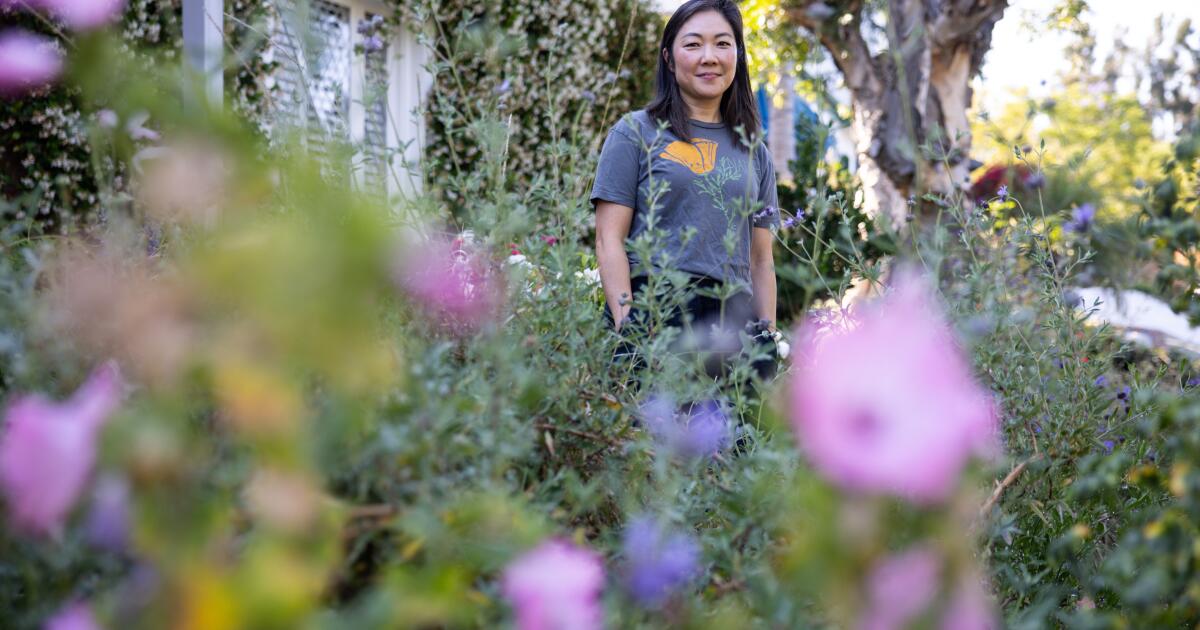
Her water bill was ‘insane.’ So she tore out her lawn and planted a ‘wabi-sabi’ wonderland

Commentary: Trump goes after Newsom’s wife? Unsurprising, but also a new level of authoritarianism

Californian is infected with rare tick-borne illness. What to know about the deadly bacteria


