
Connect with us

Fitness

5 Exercise Habits That Are Aging Your Body Faster

Published

on

5 Exercise Habits That Are Aging Your Body Faster

Regular exercise is essential for keeping your body strong and in excellent shape, but certain common mistakes can completely derail your dedicated efforts. In fact, they can speed up the aging process, increase wear and tear on your joints and muscles, and promote fatigue. To ensure you continue progressing toward your goals, we spoke with a fitness pro who reveals five exercise habits that age your body faster.

Below, Michael Baah, celebrity trainer and BlazePod ambassador, shares how to recognize and address these common errors and maximize your training routine to maintain a youthful, fit body.

Table of Contents

Training Without Rest Days

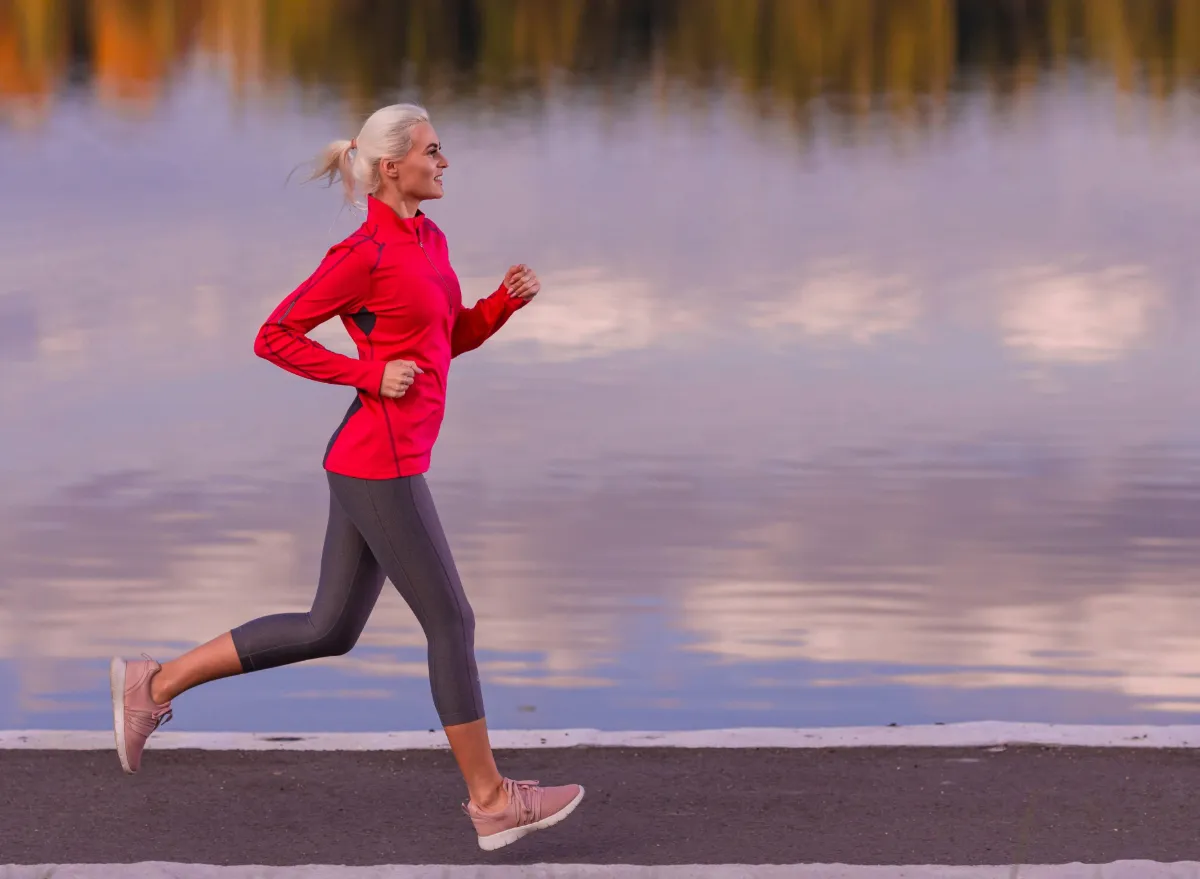
fit woman running outdoors, concept of best type of exercise for weight loss
Shutterstock

One super common yet detrimental mistake is training without carving out time for rest and recovery days. “Overtraining leads to chronic inflammation, elevated cortisol levels, and increased injury risk, which can age the body prematurely,” Baah stresses.

The Fix: Ensure you have ample time to rest and implement active recovery days into your routine. This will reduce excess strain on your body while keeping it engaged. “Try simple activities like light yoga, stretching, or reaction games with a tennis ball to keep active on recovery days,” Baah suggests.

You’ll Never Lose Weight if You Still Do These 5 Things

Skipping Resistance Training

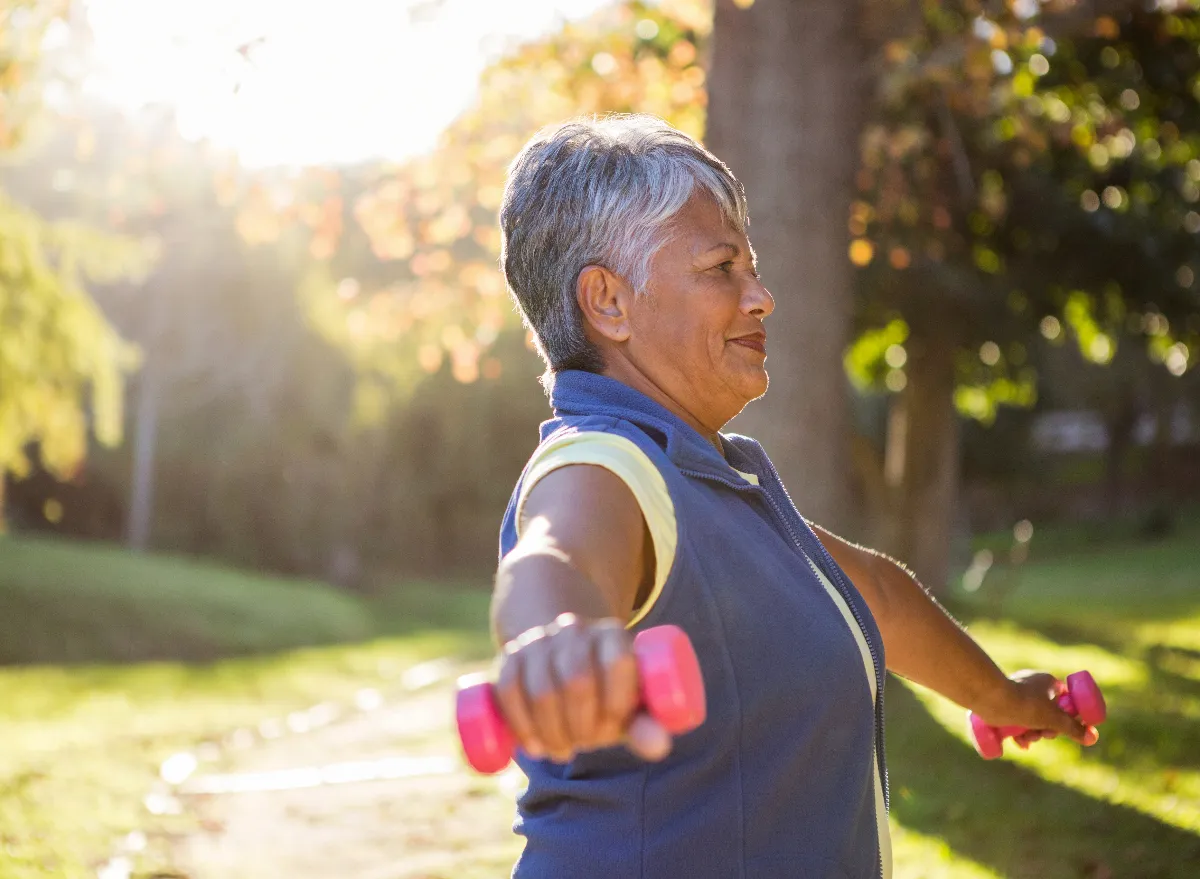
woman holding dumbbells doing standing exercises for faster weight loss after 50woman holding dumbbells doing standing exercises for faster weight loss after 50
Shutterstock

Strength training is essential to improving muscle and bone strength—especially as you age. “Avoiding resistance training accelerates muscle and bone loss (sarcopenia and osteoporosis), making the body weaker and more prone to injuries as we age,” Baah tells us.

The Fix: Baah recommends including two to three weekly strength sessions into your routine, highlighting functional movements such as deadlifts, squats, and pushups. “Resistance bands or household items like water bottles can be used as weights if you don’t have access to a gym,” Baah explains.

Advertisement

10 Best Gentle Exercises To Strengthen Your Body as You Age

Emphasizing Only High-Impact Exercise

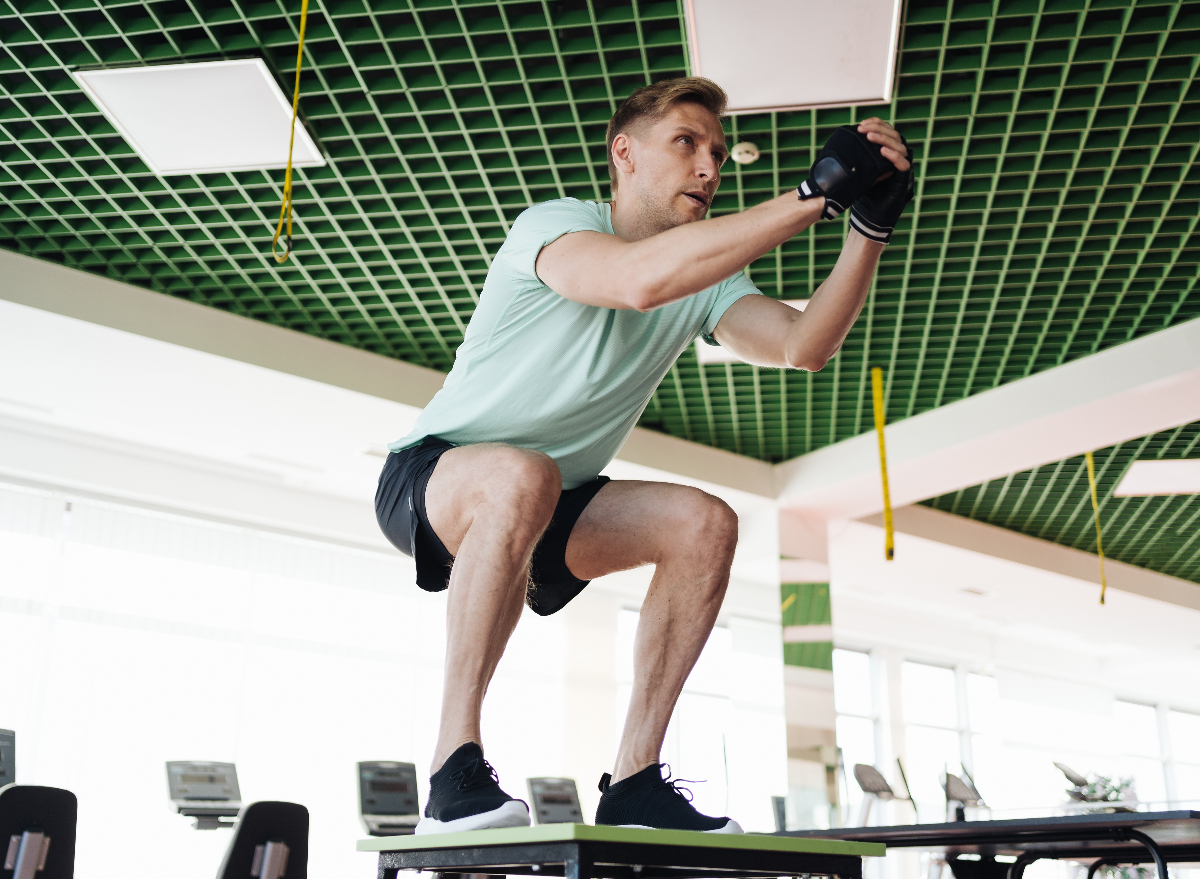
man doing jump squatman doing jump squat
Shutterstock

Consistently performing high-impact exercises, such as jumping or running, can promote wear and tear on your joints as time passes. This increases your risk of developing arthritis or injuries.

The Fix: “Mix high-impact exercises with low-impact alternatives such as cycling, swimming, or walking,” Baah recommends. “These activities are easier on joints while improving cardiovascular health. Additionally, try joint-friendly strength exercises like step-ups or glute bridges for a well-rounded routine.”

The 6 Best Exercises You Can Do to Tone Your Body After 60

Skipping Warm-Ups and Cool-Downs

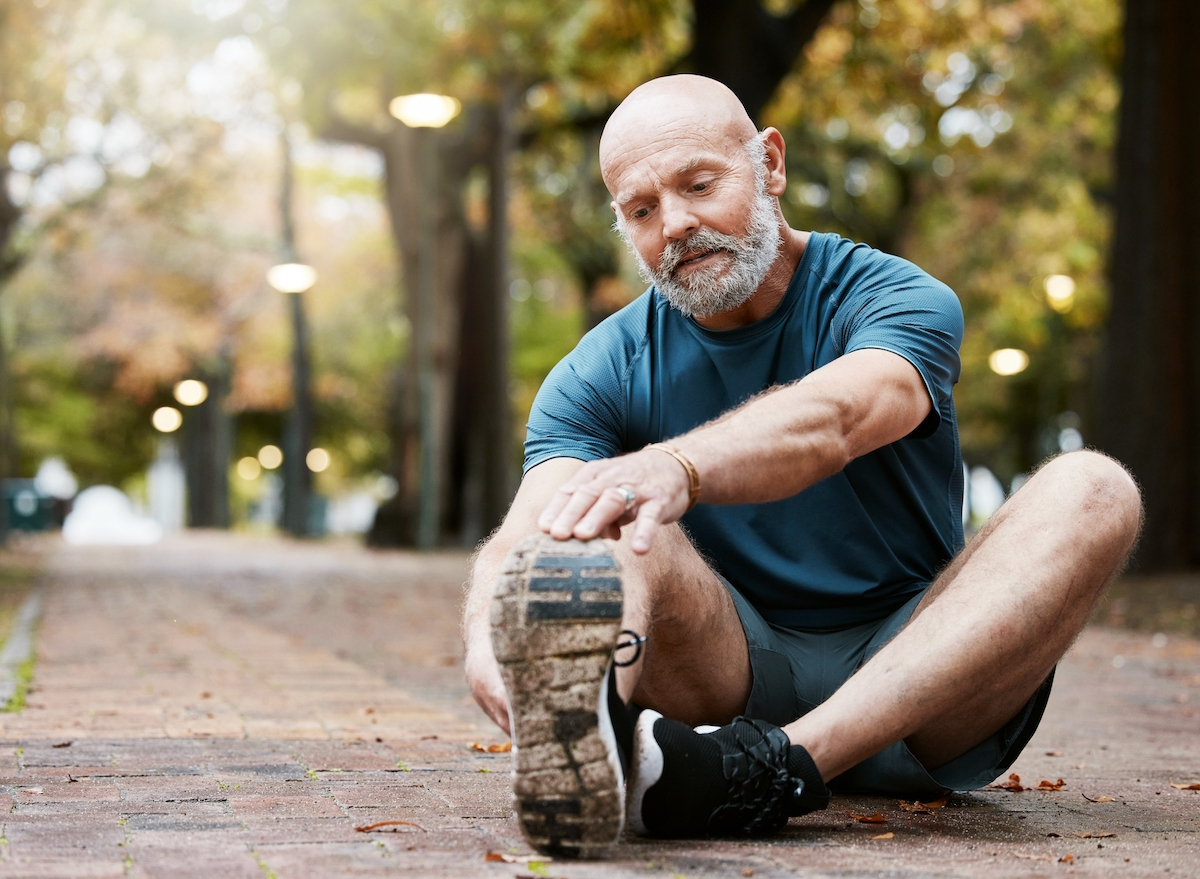
mature man stretchingmature man stretching
Shutterstock

You’ve likely heard that warming up and cooling down are crucial portions of your workout routine—so don’t skip them! “Skipping warm-ups increases the likelihood of injuries while neglecting cool-downs leads to muscle stiffness and slower recovery,” Baah tells us.

The Fix: Begin each fitness session with warm-up exercises like arm circles and leg swings to get your muscles ready. After your main workout, perform static stretching to engage major muscle groups. If you have access to them, massage balls and foam rollers can help alleviate tightness and boost circulation.

A 69-Year-Old Fitness Trainer Shares the 6 Exercises That Keep Her Looking Half Her Age

Advertisement

Neglecting Mobility Training

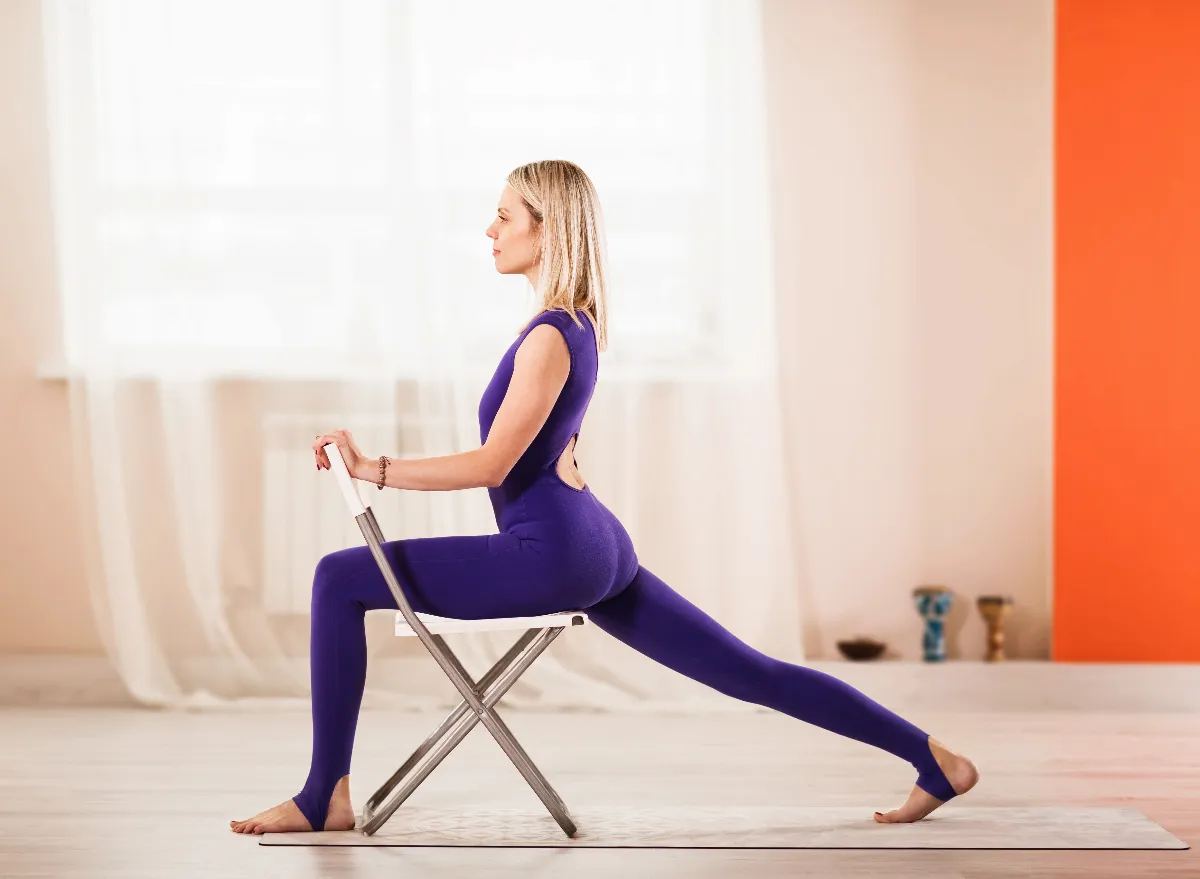
woman doing chair yoga pose, concept of chair yoga workouts to melt love handleswoman doing chair yoga pose, concept of chair yoga workouts to melt love handles
Shutterstock

Another key part of a successful workout regimen you shouldn’t neglect? Mobility training!

“Ignoring flexibility and mobility limits range of motion, leading to poor posture and movement inefficiencies, which worsen with age,” Baah explains.

The Fix: Carve out time for mobility flows, yoga, or Pilates to decrease stiffness and improve movement. “If you’re short on time, incorporate stretches like hip openers or cat-cow during TV breaks or after your workouts,” Baah suggests.

Alexa Mellardo

Alexa is the Mind + Body Deputy Editor of Eat This, Not That!, overseeing the M+B channel and delivering compelling fitness, wellness, and self-care topics to readers. Read more about Alexa
Advertisement

Fitness

From Lifespan to ‘Health-span’: Use the New Year to Focus on Both Health and Fitness

Published

on

From Lifespan to ‘Health-span’: Use the New Year to Focus on Both Health and Fitness

Fitness encompasses cardiovascular endurance, strength training, and mobility/flexibility. These are non-negotiables for continuing to live throughout your later years with your independence and ability to move and socialize still intact.

Instead of thinking simply about living longer, let’s use the start of a new year to focus on getting healthier, so we live better. More than any other time each year, the New Year is a popular time to focus on a “fresh start.” Temporal landmarks like New Year’s Day, Mondays, birthdays and the change of seasons are standard starting lines for many of us when we have a goal to work toward and bad habits to break.

Science Says Fitness Matters (Even More than Weight)

A recent study published in the British Journal of Medicine, Cardiorespiratory Fitness, BMI, and Mortality: A Systematic Review and Meta-Analysis, shows that, regardless of body weight (obese, overweight or normal), fitness matters more for all-cause mortality. They measured the weight, BMI and fitness of six groups: normal weight-fit; normal weight-unfit; overweight-fit; overweight-unfit; obese-fit; and obese-unfit.

The analyses revealed that individuals classified as fit, regardless of their BMI, did not have a statistically significantly higher risk of cardiovascular disease or all-cause mortality compared to normal weight-fit people. At the same time, all unfit groups across different BMI categories exhibited a two- to threefold higher risk of cardiovascular disease and all-cause mortality compared to their regular weight-fit counterparts.

About Body Mass Index (BMI)

Now, you may be saying, “But BMI is flawed!” Sure. BMI is not the best indicator for distinguishing normal weight, overweight and obesity because it is simply a height-to-weight ratio that does not account for differences in body fat/muscle composition, age, sex or other factors. Before you discredit this entire study because of the BMI issue, remember that it measured fitness levels among people of different sizes. Some had more muscle and were considered fit in the overweight/obese group, while others were deemed unfit in the normal weight group. Still, BMI helps place people of differing sizes (height and weight groups) and focuses on measuring each group’s fitness. In the end, fitness matters more than BMI, so the goal is to exercise, get in shape, build muscle and lose fat.

Advertisement

Set Your Training Goals to Be Long-Term

It is fine to have short-term, specific training goals, such as strength gains and endurance times, or weight gain or weight loss. However, start this year with a 10-year fitness focus, as what you do in your 40s-50s will determine how you live in your 60s-70s. Always think 10 years ahead, no matter what your age, because what you gain today and maintain tomorrow is needed to continue to live independently for a few more generations in your family’s lineage. You can focus on longevity and optimal performance for your fitness and health goals at the same time by maintaining a consistent activity level and healthful nutrition, sleep and recovery.

Try This Goal: Make Annual Physical and Blood Screening Appointments

If you have not been to a doctor in a while, set an appointment in January, and get into the habit of annual health and wellness screenings. Treat annual physicals with the doctor as opportunities to PR (personal record) common blood work results, such as cholesterol, triglycerides, blood sugar, body weight and blood pressure. These are just the basics to help you assess how to adjust your sleep, nutrition, physical activity and stress management. These meetings are also quite satisfying when you achieve solid results that show health and wellness.

Don’t Give Up

While a large portion of us (nearly half of Americans) will create a New Year’s resolution, only about 9%-10% will achieve their goals. After a stressful holiday season, we are typically burned out in January. This may not be the best time to start a lifestyle change, complete with quitting bad habits (over-eating, smoking, drinking) and starting new healthy habits (gym membership, diet, etc.).

Instead, use the first few weeks of January to focus on stress mitigation and recovery. This should include building easy habits of walking every day, stretching, taking deep breaths and simply not overeating. This is a great way to move into a new fitness focus. Then, when feeling back to normal, focus a little harder, with more intensity, duration of training, and specificity to your fitness and health goals.

There are many ways to expand your “health-span.” Check out these options and get consistent with any or all of them:

Advertisement

Final Advice

If you want to get started on a focused health and wellness goal of being able to do physical activities, stay social and be independent, start with the basics of walking and stretching daily for a month. The following month, add calisthenics such as squats, lunges, push-ups and the plank pose. The following month, add weights such as dumbbells or kettlebells, or suspension trainers such as the TRX.

This steady progression helps you ease into fitness habits gently and adds a new component each month to keep it interesting. To achieve results with lifelong wellness goals, you need to keep endurance, strength and mobility/flexibility as primary focuses. Stability, durability, balance, speed and agility can also be developed once you have built the foundation. This is the beauty of long-term goals. Focus on doing something each day, being disciplined about eating and drinking healthfully, and learning stress-mitigation techniques such as breathing to take into your next decade on this planet.  

There are dozens of these types of articles at the Military.com Fitness Section. Check them out for ideas on specific ways to train. 

Want to Learn More About Military Life?

Whether you’re thinking of joining the military, looking for fitness and basic training tips, or keeping up with military life and benefits, Military.com has you covered. Subscribe to Military.com to have military news, updates and resources delivered directly to your inbox.

Story Continues

Advertisement
Continue Reading

Fitness

Exercise ‘snacks’ can keep your fitness on track when time is tight – try these 3 today

Published

on

Exercise ‘snacks’ can keep your fitness on track when time is tight – try these 3 today

December is great for many things – socialising, scoffing, falling out with relatives – but sticking to a training schedule is not one of them.

Heading out the door on Christmas morning for a two-hour long run is likely to put anyone on the naughty list, while it takes a dedicated runner indeed to spend part of the festive period running loops of the track.

What the mere mortal needs is exercise “snacks”. These can be enjoyed/endured alongside the carb-based variety and snuck in to even the busiest Christmas schedule.

A review in Sports Medicine and Health Research confirmed that regular, short bursts of physical activity throughout the day improved cardiovascular respiratory fitness, increased fat oxidation and polished off blood sugar levels after eating.

Vigorous intermittent exercises, such as sprints, were good for building muscle strength. Meanwhile, 10-minute resistance training sessions were found to be particularly beneficial to older people. The researchers concluded that exercise snacks could be a viable alternative to longer, less frequent sessions.

Advertisement

Cram in vigorous bouts of stair climbing for muscle strength, or one or two sub-10 minute morsels for muscle growth as an efficient alternative to meatier long sessions. Here’s some inspo below…


3 exercise snacks to gorge on

Try these simple workouts for results on the quick

For upper-body

Press-ups: 3 x 20 with a 30-sec rest between (b/w) reps

Bench dips: 3 x 15 with a 30-sec rest b/w reps

For lower-body

Bodyweight squats: 3 x 20 with 20-sec rest b/w reps

Advertisement

Wall sit: 2 x 90 secs with 1-min rest b/w reps

For cardio fitness

Burpees: 3 x 20 with 30-sec rest b/w reps

Skipping: 4mins consisting of 1min normal, 1min high knees, 1min normal, 1min high knees

Continue Reading

Fitness

Study shows the antioxidants in this tea improve exercise recovery

Published

on

Study shows the antioxidants in this tea improve exercise recovery

I love many different herbal teas just as much as I enjoy a good old-fashioned British cup of PG tips, Earl Grey, or Glengettie — a Welsh favorite from the rolling valleys where I was born. In an interesting study, researchers explored whether drinking green or matcha tea can improve sports performance and exercise recovery, and the results might have you reaching for a vibrant green drink. If you want to get straight to the results, the short answer is that drinking green and matcha tea can support hydration, body fat control, and exercise recovery. Still, it definitely won’t be a game-changer when it comes to your performance in the gym, on the court, or on the field.

Hydrating with tea

In a study published in Nutrition and Food Technology, researchers reviewed existing studies of athletes and active adults that focused solely on drinking tea — no pills or extracts. They revealed that green or matcha tea can help hydrate the body when consumed in normal amounts. Tea counts toward your daily water intake.

Antioxidants and recovery

The research highlighted how the widely-studied antioxidants in green and matcha tea can improve exercise recovery and help protect your cells from the stress associated with intense exercise. That said, the research shows that drinking tea won’t lead to faster or better strength gains, so it’s no silver bullet for helping you achieve your fitness goals. However, they also concluded that low-caffeine green tea could even improve sleep quality, which I would argue could potentially help you power through that workout if you’re getting better sleep the night before.

Linked to lower body fat

Interestingly, the study authors also concluded that drinking around two or three cups of green or matcha tea per day was associated with slightly lower body fat and improved body composition and fat burning. While the effects weren’t overly significant, they were noted in the research. Cup of tea, anyone?

Continue Reading

Trending