San Francisco, CA
Death of beloved neighborhood cat sparks outrage against robotaxis in San Francisco


The death of beloved neighborhood cat named KitKat, which was struck and killed by a Waymo in San Francisco’s Mission District last week, is sparking uproar in the city and across the internet. Now local politicians and community leaders are harnessing momentum to put new limits on the fast-spreading autonomous vehicle industry.
KitKat was a regular fixture at the deli and liquor store Randa’s Market, and was well known in the neighborhood and on social media. In a recent podcast interview, Daniel Zeidan, part of the family that owns Randa’s, described KitKat as unequivocally adored.
“The nickname that they had for him was the mayor of 16th Street,” Zeidan said. “He would walk down there, stare up at the employees and wait for them to throw chicken at him … He really ran the block.”
But on 27 October, KitKat was struck by a Waymo autonomous vehicle, which in recent years has become a ubiquitous sight around the city. Waymo confirmed the death in a statement to the Guardian. “While our vehicle was stopped to pick up passengers, a nearby cat darted under our vehicle as it was pulling away,” a company spokesperson said.
Tributes have poured in across social media for KitKat, who could often be found curled up behind the counter at Randa’s, or strolling into the nearby Dalva bar to receive a royal reception. A shrine has popped up outside of Randa’s, replete with photos of KitKat, bouquets of flowers and well-wishes.
Local legislators are using the incident to call for limits on the industry’s growth. Jackie Fielder, a San Francisco city supervisor, said she plans to introduce legislation that would allow counties to decide whether they will permit the operation of autonomous vehicles, and is calling upon the California legislature to consider doing the same. Fielder said the bill will be similar to a 2024 effort in the California legislature.
“We are absolutely coming for your bottom dollar,” Fielder said of Waymo in a Tuesday press conference held outside of Randa’s Market. Speakers included local politicians, union leaders and transit advocates, who touched on fears of job replacement via AI and the loss of local political control against tech companies.
Justin Dolezal, a local bar owner and head of a small business coalition, also spoke about KitKat’s role in the community, and in favor of the resolution.
“The mayor of this space was taken by technology that none of us asked for, and crucially to this resolution, none of us consented to,” Dozel said.
KitKat’s death is the latest swell in waves of anti-AI sentiment and concerns over autonomous vehicles, although others point to data showing a firm safety record. While Waymo says it operates around 1,500 cars across the US, exact numbers for San Francisco’s fleet are unclear. Protestors and activists have taken to disabling Waymos by placing traffic cones on their hoods or even setting them on fire. Cruise, another autonomous taxi company, agreed last year to shell out more than $8m in 2024 to a Bay Area woman who was dragged over 20ft of pavement by an autonomous vehicle. Questions have also arisen over how to ticket and discipline autonomous vehicles when they violate traffic laws.
Waymo declined to comment on the proposed legislation in a written statement to the Guardian but said that “trust and the safety of the communities we serve is our highest priority”.
“We send our deepest sympathies to the cat’s owner and the community who knew and loved him, and we have made a donation to a local animal rights organization in his honor,” the statement said.
As politicians push for change, some have taken upon themselves to honor KitKat in distinctly Silicon Valley-style ways. Zeidan has released a memecoin honoring KitKat’s legacy, and also said that he was disappointed to see others launch their own imitation tokens in an attempt to profit off KitKat’s death.
Zeidan hopes to use proceeds to support local veterinarians and animal welfare organizations. He was inspired to do so after the veterinarian that attempted to save KitKat’s life dropped the cost of the entire medical bill.
“We wanted to honor the cat,” Zeidan said. “We want to support shelters, we want to support local animal organizations that help animals.”

San Francisco, CA
50 Beagles Rescued From Wisconsin Lab Arrive in Bay Area, SF Activist Faces Felony Charges

Animal rescue groups persuaded a Wisconsin breeding lab to sell 1,500 beagles after activists worked for a decade to free them, and 50 of the dogs arrived in the Bay Area Sunday. Meanwhile, an SF activist faces 12 years in prison for rescuing some of them prior to the deal.
Last month, several animal rights activists attempted to free 1,500 beagles at Wisconsin-based Ridglan Farms, the second-largest breeder of beagles for laboratories in the US, as KGO reported last week. Four activists, including Dean Guzman Wyrzykowski of San Francisco, were arrested during the rescue operation and charged with felonies, with up to 12 years in prison, according to a post by Wyrzykowski on social media.
“There are thousands of dogs just like her in laboratories across the country,” says Wyrzykowski, while holding the dog he’s accused of stealing.
Last week, animal rights group Big Dog Ranch Rescue, which is based in Florida, and DC-based Center for a Humane Economy made a confidential agreement with the lab to purchase the animals to be adopted out by rescue groups. Per KGO, well-known Berkeley activist Zoe Rosenberg, who brought one beagle named Chester home with her, was among the volunteers helping the dogs in Wisconsin after they were rescued.
As KGO reports, the Northern California Beagle Rescue Group brought 50 beagles to the Bay Area via school bus Sunday, and they’ll be adopting them out to homes in San Francisco, San Jose, Sacramento, and nearby cities once they’ve received veterinary care.
The dogs had likely never touched grass until after leaving the lab, and they’ve been slowly acclimating to their new lives. Some were reportedly malnourished and most had bad teeth and were in need of dental work.
“It was very emotional,” says Wendy Lansdon, a volunteer with Northern California Beagle Rescue, speaking to KGO about when the bus full of dogs first arrived in the Bay Area. “Some of them were really quiet when we got in there, some of them were happy, and the other ones were terrified.”
Prior to the dogs’ arrival, the Northern California Beagle Rescue Group announced on social media it was seeking foster home volunteers in Fremont, San Jose, and Sacramento — near where the beagles will be receiving veterinary care. The group is also requesting donations to help fund the dogs’ vet care.
According to the site Save the Dogs, activists had been pushing for the closure of Ridglan Farms for almost 10 years, as investigators, whistleblowers, veterinarians, and others worked to spread the word about the inhumane conditions of the lab, which stayed in operation for decades, despite being hit with hundreds of state-level cruelty violations.

“The dogs born there were treated as inventory: bred, confined, sold to research, disposed of,” says Save the Dogs.
Save the Dogs notes that activists are now targeting Marshall BioResources, the largest breeder of dogs for laboratories in the country, which has operations in New York and the United Kingdom.
Image: Northern California Beagle Rescue/Facebook

Division-leading Dodgers aim to snap home losing trend as they open series against the Giants in a matchup of NL West foes
After dropping their second straight home series over the weekend, the Los Angeles Dodgers head into Monday night’s series opener against the San Francisco Giants sitting atop the National League West Division standings, aiming to avenge a series loss to the Giants from two weeks ago. San Francisco has lost nine of its last 12 games overall and have dropped seven in a row on the road as they begin a 10-game road trip that will keep them away from home until Memorial Day Weekend. The Giants will start Trevor McDonald (1-0, 1.29 ERA) in his fourth start in the Majors while the Dodgers will counter with second-year Japanese import Roki Sasaki (1-3, 5.97 ERA) who has given up a home run in five consecutive outings.
How to Watch San Francisco Giants vs Los Angeles Dodgers:
Date: May 11, 2026
Time: 10:00 p.m. ET
TV Channel: MLB Network
Location: Dodgers Stadium
Live Stream the San Francisco Giants vs Los Angeles Dodgers game on Fubo: Start watching now!
Dodger center fielder Andy Pages, who has helped Los Angeles claim World Series titles in each of his first two years in the Majors, leads the team this season hitting .333, ranking the 25-year-old Cuban third among all hitters in MLB. Pages is hitting .371 so far in May with five extra base hits and 10 RBIs and has successfully reached base in 13 of his last 14 games.
With nine hits in seven games so far this month, Giants second baseman Luis Arraez is hitting a team-leading .310 at the plate in 2026 and is on pace for his eighth career 100-hit campaign. Arraez is one of only two active players with a career batting average above .300, hitting .316 for his career and leads Houston’s Jose Altuve by 15 points.
What time is Giants vs Dodgers?
Coverage of the San Francisco Giants vs Los Angeles Dodgers starts Monday, May 11, at 10:00 p.m ET. Tune in to see if the Dodgers can beat the Giants for the fifth time in the last six games at Dodger Stadium or if San Francisco can beat LA for the fourth time in the last five head-to-head matchups.
What channel is the Giants vs Dodgers game on?
Looking to watch the game? Subscribers can tune to MLB Network to catch the action. Make sure you subscribe to Fubo now to watch this matchup at home or on the go with the Fubo TV app.
Watch the San Francisco Giants vs Los Angeles Dodgers game on Fubo: Start watching now!
Regional restrictions may apply.

Happy Mother’s Day to all the McCoven who hopefully have better things to do than watch this dreadful baseball team. But if this is your chosen way of spending the day, then welcome, and may the Giants beat the Pittsburgh Pirates to win the series for you.
Right-hander Tyler Mahle takes the mound for the Giants, as the veteran makes his eighth start of the year. He’s 1-4 on the season, with a 5.00 ERA, a 4.91 FIP, and 34 strikeouts to 18 walks in 36 innings. He was very strong his last time out, pitching 5.1 shutout innings against the Tampa Bay Rays.
For the Pirates, it’s right-hander Bubba Chandler, a 23-year old in his second season. In seven starts this year, Chandler is 1-4 with a 4.76 ERA, a 5.60 FIP, and 31 strikeouts to 26 walks in 34 innings. Chandler gave up two runs in five innings against the Arizona Diamondbacks in his last game. He has issued the most walks in the Major Leagues, so he’s probably foaming at the mouth to face the Giants, who apparently believe that drawing walks is a sin on par with murder.
Enjoy the game, everyone. Go Giants! Go moms!
Who: San Francisco Giants (15-24) vs. Pittsburgh Pirates (22-18)
Where: Oracle Park, San Francisco, California
Regional broadcast: NBC Sports Bay Area
Radio: KNBR 680 AM/104.5 FM, KSFN 1510 AM
-
 Politics11 minutes ago
Oversight chair seeks information from OpenAI’s Sam Altman about potential financial conflicts
-
 Science17 minutes ago
Hantavirus fears heighten with 4 Californians exposed to the disease. Is the alarm warranted?
-
 Sports23 minutes ago
High school boys volleyball: City Section playoff scores and pairings
-

 World35 minutes ago
Bolivia issues warrant for Evo Morales’s arrest after court no-show
-
 News1 hour ago
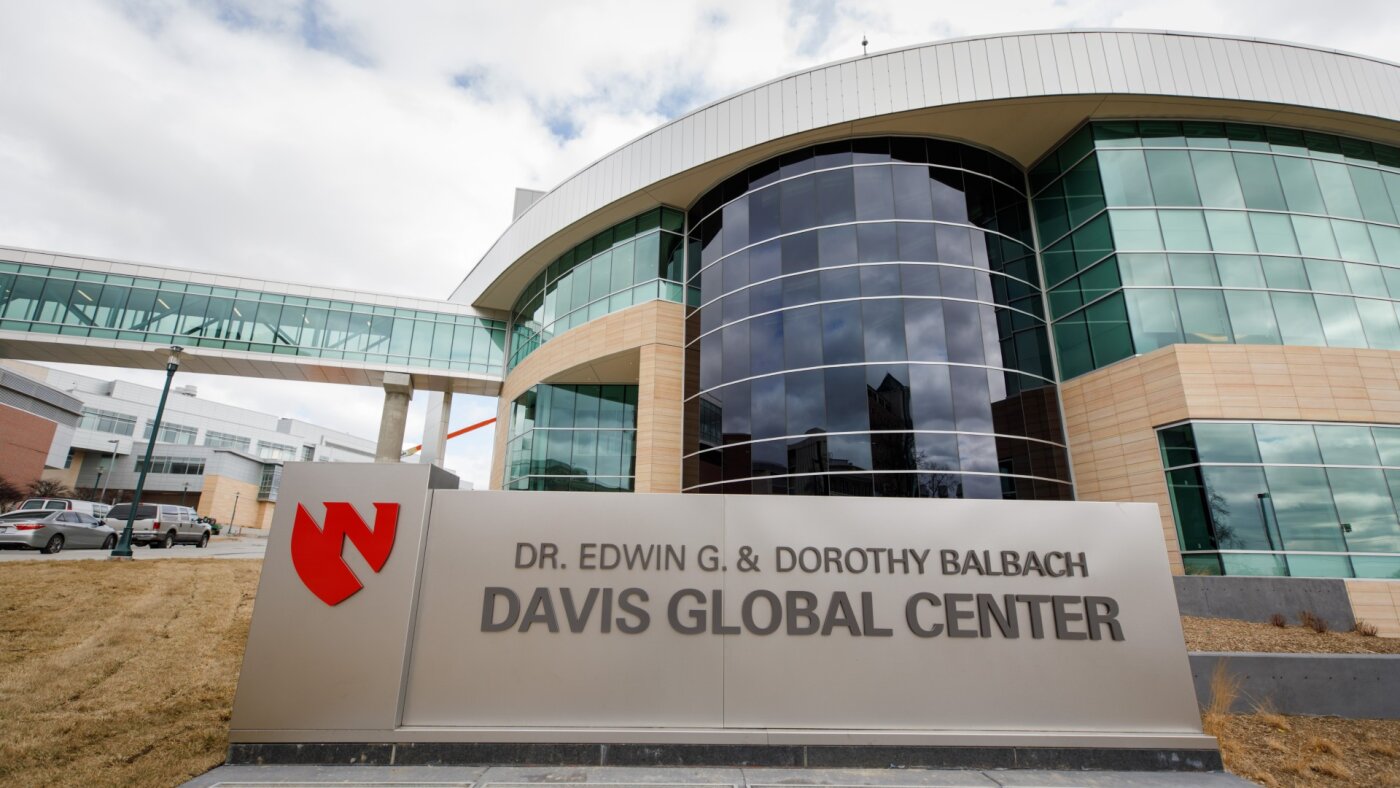
Why cruise ship passengers with possible hantavirus exposure went to Nebraska
-

 New York3 hours ago
Airbnb Turns to Black Leaders in Its Bid to Make a Comeback in New York
-

 Detroit, MI3 hours ago
Metro Detroit braces for Frost Advisory, Freeze Warning overnight before rain arrives
-

 San Francisco, CA3 hours ago
50 Beagles Rescued From Wisconsin Lab Arrive in Bay Area, SF Activist Faces Felony Charges