Connect with us

West

California man who shot 2 kindergarteners had lengthy criminal history, mental health issues: police

Published

on

California man who shot 2 kindergarteners had lengthy criminal history, mental health issues: police

The California gunman who shot and gravely injured two kindergartners had a long criminal history and significant mental health issues, authorities said Thursday. 

Roman Mendez, 6, and Elias Wolford, 5, were identified by Butte County Sheriff Kory Honea as the two children injured in the Wednesday shooting at the Feather River Adventist School in Oroville, which has an enrollment of 35 students. 

Mendez was shot twice and Wolford sustained one gunshot wound in the abdomen and will likely need several surgeries, the sheriff said. 

“”They have a long road ahead of them,” Honea said.

Advertisement

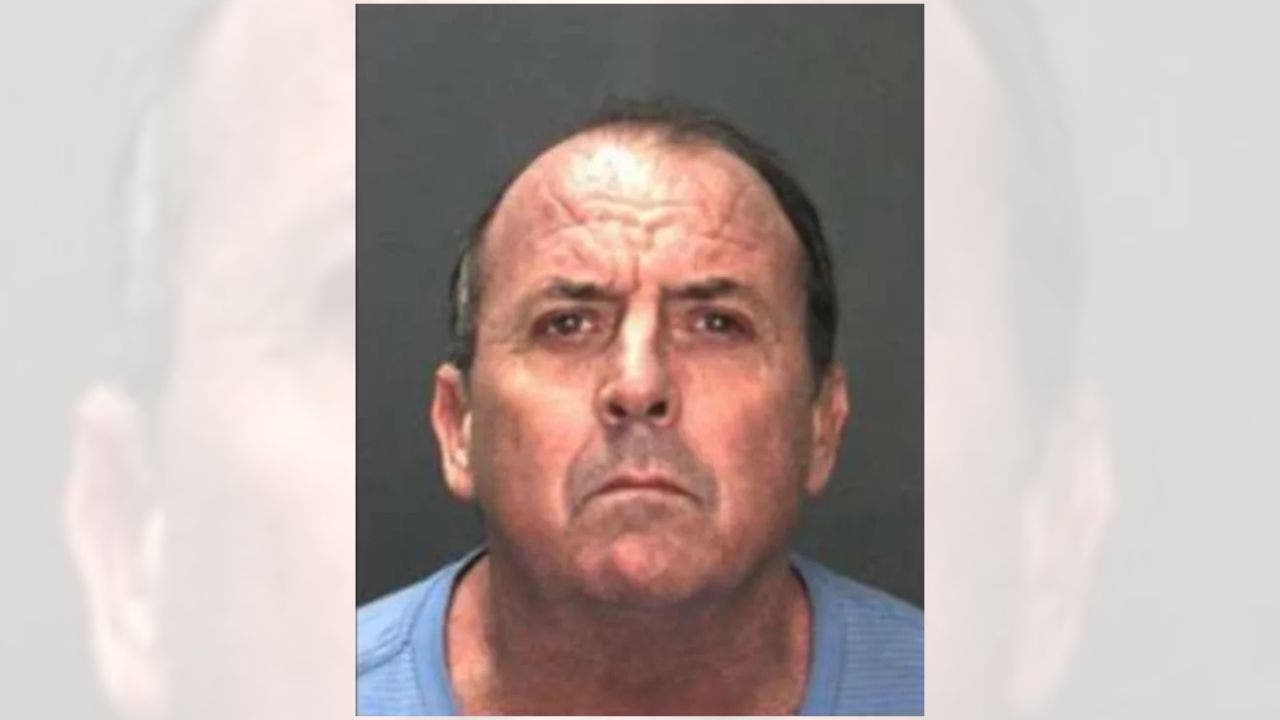
Glenn Litton had a long history of run-ins with the law and severe mental health issues, authorities said.  (Butte County Police Deparment)

CALIFORNIA CHRISTIAN SCHOOL SHOOTING WOUNDS 2 BOYS, 5 AND 6; SUSPECTED GUNMAN DEAD

Authorities identified the shooter as Glenn Litton, 56, who died most likely from a self-inflicted gunshot wound. Litton used the alias Michael Sanders to set up an appointment with the school principal to inquire about enrolling his grandson just before the shooting, investigators said. 

Authorities believe the appointment was a ruse so Litton could gain access to the school’s campus. After the meeting, Litton fired a handgun several times before fatally shooting himself, Honea said. 

“Shortly after concluding that meeting, the principal heard shots being fired, heard screams, and that’s when they determined or found that the two students had been shot,” Honea said.

Advertisement

The Feather River Adventist School, where two students were shot Wednesday.  (Google Maps)

Litton had no connection with the school, but attended a school in nearby Paradise run by the same church when he was a child. 

After the shooting, investigators found disturbing writings believed to be from Litton that provided insight into a possible motive. 

L-R: Roman Mendez and Elias Wolford are in critical condition, police say.  (Butte County Sheriff’s Office)

One said: “Countermeasure involving child executions has now been imposed at the Seventh Day Adventist school in California, United States by The International Alliance. I, Lieutenant Glenn Litton of the Alliance carried out countermeasure in necessitated response to America’s involvement with Genocide and Oppression of Palestinians along with attacks towards Yemen.”

Advertisement

FORMER NYPD INSPECTOR ‘SKEPTICAL’ UNITEDHEALTHCARE CEO GUNMAN WAS PROFESSIONAL, ZEROES IN ON WEAPON OF CHOICE

Video footage shows Glenn Litton outside the school on December 4. (AP)

Honea described Litton as homeless and said he had some mental health issues going back to age 16.  He went on to express that he believes the writings resulted from the issues, saying he “pulled information from various sources, and it all came together in his mind to create a reality that is false.”

Litton had a lengthy criminal history consisting of identity theft, fraud and forgery. He served time in California State Prison in the 1990s and early 2000s for theft-related crimes. In 2015, he was sentenced to two years in prison for aggravated identity theft in Sacramento.

Litton’s first prison sentence was in 1991 for theft. Since then, he has had convictions for various crimes consisting of theft, identity theft, and some drug charges, according to Butte County officials.

Advertisement

“His criminal behavior and prison stints continued over the following years, all the way up until Nov. 12 when he was arrested near San Francisco for stealing a moving truck and was booked into the San Mateo County jail,” officials said.

Video footage shows Glenn Litton outside the school December 4. (AP)

He pleaded not guilty and was released on November 21, after which he made his way to the Oroville area to carry out the shooting on December 4.

Fox News Digital has reached out to the California Department of Corrections and Rehabilitation. In addition to local law enforcement, the FBI is involved in the investigation. 

In response to the tragedy, Nicole Hockley, co-founder and co-CEO of Sandy Hook Promise and mother to Dylan Hockley, who was killed in the Sandy Hook Elementary School shooting, said that this attack is shocking and senseless.

Advertisement

“An attack such as this goes against everything we stand for as a nation. No one should ever experience shootings in the places where children should be safest. Every single one of us – especially children so young – has a right to be free from gun violence. This abhorrent act deserves no place in our society.”

Feather River Adventist School made a statement on their website thanking the officers involved.

“We are grateful for the brave officers of the Butte County Sheriff’s Office and the California Highway Patrol who acted quickly to protect our students. We will continue to work closely with Sheriff Kory Honea and his team during this investigation,” the statement read.

Butte County Officials are asking that the family are given privacy at this time explaining that they are focusing on the recovery of their children.

Advertisement

“Please recognize that the most important thing for them is to make sure that their children are being taken care of. And so I would ask on their behalf, based on what they told me, is that you respect their privacy and do not make an effort to to contact the parents,” said officials.

Read the full article from Here

Continue Reading
Click to comment

Leave a Reply

Your email address will not be published. Required fields are marked *

This site uses Akismet to reduce spam. Learn how your comment data is processed.

Alaska

Editorial: Decision time in Juneau: Discipline or make it rain?

Published

on

Editorial: Decision time in Juneau: Discipline or make it rain?


The trans-Alaska pipeline and pump station north of Fairbanks. (AP Photo / File)

Alaska has seen this movie before: oil prices spike, politicians celebrate and Juneau starts figuring out how fast it can spend the money.

The U.S. attack on Iran has pushed global oil prices higher, rattling energy markets and sending crude prices upward as supply fears ripple through the global economy. Energy markets surged as tanker disruptions and facility shutdowns across the Middle East threatened supply — a reminder that geopolitical shocks can move oil prices overnight.

For Alaska, that means something very specific: more money. But before Gov. Dunleavy and the Alaska Legislature start eyeing a fresh pile of cash like kids staring at a cookie jar, let’s get something straight. This is not prosperity. This is a temporary windfall driven by war.

And if the past is any guide, Juneau has a good chance to screw it up.

Advertisement

[Related news coverage: Spike in oil prices will boost Alaska revenue, but not enough to cover projected deficit]

Oil prices jumped sharply after the U.S. and Israel attacked Iran on Feb. 28, and analysts say prices could climb even higher if the conflict drags on. Some forecasts suggest oil could exceed $100 per barrel, which could mean roughly $1.5 billion more in revenue for Alaska in the coming year, according to reporting by the Juneau Empire.

That kind of money would erase much of the state’s budget deficit and could even fund a dividend north of $3,000.

Cue the political stampede.

In an election year especially, there will be lawmakers eager to promise giant Permanent Fund dividends fueled by this sudden surge in oil revenue. Expect campaign ads. Expect grandstanding. Expect speeches about “returning the wealth to the people.” And even before the attack on Iran, Gov. Dunleavy was already pushing an unsustainable full dividend for each Alaskan.

Advertisement

It’s a stupid idea — not because Alaskans don’t deserve dividends but because temporary revenue should never be used to make permanent promises. War-driven oil money is the worst possible revenue on which to build promises.

Alaska should know better by now

Alaska’s finances remain wildly exposed to oil price swings. A single dollar change in oil prices can move the state budget by roughly $25 million to $35 million, according to Alaska Public Media.

That volatility is exactly why treating a war-driven price spike as stable revenue is fiscal stupidity.

Even lawmakers watching the markets closely say the state should not assume the spike will last. As legislative leaders told Alaska Public Media, Alaska cannot build its spending plans around overly optimistic oil prices. Yet history tells us that when oil money shows up unexpectedly, discipline in Juneau disappears faster than reindeer sausage at the Tanana Valley State Fair.

The last time a global conflict sent prices soaring was after Russia invaded Ukraine in 2022. Oil shot above $100 a barrel for months. What did Alaska do? The Legislature and governor approved a massive dividend and energy payments totaling more than $2 billion. The state spent the money almost as fast as it arrived — don’t we wish we had those billions today?

Advertisement

Like any temporary high, it felt good at the time, and politically, it was wildly popular. It also did absolutely nothing to solve Alaska’s long-term fiscal problems.

The temptation is coming

The state’s spring revenue forecast arrives in about two weeks. If oil prices remain elevated, the numbers will suddenly look far healthier than they did a month ago.

That’s when it gets tempting. Lawmakers will start talking about “surplus revenue.” Candidates for public office will promise bigger dividends. The governor’s allies will argue the state can suddenly afford everything. Don’t fall for it.

As longtime Alaska fiscal analyst Larry Persily recently wrote in the Alaska Beacon, rising oil prices quickly create a long list of spending ideas in Juneau. But the real question isn’t how much money might arrive — it’s how long it will last. And nobody knows the answer to that. War-driven oil spikes can disappear just as quickly as they arrive.

If Alaska receives a revenue windfall from this conflict, the state should treat it for what it is: a one-time shot in the arm.

Advertisement

That means save it, invest it and strengthen the state’s fiscal stability.

Deposits into reserves like the Constitutional Budget Reserve — or even better, the Permanent Fund — would help rebuild the savings Alaska burned through during the last decade of deficits. Strategic investments in infrastructure, education and economic development would strengthen the state long after oil prices fall again.

What Alaska should not do is hand the entire windfall to voters as a massive dividend. That’s not fiscal policy. That’s a sugar rush.

A simple message for Juneau

There is nothing wrong with Alaskans benefiting when oil prices rise. Oil built this state, and its revenues still help pay for essential services. But relying on war-driven price spikes to fund giant dividends is reckless.

This moment will test the discipline of Alaska’s leaders. The attack on Iran may deliver Alaska a sudden burst of revenue. But the state’s long-term problems — structural deficits, unstable revenue and growing needs — will still be there long after oil prices settle down.

Advertisement

So here’s the message the governor and the Legislature need to hear: If this windfall arrives, don’t blow it the way you did last time.

Save it. Invest it. And for once, resist the urge to torch the cash in the middle of an election year.


Source link

Continue Reading

Arizona

Arizona’s 8 Best Retirement Towns Ranked

Published

on

Arizona’s 8 Best Retirement Towns Ranked


If your idea of retirement includes near year-round sunshine and easy trips to bucket-list parks like Grand Canyon National Park and Petrified Forest National Park, Arizona has a lot going for it. Green Valley is a peaceful, retiree-friendly community where you can relax at Desert Meadows Park and play a round at San Ignacio Golf Club. For a completely different setting, Sedona turns even routine errands into a scenic drive, with red-rock views and quick access to places like Slide Rock State Park and the trail-filled stretches of Coconino National Forest. Below are eight of the best places to retire in the state.

Green Valley

Green Valley, Arizona

About 30 minutes south of Tucson, Green Valley is a quiet, welcoming community of roughly 21,000 residents. It is known for its laid-back atmosphere, strong sense of safety, and easy access to trails, parks, and classic Arizona mountain views. You can catch a performance at the CPAC Community Performance & Art Center, unwind at Desert Meadows Park, or spend an afternoon on the greens at nearby San Ignacio Golf Club.

Green Valley is also one of the most retirement-friendly communities in Arizona. The median age is in the low 70s, so it is easy to connect with people in the same stage of life. It is also relatively affordable, with a median home sale price around $277,833. For healthcare, residents are close to larger hospitals in Tucson, while Northwest Medical Center Sahuarita can usually handle everyday medical needs.

Fountain Hills

Fountain Hills, Arizona
Fountain Hills, Arizona. By Bernard Gagnon – Own work, CC BY-SA 3.0, Wikimedia Commons.

Fountain Hills has a true small-town feel, but it is close enough to the Phoenix metro area that big-city conveniences are never far away. Downtown Scottsdale is only about 25 minutes away, and the town itself has plenty to offer. You can see a show at Fountain Hills Theater, spend a relaxing afternoon at Fountain Park with its lake and walking paths, or bring your dog to Desert Vista Dog Park for a little sunshine and social time.

It is not the cheapest option on this list—median home prices are around $666,325—but many retirees feel the setting and convenience are worth the higher cost. Healthcare is another big plus, with highly regarded facilities nearby in Scottsdale and Phoenix, including HonorHealth Scottsdale Shea Medical Center and Mayo Clinic Hospital. The median age is around 60, so there are plenty of fellow retirees and empty nesters in the area.

Advertisement

Oro Valley

Oro Valley, Arizona
Oro Valley, Arizona

Tucked into the foothills of the Santa Catalina Mountains, Oro Valley is a scenic suburb just north of Tucson. If staying active is part of your retirement plan, it is an excellent fit. Catalina State Park offers more than 5,000 acres for hiking and exploring, while Naranja Park has everything from a splash pad and skate park to a dog park and plenty of places to sit and enjoy the scenery. Honey Bee Canyon Park is another local favorite, especially for its rocky desert views and peaceful trails.

Homes here sell for a median price around $472,333, and residents also benefit from access to Oro Valley Hospital, which has earned recognition for outpatient joint replacement care. With a median age in the mid-50s, the town feels social and active without coming across as a retirement-only community.

Fortuna Foothills

Cibola National Wildlife Refuge

If you like the idea of a desert retirement with a Palm Springs feel—but at a lower cost—Fortuna Foothills is worth considering. The community is close to the Colorado River, Cibola National Wildlife Refuge, and places like Fortuna Lake, where fishing is a popular pastime. Home prices in the Yuma area, where Fortuna Foothills is located, hover around a median of $306,333, making it one of the more affordable retirement options in Arizona.

The median age is about 62, so the area already has the feel of a natural retirement community. For healthcare, Yuma Regional Medical Center is nearby and has earned recognition for orthopedic surgery.

Sahuarita

Sahuarita Town Hall
Sahuarita Town Hall. By Musides at English Wikipedia, CC BY-SA 3.0, Wikimedia Commons.

Sahuarita is a strong choice if you want safe neighborhoods, well-maintained walking and biking paths, and an overall slower pace of life without giving up easy access to city conveniences. Tucson is less than 30 minutes to the north, so shopping, dining, and additional healthcare are all close by. In town, Northwest Medical Center Sahuarita is a major asset, and Banner University Medical Center in Tucson is another excellent option.

For fun, residents can visit the Titan Missile Museum for a fascinating look at Cold War history, tee off at San Ignacio Golf Club, or walk the paved trails at Parque Los Arroyos. Median home prices are around $360,800, which is relatively affordable for the region. Because the median age here is lower than in many retirement towns, Sahuarita tends to feel a little more energetic and mixed-age.

Wickenburg

Mural in Wickenburg, Arizona.

Wickenburg is a great fit if you want a small-town atmosphere, a slower pace, and a strong sense of community without being too far removed from the Phoenix area. Phoenix is about an hour away, so you can still reach major amenities when needed. Locals spend time golfing at Wickenburg Ranch, birdwatching at the Hassayampa River Preserve, and attending events at the Everett Bowman Rodeo Arena.

Wickenburg Community Hospital is right in town and has served local residents for generations. The median age is around 64, making it easy to find a built-in network of people in the same stage of life. Zillow does not list a median sale price for homes here, but the median listing price is around $602,167—higher than some towns on this list, but not unusual for a desirable Arizona destination.

Sedona

Sedona, Arizona
Sedona, Arizona. Editorial credit: Mystic Stock Photography / Shutterstock.com.

If you want to retire surrounded by jaw-dropping scenery, Sedona is hard to beat. This artsy town in northern Arizona’s Verde Valley is famous for its red-rock landscapes, especially at sunrise and sunset, and it is packed with outdoor adventures. Coconino National Forest is right nearby, while Walnut Canyon National Monument offers ancient cliff dwellings and Slide Rock State Park is perfect for a more playful day outdoors.

For healthcare, Verde Valley Medical Center in Cottonwood has served the area since 1971. Sedona’s median age is around 59, so retirees fit in naturally. Just be prepared for the cost: the median home sale price is about $956,125, making Sedona the most expensive town on this list.

Advertisement

Apache Junction

Lost Dutchman State Park

Apache Junction offers a true best-of-both-worlds setup. Downtown Phoenix is about 30 minutes away, and Mesa, Arizona’s third-largest city, is even closer. That gives residents a quieter and more affordable home base while still keeping major shopping, dining, and healthcare within easy reach.

Outdoor recreation is a big part of the appeal here, thanks to Lost Dutchman State Park and its rugged desert trails. Golfers also have excellent options nearby, including Gold Canyon Golf Course and Superstition Mountain Golf & Country Club, both known for their dramatic scenery. Banner Goldfield Medical Center is right in town, and Mesa offers even more hospitals and specialists. The median age is around 54, and the median home price is about $369,083, which makes Apache Junction an appealing value for the greater Phoenix area.

Where to Retire in Arizona?

Arizona is one of the best states in the country for an active retirement, especially if you love spending time outdoors. The key is finding a town that gives you both easy access to trails and scenery, along with the practical essentials like hospitals, grocery stores, and shopping.

If you want a retirement-focused community that is still relatively affordable, Green Valley is a strong place to start. If you prefer small-town charm with quick access to Scottsdale and Phoenix, Fountain Hills deserves a look. And if parks, mountain views, and quality healthcare matter most, Oro Valley is tough to beat. Any of the eight towns on this list could be a great fit—it all comes down to the lifestyle and budget that suit you best.


Source link

Advertisement
Continue Reading

California

Laurel Canyon home burns as Santa Ana winds gust through Greater L.A.

Published

on

Laurel Canyon home burns as Santa Ana winds gust through Greater L.A.


A house fire amid stiff winds brought more than 100 firefighters onto the narrow streets and steep slopes of Laurel Canyon Saturday morning. Firefighters said the three-story house at 8522 West Oak Court was heavily damaged, but the flames did not spread and the blaze was extinguished in a little over an hour with no injuries reported.

L.A. City Fire Battalion Chief Nick Ferrari said “it started on a balcony and caught a whole house on fire. The wind definitely added to its acceleration.”

The first firefighters arrived by 9:45 a.m. as neighbors watched flames rise 10 to 15 feet above the roofline, surrounded by trees bending in the wind. Though the house’s location on a steep slope at the end of a cul-de-sac posed a challenge, the L.A. Fire Department incident report said firefighters were able to knock down the fire in 73 minutes.

Neighbors said the house, a 960-square-foot, three-story residence built in 1961, has its own minor celebrity status in the area. To reach the structure, visitors had to climb a long set of stairs or ride a private tram up the slope. The home was owned by radio personality and John Lennon publicist Elliot Mintz in the 1970s and 1980s, then later by Olympic gold medalist Ian Thorpe (who swam for Australia in the early 2000s). It was featured in Dwell magazine when it was offered for sale in 2024.

Advertisement

“I was told, when I moved in 40 years ago, that John Lennon was there [often], during what was described as his dark years. My neighbor said John Lennon used to come out in the morning and pee off the balcony,” said architect Andew Ratzsch, 68, who lives a few doors down the street.

Wary of winds on Saturday morning, firefighters responded in force.

“We’ve probably got between 20 and 25 pieces of equipment here, counting L.A. County Fire,” L.A. City firefighter Jose Perez said.

Ferrari said firefighters were paying close attention to neighboring structures and vegetation on the slope, with a “structure defense group” remaining on site to monitor areas made vulnerable by the wind. The site would remain on “patrol status through the night and into the morning,” Ferrari said. The Fire Department incident report said that ”crews will be on scene for an extended duration [conducting] overhaul on any hotspots and monitoring the area.”

In January 2025, the Palisades fire was caused by a small arson fire that was handled by firefighters Jan. 1 but rekindled during severe wind conditions six days later. The firestorm plowed through the Pacific Palisades and into Malibu, burning 23,400 acres and leveling more than 6,800 structures, including many homes. Twelve people died.

Advertisement


Source link

Continue Reading

Trending
