The Hollywood hills are alive, once again, with the dance rhythms of cumbia.
Noche de Cumbia is back and bigger than ever, with shows at both the Hollywood Bowl and the Ford. The two-night concert series features the originators and innovators of the Latin music genre. As its hissing güiro, whistling gaitas and lively horns flow through Los Angeles, Noche de Cumbia aims to celebrate its roots, embrace its variations and encourage a night full of dancing.
The well-loved genre originated along the Caribbean coast of Colombia, where a simple rhythm pattern took hold of the region’s Afro-Indigenous communities. Gaining popularity in the 1930s and 1940s, the musical style spread to other Latin American countries. As each area and country began to adopt the energetic style, the rhythms stayed the same, but with distinct spins. To this day, new kinds of cumbias, like rock and pop infusions, dominate Latin music.
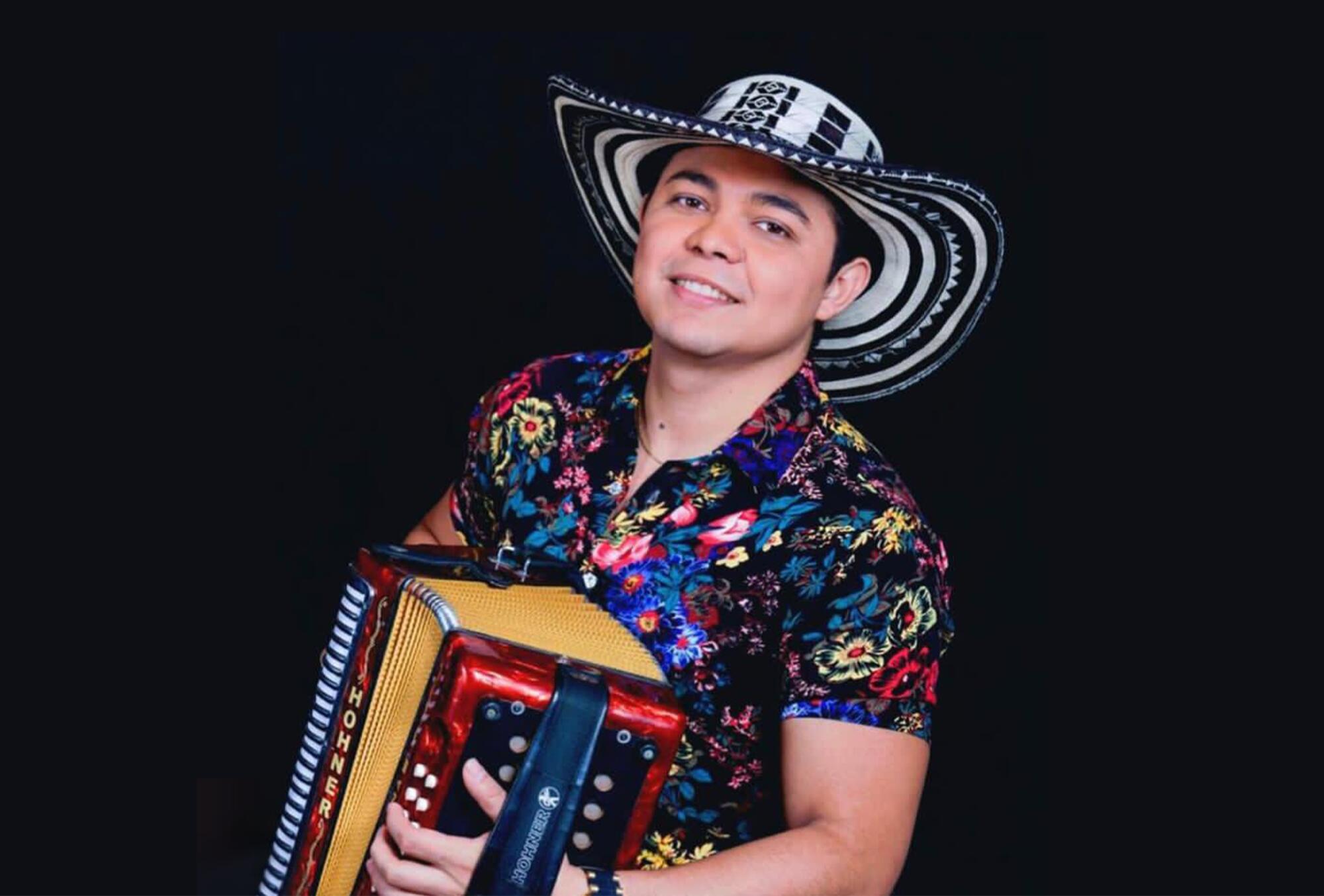
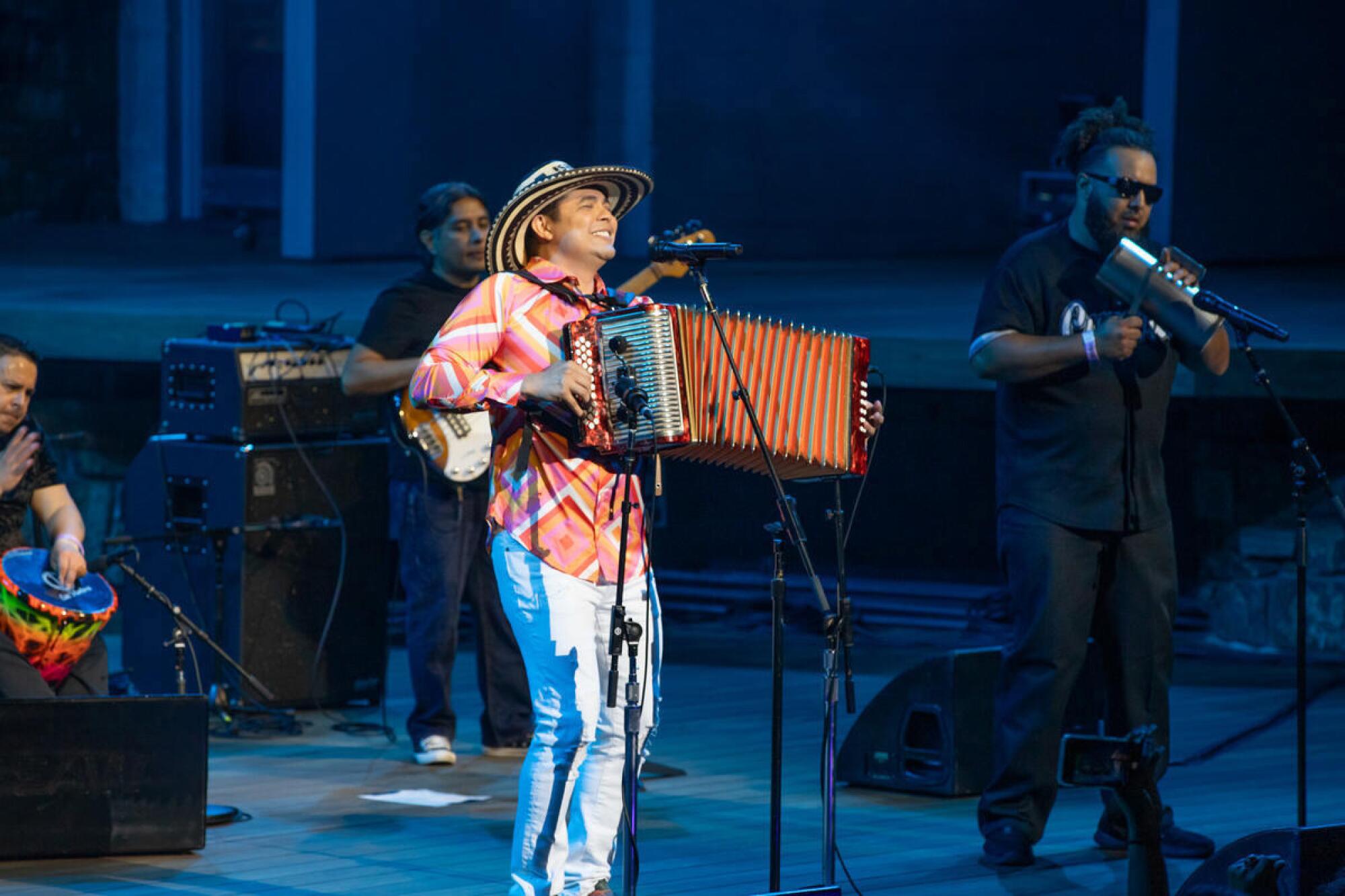
Kicking off Saturday night at the Ford, artists like Los Gaiteros De San Jacinto, one of the genre’s earliest touring groups, and Reyna Tropical, who focuses her sound around activism, will share the stage, creating an expansive look at the history of cumbia. Co-presented by Cumbiaton, a Latina-led music collective and party series, the night will also highlight the marimba-rock of Son Rompe Pera and the uplifting sounds of Yeison Landero’s accordion.
On Sunday night, the Hollywood Bowl’s shell-like silhouette will be filled with the musical stylings of performers from Colombia, El Salvador and Mexico, including the father-son duo Grupo Cañaveral de Humberto Pabón and the orchestral sounds of La Sonora Dinamita and Los Hermanos Flores. Yeison Landero and Los Gaiteros De San Jacinto will also perform.
Beyond the programming at the Hollywood amphitheaters, cumbia can be heard all over the city as a part of Cumbiaweek. Events will be held daily through Sept. 27 and vary widely, from a marimba workshop with the band Son Rompe Pera to documentary screenings at the Consulate General of Mexico.
Get to know the Noche de Cumbia acts at two of L.A.’s most celebrated venues
The Ford
Son Rompe Pera
Centered on the hollow tunes of the marimba, Son Rompe Pera brings the rebellious spirit of punk to the Afro-Indigenous beats of cumbia. From the Mexico City municipality of Naucalpan de Juárez, the band is made up of the three Gama brothers — marimba player and guitarist Allan “Mongo,” marimbist Jesús “Kacho” and percussionist José Ángel “Kilos” — as well as bassist Raúl Albarran and drummer Ricardo López. When experimenting more with the marimba, an instrument their late father taught them, they unintentionally created this fusion of rock-style cumbia.
“We weren’t looking for how to create this sound. It happened because we were playing and traveling with [Chilean cumbia group] Chico Trujillo and we just stumbled upon it,” Allan “Mongo” Gama said. “Right now, we feel very happy about that because it makes us work harder to keep making music like this.”
When reminiscing about playing the marimba at weddings and quinceañeras as a kid, he recalls the strong emotions he felt when listening to Mexican cumbias. He says there’s “always something that excites you about the sound” and looks forward to re-creating that energy.
“Sometimes we think that, [their shows are] going to be a relaxed party, and it always ends up crazy and in every place we’ve toured, everyone kind of explodes when we play. And honestly so do we,” he said. “If people are going through a bad time, sometimes our performances will help relieve them of that stress.”
Reyna Tropical
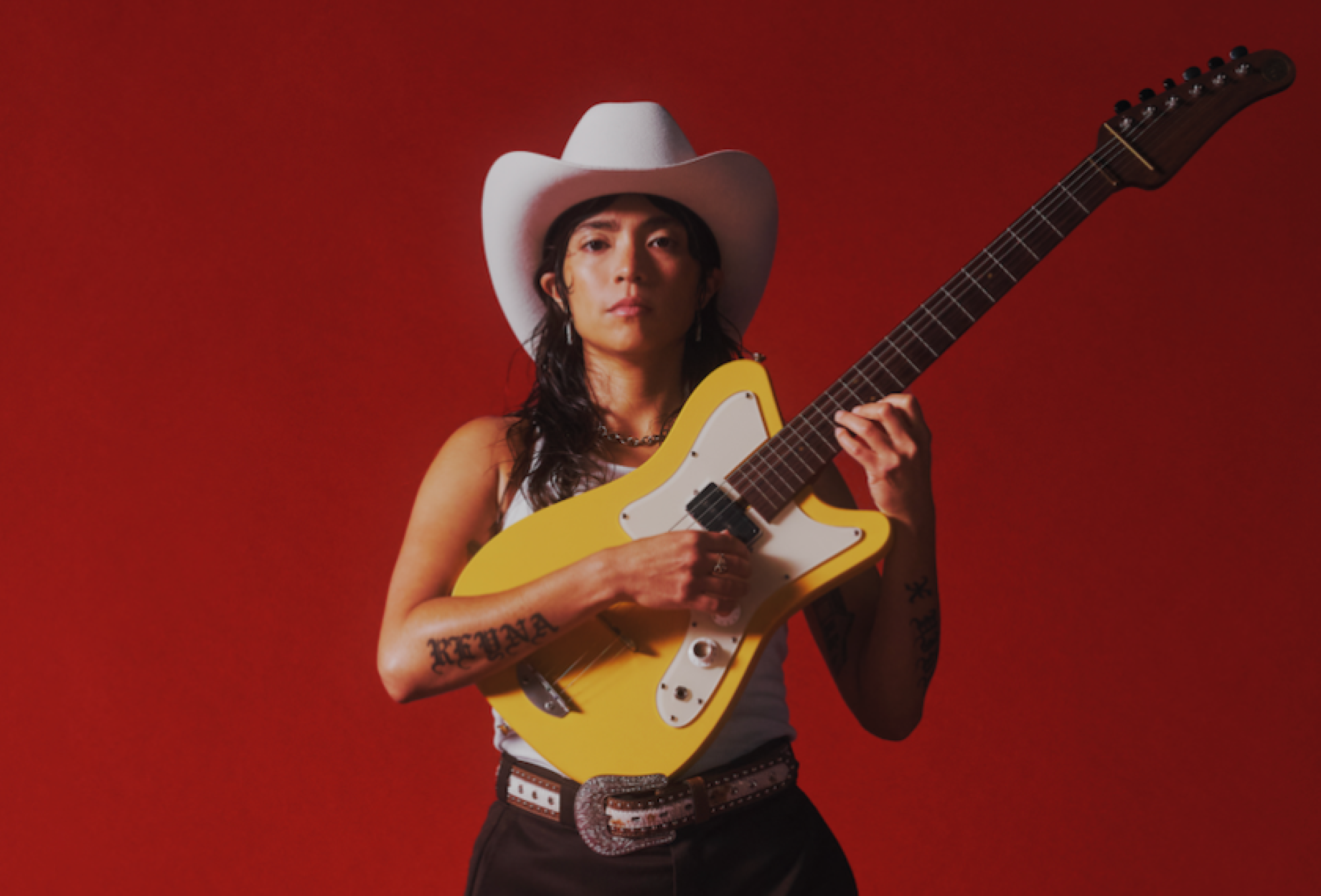
Fabiola Reyna of Reyna Tropical “doesn’t make cumbias.” Instead, her sound “embodies the sounds of liberation,” emphasizing cumbia’s roots as the sound of African and Indigenous communities. The Mexican American singer-songwriter says that bringing attention to its origins through her music is the least she can do.
“My own personal experience as a queer brown woman from the border has always been one of very political nature,” she said. “I was born with that perspective of life. So, to find sounds like cumbia that are created for liberation, it just feels extremely nurturing and nourishing.”
The band started as a duo with Reyna and producer Nectali “Sumohair” Díaz, who died in 2022. Telling stories of queer love and channeling her grief into her debut album, “Malegria,” Reyna blends birdsong melodies with eclectic lines of percussion. With every song that she makes, the 32-year-old performer emphasizes the effects of the Latin diaspora, whether through lyricism or drum patterns.
“I think what’s important to talk about is Afro-Mexico and Afro-Indigenous innovation — the sounds of cumbia and reggaeton — these Latin sounds that we hear, are being built from and are being distributed from. For me, I think as a Norteña and as a queer person, it’s important to integrate the injustices of Afro-Latindad, one that I will never experience, but I can very well see.”
The Hollywood Bowl
Grupo Cañaveral de Humberto Pabón
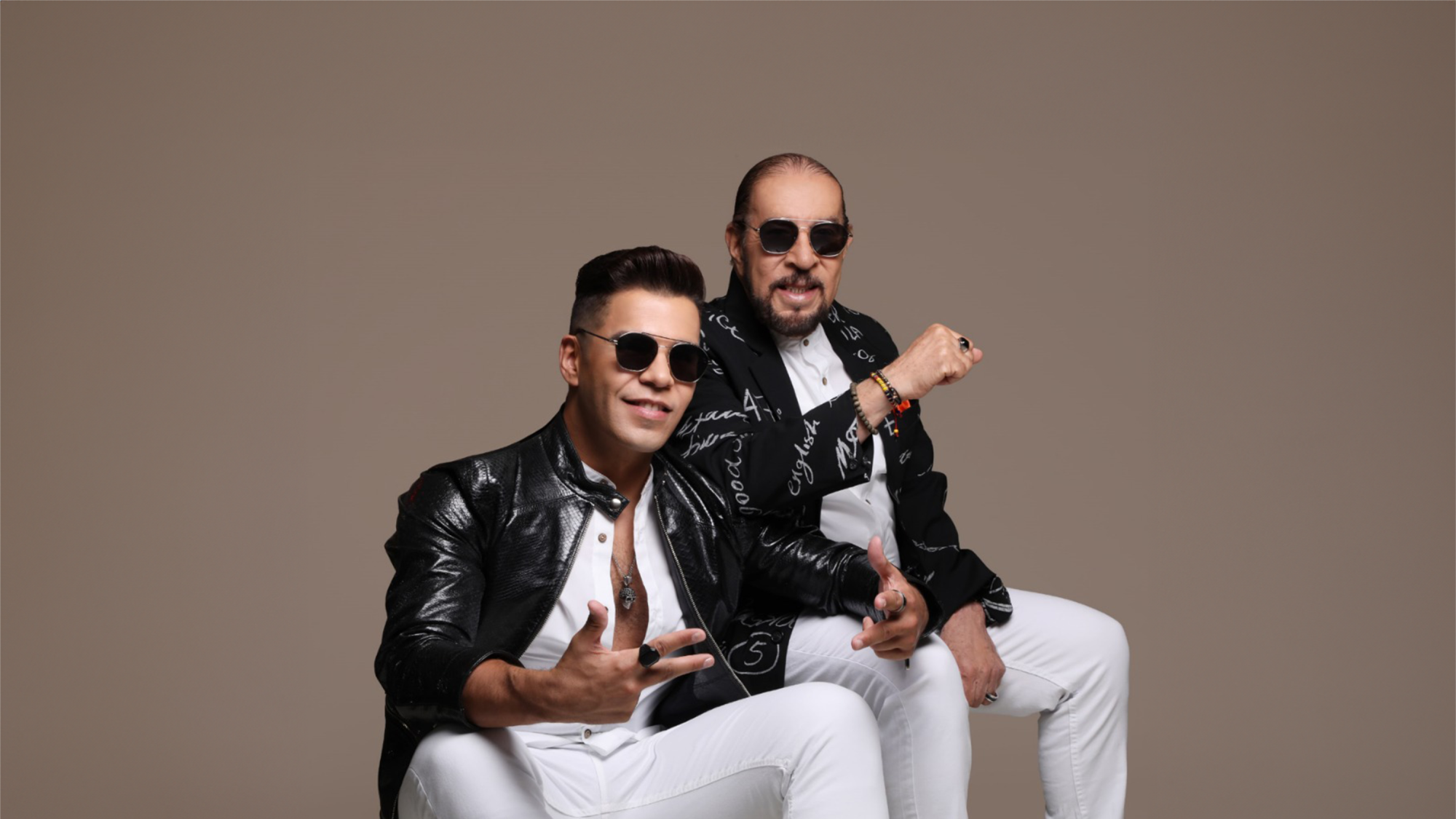
Of Corraleros del Majagual fame, Humberto Pabón Olivares and his son Emir Pabón continue their legacy in Mexican cumbias with Grupo Cañaveral. Formed in 1995, the group is the artistic initiative of Emir Pabón as he’s the main singer-songwriter and producer. He concentrates on bridging the gap between the styles of him and his father.
“I learned everything from my dad, from to interpreting music and to recording music,” Pabón said. “With Grupo Cañaveral, I want to create music without losing the essence of his sound but put the new sound that younger generations are working on today.”
Recently, they have focused on bringing together the styles of different kinds of música Mexicana such as corridos tumbados and mariachi — collaborating with Sonoran rapper Lefty SM and Norteño singer Adriel Favela. When performing these fusions with his father, he says the exchange between themselves and the crowd is what makes them memorable.
La Sonora Dinamita
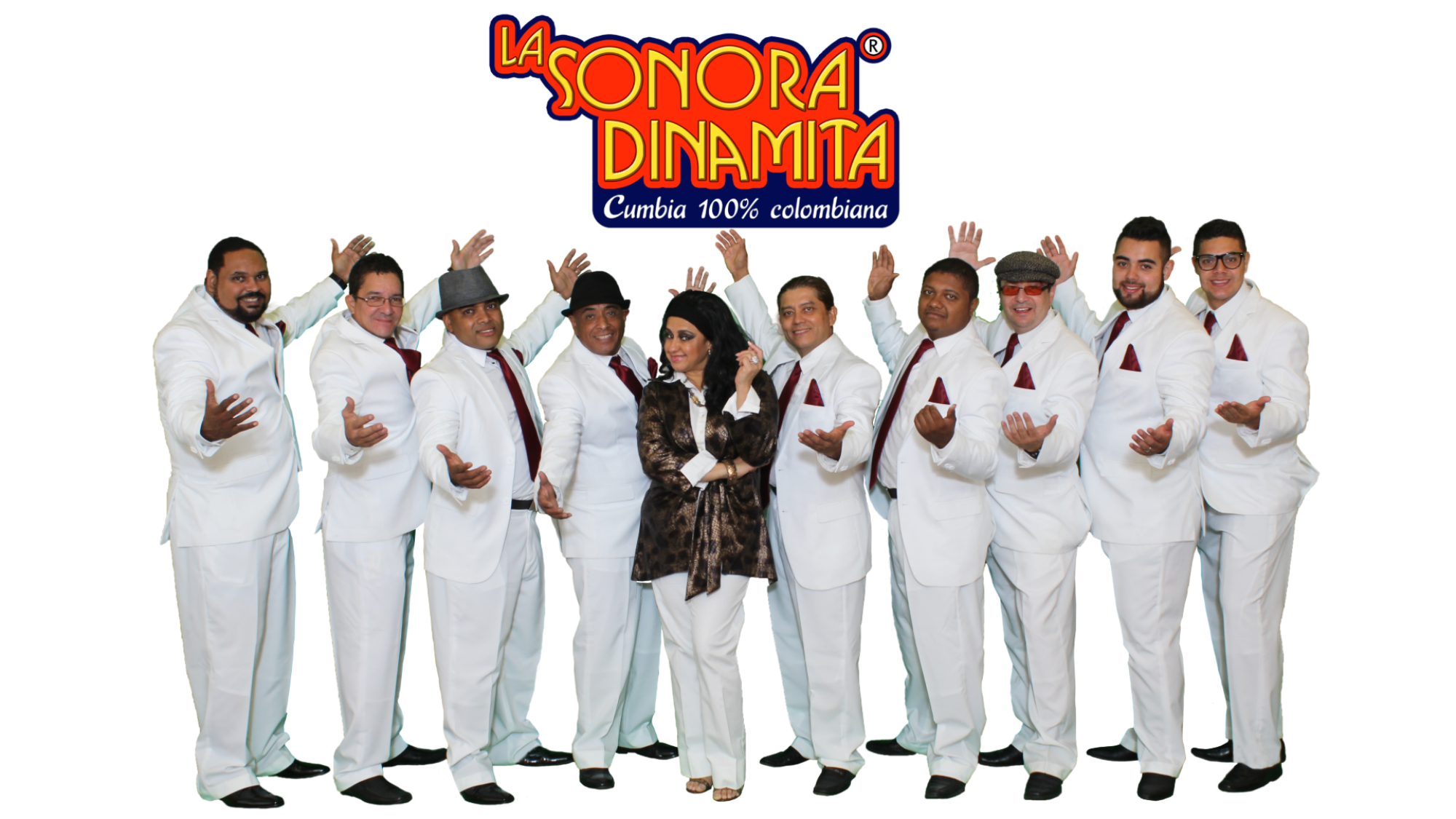
Every time La Sonora Dinamita lead singer Vilma Diaz performs, she looks forward to singing “Escandalo,” the group’s biggest hit. As the steady rhythm and peppy horns start to play, Diaz is typically greeted with loud screams from the audience and she absorbs the energy. Credited with helping popularize cumbia, the Colombian orchestra was first formed in 1960 and has always featured 10 brass instruments and a powerful female voice. Over the years, their lineup has changed several times, with Diaz joining as the vocalist in 1988.
“La Sonora Dimamita is totally different from the other cumbia bands,” Diaz said. “It’s practically the mother of the rest of the bands. Cumbias all have same rhythm, but the style in every country changes. We were one of the first bands that played original Colombian cumbia style around the world.”
Given cumbia’s danceable nature, she says she always tries to create the atmosphere of a family party at shows. Having played the Hollywood Bowl in 2017, she is going into this weekend’s show with high expectations.
“The Bowl had a beautiful audience. Everyone was full of energy and dancing,” Diaz said. “I always treat the crowd like my family. I’ll tell jokes in between the songs and ask everyone to get up and move. I play too much with them, but in a very good way.”
Los Hermanos Flores
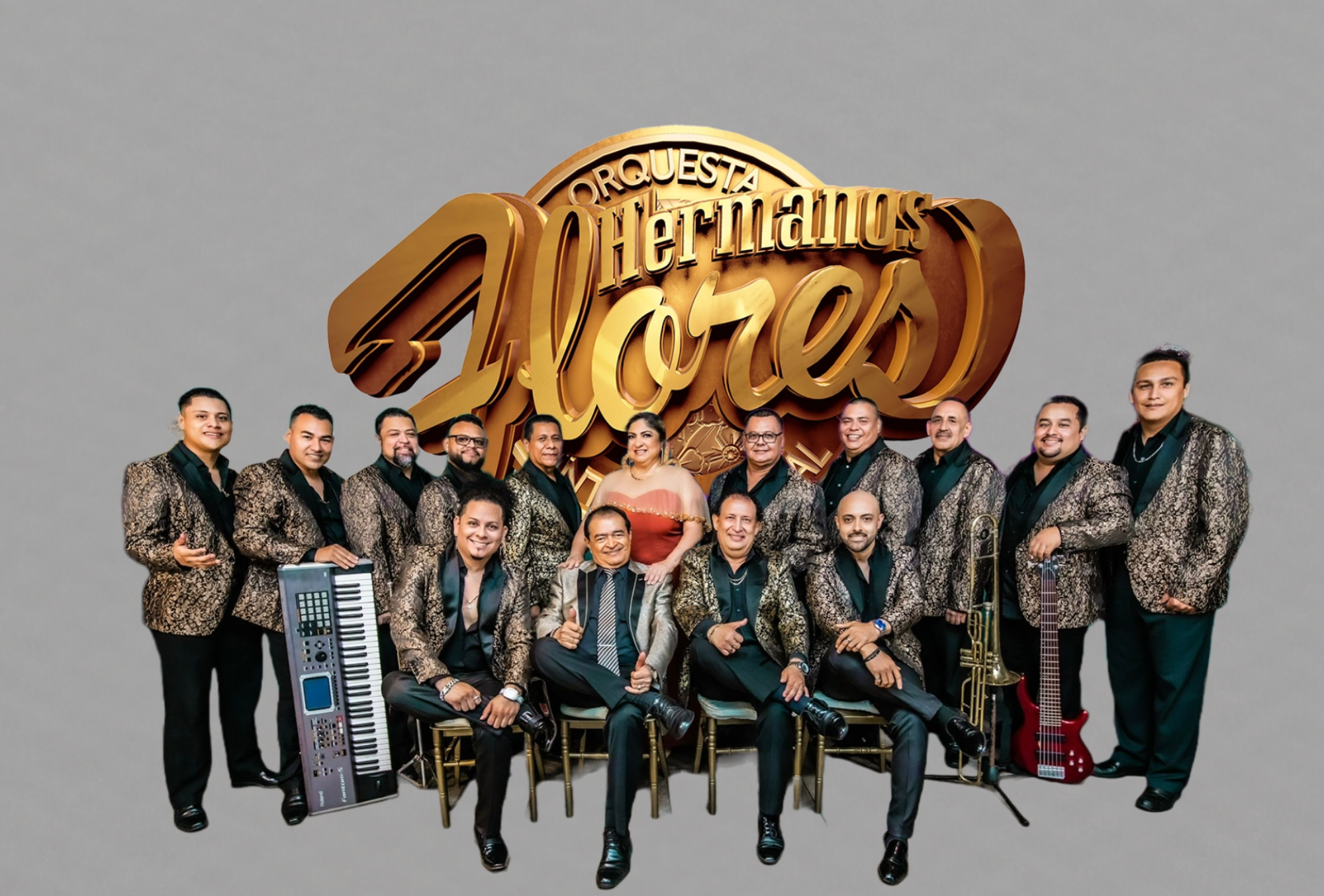
Nora “Nory” Flores has dedicated the past 56 years of her life to Los Hermanos Flores, known for its blend of traditional cumbia percussion and the jazzy sounds of the saxophone and trumpet. The Salvadoran outfit was founded in 1962 by her father, Don Andres Rodriguez. Joining the group with her 10 siblings, Flores started on the sax before becoming a vocalist. Today, she says she looks forward to sharing her family’s story and sound.
“In my country, if there is no cumbia at Christmas, there is no Christmas,” she said. “It’s something that’s very important to our country. Cumbia can never be missing in the homes, either by tradition or by memories.”
Los Hermanos Flores are considered to be one of the most prominent cumbia groups from El Salvador and widely considered the country’s musical ambassador. Today, Flores is one of three remaining family members in the ensemble, along a sibling and a nephew.
“We are still in charge of the orchestra, so we will continue to take it far with the same cumbia tradition of Los Hermanos Flores,” she said. “We hope to give our best.”
Playing the Hollywood Bowl and the Ford
Yeison Landero
One thing Yeison Landero will always remember about his grandfather was his “desire to keep his music alive.” He is the grandson of Andres Landero, the first músico to incorporate the wind instrument into cumbia. Raised in the Montes de Maria, right outside of San Jacinto, Colombia, Landero picked up an accordion at age 7 — becoming his grandfather’s only musical apprentice. Trained in musical traditions of the campesinos, Landero emphasizes these sounds with his own modern spin.
“One of the main takeaways [from my grandfather] was to create my own style,” Landero said. “Even though I include a lot of traditional instruments, I will often take influences from all around the world. I will mix the accordion with a short flute and add in an electric guitar and the timbales.”
Ever since releasing his first album, “Landero Vive,” a tribute record to his grandfather, the accordionist has dedicated his life to touring and sharing his familial legacy.
“I believe that my grandfather is in heaven celebrating, happy [and] applauding, that cumbia continues to carry the same message of resistance and union for everyone as he created it,” he said.
Cumbiaton
In between each of the acts, Cumbiaton will fill in the gaps. Responsible for keeping the energies high and the crowd on its feet, various performers from the all-female collective spin anything from psychedelic cumbias to sonideras. As the co-presenter of the Ford’s programming, Cumbiaton founder Zachil Vasquez, a.k.a. DJ Sizzle, uses the breaks between artists as a way to share the bigger picture of the genre with the audience.
“We were able to tell the story of the evolution of cumbia from what it started at its roots in Colombia to what it’s manifested into the fusion between Mexican, American, Chicano, soul, cumbia, and then go back into a full cumbia party,” said Vasquez. “It’s really beautiful to see not a single person sitting in their seats.”
In 2017, Vasquez started Cumbiaton on a stage made of milk crates, in a small bar in Boyle Heights. Her idea was to create a space for her friends to connect through cumbia in a safe space for women, queer people and people of color.
“I never saw myself in stages like the Ford or the Hollywood Bowl,” Vasquez said. “But the universe said, ‘Girl, dream bigger.’ ”
Los Gaiteros de San Jacinto
Gabriel Torregrosa, director and drummer in Los Gaiteros, says the sound of the Colombian group emphasizes “ancestrality above all.” Since the 1950s, this traditional San Jacinto ensemble has taken one of cumbia’s earliest sounds, of airy flutes and forceful percussion, all over the world. To this day, the seven-part band takes pride in crafting its own organic instruments.
“Our main instrument, the gaita, is made from the cactus wood and beeswax,” said Torregrosa. “Even our maraca is made from a [hollowed] circular fruit that has seeds inside.”
Given the band’s longevity, many of the roles have been passed through generations, ensuring this kind of cumbia will always have a spot in the modern soundscape.
“The most important thing is that this tradition never dies,” Torregrosa said. “We have a big commitment to spreading our sound, teaching the music, the craftsmanship of our instrument and bringing this legacy and heritage to as many places as we can … never letting people forget about tradition and the Indigenous roots of cumbia.”





 Sony Pictures Classics
 Sony Pictures Classics


