Lifestyle
'Love is Blind' is mired in lawsuits. What does that mean for reality TV?


Contestants on Love is Blind live apart from one another and do not see each other before agreeing to be married.
Netflix
hide caption
toggle caption
Netflix
The hugely popular Netflix reality show Love is Blind purports to be an experiment where contestants have a chance to fall in love — sight unseen. After “dating” through a wall in small pods, the men and women get engaged, meet in person and then decide at the altar whether or not to commit to a real, legally binding marriage.
But some members have accused the show’s production company of exploitation, and two former cast members have formed a group to help connect reality show contestants to legal and mental health resources.
“There are a lot of problems with this show,” TV critic Emily Nussbaum says of Love is Blind. “The problem with it is the way the show is run, and frankly, the way that almost all modern reality shows are run. Dating shows, I think specifically, have a lot of these dark qualities that viewers and fans of them don’t know about.”
A staff writer for The New Yorker, Nussbaum wrote about the show in her May 2024 article, “Is Love is Blind a Toxic Workplace?” She chronicles the origins of the genre and its importance to our culture in Cue the Sun! The Invention of Reality Television.

Nussbaum says reality television is a “genuinely powerful modern genre” that developed over decades, and which affects everything from personal relationships to politics. She notes that it’s common for contestants to sign extremely aggressive non-disclosure agreements that prevent cast members from discussing the making of the shows.
“They can’t talk about what their producer did, if their producer lied to them, if their producer made them cry by asking them numerous personal questions based on their psychiatric evaluation forms, and then took that crying out of context in the edit,” Nussbaum says. “They can’t talk about any of that, or they may get sued.”
Nussbaum notes that there have been a series of lawsuits related to Love is Blind. One suit, which has been settled, accused the show’s creators of underpaying, underfeeding and pushing alcohol on contestants. In another suit, a cast member accuses the show’s producers of facilitating false imprisonment and sexual assault.
“All of these lawsuits are dealing with a mixture of things: the extremely oppressive contracts, … abuse and exploitation on the show and dealing with the labor conditions,” Nussbaum says. “And [the lawsuits] don’t only have to do with Love Is Blind. [They are] addressing terrible labor conditions and terrible legal conditions and … the people who go on these shows and who work on these shows as worthy of decent treatment.”
Interview highlights
On reality shows as “dirty documentaries”
When I call them “dirty documentary” what I mean is they take documentary techniques and they create formats that put pressure on the people inside them. And the less the people inside [the shows] know about what’s going to happen, the more powerful, and to some degree authentic, their emotional responses are.

On how the earliest form of reality programming took place on radio
The earliest form of reality television that I talk about was actually before TV. … There was this explosion of shows on radio that also cast just regular people, and that created a similar kind of moral outcry, where people were sort of appalled that regular people were going on the air. And I’m talking here about shows like Candid Microphone, which was the first version of Candid Camera, Allen Funt’s prank show, and Queen for a Day, where a bunch of ordinary women went on and told really distressing stories about their personal suffering in their marriages, their poverty, abuse, sickness and things like that. And so people were very upset about the fact that ordinary people were going on the air. There was no such thing as reality casting at the time. I mean, this was just an opportunity for regular people to go on radio, and later on TV, and participate in these shows, sometimes for prizes. Like, on Queen for a Day, the person who won [was] based on a clap-o-meter, like other women rating them [on] who had the ugliest life — their motive for going on the show was obviously that they could win these prizes.
On Love is Blind contestant Renee Poche being hit with a lawsuit for talking about her bad experience
She definitely, as time went by, wanted to back out of the whole thing. But as on all reality shows, it’s a collaboration between the cast and the crew, and there’s all sorts of psychological things that keep you moving forward, even if you have doubts. Essentially, I think the message that she got was that she should keep going because … part of the show is that at the end of it, you’d go to the altar and you can say no to it. So it just kept rolling forward. …
She felt threatened by [Carter, her fiancé on the show]. She was only going to film scenes with him when she went over there to be with him. But ultimately they did move forward to the altar. I mean, the bigger deal is that Renee wasn’t allowed to talk about what happened on the show. She wasn’t actually featured on the season. She and Carter were treated as kind of side characters. Their story was cut down very much at the last minute, and once she began to talk about what Carter was like, that she had felt threatened by him, that she felt pressured to move forward with the show, that’s when she got slammed with the lawsuit.
Nobody’s allowed to talk about the negative aspects of what they experience on the show, because there is a threat of these lawsuits. Generally, people haven’t been sued. Renee was, and I feel that that was a message to everybody. If you experience anything that’s exploitative or abusive while making a reality show, not just Love is Blind, but any show and you speak out about it, you’re at risk of getting sued.
On the private arbitration that keeps controversy out of the public eye

Emily Nussbaum TK
Clive Thompson/Penguin Randomhouse
hide caption
toggle caption
Clive Thompson/Penguin Randomhouse
Essentially, it keeps the public, including fans of these shows, from understanding the actual conditions in which they’re made. And most of the time when people talk about their experiences on the show, they’re not sued. But the one person who was sued recently, who I wrote about in my article, was sued for $4 million. And I think that sends a significant message. There are multiple motives for people not to speak out about any of this. And frankly, these conditions in these contracts are absolutely standard for the industry. I think people who watch the show not only don’t know about that, but they often just don’t sympathize with it. The dominant feeling is: You decided to go on it, so anything that happens, you should have expected it. I think that shows a lack of compassion, but also I think it shows a lack of understanding of exactly what the conditions are that we’re dealing with here.
On how reality show participants have few protections
One thing I found while I was working on this piece was about a workplace category that they’re in, in terms of Hollywood unions. They’re called “bona fide amateurs,” which is to say, they’re not scripted performers. That would be in SAG, like actresses, and they’re not unscripted performers that would be in SAG, like, say, TV hosts and things like that. But they’re also not the subjects of documentary, who are in a different category and have a little control. They’re essentially contestants on game shows. They’re designated as a category that is sort of non-official and has no protections or rights of any kind. And so what I was writing about in this piece was that the first glimmerings of a movement to try to win protections, and also just to try to educate the general population about how these shows are made and what these issues are, and to improve things, because I think some of the people at the center of this movement, it’s not like they’re saying you couldn’t make an ethical reality show. They’re saying that right now, the way reality shows are made is non ethical, really, both for cast and crew. They’re non-unionized sets. People don’t have a lot of rights. And the conventions and history of the genre have a lot of ugly things about them.
Thea Chaloner and Susan Nyakundi produced and edited this interview for broadcast. Bridget Bentz, Molly Seavy-Nesper and Meghan Sullivan adapted it for the web.

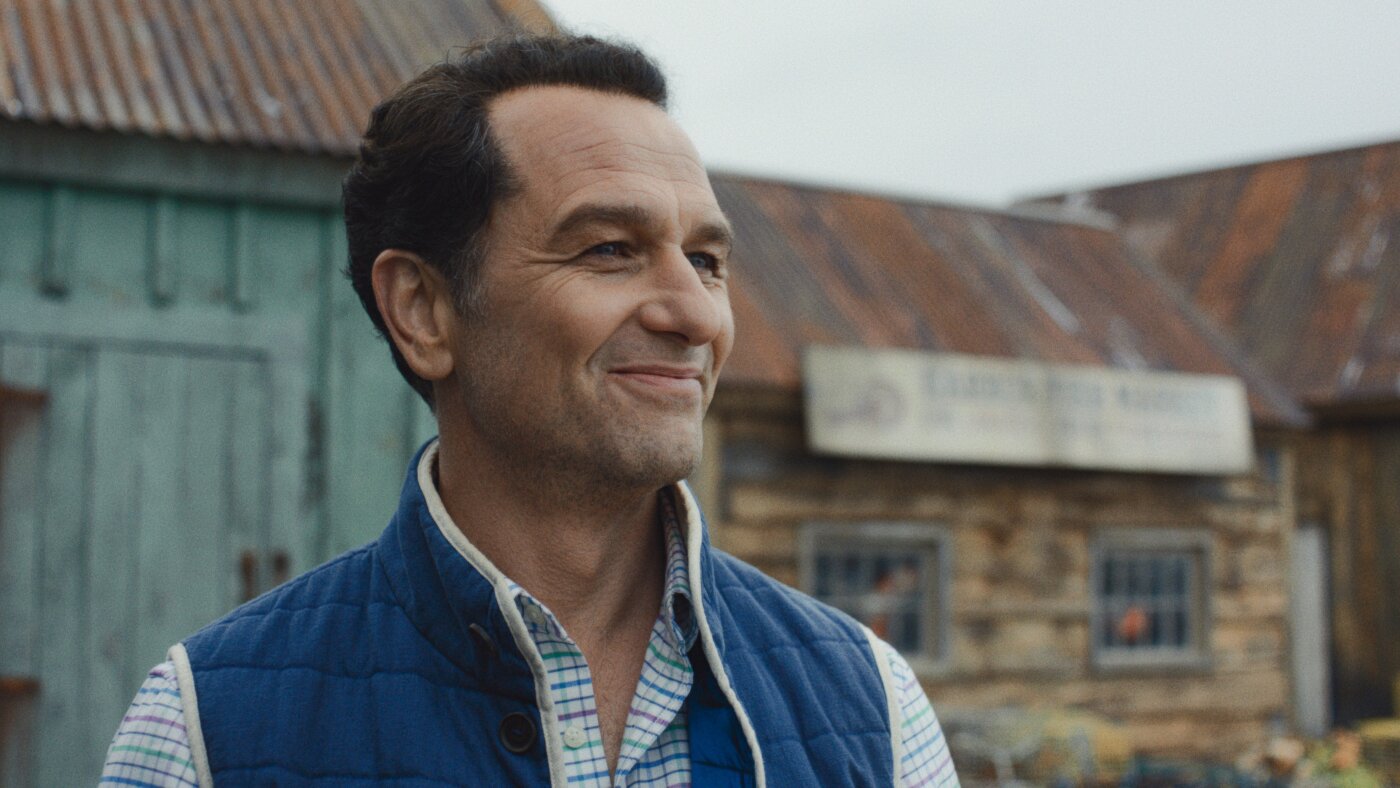
Matthew Rhys was nominated for his role in Widow’s Bay.
Apple TV
hide caption
toggle caption
Apple TV
The 2026 Emmy nominations are here. We’re unpacking the record-breaking nominations for Hacks, plus a big day for Widow’s Bay, The Pitt, and The Bear. We’ll also talk about the snubs and make some early predictions of who will win.
Connect with Pop Culture Happy Hour:
Letterboxd / Facebook
Our weekly newsletter
Support Pop Culture Happy Hour+


Can you say no to a friend’s wedding?
Getty Images/Getty images
hide caption
toggle caption
Getty Images/Getty images
Are we spending too much on other people’s weddings?
Going to a friend’s weddings can be so fun and meaningful… but it can also really hurt your wallet. A survey by LendingTree found that 31% of people who had been to a wedding in the past five years had accrued debt to attend. So what’s driving up the cost of weddings for guests? And what makes it so hard to say no to these expenses?
Brittany breaks it down with Allyson Rees, senior analyst at trend forecasting firm WGSN, and Annie Joy Williams, assistant editor at The Atlantic.
This episode was produced by Liam McBain, with additional support from Corey Antonio Rose. It was edited by Neena Pathak. Our Supervising Producer is Cher Vincent. Our Executive Producer is Barton Girdwood. Our VP of Programming is Yolanda Sangweni.
-

 Alaska3 minutes ago
Outmigration, inflation, choice schools: Alaska school closures likely to continue without changes
-
 Arizona5 minutes ago
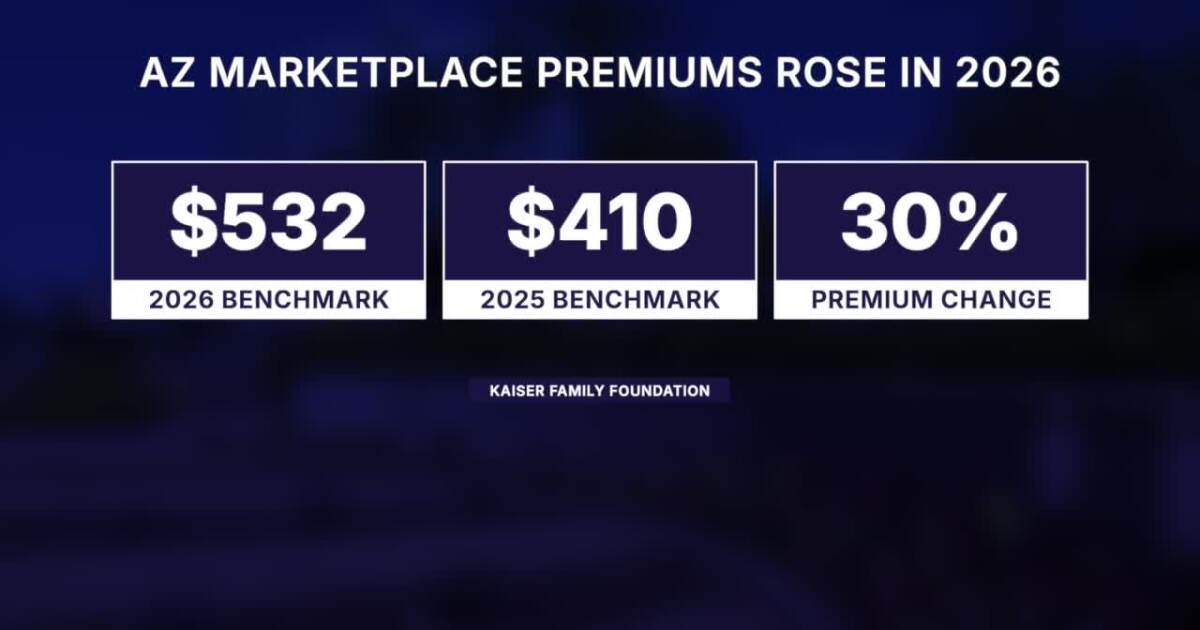
WATCH: Arizona’s health insurance marketplace is seeing dropping enrollment
-

 Arkansas10 minutes ago
ARKANSAS SIGHTSEEING: Randolph County can claim many firsts in Arkansas | Northwest Arkansas Democrat-Gazette
-

 California18 minutes ago
Toddler sustains brain injury in fall after California childcare worker threw him into the air, lawsuit says
-

 Colorado20 minutes ago
‘Saleabration’ comes back to Colorado Springs for third year
-

 Connecticut26 minutes ago
‘It’s a neighborhood effort’: Improvements made to Quinnipiac River Park
-

 Delaware33 minutes ago
Kids get hands-on learning during summer camp at Delaware County Technical School
-

 Florida35 minutes ago
Iranian drones in Cuba could threaten South Florida, officials warn

