Wyoming
Wyoming lawmakers punt on protecting electric utilities from wildfire liability – WyoFile


A panel of lawmakers punted Monday on an effort to address the rising cost of electricity in the wake of utility sparked wildfires, which industry officials describe as an existential threat. The multipronged legislation, which sought to incentivize power companies to make wildfire mitigation upgrades in exchange for limits on damage claims, was too mired in complex amendments to secure the votes needed to move forward.
The Minerals, Business and Economic Development interim committee tabled the draft Public utilities-wildfire protection plans and liability measure, which means it will not be introduced as a committee-sponsored bill in the upcoming legislative session that begins in January. A group of stakeholders that crafted the bill, however, will likely seek individual sponsors, according to one member.
Climate-driven wildfire and utilities
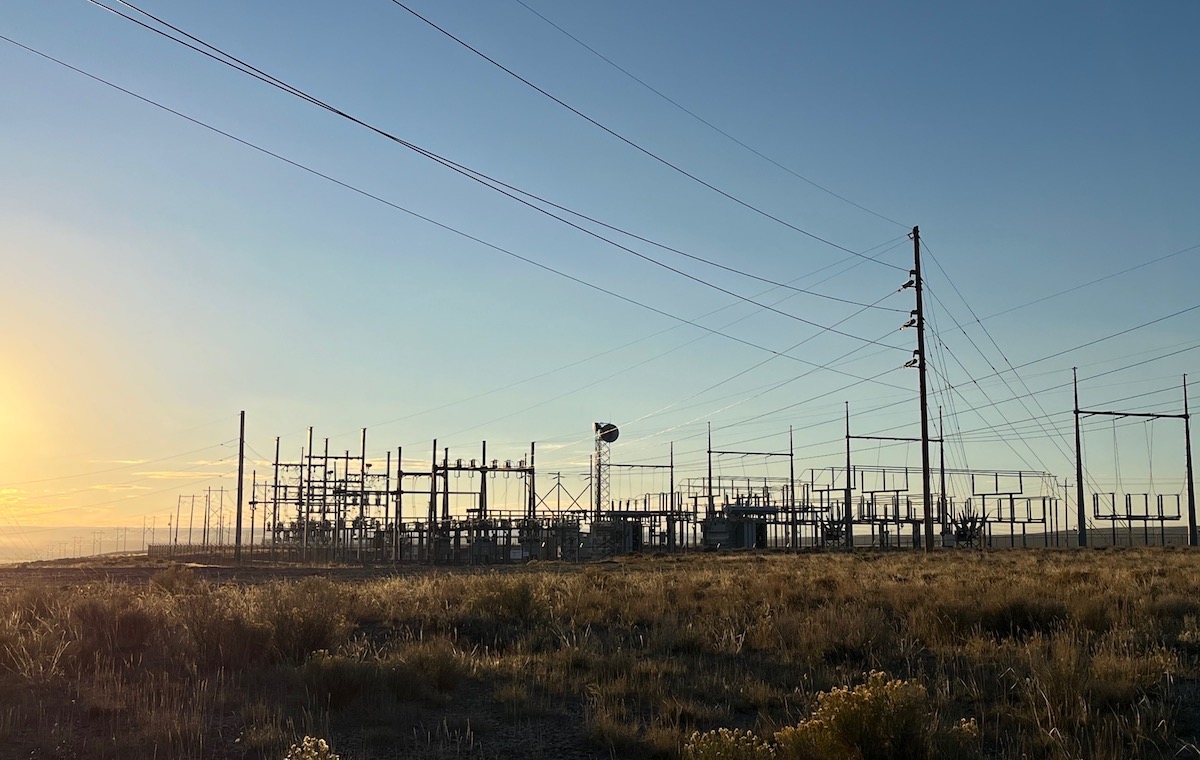
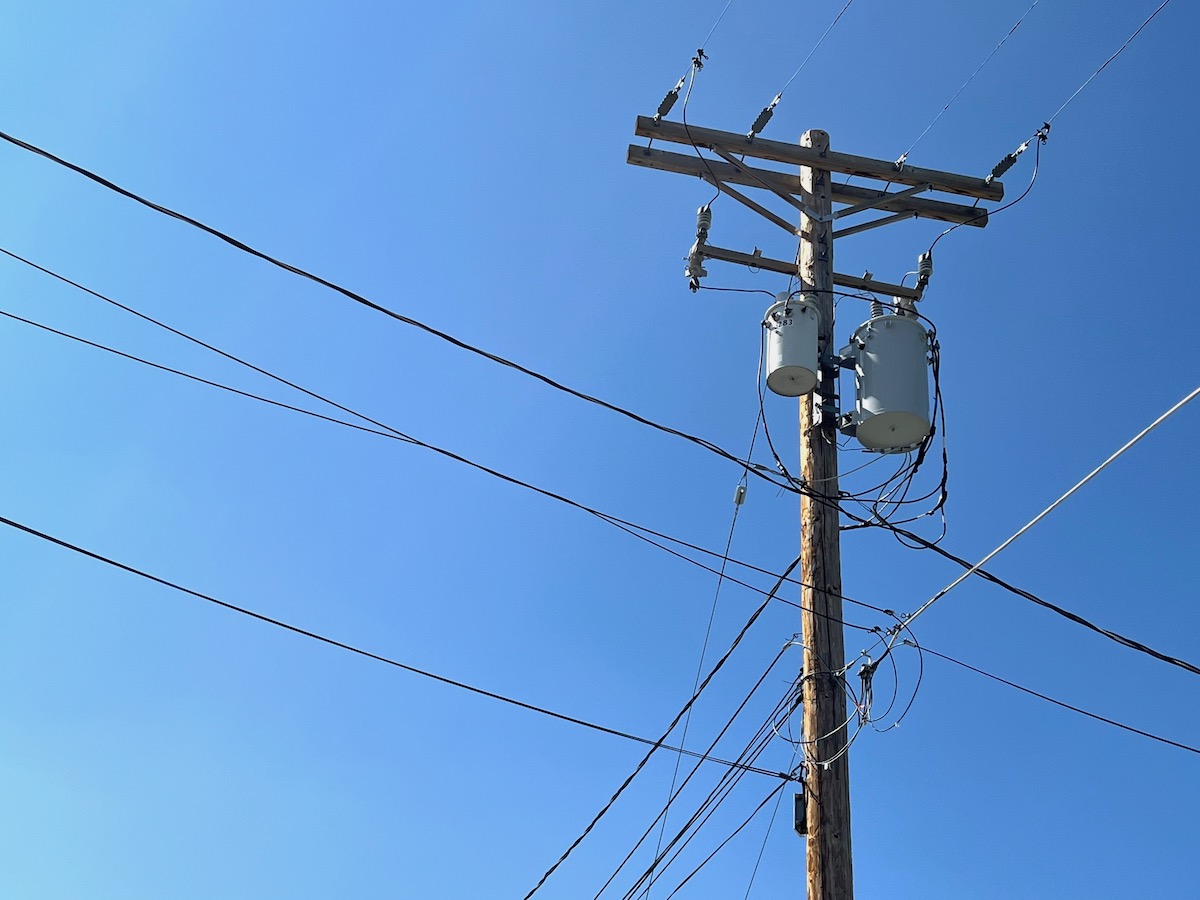
Wildfires, driven by human-caused climate change, have become much more frequent and intense, particularly in the West. The region’s vast network of electric power lines and other energized facilities is aging and it simply wasn’t built to safely operate in an ever warmer and drier climate, according to industry experts.
Utilities have sparked devastating fires in California, Hawaii and Texas in recent years, prompting hundreds of lawsuits seeking enormous payouts. PacifiCorp, which operates as Rocky Mountain Power in Wyoming, faces tens of billions of dollars in claims for its role in wildfires that raged in Oregon in 2020.
Some industry leaders in Wyoming say it’s only a matter of time before a similar situation plays out here. “We’re just one wildfire away from bankruptcy if we don’t have liability relief,” Wyoming Rural Electric Association Executive Director Shawn Taylor told WyoFile earlier this year.
Meantime, utilities face another potentially crushing financial strain in the form of soaring insurance costs. Wyoming’s largest electric utility, Rocky Mountain Power, cites skyrocketing wildfire liability in its current bid to increase rates by 14.7%, claiming insurance premiums for its Wyoming operations have risen 1,888% over the past five years.
“What has happened over the last few years is that wildfire has become a real existential threat, not just for the investor-owned utility, but all utilities,” Rocky Mountain Power Vice President of Government Affairs Thom Carter told the committee.
Legislative remedies
The basic legislative concept being considered in Wyoming, which is borrowed from similar measures in other western states, would restrict what wildfire victims can claim damages for when an electric utility sparks a blaze. To qualify for the protection, a utility would be required to invest in and maintain more stringent wildfire mitigation strategies. While the cost of those upgrades would be passed on to customers, they’re intended to stem rising insurance rates, according to proponents.
“This is not intended to be a dollar-for-dollar cost reduction,” Wyoming Office of Consumer Advocate Administrator Anthony Ornelas said in support of the bill. “To us, the real benefit here that we’re trying to do is to put some legal protections around … liability exposure.”
Though many committee members agreed the Legislature should provide some protection for utilities from what could be costly damage claims, the bill draft was marked up with too many complicated amendments to move forward, some lawmakers said. Others worried the ultimate goal of the bill — to protect utilities from expensive litigation and to stem rising insurance costs — remains speculative.
“The economics are not aligning in my mind,” Sen. Chris Rothfuss (D-Laramie) said. “I see where it’s really good for the utilities. I’m struggling to see how it’s really good or even marginally good for our ratepayers.”
Though Utah passed a similar bill in 2020, it’s difficult to calculate the net benefit of avoided damage claims and insurance costs versus ongoing investments in wildfire prevention, Carter of Rocky Mountain Power told the committee.
The Wyoming Trial Lawyers Association also warned that the bill may go too far in removing legal remedies for wildfire victims.
For example, a person or entity would not be able to sue a utility that is determined by the Wyoming Public Service Commission to have “reasonably” implemented and maintained a wildfire mitigation plan. But that determination is more suited to be determined by a court or jury, not the public service commission, according to Sarah Kellogg, who serves as the association’s board of directors president.
“This legislation is essentially taking the question of reasonableness away from a jury, after the fact, and giving it to a governmental administrative body to decide reasonableness through a process that has not been laid out at all,” Kellogg told the committee.
“Wyoming juries are conservative people, they’re reasonable people,” Kellogg continued. “So taking this question away from Wyoming people and Wyoming juries — and in an adversarial setting — is not going to be good for Wyomingites.”
In addition to limiting utilities’ liability, several western states have acknowledged rising insurance costs and the need for major spending to prevent utility sparked wildfires. California authorized three utilities there to tap ratepayers for some $27 billion and has created an industrywide fund for such costs.
BEFORE YOU GO… If you learned something from this article, pay it forward and contribute to WyoFile. Our work is funded by readers like you who are committed to unbiased journalism that works for you, not for the algorithms.


Wyoming
Measles confirmed in Teton County, Wyoming, as summer crowds flock to parks – East Idaho News

JACKSON, Wyo. (WyoFile) — After confirming a case of measles in an unvaccinated adult in Teton County, Wyoming, health officials are warning the public about possible exposure at locations in Grand Teton National Park and Jackson.
The news comes as summer crowds flood the region with tourists from around the world.
The public may have been exposed between June 17-25 at several locations in Teton County, according to the Wyoming Health Department. They include restaurants in Grand Teton National Park’s Colter Bay Village on June 17-18; a Colter Bay convenience store on June 20 and the Target in Jackson on June 25.
“We are asking people who may have been exposed to watch for measles symptoms for 21 days past the exposure date and consider avoiding crowded public places and high-risk settings such as daycare centers,” State Health Officer Alexia Harrist said in a press release.
Monitoring is especially critical for people who have not been vaccinated with the measles, mumps, and rubella vaccine, according to the health department.
It marks Wyoming’s second confirmed case of the highly contagious infection in 2026. Wyoming went 15 years without a confirmed case of measles until last year.
Resurgence
Health officials confirmed Wyoming’s first 2026 case in May. An adult patient in Fremont County who did not have a confirmed vaccination status caught the disease, according to the Wyoming Department of Health.
Measles was declared eliminated in the U.S. in 2000 — indicating no endemic transmission for 12 months or more. But it re-emerged in recent years primarily due to declining vaccination rates and increased public health skepticism. Those trends spawned during the COVID-19 pandemic and have persisted during the second Trump administration.
The neighboring state of Utah is one of America’s 2026 measles hotspots, with 499 cases reported so far this year.
RELATED | Anguished parents. Doctors in tears. Utah’s long measles outbreak takes a toll
A vaccination rate of 95% is necessary for community immunity to prevent measles outbreaks, according to the Centers for Disease Control.
In 2025, Wyoming’s proportion of kindergarten students who had completed the MMR vaccine was 93.6%, the CDC reports. That rate is higher than Colorado, Utah and Montana for the same year.
However, it’s declined overall since 2012-13, when Wyoming’s kindergarten vaccination rate was above 97%. It fell to 90.2% in 2020-21 before inching back up to the current 93.6%.
A measles case had not been reported in the state since 2010 until July 2025, when the health department confirmed measles in an unvaccinated child from Natrona County. By year’s end, 13 more cases were confirmed. The majority involved unvaccinated children and adults.
Along with being extremely contagious, measles can cause severe complications like pneumonia and brain swelling and can leave lasting impacts on the immune system. One to three out of every 1,000 children who become infected with measles will die from complications, according to the CDC.
RELATED | The US is on the verge of losing its measles elimination status. Here’s why that matters
RELATED | Measles is not the only disease on the rise. Mumps also may be making a comeback
=htmlentities(get_the_title())?>%0D%0A%0D%0A=get_permalink()?>%0D%0A%0D%0A=htmlentities(‘For more stories like this one, be sure to visit https://www.eastidahonews.com/ for all of the latest news, community events and more.’)?>&subject=Check%20out%20this%20story%20from%20EastIdahoNews” class=”fa-stack jDialog”>

GILLETTE, Wyo. — As the Aug. 18 primary election approaches, County 17 is introducing candidate questionnaires to help voters make informed decisions at the ballot box.
Every candidate in the primary field was sent the same three questions and given a limit of 500 words, which could be distributed among their answers as they saw fit. To ensure a fair and direct line to the community, all responses are published exactly as submitted, without edits or alterations.
Candidates were asked:
- What are the most crucial challenges your constituents are facing?
- If elected, how will you address these challenges?
- What qualities or qualifications do you possess that have prepared you to meet these challenges?
Questionnaires are being published on a rolling basis online through Aug. 11. They will be accessible via the County 17 Election Tracker.
Scott Smith (R), Wyoming state treasurer
What are the most crucial challenges your constituents are facing?
Everywhere I go many Wyoming citizens are concerned that our government is selling out our state lands to the highest bidder for crony capitalism. Some are concerned about Data Centers, Commercial Wind Generators, or nuclear waste storage. The biggest concern is the resources these outfits are taking, secondly, they are concerned about health issues related to living nearby, and lastly they are concerned with cost associated with these projects being passed onto the taxpayer.
If elected, how will you address these challenges?
One of the things that many people don’t know is that the State Treasurer sits on the State Land and Investment Board. (SLIB) The same issues that concern our citizens are the same reasons that I have decided to run for this office. The SLIB has voted to lease state lands to a hydrogen plant in Converse County that would take eight gallons of our valuable water to produce one gallon of hydrogen jet fuel using wind and solar generation to power the plant. These same elected officials have sold off $100 million of our state lands to the federal government. I believe that some things are not for sale. As Treasurer you can count on me to count the cost and listen to the people in the public testimony. If we are going to accept some of these projects the citizens need to have the benefit, like lower utility costs.
What qualities/qualifications do you possess that have prepared you to meet these challenges?
My bachelor’s degree is in Business Administration with an emphasis in management and marketing. I will be a leader in the state treasurer’s office that creates a positive work environment that will allow our investment team to create higher returns on the people’s money that the state invests. I would like to work with the legislature to use these interest earnings to buy down the people’s property taxes to alleviate part of the burden inflation has caused on the average citizen. My day job, I work as a bookkeeper and work with numbers day in and day out and have corrected some inefficiencies to help small businesses become more profitable. I plan to do that within the state office and make those profits available to the legislature to reduce the tax burden for the people. I have also served in the Wyoming House of Representatives for Goshen County and I have served on the Appropriations Committee and I am familiar with the massive state budget.
Related
-

 Los Angeles, Ca51 minutes ago
Wildfire burning on hillside near Cal State San Bernardino
-

 Detroit, MI1 hour ago
Pistons sign premier shot-blocker to two-way contract
-

 San Francisco, CA1 hour ago
1 dead, 1 injured in Bay Point shooting; suspect sought
-

 Dallas, TX1 hour ago
Viral video shows Egypt coach, team director in Dallas police confrontation
-

 Miami, FL1 hour ago
Fourth of July celebrations planned across South Florida for America’s 250th birthday
-

 Boston, MA2 hours ago
‘Forever grateful for all we accomplished together’: Jayson Tatum speaks out about Jaylen Brown trade – Boston News, Weather, Sports | WHDH 7News
-

 Denver, CO2 hours ago
Nations Cup in Colorado another showcase for Denver’s bid to host the 2031 Rugby World Cup
-

 Seattle, WA2 hours ago
USA Coach Mauricio Pochettino To Throw Out First Pitch At Seattle Mariners Game

